Entity Index

A record of the unseen, drawn from world folklore.

7685 entities · page 46 of 129

Corvus Glaive
Greater

Corvus Glaive

Corvus Glaive is a fictional alien supervillain from the Marvel Comics universe and its multimedia adaptations, serving as a principal lieutenant and martial leader within the Black Order under Thanos. He is characterized as a lithe, cruel warrior whose namesake glaive is described in sources as conferring immortality and can be summoned to his hand at will.
Corybas
Greater

Corybas

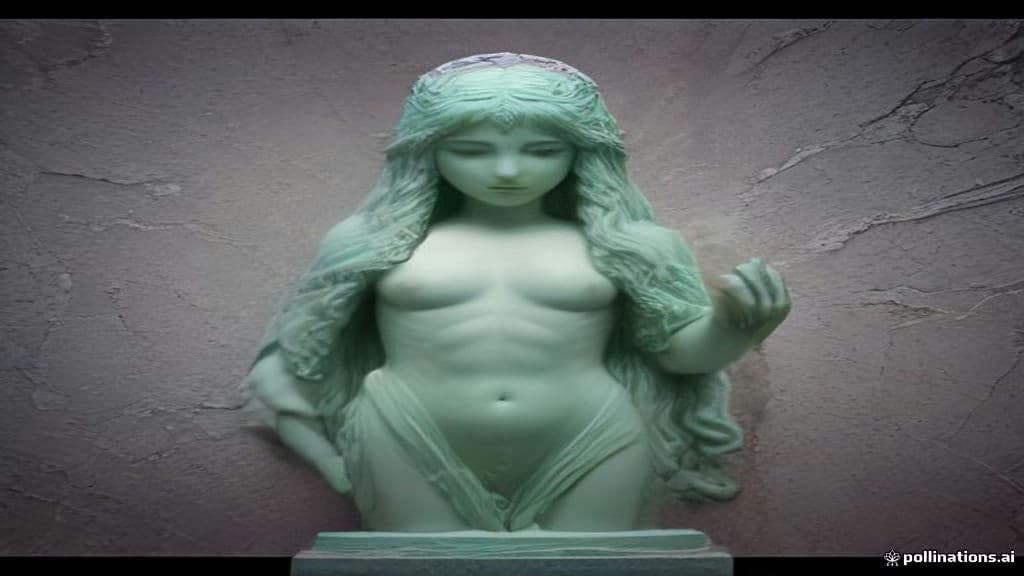
Corybas (Κόρυβας, Korubas) is a mythological eponymous figure tied to the Cybelene/Phrygian cult world and to the ecstatic ritual performers called the Corybantes (Korybantes). Attested as a son of Iasion and the goddess Cybele, the name also denotes the collective ritual daimones or dancing priests associated with the Korybantic dance and Samothracian mysteries.

Corycia
Lesser

Corycia

Corycia (Ancient Greek: Κωρυκία, Kōrykia; also Corycis) is a local naiad — a freshwater nymph — associated with the springs and the Corycian (Korykian) Cave on Mount Parnassus near Delphi in Phocis. She is presented in classical summaries as an eponymous resident spirit of that sacred spring-site and is connected in genealogy and cultic geography to Delphic water-nymphs and river-gods.

Corymbasus
Lesser

Corymbasus

Corymbasus (Greek Κορύμβασος / Korymbasos) is a named martial figure in the Dionysiac epic tradition—notably Nonnus’ Dionysiaca—attested as a mortal warrior and, in one passage, as “king of the Aithiopians (Ethiopians).” He is repeatedly recorded in mythographic summaries as the slayer of several minor named combatants during the mythic Indian War of Dionysus.

Corynaeus
Lesser

Corynaeus

Corynaeus is the proper name of one or more mortal followers of Aeneas appearing as minor agents in Virgil's Aeneid: a ritual performer conducting a lustration after Misenus' burial (Book VI) and combatants mentioned in battlefield scenes (Books IX and XII). Scholarly sources note textual ambiguity about whether these mentions denote a single individual or multiple men sharing the same name.

Coryphe
Lesser

Coryphe

Coryphe (Ancient Greek: Κορυφή) is named in classical sources as one of the 3,000 Oceanids, the water-nymph daughters of the Titans Oceanus and Tethys. In some versions she is cited as mother by Zeus of a localized Arcadian figure called Coria who was worshipped as an inventress of chariots.

Corythus
Lesser

Corythus

Corythus (Greek Κόρυθος, Korythos) is not a single supernatural being but a recurring personal name applied to several mortal men in Greek mythic tradition. The name appears for diverse characters — courtiers, kings, youths, foster‑fathers, and beloveds — across episodes connected to Perseus, the Lapiths and Centaurs, Heracles, the Argonauts/Doliones, Telephus, and the Trojan cycle.

Cosmic Ghost Rider
Greater

Cosmic Ghost Rider

Cosmic Ghost Rider is a Marvel Comics persona in which Frank Castle (the Punisher) becomes a hell-powered Ghost Rider who later acquires the Power Cosmic as a herald of Galactus. Originating in an alternate timeline, the character fuses vengeance-driven street-level vigilantism with infernal and cosmic forces and appears across devastated Earth, Hell, Valhalla, and various cosmic locales.

Cosmic Man
Primordial

Cosmic Man

An archetypal primordial anthropomorphic figure appearing across many world mythologies and religious cosmologies whose body, actions, or nature are implicated in the generation or ordering of the world; in Jungian interpretation the figure also symbolizes the Self and collective unity.

Cosmo the Spacedog
Greater

Cosmo the Spacedog

Cosmo the Spacedog is a Marvel Comics character — originally presented as a Soviet test dog mutated by exposure to cosmic rays who developed high-level psionic abilities and an extended lifespan. In comics Cosmo functions as Knowhere's security chief and an ally/member of the Guardians of the Galaxy; the character has been adapted into the Marvel Cinematic Universe (MCU), where the role is gender‑flipped and appears in films and specials.

Cottus
Ancient

Cottus

Cottus is a term with two distinct senses in the supplied sources: (1) the name of a mythological figure identified as one of the Hecatoncheires in Greek mythology; (2) Cottus as a modern biological genus name for a group of sculpin fishes. The provided material gives only these identifications and no detailed mythology or natural-history descriptions.

Council of Godheads
Minor Spirit

Council of Godheads

The Council of Godheads is a named organization that appears only as an entry in a modern index of Marvel Comics teams and organizations. The supplied sources record the name as part of Marvel's published-fiction rostering of groups but provide no further canonical detail about its nature, membership, or role in stories.

Count Dracula
Greater

Count Dracula

Count Dracula is the undead Transylvanian nobleman and antagonist of Bram Stoker's 1897 novel Dracula; a centuries‑old vampire who feeds on blood, can create other vampires by biting, possesses learned occult knowledge, and relocates his predatory influence from his Carpathian castle into urban settings. Later popular adaptations (e.g., Castlevania) reframe him as a recurring Dark Lord whose periodic resurrections endanger successive ages.

Count Luchino Nefaria
Greater

Count Luchino Nefaria

Count Luchino Nefaria is a fictional aristocratic crime boss in Marvel Comics who evolves from Maggia leader to a scientifically augmented ionic superhuman dependent on ionic energy. He is a recurring adversary of teams such as the Avengers and foes for heroes including Iron Man and Wonder Man.

Count Vertigo
Lesser

Count Vertigo

Count Vertigo is a DC Comics supervillain, a descendant of Vlatava's royal line whose hereditary inner‑ear defect was treated with an implanted device that produced a 'Vertigo Effect' able to distort balance and perception. He is a recurring antagonist of Green Arrow, Black Canary, and other heroes and has appeared in multiple continuities and media adaptations.

Court of Owls
Lesser

Court of Owls

A fictional secret society and criminal cabal in DC Comics' Gotham City, the Court of Owls is an intergenerational network of elite families who exercise covert political and financial control and employ indoctrinated assassins known as Talons. First introduced in the New 52 Batman run, the Court functions as a hidden power structure whose existence is treated as an urban legend until revealed in-story.

Courtney Whitmore
Lesser

Courtney Whitmore

Courtney Elizabeth Whitmore is a fictional American comic-book heroine who functions as a legacy-costumed successor (second Star-Spangled Kid, later Stargirl) within DC Comics continuity. She is an equipment-reliant, youthful exemplar who catalyzes a new generation of heroes and serves within the Justice Society of America and allied teams.

Coventina
Lesser

Coventina

Coventina is a Romano-British water goddess attested at a single large votive spring complex (Coventina's Well) at Carrawburgh (Brocoliti/Procolitia) on Hadrian’s Wall. Archaeological evidence shows Roman-style altars, reliefs and large votive deposits indicating a localized cult in which the spring functioned as a focus for offerings and dedications.

Cowardly Lion
Lesser

Cowardly Lion

A fictional anthropomorphic African lion created by L. Frank Baum for the Land of Oz stories, the Cowardly Lion is a speaking, sapient animal who paradoxically doubts his courage despite repeatedly acting bravely. He appears first in The Wonderful Wizard of Oz (1900) and recurs in sequels and later reinterpretations.

Cowrie-Shell Divination
Minor Spirit

Cowrie-Shell Divination

A set of practices using cowrie shells for divination and guidance in West African and Afro-American traditions. (Note: - Power tier: Minor Spirit is unlikely, given the widespread use of cowrie shells across various cultures for significant spiritual practices; consider Greater or Ancient. - Appearance: Add that cowri)

Cowroid
Lesser

Cowroid

A cowroid (also spelled cauroid) is a prehistoric and ancient Egyptian seal‑amulet that imitates the cowrie shell. Treated as a protective amulet, cowroids were incorporated into women's dress (notably girdles) and funerary assemblages from Pre‑dynastic contexts through multiple Dynastic periods, and sometimes bear divine imagery (for example Taweret).
Coyote
Lesser

Coyote

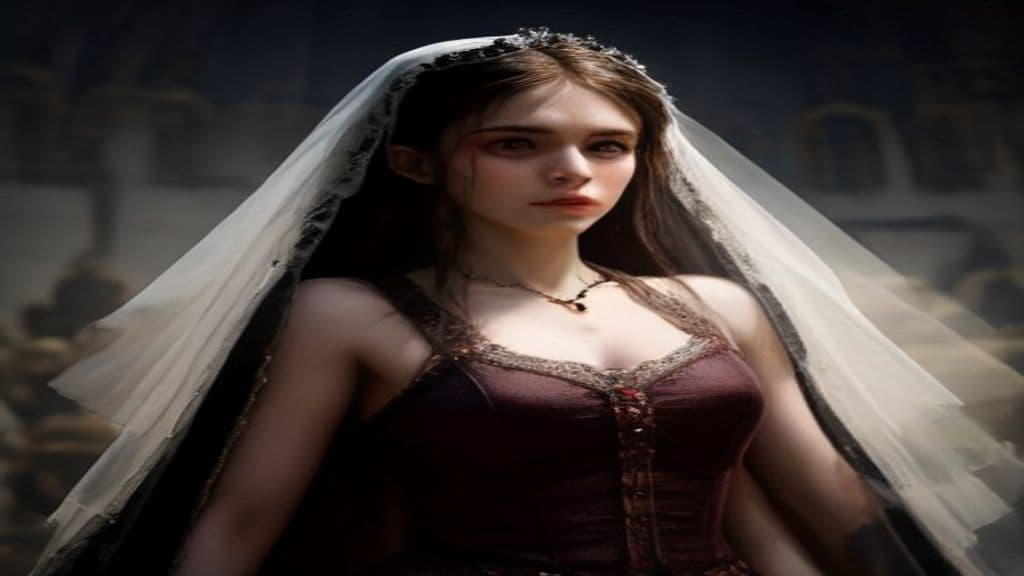
Coyote is both a North American canid species and a recurring mythic trickster figure in various Native American traditions (notably Aridoamerican/Chemehuevi). As a cultural figure Coyote alternately appears as an animal or a man and functions as a morally ambivalent transformer and trickster in origin and social tales.

Coön
Lesser

Coön

Coön (Greek Κόων, gen. Κόωνος; also attested as Κύνων / Cynon) is a mortal Trojan warrior of the Homeric tradition, a son of Antenor and Theano who confronts Agamemnon during the fighting over his brother Iphidamas' body in the Iliad and is slain in single combat. The episode is also noted in later literary and visual sources (e.g., Pausanias' report of the chest of Cypselus).

Cranaus
Ancient

Cranaus

Cranaus (Greek Κραναός) is a legendary, autochthonous prehistoric king of Attica in Greek tradition, presented as the second king of Athens after Cecrops. He functions as an eponymous ancestral ruler whose name is given to the people (Kranaoi) and to the land (Kranaa/Kranaai), was said to have reigned during the flood of Deucalion, was deposed by Amphictyon, died at Lamptrae, and was venerated as a hero in Athens with priests from the family Charidae.

Cranto
Lesser

Cranto

Cranto is attested in Greek myth as one of the fifty Nereids, the sea-nymph daughters of Nereus and the Oceanid Doris. The available sources record only her membership in that collective and provide no independent myths, attributes, or cultic details.

Crantor
Lesser

Crantor

Crantor is a Greek proper name attested for (1) a minor mythic mortal, son of Amyntor, given to Peleus and said to have been killed alongside him in the Centauromachy; (2) Crantor of Soli, a 3rd‑century BC Old Academy philosopher noted for Platonic commentaries and a consolatory work On Grief; and (3) a modern minor planet (83982 Crantor) named after the mythic figure and identified as a transient Uranian co‑orbital.

Cratieus
Lesser

Cratieus

Cratieus is a mythological human figure attested in Greek genealogical traditions. He is recorded primarily as the father of Anaxibia in one lineage that links her to Nestor; no narrative deeds, divine status, or ritual role are ascribed to him in the supplied sources.

Crazy‑Quilt
Lesser

Crazy‑Quilt

Crazy‑Quilt is a legacy supervillain identity from DC Comics adopted by multiple human individuals across publishing eras; the persona centers on a distinctive helmet that emits colorful flashing lights and beams and on gadget‑based criminal activity rather than any supernatural origin.

Creator God (creator deity)
Primordial

Creator God (creator deity)

A functional category of divine agents held responsible for the origin of the world, Earth, and universe within a given religious or mythological system. Depending on tradition the creator is identified with the single supreme God (especially in monotheisms), is one among multiple creator-deities (ancient/polytheistic contexts), or is distinguished from a more transcendent ultimate being.

Creator being
Primordial

Creator being

A creator being (creator deity) is the divine agent ascribed responsibility for the origin of the Earth, world, or universe within a religious or mythological system. In some traditions the creator is identical with the single God; in others a secondary creative agent is distinguished from a more transcendent ultimate being.

Creator deity
Primordial

Creator deity

A category of divine being held responsible in a religion or myth for bringing the earth, world, or universe into being; functions as the explanatory center of cosmologies and as the ultimate source of existence in many traditions.

Creiddylad
Minor Spirit

Creiddylad

Creiddylad is a named figure from early medieval Welsh narrative tradition, presented in Culhwch ac Olwen as a noblewoman of Arthur's court and daughter of King Lludd (Lludd Llaw Ereint). In the surviving tale she is the object of rivalry between two warriors whose annual May Day combat for her possession has been interpreted by later writers as a seasonal or 'May Queen' motif.

Creidhne
Lesser

Creidhne

Creidhne (Old Irish Credne) is the goldsmith and artisan of the Tuatha Dé Danann in Irish mythology, a member of the Trí Dée Dána who forged weapons and metal-works for the supernatural people and is credited with helping to fashion King Nuada's silver hand.

Crenaeus
Lesser

Crenaeus

Crenaeus is a minor named figure in Roman-era treatments of Greek myth, attested as a son of the rustic god Pan and recorded as a combatant killed during the Theban wars in Statius' Thebaid (Book IX). He is presented as a local, place-linked offspring figure that connects Pan to Theban riverine tradition rather than as an independently worshipped deity.

Creneis
Lesser

Creneis

Creneis (also spelled Crenis) is attested in classical sources as one of the fifty Nereids, the sea-nymph daughters of Nereus and the Oceanid Doris. Her attestation in the surviving material is genealogical: she appears as a named member of the Nereid cohort in name-lists rather than as an individuated figure with distinct myths, cult, or attributes.

Creon (King of Corinth)
Minor Spirit

Creon (King of Corinth)

A human monarch in ancient Greek narrative and tragic tradition, Creon of Corinth is a ruling figure whose political decisions—most notably the exile of Medea—set tragic events in motion. He is distinct from the Theban king also named Creon, though both function as exemplars of civic authority confronting familial and moral obligations.

Creon of Corinth
Lesser

Creon of Corinth

Creon of Corinth is a mortal dynastic king in Greek heroic tradition, portrayed in later Argonautic and Medea narratives as the ruler of Corinth who offers his daughter in marriage to Jason. His role is political and narrative—a royal father whose betrothal decision precipitates Medea's retaliatory magic—rather than supernatural.

Creon of Thebes
Lesser

Creon of Thebes

Creon (Kreon) is a mortal royal figure in Greek myth and tragedy, known as prince and later king of Thebes whose edicts—most famously forbidding the burial of Polynices—bring him into conflict with religious custom, prophetic authority, and family. He functions as a secular ruler whose insistence on civic order and law drives tragic consequences in the Oedipus cycle and related tales.

Cres
Lesser

Cres

The provided sources treat Cres as an Adriatic island (toponym) in the Kvarner Gulf of Croatia with deep historical layering; no supplied material describes a supernatural being named 'Cres' or provides folkloric accounts, rituals, or powers attached to such an entity.

Cressida
Minor Spirit

Cressida

Cressida is a literary character from medieval and Renaissance retellings of the Trojan War, appearing in works from the Roman de Troie tradition through Boccaccio, Chaucer, and Shakespeare. She is portrayed as Troilus's lover who is exchanged to the Greeks and later becomes associated with an affair with Diomedes; later authors vary in their moral judgments of her.

Cretan Bull
Lesser

Cretan Bull

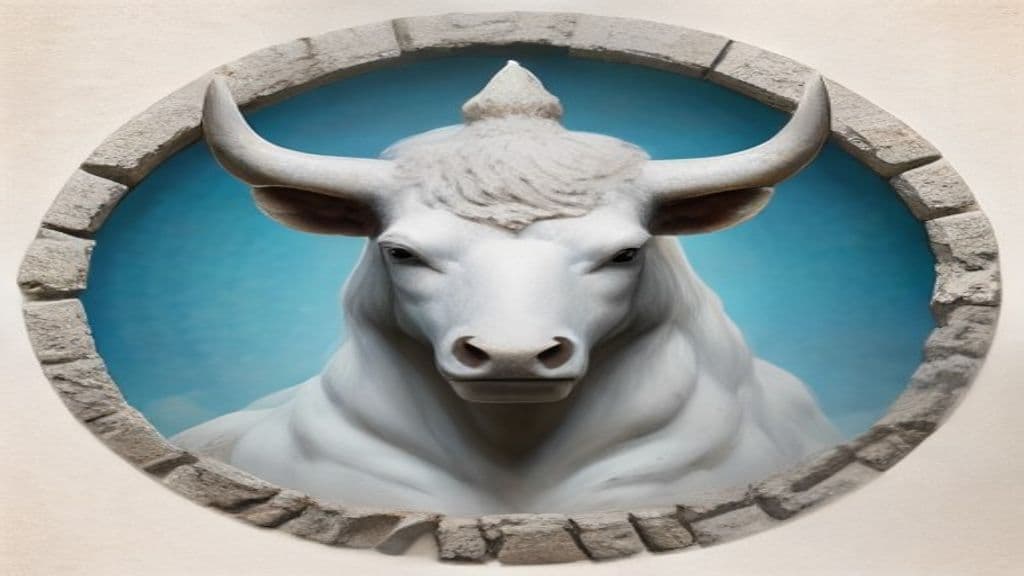
A singular extraordinary bull from Greek myth tied to King Minos of Crete; sent by Poseidon as a divine sign and later implicated in the birth of the Minotaur and in destructive rampages that heroes such as Heracles and Theseus are said to have ended by capture and/or sacrifice. Narrative details vary between traditions about its movements and the exact sequence of events.

Cretan Lie
Primordial

Cretan Lie

A literary device used by Homer in the Odyssey, where Odysseus tells a false story to test Eumaeus' loyalty. (Note: - Power tier should be set to Ancient (deity-level), as it's a literary device used by a hero, not a cosmic entity. - Appearance: Include that it is a verbal construct, not physical. - Abilities: Clar)

Cretheus
Lesser

Cretheus

Cretheus (Ancient Greek: Κρηθεύς) is a mortal king and eponymous founder in Greek mythic genealogical tradition, recorded as the founder-king of Iolcus and an ancestor in the Aeolid family whose descendants include Aeson and Jason. He functions primarily as a dynastic and narrative node rather than as a supernatural figure.

Creusa
Lesser

Creusa

Creusa (Ancient Greek: Κρέουσα, Kréousa, lit. 'princess') is a personal name borne by multiple female figures in Greek myth and local genealogies, including a naiad, princesses of Athens and Corinth, an Amazon depicted on a Cumaean vase, and Trojan-period wives and mothers. The name functions as an individual proper name across varied narratives rather than denoting a single mythic class.

Creusa (Glauce) of Corinth
Lesser

Creusa (Glauce) of Corinth

Creusa (also called Glauce or Glauca) is a mortal princess of Corinth in the Argonaut/Jason–Medea cycle, daughter of King Creon, whose intended or actual marriage to Jason provokes Medea’s lethal revenge in the mythic narrative.

Creusa of Troy
Lesser

Creusa of Troy

Creusa of Troy is a mortal figure in Greek and Roman myth: a Trojan princess, daughter of Priam and Hecuba, wife of Aeneas, and mother of Ascanius. She appears in accounts of the sack of Troy as a member of Aeneas’s household who flees with him but is separated and lost during the city's fall, functioning as a familial and narrative node linking Trojan royalty to the Aeneadic foundation tradition.

Criasus
Lesser

Criasus

Criasus (Ancient Greek: Κρίασος, Kriasos) is presented in Greek mytho-historical sources as a legendary king of Argos, situated in Argive genealogies as son of Argus and ancestor of later rulers. He is credited with a fifty-four-year reign and appears chiefly as a dynastic and chronological anchor in later synchronistic chronologies.

Crime Syndicate of America
Greater

Crime Syndicate of America

A supervillain team in the DC Comics multiverse composed of evil counterparts to the Justice League. Originating on alternate/antimatter Earths (notably Earth‑Three and antimatter 'Amerika'), the Syndicate has appeared in multiple continuity reboots and has been depicted as a ruling or world‑level threat in some incarnations.

Crimson Dynamo (mantle)
Greater

Crimson Dynamo (mantle)

A recurring fictional mantle in American comic books — a powered armored suit and the identity of its operator, originally created in Marvel Comics as a Soviet/Russian counterpart to Iron Man. The name denotes a red, electrically powered exoskeleton worn by multiple human agents across Cold War and post‑Cold War storylines.

Crimson Fox
Greater

Crimson Fox

Crimson Fox is a superhero codename used by multiple human women in DC Comics. The identity is an occupational/heroic mantle associated with Paris, perfume-industry wealth, and membership or association with teams such as Justice League Europe and the Global Guardians.

Crimthann Nia Náir
Lesser

Crimthann Nia Náir

Crimthann Nia Náir is a legendary High King of Ireland from medieval Irish regnal tradition. His story links dynastic genealogy with the otherworld: he voyages with his fairy aunt Nár, returns with supernatural treasures, and dies soon after by falling from his horse at Howth. Sources place him variously in a chronology synchronized with Roman history.

Crinaeae
Lesser

Crinaeae

Crinaeae are a class of Greek nymphs associated with fountains and wells. Treated in classical and modern reference works as localized female nature-spirits, they share the general attributes of nymphs (place-bound divinities, often pictured as maidens) but are not described in the supplied sources as immortal major gods.

Crinisus
Primordial

Crinisus

A Roman god associated with the Sicilian river Crinisus, able to transform into a dog. (Note: - Power tier should be Ancient (deity-level) instead of Primordial - Origin story summary is incorrect; it was in dog form that he fathered Acestes, not as a deity - Appearance description is incomple)

Crino
Minor Spirit

Crino

Crino (Greek: Κρινώ, Krinō) is the personal name of at least two mortal women attested in Greek mythological genealogies and in ancient iconography: one listed as a consort of King Danaus and mother of four Danaïdes, and another named as a daughter of Antenor and Theano depicted in a painting by Polygnotus described by Pausanias. She is represented as a mortal, genealogical figure rather than an independent supernatural being in the provided sources.

Crisus (Crissus)
Lesser

Crisus (Crissus)

Crisus (Ancient Greek: Κρῖσος), also rendered Crissus, is a mytho-historical Greek ancestral figure: son of Phocus, twin brother of Panopeus, father of Strophius and eponymous founder of the town Crissa. He appears in genealogical and local-foundation traditions rather than as a supernatural being.

Crius
Ancient

Crius

Crius (Greek Κρεῖος / Κριός) is one of the elder Titans in Hesiodic Greek myth, presented primarily as a genealogical figure among the twelve Titans and listed as a participant in the Titanomachy who, according to Hesiodic tradition, was confined to Tartarus after the war.

Crocale
Lesser

Crocale

Crocale (Ancient Greek: Κροκάλη) is a named naiad—fresh-water nymph—listed among the bathing attendants of the goddess Artemis (Diana) in Ovid’s Metamorphoses. Daughter of the river-god Ismenus, she appears in a single narrated episode performing service and protective actions within Artemis’ sacred bathing grove.

Crocell
Lesser

Crocell

Crocell is a named spirit attested in listings derived from the goetic grimoire tradition (the Ars Goetia). The supplied documentary material here does not include a canonical description, powers, or rituals from the grimoire; most surviving references in the provided sources are modern cultural or taxonomic uses of the lexical form "Crocell."

Crom (fictional deity)
Lesser

Crom (fictional deity)

Crom is the name used for a deity figure in modern fiction, most notably cited as a fictional deity in the Conan the Barbarian setting. The provided sources do not supply a detailed cosmology, attributes, or rituals for this deity; the name also appears in other contexts (Irish names and place-names) that are listed separately in source material.

Crom Cruach
Ancient

Crom Cruach

Crom Cruach is a pre-Christian cult figure in medieval Irish sources, presented as a central idol venerated on Magh Slécht and described in Christian-era narratives as surrounded by twelve subsidiary figures and associated with propitiatory offerings for agricultural bounty; hagiographies recount Saint Patrick destroying the image and casting out a demon said to inhabit it.