Entity Index

A record of the unseen, drawn from world folklore.

7685 entities · page 60 of 129

Eumolpus
Lesser

Eumolpus

Eumolpus is a legendary Greek culture-hero and priest associated with Demeter and the founding of the Eleusinian Mysteries; he is remembered as a singer, ritual teacher, and sometimes as a Thracian leader in conflict with Athens. Later Roman literature repurposes his name as a poetic persona in satire.

Euneus
Lesser

Euneus

Euneus is a mythic dynastic and heroic figure of ancient Greek tradition, son of Jason and Hypsipyle and later king of Lemnos. He appears in epic and mythographic accounts as a local ruler who provisioned Greek fleets, ransomed a Trojan prisoner, and served as ancestor-eponym for a Lemnian clan of cithara-players.

Eunostus
Lesser

Eunostus

Eunostus (Ancient Greek: Εὔνοστος, Eúnostos) is an ancient Greek tutelary goddess associated with mills and believed to watch over the just weight of flour. Her image was set up in mills as an appeal to divine oversight of honest measurement and fair practice.

Eunuch
Lesser

Eunuch

A eunuch is a human male who has been castrated (testicles removed or destroyed) and who, in many societies, occupied specific social and institutional roles—especially in royal courts, harems, and religious or administrative offices. The term historically designates both an office (bed-keeper, chamberlain) and, in many contexts, men who had undergone castration and filled those offices.

Eupeithes
Lesser

Eupeithes

Eupeithes is a mortal figure from Greek myth, known as the father of Antinous, one of the principal suitors of Penelope in the Odyssey cycle. After Antinous is killed by Odysseus, Eupeithes leads a revolt seeking vengeance and is slain by Laertes. The name Eupeithes is also used in modern taxonomic databases as the label of a genus of insects, but that is a separate, scientific namesake.

Euphemus
Lesser

Euphemus

Euphemus is a hero of ancient Greek mythic tradition, often counted among the Argonauts and Calydonian hunters, commonly described as a son of Poseidon and associated with seafaring, a miraculous clod-of-earth episode, and the foundation-ancestry of colonies such as Thera and Cyrene.

Euphorbus
Lesser

Euphorbus

Euphorbus is a named mortal Trojan youth in the Homeric epic tradition who wounds Patroclus and is later killed by Menelaus; in later classical anecdote he becomes a figure in stories of transmigration of souls in which his shield is said to be recognized in a temple.

Eupolemeia
Lesser

Eupolemeia

Eupolemeia (Ancient Greek: Εὐπολέμεια) is a mortal Phthian princess in Greek mythic genealogies, daughter of King Myrmidon and possibly Peisidice, best known as the mother of Aethalides by the god Hermes; her attestation is primarily in Apollonius Rhodius' Argonautica and later genealogical summaries.

Europa (consort of Zeus)
Minor Spirit

Europa (consort of Zeus)

Europa is a mythic mortal princess in Greek tradition who becomes the consort of Zeus (Jupiter in Roman versions) after he approaches her in the form of a bull. Through that union she is presented as ancestress to notable lineages (e.g., Cretan kings such as Minos in some accounts) and as the eponym for the geographical name Europe.

European dragon
Greater

European dragon

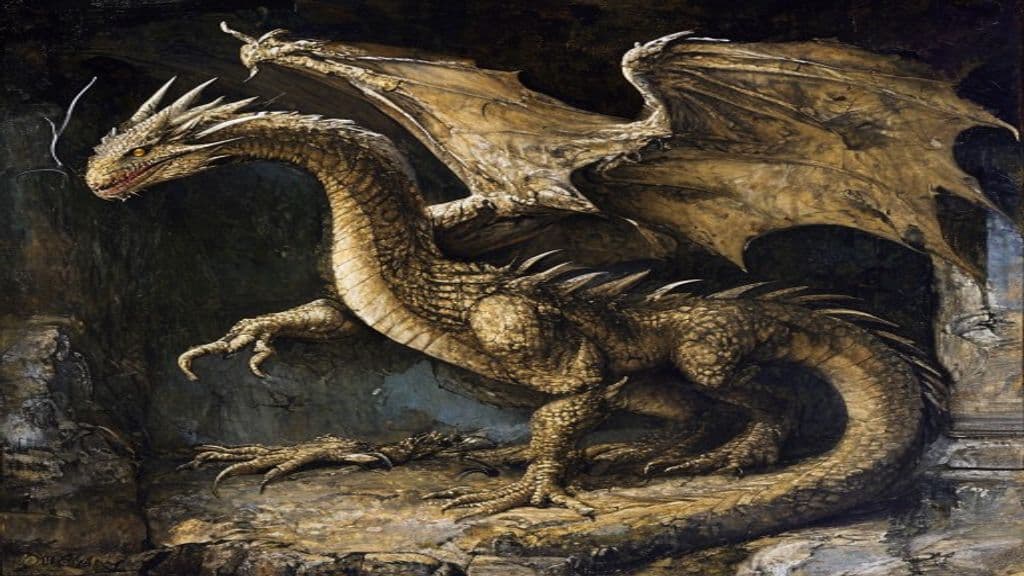
A legendary reptilian monster from overlapping European folkloric and mythological traditions, combining classical Graeco‑Roman serpents, Near Eastern dragon‑forms, and medieval popular imaginings; commonly depicted as a large, often winged, lizardlike creature that hoards treasure and opposes heroes.

Euroswydd
Lesser

Euroswydd

Euroswydd is a named human figure in medieval Welsh narrative tradition, recorded as the father of Nisien and Efnysien by Penarddun and listed in a Welsh Triad as one who held Llŷr captive. He functions primarily as a genealogical and political actor within the Mabinogi cycle rather than as a monstrous or supernatural being.

Eurotas
Lesser

Eurotas

Eurotas is a mythic eponymous ancestor and river-personification of Laconia (Sparta) in Greek tradition. In genealogical accounts he is a king who bequeaths rule to Lacedaemon and is credited in etiological narrative with draining marshland; in descriptive and artistic traditions rivers like Eurotas are assimilated to river-deities and often represented with bovine/anthropomorphic features.

Eurryroe
Minor Spirit

Eurryroe

Eurryroe is a minor mythic figure in Greek mythology, described as a daughter of the river-god Nilus and presented principally as an ancestress. In some traditions (cited to Hippostratus via Tzetzes) she is named as the sole mother of the fifty sons of King Aegyptus; other accounts attribute those children to multiple mothers.

Euryalus
Lesser

Euryalus

Euryalus (Ancient Greek: Εὐρύαλος, Eurýalos, lit. 'broad') is a conventional Ancient Greek proper name borne by multiple mortal characters in Greek and Roman epic (heroes, warriors, suitors, sons), used as a place-name for the principal citadel of Syracuse, and attested as a surname/epithet of Apollo. The name does not denote a single supernatural taxon but labels distinct literary and topographical referents across classical sources.

Euryanassa
Lesser

Euryanassa

Euryanassa (Ancient Greek: Εὐρυάνασσα, 'wide-ruling' or 'of wide queenly sway') is a named woman in Greek mythological genealogies. She appears in variant traditions as a daughter of the river-god Pactolus and wife of Tantalus (mother in some accounts of Pelops, Broteas, and Niobe) and alternatively as daughter of Hyperphas and mother of Minyas by Poseidon; she functions primarily as a genealogical/marital link rather than as an independently acting supernatural figure.

Eurybius
Minor Spirit

Eurybius

Eurybius (Ancient Greek: Εὐρύβιος, Eurybios) is a personal name borne by multiple mortal personages in Greek mythic genealogies — notably a son of Neleus of Pylos and a son of Eurystheus of Tiryns. Attestations are genealogical and narrative, recording parentage and reported fates rather than supernatural attributes.

Eurycleia
Minor Spirit

Eurycleia

Eurycleia is a mortal household nurse and longtime attendant in the Homeric tradition, famed as the wet-nurse of Odysseus and a trusted domestic figure who recognizes Odysseus on his return by a scar and keeps his secret. She functions as an intimate caregiver, keeper of household memory, and an agent of domestic authority within Odysseus's household in Ithaca.

Eurycleia of Ithaca
Lesser

Eurycleia of Ithaca

Eurycleia is the aged wet-nurse and long-serving household attendant of Odysseus in the Homeric tradition. Portrayed as a loyal, discreet domestic servant, she functions as caretaker, keeper of household secrets, and intermediary within Odysseus's oikos on Ithaca rather than as a supernatural being.

Eurycyda
Lesser

Eurycyda

Eurycyda (Ancient Greek: Εὐρυκύδα), also called Eurypyle in some sources, is an Elean princess in Greek mythic genealogy, daughter of Endymion and mother by Poseidon of Eleius, the eponymous ancestor of the Eleans and the region Elis. She functions as an etiological/dynastic ancestress rather than a supernatural cult figure.

Eurydamas
Lesser

Eurydamas

Eurydamas (Ancient Greek: Εὐρυδάμᾱς) is an anthroponym attested for several distinct mortal figures in Greek myth and later cultural reuse. Bearers of the name appear in the Aegyptus/Danaids cycle, among the Argonauts, in various accounts of the Trojan War, and as one of the suitors of Penelope; the supplied sources do not present Eurydamas as a singular supernatural being.
Eurydice
Lesser

Eurydice

In Greek myth, Eurydice (Ancient Greek: Εὐρυδίκη) is the wife of the poet‑musician Orpheus whose death by a viper and conditional retrieval from Hades frames themes of love, loss, and the limits of reversing death. She is treated in the literature as an individuated mortal figure associated with the boundary between life and the underworld rather than a recurring spirit type.

Eurydice of Argos
Minor Spirit

Eurydice of Argos

Eurydice of Argos is a mytho-historical Spartan princess, daughter of Lacedaemon, who becomes queen of Argos by marriage to King Acrisius and is mother of Danaë, thereby ancestor to the hero Perseus. She functions in sources as a dynastic link in legendary genealogies rather than a supernatural figure.

Eurydice of Mycenae
Lesser

Eurydice of Mycenae

Eurydice appears in Greek tradition in at least two distinct roles: as a daughter of Pelops who marries Electryon and becomes mother of Alcmena (linking her to the Heracles genealogies), and as the nymph or wife of Orpheus whose death by snakebite triggers Orpheus's descent into the Underworld. She is treated in sources as a mortal or semi-divine narrative figure rather than an independent cultic deity or recurring supernatural antagonist.

Eurydice of Pylos
Lesser

Eurydice of Pylos

A mortal queen in the Greek heroic tradition, named in Homer as the venerable wife of Nestor of Pylos and present with his household at a seaside sacrifice to Poseidon. Later mythographic traditions vary, sometimes naming Anaxibia in her place as Nestor’s consort and mother of his children.

Eurydice of Thebes
Lesser

Eurydice of Thebes

Eurydice of Thebes is a mortal royal figure in the Greek Theban mythic cycle, identified in the provided sources as the wife of Creon, king of Thebes. She is attested in modern summaries of mythic genealogies and in a recorded performance cast list for Sophocles' Antigone; the supplied materials treat her as a human character within tragic narratives rather than as a supernatural being.

Euryganeia
Lesser

Euryganeia

Euryganeia is a mythic human figure attested in Greek genealogical tradition, identified in the available sources as a daughter of Hyperphas and included in genealogical lists that structure Theban and Boeotian dynastic narratives. She is presented as a named member of lineage narratives rather than as a supernatural being or cult figure.

Eurygone
Lesser

Eurygone

Eurygone (Ancient Greek: Εὐρυγόνη) is a figure in the Homeric tradition recorded as a daughter of Aeolus of Lipara. She appears in genealogical lists within the Odyssey tradition and later scholia/commentary (e.g., Tzetzes) as one of the children yoked in marriage within Aeolus's household to preserve familial concord.

Eurylochus
Minor Spirit

Eurylochus

Eurylochus is a mortal seaman in Homer's Odyssey, serving as Odysseus' second-in-command and leader of contingents of crewmen. He is portrayed through actions and speech as a cautious but quarrelsome subordinate whose persuasion and dissent contribute to critical narrative catastrophes (notably the slaughter of Helios' cattle).

Eurylyte
Lesser

Eurylyte

Eurylyte is attested in the provided sources only as a labeled entry for a 'mythical character' (Wikidata). The other supplied excerpt (a Wikipedia passage) discusses Aeëtes and does not provide information about Eurylyte; no narrative, attributes, or contextual details for Eurylyte are present in the supplied materials.

Eurymache
Minor Spirit

Eurymache

Eurymache (Ancient Greek: Εὐρυμάχη) is a named mortal woman in the Greek mythographic genealogical tradition, recorded as the mother by Tenthredon of Prothous, leader of the Magnesians in the Trojan War cycle. She appears only in genealogical listings and not in narrative episodes.

Eurymachus
Lesser

Eurymachus

Eurymachus (Ancient Greek Εὐρύμαχος) is a personal name borne by multiple human figures in Greek myth and history. The best-known bearer is Eurymachus son of Polybus, a principal suitor of Penelope in Homer's Odyssey, who speaks for the suitors and is killed when Odysseus reclaims his household; other bearers include various warriors, princes, and a historical Theban soldier.

Eurymede
Lesser

Eurymede

Eurymede (Ancient Greek Εὐρυμήδη / Εὐρυμέδη, romanized Eurumēdē / Eurymēdē) is a personal name borne by mortal women in Greek mythic genealogies. In the sources provided she appears as a human matron or princess whose familial relationships connect her to heroes (notably Bellerophon) or to the daughters of Oeneus (the Meleagrides).

Eurymedon
Lesser

Eurymedon

Eurymedon is a Greek personal and place-name appearing across mythic genealogies and as a toponym (notably a river in Pamphylia). The name labels several minor mythic figures in classical sources and later summaries; it does not denote a single, consistent supernatural entity with a distinct cult or set of rituals in the provided materials.

Eurymenes
Lesser

Eurymenes

Eurymenes is an ancient Greek proper-name attested in multiple contexts: (a) as a mythic prince of Pylos, son of Neleus and Chloris who is said to have been slain at the sack of Pylos; (b) as a historical/biographical personal name in literary traditions linking an Eurymenes to Pythagorean dietary regimen and athletic success; and (c) as an Athenian choregos attested epigraphically (Eurymenes son of Meleteon). The sources treat the name as borne by human or mythic-human figures rather than a supernatural being.

Eurynome
Ancient

Eurynome

Eurynome (Εὐρυνόμη) is a name applied to multiple distinct female figures in ancient Greek myth and cult: a pre-Olympian queen paired with Ophion in some cosmogonic accounts; an Oceanid and local goddess worshipped in parts of the Peloponnese; and several mortal or semi-divine women appearing in genealogical and epic traditions (mothers, wives, handmaids). The name derives from Greek elements meaning "broad" and "pasture" or "law."

Eurynome of Megara
Lesser

Eurynome of Megara

Eurynome of Megara is a mortal princess and queen in Greek mythic genealogies, presented in sources as daughter of King Nisus of Megara, wife (or spouse-figure) of Glaucus of Corinth, and the mother of the hero Bellerophon (commonly by Poseidon). She functions primarily as a dynastic and domestic link between Megarian and Corinthian traditions rather than as a supernatural being.

Eurynomos
Lesser

Eurynomos

Eurynomos (Eurynomus) is an underworld-dwelling daimon in Greek mythological tradition attested in modern summaries as a spirit who consumed the flesh of corpses. Very little else about his appearance, genealogy, or cult is recorded in the provided sources.

Eurynomus
Lesser

Eurynomus

Eurynomus is a chthonic daimon in Greek myth associated with the underworld and the consumption of corpses. Attested in modern summaries and reference works, he is described as a flesh‑devouring netherworld spirit who strips the flesh from rotting bodies, leaving bones.

Eurypylus
Lesser

Eurypylus

Eurypylus (Ancient Greek: Εὐρύπυλος, 'wide-gated') is an anthroponym in Greek myth borne by several distinct mortal or semi-divine figures — kings, princes, and warriors — attested across regional heroic-age narratives (Thessaly, Mysia, Cos, Thebes, Tiryns) and the Trojan War cycle. The name functions genealogically and narratively rather than as a single supernatural being.

Eurysthenes
Lesser

Eurysthenes

Eurysthenes (Ancient Greek: Εὐρυσθένης, 'widely ruling') is a legendary king of Sparta in Greek tradition, counted among the Heraclidae. In classical accounts he and his twin brother Procles receive Lacedaemon after the Dorian/Heraclid conquest and are treated as the ancestral progenitors of Sparta's dual kingship and of the Agiad dynasty.

Eurystheus
Lesser

Eurystheus

Eurystheus (Ancient Greek: Εὐρυσθεύς) is a mortal king in the Heracles cycle who functions as the divinely authorized adjudicator and assigner of Heracles' labours. Located in the Argolid (commonly king of Tiryns, sometimes associated with Argos or Mycenae), he embodies institutional authority through which oracular and divine sanctions are executed.

Euryte (daughter of Hippodamas)
Lesser

Euryte (daughter of Hippodamas)

Euryte (Ancient Greek Εὐρύτη) is a mortal woman preserved in Greek mythographic genealogies as the wife of Porthaon, king of Calydon, and the mother of several princes including Oeneus. She functions primarily as an ancestress in Apollodorus’ tradition and related summaries; no independent cult, powers, or narratives are attested for her in the cited sources. The name Euryte is shared by other mythic women (e.g., a nymph mother of Halirrhothius), and manuscript variants sometimes produce similar name-forms.

Eurythemis
Minor Spirit

Eurythemis

Eurythemis is a name borne by one or more mortal women in ancient Greek mythic genealogies. The figures called Eurythemis function primarily as wives and mothers who link generations of heroes and royal houses (notably as wife of Thestius and mother of Althaea and Leda in one tradition); the attestations are genealogical rather than mythic-heroic or cultic.

Eurythemista
Lesser

Eurythemista

Eurythemista (Ancient Greek: Εὐρυθεμίστη), also spelled Eurythemiste, is a name attested in Greek mythic genealogies for multiple distinct women: a Calydonian princess and wife of Melaneus, a naiad daughter of the river-god Xanthus proposed as a mother of Pelops and Niobe, and a maiden chosen by Boeotus after a falling star fell upon her shoulder. The corpus supplies no sustained independent cycle or cult for any single Eurythemista; the name is used to mark genealogical and local-foundational links in varying traditions.

Eurytion
Lesser

Eurytion

Eurytion is an ancient Greek personal name borne by several distinct mythic figures—centaurs, a herdsman guarding Geryon's cattle, a Trojan archer, a defender of Thebes, and in some accounts a Gigas. The name recurs across mythic cycles rather than denoting a single uniform being.

Eurytus
Lesser

Eurytus

Eurytus is a Greek personal name borne by multiple distinct figures in ancient traditions: at least one Giant (a son of Gaia), a centaur present at the wedding of Pirithous and Hippodamia, several mortal kings (including a king of Oechalia and a king of Caria), and a historical Pythagorean philosopher from Magna Graecia. The name therefore appears across cosmological, heroic, local-political, and intellectual registers rather than referring to a single coherent supernatural being.

Eurytus and Cteatus
Lesser

Eurytus and Cteatus

Twin brothers of Greek heroic legend, known collectively as the Moliones; they appear in sources as accomplished warriors tied to the kingdom of Elis and as opponents killed by Heracles. Traditions vary: some later accounts describe them as conjoined (one body, two heads, four arms and four legs), while poetic tradition (Ibycus via Athenaeus) depicts them as 'white-horsed youths' born from a silver egg.

Eurytus of Oechalia
Lesser

Eurytus of Oechalia

Eurytus of Oechalia (Ancient Greek Εὔρυτος) is a legendary mortal king and master archer from Greek myth. He is remembered as an exceptional human archer, father of Iphitus and Iole in many accounts, whose pride and familial decisions bring him into fatal conflict with gods and heroes (notably Apollo and Heracles).

Eusorus
Lesser

Eusorus

Eusorus (Ancient Greek Εύσωρος, Eusōros/Eusorus) is an otherwise-unknown named ancestor attested in Greek epic and mythographic genealogies. He functions as a paternal or grandpaternal figure used to anchor the origins of better-known figures such as Aenete, Cyzicus, and Acamas; no myths, deeds, cult, or physical descriptions are recorded for him in the cited sources.

Euterpe
Greater

Euterpe

Euterpe is one of the nine Muses of Greek myth, daughter of Mnemosyne and Zeus, traditionally associated with music and (in later usage) lyric poetry. She functions as a divine inspirer of musicians and poets and is cultically associated with sacred springs and poetic sanctuaries such as Mount Helicon and Mount Parnassus.

Ev İyesi
Lesser

Ev İyesi

Ev İyesi is a Turkic household spirit (İye) that functions as the unseen guardian and possessor of a house. It maintains domestic order, may assist with chores, and is placated by offerings and good household upkeep; it becomes hostile only when offended by neglect or profanity.

Evadne
Minor Spirit

Evadne

Evadne (Ancient Greek: Εὐάδνη, Euádnē) is an ancient Greek personal name borne by several mortal women in classical mythic genealogies and dramas; in modern usage it appears as a personal or taxonomic name. The supplied sources treat Evadne primarily as an anthroponym rather than a discrete supernatural class or persistent spirit.

Evaechme
Lesser

Evaechme

Evaechme (Ancient Greek Εὐαίχμη) is a mortal woman in Greek mythic genealogies, attested in variant local traditions as a Megarian princess and in another account as a daughter of Hyllus and Iole; she functions as a dynastic connector rather than a supernatural figure.

Evander of Pallantium
Lesser

Evander of Pallantium

Evander of Pallantium (Greek Εὔανδρος) is a mythic Arcadian culture-hero and founder-figure credited in Roman and Greek traditions with bringing Greek laws, religious observances, and the alphabet to early Italy, founding a settlement called Pallantium on the site of Rome's Palatine Hill and instituting cultic practices later visible in Roman life.

Evander of Pallene
Lesser

Evander of Pallene

A Greek culture-hero in Roman mytho-historical tradition credited with founding Pallantium on the future site of Rome's Palatine Hill and with transmitting elements of Greek religion, law, and alphabetic culture to Italy; later reported to have been deified with an altar on the Aventine.

Evarete
Lesser

Evarete

Evarete is primarily attested in the provided sources as the scientific species name Junonia evarete, a South American/Neotropical butterfly commonly called the tropical or mangrove buckeye. A single brief non-entomological attestation lists Evarete as a personal name in Greek mythic genealogies, but no narrative, cult, or folklore of a supernatural Evarete is documented in the supplied materials.

Eve
Minor Spirit

Eve

In the Genesis tradition Eve (Hebrew Ḥawwāh) is the first woman created by God and the companion of Adam; as the progenitor of humankind she participates in the origin story that explains expulsion from the Garden of Eden and certain human conditions such as mortality and pain in childbirth.

Evenor
Lesser

Evenor

In the primary classical attestations Evenor (Ancient Greek Εὐήνωρ/Euenor) is an autochthonous human figure presented in Plato's account of Atlantis as the father of Cleito and ancestor of the Atlantean royal line. The name also appears for several unrelated historical and mythic individuals (warriors, a painter, a surgeon) and has been reused in modern fiction as an elevated Atlantean figure.

Evenus of Aetolia
Minor Spirit

Evenus of Aetolia

Evenus is a river-god (a potamos) associated with the region of Aetolia in Greek mythology, identified in the provided source as a son of the Titans Oceanus and Tethys. The source gives only this brief genealogical identification and no further narrative or ritual detail.

Everes
Lesser

Everes

Everes (also Eueres) is a personal name borne by one or more mortal figures in Greek mythic genealogies. In surviving summaries he functions primarily as a genealogical anchor — most notably as the father of the Theban seer Tiresias in some traditions — and in other traditions as a son of the Taphian king Pterelaus. He is presented as a mortal ancestor or princely son, not as a supernatural being.