Entity Index

A record of the unseen, drawn from world folklore.

7685 entities · page 61 of 129

Evil Star
Greater

Evil Star

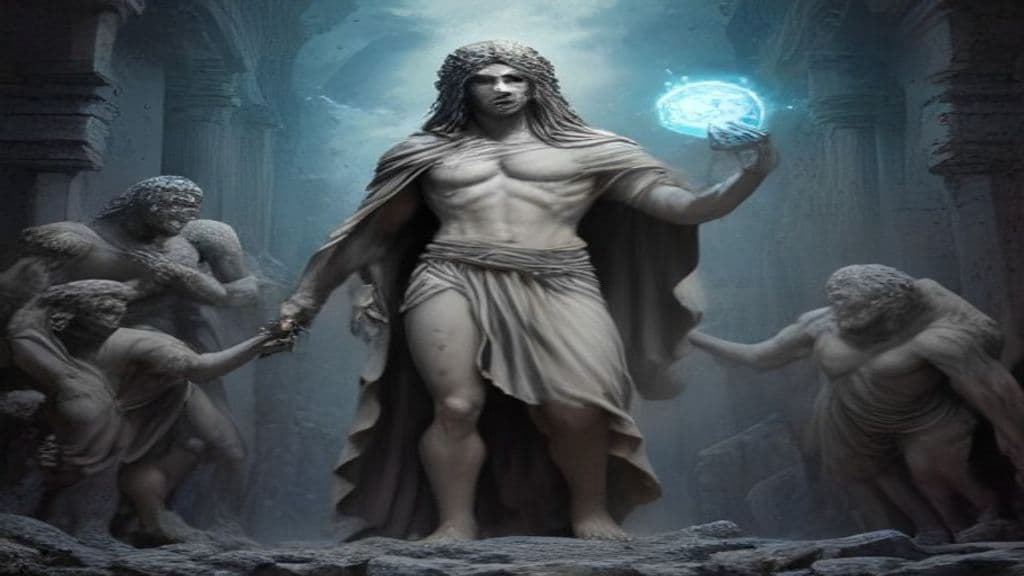
Evil Star is a fictional supervillain identity from DC Comics. The name has been used for two distinct characters: Guy Pompton, a costumed crime lord from Earth, and an alien scientist from the planet Aoran who gains cosmic power through a device called the Starband/Starbrand.

Evil clown
Lesser

Evil clown

A modern pop‑culture archetype and horror trope that inverts the traditional comic clown into a disturbing, threatening, or malevolent figure. It functions across literature, film, comics, media scares, and occasional real‑world associations rather than as a traditional supernatural being.

Evil eye
Minor Spirit

Evil eye

A cross-cultural folkloric belief in a harmful influence cast by a person's gaze or look, usually motivated by envy or ill will. Treated as a transmissible curse or force rather than a corporeal being, it is countered by apotropaic objects, formulas, plants, and gestures in many traditions.

Evippus (Εὔιππος)
Lesser

Evippus (Εὔιππος)

Evippus (Ancient Greek Εὔιππος, 'having good horses') is a recurring personal name in Greek myth borne by several mortal figures — princes, warriors, and local heroes — attested in varied narrative episodes (Calydonian cycle, the Trojan War, local Megarian and Arcadian tales). The name signals aristocratic/horsemanship status rather than a distinct supernatural class.

Ewiger Jäger
Lesser

Ewiger Jäger

A spectral huntsman from German, Belgian and Pennsylvania Dutch folklore condemned to an unending hunt. Usually portrayed as a formerly human hunter bound by oath, curse, sacrilege, or a dying injunction to pursue quarry ceaselessly, the figure is a local variant of the European wild hunt motif.

Exadius
Lesser

Exadius

Exadius (Ancient Greek: Ἐξάδιος) is a mortal Lapith warrior named in Greek myth who took part in the Centauromachy at the wedding of Pirithous and Hippodamia. In the surviving account he seizes a votive stag's double antler from a pine and uses it to pierce and gouge out the eyes of the centaur Gryneus.

Extinct Comet
Minor Spirit

Extinct Comet

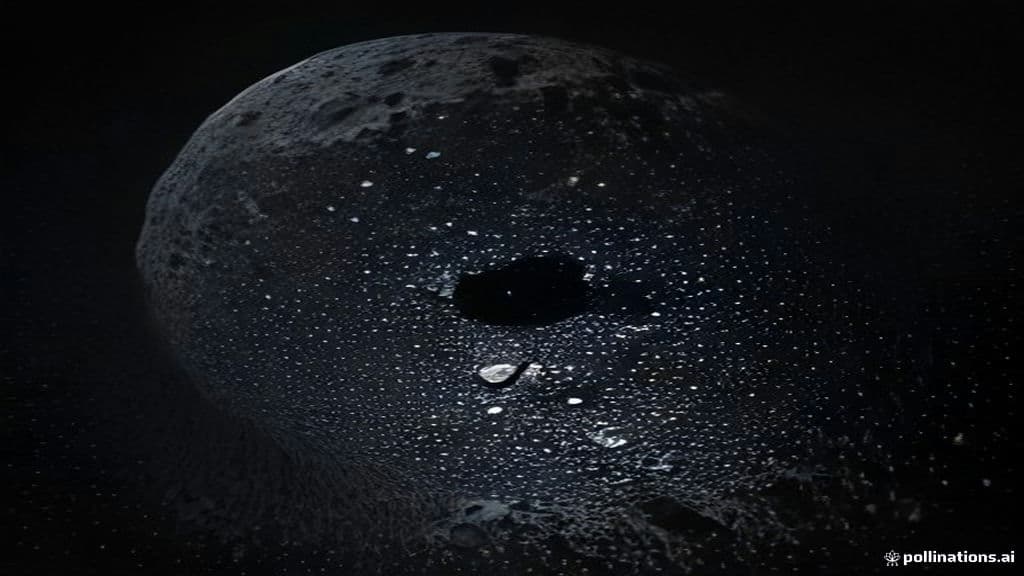
A former cometary nucleus that has lost or sealed most of its near-surface volatile ices and therefore no longer displays a sustained coma or tail; observationally it can resemble a dark asteroid and is treated within planetary science as an end-state in cometary evolution.

Extraño
Greater

Extraño

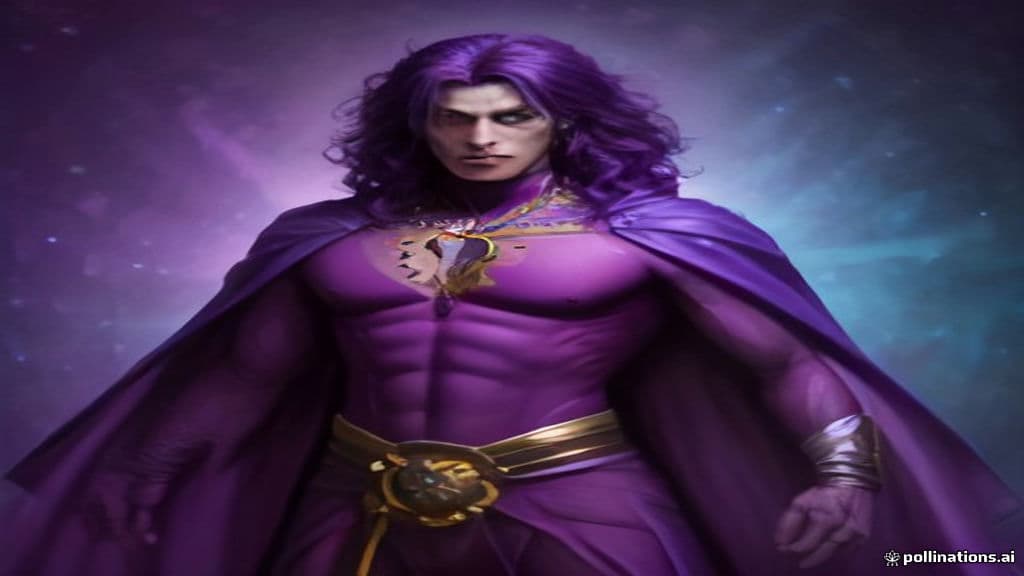
Extraño is a fictional Peruvian magician and superhero (Gregorio De La Vega) in DC Comics. Introduced in 1988, he is portrayed as a stage‑performer‑turned-sorcerer whose innate magical ability was heightened by a Guardians of the Universe experiment; later reintroductions present him as a powerful sorcerer and queer community leader based in Lima.

Eystein Halfdansson
Lesser

Eystein Halfdansson

Eystein Halfdansson (Old Norse: Eysteinn Hálfdansson) is presented in Norse king-list and saga tradition as a semi-legendary Norwegian petty king of the House of Yngling who ruled Romerike and acquired Vestfold by marriage. He is depicted as a dynastic ruler and Viking raider whose death is attributed in Snorri's Ynglinga saga to a magical act performed by King Skjöld of Varna.

Ezekiel
Minor Spirit

Ezekiel

Ezekiel is a human prophet and priest of the Hebrew Bible whose recorded prophetic activity during the Babylonian exile includes vivid visionary encounters (notably the merkabah or chariot-throne and four living creatures) and symbolic enacted prophecies addressing judgment and restoration for Judah and Jerusalem.

Ezekiel's Cherub in Eden
Ancient

Ezekiel's Cherub in Eden

A figure in Ezekiel 28:13–14 described as an "anointed cherub" in Eden; used within the prophetic oracle variously as a paradigmatic, exalted guardian-like being and as a figurative portrait of the King (or Prince) of Tyre. Later interpreters sometimes read the figure as a fallen celestial being linked to Satan, while other commentators insist the passage addresses a human ruler or his splendour.

Ezili Dantor
Greater

Ezili Dantor

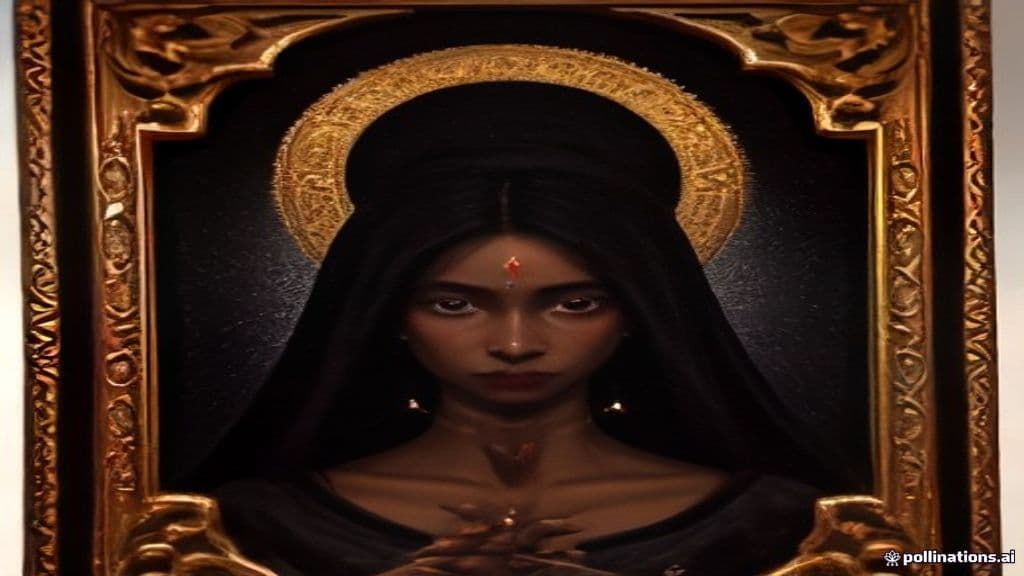
Ezili Dantor (Èzili Dantò, Erzulie Dantor) is a principal Petro lwa in Haitian Vodou, venerated as a dark-complexioned, maternal and fiercely protective spirit of children, single mothers, and marginalized gender identities. She is known for quick, destructive wrath as well as deep suffering, and figures in Haitian devotional life, syncretic Catholic imagery, and revolutionary memory in some traditions.

Ezina (Ashnan)
Ancient

Ezina (Ashnan)

Ezina, also attested as Ashnan, is the Mesopotamian goddess who personifies cereal grain (especially barley). She is attested from the Uruk period and in third-millennium BCE Sumerian literature, where she is invoked as the divine agent who causes seeds and barley to grow.

Eärendil and Elwing
Greater

Eärendil and Elwing

Eärendil and Elwing are narrative personages from J. R. R. Tolkien’s Middle‑earth legendarium (primarily The Silmarillion). They are Half‑elven descendants of notable lines of Elves and Men whose joint voyage to Valinor and subsequent fate—Eärendil set among the stars as a celestial mariner, Elwing briefly given the likeness of a great white bird—serve as a pivotal cosmological turning point in the legendarium.

Eëtion
Lesser

Eëtion

Eëtion (Ancient Greek: Ἠετίων) is a mortal king in Homeric tradition, described as ruler of Cilician Thebe in Anatolia and father of Andromache. In the Iliadic narrative his death and the slaughter of his sons by Greek raiders (notably Achilles) form part of the grieving context for Trojan War characters.

Fa'afāfine
Minor Spirit

Fa'afāfine

Fa'afāfine are a culturally recognized Samoan gender category: people assigned male at birth who live "in the manner of a woman" and occupy a distinct, socially integrated gender role in Sāmoan society across family, community, and cultural life.

Fachan
Greater

Fachan

A singular monstrous figure in West Highland Gaelic tradition, repeatedly described in 19th‑century collections as extremely asymmetrical (one eye, one hand/arm, one leg) and giant‑like in stature; chiefly attested in the writings of John Francis Campbell and Douglas Hyde, who quote an Irish manuscript with a similar monster.

Failinis
Greater

Failinis

Failinis is a wondrous hound in Irish tradition attested in Mythological and Fenian Cycle materials. In Lebor Gabála Érenn it appears among the eric (reparation) items associated with Lugh Lámhfhada; in later Fenian-cycle ballads and prose a similar or identical hound (also Fer Mac/Fermac) appears as a magical dog owned by princes from the foreign realm Iruaith.

Fairies
Lesser

Fairies

Fairies are a category of anthropomorphic spirit-beings from European folklore, described as possessing magical or preternatural qualities and appearing across a range of traditional stories and modern cultural expressions. The motif spans cautionary folk beliefs (often concerning protection from their spite) and contemporary festival, musical, and literary uses.

Fairy
Lesser

Fairy

A class of anthropomorphic supernatural beings found across multiple European folk traditions, fairies are magical, liminal entities variously described as spirits, an older race, or enchanted people; their depiction ranges from human-sized to diminutive and their attributes and moral alignment vary by region and period.

Fairy Godmother
Greater

Fairy Godmother

A literary supernatural patron figure—literally a 'fairy godmother' (French: fée marraine; Spanish: hada madrina)—that acts as a mentor or surrogate godparent in fairy tales, using magic to influence a protagonist's fortunes and to decree or modify destiny.

Fairy Queen
Greater

Fairy Queen

A female sovereign figure who rules over fairies or fairy courts across diverse folkloric and literary traditions. Depictions range from benevolent and gift-giving to ambivalent or dangerous; she appears both as a local hill-associated ruler in Celtic traditions and as a literary sovereign in Continental and English writings.

Fakafifine
Minor Spirit

Fakafifine

Fakafifine is a Niuean, culturally specific gender category referring to people assigned male at birth who adopt a feminine gender expression and who are understood within Niuean culture as occupying a third gender role. The term is used in contemporary social, cultural, and activist contexts in Niue and Niuean diaspora communities.

Fakaleitī
Minor Spirit

Fakaleitī

A culturally specific Tongan gender category for persons assigned male at birth who express feminine gender identity and/or take on feminine social roles. Fakaleitī occupy family, social, entertainment, and community-organizing roles within Tonga and are framed in scholarly literature as a regional indigenous gender category rather than a supernatural being.

Falak
Ancient

Falak

Falak is an enormous serpent in Arabian legendary material, described in summaries of One Thousand and One Nights and popular treatments of Islamic folk cosmology as dwelling beneath other cosmic animals (notably Bahamut) and forming part of a layered under‑cosmos. Sources present Falak as a terrifying, foundational monstrous presence rather than a discrete heroic or moral agent.

Falhófnir
Lesser

Falhófnir

Falhófnir is a named horse in Old Norse sources listed among the steeds ridden by the Æsir when they go to make judgments at Yggdrasil. The name is glossed as "pale-hoofed" or "the one with the fallow hooves," but the surviving sources preserve only roster-like attestations rather than a narrative or cultic role.

Fallen angel
Greater

Fallen angel

A heavenly being expelled from the divine court for transgression; a cosmological status found in Second Temple Jewish, Christian and contested Islamic materials. In Enochic literature the Watchers descend to earth, corrupt humans and transmit forbidden knowledge; later Christian theology uses the motif to explain the origin of moral evil.

Familiar Spirit
Lesser

Familiar Spirit

In European medieval and early modern folklore, a familiar spirit is an other-than-human attendant that assists, protects, or guides practitioners of magic and divination. The term is also used in Biblical translations to denote necromancers (Heb. אוֹב, ob) and appears in comparative discussions of Islamic/Arab animistic companion spirits (qarīn/qarīna). Across sources the phenomenon is best understood as a cultural category of personal spirit allies or intermediary agents rather than a single uniform being.

Family Trees of the Norse Gods
Primordial

Family Trees of the Norse Gods

The complex relationships between Norse gods, as portrayed in the Eddas and other sources, reveal a network of family ties and kin connections that shape their interactions and powers. (Note: 1. Power tier should be Primordial (too general) -> change to Ancient=deity-level. 2. The statement that no sensory cues are explicitly described in the source material is misleading, as it implies no)

Fand
Greater

Fand

Fand is an otherworldly female figure from early Irish tradition associated with the sea and an Otherworld island. In the Ulster Cycle tale Serglige Con Culainn she appears as an enchanted sea-bird and later as an Otherworld woman who both afflicts and heals the hero Cúchulainn; she is portrayed as wife of the sea-lord Manannán in that narrative and as part of a network of sea/Otherworld women in Irish myth.
Far darrig (fear dearg)
Lesser

Far darrig (fear dearg)

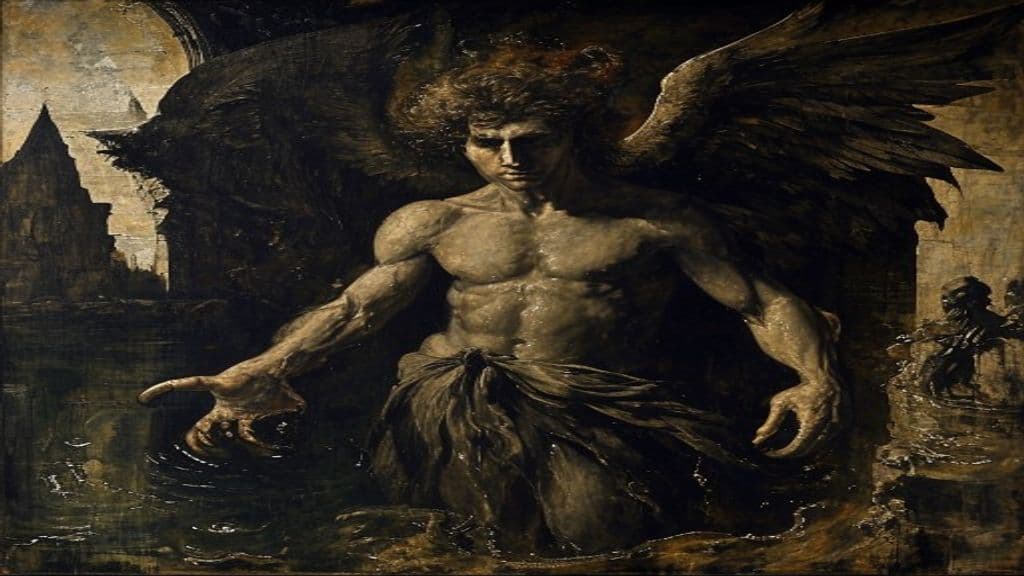
A solitary Irish faerie-class trickster traditionally called fear dearg ('Red Man'), the far darrig is noted for practical—and sometimes gruesome—jokes, a reputed connection to changelings and nightmares, and a characteristic red coat and cap. Accounts portray it as an ambivalent domestic/liminal being that can bring good luck if placated but imaginative punishments if offended.

Faramarz
Primordial

Faramarz

Heroic figure in Persian epic tradition, son of Rustam and protagonist of the Faramarz-nama. (Note: - Power tier: Lower, based on source material (heroic figure, son of Rustam), should be at least Greater=powerful regional spirit - Origin story: Only mentions relationship to Rustam, no Primordial or)

Faramir
Lesser

Faramir

Faramir is a fictional human noble of J. R. R. Tolkien's legendarium: younger son of Denethor II, brother of Boromir, captain of Gondor who commands forces in the War of the Ring, later Steward under King Aragorn. He is notable for resisting the temptation of the One Ring and for being healed by Aragorn with athelas in the Houses of Healing.

Farangis
Ancient

Farangis

Farangis is a human literary character in the Persian epic the Shahnameh: the eldest daughter of Afrasiab of Turan, the second and favourite wife of the Iranian prince Siyâvash, and the mother of the hero and later king Kai Khosrow. Her role in the epic is genealogical and political, marked by loyalty, mourning, and participation in dynastic succession.

Faravahar
Lesser

Faravahar

The Faravahar is an ancient winged-disc/winged-figure emblem prominent in Zoroastrian and Iranian visual culture. Scholarly and traditional readings variably interpret it as an icon of the fravashi (personal spirit), khvarenah (royal/divine glory), or a general symbol of divine favor and moral guidance, and it has been reappropriated in modern pan‑Iranian identity.

Farbod
Greater

Farbod

In Persian tradition, Farbod is a concept associated with protection, honor, and prestige. (Note: - Power tier should be "Primordial" or unclear, as no specific abilities or behaviors are mentioned. - Origin story is accurate, but could be expanded upon with more context about pre-Islamic Persia a)

Farfarello
Lesser

Farfarello

Farfarello is one of the Malebranche in Dante Alighieri's Inferno, depicted as a vulgar and quarrelsome demon charged with policing Bolgia Five of the Eighth Circle (Malebolge). The name also appears in modern Italian popular verse (a Trilussa lullaby) as a bogey-figure invoked to frighten or discipline children.

Farhad (Persian literature)
Greater

Farhad (Persian literature)

In Persian literature and mythology, Farhad is a character associated with the love story of Khosrow and Shirin. (Note: 1. Power tier should be revised to "Minor Spirit" since Farhad's abilities are more related to his devotion and determination, rather than cosmic or deity-level powers. 2. Remove description of "Appea)

Fariburz (Shahnameh)
Lesser

Fariburz (Shahnameh)

Fariburz is a legendary Iranian prince and warrior in Ferdowsi’s Shahnameh, a son of King Kay Kavus and brother of Siyâvash who appears as a recurrent Kayanian court hero in episodes such as the Mazandaran (Bahman’s fortress) campaign and the First 'Joust of the Rooks'. He is a human martial figure within the epic, not a supernatural being.

Farinata degli Uberti
Minor Spirit

Farinata degli Uberti

Farinata degli Uberti (born Manente degli Uberti, 1212–11 November 1264) was a 13th‑century Florentine aristocrat, knight, and leader of the Ghibelline faction whose political career, posthumous inquisitorial prosecution (1283), and literary depiction by Dante have made him a charged exemplar in medieval debates about heresy and the afterlife.

Faro
Ancient

Faro

Faro is identified in the supplied sources as a deity prominent in the Mandé creation narrative. Beyond a single disambiguation reference, the provided material contains no further ethnographic or mythic details about Faro's attributes, stories, or rituals.

Farshidvard
Minor Spirit

Farshidvard

Farshidvard is a human literary character in Ferdowsi’s Shahnameh who appears in the Davāzdah Rokh episode as a Turanian combatant. In an illustrated episode he flees the agreed combat and is slain by the Iranian warrior Gustaham (Gushtaham).

Farud
Lesser

Farud

Farud (also Firoud, Forud) is a human princely figure in the Persian epic Shahnameh, presented as the son of Siavash and ruler of Kelat. His encounter with the army of his brother Kai Khosrow—marked by misrecognition, restrained tactics, and tragic wounding—functions as a moral episode about kinship, counsel, and the ethics of warfare.

Farânak
Minor Spirit

Farânak

Farânak is a human female character in the Persian epic Shâhnâmeh, attested as the wife of Abtin and the mother of the hero-king Fereydun. Her name derives from Persian terms meaning 'butterfly' and by extension is linguistically associated with the Persian lynx/caracal; however, the cited sources present her as a mortal figure within epic genealogy rather than a supernatural being.

Fasolt
Lesser

Fasolt

A giant or knight in Norse mythology, Fasolt is involved in the creation of the world and appears alongside other supernatural beings. (Note: - Power tier should be Greater, not Lesser, given Fasolt's involvement in creation and appearance alongside supernatural beings. - Summary should mention his involvement in Das Rheingold more accurate)

Father Christmas
Minor Spirit

Father Christmas

Father Christmas is the traditional English personification of the Christmas festival — a cultural and performative embodiment of midwinter feasting, merrymaking and later, following nineteenth-century cultural exchange, a domestic gift-bringer. He functions as a symbolic figure in pageantry, pamphleteering and popular imagery rather than as an independently ontological supernatural being.

Fatimah
Lesser

Fatimah

Fatimah (also spelled Fatima) in the provided sources is presented as a female personal name and as the historical figure Fatima bint Muhammad (Fatima al‑Zahra), daughter of the Islamic prophet Muhammad, wife of Ali, and mother of Hasan and Husayn. The corpus contains biographical and onomastic information only and does not treat Fatimah as a supernatural entity.

Faun
Lesser

Faun

A faun is a Roman mythic being combining human and goat-like features, originally conceived as rustic local spirits (genii) of the countryside and later visually conflated with Greek satyrs and the god Pan; they are associated with pastoral fertility, revelry, and an ambivalent role toward travelers in wild places.

Fauna
Lesser

Fauna

Fauna is a Roman feminine divine figure associated with the countryside, fertility, and animal life; she is presented as the feminine counterpart or personified form related to the male rural deity Faunus and connected to the same pastoral/woodland complex as the fauns.

Faunus
Ancient

Faunus

Faunus is an ancient Roman rustic deity and tutelary nature god of forests, plains, and fields, protector of agriculture and cattle. He functions as an oracular and fertility power, head of a plurality of lesser fauni (place-spirits), and was celebrated in festivals such as the Faunalia and associated with the Lupercalia rites.

Faust
Lesser

Faust

Faust is the human protagonist of a long-standing German legend, based on a probable historical figure (Johann Georg Faust, c. 1480–1540), whose central motif is making a pact with an infernal representative (commonly named Mephistopheles) at a crossroads to exchange his soul for unlimited knowledge and worldly pleasures. The figure functions as a moral and literary archetype warning against preferring human/occult knowledge and worldly gain over divine order; later usages yield the adjective “Faustian.”

Feathered Serpent
Ancient

Feathered Serpent

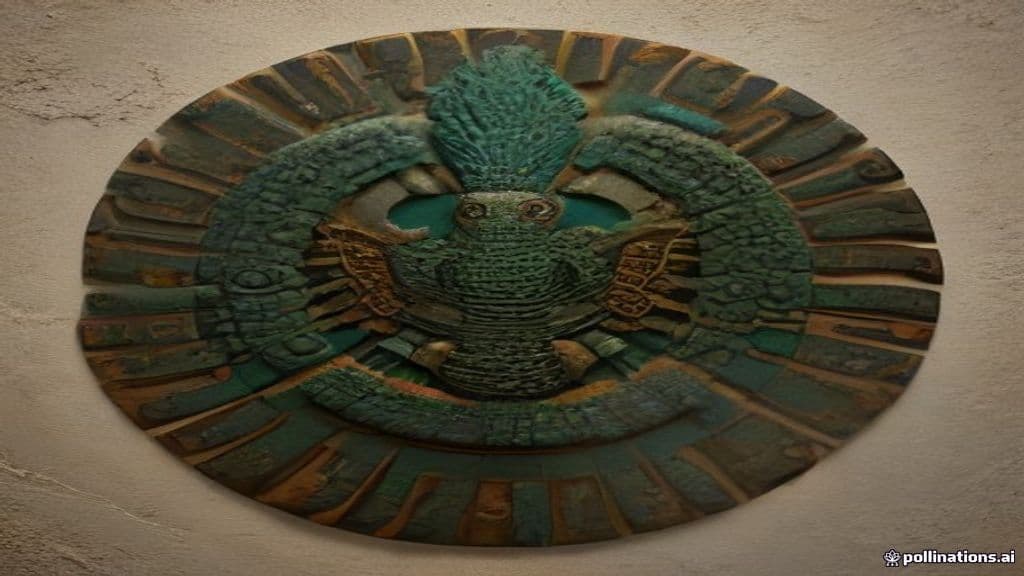
A composite avian-serpent supernatural figure attested across multiple Mesoamerican cultures (Olmec, Teotihuacan, Maya, Toltec, Aztec, Kʼicheʼ). Associated in sources with cosmological roles such as creation, wind and rain, knowledge, Venus, and calendric/origin mythic functions, and widely represented in monumental architecture and iconography.

Feilian
Greater

Feilian

Feilian is a named Chinese wind-being originating in southern (Chu) tradition and attested in early Chu poetry (Chu ci). In later commentarial and historiographic traditions the figure became identified with or subsumed under the Zhou/Taoist wind-deity Fengbo; Feilian is represented variously as a chimeric winged beast, a local wind-power, and in some accounts as a historical or mytho-historical personage linked to late Shang narratives.

Feirefiz
Lesser

Feirefiz

Feirefiz is a human knight-character in Wolfram von Eschenbach’s medieval Arthurian poem Parzival. Son of Gahmuret and the Moorish queen Belacane, he appears as Parzival’s half-brother and equals him in knightly skill; within Wolfram’s narrative he is a non-Christian noble who must undergo baptism to participate fully in the Grail community.

Feldgeister
Lesser

Feldgeister

Feldgeister are a class of German agricultural spirits or 'field spirits' associated with cereal crops, harvest processes and weather. The category groups many named local types (animal, human, and hybrid forms) implicated both in fertility of fields and in hazards such as child-stealing, illness, spoilage and storm phenomena.

Femizons
Lesser

Femizons

Femizons is a Marvel Comics concept used for two related fictional groups: a future, warrior-led matriarchal society (associated with alternate futures such as Femizonia on Earth-712 and Earth-715) and a present-day Earth-616 all-female supervillain team formed by Superia and composed of established female criminals. The term denotes a socio-political people or organized faction rather than a supernatural creature.

Femminiello
Lesser

Femminiello

A culturally specific Neapolitan third-gender social role for males who adopt markedly feminine expression and perform distinctive community and ritual functions. Femminielli are integrated into Naples' urban life and ritual calendar and are traditionally regarded as auspicious figures rather than supernatural beings.

Feng Meng
Lesser

Feng Meng

Feng Meng (also spelled Beng Meng) is a figure from Chinese mythology described as the apprentice of the divine archer Houyi (Yi) who, driven by envy of his master's skill, murdered Houyi with a club made from a peach tree.

Fengbo
Lesser

Fengbo

Fengbo (also written Feng Bo) is identified in modern English-language reference catalogs as a Taoist deity of the wind. Available supplied sources provide only this categorical identification and do not supply further traditional narrative, iconography, ritual, or functional detail.

Fenghuang
Greater

Fenghuang

The fenghuang (鳳凰 / 鳳皇) is a mythological composite bird in Chinese tradition that functions primarily as an auspicious cosmic and moral symbol. Reputed to reign over other birds and to appear in times and places of supreme peace and prosperity, it is also an imperial emblem later associated with the Empress and with Confucian virtues and celestial mapping.