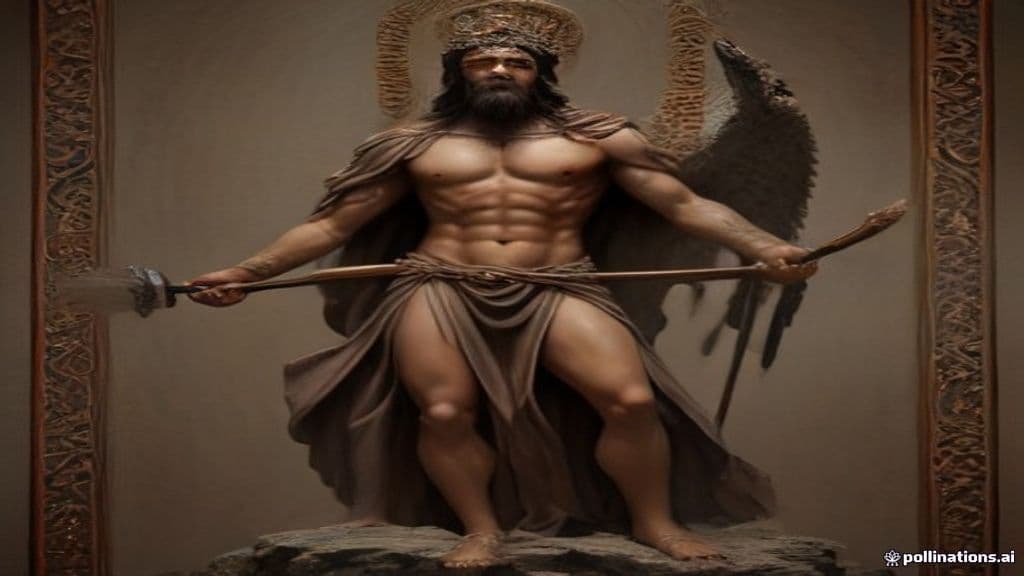
Etruscan Supernatural Beings

28 documented Etruscan supernatural beings from the Evil Eye grimoire, including 14 ancient and 9 lesser in power tier.

Aesar
Lesser

Aesar

Aesar is a term attested in comparative and antiquarian literature as a name or class-label applied to divine or semi‑divine beings in discussions of Etruscan religion. In the provided sources it appears chiefly in speculative comparisons with other pantheons (e.g., Norse Æsir, Irish 'Living Ones', Egyptian Asar/Osiris) and as a proposed Etruscan word meaning 'a god' in secondary commentary.

Aita
Ancient

Aita

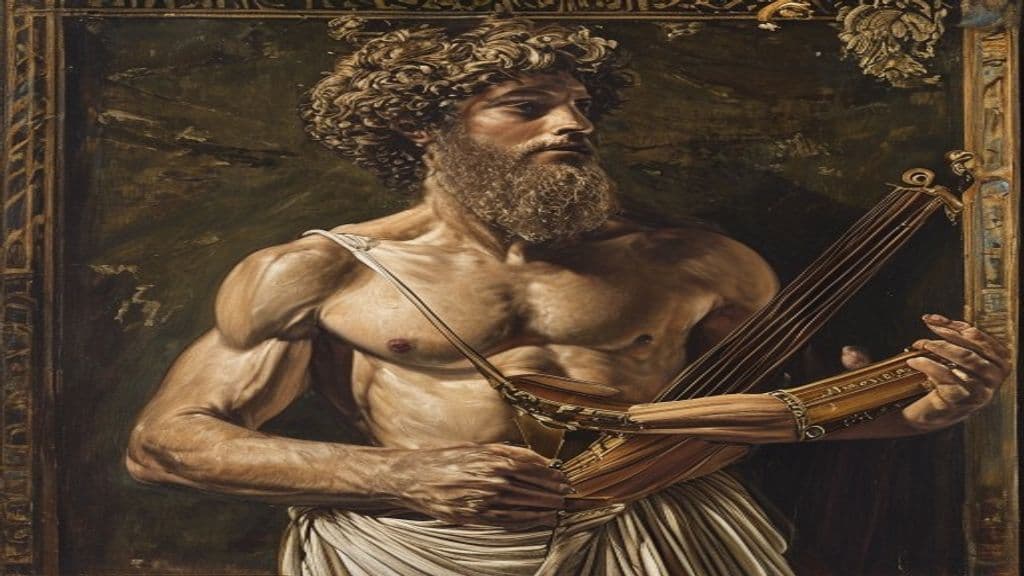
Aita is an Etruscan chthonic epithet of the older god Śuri (Suri), functioning as an underworld lord in late Etruscan iconography and funerary contexts. Appearing from about the 4th century BC, Aita shows strong influence from the Greek Hades and is depicted rarely in tomb paintings and grave goods.

Apollo
Ancient

Apollo

Olympian deity of ancient Greek religion associated with prophecy, healing, music, archery, purification, and civic order. Principal patron of the Delphic oracle, protector of youth and flocks, and ambivalently both healer and bringer of plague.

Apollo of Veii (Aplu)
Minor Spirit

Apollo of Veii (Aplu)

A life-size late Archaic Etruscan terracotta cult statue of the deity Aplu (Etruscan Apollo) created for the acroterial program of the Portonaccio sanctuary at Veii, ca. 510–500 BCE; intended as an architectural cult image and narrative participant in a roofline group depicting Apollo and Heracles.

Apulu
Ancient

Apulu

Apulu (Etruscan: 𐌀𐌐𐌖𐌋𐌖; syncopated Aplu) is an epithet/aspect of the Etruscan fire god Śuri combining solar/sky and chthonic/volcanic functions. Attested in inscriptions, major sculpture (notably the Apollo of Veii) and small votive objects, Apulu is associated with sun and light, thunder and lightning, healing and plague, and the protection of divination.

Asius
Lesser

Asius

Asius (Ancient Greek: Asios) is a personal name borne by several mortal leaders allied with Troy in Greek epic and mythographic tradition. The figures called Asius appear in leader-lists, genealogies, and battle narratives of the Trojan War cycle rather than as a distinct supernatural entity.

Aulus Vibenna
Lesser

Aulus Vibenna

Aulus Vibenna (Etruscan Avile Vipina) is a remembered historical and legendary Etruscan aristocrat and military leader from Vulci, attested in mid-1st millennium BCE inscriptions and tomb painting. He appears in votive dedications (a bucchero chalice) and in the François Tomb fresco cycle alongside his brother Caelius and companions such as Mastarna (identified with Servius Tullius in later tradition).

Begoe
Lesser

Begoe

Begoe is a scarcely attested named figure in Etruscan religious tradition, recorded in a 19th‑century retelling as able to slay an ox by whispering a sacred name. Modern references sometimes list Begoe as a variant spelling of the better‑attested Etruscan figure Vegoia/Vegoe, but evidence is fragmentary.

Caelius Vibenna
Lesser

Caelius Vibenna

Caelius Vibenna (Etruscan Caile Vipina) is presented in the supplied tradition as an Etruscan noble and legendary leader associated with a circle of companions; he appears in Etruscan tomb painting (notably the François Tomb at Vulci) and in later Roman antiquarian tradition as an ancestral or eponymous figure tied to the Caelian Hill of Rome. The corpus treats him as a human aristocratic/heroic figure rather than a supernatural being.

Calu
Ancient

Calu

Calu is an Etruscan theonym/epithet denoting the chthonic, dark aspect of the fire-underworld god Śuri; the name was also used as a synonym for the underworld itself. Iconography and cultic language associate Calu with darkness and lupine (wolf) attributes and link the epithet to central-Italian wolf-ritual phenomena.

Charun
Lesser

Charun

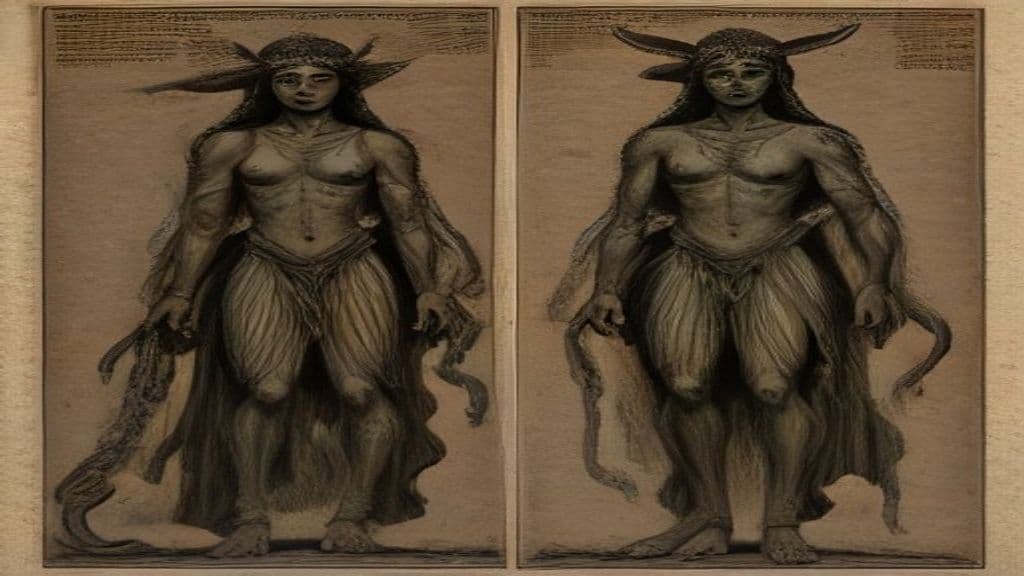
An Etruscan chthonic attendant and psychopomp depicted in funerary art; Charun escorts the dead to the underworld and appears in grotesque, monstrous form often bearing a hammer. He is typically an underworld functionary rather than the sovereign ruler of the dead.

Consus
Lesser

Consus

Consus is a chthonic Roman deity associated with the safeguarding of grain, subterranean storage (silos, bins) and the hidden seed; his cult included earth-covered altars and public festivals (Consualia) featuring equestrian games and rites tied to harvest and settlement ceremonies.

Culsu
Lesser

Culsu

Culsu is an attested name listed among Etruscan deities and legendary figures in modern compilations. Available sources provide only nominal attestation (the name and a modern label of 'goddess'); no independent ancient narratives, functions, iconography, or rituals are recorded in the supplied materials.

Etruscan Supernatural Entities
Primordial

Etruscan Supernatural Entities

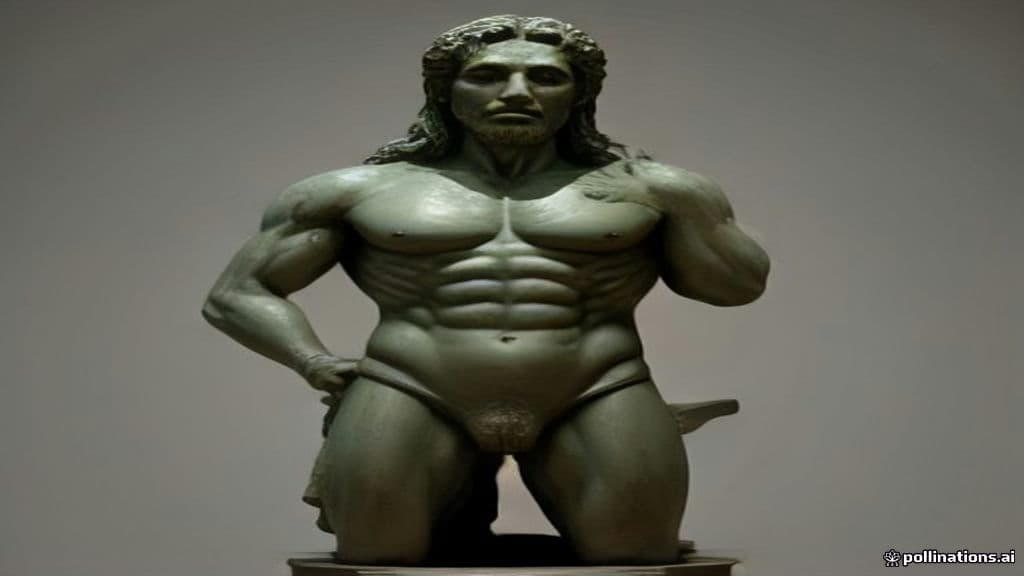
A pantheon of gods and goddesses heavily influenced by Greek and Roman mythology, worshipped by the Etruscan civilization. (Note: - Power tier: Primordial is not plausible given the described abilities (control over nature and influence over human affairs). A more accurate power tier would be Ancient, as these abilities are simi)

Feronia
Ancient

Feronia

Feronia is an ancient Italic goddess of central Italy associated with fertility, the wild/nature, and certain civic-economic functions such as trade. Originating with Sabine and Faliscan practice and later incorporated into Roman religious listings, she possessed sanctuaries and a visible cult presence in the archaic and Republican periods.

Fufluns
Ancient

Fufluns

Fufluns is an Etruscan deity of plant life, wine, health, happiness, and growth, often equated with Greek Dionysos and Roman Liber. He is named as the son of Semla and Tinia, worshipped at Populonia (Fufluna/Pupluna), and is mentioned twice among the 16 gods on the Liver of Piacenza, where he appears as the ninth of the sixteen.

Hercle
Greater

Hercle

Hercle is an Etruscan divine hero—an immortal of the Etruscan pantheon, presented as son of Tinia and Uni—portrayed with Heracles-type attributes but invested with distinct local roles as a liminal protector, master of animals, and an oracular cult figure in Etruria.

Hercules
Ancient

Hercules

Hercules (Latin: Hercules) is the Roman reception of the Greek divine hero Heracles: a semi-divine, divinized heroic figure son of Jupiter and the mortal Alcmena who was widely venerated across Italy. Represented in cult, votive art, and literature, he functions as a protector and martial champion whose identity was adapted through Etruscan and local Italic contexts.

Hirpi Sorani
Primordial

Hirpi Sorani

Infernal fire god in ancient Etruscan and Roman pantheon, associated with volcanic fires and solar forces. (Note: 1. Power tier should be Ancient (deity-level) instead of Primordial. 2. No physical description is provided in the source material; delete or rephrase "Appearance" section accordingly. 3. Since specif)

Pallas Athena
Ancient

Pallas Athena

Pallas Athena (Athena or Athene) is an ancient Greek goddess associated with wisdom, strategic warfare, and handicraft; she functions as patron and protectress of cities—most notably Athens—and appears throughout art and myth from antiquity into later cultural traditions.

Persipnei
Ancient

Persipnei

Persipnei (also Phersipnai, later Ferspnai) is the Etruscan queen of the underworld, consort to the underworld ruler Aita and the principal female sovereign in Etruscan netherworld iconography. She is an Etruscan analogue of the Greek Persephone and Roman Proserpina and appears chiefly in tomb frescoes.

Phersipnai
Ancient

Phersipnai

Phersipnai (also attested as Persipnei) was the Etruscan queen of the underworld, described in the sources as the consort of the underworld ruler Aita and functionally equivalent to the Greek Persephone and Roman Proserpina. The available references state that the Etruscan name was borrowed from Greek and place her among the ruling figures of the Etruscan chthonic realm.

Tinia
Ancient

Tinia

Tinia (also Tin, Tinh, Tins, Tina) is the chief sky god of the Etruscan religion, associated with thunderbolts, divination, and the guarantying of boundaries. He occupies a role analogous to Roman Jupiter and Greek Zeus and appears in Etruscan votive inscriptions and on the Piacenza Liver used for haruspicy.

Tuchulcha
Lesser

Tuchulcha

Tuchulcha is an underworld chthonic being from Etruscan funerary iconography, attested chiefly in a single Tomb of Orcus II fresco at Tarquinia where the figure attends Theseus and Peirithous in the realm of the dead (Aita). Modern scholarship interprets Tuchulcha as an attendant daemon of the netherworld with ambiguous gender and composite animal features.

Turms
Ancient

Turms

Turms is an Etruscan divine figure who functions primarily as a messenger between humans and gods, an attendant or minister to higher deities (notably Tinia), a god associated with trade, and a psychopomp who conducts souls to the afterlife. He is attested mainly in Etruscan iconography on mirrors, sarcophagi, and decorated objects and is often equated functionally with Greek Hermes and Roman Mercury while bearing a distinctively Etruscan name.

Vanth
Minor Spirit

Vanth

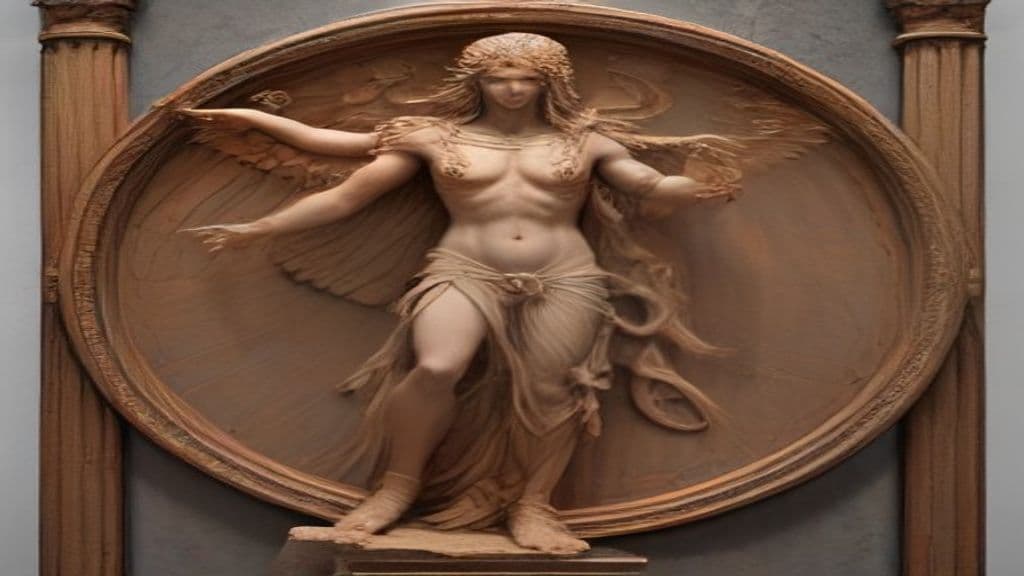
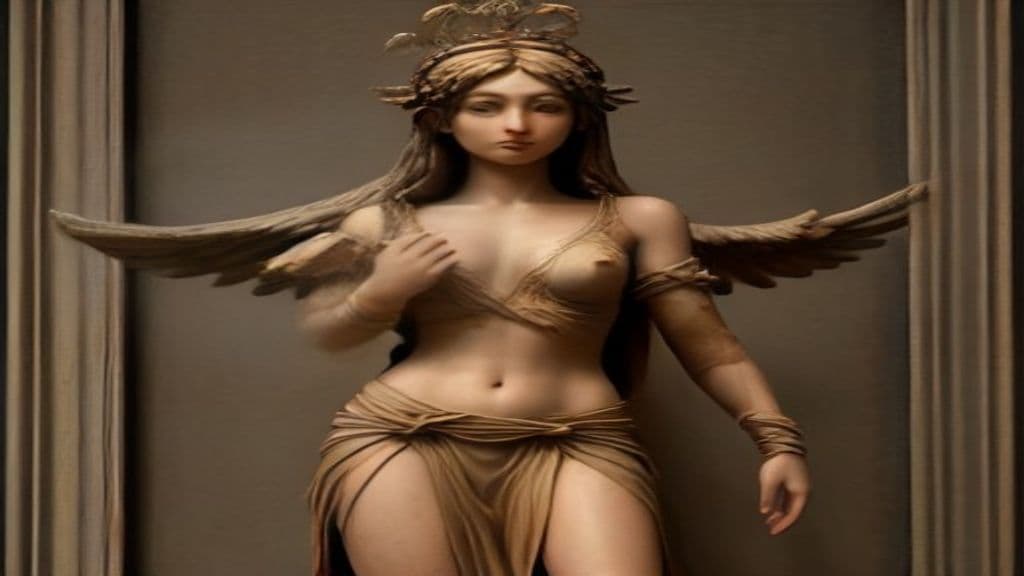
Vanth is an Etruscan chthonic female attendant depicted in funerary art as a benevolent psychopomp who escorts and assists the dead on their journey to the Underworld. She appears in tomb paintings, sarcophagi, and ash urns from the classical Etruscan period and is often shown with attributes such as a torch, key, and scroll.

Vegoia
Ancient

Vegoia

Vegoia (Etruscan: Vecu) is a prophetic female revealer in Etruscan tradition credited in later Roman commentary as the author of portions of the sacred book-collection (the Libri Vegoici). She functions as the authoritative source of rules connecting divine order to human practices of surveying, law, ritual, and calendar, and is especially associated with the city of Chiusi (Clusium).

Śuri
Ancient

Śuri

Śuri is an ancient Etruscan deity combining chthonic (underworld), volcanic/fiery, and solar aspects. Centered on Mount Soracte and served by the Hirpi Sorani, he is associated with volcanic fire and lightning, the sun and the Manes, oracular functions, and communal health/plague rites.