Greek Supernatural Beings

1796 documented Greek supernatural beings from the Evil Eye grimoire, including 1106 lesser and 335 minor spirit in power tier.

page 15 of 30

Dionysus
Ancient

Dionysus

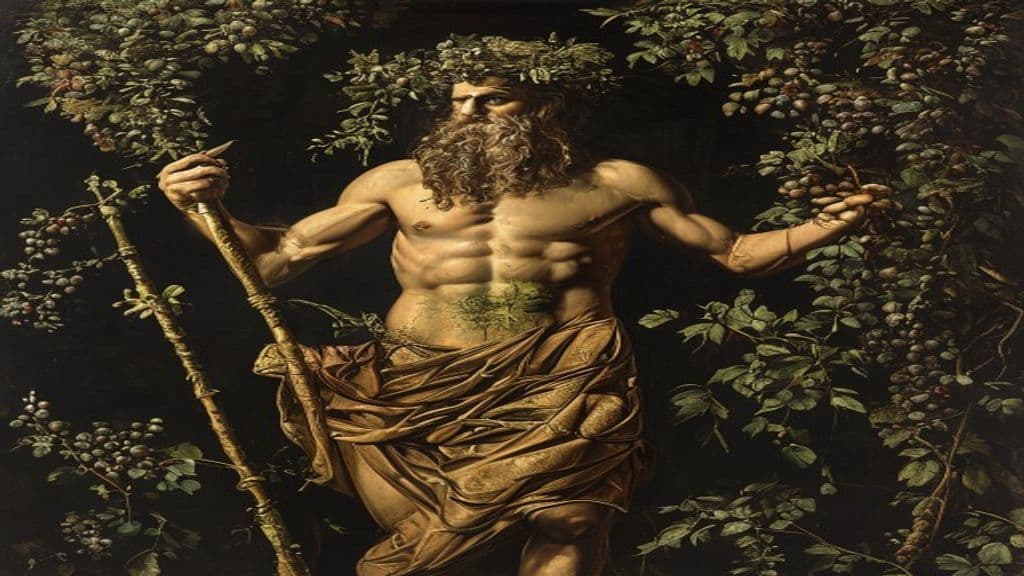
Dionysus (Ancient Greek: Διόνυσος) is a major ancient Greek deity associated with wine and winemaking, vegetation and fertility, festivity and theatre, ritual ecstasy and possession, and liminal links with death and the underworld. He is an epiphany-god who travels between worlds, whose cult includes ecstatic rites and mystery initiation.
Dioplethes
Lesser

Dioplethes

Dioplethes is a minor mythological human figure from ancient Greek genealogical tradition, attested as a Phthian prince, son of King Myrmidon and in some accounts possibly Peisidice. He appears only in genealogical lists linking regional dynasties and is not associated with deeds, cult, or iconography in the provided sources.

Diores
Minor Spirit

Diores

Diores (Ancient Greek: Διώρης, Diṓrēs) is not a single supernatural entity but a recurring personal name borne by several distinct mortal figures in Greek and Roman epic and mythographic tradition. The name appears attached to at least four human characters — fathers, leaders, princes, and husbands — across Homeric, mythographic, and Virgilian narratives.

Dioscuri (Castor and Pollux)
Ancient

Dioscuri (Castor and Pollux)

The Dioscuri, commonly rendered Castor and Pollux (Dioskouroi in Greek), are the twin half-brothers of Greek and Roman mythology who function as a paired mythic duo in classical literature and later cultural memory. They appear throughout ancient sources and have been reused as a durable cultural emblem of twinship, partnership, and martial or civic guardianship in art, monuments, and modern institutions.

Dioxippe (Heliades)
Lesser

Dioxippe (Heliades)

Dioxippe (Ancient Greek: Διωξίππη) is a named figure in Greek myth most commonly attested as one of the Heliades — daughters of Helios and the Oceanid Clymene — appearing in mythographic name-lists. The same personal name 'Dioxippe' also occurs for several unrelated female figures in Greek tradition (a Danaid, an Amazon, a wife of Agenor) and even as the name of one of Actaeon’s dogs in various sources.

Dirce
Lesser

Dirce

Dirce (Ancient Greek Δίρκη) is a figure of Greek myth traditionally remembered as a queen of Thebes, wife of Lycus, whose cruel treatment of Antiope led to her being killed by Antiope's sons, Amphion and Zethus. Her violent death — being tied to a bull and dragged to death — becomes aetiological for a spring associated with Dionysus and a site of local Theban ritual memory.

Dodone
Minor Spirit

Dodone

Dodone (Ancient Greek: Δωδωνή) is attested in Greek mythological sources as an Oceanid, a daughter of the Titans Oceanus and Tethys, who is named as the eponym of the ancient city and oracle site Dodona in Epirus. Surviving references present her chiefly in a genealogical and onomastic role; the sources record the prominence and antiquity of the Dodona oracle but do not attribute distinct powers, iconography, or ritual acts to Dodone herself.

Dolius
Lesser

Dolius

Dolius (Ancient Greek Δολίος, Dolíos) is a mortal slave and household retainer in the Homeric epic tradition, attested in summaries of the Odyssey. He serves as a gardener in the household of Odysseus and Penelope, is described as loyal to his master upon Odysseus’s return, and is father to Melanthius and Melantho.

Dolon
Lesser

Dolon

Dolon (Greek: Δόλων) is a mortal Trojan figure in Homeric epic who volunteers to spy on the Greek camp during the Trojan War, is captured by Diomedes and Odysseus, gives information under interrogation, and is executed. He is presented in the sources as a minor human participant in the Iliad's narrative world rather than a supernatural being.

Dolops
Lesser

Dolops

Dolops (Ancient Greek Δόλοψ) is a personal name borne by several distinct figures in Greek mythic texts rather than a single recurring supernatural being. Bearers of the name appear as mortal combatants in Homeric epic, a funerary figure visited by the Argonauts in Apollonius Rhodius, and in at least one genealogical listing as a semidivine child of Cronus and Philyra.

Doridas
Lesser

Doridas

Doridas is attested in the supplied sources only as a proper name: a Wikidata label identifies 'Doridas' as a 'mythical king of Corinth', and a lexically similar form appears as the modern Greek place-name Dorida (Δωρίδα). The corpus contains no folkloric descriptions, rituals, or supernatural attributes for an entity named Doridas.

Dorieus
Lesser

Dorieus

Dorieus (Ancient Greek: Δωριεύς) is a historical/mythohistorical Spartan prince of the Agiad line, portrayed in classical sources as an aristocratic exile who led failed colonizing ventures in Tripolitania and western Sicily in the early 6th century BC. His story functions as both historiography and aetiology explaining foundation attempts, dynastic dispute, and interaction with Phoenician/Carthaginian powers.

Dorippe
Ancient

Dorippe

A figure associated with Anius, a king of Delos and priest of Apollo. Its significance is unclear due to lack of explicit supernatural characteristics. (Note: - Power tier: Should be Primordial (no clear connection to Anius or significant mythological status) - Abilities: Mention that "No explicit supernatural abilities or behaviors are described for Doripp)

Doris (Oceanid)
Lesser

Doris (Oceanid)

A figure named Doris appears in Greek myth as an Oceanid identified in the supplied sources as 'mother of the Nereids.' The provided material supplies only this genealogical label and does not include narratives, descriptions, or ritual material associated with her.

Dorodoche
Minor Spirit

Dorodoche

Dorodoche (Ancient Greek: Δωροδόχην) is a mortal woman attested in Greek genealogical traditions as a native of Pharae in Messenia, daughter of Ortilochus/Orsilochus, and named in some accounts as the wife of Icarius and mother of his children, including Penelope.

Dorus
Lesser

Dorus

In the supplied sources Dorus is identified as an eponymous ancestral figure in Greek mythology, described succinctly as the founder of the Dorians. The available material treats Dorus as a mythic name used to explain ethnic origin rather than as an actively described supernatural being.

Doryclus
Lesser

Doryclus

Doryclus (Ancient Greek: Δόρυκλος, romanized Dóruklos) is a recurring personal name in Greek mythic genealogies and epic narratives. The name is borne by several distinct mortal figures — princes, athletes, island inhabitants, and warriors — attested across mythic contexts such as Phoenician genealogies, the Argonautic cycle, Nonnus' Dionysiaca, and the Trojan War tradition.

Dotia
Lesser

Dotia

Dotia (Ancient Greek: Δωτίας; variants Δωτίς/Δωτίδος) is an eponymous ancestress in Greek mythic-genealogical tradition, cited as the name-source for the Dotian plain and the city Dotion (Dotium) in Thessaly. Surviving references present her as an etiological figure — a mythic ancestor who explains a place-name — not as an independently acting deity, spirit, or cult figure.

Dotis
Lesser

Dotis

Dotis (Ancient Greek: Δωτίς or Δωτίδος) is a personal name attested in ancient Greek mythographic and lexicographic sources. The name is borne by multiple mythic individuals known from genealogical notices (one male, two female in the cited traditions) rather than a single, coherent supernatural being or class of entity.

Doto
Lesser

Doto

Doto is one of the fifty Nereids in Greek mythology, a sea-nymph daughter of Nereus (the 'Old Man of the Sea') and the Oceanid Doris. She is named in classical lists of Nereids and appears collectively with other sea-nymphs as an attendant or escort in fragmentary references.

Drakaina
Greater

Drakaina

A drakaina (Ancient Greek: δρακαίνη; Latinized dracaena) is the specifically female form of the Greek drakon — a she-serpent or she-dragon — attested in myth as a class of monstrous beings. Named exemplars (Campe, Delphyne, Echidna, Sybaris, Python in comparative accounts) appear in narratives as dangerous, often chthonic or liminal guardians and progenitors rather than as a single uniform monster.

Dryad
Lesser

Dryad

A type of Greek nymph associated with trees—especially oak—often depicted as long‑lived nature spirits whose lives are connected to particular trees in some subtypes. Dryads enforce respect for trees and may punish mortals who harm them without prior appeasement.

Dryalus
Lesser

Dryalus

Dryalus (Ancient Greek: Δρύαλόν) is an individual centaur named in Hesiod's Shield of Heracles and later summaries; he is listed among the centaur combatants at the wedding of Pirithous and Hippodameia who fought the Lapiths in the Centauromachy. Surviving attestations are brief genealogical and catalogue-type mentions rather than extended mythic narratives.

Dryas
Minor Spirit

Dryas

Dryas is an ancient Greek personal name borne by multiple mythic figures (heroes, princes, hunters). Etymologically linked to the Greek word for oak (drus, δρῦς) and by extension to dryads, the name recurs across genealogies and heroic lists rather than denoting a single supernatural species.

Dryope
Lesser

Dryope

Dryope (Ancient Greek: Δρυόπη) is a personal name borne by several distinct female figures in ancient Greek and Roman literature rather than a single consistent supernatural type. Bearers of the name include a mortal daughter of Dryops who bore Amphissus to Apollo, a figure identified with the Roman Fauna mothering Tarquitus by Faunus, a nymph said to have seized Hylas in accordance with Hera's will, a Theban woman who joins the Maenads and gives birth during Bacchic rites, and a Lemnian mother of the Oenotropae by Anius.

Dryops of Oeta
Lesser

Dryops of Oeta

In Greek myth Dryops is presented as the eponymous ancestor of the Dryopians; the surviving source material records his role as a name-giver rather than a narrative character, spirit, or deity.

Dumuzi
Ancient

Dumuzi

Dumuzi (Dumuzid; Tammuz/Adon/Adonis in Levantine reception) is an ancient Mesopotamian pastoral and fertility deity, shepherd and consort of the goddess Inanna/Ishtar, whose death/abduction and seasonal absence are tied to vegetation cycles and annual cultic mourning and renewal.

Dushara
Ancient

Dushara

Dushara is a principal pre-Islamic Nabataean deity, venerated as a city and mountain-linked patron god (notably of Petra and Hegra). Represented commonly by aniconic stone symbols, he was the focus of petitionary cult practice (notably animal sacrifice) and was syncretized by classical authors with Greco‑Roman gods.

Dymas
Lesser

Dymas

Dymas (Ancient Greek: Δύμας) is a personal name borne by multiple distinct mortal figures in ancient Greek epic and mythic traditions rather than a single supernatural being. Bearers of the name appear in narratives connected to the Argonautica, the Theban cycle, Dorian genealogies, Trojan War material, and the Odyssey; no consistent divine or liminal attributes are ascribed to them in the cited sources.

Dynamene
Lesser

Dynamene

Dynamene (Ancient Greek: Δυναμένη) is one of the Nereids in Greek mythology, a daughter of the sea-god Nereus and the Oceanid Doris. Her name is a participle meaning glossed as both “the bringer” and more precisely “she who can, the capable one,” and she is associated with the might of great ocean swells and with the ability to appear and disappear rapidly. She appears in Homer’s Iliad as one of the Nereids who comes to Thetis in her grief for Achilles.

Dyspontos
Minor Spirit

Dyspontos

Dyspontos (also attested in a cataloguing entry as Dysponteus) appears only in very limited genealogical material within Greek mythic traditions connected to the royal house of Pisa in the Peloponnesus. The surviving attestations treat the name as a minor mythic figure recorded in lineage lists with variant parentage rather than as a fully developed narrative character.

Déjanire
Lesser

Déjanire

Déjanire is the mortal wife of Heracles (Hercule) in classical myth as retold in modern French theatrical and operatic adaptations. In the cited materials she functions as a dramatic character whose act of giving a tunic soaked in Nessus's blood—presented to her as magically restorative but actually poisonous—precipitates Hercule's agonized death and apotheosis.

Ecbasus
Lesser

Ecbasus

Ecbasus (Greek: Έκβασος) is a minor figure in Greek mythic genealogies, presented as a son of Argus and an ancestor within the ruling houses of Argos. He functions primarily as a connective ancestral link between better-known mythic figures (Argus, Agenor, Argus Panoptes, Pelasgus) rather than as an active heroic or supernatural agent.

Echekles
Minor Spirit

Echekles

Echekles is an attested ancient Greek personal name appearing in epigraphic records and later mythographic summaries. He is recorded as a property-holder in an inscription (Syll 610), listed among names on a choregic dedication (IG I3 969, ca. 440 BC), and in secondary mythographic compilations is named as husband of Polymele and stepfather who raised Eudoros.

Echemela
Lesser

Echemela

Echemela is a variant personal name attested in Greek mythographic and commentarial traditions as the wife (bride) of Megapenthes, the illegitimate son of Menelaus. The name appears alongside other onomastic variants (Iphiloche, Echemelos) in manuscript and commentary transmissions rather than as an independent supernatural figure.

Echemmon
Lesser

Echemmon

Echemmon is a minor figure in Greek mythic tradition, presented in source catalogues as a son of King Priam of Troy and a Trojan warrior who was slain during the Trojan War. Variant traditions differ over which Greek hero slew him, and a possibly distinct minor figure of the same name is elsewhere recorded as a friend of Thoas killed by Eurypylus of Mysia.

Echemus
Lesser

Echemus

Echemus (Ancient Greek: Ἔχεμος) is a heroic ancestral king of Tegea in Arcadia from Greek myth and local Tegean tradition. Remembered chiefly for killing Hyllus in single combat and for being victor in wrestling at the games said to have been established by Heracles, Echemus functions as a civic founder-hero invoked to justify Tegean precedence and martial reputation.

Echephron
Lesser

Echephron

Echephron (Ancient Greek: Ἐχέφρων) is a personal name borne by multiple mortal figures in Greek mythic genealogies: a son of Nestor of Pylos, a son of Priam of Troy, and a son of Heracles and Psophis associated with a local place-name change. The name functions in sources as a conventional human patronymic/eponym rather than a supernatural being.

Echepolus
Lesser

Echepolus

Echepolus is a named Trojan warrior attested in the Homeric epic tradition (Iliad, Book IV). He is recorded as a battlefield combatant who is killed by the Achaean warrior Antilochus; his brief appearance functions as one of many Homeric death-notes that individualize the mass slaughter of war.

Echetus
Lesser

Echetus

Echetus (Ancient Greek Ἔχετος) is a notorious legendary king in the Homeric tradition invoked in the Odyssey as the archetype of extreme cruelty and punitive maiming. Presented in primary summaries as a human ruler from the mainland opposite Ithaca, his name functions rhetorically in the epic as a terror-invocation rather than as a described supernatural being.

Echidna
Ancient

Echidna

The 'Mother of Monsters' — half beautiful woman, half enormous serpent — who with Typhon gave birth to nearly every great monster of Greek mythology.

Echion
Greater

Echion

Echion (Ancient Greek: Ἐχῑ́ων, gen.: Ἐχίονος, from ἔχις 'viper') is a personal name applied to multiple distinct figures in Greek myth: a Gigante, one of the Spartoi (sown men) associated with Cadmus and Thebes, an Argonautic hero son of Hermes, a Greek warrior at Troy, and a suitor of Penelope. The surviving summaries treat these as separate mythic persons who appear across foundation myths, heroic-age epics, and local foundation legends.

Echo
Minor Spirit

Echo

Two distinct referents share the English name "Echo": (1) an acoustic phenomenon — the delayed reflection of sound returning to a listener; and (2) Echo, a figure in Greek myth described in the sources as a mountain nymph cursed so she could only repeat the last words spoken to her. The supplied materials treat these as separate usages linked etymologically but do not merge them into a single cosmology.

Ectenes
Lesser

Ectenes

The Ectenes (Ancient Greek: Ἑκτῆνες) are an autochthonous, primordial people of Boeotia in Greek legendary-historical tradition, described in sources such as Pausanias as the first inhabitants of the land that later contains Thebes; their king is named Ogygus and they are said to have perished by pestilence.

Egremus
Lesser

Egremus

Egremus is a named mortal figure in Greek myth attested only as a combatant who fell in the war between Eumolpus and Eleusis. He is identified by the patronymic 'son of Eurynomus' and appears only in genealogical/war-list context in the cited source.

Eidolon
Minor Spirit

Eidolon

In classical Greek literature an eidolon (Ancient Greek: εἴδωλον) is a spirit-image or phantom double of a living or dead person — an appearance or image that may stand in for the person without being their full bodily or ontological self. The concept functions as a poetic and narrative device in Homeric and later poetry to handle problems of presence, absence, and reputation.

Eidyia (Idyia)
Lesser

Eidyia (Idyia)

Eidyia (also Idyia) is an Oceanid—daughter of the Titans Oceanus and Tethys—named in Greek genealogies as the wife of Aeëtes of Colchis and mother of Medea, Chalciope, and Absyrtus. She is a local nymphly figure associated with Colchis/Aia on the eastern Black Sea and is primarily attested in sources as a genealogical link rather than as an active mythic agent.
Eileithyia
Greater

Eileithyia

Eileithyia is a Greek divine figure principally associated with childbirth and midwifery. Invoked to ease labour pains and ensure successful delivery, she appears in classical poetry, mythic episodes, and in long-lived local cults (notably cave-sanctuaries in Crete and sanctuaries in Aigion and other locales).

Eioneus
Lesser

Eioneus

Eioneus (Ancient Greek Ἠιονεύς, Eioneús) is not a single supernatural being but a personal name borne by several distinct figures in Greek myth. Attestations present Eioneus as mortal or semi-divine personages: genealogical ancestors (fathers or grandfathers), an eponymous founder-figure linked to a coastal city, a suitor slain in a heroic contest, and named warriors killed in the Trojan War cycle.

Elagabal/El‑Gabal (Elagabalus, Heliogabalus)
Ancient

Elagabal/El‑Gabal (Elagabalus, Heliogabalus)

Elagabal (El‑Gabal), Latinized as Elagabalus and syncretized as Heliogabalus, is the Emesene mountain and sun god represented by a sacred cult‑stone (baetyl). A local Baal‑type deity of Emesa (modern Homs), the cult was historically notable for its transplantation and promotion to Rome during the reign of the emperor commonly called Elagabalus (218–222 CE).

Elatus
Lesser

Elatus

Elatus (Ancient Greek: Ἔλατος) is a personal name borne by multiple distinct figures in ancient Greek mythic tradition — including an Arcadian founder-eponym, a Lapith prince, a centaur slain in combat with Heracles, and several minor epic personae (charioteer, Trojan ally, suitor). The name functions as an onomastic label across genealogical, foundation, and heroic-age narratives rather than designating a single recurring supernatural class.

Electra
Minor Spirit

Electra

Electra (Ancient Greek: Ἠλέκτρα, Ēléktrā) is a Mycenaean princess in Greek myth and drama, daughter of Agamemnon and Clytemnestra, whose primary role across Aeschylus, Sophocles, and Euripides is as an avenger of her father's murder and a focal figure for questions of filial duty, revenge, and ritual consequence.

Electryon
Minor Spirit

Electryon

Electryon (Ancient Greek Ἠλεκτρύων) is a mythic king of the Perseid line in Greek tradition, ruler of Mycenae and Tiryns whose conflict over stolen cattle, the deaths of his sons, and his own death set the succession events that lead to Amphitryon, Alcmena, and the birth of Heracles. He is presented in classical sources as a mortal dynast rather than a supernatural being; versions differ on whether his death was accidental or the result of homicide.

Eleius
Lesser

Eleius

Eleius (Ancient Greek Ἠλεῖος, Ēleîos) is a legendary eponymous king in Greek myth who functions as the ancestral founder of the Eleans and the region of Elis. Attested in mythographic traditions summarized in Pausanias and later compilations, Eleius appears in genealogical sequences linking local dynastic identity to divine and heroic lineages.

Elephantis
Lesser

Elephantis

Elephantis (Ancient Greek: Ἐλεφαντίς) is a name attested in two distinct registers of the ancient Greek world: (1) a late 1st century BCE Greek poet/physician credited in Roman and Greek authors with erotic manuals, cosmetics and abortive recipes, midwifery, and medical remedies; and (2) a mythographic/mortal figure listed among the wives or consorts of Danaus and named as mother of some Danaïdes in variant genealogical traditions.

Elephenor
Lesser

Elephenor

Elephenor (Ancient Greek: Ἐλεφήνωρ) is a mortal king of the Abantes of Euboea in Greek mythic-historical tradition, known as a captain of a contingent to the Trojan War, a purifying figure in one homicide episode, and as the subject of variant local foundation or exile traditions after the war.

Eleuther
Lesser

Eleuther

Eleuther (Ancient Greek: Ἐλευθήρ) is a personal name borne by several distinct figures in Greek myth — including a Curete, an Arcadian son of Lycaon, a possible variant of the divine epithet Eleutherios (linked to Dionysus), and a son of Apollo credited with musical distinction and with founding a local Dionysian cult. The attestations present Eleuther as eponym, cult-founder, performer, and minor mythic personage rather than as a single ontological class of being.

Elpenor
Minor Spirit

Elpenor

Elpenor is a named human figure in the Homeric epic tradition (Odyssey) who dies accidentally on Circe’s island and later appears as a shade in Hades during Odysseus’ katabasis to plead for a proper cremation and burial. He functions in the poem as an example of neglecting funerary obligation and the moral duty of the living to care for the dead.

Elymus
Minor Spirit

Elymus

Elymus is primarily a botanical genus of perennial grasses (family Poaceae) whose species include wild ryes and quackgrasses; the name also appears in classical mythic reference as a personal name (the purported ancestor of the Elymians and as a man slain by Gorge). The available sources treat Elymus as a taxonomic label and a mythic personal name, not as a defined supernatural being within a living folk cosmology.

Emathion
Minor Spirit

Emathion

Emathion is an onomastic figure in Greek and Roman literature: a name applied to several mortal personages of the heroic age (kings, courtiers, princes, and companions) rather than to a single supernatural being. Occurrences include a king of Aethiopia/Arabia killed by Heracles, a king of Samothrace who sent troops to Dionysus, an aged Ethiopian courtier slain in the Perseus–Phineus brawl, and a companion of Aeneas recorded in the Aeneid.