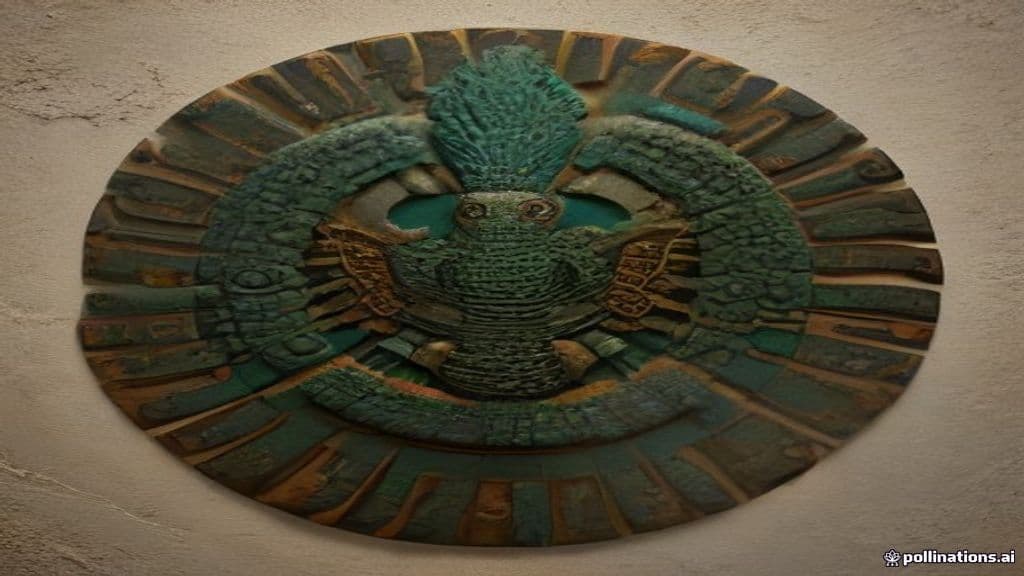
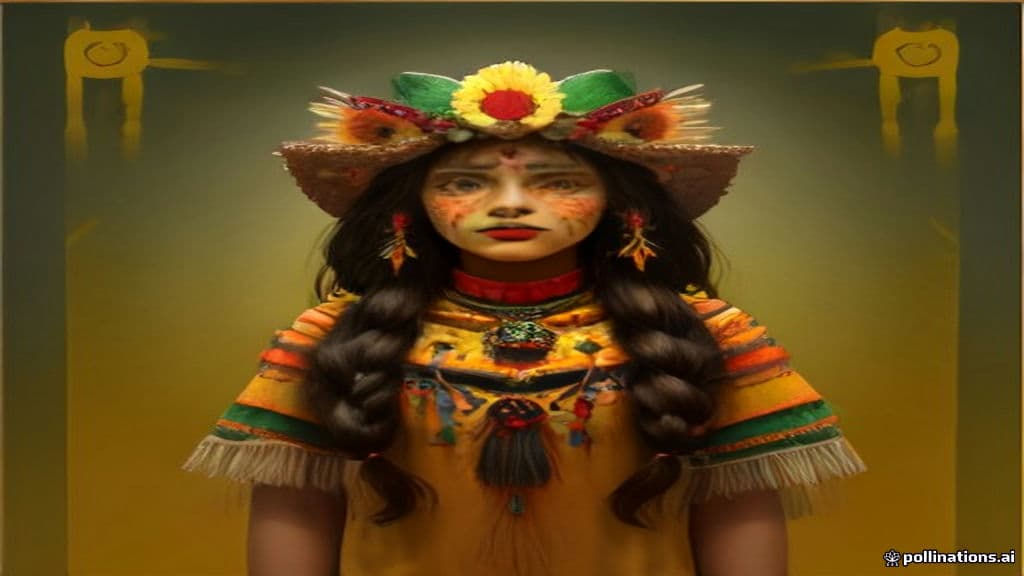
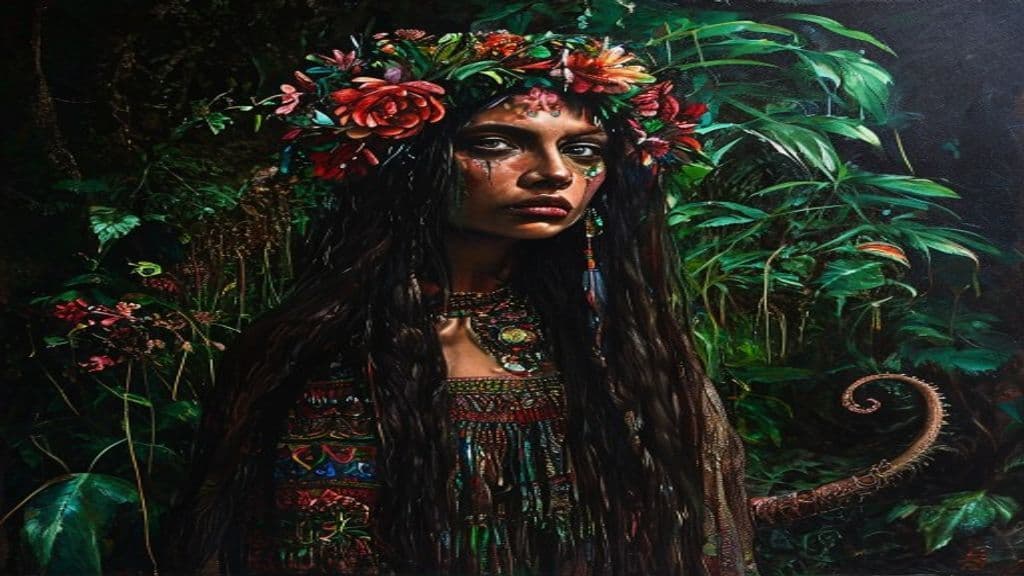
Mesoamerican Supernatural Beings

64 documented Mesoamerican supernatural beings from the Evil Eye grimoire, including 31 ancient and 21 lesser in power tier.

page 1 of 2

Acolnahuacatl
Lesser

Acolnahuacatl

Acolnahuacatl is a name attested in central Mexican sources both as a historical Tepanec ruler of Azcapotzalco and, in several modern compilations and trivia lists, as a minor chthonic or underworld-associated figure (often given the variant Acolmiztli). The evidence in the provided material is divided: the historical/genealogical reading is supported by standard reference entries, while the deity reading appears mainly in secondary online god-lists and quizzes and is not substantiated by detailed primary ritual or mythic texts in the supplied set.

Ahuiateteo
Lesser

Ahuiateteo

Ahuiateteo (Āhuiatēteoh; also rendered Mācuīltōnalequeh) are a quintet of Aztec deities associated with excess, pleasure, and the dangers that accompany over‑indulgence. They appear in calendrical and codical contexts, are invoked in divinatory practice, and are thematically linked to pleasures (feasting, drinking, gambling, sex, music) and the misfortunes that follow excess.

Ahuitzotl
Lesser

Ahuitzotl

Ahuitzotl is both the personal name of the eighth tlatoani (ruler) of Tenochtitlan (reigned ca. 1486–1502) known for military expansion and monumental rebuilding, and an onomastic term in Nahuatl for an aquatic animal/legendary creature (commonly glossed 'water thorny' and often associated with an otter or water opossum). The sources treat these registers—historical ruler and animal-name—as related but distinct uses of the same Nahuatl lexeme.

Akateko
Lesser

Akateko

Akateko (赤手児, lit. 'red child's hand') is a yōkai from Japanese folklore commonly told as a small, red, disembodied child's hand that appears from trees—especially the Japanese honey locust—and startles travelers; in some regional variants it is accompanied by a specter of a young woman or manifests as paired foot- or leg-like apparitions. Accounts vary between mostly harmless trickster apparition and a violent variant that attacks humans.

Alicante
Minor Spirit

Alicante

Alicante is attested in available reference sources as the proper name of a mythological snake identified with Mexico. The surviving entries provide only the name and a categorical label (mythological snake) without accompanying narrative, attributes, or ritual context.

Atabey
Ancient

Atabey

Atabey is a principal Taíno ancestral mother-spirit (a zemi) associated with fresh water, fertility, and prime matter; she appears in early ethnohistorical transmissions with multiple names and manifestations ranging from nurturing mother to violent storm-mother.

Atlacoya
Lesser

Atlacoya

Atlacoya is named in modern compilations as a figure from Aztec tradition associated with drought; some modern databases alternately classify the name under water-deity categories. The supplied sources do not provide primary-codex citations, iconography, etymology, or detailed ritual texts.

Atlahua
Ancient

Atlahua

Atlahua is an Aztec water-associated deity attested in colonial and modern summaries as a water god described as a fisherman and archer, identified in sources as a blue/aspectual form of Tlaloc and invoked in contexts of deaths in water.

Aztec Creator-Brothers
Ancient

Aztec Creator-Brothers

A quaternity of primordial divine offspring in Aztec (Mexica) myth who dwell in the highest heaven Ilhuicatl-Omeyocan as children of Omecihuatl and Ometecuhtli. Identified in sources with fourfold aspects (conventionally four Tezcatlipocas / colored aspects such as Black, Red, White, Blue) they act as cosmological agents who create living beings, take turns ruling as the Sun in successive world-ages, and participate in sacrificial acts that sustain cosmic cycles.

Cadejo
Lesser

Cadejo

A dog‑shaped nocturnal spirit from Central American and adjacent Mexican popular belief, the cadejo appears on lonely roads as a protective or dangerous companion. Rooted in Mesoamerican ideas of animal companions and psychopomps, modern accounts present white (benevolent) and black (malevolent) variants with regionally variable features.

Camaxtle (Mixcoatl)
Greater

Camaxtle (Mixcoatl)

Camaxtle (also spelled Camaxtli) identified with Mixcoatl is a Mesoamerican deity of the hunt who is associated with the Milky Way, the stars, and the heavens and served as a patron god for groups such as the Otomi and Chichimecs and as a central cult figure in Huejotzingo and Tlaxcala.

Centeōtl
Ancient

Centeōtl

Centeōtl is the Nahua/Aztec maize deity — the divine personification of maize, its growth, cultivation and role in human subsistence. The name (Cintli + teōtl) ties the deity to the maize ear; Centeōtl features centrally in planting and harvest rites, calendrical offices, and Aztec cosmological genealogy.

Centzon Tōtōchtin
Ancient

Centzon Tōtōchtin

A collective of Aztec pulque deities literally rendered 'Four Hundred Rabbits', the Centzon Tōtōchtin function within the pulque cult and are associated with pulque production, ritual use, regulated intoxication, and related night/lunar symbolism.

Centzonhuītznāhua
Minor Spirit

Centzonhuītznāhua

A multitudinous collective of southern star-gods in Aztec (Nahuatl) mythology. They appear in origin myths of the god Huitzilopochtli as the innumerable brothers who conspire against their mother and are slain or scattered by Huitzilopochtli.

Centzonmīmixcōah
Greater

Centzonmīmixcōah

The Centzonmīmixcōah (Nahuatl: 'Four Hundred Mimixcoa') are a multitudinous cohort of Aztec gods identified in sources as the gods of the northern stars. Presented as a collective rather than a single person, they are born in origin myths, are taught weapons by the Sun, lapse in duty through drunkenness and licentiousness, and are slain (and in some accounts transformed) into the northern stars by a later band of five Mimixcoa.

Chalchiuhtlicue
Ancient

Chalchiuhtlicue

Chalchiuhtlicue is a principal Nahua/Aztec water deity associated with groundwater, rivers, streams and other waters, and with fertility, childbirth, ritual bathing and purification. She is a calendrical and cultic figure in central Mexican religion who, in mythic tradition, presided over the era of the Fourth Sun and caused a prolonged flood that destroyed that world-age.

Chalchiuhtotolin
Lesser

Chalchiuhtotolin

Chalchiuhtotolin (Nahuatl, glossed 'Jade' or 'Jewelled Turkey') is an avian manifestation or nahual of the major Aztec deity Tezcatlipoca associated with disease and plague, sorcery/temptation, and ritual purification/absolution. The figure functions within the Aztec tonalpohualli (ritual calendar) as ruler of the day Tecpatl and the trecena 1-Atl.

Chaneque
Lesser

Chaneque

Chaneques are small, place-bound sprite-like beings in Mexican and wider Mesoamerican folklore, described as owners or inhabitants of particular dangerous places and as guardians of nature and households. Traditions portray them ambivalently: they may protect harvests and homes when propitiated, yet can mislead travelers, displace souls, cause illness, or physically harass people in some accounts.

Chantico
Ancient

Chantico

Chantico is an Aztec sacred power associated with the domestic hearth-fire, calendrical rulership of the ninth day (Nine Dog), occupational patronage of stonecutters, and iconography linking her to martial and pestilential aspects of fire. She appears in pre‑Columbian codices and in colonial ethnohistoric accounts and was venerated in temple contexts.

Chicomecōātl
Ancient

Chicomecōātl

Chicomecōātl is an Aztec (Mexica) goddess of maize, nourishment, and agricultural fertility. She functions in ritual life as a source of seed and sustenance, is closely associated with seed designation at harvest festivals, and embodies both nurturing and potentially harmful aspects tied to crop success or failure.

Chimalma
Ancient

Chimalma

Chimalma is an Aztec goddess who, in the supplied sources, is recorded primarily as the mother of the Toltec gods Quetzalcoatl and Xolotl. A separate modern television drama (The Feathered Serpent, 1970s) adapts the name for a fictional Toltec/Aztec‑like setting in which a character called Empress Chimalma is central to a dynastic marriage that functions as a political-religious device.

Cihuacōātl
Ancient

Cihuacōātl

Cihuacōātl is an Aztec (Mexica) motherhood and fertility deity associated with midwifery, childbirth, and the spirits of women who die in labor. She functions both as a mythic creator/mother figure who assisted Quetzalcoatl in the formation of the present human race and as a civic-symbol embodied by a high governmental office (cihuacoatl) in Aztec polity.

Cintēteo
Greater

Cintēteo

The Cintēteo are a quartet of Aztec maize deities, each personifying a different colour/variety of corn (white, red, yellow, black). They appear in lists of Aztec gods and are attested in ritual contexts where priests impersonated the maize gods.

Cipactli
Primordial

Cipactli

Cipactli is a primeval chthonic monster from central Mexican (Aztec/Mexica and related Mesoamerican) mythic cosmology, depicted as a composite crocodilian/fish/toad whose body serves as raw material for creation. The name also denotes the first day-sign of the 13 × 20 tonalpohualli divinatory calendar and carries associations with beginnings, dynastic foundation, and life-force (tonalli).

Cipactonal
Ancient

Cipactonal

Cipactonal is a primordial calendrical and astrological figure in central Mexican (Aztec) sources, presented as one half of the first human couple with Oxomoco and associated with responsibility for the calendar, divination, and the transmission of calendrical knowledge in pictorial codices and annals.

Cipitío
Lesser

Cipitío

Cipitío is a perennial childlike spirit of Salvadoran and Central American oral tradition: a mischievous, trickster child who wanders rural landscapes, courts or teases people, and functions as a pedagogical folk figure rather than an overtly malevolent being.

Citlālicue
Ancient

Citlālicue

Citlālicue is an Aztec (Nahua) creator goddess associated with the stars and the Milky Way. She is commonly paired with the male creator Citlalatonac and has a calendrical role as liege of days landing on the 13th in the tōnalpōhualli.

Coatlicue
Ancient

Coatlicue

Coatlicue (Cōātlīcue) is an Aztec (Mexica) earth-and-mother deity identified in modern sources as the mother who gave birth to the moon, the stars, and Huītzilōpōchtli; she is also associated with maternal and mortuary aspects through identification with titles such as Toci and Cihuacōātl.

Coyote
Lesser

Coyote

Coyote is both a North American canid species and a recurring mythic trickster figure in various Native American traditions (notably Aridoamerican/Chemehuevi). As a cultural figure Coyote alternately appears as an animal or a man and functions as a morally ambivalent transformer and trickster in origin and social tales.

Cuchavira
Lesser

Cuchavira

Cuchavira is the rainbow deity of the Muisca (of the Altiplano Cundiboyacense) associated with the appearance of the rainbow after storms. The figure functions as a protective and intercessory presence—thanked with offerings when sunlight returns after destructive rains—and is linked in mythic accounts with Bochica, Chibchacum, and the supreme being Chiminigagua.

Dzahui
Ancient

Dzahui

Dzahui (also spelled Dzavui) is the Mixtec rain deity attested in Mixtec codices and brief modern summaries. He is depicted with Mesoamerican rain-deity iconography and was the recipient of extreme propitiatory offerings in times of drought, disease, and at harvest.

Ehecatl
Ancient

Ehecatl

Ehecatl (Classical Nahuatl: Ehēcatl) is the central Mexican wind deity often understood as the wind aspect of the Feathered Serpent (Quetzalcoatl). He appears in creation narratives and is treated among creator gods and culture‑hero figures in the mythic corpus of central Mexico.

Ehecatotontli
Minor Spirit

Ehecatotontli

The Ehecatotontli are a group of Aztec gods presented in sources as forms or manifestations of the wind deity Ehecatl. They function as gods of breezes and are named for directional winds (for example north, west, east) and described as acting to blow clouds and make them move.

Feathered Serpent
Ancient

Feathered Serpent

A composite avian-serpent supernatural figure attested across multiple Mesoamerican cultures (Olmec, Teotihuacan, Maya, Toltec, Aztec, Kʼicheʼ). Associated in sources with cosmological roles such as creation, wind and rain, knowledge, Venus, and calendric/origin mythic functions, and widely represented in monumental architecture and iconography.

Huay Chivo
Lesser

Huay Chivo

A legendary creature in Maya tradition with characteristics of an evil sorcerer and ability to transform into various animal forms. (Note: - The power tier should be Greater, not Lesser, considering its ability to transform itself and connect with shamanic or magical powers. - The origin story is incorrect; it mentions the Huay Chivo as )

Huixtocihuatl
Lesser

Huixtocihuatl

Huixtocihuatl is an Aztec fertility and provider goddess associated primarily with salt and salt water. She is attested in Sahagún’s ethnographic materials as the patron of salt-makers, honored during the Tecuilhuitontli festival with an embodied impersonator (ixiptla) whose ritual dance and eventual sacrifice connect local salt-production communities to state temple cults.

Huracán (Hunraqan / U Kʼux Kaj)
Ancient

Huracán (Hunraqan / U Kʼux Kaj)

Huracán (Mayan: Hunraqan), often rendered in Kʼicheʼ as U Kʼux Kaj ('Heart of Sky'), is a Kʼicheʼ Maya creator deity associated with wind, storm, fire, and lightning. He takes part in the cosmogonic attempts to create humanity and is the agent of the Great Flood who calls land up from the waters.

Huēhuecoyōtl
Greater

Huēhuecoyōtl

Huēhuecoyōtl (Nahuatl huēhuehcoyōtl, 'very old coyote') is an auspicious Mexica (Aztec) deity of music, dance, song, mischief, deception, and uninhibited sexuality. He is a trickster-figure in the Tezcatlipoca family who rules the day sign cuetzpallin and the fourth trecena Xochitl in the Aztec calendar and who could be appealed to to mitigate ill fates.

Huītzilōpōchtli
Ancient

Huītzilōpōchtli

Huītzilōpōchtli is the principal Aztec (Nahua) solar and war deity, patron of the Mexica and Tenochtitlan. In Aztec cosmology he is a cosmic warrior whose continued vigor is sustained by ritual nourishment—notably human blood and hearts—administered in formal festivals and sacrifices.

Inca Human Sacrifice Entity
Primordial

Inca Human Sacrifice Entity

A supernatural force in Inca tradition believed to demand human sacrifice, particularly children, as a form of placation. (Note: 1. The summary should mention that the entity demands appeasement, not just placation. 2. Power tier should be Ancient (deity-level) instead of Primordial (cosmic). 3. The source material does not sup)

Itzam Kʼan Ahk II
Ancient

Itzam Kʼan Ahk II

Itzam Kʼan Ahk II (born 18 Nov 701 – died 26 Nov 757) was an ajaw (king) of the Late Classic Maya polity Piedras Negras. He is attested in multiple stelae and panel inscriptions as a political and ritual actor who celebrated calendrical rites, engaged in regional diplomacy and warfare, and was buried at a sacred mountain (identified with Pyramid O-13) whose tomb and associated monuments were venerated by successors.

Itzamná
Ancient

Itzamná

Itzamná is a principal upper-world creator deity in Maya religious thought, associated with the sky, priestly arts (including writing), calendrical authority, agriculture (maize), and rulership. He appears across Classic iconography and Postclassic codices in multiple transformative aspects (aged tonsured maize form, a Principal Bird Deity, and within a two‑headed caiman earth image) and is invoked in specific ritual months in early‑colonial reports.

Jade
Lesser

Jade

Jade is a material and cultural concept referring to two distinct groups of ornamental rocks—nephrite and jadeite—valued across many societies (not a supernatural being). It has deep historical, ritual, and symbolic significance especially in East Asia and Mesoamerica, and carries folk associations with health and social status.

Juracán
Greater

Juracán

Juracán is the Taíno term for the violent storm-wind force — the destructive hurricane-force weather produced when the storm zemi Guabancex is displeased. In ethnohistorical accounts juracán names the meteorological violence itself; in some modern retellings it is personified as a storm spirit. The English word "hurricane" derives from this Taíno term.

Kʼawiil
Ancient

Kʼawiil

Kʼawiil is a named Maya deity personifying lightning, generative power, and political/ancestral potency. He appears in Classic and Post‑Classic iconography and codices connected with cosmogony, the release of maize and cacao seeds, and the legitimization of rulers.

Kʼinich Yoʼnal Ahk I
Lesser

Kʼinich Yoʼnal Ahk I

Kʼinich Yoʼnal Ahk I was a historical ajaw (king) of the Classic Maya polity Piedras Negras who reigned from 603–639 CE. Monumental inscriptions and stelae portray him with royal solar titulary and record military victories, ritualized destruction of prior monuments, and his association with a mortuary pyramid identified as his burial (muk).

La Cegua
Lesser

La Cegua

La Cegua is a Central American folkloric shapeshifting female apparition, commonly told in Nicaraguan and wider Mesoamerican oral traditions. She appears as an attractive woman from behind to lure certain men (notably drunk men and womanizers) along lonely roads at night, then reveals a horrifying true face—often described as a horse head or a skull—preceding harm or dire consequences. The figure functions primarily as a moral cautionary tale enforcing social norms around intoxication and sexual conduct.

Little people
Lesser

Little people

A cross-cultural folkloric category of diminutive supernatural or semi-supernatural beings found worldwide. They occupy liminal places near humans (woods, mounds, anthills, mines, shorelines) and range from helpful household spirits to mischievous tricksters or dangerous guardians of places and resources.

Mam
Ancient

Mam

Mam is a pan‑Maya kinship term used as a respectful appellation for aged ancestral powers and several local elder deities. It names a set of distinct local figures—mountain spirits, earth deities, a ritual straw effigy used during the Uayeb, and particular cult figures such as the Tzutujil Mam Maximón—each tied to specific places, seasons, or social domains.

Mictlāntēcutli
Ancient

Mictlāntēcutli

Mictlāntēcutli (Mictlantecuhtli) is the Aztec lord and ruler of Mictlan, the lowest northern region of the dead. He functions as a principal underworld authority who receives the deceased, figures in myths about the bones of former humans, and appears widely in Aztec calendrical and ritual iconography.

Mictēcacihuātl
Ancient

Mictēcacihuātl

Mictēcacihuātl is an Aztec death deity, consort of Mictlāntēcutli, who is described in the sources as watching over the bones of the dead and presiding over the ancient festivals of the dead; modern accounts link her figure to the evolution of those festivals into the contemporary Day of the Dead.

Nagual (Maya tradition)
Ancient

Nagual (Maya tradition)

A human shapeshifter in Maya tradition who transforms into their tonal animal counterpart. (Note: - Power tier: Greater (not Ancient, as it's regional rather than deity-level) - Sensory cues: unknown (according to source material, not explicitly stated) - Weaknesses: no information provided - Ward)

Nahual (Nagual)
Lesser

Nahual (Nagual)

In Mesoamerican folk religion, a nahual (also spelled nagual) is a human believed able to shapeshift into a linked animal 'tonal' counterpart. Nagualism connects personal power and spiritual insight to a human's relationship with that animal aspect.

Pachakutic
Greater

Pachakutic

Transformative event in Inca tradition, marking the end of one era and the beginning of another. (Note: - Power tier: Primordial (not Greater), as it represents a cosmic change in the sun or Earth's movement, which is on a universal scale. - Appearance: Remove statement about no physical description exi)

Quetzalcoatl
Ancient

Quetzalcoatl

Quetzalcoatl is the central Mesoamerican 'Feathered' or 'Plumed Serpent' figure prominent in Aztec and broader pre-Columbian religious thought, associated with wind (Ehecatl), the planet Venus, learning, arts and crafts, merchants, and the priesthood. Represented as a hybrid serpent-and-bird emblem, Quetzalcoatl functions as both a deity and an organizing sacred principle linking sky and earth.

Qʼuqʼumatz
Ancient

Qʼuqʼumatz

Qʼuqʼumatz is the Kʼicheʼ Maya Feathered Serpent deity of wind and rain, presented in the Postclassic Popol Vuh as a creator god who, together with Tepeu, shaped the world and humanity and who functions as a mediator in Maya cosmology.

Sihuanaba
Lesser

Sihuanaba

A Central American shapeshifting female spirit from regional oral tradition that lures solitary travelers—often portrayed as beautiful and long‑haired—into isolated or hazardous places before revealing a grotesque true form; the motif functions as a cautionary legend enforcing social norms.

Skeleton (undead)
Lesser

Skeleton (undead)

An articulated, physically manifested collection of bones animated as an undead agent. Appears across folklore, visual art, literature, and modern popular media where it functions variously as a personification of death, a symbol in cultural practices, and a commonly used hostile creature in games and fiction.

Tata Duende
Lesser

Tata Duende

A caring spirit that protects animals and the jungle in Maya tradition. (Note: 1. The power tier should be adjusted to "Minor Spirit" based on the description of Tata Duende being a powerful regional entity does not align with its local and caring nature. 2. The sensory cues sec)

Tatewari
Ancient

Tatewari

Tatewari is the Huichol (Wixárika) 'grandfather fire' — an ancestral fire deity and the patron/shamanic master who brings, manages, and personifies fire in ritual life, agriculture, hunting, and healing.