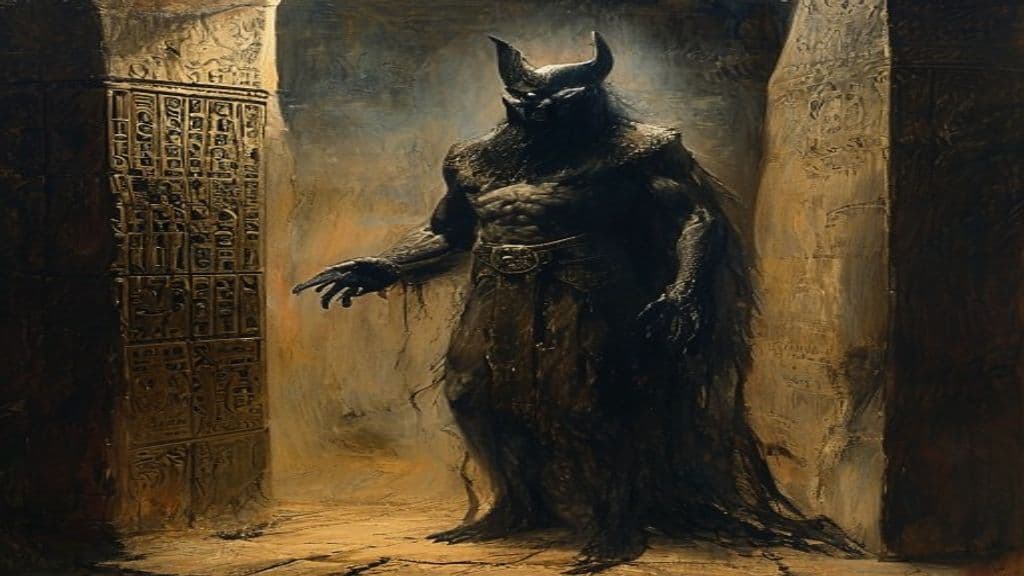
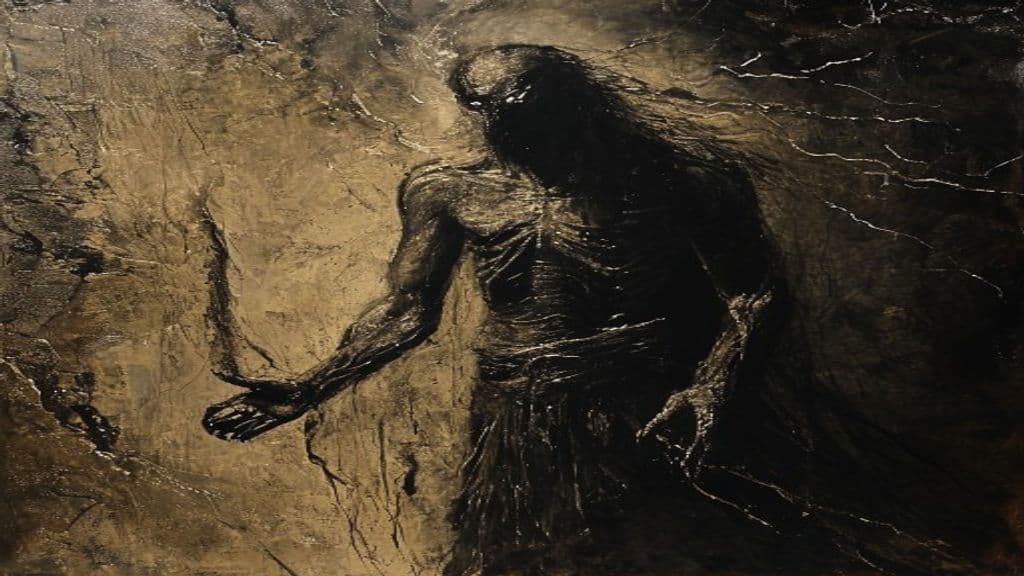
Mesopotamian Supernatural Beings

302 documented Mesopotamian supernatural beings from the Evil Eye grimoire, including 117 lesser and 111 ancient in power tier.

page 5 of 6

Ninsun
Ancient

Ninsun

Ninsun is a Sumerian goddess of ancient Mesopotamia, mother of the hero Gilgamesh and consort of the deified king Lugalbanda. She functions as a divine intercessor, dream-interpreter, and a protective beneficent figure (sometimes called a lamma) invoked in royal legitimation and literary traditions such as the Epic of Gilgamesh.

Nintinugga
Ancient

Nintinugga

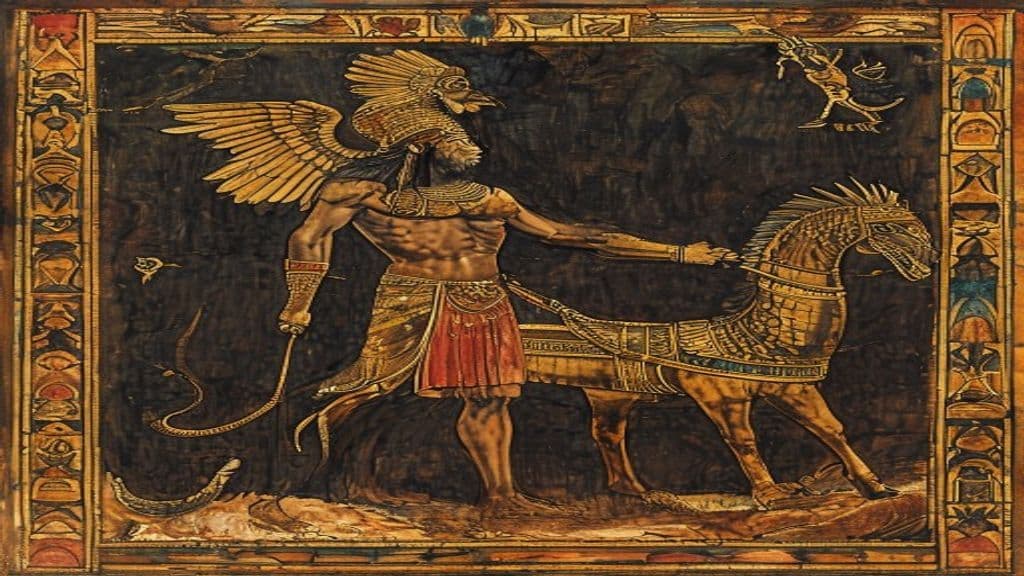
Nintinugga is a Mesopotamian city-associated goddess of medicine, healing and ritual cleansing, principally worshiped at Nippur and attested across Ur III and Old Babylonian contexts. She is linked with bandaging, wound-cleaning, cleansing rites (atua), funerary libations, and cultic associations with dogs and specific ritual objects.

Ninurta
Ancient

Ninurta

Ninurta is a major deity of ancient Mesopotamia (Sumerian–Akkadian–Assyrian–Babylonian) whose roles include agriculture, healing/exorcism, law and scribal authority, and martial champion of the gods. He is attested from the mid-third millennium BC onward and was venerated at city cult-centers such as Nippur (Eshumesha), Girsu/Lagash (as Ninĝirsu), and later in Assyrian Kalhu.

Ninšar
Lesser

Ninšar

A Mesopotamian minor deity associated with the slaughtering and preparation of food for gods and with household/temple service; attested in god lists, myths (notably Enki and Ninhursag), temple foundation formulas, and city cults such as Nippur and Girsu.

Nin‑MAR.KI
Lesser

Nin‑MAR.KI

Nin‑MAR.KI is a localized Mesopotamian goddess of the Lagash region, principally attested as the divine protector of cattle and as an oath deity. Her main cult center was Guabba, a seaport in Lagash territory; after local cult decline her name persists in god‑lists and laments and in lexical/literary traditions.

Nisaba
Ancient

Nisaba

Nisaba is an ancient Sumerian goddess chiefly associated with writing, the scribal arts, wisdom, and grain. Attested from the Fara (Early Dynastic) period onward, she functions as the divine patron and legitimizer of literacy, accounting, and the institutional arts of tablets and archives, and later becomes identified with grain itself.

Numushda
Greater

Numushda

Numushda is a Mesopotamian tutelary deity of the city of Kazallu, associated with wild nature, violence, flooding and — in late sources — meteorological/astral influence. He appears in hymns, god lists, offering lists, and mythic narratives (notably The Marriage of Martu) and was worshipped in a temple called kun4-sa-tu (é-kun4-sa-tu) at Kazallu.

Nungal
Greater

Nungal

Nungal (also attested Manungal, possibly equated with Bēlet-balāṭi in some sources) is a Mesopotamian goddess who personifies and governs the institution of prison. She is attested in hymnic and cultic contexts from southern Mesopotamia (Ur III period) and is sometimes linked with underworld associations.

Nur-Adad
Minor Spirit

Nur-Adad

Nur-Adad was a historical king of the southern Mesopotamian city-state of Larsa in the early second millennium BCE, attested in king lists, regnal chronologies, and inscriptional evidence such as inscribed construction bricks found at Eridu. Modern scholarship dates his reign to approximately 1866–1850 BCE (Middle Chronology) and treats him as a political actor within Mesopotamian dynastic and literary records.

Nuska
Greater

Nuska

Nuska (also Nusku) is a Mesopotamian deity chiefly attested as the sukkal (vizier/attendant) of the god Enlil. He functions as Enlil's doorkeeper, counselor, and mediator, and is associated with fire, lamps, and nocturnal protection against demons such as Lamashtu and gallu.

Panbabylonism (Mesopotamian tradition)
Minor Spirit

Panbabylonism (Mesopotamian tradition)

A school of thought that emerged in Mesopotamia, emphasizing the idea that cultures and religions are derived from Babylonian myths. (Note: 1. The power tier should be Primordial, not Minor Spirit (since it's a philosophical/academic concept rather than a supernatural entity). 2. Origin story: incorrect - Panbabylonism actually emerged am)

Pazuzu
Greater

Pazuzu

The king of the wind demons of ancient Mesopotamia, lord of the southwest wind — paradoxically invoked as a protector against Lamashtu and other demons despite being evil himself.

Pinikir
Ancient

Pinikir

Pinikir is an ancient Near Eastern astral deity originating in Elamite religion and later incorporated into Hurrian and Hurro-Hittite contexts. Frequently associated with the planet Venus and with love/sexuality in Elam, she also appears with martial and horse-associated attributes in Hurrian/Hittite materials and is sometimes equated with Mesopotamian Venus/Ishtar figures in ritual texts.

Pleiades
Lesser

Pleiades

The Pleiades is an asterism — the open star cluster Messier 45 — visible as a compact group of bright stars and, in many cultures, personified as a set of mythic figures (notably the Seven Sisters in Greek myth). It functions both as a concrete astronomical object and as a widespread cultural calendrical and mythic motif used to mark seasons, navigation, and genealogies.

Qingu
Ancient

Qingu

Qingu is a Mesopotamian figure attested chiefly in the Babylonian creation epic Enūma Eliš, where he is the consort of the primordial sea-goddess Tiamat, appointed leader of her monstrous host by the Tablet of Destinies, and defeated by the storm-god Marduk; after his execution his blood is used in the mythic creation of humankind. Later ritual and fragmentary texts group or equate him with other vanquished chthonic opponents of the gods.

Qudšu-wa-Amrur
Minor Spirit

Qudšu-wa-Amrur

A minor servant-level divine figure in the Ugaritic pantheon, attested in the Baal Cycle and a single ritual prayer (RS 24.271). Described as Athirat’s fisherman and messenger, the name may denote one double-named deity or a paired duo; sources are fragmentary and interpretations vary.

Rabisu
Lesser

Rabisu

A class of Mesopotamian spirit—literally 'lingerers'—portrayed in Akkadian and Sumerian sources as wind‑borne, deputized agents sent by the deity Enlil to execute divine will; their harmfulness is contingent on divine mandate and human conduct.

Rim-Sîn I
Ancient

Rim-Sîn I

Rim-Sîn I was the historical king of the southern Mesopotamian city-state Larsa who reigned in the early 2nd millennium BCE (c. 1823–1763 BC, middle chronology). He expanded Larsa through military campaigns, engaged in inter-city rivalry with Isin, Uruk, and Babylon, patronized temple cult and hymnic compositions, and was ultimately besieged, captured, and died after defeat by Hammurabi of Babylon.

Ruhurater
Lesser

Ruhurater

Ruhurater (also attested as Lahuratil) is an Elamite city-god of Huhnur attested from the Third Dynasty of Ur through Neo-Elamite and Mesopotamian scholarly texts. He functions primarily as a patron deity invoked as a divine witness in legal and administrative contexts and is described in Elamite sources as capable of bestowing kiten (divine protection).

Sacred Bull (Mesopotamian)
Ancient

Sacred Bull (Mesopotamian)

In Mesopotamian tradition, the Sacred Bull is a divine entity associated with Marduk and Utu, representing fertility, strength, and divinity. (Note: * Power tier: Primordial (its association with deities suggests a cosmic power level) * No sensory cues or weaknesses mentioned; add "None explicitly stated" to these sections * Wards: Add "None descr)

Sarlagab
Minor Spirit

Sarlagab

Sarlagab (also spelled Zarlagab) is attested in the Sumerian King List as a Gutian ruler of southern Mesopotamia, recorded as ruling for six years in the late third millennium BCE. Modern summaries place him roughly c. 2200–2202 BC and note a debated identification with a Gutian king named in an Akkadian year-name as having been captured by Šar-kali-šarri.

Sarpanit
Ancient

Sarpanit

Sarpanit (also Zarpanitu, Ṣarpānītu) is a Mesopotamian goddess, the principal consort of the Babylonian chief god Marduk. Originating in the village of Zarpan and later worshiped in Babylon and the temple Esagil, she is associated in late sources with queenship among the gods, motherhood, pregnancy, and intercession on behalf of petitioners.

Sea serpent
Ancient

Sea serpent

A large serpentine marine creature attested across many mythologies and sailors' reports. It functions both as a cosmological adversary of storm/sky deities in ancient myth cycles and as a localized monstrous threat in coastal and seafaring folklore and eyewitness accounts.

Sebitti
Lesser

Sebitti

A Mesopotamian heptad of seven masculine warrior figures variably treated as minor war-gods, attendants or weapons of greater deities, astral beings (Pleiades), and as apotropaic household guardians in Neo-Assyrian ritual practice.

Shala (Šala)
Lesser

Shala (Šala)

Shala is a Mesopotamian goddess associated with weather and grain, known principally as the wife/consort of the storm god Adad (Ishkur). She appears in god lists, hymns and cylinder‑seal inscriptions from the Old Babylonian period onward and functions as a fertility and communal-protective figure tied to dew and agricultural well‑being.

Shamash (Utu)
Ancient

Shamash (Utu)

Shamash (Akkadian šamaš; Sumerian Utu) is the ancient Mesopotamian sun god, a principal deity responsible for the visible sun and for juridical, protective, and divinatory functions. He is venerated especially at Sippar and Larsa, appears in major myths as an ally of heroes, and is regarded as the divine witness whose sight underwrites justice and truth.

Shape-shifters
Greater

Shape-shifters

A cross-cultural motif and capability in mythology, folklore, and speculative fiction describing beings or persons who can physically transform themselves through unnatural means. Appears across ancient ritual contexts, foundational epics, and modern popular culture rather than as a single unified species or entity.

Shar-Kali-Sharri
Ancient

Shar-Kali-Sharri

Shar-Kali-Sharri was an historical king of Agade/Akkad in the late third millennium BCE (reigned c. 2218–2193 BC, 25 years in the Sumerian King List) who, in some inscriptional and later traditions, is attested with divine epithets and the dingir (divine) determinative. He is recorded as an imperial sovereign active in temple building, military campaigns, and administration and is treated in some sources as a deified royal figure after or during his reign.

Sharur (mythological weapon)
Primordial

Sharur (mythological weapon)

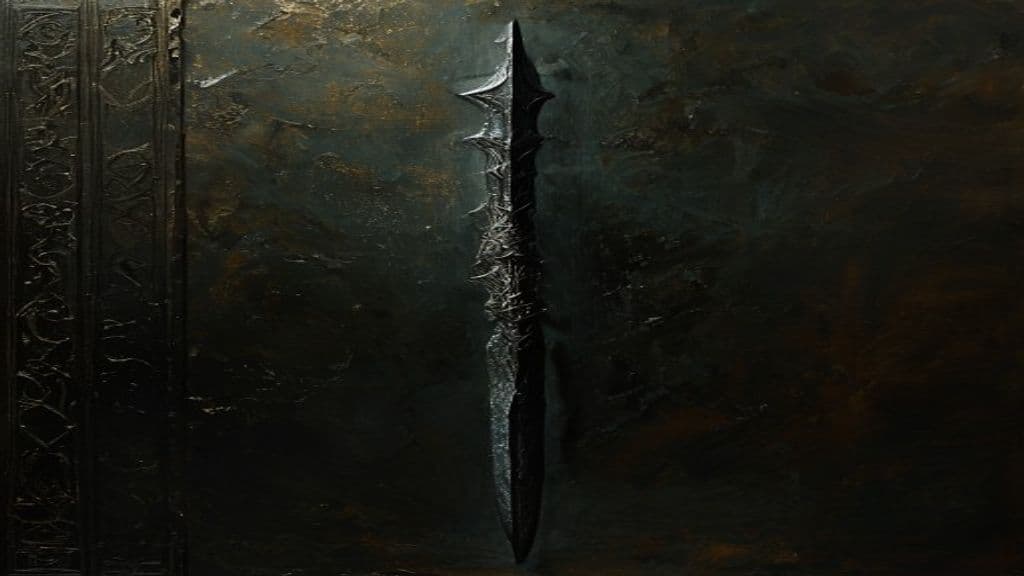
Enchanted talking mace and symbol of the Mesopotamian god Ninurta, imbued with divine authority. (Note: 1. Power tier should be Lowered to Greater, given that Sharur is associated with a deity-level god (Ninurta) but described as an enchanted object. 2. Appearance should be updated to "No specific descr)

Shulgi
Ancient

Shulgi

Shulgi was a historical king of Ur (Third Dynasty of Ur, reign c. 2094–c. 2046 BCE) who, during his lifetime, was ritually elevated and inscribed with the divine determinative (𒀭) and thereafter received cultic worship as a deified ruler integrated into Sumerian temple practice.

Shullat and Hanish
Lesser

Shullat and Hanish

Shullat and Hanish are a paired, minor divine duo in Mesopotamian religion, treated as inseparable "twin gods" who function as heralds and agents of violent weather, storm and destruction. They appear in literary flood narratives and in ritual/divinatory contexts (oaths, taboos, temple records) and are sometimes placed in astral correspondences as twin stars.

Shulshaga
Lesser

Shulshaga

Shulshaga (Šulšaga / Shulsagana) is a named deity of the city-state of Lagash in ancient Mesopotamia, attested from Early Dynastic royal inscriptions and later lexical texts. He is presented as the eldest son of the city’s principal god Ningirsu and his consort Bau, received statuary cult (a statue built by Ur‑Nanshe) and temple dedications (Urukagina names a temple, (E-)tuš-akkil-li), and appears in later inscriptions such as Gudea’s where he is credited with providing the king with the ‘breath of life.’

Shuzianna
Lesser

Shuzianna

Shuzianna (Sumerian Šuzianna) is a Mesopotamian goddess chiefly worshiped at Nippur. She appears in god lists and myths as a minor divine household figure variously described as a secondary spouse/concubine of Enlil (in An = Anum) and once called concubine of Anu in an incantation; she is also one of the seven helper‑goddesses who assist in the activation of birthgiving in Enki and Ninmah.

Sin (Nanna)
Ancient

Sin (Nanna)

Sin (Akkadian Sîn/Su'en) and Sumerian Nanna is the Mesopotamian moon god, an astral deity associated with the lunar cycle, calendrical timekeeping, and civic cult. He is tutelary deity of Ur (and later Harran), father of Inanna/Ishtar and Utu/Shamash, and is represented iconographically by the crescent.

Sirsir
Lesser

Sirsir

Sirsir (also Ninsirsir) is a Mesopotamian deity associated with sailors and boats, attested from Early Dynastic god lists through later Babylonian compendia. He is named as the boatman/captain of Enki in literary tradition and appears among the names of Marduk in the Enuma Elish, while iconographic identification with a serpent‑tailed “boat god” motif is a debated scholarly proposal.

Solar deity
Ancient

Solar deity

A solar deity is a class of sky-associated divine figures whose identity or aspect is the Sun. Across many traditions the solar deity personifies solar phenomena (light, daily motion, power) and is integrated into myths of cosmology, kingship, and the afterlife.

Star of Ishtar
Ancient

Star of Ishtar

The Star of Ishtar is a symbol and manifestation of the Mesopotamian goddess Inanna/Ishtar, associated with Venus (the morning star). (Note: 1. Power tier should be Primordial or at least Ancient is unclear since it only represents a divine presence/power. 2. Appearance description not supported by source material (should be stated as unkn)

Suen
Ancient

Suen

Suen (also vocalized Sin or Nanna) is the Mesopotamian lunar deity who personifies the moon, widely worshipped in the Mesopotamian pantheon and associated with the lunar month, pastoral life, and in some texts with adjudication of the dead.

Sukkal
Ancient

Sukkal

In Mesopotamian mythology, the Sukkal is a class of deities that act as mediators, advisors, and envoys between humans and the divine. They are servants and advisors of the main gods. (Note: * Power tier should be Primordial, not Ancient, as Sukkals are described as mediators between humans and the divine, acting as servants and advisors of the main gods, implying a cosmic level of power.)

Sutītu
Lesser

Sutītu

Sutītu is a Mesopotamian goddess whose theonym literally means "the Sutean goddess," understood in first‑millennium BCE Babylonia as the divine personification of the Sutean (West Semitic/nomadic) group. She is primarily attested in cultic and administrative contexts at Borsippa and in a chapel or festival lodging within Esagil in Babylon, where she received offerings and took part in ritual ceremonies alongside deities such as Nanaya and Mār‑bīti.

Tablet of Destinies
Primordial

Tablet of Destinies

A supernatural object in Mesopotamian mythology that confers supreme authority on the god Enlil, allowing him to redefine fate. (Note: - Power tier should be Ancient (deity-level) since it confers authority on a god. - The description of abilities implies a high level of cosmic power but does not necessarily imply primordial powers; )

Teshub
Ancient

Teshub

Teshub is the Hurrian storm and sky god, head of the Hurrian pantheon whose domain includes winds, lightning, thunder and rain. He functions as both a destructive storm-force and a life-giving fertility deity, a divine king who features centrally in myths of succession and combat (the Kumarbi Cycle).

Tiamat
Primordial

Tiamat

The primordial salt-sea dragon of Babylonian creation myth — the chaos-mother from whose slain body the universe was built, and whose blood became the first humans.

Tishpak
Greater

Tishpak

Tishpak (Tišpak) was the primary tutelary deity of Eshnunna (Diyala region) in Mesopotamia, chiefly characterized as a warrior and protector of the city and associated with serpents and dragonlike monsters (mušḫuššu, bashmu). He displaced the earlier local god Ninazu in Eshnunna’s temple tradition and appears in myths (e.g., the poorly preserved Labbu tradition) where he combats great serpentine foes.

Tutu
Ancient

Tutu

Tutu is attested as a theonym in multiple ancient Near Eastern contexts. Wikipedia lists Tutu as an Egyptian god 'during the Late Period' and separately as a Mesopotamian god described as a 'creation god'. The sources available for this entry are disambiguation-level and provide no further doctrinal, ritual, or iconographic detail.

Udug
Lesser

Udug

An ambiguous class of underworld-associated supernatural beings in ancient Mesopotamian (Sumerian/Akkadian) literature. The term covers nameless, formless shadow or disease‑bearing agents commonly treated as malevolent but which can also include protective 'good udug' invoked in ritual. The canonical exorcistic corpus against the harmful type is the Sumerian udug-ḫul (Akkadian utukkū lemnūtū).

Udug-hul
Lesser

Udug-hul

Udug-hul (Sumerian udug; Akkadian utukku) designates an ambiguous class of malignant underworld-born beings in Mesopotamian exorcistic literature. Treated as causes of disease and misfortune, they are the technical targets of specialist exorcists and a large body of ritual incantations associated with their expulsion.

Ukkin
Primordial

Ukkin

A collective or gathering of divine beings in ancient Mesopotamian societies, associated with temples and ceremonial contexts. (Note: - Power tier: Incorrectly categorized as Primordial; a collective of divine beings would likely be at least Ancient level. - Origin story: No source provided to support the entity's origin story. - Se)

Ursa Minor
Minor Spirit

Ursa Minor

Ursa Minor is a northern constellation (the 'Lesser Bear' or Little Dipper) historically used as a north marker because its brightest star, Polaris, currently marks the north celestial pole. It appears in multiple cultural star-systems (Greek, Babylonian, Chinese, Inuit) with varying asterism identities and has been included in classical and modern astronomical catalogues.

Utu (Shamash)
Ancient

Utu (Shamash)

Utu, known in Akkadian as Shamash, is the ancient Mesopotamian sun deity who functions as the personified sun, divine judge, protector of travelers, and a god associated with divination; he was especially venerated at Sippar and Larsa and figures in a family of major gods.

Utukku (Utukku Lemnu)
Lesser

Utukku (Utukku Lemnu)

Utukku (Sumerian udug; Akkadian utukku) is an ambiguous class of underworld-born malignant spirits in ancient Mesopotamian tradition. Treated in ritual literature as agents of disease and affliction, they are distinct from the dingir (gods) and primarily addressed through exorcistic texts collectively known as the Udug Hul.

Ušum (Ushum)
Ancient

Ušum (Ushum)

Ušum (also written Ushum) is a named dragon‑ or serpent‑like monster in Sumerian/Akkadian mythic cycles. In the surviving summaries it appears as one of several monstrous 'warriors' slain by the warrior‑god Ninurta; its corpse is reported as being hung on the seat of his chariot as a demonstration of victory and restored order.

Yakrub-El
Lesser

Yakrub-El

Yakrub-El (also attested Ikrub-El) is a local Old Babylonian–period divine figure attested in the Mari/Terqa corpus. Scholarly treatments present him as a district-level deity of Terqa whose name and cultary role reflect a deified personal-name type (e.g., a clan ancestor or chief) integrated into civic ritual, legal practice, and oracular correspondence.

Zababa
Greater

Zababa

Zababa is a Mesopotamian war god and the tutelary deity of the city of Kish, invoked in contexts of warfare, royal legitimation, and civic protection. From the Early Dynastic period through the first millennium BCE he appears in god lists, royal inscriptions, kudurru (boundary stone) formulas, and astronomical texts; from the Old Babylonian/Middle Babylonian period onward he is commonly paired with the goddess Bau as his consort.

Zakar-Baal
Minor Spirit

Zakar-Baal

Zakar-Baal is attested in modern scholarship as a named actor in Late Bronze Age Near Eastern diplomatic and exchange contexts. The name appears in discussions (notably by Mario Liverani) that use Zakar-Baal alongside Un-Amón to examine whether inter-polity transfers were ceremonial gifts or commercial transactions.

Zarpanit
Ancient

Zarpanit

Zarpanit (also Sarpanit; sometimes listed as Beltia) is a Mesopotamian goddess worshiped originally at Zarpan and later at Babylon, regarded as the consort of the chief Babylonian god Marduk and associated in late texts with pregnancy, childbirth, and fertility. Hymnic literature presents her in luminous, cosmic imagery, and she is connected functionally to midwifery goddesses in the Mesopotamian corpus.

Zarpanitu
Ancient

Zarpanitu

Zarpanitu (also Sarpanit) is a Mesopotamian goddess principally attested as the consort of the Babylonian chief god Marduk. Late sources associate her with pregnancy and describe her in roles parallel to her husband, including a queenly status among the gods; her cult centers were the village of Zarpan and the city of Babylon.

Šassūrātu
Lesser

Šassūrātu

Šassūrātu are a collective of Mesopotamian goddesses whose name is translated as 'midwives.' Attendants of the goddess Ninmah, they are attested in Mesopotamian mythic texts and are regarded as tutelary goddesses of pregnant women.

Šulak
Lesser

Šulak

Šulak is an ancient Babylonian and Assyrian lavatory demon associated with the bīt musâti ('house of rinse-water'). Texts portray Šulak as a harmful spirit blamed for sudden bodily afflictions (notably stroke and epilepsy) that befall people while defecating and prescribe protective deposits and amulets placed in lavatory thresholds, foundations, and drainage pipes.

Šumugan
Greater

Šumugan

Šumugan (also Šamagan, Šumuqan, Šakkan; logogram 𒀭𒄊) is a Mesopotamian and ancient Syrian pastoral deity who functions as a divine shepherd responsible for herd animals, grazing landscapes, and watering places. Attested in southern Mesopotamian cities and in western Syrian polities, he appears in cultic, literary, and incantatory contexts and occasionally in texts with underworld associations.