Mesopotamian Supernatural Beings

302 documented Mesopotamian supernatural beings from the Evil Eye grimoire, including 117 lesser and 111 ancient in power tier.

page 1 of 6

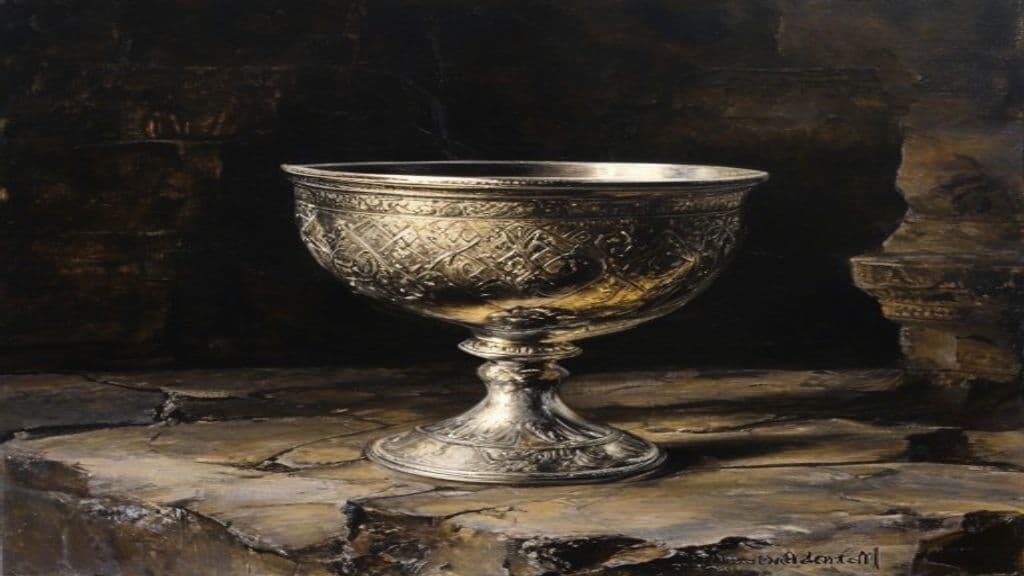
'Ain Samiya Goblet
None

'Ain Samiya Goblet

Silver cup from the Middle Bronze Age I, discovered in a tomb at Ain Samiya. (Note: 1. Power tier should be "None", but add a note explaining that historical artifacts don't fit into the typical power tier classification. 2. Add a description of its appearance based on it being a sil)
A'annepada
Minor Spirit

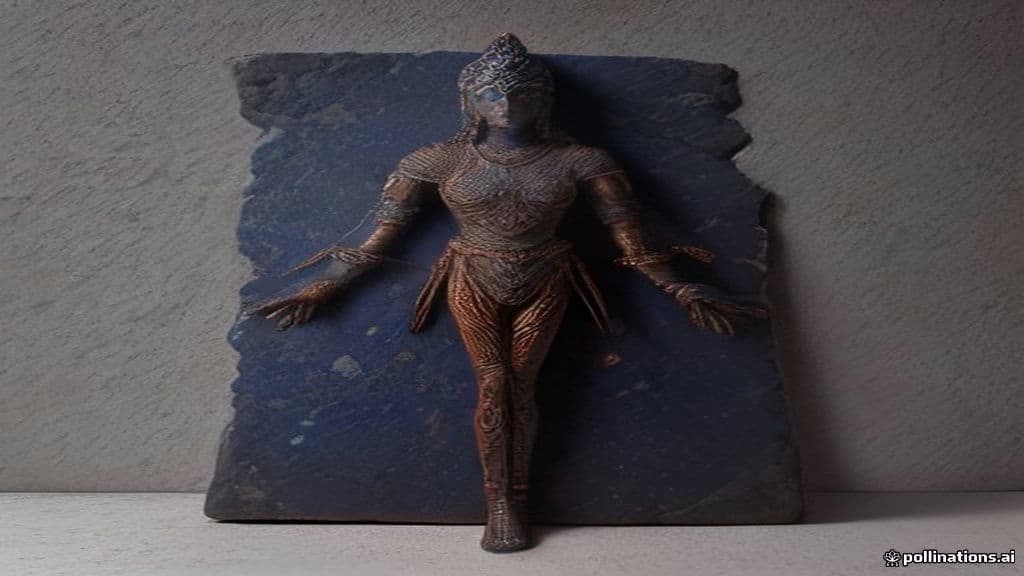
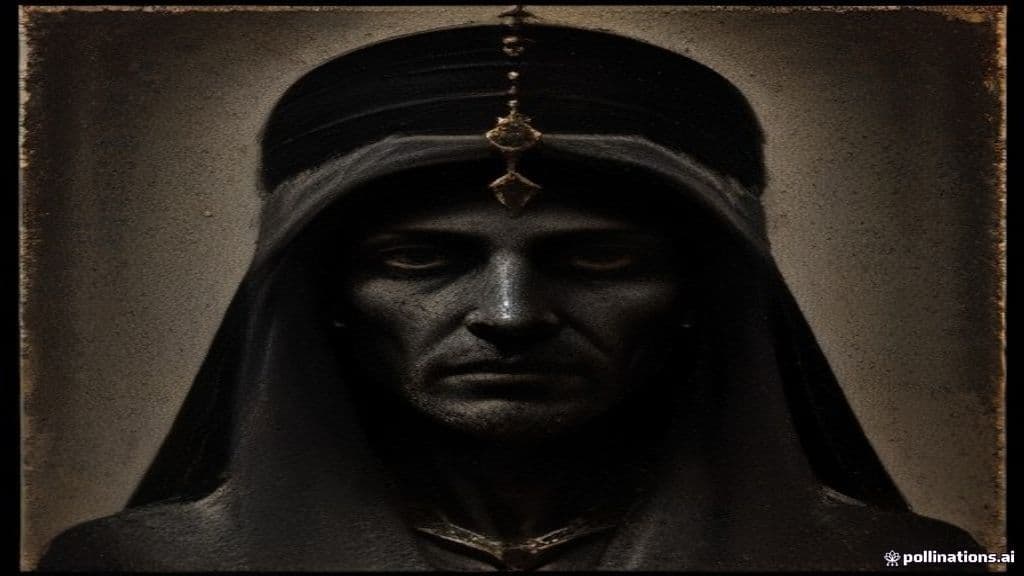
A'annepada

A'annepada (Sumerian cuneiform 𒀀𒀭𒉌𒅆𒊒𒁕; also romanized Aanépàdda) is attested as a historical ruler of the First Dynasty of Ur, flourishing c. 2350 BC. He is recorded in dedicatory and foundation inscriptions as king of Ur and as son of Mesannepada, credited with temple-building and dedication to deities such as Ninhursag and Inanna.

Abu
Lesser

Abu

Abu is a poorly understood Mesopotamian god attested in modern reference summaries. Secondary literature tentatively links him with vegetation and snakes and records that he was often paired with a deity written gu2-la2, but primary details about his cult, iconography, and myths are lacking in the cited sources.

Abzû
Primordial

Abzû

Abzû (Sumerian abzû; Akkadian Apsû) is the primordial freshwater abyss in Sumerian–Akkadian cosmology: the deep fresh waters that underlie and surround the earth, source of springs, rivers and ritual holy waters, and a creative principle whose mingling with the salt sea (Tiamat) figures in Mesopotamian cosmogony.

Abī-simtī
Lesser

Abī-simtī

Abī-simtī (also rendered Abi-simti, Abisimti) is a named woman attested in third-millennium BCE Mesopotamian documentary and literary texts. She appears in administrative account records as a provider of animals and donor to temple cults and in Sumerian love-song literature as the named beloved/consort addressed by a royal speaker.

Adad
Ancient

Adad

Adad (also Hadad, Haddad; Sumerian Iškur) is the storm- and rain-deity attested in ancient Mesopotamian and Canaanite religious contexts. Sources identify him as a principal weather god whose domain is storms and rainfall and whose name appears across multiple Near Eastern languages and sites, including Ebla (as Hadda, c. 2500 BCE).

Adapa
Lesser

Adapa

Adapa is a mythic figure from ancient Mesopotamian (Sumerian and Akkadian) literature: a mortal fisherman and temple sage of Ea at Eridu endowed with exceptional wisdom. He appears in a fragmentary tale in which he breaks the wings of the south wind and is summoned to the divine court; his name was later invoked in exorcistic and ritual contexts as an authoritative identity.

Adonis
Lesser

Adonis

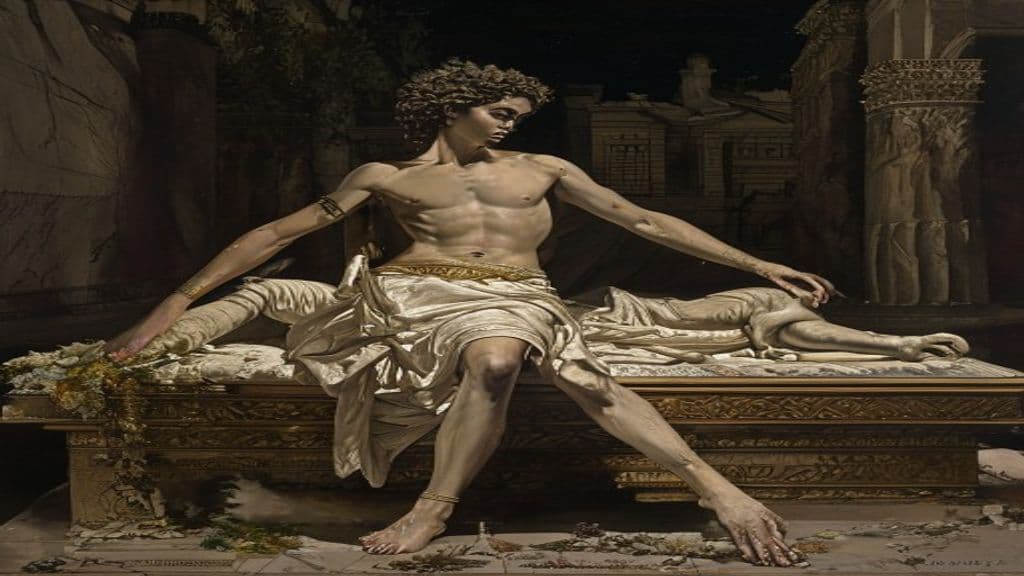
Adonis is a mythic mortal youth in ancient Greek tradition, beloved by goddesses (notably Aphrodite and Persephone) whose death and seasonal return are the focus of the women’s midsummer festival Adonia. The cultic practices—planting short-lived 'gardens of Adonis' on rooftops, ritual lamentation, and casting an effigy and withered plants into the sea—symbolically link him to vegetation cycles and Near Eastern dying-and-regenerating god traditions.

Adrammelech
Lesser

Adrammelech

Adrammelech is attested in ancient Semitic textual tradition as a local god of 'Sepharvaim.' The name is commonly glossed as "Magnificent king." In modern times the name has been reused in diverse fictional, musical, and online contexts, but those are creative reworkings rather than continuations of the brief ancient attestation.

Aga of Kish
Ancient

Aga of Kish

Aga of Kish (Aga, Agga, Akka) is an Early Dynastic Mesopotamian king recorded in the Sumerian King List, the Tummal Inscription, epigraphic objects, and the Sumerian poem "Gilgamesh and Aga." He functions in texts as a historical/legendary political actor who attempted hegemonic demands on Uruk and was ultimately captured and released by Gilgamesh.

Agasaya
Lesser

Agasaya

Agasaya is presented in modern secondary sources as a little-attested Semitic war goddess who, according to some summaries, was later absorbed as the warrior aspect of the major Mesopotamian goddess Ishtar. The attestation in available materials is sparse and much inferences about her name, attributes, and later influence are explicitly marked speculative in those sources.

Agum II (Agum‑Kakrime)
Lesser

Agum II (Agum‑Kakrime)

Agum II (called Agum‑Kakrime in the inscriptionary tradition) is a Kassite-era Babylonian king known from the Agum‑Kakrime Inscription and later copies. He appears in Akkadian inscriptional and king-list traditions as a royal restorer who recovered and reinstalled the cult statue of Marduk and refurbished the É-sagila, presenting himself as a legitimate shepherd‑king and temple benefactor.

Ahhazu
Lesser

Ahhazu

Ahhazu (Aḫḫāzu / Akhkhazu) is a Mesopotamian illness-causing spirit associated especially with jaundice and related febrile disorders. It appears in Sumerian–Akkadian lexical lists and in Babylonian magical and anti-witchcraft corpora (notably Maqlû and Utukkū Lemnūtu) as a named agent to be ritually confronted by exorcists and physician-magicians.

Akhkhazu
Lesser

Akhkhazu

Akhkhazu (also Ahhazu; Sumerian Dimme-kur) is an Akkadian-era Mesopotamian malignant spirit described as a demon of jaundice who 'seizes' victims, brings fever and plagues, and is cited in later summaries as one member of a triad with Labasu and Labartu. Later popular summaries also describe her as preying on nursing infants while mothers slept.

Alalngar
Ancient

Alalngar

Alalngar is an antediluvian king in the Sumerian King List tradition, presented as the second holder of the kingship at Eridu. He is chiefly attested as a named early ruler with an extraordinarily long reign in manuscript variants of the SKL and related lists.

Alalu
Ancient

Alalu

Alalu (also Alala/Alal) is a primordial, ancestral god attested in Mesopotamian, Hurrian and Hittite sources. He appears in genealogical lists as an early progenitor of later sky-gods and in Hurrian myth (the Kumarbi Cycle) as a former 'king in heaven' overthrown and forced to flee to the underworld.

Alammuš
Lesser

Alammuš

Alammuš is a Mesopotamian deity who functioned as the sukkal (attendant or court-official deity) of the moon god Nanna (Akkadian Sin). He is attested in offering lists, god-lists, oath formulas, legal and seal texts, and in Mesopotamian astronomical lists where he is paired with Ningublaga as the 'Little Twins.'

Alla
Lesser

Alla

Alla (Alla‑gula) is a Mesopotamian underworld‑associated deity attested in Ur III and Old Babylonian texts. He functions in sources as the sukkal (attendant) of Ningishzida and is grouped with lamentation literature’s ‘dying gods’; many details of his character remain fragmentary and debated.

Allani
Ancient

Allani

Allani is a Hurrian goddess who rules the land of the dead and participates in determining mortal fates. She appears in Hurrian ritual life and was incorporated into neighboring Mesopotamian and Anatolian religious corpora under Akkadian forms such as Allatum/Allatu.

Allat (Al-Lat)
Ancient

Allat (Al-Lat)

Allat (Al-Lat) is a pre-Islamic Arabian goddess attested across the Arabian Peninsula and in wider ancient Near Eastern onomastics. In the supplied sources she is recorded as one of the triad of goddesses worshipped in Arabia (with Al‑Uzza and Manat) and as a cult figure at sites such as al‑Ta'if where her cult-object was a cubic rock.

Allatum (Allani / Allatu)
Ancient

Allatum (Allani / Allatu)

Allani (Hurrian) or Allatu/Allatum (Akkadian/Mesopotamian) is a Near Eastern underworld goddess associated with rulership of the land of the dead and with determination of fate. She appears across Hurrian, Mesopotamian and Hittite/Anatolian contexts and is closely linked with other chthonic deities such as Išḫara and Ereshkigal.

Alluttu
Minor Spirit

Alluttu

Alluttu is not attested in the provided source as a mythic or personal supernatural being; the name appears in the context of Babylonian star catalogues and therefore should be understood as an astronomical/catalogue designation rather than a described spirit or deity in the cited material.

Alulim
Ancient

Alulim

Alulim is the legendary antediluvian 'first king' of Eridu in Mesopotamian tradition, presented in king lists and mythic compositions as the initial ruler appointed by the gods. He functions etiologically to explain the origin of kingship and, in late ritual texts, is invoked in agricultural incantations associated with driving off field pests.

Alû (Alu)
Minor Spirit

Alû (Alu)

A named lemma attested in modern reference lists as 'ALU / Alu', but for which the supplied research corpus contains no substantive primary- or secondary-source information about nature, appearance, powers, or rituals in Mesopotamian tradition.

Ama-arḫuš
Lesser

Ama-arḫuš

Ama-arḫuš is attested in Mesopotamian sources as a divine figure associated with compassion and healing. She is presented both as an independent goddess and as an epithet applied to other goddesses (notably as a title designating them compassionate, for example in association with Gula).

Amasagnudi
Minor Spirit

Amasagnudi

Amasagnudi is a late-attested Mesopotamian divine attendant (nin-sukkal) associated with the sky-god Anu. She appears primarily in lexical and god-list texts and was integrated into the Seleucid-period reorganization of Uruk's pantheon, where she is paired with the male attendant Papsukkal.

Amurru (Martu)
Greater

Amurru (Martu)

Amurru, Sumerian Martu, is a Mesopotamian deity who functions as the divine personification of the Amorites. Originating in Mesopotamian textual practice, he is associated with the steppe and mountains, depicted with a crooked staff, portrayed in hymnography as warlike and lightning-armed, and from the Old Babylonian period acquires a prominent exorcistic cultic role.

Anat
Ancient

Anat

Anat is a Bronze Age Levantine goddess best known from Ugaritic texts, associated primarily with warfare and hunting. She is a major divine figure in the Ugaritic pantheon who regularly received offerings, appears as an active agent in mythic narratives (notably the Baal Cycle), and was attested across the Levant, into Egypt, Cyprus, Hurrian ritual contexts, and later in Suhum.

Ancestors of Enlil (Enki-Ninki deities)
Ancient

Ancestors of Enlil (Enki-Ninki deities)

A sequence of Sumerian divine pairs (en-/nin- names) conceived as the primordial ancestors culminating in Enlil; chiefly attested in god lists and invoked as authoritative primordial names in ritual, especially in incantations and exorcisms.

Ancient Mesopotamian Underworld
Primordial

Ancient Mesopotamian Underworld

The ancient Mesopotamian underworld is a fundamental aspect of their cosmos, described as a 'lowermost part of the ancient near eastern cosmos', where the dead reside and continue a transpositional version of life on earth. (Note: * Power tier should be Ancient (deity-level) instead of Primordial (cosmic), as it is not a fundamental aspect of creation, but rather a concept within their cosmos. * Abilities: Inhabitants do have s)

Annunitum
Ancient

Annunitum

Annunitum is a Mesopotamian warlike goddess who developed from an epithet of Ishtar (Ishtar of Akkad/Ulmaš) into an independently venerated theonym. She functioned as a tutelary and martial deity in cities such as Akkad and Sippar‑Amnanum, appears in temple and royal inscriptions, and is attested in an astral role naming part of the constellation Pisces.

Anshar
Primordial

Anshar

Anshar is a Mesopotamian primordial deity whose name (Cuneiform AN.ŠÁR) literally means "whole sky" or "the whole heaven." He functions as an abstract ancestral figure in theogonic genealogies (not actively worshiped as a regular cult deity) and appears in literary contexts—most notably the Enūma Eliš—and in god lists where he legitimizes later supreme gods.

Antu
Ancient

Antu

Antu (Antum) is a Mesopotamian goddess traditionally regarded as the feminine counterpart and spouse of the sky god Anu. Attestations range from Early Bronze Age references to a marked elevation of her cultic profile in Achaemenid and Seleucid-period Uruk, and in some late theological texts she is equated with earth or primordial and underworld figures.

Anu
Ancient

Anu

Anu (Sumerian An; Akkadian Anu/Anum) is the divine personification of the sky in ancient Mesopotamian religion, traditionally ranked at the top of god‑lists as the source of heavenly authority (anûtu/anuti) and the fount of legitimate rule for gods and kings. Though supreme in genealogies and astronomical schema, many periods portray him as a relatively passive or figurehead deity whose active cultic role is limited until a late Seleucid reinvention in Uruk.

Anunnaki
Greater

Anunnaki

A variable collective of major deities in ancient Sumerian, Akkadian, Assyrian and Babylonian religious literature, described as offspring or descendants linked to the sky god An (Anu) and an earth/mother figure (Ki/Ninhursag). Texts portray them as participants in the divine assembly, decreers of human fate, and in some traditions a group of seven underworld judges; their number, membership, and functions vary across sources.

Anunītu (Annunitum / Anunitu)
Lesser

Anunītu (Annunitum / Anunitu)

Anunītu (Annunitum / Anunitu) is a Mesopotamian goddess associated with warfare who began as an epithet of Ishtar of Akkad emphasizing a warlike aspect and by the late third millennium BCE came to be treated as a distinct tutelary deity, attested as patron of cities such as Akkad and Sippar-Amnanum and worshiped elsewhere in Mesopotamia.

Anzû (Imdugud)
Greater

Anzû (Imdugud)

Anzû, also called dZû or Imdugud, is a large storm-associated bird-figure in Sumerian/Akkadian/Babylonian myth. Portrayed as a hybrid (commonly a massive bird with a lion's head or as a half-human storm-bird), Anzû is credited in mythic narratives with seizing the Tablet of Destinies and thereby challenging the authority of chief gods such as Enlil.

Apkallu (Abgal)
Ancient

Apkallu (Abgal)

Apkallu (Akkadian; Sumerian: Abgal) are polyvalent Mesopotamian wisdom figures attested as mythic/semi-divine sages (notably a group of seven), as professional human experts (ummânu), and as apotropaic images used in household and cultic ritual. They are closely associated with the god Ea (Nudimmud) as transmitters of secret knowledge and are represented in diverse iconography including fish-man and bird-headed types.

Apsu (Abzu)
Primordial

Apsu (Abzu)

Apsu (Sumerian Abzû; Akkadian Apsu) is the primeval freshwater principle in Mesopotamian cosmology, conceived both as the subterranean freshwater ocean/aquifer and as a hypostatic divine presence. Paired with the saltwater Tiamat, Apsu is a progenitor of earlier divine generations and the source of lakes, springs, rivers, rain and floodwaters; in Enūma Eliš he is slain by the younger god Ea and his domain becomes Ea's dwelling.

Ara
Lesser

Ara

Ara (Sumerian: A) is a minor Mesopotamian goddess attested as a servant or attendant of the god Enki. Earlier scholarship sometimes conflated her theonym with the attendant deity Isimud, but modern treatments distinguish Ara as a separate divine household figure.

Ardat-lilî
Lesser

Ardat-lilî

Ardat-lilî are a class of female phantom-spirits in Ancient Mesopotamian sources: the restless ghosts of young women who died without sexual fulfillment or marriage. Presented in exorcistic and medical texts from the Old Babylonian period onward, they are blamed for seductive attacks on young men and for illnesses variously described as the 'hand of ardat-lilî.' Ritual responses include incantations, exorcism, and a prescribed 'mock marriage' to placate the spirit.

Aruru
Ancient

Aruru

Aruru is a Mesopotamian goddess attested from Ur III onward whose identity shifts from an early vegetation-associated, forceful local deity to a later epithet or aspect of high mother/earth/vegetation goddesses (e.g., Ninhursag). She is frequently described as the 'older sister of Enlil' and appears in god lists, hymns, and later literary tradition.

Asag
Greater

Asag

A monstrous Sumerian demon king whose ugly face made fish flee and plants wither, whose army of stone warriors nearly defeated the god Ninurta before being crushed.

Asakku
Lesser

Asakku

A class of Sumerian disease-demons born from the union of heaven and earth, who lodged themselves in people's bodies and caused wasting fevers and convulsions.

Asalluhi
Lesser

Asalluhi

Asalluhi (also Asarluhi, Asarluhe, Asaralimnuna, Asaralim, Asalim, Asarnuna) is a Mesopotamian deity primarily associated with incantations and exorcism. He is described in some sources as a son of the god Enki and is likely identical with an earlier figure called Asar attested from the third millennium BCE.

Asarluhi
Lesser

Asarluhi

Asarluhi (also Asalluhi, Asarluhe, Asaralimnuna, Asaralim, Asalim, Asarnuna) is a Mesopotamian deity primarily associated with incantations and exorcism who commonly operates alongside his father Enki. He is likely identical with an earlier deity attested from the third millennium BCE called Asar (Asaruludu in some modern datasets).

Asherah
Ancient

Asherah

Asherah is a major ancient Northwest Semitic mother-and-fertility divine figure closely associated with sacred trees and wooden cult poles. Attested across Ugarit, Canaanite/Phoenician, Israelite, Akkadian and related Levantine contexts, her cultic presence is debated in later Israelite texts where references are often recast as objects (asherah poles, groves) and subject to iconoclastic reform.

Ashgi
Lesser

Ashgi

Ashgi (Sumerian Ašgi, 𒀭𒋓𒄄) is an early Mesopotamian city-associated deity attested primarily in sources from the Early Dynastic and Sargonic periods. He functioned as the tutelary god of Adab and was linked with Kesh, appears in hymns and offering lists (once characterized as a warrior in the Kesh temple hymn), and later lost prominence when Ninhursag (Digirmah) became the principal city deity.

Ashima
Lesser

Ashima

Ashima is an ancient West Semitic goddess personifying fate — the portion, name, or allotted lot — attested in West Semitic onomastic and textual contexts. She appears in Iron Age Samaritan cult lists and in the wider Near Eastern lexical field of deities and terms for 'fate' (cognate with Akkadian shimti and South Semitic Manāt).

Ashnan (Ezina)
Lesser

Ashnan (Ezina)

Ashnan (Sumerian Ezina) is the Mesopotamian divine personification of grain: a goddess whose being is identified with the cereal harvest and the category 'grain' itself. Attested from the Uruk and Early Dynastic periods, she appears in hymns, cult lists and disputation literature and is invoked in civic and medical contexts.

Ashur (Aššur)
Ancient

Ashur (Aššur)

Ashur is the civic-national deity of the ancient city and polity Aššur/Assyria. He functions as the divine sovereign and patron of the city-state: kings present themselves as his governors (iššiak), his temple and cult objects (notably weapons) played central roles in oaths, ordeals, and imperial administration.

Assur (Aššur / Ashur)
Minor Spirit

Assur (Aššur / Ashur)

Assur (Aššur, Ashur; modern Qal'at Sherqat) is the ancient city that served as a major urban, political, and religious centre of Assyria for millennia. The site is an archaeological complex on a south‑facing spur of the Tigris River with extensive temple precincts and stratified occupation from the Early Dynastic period into the mid‑3rd century AD.

Atab (of Kish)
Lesser

Atab (of Kish)

Atab is a regnal name recorded in the Sumerian King List as the tenth king of the First Dynasty of Kish and father of Mashda. Contemporary textual evidence for his historicity is lacking, and modern sources treat him as likely non-historical or legendary within the king‑list tradition.

Atra-Hasis
Lesser

Atra-Hasis

Atra-Hasis is the eponymous human protagonist of an 18th-century BCE Akkadian epic. Presented as a priest whose name is glossed 'exceedingly wise', he functions as the human interlocutor in narratives of the Mesopotamian creation of mankind and the divinely-sent deluge, and is also listed in the Sumerian King List as a ruler of Shuruppak.

Awarikus (Warikas)
Greater

Awarikus (Warikas)

Awarikus (also rendered Warikas) was a historical king of the Neo‑Hittite/Luwian polity Ḫiyawa (Adanawa/ancient Adana in Cilicia) who reigned in the mid–late 8th century BCE (c. 738–709 BCE). He is attested in Hieroglyphic Luwian, Phoenician, and Neo‑Assyrian (Akkadian) sources as a local ruler who entered vassalage and treaty relations with the Neo‑Assyrian Empire and undertook fortification and administrative projects within his realm.

Aya
Ancient

Aya

Aya is a Mesopotamian goddess associated with the dawn and worshiped as the consort of the sun god Shamash. She is principally attested in the city of Sippar, appears in royal inscriptions there, and was incorporated into Hurrian religion as the wife of the Hurrian sun Šimige.

Azimua
Lesser

Azimua

Azimua (earlier Ninazimua) is a Mesopotamian goddess attested from the Ur III period onward, primarily known as the wife/consort of the god Ningishzida and in some traditions functioning as an underworld-associated figure or scribe. She was worshiped in southern Mesopotamia (notably Ur and Umma) and appears in a fragmentary myth, Ningishzida and Ninazimua, which concerns an exchange of messages with her temporarily deceased husband.

Ašgi
Lesser

Ašgi

Ašgi (Ashgi) is a Mesopotamian city-associated deity attested mainly in sources predating the Old Babylonian period. He is recorded as the original tutelary god of the city of Adab and is also associated with Kesh; his local prominence was later superseded by his mother, the goddess Ninhursag (locally Digirmah).

Ašratum
Ancient

Ašratum

Ašratum is an ancient Mesopotamian goddess name attested in sources as of Amorite origin and regarded in those sources as the wife/consort of the god Amurru (Sumerian Martu). Her name is treated in scholarship as a cognate of the Ugaritic Athirat / Hebrew Asherah name-family, though the supplied sources note that cognate names did not necessarily occupy identical roles across different pantheons.

Ašur (Ashur)
Ancient

Ašur (Ashur)

Ašur (also Ashur, Ashshur, Aššur) was the national god of the ancient Assyrians and served as the principal divine figure around which Assyrian identity and state religion were organized until the society's gradual conversion to Christianity in late antiquity.