Dānyāl (دانيال) is a prophet in Islamic folklore, from Mesopotamia (Babylon). Dānyāl is the figure from Hebrew scripture as received in Muslim exegetical, hagiographical, and literary traditions: a divinely inspired revealer and interpreter of hidden things (notably dreams and apocalyptic secrets), portrayed in miracle-stories (lions' pit, courtly interpretation) and venerated at tomb-shrines in the Islamic world. His status in Muslim sources ranges from prophet (in some Shia hadith) to a saintly wise man (in other Muslim narratives).
In Muslim narrative frameworks Dānyāl is associated with the Babylonian exile and the reign of Cyrus. Sources recount that he served in royal courts (deciphering the writing at Belshazzar's feast), preached monotheism in Babylon and instructed Cyrus in the unity of God, and endured persecution (thrown into a lions' pit but preserved by God). Later legendary-material reports include a medieval account that a book of apocalyptic revelations associated with Daniel was found in a coffin at the time of the Muslim conquest of Tustar and then reburied at the request of ʿUmar. These episodes derive from Islamic exegetical, hagiographical, and literary sources that adapt the Hebrew-Biblical figure into Muslim discourses (sources: Wikipedia summary; Ibn Abi al-Dunya narration; reports on the Tustar/coffin item).
The sources supply no single standardized physical description. Episodic portrayals include the miracle-story image of an adult Dānyāl thrown into a lions' pit who remains alive and responsive (Ibn Abi al-Dunya narration) and a literary portrayal in The Thousand and One Nights (Night 394) where he appears as a twelve-year-old boy mediating a legal case. Beyond these situational depictions the traditions do not preserve consistent bodily features or a canonical portrait.
Muslim traditions depict Dānyāl as a divinely inspired interpreter and revealer: Shia hadith explicitly state he was inspired, a prophet in that report, and taught the interpretation of dreams. He is credited with apocalyptic knowledge (the tradition that a book of revelations associated with him was discovered in a coffin at Tustar) and with miraculous preservation (surviving the lions' pit in accounts preserved in medieval Muslim chains). Literary and courtly roles include functioning as a wise interpreter at royal courts (deciphering mysterious writing at Belshazzar's feast) and as a preacher exhorting people to return to God during the Babylonian/Cyrus era. These capacities are attested across the surveyed Islamic exegetical, hagiographical, and literary materials (sources: summarized Shia hadith citation; Ibn Abi al-Dunya; Wikipedia notes; Thousand and One Nights reference).
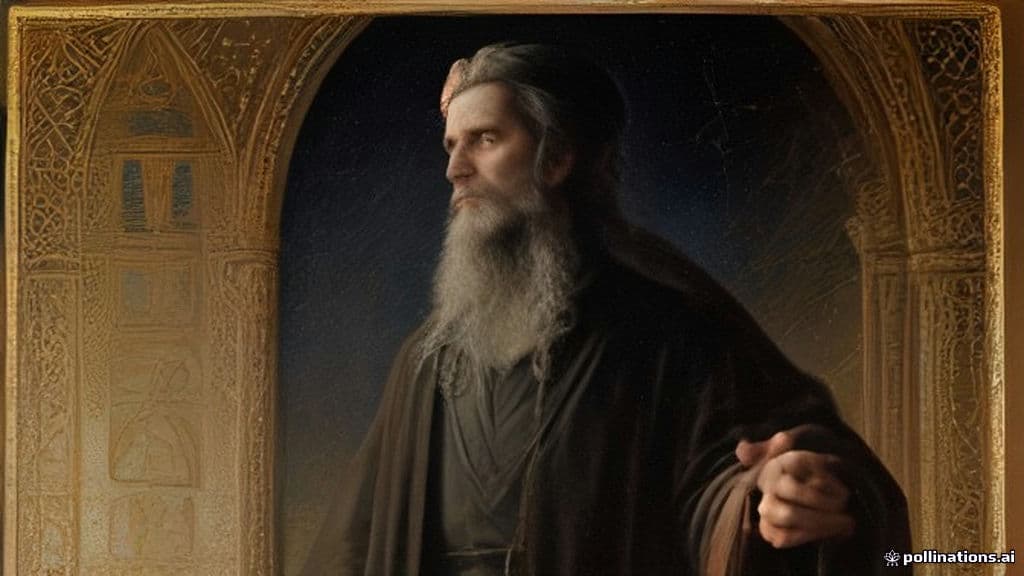
Jeremiah
Jeremiah was a human prophet active in the Kingdom of Judah in the late 7th and early 6th centuries BCE, remembered for receiving and proclaiming divine oracles, performing symbolic acts at God's command, enduring persecution, and (according to tradition) providing material for biblical books attributed to him.
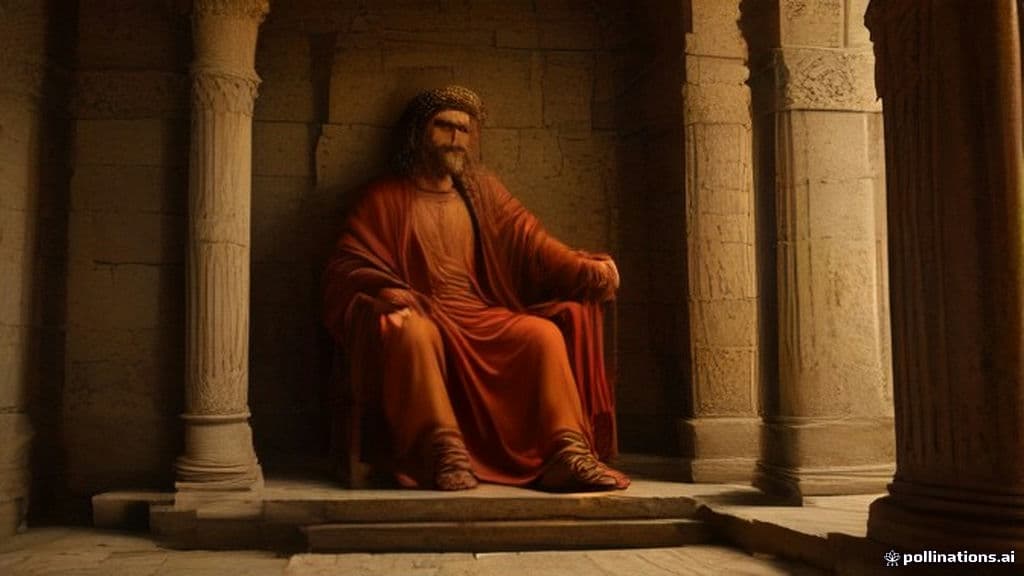
Habakkuk
Habakkuk is a human prophetic figure from the Hebrew Bible whose oracles and a liturgical prayer are recorded in the Book of Habakkuk. He functions as an interlocutor between God and Israel, notable for openly questioning divine justice; later Jewish, Christian and Islamic traditions preserve additional legendary episodes such as the angelic transport story in the Additions to Daniel.
'Ain Samiya Goblet
Silver cup from the Middle Bronze Age I, discovered in a tomb at Ain Samiya. (Note: 1. Power tier should be "None", but add a note explaining that historical artifacts don't fit into the typical power tier classification. 2. Add a description of its appearance based on it being a sil)
3-D Man
3-D Man is a Marvel Comics superhero identity associated with a 1950s-era origin in which the body of Chuck Chandler can materialize in three-dimensional existence when activated by his brother Hal via a pair of glasses. The mantle was later assumed by Delroy Garrett (formerly Triathlon) in modern continuity.
5 Ronin
5 Ronin is a 2011 Marvel Comics five-issue limited series that reimagines five Marvel superhero archetypes as rōnin (masterless samurai) in a fictionalized post‑Sekigahara feudal Japan. The work places Wolverine, Hulk, Punisher, Psylocke, and Deadpool analogues into period roles to explore displacement, revenge, and identity in an era of political upheaval.
A Elbereth Gilthoniel
An Elvish hymn in Sindarin addressed to Elbereth (Varda) from J. R. R. Tolkien's legendarium. Presented in The Lord of the Rings and later musical and dramatic adaptations, the hymn functions as devotional poetic language that evokes Elvish reverence for the star-kindler rather than an independent supernatural agent.
A'annepada
A'annepada (Sumerian cuneiform 𒀀𒀭𒉌𒅆𒊒𒁕; also romanized Aanépàdda) is attested as a historical ruler of the First Dynasty of Ur, flourishing c. 2350 BC. He is recorded in dedicatory and foundation inscriptions as king of Ur and as son of Mesannepada, credited with temple-building and dedication to deities such as Ninhursag and Inanna.
A.R.G.U.S.
A.R.G.U.S. is a fictional clandestine United States government agency in the DC Comics universe that investigates, contains, and manages superhuman, meta-human, and supernatural incidents and assets. Introduced in The New 52 continuity, it functions as an institutional actor providing intelligence, logistical support, covert task forces (notably Task Force X / the Suicide Squad), and a dedicated magic division across comics and media adaptations.
Ababil
Ababil (Arabic: أبابيل, romanized abābīl) are miraculous birds mentioned in the Qur'anic account of Surah Al‑Fil. In Islamic tradition they appear as a divinely sent avian host that defended the Kaaba by pelting an invading army with small clay stones; tradition places the event in the year traditionally given as 570 CE.
Abadir
Abadir is a polysemous name attested in distinct cultural contexts: a legendary founding saint and clan ancestor in eastern Ethiopia (Sheikh Abadir Umar Al‑Rida / Aw Abadir), a term applied to cone‑shaped cult stones in Phoenician religious description, and a personal name of a martyr (Abadir/Apater) in the Coptic Synaxarium. The attestations are independent usages of the same name rather than a single supernatural being.
Abdul Qadir Gilani
A historical 11th–12th century Hanbali jurist, preacher, and Sufi shaykh who became the eponym and principal early figure of the Qadiriyya tariqa; venerated in Sunni Sufi traditions as an Awliya (saint) and often given exalted hagiographical ranks such as Muḥi al‑Dīn and Ghawth.
Abel
Abel is the second son of Adam and Eve in the Genesis narrative, a shepherd whose accepted offering and subsequent murder by his brother Cain form the biblical account of the first death. Later interpretive traditions expand his role, treating him as an archetypal righteous victim, a postmortem avenging or adjudicating figure, and in some systems (notably Mandaean) identifying him with an angelic lightbeing.
Abel Cain
Abel Cain (Abelcaín) is the title character and central figure of Alejandro Jodorowsky's stalled sequel project to his 1970 film El Topo; presented in sources as a fictional post‑apocalyptic narrative about El Topo's sons rather than a folkloric spirit. The project circulated as a film proposal (1990s–2010s) under titles including Los hijos del Topo and Abel Cain and later materialized as a comic‑book miniseries using the Sons of El Topo material.
Abin Sur
Abin Sur is a fictional extraterrestrial Green Lantern from the planet Ungara in DC Comics. A former history professor turned Green Lantern of Space Sector 2814, he discovered and investigated a prophecy tied to the "Blackest Night," died wounded on Earth and chose Hal Jordan as his ring-successor, and was later reanimated as a Black Lantern in the Blackest Night storyline.
Community Record
- [1]Daniel in Islam (Wikipedia). Wikipedia contributors, 'Daniel in Islam', Wikipedia, The Free Encyclopediawiki
- [2]Ibn Abi al-Dunya narration (as cited in Daniel in Islam article). Ibn Abi al-Dunya narration quoted in the 'Daniel in Islam' article (lions' pit account)literary
- [3]The Thousand and One Nights — Night 394 (reference). Reference to Night 394 where Daniel appears as a twelve-year-old in a legal tale (cited in the Daniel in Islam article)literary
- [4]Wikidata: Daniel in Islam (Q5219181). Wikidata entry Q5219181 identifying Daniel in Islamother
- [5]Archive reference materials cited in research notes. Archive: Global religious movements in regional context (referenced in research notes)other