Entity Index

A record of the unseen, drawn from world folklore.

7724 entities · page 100 of 129

Nine-tailed Fox
Greater

Nine-tailed Fox

A long-lived fox-spirit figure from Chinese myth (九尾狐) that appears across East Asia (e.g., kitsune, kumiho). Associated with age-linked transformation, shapeshifting into humans, ambiguous morality (trickster/seducer or occasionally honorable), and in some doctrinal sources a celestial/ritual role with talismans and jiao rites.

Ninegal
Lesser

Ninegal

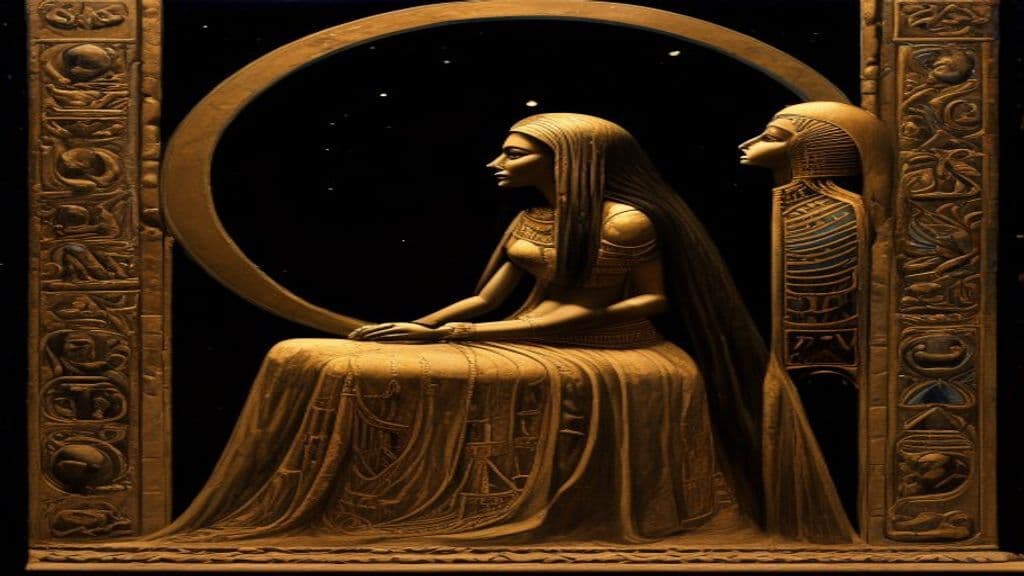
Ninegal (Sumerian Ninegalla; Akkadian Belet Ekalli / Belet-Ekallim) is a Mesopotamian tutelary goddess whose domain is the palace. Attested from the Early Dynastic period through the first millennium BCE, she functioned in cult as the divine guarantor of palace integrity and the sovereignty of rulers, and in some literary contexts appears as an epithet or manifestation of Inanna.

Ningal
Ancient

Ningal

Ningal (Sumerian dNIN.GAL, "Great Queen") is a Mesopotamian goddess, chiefly known as the consort of the moon god Nanna/Sin and the tutelary goddess of the city of Ur. She appears across Mesopotamian periods in god-lists, hymns and laments where she functions as wife, mother (commonly attested as mother of Inanna and Utu), mourner of the city, and local protective presence.

Ningen
Lesser

Ningen

A modern Japanese internet-originated aquatic humanoid cryptid said to inhabit the Southern Ocean and Antarctic ice margins, described in online posts and popular media since the mid-2000s as a large whale-like or mermaid-like creature with humanlike facial features and limb-like appendages.

Ningikuga
Minor Spirit

Ningikuga

Ningikuga is a Mesopotamian goddess attested in god-lists and hymnic texts. Her name is glossed as “lady of the pure reed,” and textual traditions treat her variously as an independent divine name, as a spouse of Enki in one list, as the mother of Ningal in poetic compositions, and as a manifestation-name applied to other major goddesses in isolated hymnic contexts.

Ningirsu
Greater

Ningirsu

A divine being worshipped by the ancient Sumerians as the patron deity of Lagash, associated with fertility, prosperity, and warfare. (Note: * Power tier should be Ancient (deity-level) considering Ningirsu's association with Gudea and the temple Eninnu. * Appearance is not addressed, but it can be noted that no physical description exists)

Ningishzida
Ancient

Ningishzida

Ningishzida is an ancient Mesopotamian deity associated with vegetation (especially grass), snakes, and the underworld, attested from the Early Dynastic III period through later Mesopotamian eras. He appears in temple cults, hymns, mythic texts (including underworld contexts), and royal building inscriptions, and in some traditions has a martial/victory aspect.

Ningublaga
Lesser

Ningublaga

Ningublaga is a Mesopotamian deity associated primarily with cattle and with the moon god Nanna/Sin. He functions as a temple-lord and pastoral overseer, an apotropaic figure invoked in incantations, and an astral deity forming one half of the ‘Little Twins’ constellation with Alammuš.

Ninhursag
Ancient

Ninhursag

Ninhursag is a principal Sumerian mother/earth/mountain goddess—literally 'lady of the sacred mountain'—associated with fertility, birth, creation, and the living earth; she appears across multiple Sumerian myths and served cultic and tutelary roles in Early Mesopotamian religion.

Ninimma
Lesser

Ninimma

Ninimma is a Mesopotamian goddess attested especially at Nippur, functioning within Enlil’s court as a divine scribe/librarian, a court nurse and birth-assistant, and from the Middle Babylonian period also invoked in healing and curse-breaking rites.

Ninisina
Ancient

Ninisina

Ninisina is a Sumerian/Mesopotamian tutelary goddess of the city of Isin, chiefly known as a divine physician and midwife who protects the city, legitimizes its rulers, and is invoked to expel harmful supernatural agents.

Ninkarrak
Ancient

Ninkarrak

Ninkarrak is a Mesopotamian healing goddess attested from the Akkadian Empire through Neo-Babylonian periods, worshiped chiefly in northern Mesopotamia and Syria with important temple evidence at Terqa and Sippar. She functions as a divine physician in the network of Mesopotamian healing deities and is archaeologically and textually associated with votive dog figurines and incantatory contexts.

Ninkasi
Lesser

Ninkasi

Ninkasi is the Mesopotamian divine personification and cultic goddess of beer, associated with the production, consumption and social/ritual effects of beer. She appears in god lists, hymns (notably the Hymn to Ninkasi) and administrative and ritual contexts from the Early Dynastic through later Mesopotamian periods.

Ninkilim
Lesser

Ninkilim

Ninkilim is a Mesopotamian deity associated with wild animals and the teeming creatures of fields, particularly rodents and agricultural pests. Attested from Sumerian through later Babylonian periods, Ninkilim appears in incantations against field pests, almanac material advising farmers, and in civic cult contexts as a patron of the city Diniktum.

Ninkurra
Minor Spirit

Ninkurra

Ninkurra (Sumerian NIN.KUR, vocalized Ninkurra or Ninkur) is a polyvalent Mesopotamian theonym attested for multiple, related divine figures: a female artisan/sculptor deity, a daughter in the Enki and Ninhursag birth-sequence, a member of primordial Enki–Ninki ancestor pairs, and a local temple deity written with the logogram dNIN.KUR in Mari and Emar. Regional and textual contexts produce differing roles and meanings for the name rather than a single, uniform identity.

Ninlil
Ancient

Ninlil

Ninlil is a principal goddess of ancient Mesopotamia, worshipped chiefly at Nippur and Tummal as the consort of Enlil. She shares with Enlil authority in determining fates and in appointing other deities, is portrayed as mother of major gods in some traditions, and is attested from early Sumerian texts through later Akkadian/Assyrian forms.

Ninmada
Lesser

Ninmada

Ninmada is a Mesopotamian theonym applied to deities attested in Sumerian and Akkadian texts. Surviving sources present Ninmada in two principal roles: a female divine 'snake‑charmer' and a male figure called the 'worshiper of An' and brother of Ninazu. The name appears in temple lists, god‑lists, myths (Enki and Ninmah; How Grain Came to Sumer), exorcistic sequences, and theophoric names across early to 2nd‑millennium BCE Mesopotamia.

Ninmah
Ancient

Ninmah

Ninmah (also attested in scholarship as Ninḫursaĝ / Ninhursag / Ninursag / Ninḫarsag) is a principal Sumerian mother and mountain goddess. She is a major deity in the early Sumerian-Akkadian pantheon associated with fertility, birth, the shaping of humans, and the ordering of fate; she appears in foundational myths such as “Enki and Ninmah” and “Enki and the World Order.”

Ninmug
Lesser

Ninmug

Ninmug is a Mesopotamian deity attested from the Early Dynastic period onward, primarily functioning as a divine artisan (often titled tibira kalamma, "metalworker/sculptor of the land") and as one of the named helper goddesses associated with birth and the formation of humans. She had local cult centres (notably Kisiga and Adab), temple personnel, and appears in literary and ritual lists rather than in an individual cosmogonic birth narrative.

Ninshubur
Lesser

Ninshubur

Ninshubur is a Mesopotamian divine attendant (sukkal) chiefly associated as the companion, messenger, and intercessor of the goddess Inanna. Functioning as a cultic office within the pantheon, Ninshubur mediates between petitioners and higher gods and appears in major myth cycles (e.g., Inanna's Descent) and in city cults across ancient Mesopotamia.

Ninsianna
Greater

Ninsianna

Ninsianna is a Mesopotamian astral deity who personifies the planet Venus. Attested from the Ur III period through the Old Babylonian era, the theonym served both as a cultic goddess/god and as the technical name for the observable planet in astronomical and omen texts.

Ninsun
Ancient

Ninsun

Ninsun is a Sumerian goddess of ancient Mesopotamia, mother of the hero Gilgamesh and consort of the deified king Lugalbanda. She functions as a divine intercessor, dream-interpreter, and a protective beneficent figure (sometimes called a lamma) invoked in royal legitimation and literary traditions such as the Epic of Gilgamesh.

Nintinugga
Ancient

Nintinugga

Nintinugga is a Mesopotamian city-associated goddess of medicine, healing and ritual cleansing, principally worshiped at Nippur and attested across Ur III and Old Babylonian contexts. She is linked with bandaging, wound-cleaning, cleansing rites (atua), funerary libations, and cultic associations with dogs and specific ritual objects.

Ninurta
Ancient

Ninurta

Ninurta is a major deity of ancient Mesopotamia (Sumerian–Akkadian–Assyrian–Babylonian) whose roles include agriculture, healing/exorcism, law and scribal authority, and martial champion of the gods. He is attested from the mid-third millennium BC onward and was venerated at city cult-centers such as Nippur (Eshumesha), Girsu/Lagash (as Ninĝirsu), and later in Assyrian Kalhu.

Ninšar
Lesser

Ninšar

A Mesopotamian minor deity associated with the slaughtering and preparation of food for gods and with household/temple service; attested in god lists, myths (notably Enki and Ninhursag), temple foundation formulas, and city cults such as Nippur and Girsu.

Nin‑MAR.KI
Lesser

Nin‑MAR.KI

Nin‑MAR.KI is a localized Mesopotamian goddess of the Lagash region, principally attested as the divine protector of cattle and as an oath deity. Her main cult center was Guabba, a seaport in Lagash territory; after local cult decline her name persists in god‑lists and laments and in lexical/literary traditions.

Niobe (Argive)
Lesser

Niobe (Argive)

Niobe is a mortal figure of Greek myth, daughter of Tantalus and wife of Amphion, famed for boasting of her many children and for grieving them when Apollo and Artemis slew the Niobids; she is transformed into a perpetually weeping rock on Mount Sipylus in later tradition.

Niobid
Lesser

Niobid

A Niobid is one of the children of Niobe and Amphion in Greek myth; collectively the Niobids are mortal royal offspring slain by Apollo and Artemis as punishment for Niobe's boastful comparison with Leto. They function as tragic victims and exempla of the consequences of human hubris toward the gods.

Nirṛti
Ancient

Nirṛti

A Vedic and later Hindu personification of decay, sorrow, and inauspiciousness. In early Vedic texts Nirṛti functions as an unwanted presence associated with the kingdom of the dead and with ritual misfortune; in later Puranic and Agamic material the name is sometimes recast as a male dikpala (guardian) of the southwest with varied iconography.

Nis Puk
Lesser

Nis Puk

The Nis Puk is a household spirit from Danish-, Low German- and North Frisian-speaking areas of Schleswig and adjacent regions. Treated as a hybrid of the nisse (house-sprite) and puk/puck (kobold-like manikin), it acts as a domestic helper or a wealth-bringer in some localities and enforces reciprocal obligations through tests, rewards, and punishments.

Nisaba
Ancient

Nisaba

Nisaba is an ancient Sumerian goddess chiefly associated with writing, the scribal arts, wisdom, and grain. Attested from the Fara (Early Dynastic) period onward, she functions as the divine patron and legitimizer of literacy, accounting, and the institutional arts of tablets and archives, and later becomes identified with grain itself.

Nishi
Lesser

Nishi

Bengali spirit of the night that calls your name in a loved one's voice — answering three times seals your fate. Its call cannot be refused by those whose time has come.

Nishi (Nyishi) — ethnographic group
Minor Spirit

Nishi (Nyishi) — ethnographic group

The available sources do not describe a supernatural entity named “Nishi.” The material refers to the Nyishi (often spelled Nishi) as an ethnic group of Arunachal Pradesh, India, who speak a Tani language called Nishi. No folklore, appearance, abilities, rituals, or warding practices for a supernatural Nishi are documented in the provided sources.

Niskus
Primordial

Niskus

River god in Celtic tradition associated with the River Hamble, linked to flooding and drought. (Note: 1. Power tier: Primordial seems too high given Niskus is a river god tied to a local river deity (Lesser power tier would be more accurate). 2. Abilities: Statement should specify that Niskus's abilit)

Nisroch
Lesser

Nisroch

Nisroch is a theonym attested in the Hebrew Bible as a god of Assyria whose temple is the scene of King Sennacherib's assassination (2 Kings 19:37; Isaiah 37:38). Modern scholarship finds no Mesopotamian deity securely attested under this name and generally treats the biblical reading as likely corrupt; post-biblical traditions recast Nisroch variously as a wooden idol (Talmudic legend), a named demon in early-modern demonologies, and a Victorian-era label misapplied to excavated eagle-headed protective figures.
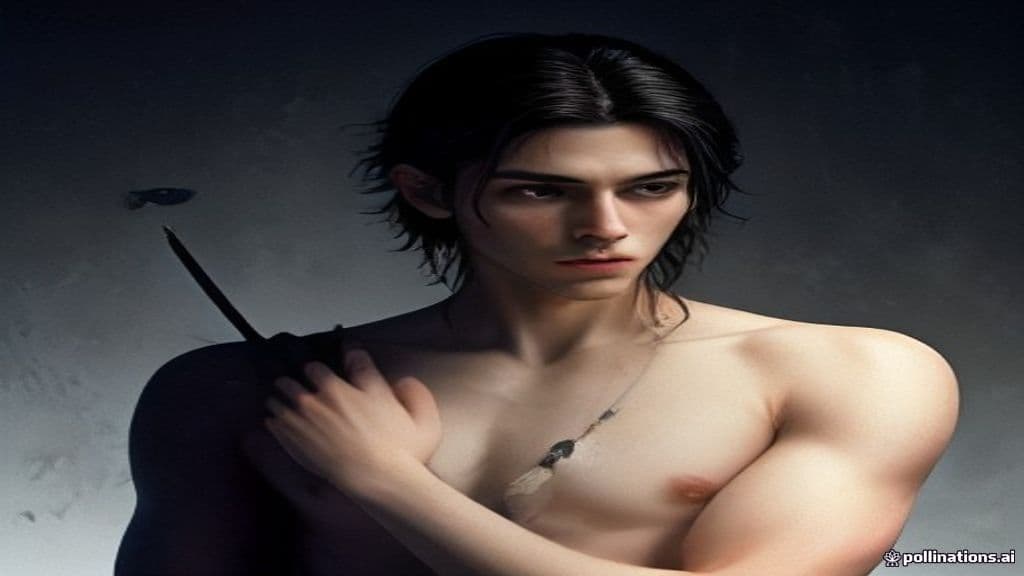
Nisse (tomte / tomtenisse / tonttu)
Lesser

Nisse (tomte / tomtenisse / tonttu)

A Scandinavian household and farmstead spirit tied to a particular homestead; a small, human‑like custodian who performs chores, protects livestock and property in return for annual ritual food offerings (notably Yule porridge), and who can become dangerous if offended or neglected.
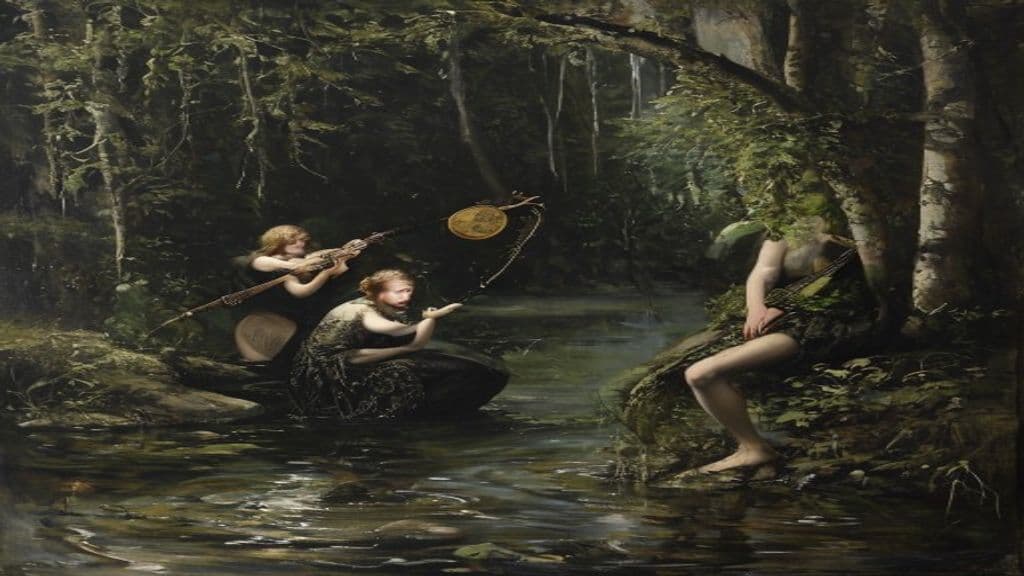
Nisus and Euryalus
Minor Spirit

Nisus and Euryalus

A pair of young Trojan warriors in Virgil's Aeneid whose intense companionship and joint night-raid into the Rutulian camp exemplify pietas, youthful valor, and the tragic cost of war. Presented as mortal literary personae rather than supernatural beings, their story functions as an intertextual echo of Homeric companion-pairs and as a moral-poetic exemplum within Augustan epic.

Nittaewo
Lesser

Nittaewo

A figure of Sri Lankan Veddah and broader folk tradition: a legendary small, bipedal, hairy hominid/cryptid said to have lived in forests and caves of Sri Lanka, described in oral testimony as antagonistic to Veddah people and allegedly exterminated by them in the recent past.

Nix Nought Nothing
Minor Spirit

Nix Nought Nothing

Nix Nought Nothing is the provisional personal name of the human protagonist in a Scottish fairy-tale (ATU 313, "The Magic Flight") who is promised to a giant and compelled to perform impossible tasks, rescued and aided by the giant's magical daughter. The tale centers on rash promise, naming as temporary identity, magical tasks, flight from the giant, and a sleep-enchantment resolved by a counter-spell and social reparation.

Nixie
Lesser

Nixie

A category of water spirit from Germanic and neighbouring European folklore associated with lakes, streams, ponds and waterfalls. Commonly described as shapeshifting and linked to enchanted music, nixies may be helpful or dangerous to humans depending on local tales.

Njörðr (Njord)
Ancient

Njörðr (Njord)

Njörðr is a Vanir deity in Old Norse religion associated with the sea, navigation, fishing, wind, wealth, and crop fertility. He resides in Nóatún, is counted among the Vanir who were incorporated into the wider Norse divine order after a truce with the Æsir, and is father of Freyr and Freyja. Sources describe him as linked to maritime well-being and as having an unhappy marriage with the goddess Skaði.

Nkisi (minkisi)
Greater

Nkisi (minkisi)

Nkisi (pl. minkisi, mikisi, zinkisi) are Kongo‑region spiritual agents and the material containers that house or activate them. Employed by specialist practitioners (banganga/nganga), minkisi mediate with ancestors and other powers for healing, protection, justice, oath‑sealing, and the punishment or restraint of harmful forces.

Nkondi (minkondi)
Greater

Nkondi (minkondi)

Nkondi are aggressive minkisi figures of the Kongo (Bakongo) tradition: carved statuettes that house an ancestral or spiritual power isolated and placed into them by a ritual specialist (nganga). Functioning as hunters or enforcers, nkondi are activated to investigate, punish, or otherwise intervene in social wrongs and dangerous unseen forces.

Nkunzi
Minor Spirit

Nkunzi

The supplied sources do not document a folkloric supernatural entity named 'Nkunzi.' The term appears in the provided material as a personal name, a toponym (a mountain in South Africa), and as the given name of an author who wrote about sangoma practice, but no ethnographic descriptions, origin story, appearance, abilities, rituals, or protective measures for a spirit called Nkunzi are present in the provided items.

Noah
Lesser

Noah

Noah is the tenth antediluvian patriarch in Abrahamic traditions who, at God's command, builds an ark to preserve his family and representatives of land animals from a divinely sent Flood. After the waters recede he offers burnt offerings, receives a covenant from God (with the rainbow as its pledge), and becomes the progenitor of post‑diluvian humanity.

Nobusuma (野衾)
Lesser

Nobusuma (野衾)

A yōkai of Edo-period Japanese folklore associated in sources with nocturnal gliding mammals (bats or flying squirrels). Traditions describe it as a small winged beast that can latch onto travelers or sleepers—covering the face or extinguishing torches—and in some accounts an aging form precedes a still more dangerous being called yamachichi.

Nocnitsa
Lesser

Nocnitsa

A Slavic night spirit or 'night hag' that torments sleepers—especially children—by visiting at night, producing nightmares or sensations of pressure on the chest, and in some accounts drawing life energy from victims.

Noldor
Ancient

Noldor

The Noldor are a kindred (clan) of Elves in J. R. R. Tolkien's legendarium, one of the three High Elf clans who migrated to Valinor and later returned to Middle-earth. Renowned for their skill in craft, lore and warfare, their history — including the Oath of Fëanor and the Flight of the Noldor — is central to the events of The Silmarillion.

Nomion
Lesser

Nomion

Nomion is not attested in the provided sources as a coherent supernatural being or folkloric class. The term appears primarily as a taxonomic epithet in lepidoptery and as a modern proper name in popular culture; a single Wikidata label links the name to a supposed ruler in Caria but this is uncited in the supplied materials.

Nommo (West African Tradition)
Ancient

Nommo (West African Tradition)

Primordial ancestral spirits considered sacred by the Dogon people of Mali, associated with water and spiritual guidance. (Note: - Power tier: Primordial (matches description in source material) - Abilities: Remove redundancy, keep only one ability mentioned in source material (Masters of the Water) - Sensory cues: Add informat)

Nonacris
Lesser

Nonacris

Nonacris (Ancient Greek Νώνακρις) appears in classical sources as a multi-faceted name: an Arcadian town and its springs, a mythic woman associated with that place (wife of King Lycaon in some accounts), and in some sources identified as the naiad of the town's springs. Ancient writers and modern summaries treat the personal and place identities as interwoven rather than wholly separate.

Nootaikok
Lesser

Nootaikok

In Inuit tradition Nootaikok is a spirit bound to large ice masses—described as presiding over and living inside icebergs and glaciers—and is attested as one who, alongside Agloolik, led hunters to seals.

Noppera-bō
Lesser

Noppera-bō

A faceless yōkai from Japanese folklore described as an otherwise humanlike figure whose face is smooth and featureless; primarily known in modern sources and popular culture as an uncanny, fear-inducing apparition.

Norax
Ancient

Norax

Norax is a mythic founder-figure in classical Greek and Roman tradition, described as a son of Hermes and Erytheia who led settlers from Iberia to Sardinia and founded the city of Nora. He functions as a demi-divine eponymous ancestor used by ancient authors to explain the origin of a Sardinian city and its links to Mediterranean mythic genealogy.

Norrœna Society

Norrœna Society

A publishing house that focused on Norse literature and culture, established in 1892. (Note: - Power tier: Remove (Primordial=cosmic) since the Norrœna Society was a publishing house, not a supernatural entity. - Abilities: Add "Publication of rare and expensive reprints" as an ability, suppo)

Norse Mythological Beings
Primordial

Norse Mythological Beings

Collection of supernatural entities from Norse mythology, including gods, goddesses, and other beings. (Note: 1. Power tier: Incorrectly listed as Primordial (cosmic entities like Yggdrasil), should be Ancient (deity-level). 2. Abilities: Should include control over thunder and lightning, but also specificall)

Norse Mythological Entities
Ancient

Norse Mythological Entities

A diverse range of beings, objects, and locations integral to the Norse cosmology, including gods, goddesses, giants, dwarves, and magical items. (Note: * Power tier: Change to "Ancient" is plausible given the described abilities, but it could be argued that some entities (gods) are even more powerful. Consider reevaluation. * Sensory cues: While ethe)

Norse gods
Ancient

Norse gods

A category of divine figures attested in Old Norse literature, inscriptions, place-names, and related evidence; members of the indigenous Norse/Germanic religious framework who appear in mythic narratives and were objects of worship and modern commemoration.

Nozuchi
Lesser

Nozuchi

Nozuchi is a polyvalent name in Japanese tradition that appears both as an alternate name sometimes listed for a vegetation/field kami and as a snake- or lizard-like yokai/cryptid in folkloric and popular-media sources. Classical Shinto-oriented material presents Nozuchi among appellations of a protector of fields and ancestor of herbs; folkloric and cryptid accounts treat Nozuchi as a thick-bodied, hammer- or snake-like creature encountered in rural or wild areas.

Nuberu (Ñuberu)
Greater

Nuberu (Ñuberu)

A northwest Iberian sky‑spirit or weather being (singular or plural) that controls clouds, storms, rain, wind, hail and lightning; capable of blessing fields with rain or wreaking destructive storms that endanger harvest, livestock and fishermen.