Entity Index

A record of the unseen, drawn from world folklore.

7724 entities · page 99 of 129

Nekhbet
Ancient

Nekhbet

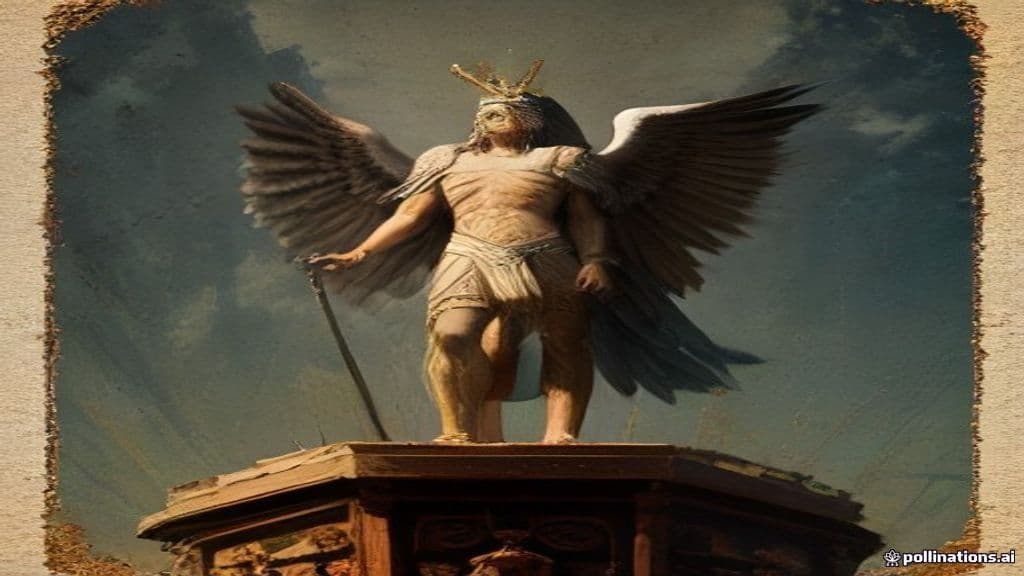
Nekhbet is an ancient Egyptian tutelary goddess of the city Nekheb (El Kab) who became the patron and protector of Upper Egypt and, after political unification, one of the Two Ladies safeguarding the king and the unified land. She is primarily portrayed as a vulture in royal and funerary iconography and is associated with protective, maternal, and royal-ideological functions in Egyptian state religion.

Nel (Mythology)
Ancient

Nel (Mythology)

Ancestor of the people of Ireland and a scholar of languages from Celtic tradition. (Note: - Power tier: Lesser (Nel's abilities are primarily linguistic and cultural, not deity-level) - Origin story: The draft states Nel was invited to Egypt to marry Scota, but the source material says he )

Neleus
Lesser

Neleus

Neleus (Greek Νηλεύς) is a mythological heroic-age king of Pylos in Greek tradition, son of Poseidon and Tyro in most accounts, husband of Chloris, and father of Nestor and other sons. He appears in genealogical and foundation narratives and is notably killed by Heracles after refusing to purify him for the murder of his family.

Nemea
Minor Spirit

Nemea

Nemea is primarily an ancient sanctuary and geographic place-name in the northeastern Peloponnese of Greece, known for its sanctuary of Zeus, the Nemean Games, and mythic associations such as the Nemean Lion and the death of the infant Opheltes. Modern usages of the name include a contemporary village and occasional cultural or taxonomic namesakes.

Nemean Lion
Greater

Nemean Lion

A singular monstrous lion of Greek myth that terrorized the region of Nemea and was slain by Heracles as the first of his Twelve Labours. Noted for an impervious golden hide and claws 'sharper than mortal swords,' its pelt becomes Heracles' emblem and protective mantle.

Nemesis
Ancient

Nemesis

Nemesis (Greek: Νέμεσις), also called Rhamnousía in her local cult, is the personified goddess of distributive justice and retributive balance in ancient Greek religion and myth. She functions to restore due measure—rewarding or withholding according to desert—and punishes hubris and excessive fortune.

Neminātha
Ancient

Neminātha

Neminātha (also Nemi, Ariṣṭanemi) is the twenty‑second tirthankara (ford‑maker) in Jain tradition, venerated as an enlightened jina who attained omniscience and later liberation; he is associated with pilgrimage to Girnar and narrative episodes of princely renunciation exemplifying Jain non‑violence.

Nemty
Lesser

Nemty

Nemty is an ancient Egyptian local deity centered at Antaeopolis (Per-Nemty) in Upper Egypt, attested from at least the 2nd Dynasty. In later tradition he is known as a patron of ferrymen and is iconographically shown as a falcon standing on a boat; he appears in the Contendings of Horus and Seth as the divine ferryman who is deceived by Isis and subsequently punished.

Neoptolemus
Lesser

Neoptolemus

Neoptolemus (Ancient Greek Νεοπτόλεμος), also called Pyrrhus, is a mortal Greek heroic figure — the son of Achilles — who appears in the late stages of the Trojan War cycle. He is portrayed as a capable and decisive warrior whose actions (notably the killing of Priam and the sacrifice of Polyxena) have ritual, moral, and genealogical significance in later Greek tradition.

Neper
Ancient

Neper

Neper (also Nepra or Nepri) is an ancient Egyptian deity personifying grain and the productive principle of cereal crops. He functions as the divine guarantee of seed, growth and sustenance within the Egyptian agricultural and domestic religious framework.

Nephele
Lesser

Nephele

Nephele (Greek: Νεφέλη, 'cloud') is a personified cloud in Greek myth, appearing as a cloud-formed simulacrum fashioned by Zeus (used in the Ixion/Hera episode) and as the cloud-associated wife of Athamas who arranges the rescue of her children Phrixus and Helle via a flying golden ram.

Nephilim
Ancient

Nephilim

Enigmatic figures from the Hebrew Bible and later Jewish and Christian writings, the Nephilim are described in brief, ambiguous passages as ancient, exceptional beings associated with the antediluvian world and with later memory of formidable inhabitants; traditions variously render them as 'giants,' 'fallen ones,' or legendary elite warriors.

Nephthys
Ancient

Nephthys

Nephthys (Egyptian Nebet-ḥwt) is an ancient Egyptian goddess associated with funerary transition, night/darkness, temple service, protection, and ritual magic. Member of the Heliopolitan Ennead and sister of Isis, Osiris, and Set, she functions as a liminal guardian and ritual attendant who assists the deceased's passage through the Duat and appears widely in tomb and temple iconography.

Neptune
Ancient

Neptune

Neptune (Latin: Neptūnus) is the Roman god of freshwater and the sea, often treated in Roman religion as the counterpart of the Greek Poseidon and placed in a fraternal relationship with Jupiter and Pluto. The classical deity's name was later adopted in modern astronomy for the eighth planet of the Solar System, a cultural reuse noted in scientific sources.

Nereids
Lesser

Nereids

Nereids are the class of female sea-nymphs in Greek myth, traditionally the fifty daughters of Nereus and the Oceanid Doris, associated especially with the Aegean Sea. They appear as beautiful young women who dwell in the sea and form the retinue of major sea-deities, acting as benevolent helpers of sailors and participants in mythic narratives.

Nereus
Ancient

Nereus

Nereus is an archaic Greek sea-god, eldest son of Pontus and Gaia, known as an aged, truthful 'Old Man of the Sea' who fathers the Nereids and functions as a source of prophetic counsel; he shares traits with other sea-elders like Proteus and later recedes in prominence beneath Poseidon.

Nergal
Ancient

Nergal

Nergal is a major Mesopotamian deity associated with war, disease, inflicted death, and rulership of the underworld. Principal cult center at Kutha (temple E‑Meslam), he appears in hymns and myths (e.g., the Epic of Erra, "Nergal and Ereshkigal") and is sometimes equated with or called Erra or Meslamtaea.

Nerrivik
Greater

Nerrivik

Nerrivik (also Nerivik) is an Inuit sea-mother figure—an elder female supernatural who is the owner/provider of sea creatures and the patron of fishermen and hunters. She appears in Greenlandic and Canadian Inuit traditions as a principal sea goddess (regional equivalents include Sedna, Arnapkapfaaluk, and Arnakuagsak). Her origin myths explain her residence at the bottom of the sea and a mutilated condition (one-handed) resulting from being cast off a boat.

Nerthus
Greater

Nerthus

Nerthus is an early Germanic cultic deity attested in Tacitus's Germania as the focus of a wagon‑procession cult kept on an island in a sacred grove. Tacitus reports a ritual in which a cart draped in white is drawn among communities, bringing a suspension of warfare and communal celebration, followed by ritual washing of cult objects in a secluded lake.

Neshmet
Greater

Neshmet

Divine vessel or bark in Egyptian tradition associated with the god Nun, used as a conveyance for Osiris during the Osiris festival at Abydos. (Note: 1. Power tier should be Primordial as it is associated with the primordial deity Nun. 2. No mention of physical appearance or abilities beyond being a vessel for Osiris, so these sections are inaccura)

Nessie (Loch Ness Monster)
Minor Spirit

Nessie (Loch Ness Monster)

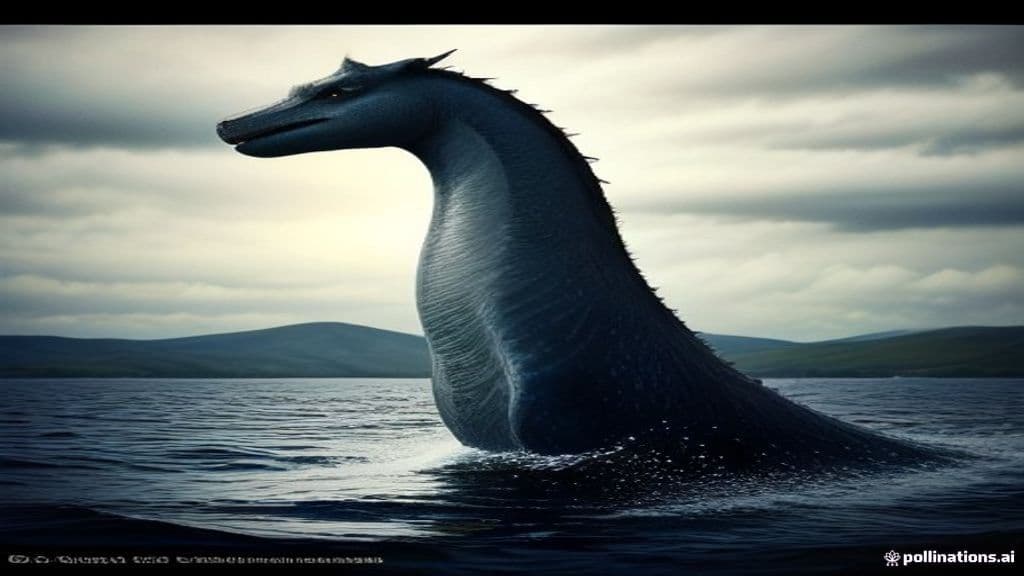
A legendary lake creature of Scottish folklore said to inhabit Loch Ness in the Scottish Highlands, popularly depicted as a large, long‑necked animal with one or more humps. Its existence is driven by anecdotal sightings, disputed photographs, sonar claims, hoaxes, and sustained popular and scientific interest since 1933.

Nessus
Lesser

Nessus

Nessus is primarily recorded in the supplied sources as a name from Greek myth — most prominently a centaur identified in modern reference works as the figure who caused the death of Heracles — and as a widely reused name in modern literature, gaming, and technical products. The provided materials constitute a disambiguation-style set rather than a single coherent supernatural tradition.

Nestor (name and uses)
Minor Spirit

Nestor (name and uses)

Nestor is presented in the supplied sources primarily as a personal and place name used across literary, geographic, maritime, scientific, and cultural contexts. While one cited headword refers to a mythological figure, the provided material contains no folkloric descriptions, supernatural attributes, or ritual traditions associated with Nestor.

Nete
Lesser

Nete

Nete is a named member of a local Delphic triad described as "the three muses of the lyre" and is recorded as being worshipped at Delphi. Attestations are extremely limited: the surviving reference presents Nete as a cultic or personified musical principle associated with lyre practice at Delphi and does not equate this triad explicitly with the canonical nine Muses.

Netzach
Minor Spirit

Netzach

Netzach (Hebrew: נֶצַח, Nēṣaḥ) is the seventh sephirah on the Kabbalistic Tree of Life, representing endurance, victory, perpetuity and the sustained force that brings vision into realized action. It is a metaphysical attribute/emanation rather than an independently personified spirit, employed as a conceptual node in Kabbalistic, pedagogical, and later syncretic occult mappings.

New Zealand bellbird (Anthornis melanura)
Lesser

New Zealand bellbird (Anthornis melanura)

A medium-sized honeyeater endemic to Aotearoa New Zealand, valued for its melodious, bell-like song and regarded as taonga by Māori. Treated in scientific sources as Anthornis melanura, it is the only extant mainland member of its genus and an important contributor to New Zealand soundscapes and dawn chorus.

Ngake
Ancient

Ngake

Ngake is a tupua / taniwha figure in Māori tradition associated with the formation of Te Awa Kairangi (the Hutt River valley). In the Ngake–Whataitai story he is the vigorous sibling whose breaking free from a landlocked lake is said to have opened a channel to the sea.

Ngardi (Ngarti)
Minor Spirit

Ngardi (Ngarti)

Ngardi (also spelled Ngarti) is an Aboriginal Australian ethnolinguistic group of the Northern Territory and Western Australia, identified as traditional owners of extensive territory west of the Tanami Track and participants in land-claim and modern legal/economic agreements. Scholarly sources treat Ngardi as a people and language group rather than a supernatural being.

Ngaro
Primordial

Ngaro

In Māori folklore, Ngaro is a delicacy of the dead, providing sustenance for the living from the realm of the deceased. (Note: - Power tier should be Lesser, not Primordial, as it's described as a delicacy and its nature and behavior are unknown. - Origin story needs more specific detail or sourcing to support the claim that )

Ngen
Lesser

Ngen

In Mapuche cosmology, the ngen (Mapudungun: 'owner') are spirits that manage, govern and arrange different features of nature; they are custodial proprietors of particular natural domains and are to be respected and offered to when humans seek resources from nature.

Ngoubou
Lesser

Ngoubou

Ngoubou is a term used in modern cryptozoological and popular secondary sources for a reported large, horned anomalous beast from Central Africa. In the supplied material it appears in lists and blog posts alongside other Congo Basin cryptids (e.g., Emela Ntouka, Mokele‑mbembe) rather than as a documented figure in primary indigenous cosmologies.

Ngā Atua
Primordial

Ngā Atua

A being in the Māori spiritual framework associated with the heavens. (Note: * Power tier should be Primordial based on association with the heavens, but it's too vague; a more specific description is needed. * Summary needs to be expanded or revised for accuracy. * Appearance)

Ngā Mānawa
Lesser

Ngā Mānawa

Ngā Mānawa is a collective name in a Māori tradition (notably attested for Ngāti Awa) for the five 'Fire Children', the sons of Mahuika and Auahitūroa. The five figures are mapped to the five fingers of the hand in regional Māori finger-naming systems, linking elemental fire, genealogy, and human anatomy.

Ngāti Ranginui
Minor Spirit

Ngāti Ranginui

Ngāti Ranginui is a Māori iwi (tribe) based in the Tauranga / Bay of Plenty region of Aotearoa New Zealand. The iwi traces descent from the ancestor Ranginui (of the Takitimu canoe), exercises kaitiakitanga (guardianship) within a defined rohe, maintains marae and governance bodies, and has engaged in Treaty settlement and resource management processes in the contemporary period.

Ngātokimatawhaorua
Primordial

Ngātokimatawhaorua

An ancestral canoe in Māori tradition, symbolizing navigation expertise and cultural heritage. (Note: * Power tier: Primordial is unlikely, given the description of an ancestral canoe as a cultural symbol, rather than a cosmic entity. * Appearance: Add note that Ngātokimatawhaorua has no physical appe)

Ngātoro‑i‑rangi
Ancient

Ngātoro‑i‑rangi

Ngātoro‑i‑rangi is an ancestral ariki‑tohunga (high priest and navigator) in Māori tradition associated with the Arawa canoe migration and the central North Island of Aotearoa. His deeds—naming places, stamping springs into being, confronting hostile atua, and calling for sacred geothermal fire—serve as foundational narratives that legitimate tribal descent (notably Ngāti Tūwharetoa) and explain geothermal and volcanic features of the Taupō/Tongariro region.

Ngải (research note)
Lesser

Ngải (research note)

The supplied sources do not document a Vietnamese earth- or plant-spirit called "ngải" used in sorcery. Materials provided instead show homographs or similar forms of the sequence 'ngai/ngài/ngāi' in unrelated cultural contexts (an East African creator deity "Ngai", the Māori tribal name "Ngāi Tahu", and Vietnamese honorific usages such as "Ngài"). This entry records only what is present in the provided sources and identifies gaps where data on a Vietnamese ngải is absent.

Nhang (Water Dragon)
Lesser

Nhang (Water Dragon)

Nhang, glossed in English as the "Water Dragon," is cited in English-language overviews as a water-associated monstrous figure within Armenian mythic tradition. The available sources note its classification only as a water-dragon label; no detailed native accounts, descriptions, or ritual material are provided in the supplied material.

Nian (Year Beast)
Lesser

Nian (Year Beast)

A folkloric monstrous beast in modern Chinese popular accounts that is said to emerge annually at the turn of the year to raid villages. The legend functions as an etiological explanation for many Chinese New Year customs—fireworks, red decorations, loud noises, and the lion dance—though explicit references to a named creature called nian in older textual sources are scarce.

Nibelung
Greater

Nibelung

A personal or clan name in Norse mythology associated with misty or ambiguous realms, also giving its name to the Middle High German epic Nibelungenlied. (Note: - Power tier: Primordial (given the ambiguous and multifaceted nature suggested by source material) - Appearance: Add a note that specific physical description does not exist, but may be implied by as)

Nicostratus
Lesser

Nicostratus

Nicostratus is attested in Greek mythographic and reference material as a son of Menelaus, variously said to be by Helen of Troy or by a slavewoman. He appears in genealogical listings and name-disambiguation contexts rather than as an active character in surviving narrative episodes.

Nidhi
Lesser

Nidhi

Nidhi (Sanskrit: निधि, nidhi) is a Sanskrit term meaning 'treasure' and within Hindu mythological tradition denotes the set of nine treasures (navanidhi) belonging to Kubera, the god of wealth. In some tantric practice each nidhi is personified and has a guardian-spirit that may receive worship; beyond this core role their nature and characteristics are poorly explained in surviving sources.

Nieh-ching-t'ai
Primordial

Nieh-ching-t'ai

A supernatural mirror in Diyu, revealing past existences and wicked deeds. (Note: * Power tier: Lesser (not Primordial) - "Mirror" suggests it's not an incredibly powerful being but rather a tool for revealing past existences. * Abilities: Add source material to support divination )

Night Elf (Kaldorei)
Greater

Night Elf (Kaldorei)

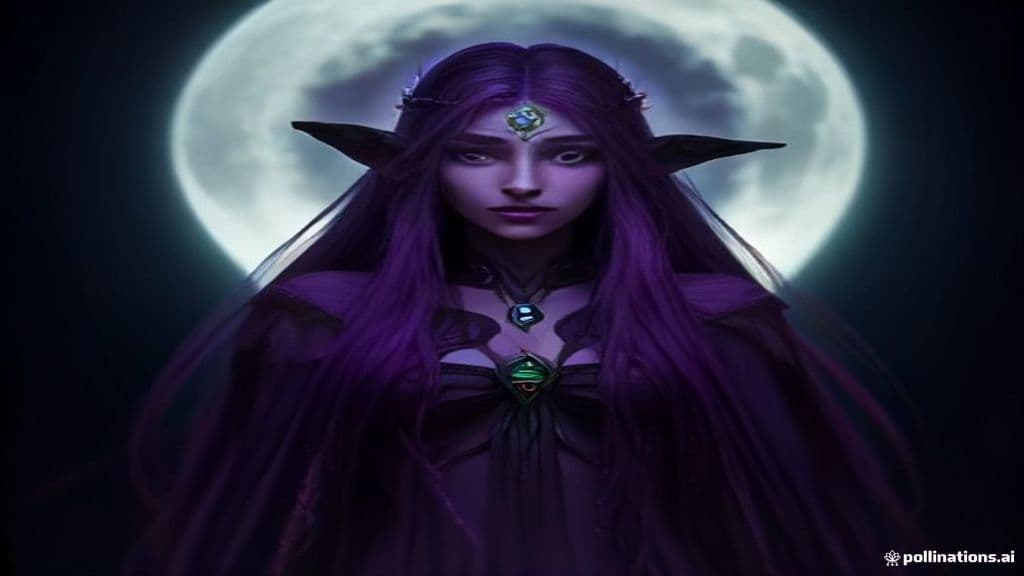
A fictional, long-lived, forest-dwelling humanoid people (called the Kaldorei, lit. 'Children of the stars') from Blizzard Entertainment's Warcraft setting, characterized by moon worship (Elune), druidic tradition, and a cultural emphasis on living in harmony with nature. Introduced as a playable race in Warcraft III and later World of Warcraft, they function as a full society rather than a single supernatural entity.

Night Hag
Lesser

Night Hag

A cross-cultural folkloric figure invoked to explain the experience now called sleep paralysis: an unseen nightly visitor said to sit upon or press down on sleepers, causing immobility, a sensation of weight on the chest, terror, and frightening dreams. The figure occupies different cultural forms (mare, karabasan, kana tevoro, Mokthi/Makthi, etc.) but functions as a common explanatory 'slot' linking the sleeping body to spirits, jinn, or the recently dead.

Night raven
Lesser

Night raven

A class of nocturnal raven-shaped folkloric presences from central and northern Europe variously described as giant raven-like birds, skeletal flying revenants, or revenant souls manifesting in bird form; associated with death, unquiet burials, and used in cautionary tales about children at night.

Nightmarchers (Huakaʻi Pō)
Lesser

Nightmarchers (Huakaʻi Pō)

In Hawaiian tradition, Nightmarchers (Huakaʻi Pō) are described as the deadly ghosts or spirit ranks (ʻoiʻo) of ancient tribal Hawaiian warriors. They are portrayed as an organized nocturnal procession that acts as the vanguard for a sacred king, chief, or chiefess.

Nikabrik
Lesser

Nikabrik

Nikabrik is a fictional Narnian dwarf known as the 'Black Dwarf' who appears in the film adaptation of The Chronicles of Narnia: Prince Caspian. Portrayed on screen by Warwick Davis in the film's behind-the-scenes material, he is one of the non-human Narnians who allies with Prince Caspian and the returning Pevensie monarchs in the quest to find Aslan and restore Narnia.

Nike
Lesser

Nike

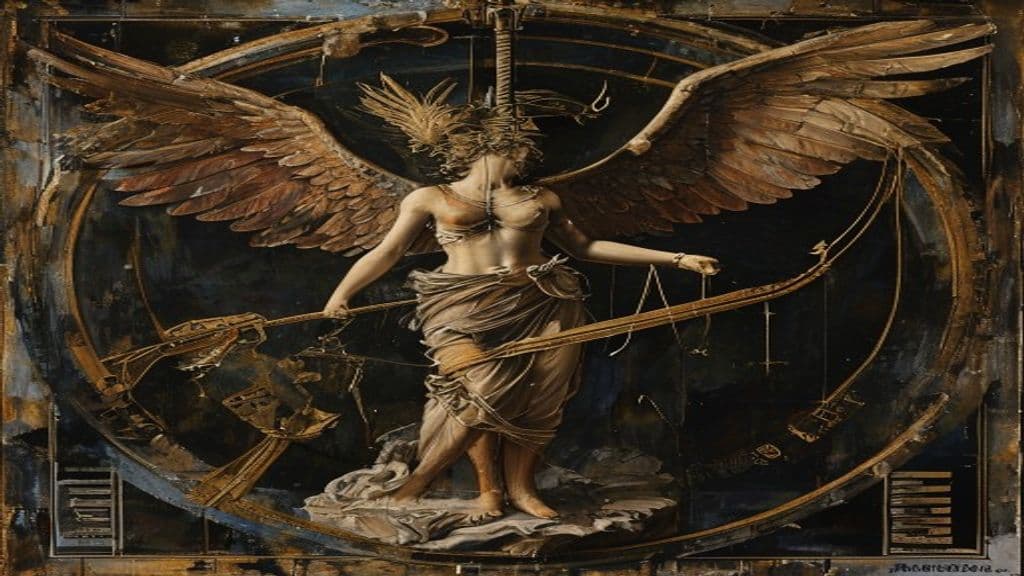
Nike (Greek: Νίκη, Nikē) is the personification of victory in ancient Greek tradition, represented in art and cult contexts as a winged female figure associated with triumph in military, athletic, and civic spheres.

Nikkal
Ancient

Nikkal

Nikkal is a Near Eastern goddess attested in Hurrian, Hittite and Ugaritic sources as the consort of local lunar deities (Kušuḫ/Umbu/Yarikh). She appears in Hurro‑Hittite offering lists and cultic processions and is derived from the Mesopotamian goddess Ningal.

Nila
Greater

Nila

Nila (Sanskrit: नील, Nīla; also spelled Neela) is a vanara chieftain in the Ramayana epic, described as commander‑in‑chief of the vanara army under Sugriva who leads troops in the war against Ravana and participates in the search for Sita and the building of the Rama Setu in some traditions.

Nilus
Greater

Nilus

Nilus (Greek: Νεῖλος, Latin: Nilus) is the Greek personification of the Nile River attested in classical genealogies as a son of Oceanus and Tethys and historically referenced as a river-deity who received cultic honors in Egypt, notably at Niopolis. The name also functions separately as a Christian personal name borne by several saints and clerics; those human bearers are distinct from the river-personification.

Nimi (King)
Greater

Nimi (King)

In Hindu mythology, Nimi is a king and ancestor of the Janaka lineage of Mithila. He serves as an early ruler of the Videha kingdom and is connected to the Suryavamsha dynasty. (Note: - Power tier should be Primordial (cosmic) given that he's considered an ancestor of the Suryavamsha dynasty and connected to Manu (a primeval deity in Hindu mythology). - Summary needs minor adjustme)

Nimintabba
Lesser

Nimintabba

Nimintabba is a Sumerian local goddess attested at the city of Ur, known primarily from a temple founded by king Shulgi circa 2100 BCE and from associated foundation deposits and a dedicatory inscription.

Nimrod
Ancient

Nimrod

Biblical figure and human king who defied God's authority, described as 'mighty' and rebellious. (Note: - Power tier should be Primordial, not Ancient, as it is unclear if he had supernatural or deity-level abilities. - Weaknesses should include 'hubris' or 'arrogance', which contributed to his downfall)

Ninagal
Minor Spirit

Ninagal

Ninagal (also spelled Ninagala) is a Mesopotamian deity regarded as a divine smith. He functions as the craftsman-god responsible for the fabrication and ritual preparation of cult statues and other temple paraphernalia and was associated with the artisan deities of the Mesopotamian pantheon.

Ninazu
Ancient

Ninazu

Ninazu is a Mesopotamian chthonic deity associated with the underworld, healing, snakes, and vegetation; his cult originated in Enegi and Eshnunna and appears in hymns, god lists, and incantations from the Early Dynastic through first-millennium traditions.

Nindara
Lesser

Nindara

Nindara is a localized Mesopotamian deity chiefly attested in the Lagash state and closely associated with the goddess Nanshe as her husband. He appears across administrative, hymn, and royal inscriptional contexts (Early Dynastic through Ur III/Neo-Sumerian) with cultic ties to Ki'esa, Girsu/Lagash and the site called Niĝun (Tell Zurghul). His character in the surviving record is modest and fragmentary, indicated mainly by epithets and offerings rather than extended mythology.

Nindub
Greater

Nindub

Nindub is a Mesopotamian deity attested in Early Dynastic and Ur III sources from Lagash/Girsu associated with ritual purification, lustration, and the preparation and consecration of temples. In literary texts (notably the Gudea cylinders) he functions as a divine ritual specialist who provides incense, performs lustration, and supplies a temple plan inscribed on lapis lazuli.

Ninduluma
Lesser

Ninduluma

Ninduluma (also attested as Ninildu in some sources) is a Mesopotamian deity associated with carpentry and the carpenters' craft, attested in offering lists and literary texts and primarily worshiped in or near the city of Zabalam.