Entity Index

A record of the unseen, drawn from world folklore.

7698 entities · page 55 of 129

Dybbuk
Primordial

Dybbuk

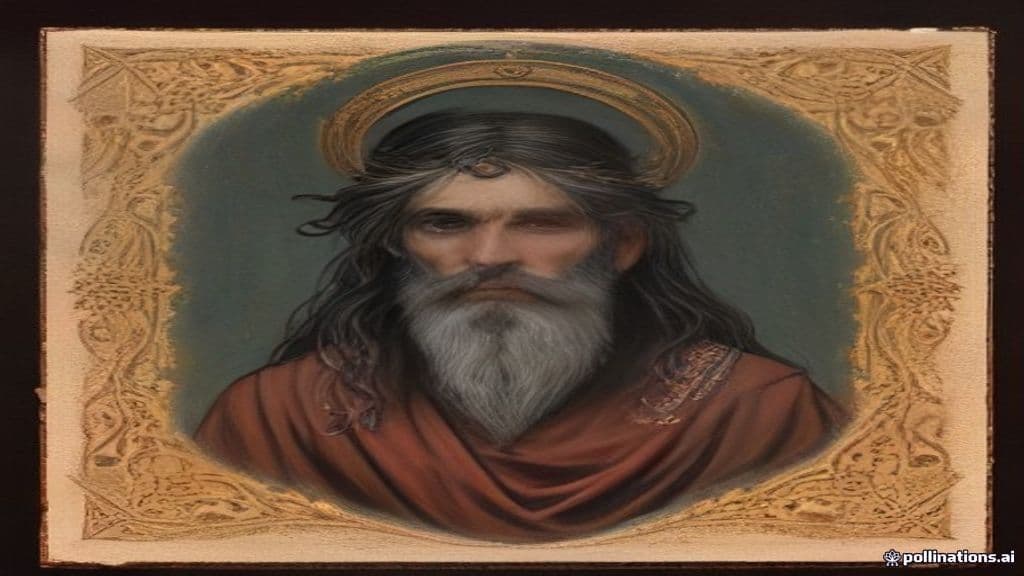
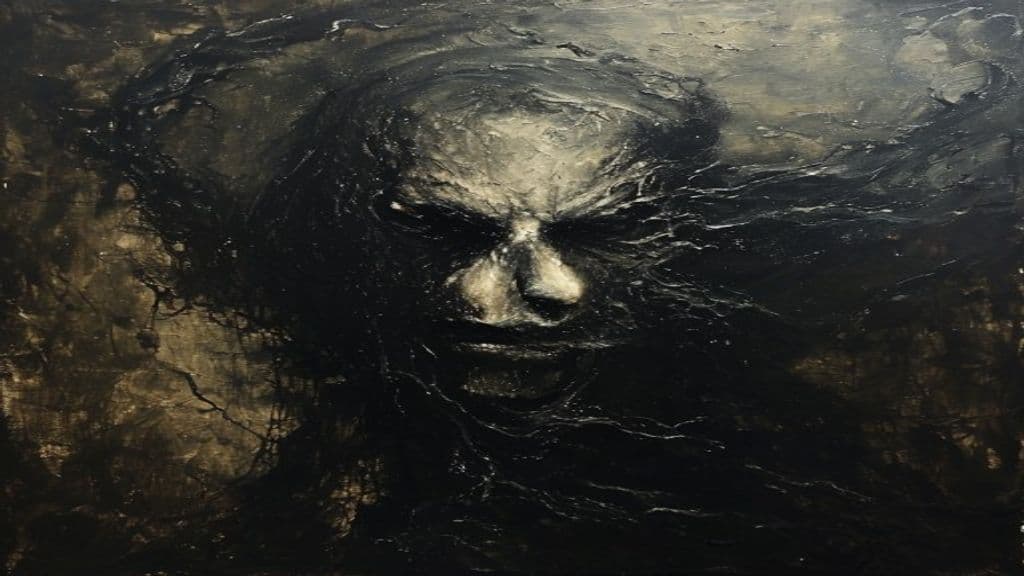
A malicious possessing spirit in Jewish mythology, believed to be the dislocated soul of a dead person. (Note: Power tier should be Lesser or Greater, not Primordial (the entity's power level seems too high for a dislocated soul). Origin story and Appearance sections are missing. Abilities should be more sp)
Dyesebel
Minor Spirit

Dyesebel

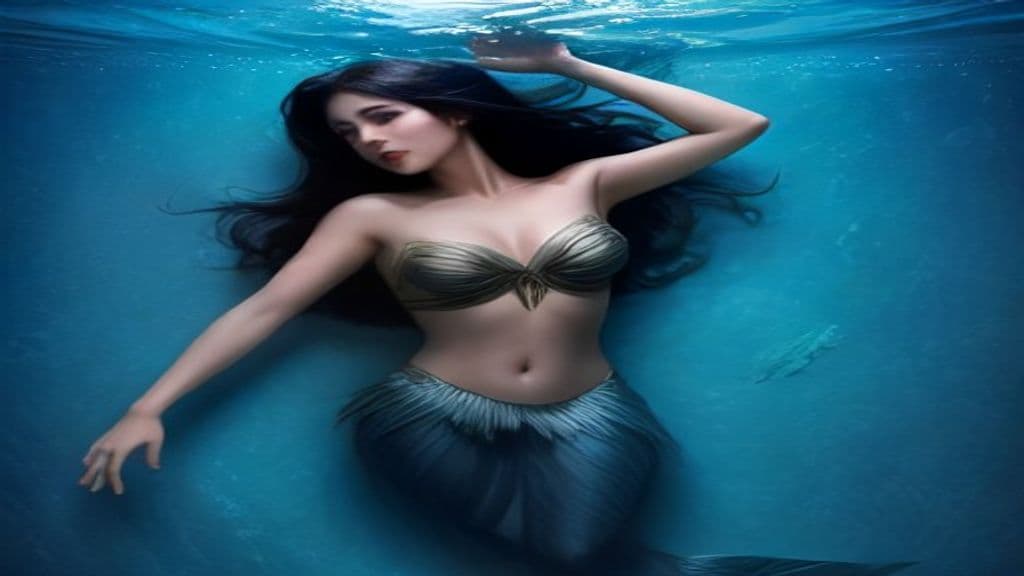
Dyesebel is a fictional Filipino comic-book mermaid character created by Mars Ravelo and drawn by Elpidio Torres, widely adapted into films and television. In her stories she inhabits the marine realm, interacts with humans (notably a love interest named Fredo), and in some versions gains full human form via a bargain with a sea-witch.

Dyggvi
Greater

Dyggvi

Dyggvi (Old Norse Dyggvi/Dyggve, glossed 'Useful, Effective') is presented in the Old Norse legendary-historical tradition as a Swedish king of the Yngling dynasty. He appears in genealogical and saga sources (Ynglingatal, Snorri Sturluson's Ynglinga saga, Historia Norwegiae, and the Íslendingabók succession list) and is said in later summary tradition to have died and become a concubine of Hel, the ruler of the dead.

Dying God (motif)
Ancient

Dying God (motif)

A comparative-mythology motif in which one or more deities die, are destroyed, or depart permanently from the world; used by scholars and popular writers to explain mythic themes of change, loss, fertility cycles, or cultural transition rather than denoting a single named being.

Dylan ail Don
Minor Spirit

Dylan ail Don

A mythological sea-being from the Fourth Branch of the Mabinogi (Welsh tradition), born to Arianrhod and immediately assuming the nature of the sea at his baptism; famed for swimming as well as the best fish and later slain by his uncle Gofannon.

Dymas
Lesser

Dymas

Dymas (Ancient Greek: Δύμας) is a personal name borne by multiple distinct mortal figures in ancient Greek epic and mythic traditions rather than a single supernatural being. Bearers of the name appear in narratives connected to the Argonautica, the Theban cycle, Dorian genealogies, Trojan War material, and the Odyssey; no consistent divine or liminal attributes are ascribed to them in the cited sources.

Dynamene
Lesser

Dynamene

Dynamene (Ancient Greek: Δυναμένη) is one of the Nereids in Greek mythology, a daughter of the sea-god Nereus and the Oceanid Doris. Her name is a participle meaning glossed as both “the bringer” and more precisely “she who can, the capable one,” and she is associated with the might of great ocean swells and with the ability to appear and disappear rapidly. She appears in Homer’s Iliad as one of the Nereids who comes to Thetis in her grief for Achilles.

Dyosa
Greater

Dyosa

Dyosa is a 2008 Philippine televised fantasy drama whose protagonist Josephine is portrayed in-series as the Takda (Chosen One), a predestined female figure of divine/supernatural origin who must restore balance between rival immortal factions. Within the show's internal cosmology, the Dyosa manifests elemental powers and transforms into three elemental forms to harness those powers.

Dyspontos
Minor Spirit

Dyspontos

Dyspontos (also attested in a cataloguing entry as Dysponteus) appears only in very limited genealogical material within Greek mythic traditions connected to the royal house of Pisa in the Peloponnesus. The surviving attestations treat the name as a minor mythic figure recorded in lineage lists with variant parentage rather than as a fully developed narrative character.

Dywel fab Erbin
Lesser

Dywel fab Erbin

Dywel fab Erbin is a minor heroic figure of medieval Welsh literary tradition: a son of Erbin, brother to Geraint and Ermid, and named among King Arthur's knights at Celliwig. He is attested in early Welsh poetry (the Black Book of Carmarthen and the Stanzas of the Graves) and in the Arthurian tale Culhwch ac Olwen, where his death in battle and the location of his grave at Caewaw/Caeo are recorded.

Dyēus
Ancient

Dyēus

Dyēus (reconstructed *Dyēus, extended *Dyēus ph₂tḗr) is the Proto-Indo-European scholarly reconstruction of a daylight-sky personification and sky‑father. In comparative accounts it functions as the bright daytime sky, seat of the gods, and a sovereign ordering principle inferred from descendant traditions (e.g., Vedic Dyauṣ, Greek Zeus, Roman Jupiter).

Dzahui
Ancient

Dzahui

Dzahui (also spelled Dzavui) is the Mixtec rain deity attested in Mixtec codices and brief modern summaries. He is depicted with Mesoamerican rain-deity iconography and was the recipient of extreme propitiatory offerings in times of drought, disease, and at harvest.

Dzedka
Minor Spirit

Dzedka

Dzedka is a benevolent figure of Belarusian folklore associated with wealth and fortune. Described as an old man who walks roads and fields by day, he is said to cause a passerby to sleep and later find money, and to appear in dreams to advise wealthy but unhappy people.

Dzidzileyla
Minor Spirit

Dzidzileyla

Dzidzileyla (variants Dzidzilela, Dzidzilelya, Didis Lela) is an alleged pre-Christian Polish goddess first recorded by the medieval chronicler Jan Długosz as a local equivalent of the Roman goddess Venus (goddess of marriage). Modern scholarship largely rejects her authenticity and interprets the theonym as likely arising from a misreading of fragments of folk songs rather than an attested cultic deity.

Dziwożona
Greater

Dziwożona

A malevolent supernatural entity associated with swamps in Slavic mythology. (Note: - The power tier should be Primordial because the Dziwożona is a powerful, malevolent entity associated with swamps and death. - The origin story summary should note that it's specifically female in S)

Dáin II Ironfoot
Lesser

Dáin II Ironfoot

Dáin II Ironfoot is a named Dwarven king and military leader of the Iron Hills in J. R. R. Tolkien’s legendarium, presented in sources as a kinsman of Thorin Oakenshield who brings reinforcements to the Lonely Mountain and who is reported to have warned that Moria remained dangerous because of Durin's Bane.

Dáinn
Lesser

Dáinn

Dáinn is a named figure in Old Norse poetic tradition variously listed among the dwarfs (dvergar) and invoked as an elven name in other contexts. Attested as an artisan-name in Hyndluljóð and as an onomastic/rune-related name in Hávamál, the name also appears attached to a legendary sword (Dáinsleif) and to a deer-shaped constellation in Norse stellar lore.

Dáire
Ancient

Dáire

Dáire is an Old Irish personal and ancestral name borne by multiple legendary figures in early Irish tradition; it functions as an eponymous ancestor and royal figure cluster associated with sovereignty, fertility/sexual potency, and martial/otherworldly associations rather than a single coherent supernatural being.

Déjanire
Lesser

Déjanire

Déjanire is the mortal wife of Heracles (Hercule) in classical myth as retold in modern French theatrical and operatic adaptations. In the cited materials she functions as a dramatic character whose act of giving a tunic soaked in Nessus's blood—presented to her as magically restorative but actually poisonous—precipitates Hercule's agonized death and apotheosis.

Dían Cécht
Greater

Dían Cécht

Dían Cécht is the professional healer of the Tuatha Dé Danann in medieval Irish myth. Presented as a master of remedies, salves, sacred wells, and prosthetic craft (notably the silver arm of Nuada), he functions as the gods' physician and head of a hereditary healing household.

Dís (dísir)
Greater

Dís (dísir)

In Norse/North Germanic tradition, a dís (pl. dísir) is a collective term for female supernatural beings whose roles range from protective ancestral spirits and fertility figures to fate‑linked women comparable to valkyries or norns; they are invoked in both private and public cult (notably the dísablót) and can be benevolent or hostile toward humans.

Dísir
Lesser

Dísir

In Norse tradition, the dísir are a class of female supernatural beings associated with fate, fertility, and the welfare of kin; they may be protective guardians of clans or ambivalent/hostile toward mortals and are venerated in rites called dísablót.

Dôn
Ancient

Dôn

Dôn is an ancestral matriarch in medieval Welsh legend, presented as the mother and progenitor of a named kin-group commonly called the 'Children of Dôn'. She functions as a genealogical and cosmological origin-figure whose household is mapped onto Welsh place-names and constellations.

Dökkálfar and Ljósálfar
Greater

Dökkálfar and Ljósálfar

In the Prose Edda framework these are two contrasted classes of álfar (elves): Ljósálfar ('light-elves') associated with luminous, upper heavens and described as “fairer than the sun,” and Dökkálfar ('dark-elves') associated with subterranean dwelling and described as “blacker than pitch.” Scholarly sources debate whether Snorri’s binary reflects older Norse ideas or a later, possibly Christian-influenced ordering and whether dökkálfar overlap with svartálfar or dwarfs.

Dúnedain
Lesser

Dúnedain

The Dúnedain are a lineage of Men in J. R. R. Tolkien's legendarium descended from the Edain and the Númenóreans. They are renowned for their long lifespans (in earlier generations), martial skill, keen senses, and historical role as rulers of Númenor and later as the kingdoms and rangers of Arnor and Gondor; the name in Sindarin literally means 'Men of the West.'

Dúrnir (Durnir)
Lesser

Dúrnir (Durnir)

Dúrnir (also spelled Durnir) is an Old Norse mythic proper name attested in skaldic verse and in later medieval name-lists. He is presented in the skaldic corpus and Dverga heiti as a dwarf-name but also appears in Snorri Sturluson’s Nafnaþulur among giant (jötunn) names, indicating fluid classification in the transmitted sources.

Dēdimunda Dēyiyō
Greater

Dēdimunda Dēyiyō

A locally venerated Sinhalese Buddhist guardian deity of Sri Lanka, regarded as a principal protector of the Buddha Śāsana and a tutelary figure invoked for healing, protection from spirits and epidemics, and assistance with fertility. His cult is institutionally centered at the Aluthnuwara Sri Dadimunda Devale and other regional devalayas.

Dīpankara Buddha
Ancient

Dīpankara Buddha

A Buddha of the past in Buddhist sacred history who, according to traditional narratives, recognized and predicted the future Buddhahood of the bodhisattva Sumedha (a previous life of Gautama/Śākyamuni). He is venerated in ritual contexts, represented in Asian Buddhist art, and commemorated in contemporary temple and festival practices.

Dīpaṅkara
Ancient

Dīpaṅkara

Dīpaṅkara is a Buddha of the past in Buddhist tradition, known chiefly for predicting that the bodhisattva Sumedha would in a future age become the Buddha Gautama. Placed in vast cosmological time, he functions as an exemplar and a source of prophetic recognition in Buddhist hagiography and later devotional practice.

Dōsojin
Lesser

Dōsojin

Dōsojin (道祖神) are local Shinto kami venerated as tutelary guardians of liminal places such as village boundaries, crossroads, mountain passes, bridges, and roads. Represented by stones, carved couples, phallic markers, poles, or syncretic Buddhist images, they are locally maintained to ward off wandering spirits, epidemics, and to promote fertility and safe passage.

Dʰéǵʰōm (Dheghom)
Primordial

Dʰéǵʰōm (Dheghom)

Dʰéǵʰōm (also reconstructed in some publications as *Pl̥th₂éwih₂) is the scholarly reconstruction of a Proto‑Indo‑European earth‑goddess — a personified, sacred principle of the ground and terrestrial world inferred by comparative linguistics and mythology rather than directly attested in any primary text.

E-Man
Greater

E-Man

E-Man is a fictional comic-book superhero created by writer Nicola Cuti and artist Joe Staton for Charlton Comics in 1973. Within his fictional universe he is presented as a sentient packet of energy — a 'cosmic being' — who acts as a wisecracking, light-toned crimefighter.

Ea (Enki)
Ancient

Ea (Enki)

Enki (Akkadian Ea) is a major Mesopotamian deity associated with wisdom, crafts, fresh subterranean waters (the Abzû/Apsu), magic, and incantations. He functions as a benefactor of humankind and rulers, a source of ritual and healing authority, and the divine ruler of the subterranean freshwater domain called the Abzû.

Each-Uisge
Lesser

Each-Uisge

The most dangerous water horse in Scottish Highland folklore — haunting sea-lochs and mountain lakes, more violent than the river kelpie, known for consuming its victims whole.

Eacus (God)
Primordial

Eacus (God)

Weather god associated with forces of nature in Basque tradition. (Note: * Power tier should be Ancient, not Primordial, as Eacus is described as a specific god associated with a particular region (Iberian Spain) rather than a cosmic entity. * The article should indicate t)

Eadgils (Aðils / Adils)
Lesser

Eadgils (Aðils / Adils)

Eadgils is a semi-legendary 6th-century Swedish king of the Yngling/Skilfing dynasty attested in Old Norse skaldic poetry and sagas and in the Anglo-Saxon epic Beowulf. Sources present him as a dynastic figure whose exile, restoration, and conflicts (notably with Onela/Áli and later associations with Hrólfr Kraki) explain succession and inter-kingdom violence; he is treated as a mortal ruler rather than a supernatural being.

Eagle (Middle-earth)
Greater

Eagle (Middle-earth)

In J. R. R. Tolkien’s legendarium, the Eagles or Great Eagles are exceptionally large avian beings depicted as more than ordinary animals: described in some sources as 'spirits in the shape of hawks and eagles,' they act with intelligence and occasional independent agency, intervening episodically in key events as rescuers or omens.

Eanmund
Lesser

Eanmund

Eanmund is a semi-legendary Swedish prince of the Scylfing dynasty attested in the Old English epic Beowulf. Portrayed as a mortal claimant to the Swedish throne whose exile and death precipitate inter-kingdom conflict and later vengeance by his brother Eadgils, he functions as a genealogical and political figure within the Scandinavian heroic cycle rather than a supernatural being.

Earth Mother
Primordial

Earth Mother

An archetypal mother-goddess category personifying the earth, nature, fertility, and life-giving forces; presented in comparative sources as a generative, sustaining cosmological figure often paired with a complementary sky/father principle and invoked in both ancient mythic frameworks and contemporary political-environmental discourse.

Earth deity
Ancient

Earth deity

An earth deity is the personification or deification of the Earth in a culture's cosmology, often tied to fertility, the ground/land, chthonic or underworld aspects, and communal protection of territory or Dharma. Specific named examples include Papa (Polynesian/Maori), Geb (ancient Egyptian), and Prithivi (in Buddhist textual contexts).

Earth goddess
Ancient

Earth goddess

A deity or personification of the Earth associated with chthonic, fertility, and terrestrial attributes. Earth goddesses function across cultures as sources of life and material sustenance and are often linked to underworld or maternal roles within cosmologies.

Easter Bunny (Easter Hare / Osterhase)
Minor Spirit

Easter Bunny (Easter Hare / Osterhase)

A folkloric figure originating in German-speaking communities, depicted as an anthropomorphic hare or rabbit that brings or hides decorated eggs and treats for children at Easter. Functioning in domestic and seasonal custom rather than liturgy, the figure was historically associated with child-focused gift-giving and moral evaluation and was popularized in visual culture from the 19th century onward.

Easter witch (påskkärring / påskhäxa / trulli)
Lesser

Easter witch (påskkärring / påskhäxa / trulli)

A Swedish and Finnish folkloric figure of an old-woman witch associated with Holy Week who, in traditional belief, flies on brooms to a diabolic gathering at Blåkulla/Blockula on Maundy Thursday and returns at Easter; in modern practice the image has become a benign costume tradition in which children dress as witches to go door-to-door for greetings and treats.

Eate, Storm God in Basque Tradition
Greater

Eate, Storm God in Basque Tradition

Eate is a storm god worshipped by the ancient Basques, associated with powerful weather events and control over fire and ice. (Note: - Power tier should be Ancient, as the source describes Eate as a "storm god", implying a more deity-level power. - Abilities: add "possibly" is unnecessary; rephrase to make it clear that control ove)

Ebisu
Lesser

Ebisu

Ebisu (also Yebisu) is a deity in Japanese tradition identified in the provided sources as a god of fishers and of luck. The available references are brief and primarily state his functional associations and the modern cultural reuse of his name.

Ebu Gogo
Lesser

Ebu Gogo

A set of small humanlike beings in the oral tradition of the Nage people of central Flores, Indonesia, remembered in village tales as short, hairy, gluttonous dwellers of caves and forests who interacted with humans in ancestral times. Some researchers have hypothesized a link between these tales and the fossil hominin Homo floresiensis, but that connection is debated.

Ecbasus
Lesser

Ecbasus

Ecbasus (Greek: Έκβασος) is a minor figure in Greek mythic genealogies, presented as a son of Argus and an ancestor within the ruling houses of Argos. He functions primarily as a connective ancestral link between better-known mythic figures (Argus, Agenor, Argus Panoptes, Pelasgus) rather than as an active heroic or supernatural agent.

Ece
Minor Spirit

Ece

Ece is documented in the provided sources primarily as a Turkish feminine personal name meaning "queen." A single cross-reference in the material links the name to Umay (noting Umay is "also known as Ece"), but the supplied sources do not provide mythic narratives, attributes, or rituals for a supernatural entity called Ece.

Ecgþēow
Lesser

Ecgþēow

Ecgþēow is a human figure in the Old English poem Beowulf, presented as the father of the hero Beowulf and a member of the Wægmundings. He functions in the poem as an exemplar of warrior status, kin obligations, and the social mechanisms (wergild, exile, fosterage, and oath‑bonding) that settle blood‑feuds and create inter‑household loyalties.

Echekles
Minor Spirit

Echekles

Echekles is an attested ancient Greek personal name appearing in epigraphic records and later mythographic summaries. He is recorded as a property-holder in an inscription (Syll 610), listed among names on a choregic dedication (IG I3 969, ca. 440 BC), and in secondary mythographic compilations is named as husband of Polymele and stepfather who raised Eudoros.

Echemela
Lesser

Echemela

Echemela is a variant personal name attested in Greek mythographic and commentarial traditions as the wife (bride) of Megapenthes, the illegitimate son of Menelaus. The name appears alongside other onomastic variants (Iphiloche, Echemelos) in manuscript and commentary transmissions rather than as an independent supernatural figure.

Echemmon
Lesser

Echemmon

Echemmon is a minor figure in Greek mythic tradition, presented in source catalogues as a son of King Priam of Troy and a Trojan warrior who was slain during the Trojan War. Variant traditions differ over which Greek hero slew him, and a possibly distinct minor figure of the same name is elsewhere recorded as a friend of Thoas killed by Eurypylus of Mysia.

Echemus
Lesser

Echemus

Echemus (Ancient Greek: Ἔχεμος) is a heroic ancestral king of Tegea in Arcadia from Greek myth and local Tegean tradition. Remembered chiefly for killing Hyllus in single combat and for being victor in wrestling at the games said to have been established by Heracles, Echemus functions as a civic founder-hero invoked to justify Tegean precedence and martial reputation.

Echephron
Lesser

Echephron

Echephron (Ancient Greek: Ἐχέφρων) is a personal name borne by multiple mortal figures in Greek mythic genealogies: a son of Nestor of Pylos, a son of Priam of Troy, and a son of Heracles and Psophis associated with a local place-name change. The name functions in sources as a conventional human patronymic/eponym rather than a supernatural being.

Echepolus
Lesser

Echepolus

Echepolus is a named Trojan warrior attested in the Homeric epic tradition (Iliad, Book IV). He is recorded as a battlefield combatant who is killed by the Achaean warrior Antilochus; his brief appearance functions as one of many Homeric death-notes that individualize the mass slaughter of war.

Echetus
Lesser

Echetus

Echetus (Ancient Greek Ἔχετος) is a notorious legendary king in the Homeric tradition invoked in the Odyssey as the archetype of extreme cruelty and punitive maiming. Presented in primary summaries as a human ruler from the mainland opposite Ithaca, his name functions rhetorically in the epic as a terror-invocation rather than as a described supernatural being.

Echidna
Ancient

Echidna

The 'Mother of Monsters' — half beautiful woman, half enormous serpent — who with Typhon gave birth to nearly every great monster of Greek mythology.

Echion
Greater

Echion

Echion (Ancient Greek: Ἐχῑ́ων, gen.: Ἐχίονος, from ἔχις 'viper') is a personal name applied to multiple distinct figures in Greek myth: a Gigante, one of the Spartoi (sown men) associated with Cadmus and Thebes, an Argonautic hero son of Hermes, a Greek warrior at Troy, and a suitor of Penelope. The surviving summaries treat these as separate mythic persons who appear across foundation myths, heroic-age epics, and local foundation legends.

Echo
Minor Spirit

Echo

Two distinct referents share the English name "Echo": (1) an acoustic phenomenon — the delayed reflection of sound returning to a listener; and (2) Echo, a figure in Greek myth described in the sources as a mountain nymph cursed so she could only repeat the last words spoken to her. The supplied materials treat these as separate usages linked etymologically but do not merge them into a single cosmology.

Echtra Cormaic
Lesser

Echtra Cormaic

A tale in Irish mythology recounting the journey of high-king Cormac mac Airt to the Land of Promise, a realm associated with Manannán mac Lir. (Note: 1. The source does not mention Echtra Cormaic's power tier, so it should be removed or marked as unknown. 2. Add an appearance description based on Irish mythological descriptions of high-king Cormac )