Buddhist Supernatural Beings

258 documented Buddhist supernatural beings from the Evil Eye grimoire, including 82 greater and 69 ancient in power tier.

page 5 of 5

Vasudhārā
Greater

Vasudhārā

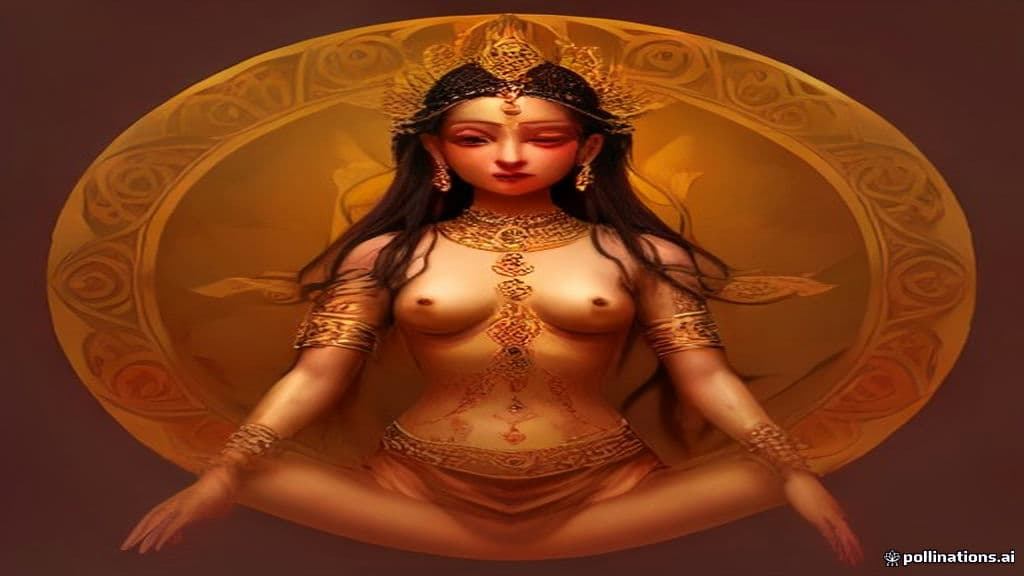
Vasudhārā is a Buddhist goddess/bodhisattva associated with wealth, prosperity, and abundance, particularly venerated in Newar Buddhism of the Kathmandu Valley. Her name means "stream of gems" in Sanskrit and she is sometimes called "Gold Tara."

Vidyārāja (Myō-ō / Wisdom King)
Greater

Vidyārāja (Myō-ō / Wisdom King)

A class of wrathful, protective figures in East Asian Esoteric (Vajrayāna/mikkyō) Buddhism identified by the Sanskrit term Vidyārāja ("knowledge/spell-king") and commonly rendered in Japanese as Myō-ō. They function as fierce guardians, ritual enforcers of esoteric doctrine, and mandalic emanations tied to buddhas and tantric functions.

Vinayaki
Greater

Vinayaki

Vinayaki (Vināyakī) is an elephant-headed female divine figure found across South Asian traditions. She appears variably as the feminine shakti or counterpart of Ganesha, as one of the Matrikas or as a yogini in Tantric lists, and in some Buddhist and Jain contexts as an autonomous goddess; surviving texts and images present multiple, sometimes conflicting identities.

Vināyaka / Ganapati (Ganesha in Buddhism)
Greater

Vināyaka / Ganapati (Ganesha in Buddhism)

A Buddhist tantric deity known variously as Vināyaka, Vighnāntaka, Gaṇapati, tshogs bdag (Tibetan) and Kangiten/Shōten (Japanese). Integrated into Mahāyāna and Esoteric Buddhist cosmologies, he functions as a remover and subjugator of obstacles, protector, and occasional wealth/pleasure‑granting figure and is often treated as an emanation of bodhisattvas such as Avalokiteśvara or of Vairocana.

Vishnu in Buddhism
Primordial

Vishnu in Buddhism

A deva and protector of the Dharma, revered as Upulvan in Sri Lankan Buddhism. (Note: - Power tier: Lesser (Vishnu's role is as a protector of the Dharma, but not described as cosmic or deity-level) - Appearance: The draft article correctly notes that Upulvan/Vishnu's physical descript)

White Dragon Horse
Greater

White Dragon Horse

A dragon prince from the West Sea who, after punishment and Guanyin's intervention, is transformed into and serves as Tang Sanzang's steed in the 16th‑century Chinese novel Journey to the West; by the pilgrimage's end he is ordained as a bodhisattva and resumes dragon status in a temple role.

White Tara
Greater

White Tara

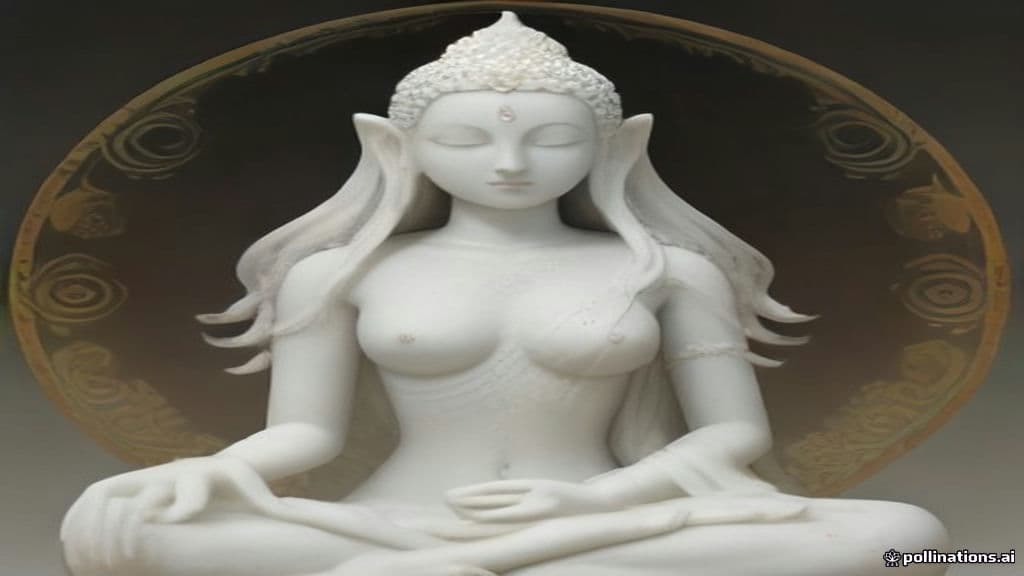
White Tara (Skt. Sītā Tārā; Tib. Jetsün Dölma) is a principal form of the bodhisattva/buddha Tara in Mahāyāna and Vajrayāna Buddhism, venerated as an enlightened female meditation deity associated with long life, healing, and the pacification of disease and defilement. She is invoked in mandala visualization, mantra recitation, and initiation/empowerment practices.

Wind Horse
Minor Spirit

Wind Horse

In Mongolian shamanistic tradition, the Wind Horse is a symbolic representation of the human soul associated with flight and liberation. (Note: 1. Power tier should be Greater (its association with flight, liberation, and being in the center of cardinal directions suggests deity-level abilities). 2. Appearance is not explicitly described, but)

Wisdom King (Vidyārāja / Myōō / Míngwáng)
Greater

Wisdom King (Vidyārāja / Myōō / Míngwáng)

A class of wrathful, fearsome deities in East Asian Vajrayana (esoteric) Buddhism conceived as embodiments or personifications of vidyā (esoteric wisdom, mantras, and dharanis). They function as guardians and pedagogical agents who protect adherents, remove obstacles, and transform passions into wisdom, and are variously depicted as attendants to or fierce manifestations of buddhas and bodhisattvas.

Wrathful Deities
Greater

Wrathful Deities

In Mahayana and especially Vajrayana Buddhism, wrathful deities are fierce or wrathful forms (Tibetan: trowo; Sanskrit: krodha) of enlightened Buddhas, Bodhisattvas, or Devas. They function as protectors and transformative meditational yidams whose terrifying imagery is a skillful means (upaya) to remove obstacles, protect the Dharma, and transform afflictive emotions into wisdom.

Yaksha
Greater

Yaksha

Nature spirits of Hindu, Buddhist, and Jain cosmology — guardians of forests, treasures, and wilderness. Ambivalent beings, capable of great benevolence to the respectful and terrible harm to the greedy.

Yakshi
Lesser

Yakshi

A class of female nature-spirits in South Asian religious and folk traditions associated with sacred groves, fertility, and the liminal boundaries of sacred enclosures. Represented in Hindu, Buddhist, and Jain contexts and in regional folklore, with archaeological and artistic attestations dating to antiquity.

Yakshini
Greater

Yakshini

Semi-divine female nature spirits of enormous power — guardians of trees, forests, and buried treasure, described in Hindu, Buddhist, and Jain traditions alike. The 36 Yakshinis of the Uddamareshvara Tantra can be propitiated for wealth, beauty, and supernatural alliance — or angered to devastating effect by those who harm their trees.

Yama (King of the Dead)
Ancient

Yama (King of the Dead)

Yama (Sanskrit: Yamarāja; Chinese: 閻魔/閻王/閻羅王, Yánmó/Yánwáng/Yánluó Wáng) is a death‑king and judicial official in Buddhist cosmologies who presides over Naraka and the adjudication of post‑mortem karmic retribution. In East Asian Buddhist popular religion he is incorporated into a Ten Kings/purgatorial itinerary central to funerary and ancestral rites.

Youdu
Primordial

Youdu

Capital city of Hell or Diyu in Chinese mythology, surrounded by darkness. (Note: - The power tier should be Ancient (deity-level) instead of Primordial (cosmic), as Youdu is described as the capital of Hell, not a fundamental aspect of the universe. - The abilities listed are corr)

Yūrei
Lesser

Yūrei

Yūrei (幽霊) are spirits of the dead in Japanese folklore who remain bound to the world of the living rather than having completed transition to an afterlife. They are a culturally specific category of ghost/spirits, often discussed alongside related terms such as bōrei and shiryō and appearing widely in literary, visual, and local legend contexts.

Ādi‑Buddha (tradition)
Primordial

Ādi‑Buddha (tradition)

The Ādi‑Buddha is a tantric Mahāyāna concept of the primordial or 'first' Buddha that functions as the dharmakāya or ground of awakened mind. In Tibetan traditions it is variously personified (e.g., Samantabhadra, Vajradhāra, or the Kalachakra figure) and is principally a doctrinal and meditative focus rather than a theistic creator god.

Ākāśagarbha
Greater

Ākāśagarbha

A Mahāyāna bodhisattva personifying the element of space (ākāśa) revered across Chinese, Japanese, Korean and Tibetan esoteric traditions as a treasury of boundless wisdom; traditionally invoked by dhāraṇī, mantra and visualization practices—most famously in the Gumonjihō—for memory, learning, purification and the fulfillment of requests.