Buddhist Supernatural Beings

258 documented Buddhist supernatural beings from the Evil Eye grimoire, including 82 greater and 69 ancient in power tier.

page 3 of 5

Ikiryō
Greater

Ikiryō

In Japanese belief and classical literature, an ikiryō (生霊, lit. 'living spirit') is the soul or spirit of a living person that leaves the body and manifests elsewhere, sometimes haunting, possessing, or affecting others; it is distinct from the spirit of the dead (shiryō) and is variously tied to strong emotions, portents of death, or possession.

Inari Ōkami
Ancient

Inari Ōkami

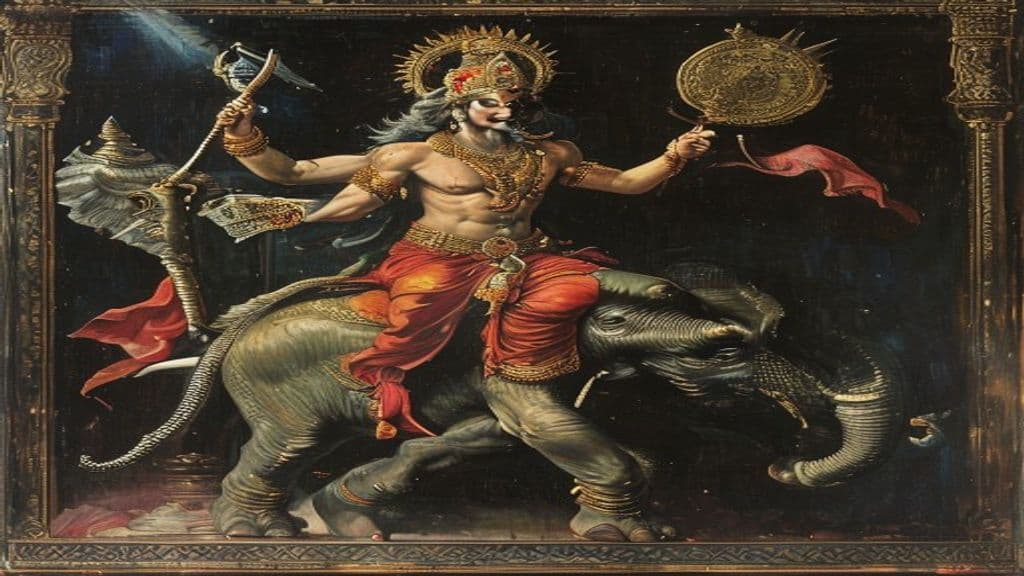
Inari Ōkami is a major Shinto kami primarily associated with rice cultivation, fertility, food, and general worldly prosperity; over time Inari's patronage expanded to trades such as swordsmithing and commerce, and the figure is syncretically identified with various Buddhist and Shinto deities. Inari is venerated at thousands of shrines across Japan and is closely tied to white foxes (kitsune) who act as messengers in popular belief.

Indra
Ancient

Indra

Indra is a major Vedic deity, king of the devas and lord of Svarga (heaven), associated primarily with the sky, storms, lightning, rain, rivers and martial heroism; he is central in the Rigveda and later appears across Hindu, Buddhist and Jain cosmologies with varying status.

Jakar
Ancient

Jakar

The supplied sources do not document a discernible Assamese land/forest spirit or protector-deity named Jakar. The name appears in the materials as (a) a Bhutanese place-name whose foundation myth involves a roosting white bird, (b) a French-language fictional character fragment, and (c) as part of modern personal-name usage in an Indian gazette; none of these sources provide ethnographic evidence for an Assamese supernatural being called Jakar.

Japanese dragon
Greater

Japanese dragon

A class of large serpentine beings in Japanese myth that function variously as water deities, regional kami, Buddhist nāga/dragon kings, and shapeshifting supernatural creatures associated with seas, rivers, rain and related powers.

Jurōjin
Lesser

Jurōjin

Jurōjin (寿老人) is one of the Seven Gods of Fortune (Shichifukujin) in Japanese popular religion and art, functioning as the personification and auspicious deity of longevity and wisdom. A syncretic figure derived from the Chinese Taoist 'Old Man of the South Pole,' he appears in painting, sculpture, and small devotional objects from the Muromachi–Edo periods onward.

Jātaka stories (Buddhist mythology)
Primordial

Jātaka stories (Buddhist mythology)

The Jātaka stories are a collection of Buddhist tales that recount the past lives of the Buddha Gautama, highlighting his virtues and spiritual development. (Note: 1. Power tier should be changed to "Greater" since it's a deity-level being but not cosmic. 2. Origin story needs clarification that these stories are meant to convey moral teachings, not supernatural)

Kaal Bhairav
Ancient

Kaal Bhairav

Kaal Bhairav (Kāla Bhairava, Kalabhairava) is a fierce Shaivite manifestation of Shiva associated with Time (kāla), death, guardianship, and punitive justice. Worshipped in Hindu and some Vajrayāna Buddhist tantric contexts, he functions as a guardian, enforcer and protector who is propitiated by devotees through mantras, puja and yantra practice.

Kala Rau (unattested in supplied sources)
Minor Spirit

Kala Rau (unattested in supplied sources)

The name 'Kala Rau' does not appear in the supplied source set. Materials provided instead document the Javanese/Balinese lunar goddess Dewi Ratih and general features of Balinese mythology; any association of the name Kala Rau with these traditions is not supported by the supplied texts and therefore remains unverified.

Kalaviṅka
Lesser

Kalaviṅka

A Buddhist fantastical creature described as a human-headed, bird-bodied being famed for its exquisite, Dharma-preaching voice; represented across South, East, and Southeast Asian Buddhist art and liturgical contexts with regional iconographic variation.

Kalki
Ancient

Kalki

Kalki (Sanskrit: कल्कि), also Kalkin, is the prophesied tenth and final avatāra of the Hindu god Viṣṇu who is foretold to appear at the end of the Kali Yuga to destroy unrighteousness (adharma) and inaugurate a renewed Satya Yuga. Described across Purāṇic texts and in an adapted form in Buddhist Kalacakra literature, Kalki is a future-oriented martial divine figure who ends a degenerate cosmic age and restores dharma.

Kangiten (Shōten / Vinayaka)
Greater

Kangiten (Shōten / Vinayaka)

Kangiten (歓喜天; also Shōten/聖天) is the Japanese esoteric Buddhist reception of the Indian Vinayaka/Ganapati figure. Historically described as an obstructive vinayaka, Kangiten was reinterpreted in Shingon and Tendai tantric contexts as a powerful, ambivalent protector who both removes impediments when propitiated and may punish if mishandled.

Karura
Greater

Karura

A Japanese Buddhist divine creature with a human torso and avian head, derived from the Sanskrit garuḍa. Portrayed as an enormous, fire-breathing predator of serpents and incorporated into Buddhist guardian retinues and ritual-iconographic contexts in Japan.

Kashyapa
Primordial

Kashyapa

Kashyapa (Sanskrit: Kaśyapa; Pali: Kassapa) is a revered ancient rishi in Vedic–Hindu literature and is also recognized in Buddhist canonical lists. Portrayed as a composer of some Rigvedic hymns, head of a Soma hymn school, and a progenitor in Puranic genealogies, he functions as an archetypal ancestral seer and culture‑founder associated especially with Kashmir.

Kassapa (name-group: Buddha, ascetics, and rulers)
Lesser

Kassapa (name-group: Buddha, ascetics, and rulers)

Kassapa appears in South and Southeast Asian sources as a personal name borne by distinct figures: a canonical Buddha (Kassapa / Kassapa Dasabala), a set of ascetic brothers (Uruvelā‑Kassapa, Nadi Kassapa, Gaya Kassapa) who led monastic followings, and historical rulers (e.g., Kassapa II of Anuradhapura, Kumara Kassapa of Pagan). The supplied material treats Kassapa as reused personal/name‑title across religious and secular contexts rather than a single supernatural spirit.

Kechaikhati
Ancient

Kechaikhati

Kechaikhati (also spelled Kecaikhati) is described in the source as a powerful tribal goddess venerated at the Tamreswari temple near Sadiya in Assam. Her cult was maintained by non‑Brahmin Deori priests and is reported in the source to have been identified locally with the category Pishasi and sometimes paralleled with the Buddhist deity Tara among Bodo‑Kachari groups.

Keneō
Lesser

Keneō

Keneō (懸衣翁), literally "clothes hanging old man," is an underworld attendant in Japanese popular Buddhist tradition who sits at the edge of the Sanzu River. Described in sources as an Oni-like figure, he receives the garments of arriving souls, hangs them on a riverside branch whose bend registers the weight of sin, and participates with Datsue-ba in postmortem punishments.

Khan Garuda
Ancient

Khan Garuda

Khan Garuda (Garuda) is a divine avian being from Indic religious cosmology, principally known as the mount (vahana) and attendant of the god Vishnu. The figure appears across Hindu, Buddhist, and Jain textual traditions and is embedded in mythic genealogies as a son of Kashyapa and Vinata and brother of Aruna.

Kim Gyo-gak
Greater

Kim Gyo-gak

A historical Silla prince who became a Buddhist monk and is believed by Mount Jiuhua monks to have been the terrestrial manifestation (reincarnation) of the bodhisattva Ksitigarbha (Chinese: Jijang). His life at Mount Jiuhua is credited with transforming the mountain into a major Ksitigarbha sacred site.

Kinnaree
Minor Spirit

Kinnaree

A benevolent hybrid figure from Hindu-Buddhist myth, presented in Thai tradition as a part-human, part-bird being closely associated with music, love, beauty, and the protection of humans. The motif persists in modern Thai cultural life as decorative and symbolic imagery.

Kisshōten
Greater

Kisshōten

Kisshōten is the Japanese veneration of the female devi Śrīmahādevī—identified with the Indic goddess Lakṣmī—appearing in Mahāyāna Buddhist contexts. In East Asian Buddhist reception she is treated as a protective deity whose mantra and vows in the Golden Light Sūtra promise safeguarding to ordained practitioners who uphold and teach that sutra.

Kompira (Konpira / Konpira Gongen)
Lesser

Kompira (Konpira / Konpira Gongen)

Kompira (Konpira, Konpira Gongen) is a locally venerated Japanese protective deity associated primarily with the sea, sailors, and seafaring safety. Centered on the mountain Kotohira in Kagawa Prefecture, the cult is syncretic—embedded in Shinto shrine practice, Shugendō asceticism, and historically described in some texts with Buddhist identifications or foreign-origin narratives.

Kubera
Ancient

Kubera

Kubera is the Hindu deity associated with wealth and the lord-king of the semi-divine yakshas, serving as the regent (dikpala) of the north and a protector of the world. His character evolves in textual history from a chief of evil spirits in Vedic sources to a respected lokapala and patron of wealth in later Puranic and epic literature.

Kumbhāṇḍa
Lesser

Kumbhāṇḍa

Kumbhāṇḍas are a class of dwarfish, misshapen lesser deities or spirit-entities in Buddhist cosmology, commonly listed among the retinues of the Four Great Kings and placed under the Guardian of the South (Virūḍhaka). Their name and traditional imagery link them to gourd- or pot-like bodily forms.

Kṣitigarbha
Ancient

Kṣitigarbha

Kṣitigarbha (Sanskrit: क्षितिगर्भ; Chinese 地藏 Dìzàng; Japanese 地蔵 Jizō) is a Mahāyāna bodhisattva primarily venerated in East Asian Buddhism, known for a great vow to instruct and liberate beings in the six realms after the historical Buddha's parinirvāṇa and to postpone his own Buddhahood until all hells are emptied. He is central to funerary and memorial practice in East Asian temples and, in some regional adaptations, a guardian of children and deceased or aborted fetuses.

Lha
Greater

Lha

Lha is a Tibetan term used in Buddhist and related Himalayan contexts to denote local or regional deities and divine presences that have been incorporated into the ritual and popular religion of Tibet and neighbouring areas. The category overlaps with indigenous spirits and classical Buddhist beings (devas, yakshas) and functions within ritual life as objects of veneration, territorial sacralization, and protective or beneficent cult practice.

Longnü (Buddhist Tradition)
Greater

Longnü (Buddhist Tradition)

Companion and acolyte of the bodhisattva Guanyin, associated with salvific aspects. (Note: 1. Power tier should be Ancient, as she is an acolyte and companion of a bodhisattva, implying significant spiritual authority. 2. Add sensory cues (e.g., sound of gentle waves or soft chanting) that )

Lākhe
Lesser

Lākhe

Lākhe (Nepal Bhasa: लाखे, lā-khé) is a type of demon in Newar (Kathmandu Valley) folklore. Lākhe appear as ferocious masked figures in public festival performances; some named Lākhe, notably Majipa Lakhey, are ritually worshipped and function as civic protectors during festivals such as Yenya (Indra Jatra) and Gunla.

Ma Da (ma đói) — Vietnamese "hungry ghost"
Minor Spirit

Ma Da (ma đói) — Vietnamese "hungry ghost"

The supplied source corpus does not contain ethnographic or textual descriptions of Ma Da (ma đói) in Vietnamese tradition. Only two relevant fragments appear: the Vietnamese name for the Nīlakaṇṭha Dhāraṇī (Chú đại bi / Đại bi tâm đà la ni) and a note that auspicious/inauspicious days are recognized in Vietnam. No direct sourced information about ma đói’s attributes, rituals, or role is present in the provided materials.

Mahasona
Greater

Mahasona

Mahasona (also Maha Sohona, Mahā Sōnā) is a major cemetery-associated spirit in Sinhalese/Sri Lankan folklore described in sources as "the greatest demon" or "god or demon of the cemetery." He is feared as an agent of sudden death and disease and figures prominently in Sinhalese exorcism ceremonies and in ritual mask traditions.

Mahavidya (the Ten Great Wisdoms)
Ancient

Mahavidya (the Ten Great Wisdoms)

The Mahavidya (Sanskrit: Mahāvidyā, "Great Wisdoms") are a canonical group of ten distinct goddesses or facets of the Divine Mother in post‑Puranic Shakta/Tantric traditions. They function as salvific, often paradoxical modes of Adi Parashakti (variously Mahākālī or Tripura Sundarī) and are central to Tantric sādhanā, yogini worship, and cross‑currents with Shaiva, Vaiṣṇava and Vajrayāna Buddhist practices.

Maheshvara
Ancient

Maheshvara

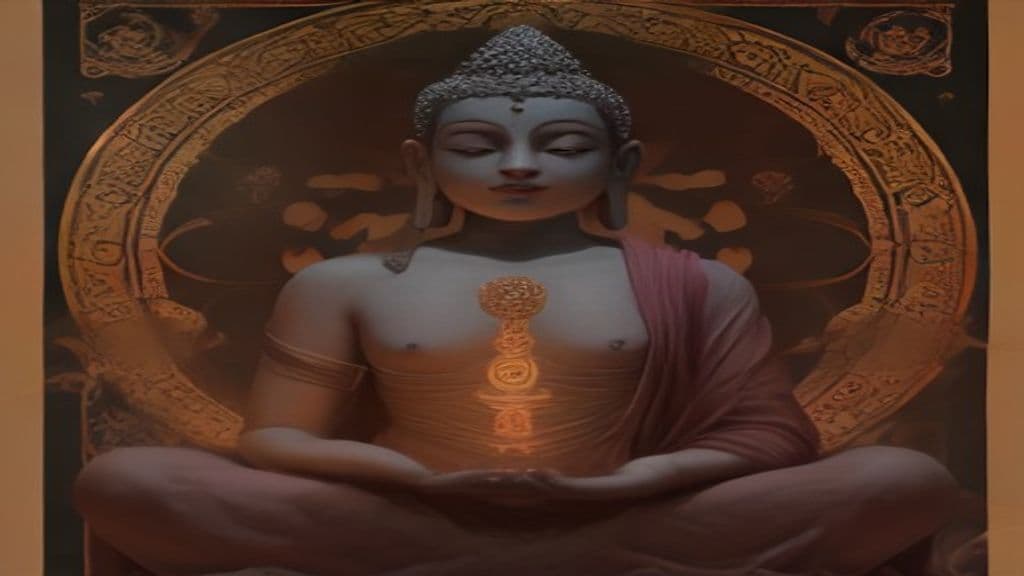
Maheshvara is a Sanskrit-derived divine name meaning "Great Lord" used in Hindu/Shaiva theology as an epithet of Shiva and, in certain Buddhist commentarial texts, as the name of a powerful deva who presides over the Maheshvara Heaven (the "Great Heaven of Ease"). The figure's theological status differs by tradition: in Shaivism Maheshvara functions as a principal divine identity of Shiva, while in Buddhist cosmologies he is represented as a great sovereign deity within a multi-tiered pantheon.
Maheśvara (Sabbalokādhipatī Devā)
Ancient

Maheśvara (Sabbalokādhipatī Devā)

Buddhist deva and teacher of spiritual knowledge, associated with the god Shiva in Hinduism. (Note: 1. Power tier should be Primordial, not Ancient (Maheśvara's association with Shiva and his role as a deva suggest a higher level of power). 2. No information about origin story, appearance, sensory c)

Mahāgaṇapati
Ancient

Mahāgaṇapati

Mahāgaṇapati is a grand, tantric and sectarian form of the Hindu god Gaṇeśa venerated in Ganapatya traditions as a supreme manifestation (Mahā‑Gaṇapati) and incorporated into tantric ritual corpora that include mantra, yantra, kavaca, a stotra and a thousand‑name litany. Tantric texts associate this form with six abhichāra rites used for coercive ends, and Ganapatya doctrine regards him as a pre‑creational and post‑dissolution supreme being who brings forth Brahmā.

Mahākālī
Ancient

Mahākālī

Mahākālī is a powerful goddess-figure in South Asian religious traditions, most prominently in Hindu Shaktism where she embodies great Time/Death and the destructive-transformative power of Shakti. She also appears in some Jain contexts as a protective sasana-devi or yakṣiṇī and appears in tantric, Purānic, and performance literature.

Mahāmāyūrī
Greater

Mahāmāyūrī

Mahāmāyūrī is a bodhisattva and female Wisdom-figure in Mahāyāna and Vajrayāna Buddhism, venerated chiefly as a protective deity whose sutra and mantras are employed in ritual to avert harm and remove afflictions. She is associated with peacock symbolism and appears in temple art and liturgical practice across South and East Asian Buddhist contexts.

Mahāsammata
Greater

Mahāsammata

In Buddhist tradition, Mahāsammata is a ruler elected by farmers according to the principles of Dhamma. (Note: 1. Power tier should be Primordial since the sources describe him as the founder of eleven world monarchs and a figure connected to the origins of Buddhist tradition. 2. Add sensory cues: Since he is )

Mahāsthāmaprāpta
Greater

Mahāsthāmaprāpta

Mahāsthāmaprāpta is a Mahāyāna bodhisattva associated with the Pure Land devotional tradition, commonly represented alongside Amitābha and Avalokiteśvara. His name is glossed in sources as 'arrival of the great strength' or 'one who has attained great power' and he is understood as embodying or representing the power of wisdom.

Maitreya
Ancient

Maitreya

Maitreya (Pali: Metteyya) is the bodhisattva prophesied in Buddhist traditions to be the next fully awakened Buddha who currently resides in Tushita heaven and will be reborn on earth to re-establish the Dharma. In modern esoteric/Theosophical literature he is also depicted as an advanced spiritual teacher in a hidden hierarchy, a distinct framing from the classical Buddhist accounts.

Makara
Lesser

Makara

A legendary aquatic hybrid creature in South Asian (primarily Hindu) tradition, the makara functions as the vehicle (vahana) of water deities, an emblem of Kamadeva, and a pervasive guardian motif in Hindu and Buddhist temple architecture.

Maliyadeva
Ancient

Maliyadeva

Maliyadeva is a revered early Sri Lankan Buddhist monk and arahant preserved in Theravādin chronicle tradition. Credited in summaries of the Mahavamsa with arahantship and high psychic powers (abhiññā), he is associated in local tradition with specific meditation sites and modern commemorations in Sri Lanka.

Manohara
Minor Spirit

Manohara

In Indonesian tradition, Manohara is a kinnari heroine, a supernatural being with characteristics from both humans and birds. Her story appears in Southeast Asian countries and East Asia. (Note: 1. The power tier should be changed to Lesser (local spirit), as being mentioned in a Buddhist scripture and stone reliefs suggests a more significant level of influence or worship. 2. There is no inf)

Mara (Tagin)
Lesser

Mara (Tagin)

Mara (also rendered Mra or Mura) is an ethnonym for a human subgroup of the Tagin (Na) peoples of Arunachal Pradesh, India. Attested sources describe the Mara as inhabitants of Limeking in Upper Subansiri (just south of Taksing), with cultural ties to the indigenous Donyi Polo religion and considerable Tibetan Buddhist influence; the supplied corpus contains no documentation of a supernatural being named Mara within Tagin belief.

Matrikas
Greater

Matrikas

Matrikas (Sanskrit: mātṛkā, 'mothers') are a group of related mother-goddess figures in Hindu tradition, commonly rendered as seven (Saptamatrikas) or eight (Ashtamatrikas). They function ambivalently as protectors and as dangerous female powers tied to fertility, child mortality, disease, and martial activity, and were incorporated into temple and tantric/Shakta practice by the Kushana–Gupta and early medieval periods.

Maudgalyayana
Greater

Maudgalyayana

Maudgalyayana is a devout spiritual practitioner and one of the Buddha's closest disciples, revered as the second foremost male disciple in Buddhist tradition. (Note: - The power tier should be Ancient, not Greater, given his attainment of enlightenment shortly after ordination. - There is no mention of a search for spiritual truth with Śāriputra in the source mate)

Mazu
Ancient

Mazu

Mazu (媽祖) is a deified female protector of seafarers originating in Fujianese popular religion as the historical/legendary Lin Moniang. Venerated across Chinese folk religion, Taoist and Buddhist registers, and in coastal and diasporic Chinese communities (notably Taiwan), she functions as a tutelary sea goddess whose cult includes temples, imperial honorific titles, and large popular pilgrimages.

Mañjuśrī
Ancient

Mañjuśrī

Mañjuśrī is a central Mahāyāna bodhisattva who personifies transcendent wisdom (prajñā). He appears as an authoritative figure in sutras, in esoteric mantra/dharani collections, and widely in Buddhist art and temple ritual contexts across South, Central and East Asia.

Mitama
Minor Spirit

Mitama

Mitama (mi + tama) is a Japanese term for an honored spirit that can denote either the spirit of a kami (divine being) or the soul of a dead person. In Shinto practice a kami's mitama may be housed in a physical object (shintai or mitamashiro).

Moggallāna (Mahāmaudgalyāyana / Maudgalyāyana)
Greater

Moggallāna (Mahāmaudgalyāyana / Maudgalyāyana)

Moggallāna (birth-name Kolita) is presented in early Buddhist texts as one of the Buddha's two foremost male disciples, famed for entering deep jhāna and using supernormal meditative powers to visit devas and observe the states of petas; his eyewitness reports form the narrative frame of the Vimanavatthu and Petavatthu and are used didactically to teach karma and ethical practice.

Mount Meru (Buddhist Tradition)
Primordial

Mount Meru (Buddhist Tradition)

Sacred, five-peaked mountain at the center of all physical, metaphysical, and spiritual universes in Buddhist cosmology. (Note: 1. Power tier: Downgrade to "Primordial" to "Greater". A Primordial entity would be a fundamental aspect of the universe's creation or structure, rather than a specific geographical location. Mount Me)

Māra
Greater

Māra

Māra is a malignant, oppositional figure in Buddhist tradition who personifies and enacts forces that obstruct awakening; he is described both as an actual being of the sensual realm (kāma‑loka) and as the personification of inner defilements (kleśas), death, and conditioned existence.

Māra Pāpīyān
Ancient

Māra Pāpīyān

Māra Pāpīyān (Māra) is a Buddhist concept and figure representing the obstructive forces that hinder liberation from Saṃsāra; sources present Māra both as a functional principle of temptation and as a classificatory ruler within Buddhist cosmology (notably the sixth heaven of the Kāmadhātu).

Mṛtyu
Primordial

Mṛtyu

Personification of death in Hindu tradition, often associated with Mara and Yama. (Note: - Power tier: Primordial may be an overestimation; although Mṛtyu is associated with deities like Mara and Yama, its specific role as personification of death implies a more local or regional power le)

Naga
Ancient

Naga

Divine serpent beings of Hindu, Buddhist, and Jain cosmology — powerful guardians of water, earth, and underground treasures. Revered as deities in South and Southeast Asia.

Naga fireball (Bang Fai Phaya Nak)
Lesser

Naga fireball (Bang Fai Phaya Nak)

A seasonal luminous phenomenon observed along the Mekong River, locally attributed to phaya nak (giant river serpents, Nāga) and described as glowing reddish balls that rise from the water and disappear after ascent. Scientific and skeptical commentators characterize it as an atmospheric/visual phenomenon and advance alternative explanations such as tracer rounds, flare guns, marsh gases, or plasma-like effects.

Nagin
Lesser

Nagin

Nagin refers in the supplied sources to the female form of the South Asian serpent-being (Nāginī / Nagini) and to popular-media uses of that figure (film and television). Sources identify Nāginī as the feminine form of Nāga, note a locally worshipped form (Nagini or Naiṇī Devī) in the Central Himalaya, and link the term to folkloric shape‑shifters called Ichchadhari Nāgas as well as to multiple cinematic and television adaptations.

Nat
Greater

Nat

A nat (နတ်; nat) is a spirit-being venerated in Myanmar alongside Buddhism, encompassing deified humans and nature spirits. Nats form an institutionalized pantheon (notably the canonical 37 Great Nats) and function as village, household, lineage, and landscape guardians whose worship is expres sed through shrines, festivals, and mediumship.

Nieh-ching-t'ai
Primordial

Nieh-ching-t'ai

A supernatural mirror in Diyu, revealing past existences and wicked deeds. (Note: * Power tier: Lesser (not Primordial) - "Mirror" suggests it's not an incredibly powerful being but rather a tool for revealing past existences. * Abilities: Add source material to support divination )

Nāga
Greater

Nāga

Nāgas are a class/race of semi-divine, serpentine beings in South and Southeast Asian religious and folkloric systems. Associated with the underworld (Patala / Naga-loka), water, and hidden treasures, nāgas appear as cobra-like snakes, half-human/half-snake figures, or human figures with serpent hoods; they can be benevolent protectors or dangerous, venomous beings depending on context.

Nāga (Nag/Nagini)
Greater

Nāga (Nag/Nagini)

Nāgas are a class of divine or semi-divine serpent beings in South Asian tradition, occupying a liminal space between human and snake, associated with water and the netherworld (Patala). They appear in varied forms from ordinary snakes to half-human, half-serpent figures and have a long ritual history across South Asia.