Buddhist Supernatural Beings

258 documented Buddhist supernatural beings from the Evil Eye grimoire, including 82 greater and 69 ancient in power tier.

page 2 of 5

Chhinnamastā (Chhinnamasta)
Ancient

Chhinnamastā (Chhinnamasta)

Chhinnamastā is a fierce Hindu mother-goddess of the Tantric Mahavidya group, commonly depicted self-decapitated and associated with transformative, death-and-life symbolism within Shakta/Tantric sadhana. She is worshiped in esoteric ritual contexts and has an established cult presence (notably a Shakti Peetha temple in eastern Nepal).

Chinese ghosts
Lesser

Chinese ghosts

Spirits of deceased persons in Chinese folk belief, integrated with ancestor-worship and syncretic Buddhist ideas; often conceived as potentially malevolent if neglected or provoked, while some deceased become honored ancestral spirits through proper ritual care.

Chinese gods and immortals (shenxian)
Ancient

Chinese gods and immortals (shenxian)

A heterogeneous corpus of deities (shen) and immortals (xian) in Chinese religious and mythic thought, understood as manifestations or localizations of the cosmic principle (Tian/Tao/qì). They include celestial gods, local tutelaries, deified culture-heroes, and Taoist immortals formed and sustained by temples, ancestral ritual, and popular cult.
Chinese guardian lions (shī, 石獅)
Minor Spirit

Chinese guardian lions (shī, 石獅)

Stone or metal sculptural guardian lions (Chinese: shī, often 石獅 shíshī "stone lion") placed in male–female pairs at thresholds to protect buildings and occupants. Originating in Chinese Buddhist and imperial symbolism, they function as apotropaic architectural emblems believed to ward off harmful spiritual influences and hostile humans when correctly placed.

Chūjō-hime
Minor Spirit

Chūjō-hime

Chūjō-hime is a legendary aristocratic woman in Japanese Pure Land devotional tradition who becomes a nun and exemplary holy woman credited in later hagiography with the miraculous weaving of the Taima Mandala; she functions as a model of filial piety, female salvation, and as a focal figure for relics, embroideries, and etoki preaching.

Cintāmaṇi
Primordial

Cintāmaṇi

A wish-fulfilling jewel in Hindu and Mahayana Buddhist traditions, described as a pearl-like object. (Note: 1. Power tier: "Primordial" may be too strong; the source describes it as a "wish-fulfilling jewel", which suggests deity-level power (Ancient) rather than cosmic. 2. Origin story: None provided, shou)

Cintāmaṇicakra (Nyoirin Kannon / Ruyi-lun Guanyin)
Greater

Cintāmaṇicakra (Nyoirin Kannon / Ruyi-lun Guanyin)

Cintāmaṇicakra is a bodhisattva-manifestation of Avalokiteśvara (Guanyin), identified with the wish-fulfilling jewel (cintāmaṇi) and wheel (cakra). In Mahāyāna sources the figure functions as one of six Avalokiteśvara forms tied to deliverance across the six realms (especially the deva realm) and is invoked through a dhāraṇī for karmic purification, protection, and fulfillment of aspirations.

Cundī
Greater

Cundī

Cundī is a female Mahāyāna Buddhist deity and buddha‑mother invoked across Indian‑origin and East Asian Buddhist practice. She is primarily venerated through the Cundī dhāraṇī — a ritual mantra — together with a prescribed mudra and related ritual implements; recitation is credited with purifying karma, protecting practitioners, and hastening progress to buddhahood.

Daikokuten
Greater

Daikokuten

Daikokuten (大黒天) is a syncretic Japanese deity of fortune, wealth, and household/professional prosperity. Originating from the Buddhist/Hindu figure Mahākāla and transformed within Chinese and Japanese religious contexts, Daikokuten functions as a protector of monastic kitchens and, in Japan, as a beneficent patron of farmers, cooks and occupations tied to money.

Dakinī
Greater

Dakinī

A dakini is a feminine spiritual figure attested in Hindu and Buddhist literature and in Himalayan Vajrayāna cultural contexts; sources in this set characterize the dakini as a type or class of goddess and as a figure embedded in tantric and Himalayan religious landscapes. Specific iconography, powers, and ritual formulas are not documented in the supplied sources.

Datsue-ba
Lesser

Datsue-ba

A supernatural old-woman ogress figure in Japanese Buddhist underworld imagery who sits by the Sanzu River and strips the deceased of their garments (or, in some accounts, their skin) as part of post-mortem judgement. She functions as a liminal, procedural agent within Ten Kings / Six Realms iconography rather than as a creator or cosmic force.

Dayan Deerh
Ancient

Dayan Deerh

Dayan Deerh (also Dayan Degereki) is a locally venerated shamanic and protective divinity of Khövsgöl Province, Mongolia, associated with fertility (granting cattle and children), shamanic patronage, and communal protection. His cult occupies a syncretic position between indigenous shamanism and Tibetan Buddhist (Yellow) practice and is centered around sites such as Tsagaannuur, a cave shrine near the Russia–Mongolia border, and communities around Lake Khövsgöl.

Deva (Buddhism)
Ancient

Deva (Buddhism)

In Buddhist cosmology a deva is a class of celestial being or heavenly rebirth occupying higher planes than humans; devas are longer‑lived, more powerful, and generally happier than humans but remain impermanent and subject to karma. The category spans formless meditative beings through subtle form devas to sensual gods, and maps onto the three dhātus (Ārūpyadhātu, Rūpadhātu, Kāmadhātu).

Devala
Ancient

Devala

Devala is a Vedic/Hindu rṣi and ancestral founder-figure in Devanga community tradition and also appears in Pāli/Buddhist literature as an ascetic seer (Asita Devala). In Hindu Devanga Purāṇa accounts he is the mythic originator and teacher of weaving and the eponymous ancestor of the Devanga weaver community; in Buddhist suttas he functions as an interlocutor and seer in doctrinal exempla.

Devaraja
Ancient

Devaraja

Devaraja (Sanskrit: deva-rāja) is a religious-political concept of sacred kingship in ancient and medieval India and Southeast Asia in which a living monarch is ritually invested as a divine or deified ruler and thereby linked institutionally to a temple cult and specific deities (notably Shiva or Vishnu). It functions as an office and state ideology that sacralizes royal authority and integrates the kingdom with a cosmic order.

Devata
Lesser

Devata

Devata denotes a class of divine or godlike beings in South and Southeast Asian Hindu and Buddhist traditions. The term covers specialized, often localized presences (village, household, forest, directional guardians) and in some contexts overlaps with the broader category deva; devatas are integrated into lived ritual practice across India, Sri Lanka, Bali, and neighboring regions.

Dewi Danu
Ancient

Dewi Danu

Dewi Danu is the Balinese Hindu water goddess central to the island's Agama Tirta / Agama Tirtha ritual system. She is particularly associated with the crater lake near the peak of Mount Batur and the Ulun Danu Batur temple, where seasonal offerings are made to secure and give thanks for irrigation water that sustains terraced rice agriculture.

Dharmapāla
Greater

Dharmapāla

In Buddhist traditions, a dharmapāla is a protective deity or guardian whose role is to defend the Dharma (the Buddha's teaching) and to avert obstacles to spiritual practice. Appearing across Mahāyāna and Vajrayāna contexts (notably Tibetan, Chinese, and Japanese), dharmapālas range from local worldly guardians to wrathful enlightened emanations invoked in tantric ritual.

Diting
Greater

Diting

Diting (Chinese: 谛听; pinyin: Dìtīng) is a divine mythical creature in Chinese Buddhist hagiography traditionally described as the steed and attendant guardian of the bodhisattva Kṣitigarbha (Dizang). Described as a composite beast with extraordinary hearing and discernment, Diting is associated in legend with guarding hell and distinguishing truth from falsehood in support of Kṣitigarbha's salvific activities.

Diyu (Buddhist tradition)
Primordial

Diyu (Buddhist tradition)

The realm of the dead or 'hell' in Chinese mythology, combining elements from Buddhist and traditional Chinese beliefs about the afterlife. (Note: 1. Remove "Primordial" power tier designation as it implies cosmic-level power, which is not supported by the source material (Diyu is described as a realm or "hell", not an entity with vast cosmologi)

Dragon King
Ancient

Dragon King

A high-ranking serpent/dragon ruler associated with water, weather, and territorial guardianship across East, South and Southeast Asian folk-religious traditions. Treated as a divine or semi-divine authority (Nāgarāja / lóng / Ryū / Yongwang) who presides over seas, rivers, wells and rainfall and is an object of ritual supplication, especially in rainmaking and agricultural contexts.

Dvarapala
Lesser

Dvarapala

A dvarapala (Sanskrit Dvārapāla, "door guard") is an institutionalized door- or gate-guardian figure embodied in sculpture and architectural practice across Hindu, Buddhist, and Jain contexts and their cultural spheres. Placed at thresholds of temples, shrines, and palaces, dvarapalas function as protective tutelary presences—often rendered as warrior or fearsome figures—and have local stylistic variants across South and Southeast Asia.

Dīpankara Buddha
Ancient

Dīpankara Buddha

A Buddha of the past in Buddhist sacred history who, according to traditional narratives, recognized and predicted the future Buddhahood of the bodhisattva Sumedha (a previous life of Gautama/Śākyamuni). He is venerated in ritual contexts, represented in Asian Buddhist art, and commemorated in contemporary temple and festival practices.

Dīpaṅkara
Ancient

Dīpaṅkara

Dīpaṅkara is a Buddha of the past in Buddhist tradition, known chiefly for predicting that the bodhisattva Sumedha would in a future age become the Buddha Gautama. Placed in vast cosmological time, he functions as an exemplar and a source of prophetic recognition in Buddhist hagiography and later devotional practice.

Dōsojin
Lesser

Dōsojin

Dōsojin (道祖神) are local Shinto kami venerated as tutelary guardians of liminal places such as village boundaries, crossroads, mountain passes, bridges, and roads. Represented by stones, carved couples, phallic markers, poles, or syncretic Buddhist images, they are locally maintained to ward off wandering spirits, epidemics, and to promote fertility and safe passage.

Egg Ghost (Korean Tradition)
Greater

Egg Ghost (Korean Tradition)

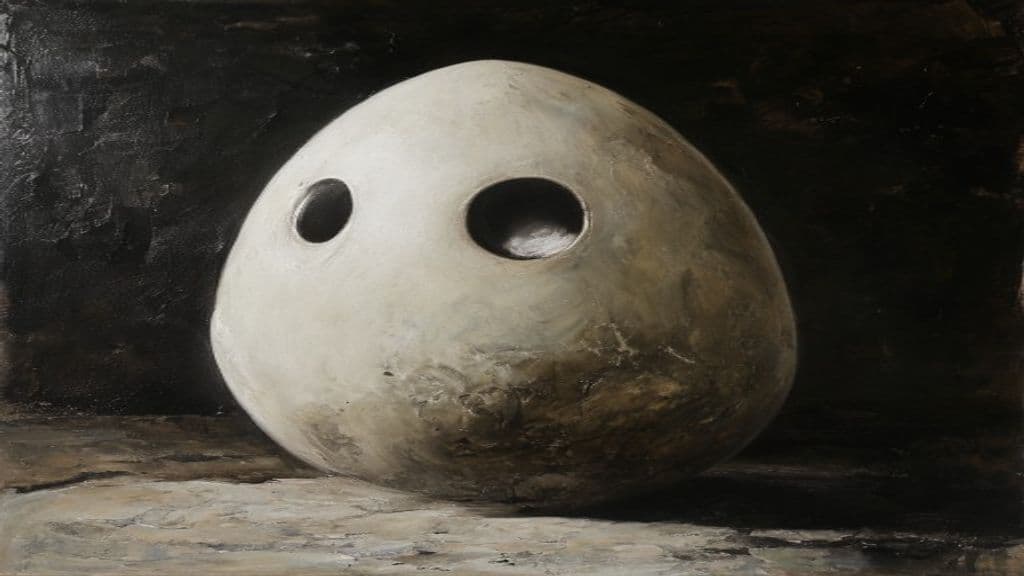
In Korean folklore, the Egg ghost is a malevolent entity that resembles an egg in appearance and serves as a harbinger of death. (Note: - The draft states "malevolent entity", but Source 1 doesn't explicitly state this. - Power tier: Based on the ability to determine a person's death upon sighting, it seems more likely that the Egg gh)

Eight Legions (Aṣṭasenā / Hachi Bushū)
Greater

Eight Legions (Aṣṭasenā / Hachi Bushū)

The Eight Legions (Sanskrit aṣṭasenā; Japanese Hachi Bushū 八部衆) are a grouped category of Buddhist divine and semi-divine beings assembled from multiple non-human classes whose described function in Mahāyāna sources is to protect the Dharma. They appear as part of the Buddha's audience in sutras such as the Lotus Sutra and the Golden Light Sutra and are represented in temple iconography with locally variable memberships.

Five Tathāgatas
Lesser

Five Tathāgatas

A canonical group of five principal celestial Buddhas in Mahāyāna and Vajrayāna Buddhism, treated as inseparable co-equals and used as meditative foci and mandalic deities in tantric initiation and practice.

Five Wisdom Kings
Greater

Five Wisdom Kings

A class of wrathful, mantric protector-deities in East Asian Mahāyāna (notably Japanese) Buddhism, identified with the Sanskrit Vidyārāja and Japanese Myō-ō and described in sources as guardians of the cosmic Buddha Dainichi (Vairocana) and of esoteric teachings.

Four Heavenly Kings
Greater

Four Heavenly Kings

A quartet of Buddhist devas who guard the world by the four cardinal directions, serve Śakra in the Cāturmahārājika heaven, and vow to protect the Buddha, the Dharma, and the Buddha's followers. They are standard protective figures in East Asian Buddhist temple complexes and are included among larger groups of dharmapalas in Chinese practice.

Gagoze
Lesser

Gagoze

Gagoze is a Japanese yōkai traditionally associated with Gangō-ji temple in Nara. In classical sources and pictorial collections it is treated as an oni-like, temple-associated spirit that appears at night and was implicated in a Heian-period tale of nocturnal killings at the temple's bell tower.

Gaja (Hindu tradition)
Greater

Gaja (Hindu tradition)

In Hinduism, the Gaja is an elephant with cultural and symbolic significance, appearing in various scriptures. (Note: - Power tier should be Primordial (as it's an animal referenced in multiple scriptures and holds cultural significance) - No specific physical description is mentioned, so Appearance section should be)

Gaki (hungry ghosts)
Lesser

Gaki (hungry ghosts)

Gaki is the Japanese term often used in secondary literature for beings corresponding to the Sanskrit preta, commonly translated as 'hungry ghosts.' The supplied source material for this entry contains no substantive primary descriptions and therefore records questions and absences as well as the minimal, well-attested identification as a named category.

Gana
Lesser

Gana

In Hindu religious-literary sources, the gaṇa (Sanskrit: गण, gaṇa) denotes a constituted company or troop of supernatural beings who function as the attendants/retinue of the god Śiva and are said to reside on Mount Kailash. The term also functions as a general lexical category in Sanskrit and Pali for a flock, troop, tribe, or assembly and appears across Vedic, epic, Purāṇic, Tamil, and Buddhist texts.

Gandharva
Lesser

Gandharva

A class of non-human celestial or semi-celestial beings in Indic religions associated principally with music, song, dance, fertility, and an escort/guardian role for liminal arrivals (such as Soma or beings). In Hinduism they are minor deities and musicians of the devas; in Buddhist cosmology they are a low rank of devas and the term (gandhabba in Pāli/commentary) is also used doctrinally for a sentient intermediate state between death and rebirth.

Ganesha
Ancient

Ganesha

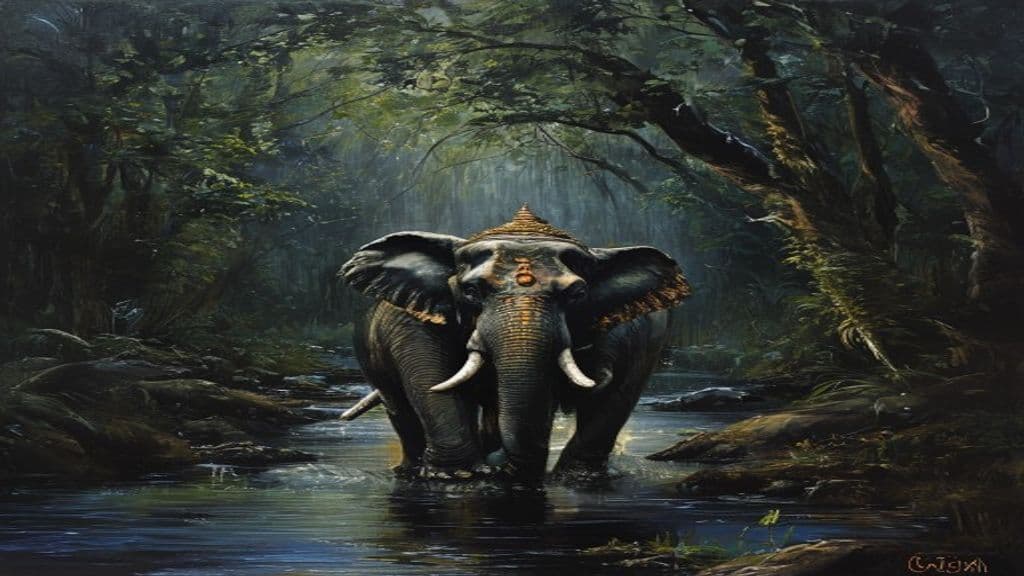
Ganesha (Gaṇeśa), also called Ganapati or Vinayaka, is a widely revered Hindu deity identified by an elephant head who functions as remover of obstacles, patron of arts and learning, and god of beginnings; he is son of Shiva and Parvati and head of the gaṇas in many traditional accounts.

Garuda
Ancient

Garuda

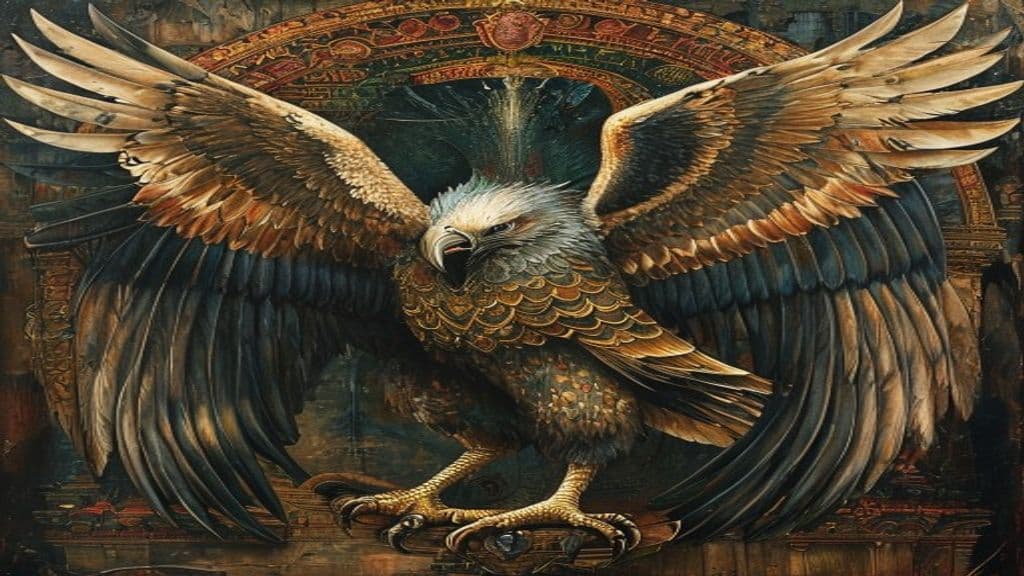
Garuda is a divine, eagle-like being in South Asian traditions best known as the vahana (mount) of the god Vishnu. In Vedic, Purānic and later texts he appears as a powerful, solar-associated bird-personage who is both an individual mythic personality (son of the sage Kaśyapa and Vinatā) and an archetype invoked in temple iconography and theological metaphor.

Gautama Buddha (Siddhartha Gautama)
Ancient

Gautama Buddha (Siddhartha Gautama)

Siddhartha Gautama, most commonly called the Buddha, is presented in the supplied sources as a historical awakened teacher who founded Buddhism by attaining nirvana and teaching a monastic path. His life narrative—birth in Lumbini, renunciation, enlightenment at Bodh Gaya, teaching across the Indo‑Gangetic Plain, and parinirvana at Kushinagar—serves as the canonical model and institutional origin for Buddhist doctrine and the sangha.

Gautama Maharishi
Ancient

Gautama Maharishi

Gautama (Maharṣi Gautama) is a canonical Vedic rishi presented in Hindu, and to some extent Jain and Buddhist, sources as an authoritative seer, teacher, and ritual expert. He is traditionally credited with the authorship/attribution of the Nyāya Sūtras in later philosophical reception and appears as a household sage in narrative cycles (notably the Ahalyā episode).

God in Buddhism (concept)
Minor Spirit

God in Buddhism (concept)

A doctrinal and conceptual topic concerning the status of a creator or ultimate deity within Buddhist thought. Most sourced summaries state that Buddhism does not include belief in a creator deity, while noting that some schools posit transcendent, unborn, or unconditioned ultimate realities.

Gohō dōji
Lesser

Gohō dōji

A guardian attendant spirit in Japanese Buddhist folklore depicted as a youthful protector devoted to defending the Dharma and assisting followers of Buddhist teaching. Attested in medieval narrative collections and illustrated emaki, the figure appears as a cultic attendant associated with dharmapāla-type protection.

Gotama Buddha (Siddhartha Gautama)
Ancient

Gotama Buddha (Siddhartha Gautama)

Siddhartha Gautama, commonly called Gotama or the Buddha, is presented in these sources as a historical religious teacher from the Sakya clan who attained full awakening (nirvana) and founded the Buddhist sangha; he is treated both as a human exemplar shaped by historical circumstances and, in devotional accounts, as the fully awakened Buddha situated among a sequence of past buddhas.

Green Tara
Ancient

Green Tara

Green Tara (Tārā, Ārya Tārā, Jetsün Dölma) is a central female buddha/bodhisattva figure in Mahāyāna and especially Vajrayāna Buddhism, venerated as a liberator who grants swift assistance, removes obstacles, and functions as a meditation deity (yidam) embodied in green form.

Guanyin
Ancient

Guanyin

Guanyin (Guān Yīn, short for Guanshiyin/Guanshiyin 觀世音) is the Chinese manifestation of the bodhisattva Avalokiteśvara associated with compassion. Venerated across Buddhist, Taoist, and Chinese popular-religion contexts, Guanyin is petitioned through temple devotion, recitation, and festivals as a merciful intercessor who 'perceives the sounds of the world.'

Guardians of the Directions (Dikpāla / Lokapāla)
Greater

Guardians of the Directions (Dikpāla / Lokapāla)

A class of deities or divine offices that guard and sacralize spatial directions in South Asian and some Southeast Asian religious cosmologies. Appearing in Hinduism, Jainism and Vajrayāna Buddhism (and in regional systems such as Meitei and Javanese/Balinese traditions), they are represented in temple architecture and invoked as protectors of sacred space and the dharma.

Gui (wandering ghost)
Lesser

Gui (wandering ghost)

Gui (鬼), often rendered 'wandering ghost' or you hun ye gui (wandering spirits), are human-derived spirits in Chinese/Taoist popular religion that remain unsettled after death—commonly through violent or unhappy death or neglect by descendants—and are addressed through ancestor rites, Ghost Festival observances, and specialist ritual interventions.

Hachiman
Ancient

Hachiman

Hachiman is a long‑venerated syncretic Japanese tutelary deity whose identity spans Shinto kami worship and Buddhist practice. Traditionally associated with the deified spirit of Emperor Ōjin, Hachiman functions as a protector of warriors (notably the Minamoto and samurai), Buddhist temples, the imperial house, and the nation, and appears in both native shrine cults and as the Buddhist 'Great Bodhisattva Hachiman.'

Hakini
Greater

Hakini

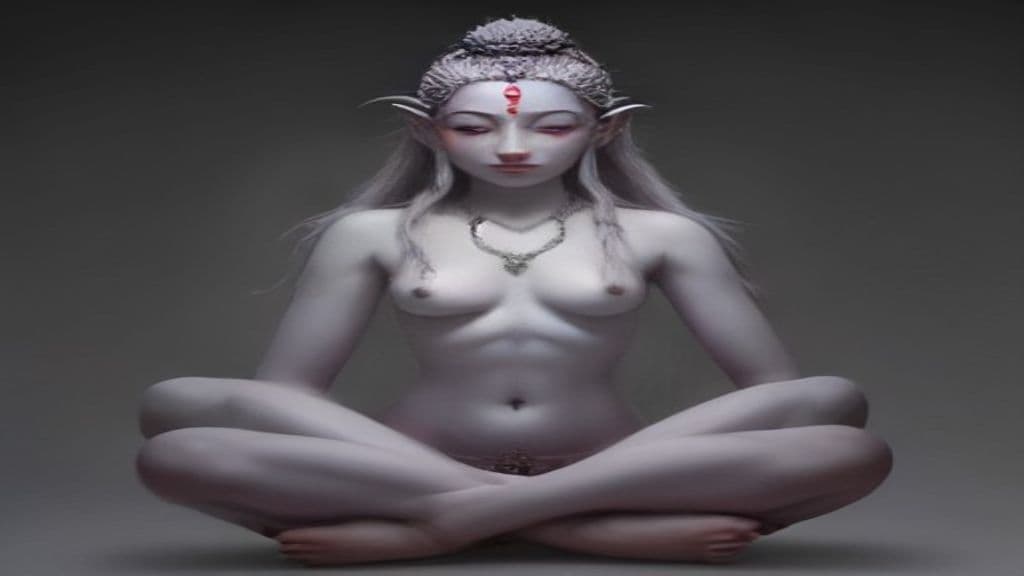
Tantric goddess of the Ajna chakra — the third eye between the brows. White-complexioned and six-faced, Hakini governs the boundary between individual perception and divine vision. Her favour opens the third eye; her displeasure collapses the distinction between dream and reality.

Hanasaka Jiisan
Lesser

Hanasaka Jiisan

A Japanese folktale figure centered on a beloved dog whose postmortem agency, conveyed in dreams and by the ashes of a burned mortar, rewards a kind old couple (making rice turn to gold and causing cherry trees to bloom) while an envious neighbor who copies the actions is punished. The tale emphasizes kindness to animals, dreams as channels of guidance, and the miraculous efficacy of ordinary materials associated with the dog.

Hannya (般若)
Greater

Hannya (般若)

Hannya is a traditional Japanese Noh mask type and the theatrical/folkloric embodiment of a woman transformed into a resentful, jealous spirit. The mask represents a stage of metamorphosis into an onryō-like figure, visually marked by horns and a leering mouth, and is situated at the intersection of Noh theatre, ritual dance (kagura), and Buddhist-influenced folk belief.

Haridra Ganapati
Greater

Haridra Ganapati

Haridra Ganapati (Sanskrit: हरिद्रा-गणपति, Haridrā-gaṇapati, "turmeric Ganesha") is an iconographic and sectarian form of the Hindu deity Ganesha. Attested in classical iconographic treatises and in Ganapatya sectarian literature, this turmeric‑coloured form functions as a focus of Tantric sadhana, devotional worship for worldly welfare and protection, and — in the claims of the Haridra Ganapatya sect — as a supreme tutelary figure whose worship grants both worldly boons and moksha.

Hata no Kawakatsu
Greater

Hata no Kawakatsu

Hata no Kawakatsu (秦河勝 / Hada no Kōkatsu) is a semi-legendary Asuka-period courtier and leader of the Hata clan attested in classical chronicles. In the Nihon Shoki he appears as a high-ranking official who received a Buddha image from Prince Shōtoku, founded Hachioka-dera (Kōryū-ji), escorted foreign envoys, and suppressed the popular cult of Tokoyo-no-Kami. Later medieval traditions expand his biography with legendary accretions (e.g., claimed descent or identification with Qin imperial lineage, enshrinement as Ōsake Daimyōjin, and association with performing-arts ancestry).

Haṃsa (Hamsa)
Greater

Haṃsa (Hamsa)

The haṃsa is a paradigmatic aquatic migratory bird in South Asian religious and philosophical literature, functioning both as an observed Anatidae-like bird (variously rendered as swan, goose, or flamingo) and as a metaphysical symbol of the soul, discriminative awareness, and liberation (moksha). It appears across Vedic hymns, Buddhist Jataka tales, Puranic and later Hindu iconography as a sacred, white bird and as the vahana (vehicle) of several deities.

Heifeng Guai
Greater

Heifeng Guai

Heifeng Guai (黑风怪), the Black Wind or Black Bear Spirit, is a localized spirit‑monster from the 16th‑century Chinese novel Journey to the West. In the narrative it appears as a dark‑complexioned man armed with a Black Tassel Spear but is revealed to be a huge black bear (xiongpi, 熊罴); after being subdued by Guanyin it is bound with a Golden Cincture and converted into a mountain guardian.

Herambasuta
Lesser

Herambasuta

Herambasuta (Devanagari: हेरम्बसुत, IAST: Heraṃbasuta) is attested in medieval Indian sources as a human Tantric yogi and leader associated with a vamachara (left‑hand) Ganapatya current who headed a cult of Ucchiṣṭa Gaṇapati. He is described in the tenth‑century Śaṅkaravijaya (attributed to Ānandagiri) as expounding an unorthodox, transgressive form of Ganapati worship later characterized by some scholars as Kaula‑like.

Hitotsume-nyūdō
Lesser

Hitotsume-nyūdō

A Japanese yōkai appearing as a one‑eyed ōnyūdō (large monk). Found in roadside and procession narratives, it is variously explained as an autonomous monkish spirit, a transformed or admonishing monk figure from Mount Hiei, or as a kitsune/tanuki disguise in local traditions.

Huangmei Dawang
Ancient

Huangmei Dawang

A formidable supernatural being in the Buddhist tradition associated with immense power and strength. (Note: - Summary: Inaccurate. Huangmei Dawang is a major antagonist, not associated with "immense power and strength". - Power tier: Possibly incorrect. Although it has significant spiritual authority and ca)

Hungry Spirit of Mahāmāyā
Lesser

Hungry Spirit of Mahāmāyā

A proposed label for a 'hungry spirit' (preta) associated with the name Mahāmāyā mentioned in some modern queries; the supplied sources do not document any such named entity. The materials provided only place the general notion of postmortem experiential states within Tibetan bardo literature and do not describe a Mahāmāyā preta.

Hungry ghost (E gui)
Lesser

Hungry ghost (E gui)

Listed in a compiled catalogue of supernatural beings from Chinese folk culture and contemporary literature, 'hungry ghost (E gui)' appears as an itemized class of supernatural being in the provided sources. The supplied materials contain the name but do not give further descriptive or ritual detail.

Igong Bonpuri
Minor Spirit

Igong Bonpuri

A supernatural being described in traditional shamanic narratives from Jejudo, Korea. Similarities with Buddhist mythology suggest it may be a type of Korean cultural cosmological entity. (Note: 1. Remove "Similarities with Buddhist mythology suggest it may be a type of Korean cultural cosmological entity" from summary as it's not directly supported by source material. 2. Power tier is Minor )