Greek Supernatural Beings

1796 documented Greek supernatural beings from the Evil Eye grimoire, including 1106 lesser and 335 minor spirit in power tier.

page 4 of 30

Alecto
Ancient

Alecto

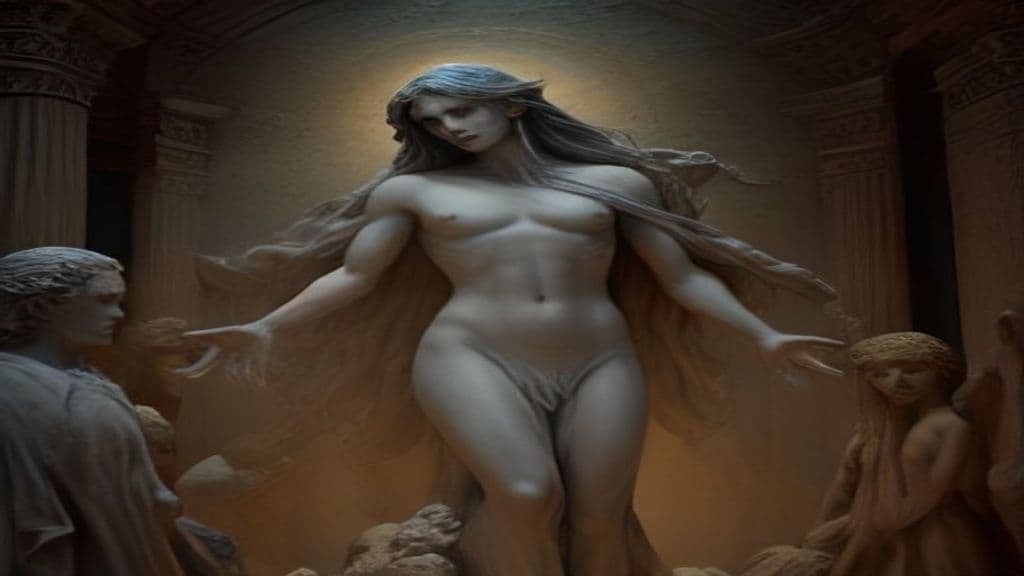
Alecto is one of the Erinyes (Furies) of classical Greek and Roman myth, an avenging supernatural figure whose role is to punish moral crimes among humans. Originating as one of the primordial Erinyes associated with the earth, she is later individualized in Roman literature (notably Virgil) and depicted as an agent who can incite madness, possess or influence humans, and foment violent passions.

Alector
Lesser

Alector

Alector (Ancient Greek: Ἀλέκτωρ) is a personal name borne by multiple mytho-historical figures in ancient Greek tradition. The name appears in several regional genealogies and foundation stories (Magnesia, Boeotia, Elis, Argos, Sparta) and functions as an eponymous ancestor or princely figure rather than a single supernatural being.

Alectryon
Minor Spirit

Alectryon

Alectryon (Ancient Greek Ἀλεκτρυών, 'rooster') is a figure in Greek myth, a young attendant of Ares who, having failed to guard the god's secret liaison with Aphrodite, was transformed into a rooster. The tale functions as an aetiology explaining the rooster's morning crow and its association with the sun-god Helios.

Alegenor
Lesser

Alegenor

Alegenor (Ancient Greek: Ἀλεγήνωρ) is a minor mortal figure in Greek mythic genealogies, attested as a son of Itonus and the father of Clonius and Promachus. He functions in the sources as a genealogical ancestor situating his more active descendants among the Boeotian leaders of the Trojan War rather than as an independently acting supernatural being.

Aletes of Mycenae
Lesser

Aletes of Mycenae

Aletes is a mortal figure in Greek heroic legend, son of Aegisthus and Clytemnestra, who assumes the throne of Mycenae during Orestes' exile and is later killed when Orestes returns to reclaim the kingship.

Aleuas
Ancient

Aleuas

Aleuas (Greek: Ἀλεύας; Modern Greek: Alevas) is a figure in ancient Greek tradition presented as a mythical king and seer of Thessaly and the eponymous ancestor of the noble Aleuadae family of Larissa. The name also appears for distinct historical individuals and as a modern scientific/commercial homonym, but classical sources treat Aleuas as a legendary human ancestor rather than a recurring supernatural class.

Aleus
Lesser

Aleus

Aleus (Ancient Greek: Ἀλεός) is a mythic-historical king of Tegea in Arcadia, presented in classical Greek genealogies as an eponymic founder (of the city Alea and the epithet Athena Alea) and as a dynastic ancestor whose family narratives intersect with Heracles, the Argonauts, and oracular prophecy.

Alexander (name / epithet)
Lesser

Alexander (name / epithet)

Alexander is primarily an Ancient Greek personal name (Ἀλέξανδρος, Aléxandros) meaning 'defender/protector of men.' In the assembled sources it functions as an anthroponym and occasional divine epithet (e.g., Hera Alexandros) rather than a single, discrete supernatural entity with a consistent mythic ontology.

Alexander Peloplaton
Greater

Alexander Peloplaton

Alexander Peloplaton was a 2nd‑century CE Greek rhetorician and Platonist of the Second Sophistic who served as a Greek imperial secretary (ab epistulis) and participated in the era's rhetorical competitions and prestige economy. He is a historical intellectual figure, not a supernatural being.

Alexander the Great (legend)
Ancient

Alexander the Great (legend)

A pan-cultural legendary hero-king whose historical career was transformed into a body of miraculous and etiological tales (the Alexander Romance). In these traditions he is alternately a divinely sanctioned conqueror, boundary-builder credited with the Gates of Alexander, and a questing culture-hero associated with oracles, votive dedications, and tests of loyalty.

Alexiares and Anicetus
Lesser

Alexiares and Anicetus

Alexiares (Ἀλεξιάρης) and Anicetus/Aniketos (Ἀνίκητος, 'unconquered') are minor divine sons of Hebe and the deified Heracles. Surviving summaries and modern compilations identify them as demi-gods associated with defence; some modern sources and forum summaries describe them as guardians or gatekeepers of Olympus, while evidence for cult is sparse and localized to suggestions of worship at Thebes and Rhodes.

Alexida
Minor Spirit

Alexida

Alexida (Ancient Greek: Ἀλεξίδη) is an attested mythological figure in Greek literary tradition, presented as a daughter of Amphiaraus and the eponymous ancestress from whom the Elasioi (Elasii), averters of epileptic fits, were believed in Argos to descend. She is preserved in surviving references as a genealogical origin rather than an active cultic agent.

Alexis
Minor Spirit

Alexis

Alexis in the supplied materials functions primarily as a personal name used across historical, literary, and modern contexts. The only explicit mythological reference identifies an Alexis as a young man of Ephesus beloved of Meliboea; there is no sustained supernatural or folkloric entity named Alexis in the provided sources.

Algea
Minor Spirit

Algea

In Greek myth the Algea (singular Algos, Greek Ἄλγος; plural Algeai, Ἀλγαί) are personified daimones of pain, sorrow, grief, and distress. They are literary/theological abstractions—named spirits that embody forms of suffering—and are listed among the offspring of Eris in Hesiodic genealogies and later mythographic summaries.

Algol (Beta Persei)
Lesser

Algol (Beta Persei)

Algol (Beta Persei) is a bright, well-known multiple-star system in the constellation Perseus whose periodic dimming makes it the prototype of 'Algol-type' eclipsing variables; in several historical traditions the star was associated with a malign or monstrous figure (notably a Gorgon in Greek commentary and a ghoul-like figure in Arabic tradition), giving rise to the modern nickname "the Demon Star."

Alipherus
Lesser

Alipherus

Alipherus is a mythological Arcadian prince in ancient Greek tradition, named among the many sons of King Lycaon. He is chiefly remembered as an eponymous founder of the town Aliphera and as a participant in the impious episode in which Lycaon's sons served a meal to Zeus containing human entrails and were destroyed by divine lightning.

Alke
Lesser

Alke

Alke (Ancient Greek: Ἀλκή) is the anthropomorphic personification of prowess, courage, and battle-strength in archaic and classical Greek poetic tradition. She is attested as a named figure depicted on Athena's aegis in Homeric epic and the name also appears in later mythographic lists as a number of distinct proper-name figures.

Alkyonides
Minor Spirit

Alkyonides

In classical Greek mythology the Alkyonides (Alcyonides) are the seven daughters of the giant Alcyoneus. Classical summaries record that, in grief at their father's death, the daughters threw themselves into the sea; the mythic name survives in modern Greek toponymy as the Alkyonides Gulf.

Aloadae
Greater

Aloadae

The Aloadae (Otus and Ephialtes) are twin, exceptionally large brothers of Greek myth—variously portrayed as gigantic, hubristic challengers to the Olympian order and as local culture-bringing founders and worshipers of the Muses. Traditions report prodigious growth and strength, an attempt to scale the heavens by stacking mountains, the capture of Ares in some versions, and several differing accounts of their deaths or posthumous punishment.

Aloeus
Lesser

Aloeus

Aloeus (Ancient Greek: Ἀλωεύς), sometimes rendered Haloeus, is a mytho-historical/genealogical figure in Greek tradition. Two distinct personages appear in sources: a Thessalian prince (son of Poseidon and Canace) connected to the Aloadae, and a son of Helios associated with sovereignty in Asopia (Sicyon). He functions as an eponymous ancestor and local founder-figure rather than as a supernatural actor.

Alope
Lesser

Alope

Alope is a mortal woman from Greek myth who, after bearing a child by Poseidon and suffering familial punishment, is transformed by the god into a spring that bears her name. Her story functions etiologically to explain local toponyms (a spring and a town named Alope) and a memorial monument on the road from Eleusis to Megara.

Alphesiboea
Lesser

Alphesiboea

Alphesiboea (Ancient Greek Ἀλφεσίβοια, Alphesíboia) is a proper name used for several distinct women in Greek mythic genealogies and narratives. Bearers of the name include mortal princesses and wives tied to dynastic stories (notably a Psophian princess married to Alcmaeon), an attested variant as wife of Pelias, a supposed mother of Adonis in one tradition, and an 'Indian' nymph who appears in a Dionysian episode.

Alpheus
Lesser

Alpheus

Alpheus (Ancient Greek: Ἀλφειός) is the personified river and river-god of the Alpheios in the Peloponnese. He is classed among the river-deities descended from Oceanus and Tethys and appears in myths linking the Arcadian/Elian river to the Sicilian well Arethusa, to Artemis, and to the labors of Heracles.

Alpos
Lesser

Alpos

Alpos is a monstrous, multi-armed giant of Greek epic poetry, presented by Nonnus in the Dionysiaca as a chthonic son of Earth who terrorizes the Pelorus region of Sicily until slain by the god Dionysus.

Alseid
Lesser

Alseid

An Alseid (Ancient Greek: Ἀλσηΐδες, Alsēïdes) is a class of nymph in classical Greek mythology specifically associated with groves and glens. The term functions as a locality-category within the broader Greek taxonomy of nymphs; later modern sources reuse the label for varied fantasy and game creations.

Altes
Lesser

Altes

Altes is a named Lelegian king of Pedasus attested in the Homeric tradition and later mythographic summaries. He functions in the epic genealogical network as the father of Laothoe (one of Priam's wives) and is in some accounts named as father of the Argonaut Ancaeus of Samos; no supernatural attributes are recorded in the supplied sources.

Althaea
Minor Spirit

Althaea

Althaea is attested in the provided sources as (1) the Latinized form of the Greek name Ἀλθαία (Althaia), a mythological human figure recorded as daughter of Thestius and mother of Meleager, and (2) a botanical genus (Malvaceae) of perennial herbs including the marshmallow plant; the name may be etymologically linked to Greek ἀλθος (althos) 'healing'. The supplied material contains no evidence that Althaea is a supernatural being.

Althaemenes
Minor Spirit

Althaemenes

Althaemenes is a mythic Cretan prince in Greek tradition, son of King Catreus, whose story centers on an oracle foretelling that he would kill his father. He fled Crete for Rhodes to avoid the fate, established an altar at Mount Atabyrus, accidentally killed his father in a case of mistaken identity, died tragically, and was later honored locally as a hero.

Alulim
Ancient

Alulim

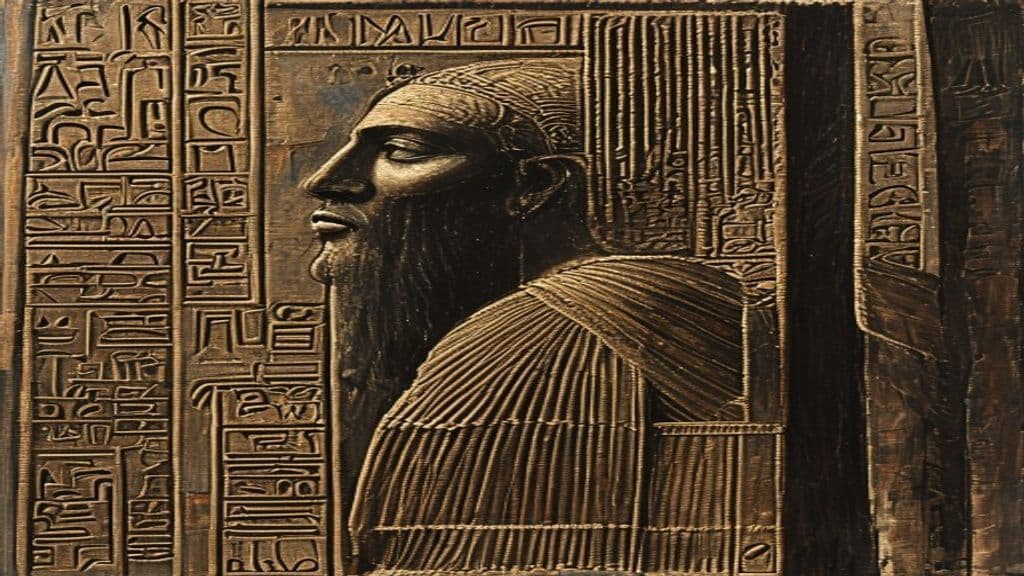
Alulim is the legendary antediluvian 'first king' of Eridu in Mesopotamian tradition, presented in king lists and mythic compositions as the initial ruler appointed by the gods. He functions etiologically to explain the origin of kingship and, in late ritual texts, is invoked in agricultural incantations associated with driving off field pests.

Amalthea
Minor Spirit

Amalthea

Amalthea (Ancient Greek Ἀμάλθεια) is a figure of Greek myth most commonly identified as the nurse of the infant Zeus. Traditions variously portray her as a nymph who tended a goat that fed Zeus or, in later Hellenistic treatments, as the goat itself; she is also associated with the "horn of Amalthea" (cornucopia), a horn reputed to yield inexhaustible food and drink.

Amaracus
Minor Spirit

Amaracus

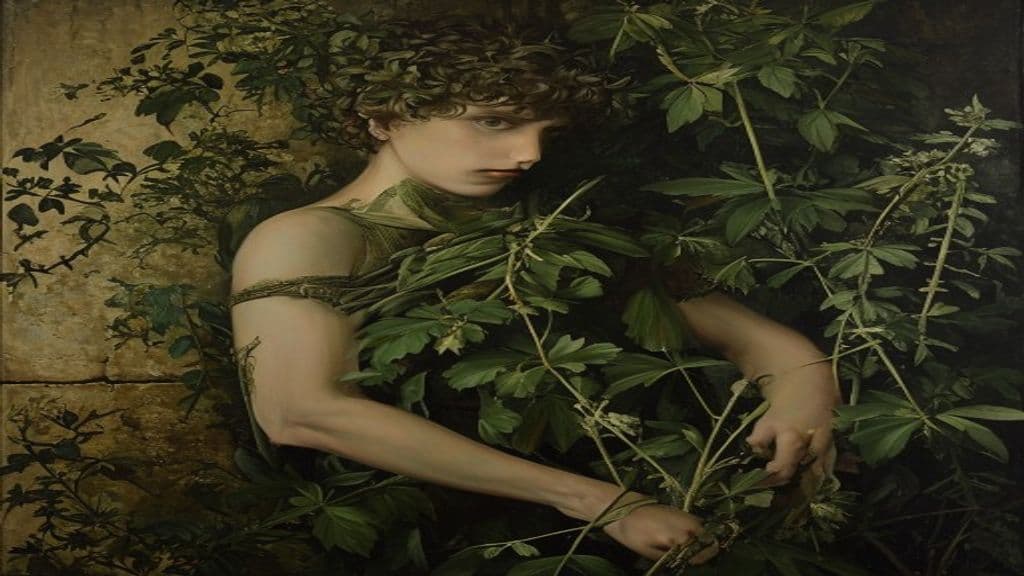
In Greek myth, Amaracus (Ancient Greek Ἀμάρακος, Amarakos) is a young Cypriot prince and royal perfumer who is transformed into the marjoram plant (amarakon). The tale is an etiological metamorphosis that links the aromatic herb Origanum majorana to Aphrodite and to Cypriot cultic and utilitarian uses such as bridal wreaths, aphrodisiac lore, and folk medicine.

Amarynceus
Minor Spirit

Amarynceus

Amarynceus is a mortal chieftain of Elis in the Greek mythic-historical tradition, presented as a regional leader of the Eleans connected to the heroic age. He appears in variant genealogies and in narratives linking Elis to the Trojan expedition, funeral games, and the dynastic politics involving Augeas and Heracles.

Amatheia
Minor Spirit

Amatheia

Amatheia is a minor sea-nymph (Nereid) in Greek mythology, named among the fifty daughters of the sea-god Nereus and the Oceanid Doris. She is attested in name-lists and brief mythographic summaries and is described chiefly by aesthetic epithets (not by individual myths or deeds).

Amathes
Minor Spirit

Amathes

Amathes (Ancient Greek: Ἀμάθης) is a mythic eponymic ancestor in Greek tradition, described as a son of Heracles from whom the Cypriot town Amathus was said to derive its name. Some traditions alternatively attribute the town-name to a female eponym, Amathusa, mother of Cinyras.

Amazons
Lesser

Amazons

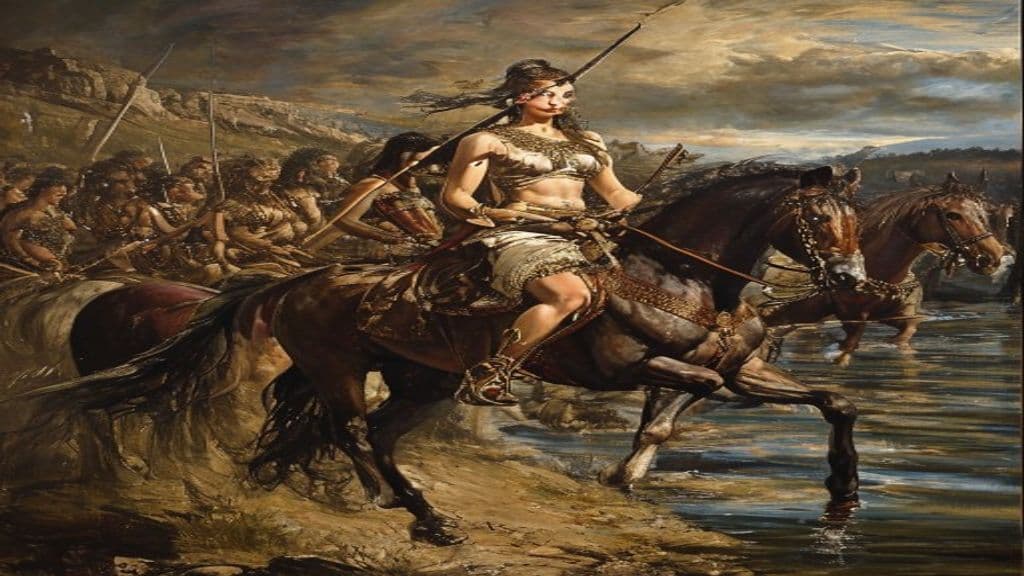
A society of women-warriors in ancient Greek myth and legend, depicted as skilled horsemen and archers who inhabit the periphery of the Greek world and act as recurring opponents and counterparts to Greek heroes. Treated by ancient authors as a past people and by modern scholars as a mythic construct possibly inspired by Eurasian female warrior burials.

Ambrose of Alexandria
Lesser

Ambrose of Alexandria

Ambrose of Alexandria (before 212 – c. 250) was a wealthy, educated layman of Alexandria who became a close disciple, patron, and ordained deacon in the circle of the theologian Origen. He is remembered in Christian sources as a convert from earlier heterodox affiliations, a supporter who provided books and scribes, a stimulus to Origen's writings, and a confessor who suffered persecution under Maximinus Thrax.

Ambrosia (Hyades)
Lesser

Ambrosia (Hyades)

Ambrosia is named in classical sources as one of the Hyades, a small group of nurse-nymphs who tended the infant Dionysus/Liber and who are variously said to have been transformed into a vine (in one revenge motif) or placed among the Hyades stars. Her story is preserved in mythographic accounts (notably Hyginus citing Pherecydes) and later summaries.

Amechania
Minor Spirit

Amechania

Amechania (Ancient Greek: Αμηχανία / Αμηχανίην; also Amekhania, Amakhania; Latin: Amechania) is a personified spirit (daimona) of helplessness, want, or impossibility attested in ancient Greek literary and lexicographic sources. She is cited as a close companion or sister of Penia and Ptocheia and is described in some modern references as virtually identical to Aporia. No cultic practice or iconography is attested in the supplied sources.

Amestris
Minor Spirit

Amestris

Amestris is primarily a proper name attested for Achaemenid royal women in classical sources and reused in modern fiction as a toponym (not a supernatural being). Historically it denotes at least one queen consort of Xerxes I and a daughter of Artaxerxes II; in modern culture it is best known as the nation-state named Amestris in the manga/anime Fullmetal Alchemist and as an evocative proper name in various creative works.

Amethyst, Princess of Gemworld (tradition)
Minor Spirit

Amethyst, Princess of Gemworld (tradition)

No supplied sources document a supernatural entity called 'Amethyst, Princess of Gemworld.' The available materials instead discuss the mineral amethyst (etymology, physical properties, and historical beliefs), the use of 'Amethyst' as a given name, and an incidental modern music credit containing the word 'Amethyst.' Therefore this entry reports only what is attested in those sources and explicitly notes the absence of any attested folkloric figure by that name.

Amethyste (Amethystos)
Minor Spirit

Amethyste (Amethystos)

Amethyste (Ancient Greek: Amethystos) appears in later European literary tradition as a beautiful maiden or nymph transformed into the amethyst gemstone; the story is a post-classical etiological invention explaining the stone's purple color and linking the gem to an ancient belief that it prevented drunkenness.

Amisodarus (Chimera)
Greater

Amisodarus (Chimera)

A composite monstrous creature from Greek myth, traditionally described as a lion with a goat's head on its back and a serpent for a tail, sometimes winged and noted for breathing fire. It is genealogically placed among the chthonic offspring of Typhon and Echidna and is best known from the heroic-age episode in which Bellerophon defeats it.

Ammon (tradition)
Lesser

Ammon (tradition)

In the provided sources, 'Ammon' is primarily attested as the ethnonym and toponym of the ancient kingdom and people known as the Ammonites (centered on Rabbah/Rabbat Ammon, modern Amman) and as a component in later theonyms (e.g., 'Jupiter Ammon'). The corpus supplied contains etymological, geographic, biblical, and modern onomastic information but does not document 'Ammon' as a discrete folkloric spirit or supernatural being with a ritual corpus.

Amnisiades
Lesser

Amnisiades

The Amnisiades (Ancient Greek: Αμνισιαδες / Αμνισιδες) are a group of naiads — freshwater nymphs — associated with the Amnisos river in Crete. They are attested in Hellenistic poetry as members of Artemis's retinue and are linked by scholarship to cult activity at a cave of Eileithyia on the Amnisos.

Amnisos
Lesser

Amnisos

Amnisos is a north-Cretan river, Bronze Age coastal settlement/port for Knossos, and in literary registers the river's divine personification (a river‑god). Attested in Mycenaean Linear B, classical literature, and archaeological remains (including a Late Minoan villa and submerged shorelines), Amnisos functions as hydrological feature, cultic locus (linked to the cave sanctuary of Eileithyia and to nymphs called the Amnisiades), and administrative place in the ritual economy of Knossos.

Ampelos
Lesser

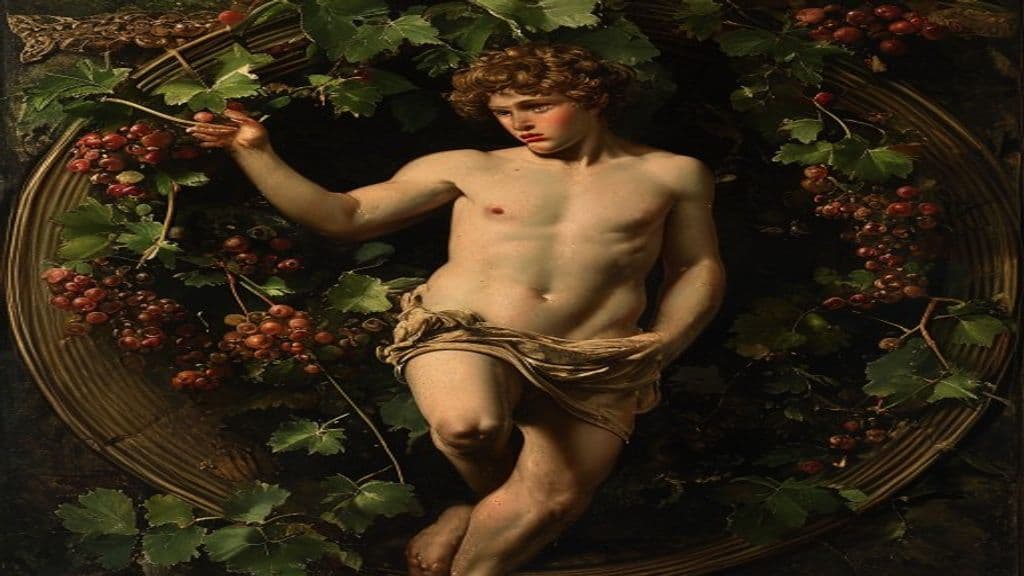
Ampelos

Ampelos (Ancient Greek: Ἂμπελος, lit. 'Vine') is a mythological figure in Greek and Roman literature who functions both as the beautiful youth beloved of Dionysus/Bacchus and as a personification or origin-figure of the grapevine (and, in one account, a star). Surviving literary summaries record two main versions: in Nonnus a satyr youth is gored to death after provoking Selene and is transformed into the first vine by Dionysus; in Ovid a reckless boy falls while picking grapes and is placed among the stars (Vindemitor/Boötes) by Liber/Dionysus.

Ampelus
Minor Spirit

Ampelus

Ampelus is a youthful figure in Greco‑Roman Dionysian myth, presented in Ovid's Fasti as a boy loved by Bacchus/Liber whose death while gathering grapes leads the god to honor him by setting him among the stars and by giving his name to the vine. He functions primarily as an etiological figure linking viticulture and a stellar memorial within Bacchic narrative.

Amphalces
Minor Spirit

Amphalces

Amphalces (Ancient Greek: Ἀμφάλκης) is an Argive prince attested in Greek mythographic and genealogical sources as a son of King Antiphates and Zeuxippe and as brother of Oicles. He appears only in genealogical lists and compendia; no narrative deeds, cult, or iconography are preserved for him in the cited material.

Amphialus (Amphialos)
Minor Spirit

Amphialus (Amphialos)

Amphialus (Ancient Greek: Άμφίαλος, Amphialus/Amphialos, lit. 'of two seas') is a recurring personal name in classical Greek epic, genealogical tradition, and later pastoral/romance literature. The name is applied to several distinct mortal figures — a Phaeacian athlete in the Odyssey, various seafaring companions and suitors in Homeric summaries, a son of Neoptolemus and Andromache in genealogical accounts, and a noble/warrior character in early modern Arcadian romances — rather than to a single supernatural being.

Amphiaraos
Primordial

Amphiaraos

Greek hero and seer associated with the Amphiareion of Oropos sanctuary, known for his ability to foresee the future and connection to oracular responses and healing. (Note: 1. Power tier should be Ancient (not Primordial), as Amphiaraos is a hero and seer, but not a cosmological being. 2. Ability description: The ability to foresee the future is accurate, but the transfo)

Amphiaraus
Ancient

Amphiaraus

Amphiaraus is a legendary Greek seer and chthonic hero, famed as one of the Seven against Thebes. After his death—when the earth opened and swallowed him—he was venerated at the Amphiareion of Oropos as a healing and oracular figure whose sanctuary received petitioners seeking dream-delivered solutions.

Amphicrates
Lesser

Amphicrates

Amphicrates (Ancient Greek Ἀμφικράτης) is a personal name borne by several historical figures in ancient Greek sources, attested as at least an early king of Samos, an Athenian sophist/rhetorician of the Asiatic school, and in prosopographic indexes as an artisan (sculptor) and other minor historical persons. The supplied sources treat Amphicrates as human individuals preserved in fragmentary literary and documentary records rather than as a supernatural being.

Amphictyon
Lesser

Amphictyon

Amphictyon (Greek: Ἀμφικτύων) is a mytho-historical ancestral king in Greek tradition associated with the generation after the great flood and with the foundation/organization of communities that dwelt around sanctuaries (the Amphictyons). He appears in variant genealogies as son of Deucalion and Pyrrha or as son of Hellen, is called king of Thermopylae and in some accounts king of Athens, and is etiologically linked to the Amphictyonic League and early cultic practice.

Amphictyonis
Ancient

Amphictyonis

A local epithet of the goddess Demeter venerated at Anthela in the Thermopylae region of ancient Greece; Amphictyonis functioned as the cultic recipient of sacrifices by the Amphictyonic League and as a tutelary divine figure for the interstate religious assembly that met there.

Amphidamas
Lesser

Amphidamas

Amphidamas (Ancient Greek: Ἀμφιδάμας) is a personal name borne by multiple mortal men in Greek mythic tradition. Various distinct figures called Amphidamas appear in genealogies, epic rosters (Argonauts, companions of Odysseus), and local king-lists rather than forming a single supernatural archetype.

Amphidocus
Lesser

Amphidocus

Amphidocus (Ancient Greek: Ἀμφίδοκος) is attested in classical sources as a son of Orchomenus of Minyan Orchomenus and brother to Clymenus and Aspledon. He appears in genealogical lists tying local eponyms and founders to a royal lineage in Boeotia; beyond this genealogy the sources provide no sustained myths, cult, or ritual around him.

Amphillogiai
Minor Spirit

Amphillogiai

Amphillogiai appears in modern compilations as a named feminine personification in the Greek mythological catalog of daimones. The supplied sources do not provide an ancient primary textual attestation, description, or ritual corpus for Amphillogiai; its classification rests on modern reference listings and analogy with other Greek personified abstractions.

Amphilochus
Lesser

Amphilochus

Amphilochus (Amphilochos, Amphílokhos) is a classical Greek personal name attested for multiple mythological figures; in modern usage the name also labels a genus of amphipod crustaceans and a Jovian asteroid. The provided sources do not supply narrative details, supernatural attributes, or ritual material for any specific mythological figure named Amphilochus.

Amphilochus I of Argos
Lesser

Amphilochus I of Argos

An Argive heroic ancestral figure and seer from Greek mythic-historical tradition, counted among the Epigoni, credited in various accounts with founding oracles and settlements (notably Amphilochia and an 'Amphilochian Argos'), and associated in divergent traditions with a death at the hands of Apollo or a lethal contest with the seer Mopsus.

Amphilogiai
Lesser

Amphilogiai

The Amphilogiai (Amphilogiae) are female daimones in Greek myth who personify disputes and altercations. They are listed among the many personified negative conditions produced by the goddess Eris and function mainly as literary explanations for quarrels rather than well-attested cult figures.