Hindu Supernatural Beings

465 documented Hindu supernatural beings from the Evil Eye grimoire, including 153 ancient and 130 greater in power tier.

page 5 of 8

Kadru
Lesser

Kadru

Kadru is a mythic woman in Hindu sacred narrative, daughter (or descendant) of Daksha and one of the wives of the sage Kaśyapa, best known as the ancestress of the nāgas (a thousand serpent-sons such as Śeṣa, Vaśuki, and Takṣaka). Her stories focus on genealogical role, a famous wager and trick against her co-wife Vinata, and interactions with sages that produce curses and restorations by ascetic penance.
Kaikeyī
Lesser

Kaikeyī

Kaikeyī is a human royal figure in the Sanskrit epic Rāmāyaṇa: a princess of Kekeya who becomes queen consort of Kosala by marrying King Daśaratha. She is politically powerful among Daśaratha's wives; her invocation of two boons precipitates Rama's fourteen-year exile, Daśaratha's death, and the ensuing dynastic crisis, after which she repents and is forgiven.

Kala Rau (unattested in supplied sources)
Minor Spirit

Kala Rau (unattested in supplied sources)

The name 'Kala Rau' does not appear in the supplied source set. Materials provided instead document the Javanese/Balinese lunar goddess Dewi Ratih and general features of Balinese mythology; any association of the name Kala Rau with these traditions is not supported by the supplied texts and therefore remains unverified.

Kalakeyas
Greater

Kalakeyas

A sect of danavas in Hindu mythology, fighting under the asura banner. (Note: 1. Power tier: "Greater" is incorrect; given their number (60,000) and ability to fight under various banners, a more plausible power tier would be "Primordial". 2. Origin story: The draft claims the )

Kalanemi
Primordial

Kalanemi

In Hindu mythology, Kalanemi is an asura who participates in the Tarakamaya War and exhibits tyrannical behavior as a reborn entity. (Note: 1. Power tier should be revised to "Ancient" since Kalanemi is described as a commander in the Tarakamaya War and exhibits significant strength, but not on a cosmic or primordial level. 2. Appearance )

Kalaratri
Ancient

Kalaratri

Kālarātri is a fearsome form of the Great Goddess (Mahādevī) counted among the Navadurga; a personification of night and the devouring power of time who destroys demons and negative forces while granting protection and auspicious results to devotees.

Kali
Ancient

Kali

Kali is a major Hindu goddess associated with time (kāla), death, destruction, and also with liberating knowledge; she appears in Puranic and Tantric texts as a fierce battlefield power and as a protective Divine Mother (Kali Mātā).

Kali Amman
Ancient

Kali Amman

Kali Amman is a major South Indian (Tamil) goddess figure who combines terrifying aspects of time, death, and destruction with maternal and salvific functions. She appears both in pan‑Hindu tantric registers as Kalika/Kali (one of the Mahavidyas) and in Dravidian village‑goddess (Amman/grama devata) contexts where she functions as protector, punisher, and recipient of local ritual cult.

Kalki
Ancient

Kalki

Kalki (Sanskrit: कल्कि), also Kalkin, is the prophesied tenth and final avatāra of the Hindu god Viṣṇu who is foretold to appear at the end of the Kali Yuga to destroy unrighteousness (adharma) and inaugurate a renewed Satya Yuga. Described across Purāṇic texts and in an adapted form in Buddhist Kalacakra literature, Kalki is a future-oriented martial divine figure who ends a degenerate cosmic age and restores dharma.

Kalmāṣapāda
Greater

Kalmāṣapāda

Kalmāṣapāda (also called Saudāsa, Mitrasaha, Amitrasaha) is a kṣatriya king of the Ikshvāku (Solar) line who, in various epic and Purāṇic accounts, is either directly cursed by a sage or possessed by a rakshasa and for a period becomes a flesh‑eating, forest‑wandering rakshasa; he is also treated in genealogies as an ancestor of Rāma. His story functions as a narrative about the power of sage‑curses, breaches of ritual hospitality, and the vulnerability of kingship to supernatural transformation.

Kamadeva
Ancient

Kamadeva

Kamadeva is the anthropomorphic divine personification of the principle called kāma in Vedic and Purāṇic Hindu literature, representing desire, attraction, and the creative force of longing. He appears both as an impersonal cosmological principle in early Vedic hymns and as a named, youthful deity in later Purāṇic narratives and iconography.

Kamalā / Kamalātmikā
Ancient

Kamalā / Kamalātmikā

Kamalā (Kamalātmikā, Kamalālayā) is the lotus-form Mahāvidyā — the Tantric/Shakta characterization of Lakṣmī — depicted as a golden-complexioned, four-armed goddess seated on a lotus who bestows prosperity, delight, fertility and spiritual abundance and is engaged by Tantric sadhana, stotra and Upaniṣadic genres.

Kambagiri Swamy
Ancient

Kambagiri Swamy

A powerful Hindu god associated with the Kambagiri Swamy temple in Andhra Pradesh, without known origin or appearance stories. (Note: 1. Remove power tier: Ancient - The source does not provide enough information to accurately determine the power tier. 2. Add a note on origin story: No origin story or known history is mentioned in t)

Kansa
Lesser

Kansa

Kansa (also spelled Kamsa) is a figure in Hindu narrative tradition depicted as the tyrannical king of Mathura whose cruelty and dynastic actions set the stage for the birth and intervention of Krishna (an avatar of Vishnu). Sources in the provided corpus present him as a royal antagonist, son of Ugrasena and kinsman of Devaki, with some disagreement over whether he is called Krishna's uncle or cousin.

Karkadann
Greater

Karkadann

A mythical creature with the body of a deer and a beautiful voice, said to inhabit the grassy plains of India and Iran. (Note: * Power tier: Primordial (no indication of its power level in relation to other regional or local entities) * Abilities: Add that it's able to heal and cure all wounds, but lack any mention of how it )

Karna
Greater

Karna

Karna (Sanskrit: Karṇa) is a principal human hero of the Indian epic Mahābhārata: a warrior of extraordinary skill, born to the solar deity Surya and the princess Kunti, raised by a sūta (charioteer) family, famed for his generosity, loyalty to Duryodhana, and tragic fate in the Kurukṣetra War.

Kartikeya
Ancient

Kartikeya

Kartikeya (IAST: Kārttikeya), also known as Skanda, Subrahmanya, Shanmukha and Muruga among other names, is a major Hindu war‑deity—the son of Shiva and Parvati—who functions as commander of the devas' armies, a tutelary protector in regional cults (notably Kaumaram/Muruga traditions), and a teacher in some Shaiva contexts. Sources document his cult from early historic eras through medieval traditions and strong regional devotional developments, especially in Tamil Nadu and Sri Lanka.

Karumariamman
Ancient

Karumariamman

Karumariamman (Tamil: கருமாரியம்மன், Karumāriamman), also called Karumari, is a South Indian village mother-goddess associated with rain, smallpox, skin diseases, health and cure. Treated as a local manifestation of the Great Goddess (Parvati/Kali/Adishakti/Mariamman), she is principal at Thiruverkadu and is venerated in village cults and diasporic South Indian communities.

Karura
Greater

Karura

A Japanese Buddhist divine creature with a human torso and avian head, derived from the Sanskrit garuḍa. Portrayed as an enormous, fire-breathing predator of serpents and incorporated into Buddhist guardian retinues and ritual-iconographic contexts in Japan.

Kashyapa
Primordial

Kashyapa

Kashyapa (Sanskrit: Kaśyapa; Pali: Kassapa) is a revered ancient rishi in Vedic–Hindu literature and is also recognized in Buddhist canonical lists. Portrayed as a composer of some Rigvedic hymns, head of a Soma hymn school, and a progenitor in Puranic genealogies, he functions as an archetypal ancestral seer and culture‑founder associated especially with Kashmir.

Kaumari
Ancient

Kaumari

Kaumari is one of the mother-goddess figures (Matrikas) in Hindu tradition, described in the provided sources as the shakti (feminine power/energy) of the war-god Kartikeya and enumerated among the cluster of maternal deities venerated together as the Matrikas.

Kaurava
Lesser

Kaurava

Kaurava (Sanskrit: कौरव) is a genealogical designation in the Mahābhārata for descendants of King Kuru; in common usage it denotes the hundred sons of King Dhṛtarāṣṭra and his wife Gandhārī who oppose the Pandavas in the Kurukṣetra war. The term functions as a human lineage and narrative category within epic literature rather than a supernatural entity.

Kausalyā
Lesser

Kausalyā

Kausalyā is a human royal figure in the Ramayana tradition: the senior queen consort of King Daśaratha of Kosala and the mother of Rāma. In the Ayodhyā Kāṇḍa episodes cited she appears as a ritual participant and as a mother whose emotional speech and lamentation shape courtly responses to calamity.

Kaushiki
Ancient

Kaushiki

Kaushiki is a theophanic śakti in Hindu literature who issues from the sheath (kosha) of Parvati/Uma/Gauri and manifests as an independent warrior-mother deity to slay the asura kings Shumbha and Nishumbha. The same name appears in Jain literature as Kauśikīvidyā, a named vidyā (supernatural power) associated with certain Vidyadharas whose abilities are ethically conditioned.

Kaustubha
Ancient

Kaustubha

Divine gemstone associated with Vishnu's power, granted to him during the churning of the ocean, acting as a symbol of his divine authority. (Note: * The power tier should be Primordial (not Ancient) since it's a divine gemstone with cosmic significance. * The origin story could be more specific, mentioning that Kaustubha was granted to Vishnu du)

Kechaikhati
Ancient

Kechaikhati

Kechaikhati (also spelled Kecaikhati) is described in the source as a powerful tribal goddess venerated at the Tamreswari temple near Sadiya in Assam. Her cult was maintained by non‑Brahmin Deori priests and is reported in the source to have been identified locally with the category Pishasi and sometimes paralleled with the Buddhist deity Tara among Bodo‑Kachari groups.

Keong Emas
Ancient

Keong Emas

A princess magically transformed and contained within a golden snail shell, associated with the Panji cycle of Javanese folklore. (Note: - Power tier: Primordial (not Ancient), as it's described as a princess trapped in a magical object rather than having deity-level powers. - Abilities: Lack of information about abilities or behaviors)

Kerubiel
Ancient

Kerubiel

Kerubiel is named in modern summaries of the apocryphal Book of Enoch tradition as a highly exalted throne-attendant angel who is described as the principal regent over the Cherubim and as one of the most exalted princes of heaven, associated with divine light, fire, and the Shekinah.

Kesari
Lesser

Kesari

Kesari is a male vanara in the Ramayana tradition, usually identified as the husband of Anjana and the father (or foster-father in some theological accounts) of the hero Hanuman. He is represented in secondary summaries as a ruler associated with Mount Meru/Sumeru and later as a chief commander among the vanaras of Kishkindha; later retellings also credit him with participation in the war against Ravana, though primary-text attestation for some wartime exploits is uncertain.

Keshi (demon)
Lesser

Keshi (demon)

Keshi is attested in the supplied sources only as an entry on a disambiguation/listing page that reads 'Keshin, also known as Keshi, a horse-demon in Hindu mythology.' Beyond that single list mention the supplied material contains no sustained myth, narrative, or ethnographic information about the figure.

Khan Garuda
Ancient

Khan Garuda

Khan Garuda (Garuda) is a divine avian being from Indic religious cosmology, principally known as the mount (vahana) and attendant of the god Vishnu. The figure appears across Hindu, Buddhist, and Jain textual traditions and is embedded in mythic genealogies as a son of Kashyapa and Vinata and brother of Aruna.

Khandoba’s attendants
Lesser

Khandoba’s attendants

A referred category for attendant figures associated with the regional Hindu deity Khandoba in Maharashtrian tradition. The supplied sources discuss Khandoba himself but do not describe attendants such as Kaatoba; therefore no specific attendant identities, roles, or practices are attested in the provided material.

Khara
Greater

Khara

Khara is a rakshasa (forest-dwelling non-human) commander in the Ramayana tradition, presented as the brother of Shurpanakha who leads an expedition of rakshasas from the Dandaka forest against Rama during the Aranya Kanda. He is defeated and killed by Rama in the narrative episodes of Sargas 22–23.

Kharchi
Greater

Kharchi

The 14 tribal deities of Tripura — Kharchi are the ancestral guardian spirits of the Tripuri royal lineage, propitiated every year at the ancient Chaturdasha Devata temple in Agartala in one of Northeast India's most distinctive surviving tribal-Hindu syncretic festivals.

Khyati
Minor Spirit

Khyati

In Hindu tradition, Khyati is a divine figure and one of Daksha's 86 daughters, married to the sage Bhrigu and mother to three children. Her significance lies in her mythological role within the narrative of Daksha's family. (Note: - Power tier: Ancient (she's a divine figure with deity-level family connections) - Abilities: Remove "supernatural powers or behaviors" claim; instead note that abilities are not described in the sou)

Kimpurushas
Lesser

Kimpurushas

Kimpurushas (Sanskrit: किंपुरुष, Kimpuruṣa) are a class of non-human beings in Hindu epic and Purāṇic literature, described in the supplied sources as hybrids with human bodies and lion heads. They appear as attendants of Kubera and as singers who praise avatāras and virtuous deeds; some traditions treat them as identical or closely related to kinnaras while other Purāṇas distinguish them.

Kinnara
Minor Spirit

Kinnara

A benevolent, part-human and part-bird entity from Tibetan tradition associated with music and protection. (Note: - Power tier: Primordial (due to its association with Hindu and Buddhist mythology) - Appearance: The exact description isn't provided, but it's mentioned that they are part human and part bird; more )

Kinnaree
Minor Spirit

Kinnaree

A benevolent hybrid figure from Hindu-Buddhist myth, presented in Thai tradition as a part-human, part-bird being closely associated with music, love, beauty, and the protection of humans. The motif persists in modern Thai cultural life as decorative and symbolic imagery.

Kisshōten
Greater

Kisshōten

Kisshōten is the Japanese veneration of the female devi Śrīmahādevī—identified with the Indic goddess Lakṣmī—appearing in Mahāyāna Buddhist contexts. In East Asian Buddhist reception she is treated as a protective deity whose mantra and vows in the Golden Light Sūtra promise safeguarding to ordained practitioners who uphold and teach that sutra.

Koka and Vikoka (Hindu tradition)
Lesser

Koka and Vikoka (Hindu tradition)

Asura brothers, twin generals serving their brother Kali in battle against the 10th avatar of Vishnu, Kalki. (Note: - Power tier should be Greater (deity-level strength as twin generals supporting their brother, a powerful deity) - No information about sensory cues or wards and weaknesses; these should be removed -)

Krishna
Ancient

Krishna

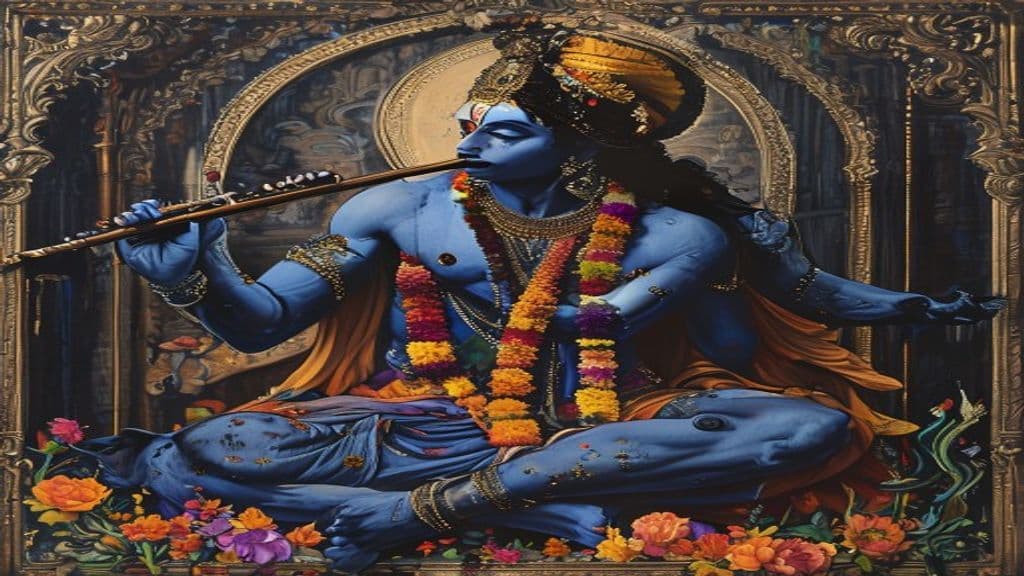
Krishna (Sanskrit: Kṛṣṇa) is a major Hindu deity presented in the supplied sources both as the eighth avatāra of Vishnu and, in many traditions, as the Supreme Being (Svayam Bhagavān). He appears in a range of roles—child, cowherd, lover, charioteer, teacher and divine hero—and his life episodes (Krishna-līlā) are central to bhakti devotion, performance arts, and pilgrimage traditions.

Krodhavasa
Lesser

Krodhavasa

Krodhavasa (Sanskrit: Krodhavaśā) is a mythological ancestress in the Puranic/Daksha–Kashyapa genealogies, wife of the sage Kasyapa and mother of a class of ferocious creatures called the Krodhavashas. Her name, derived from krodha (anger, wrath), is used etiologically to explain the ferocious temperament and sharp-toothed nature of certain animals, birds, and fish in epic–Puranic literature.

Kshetrapala
Greater

Kshetrapala

Fierce guardian deity of fields, village boundaries, and agricultural territory — an aspect of Shiva or Bhairava who punishes trespass with epidemic illness and crop failure. Every North Indian village once had a Kshetrapala shrine at its boundary stone; his is the first rite performed before plowing season.

Kubera
Ancient

Kubera

Kubera is the Hindu deity associated with wealth and the lord-king of the semi-divine yakshas, serving as the regent (dikpala) of the north and a protector of the world. His character evolves in textual history from a chief of evil spirits in Vedic sources to a respected lokapala and patron of wealth in later Puranic and epic literature.

Kubjikā
Ancient

Kubjikā

Kubjikā is the primary goddess of the Kaula Paścimāmnāya (Western transmission) within Kaula/Kaulism tantra, regarded as an aspect of the supreme feminine principle (Devi/Adi Paraśakti/Durga) and the lineage-tutelary śakti of a specific tantric current historically centered in medieval Kashmir and later preserved in secret Newar transmissions in the Kathmandu Valley.

Kuladevata
Lesser

Kuladevata

A kuladevata (Sanskrit: कुलदेवता) is an ancestral tutelary deity in Hinduism and Jainism bound to a specific clan (kula), gotra, family line, or household. Kuladevatas function as lineage guardians invoked for family well‑being, protection, vow‑fulfilment, and communal identity; they are distinct from ishta‑devata (personal chosen deity) and grāmadevatā (village deity).

Kumbhakarna
Greater

Kumbhakarna

Kumbhakarna is a gigantic rakshasa featured in the Hindu epic Ramayana as a younger brother of Ravana, famed for prodigious size, an enormous appetite, great martial prowess, and a supernatural sleep pattern produced by a divine curse/boon; he recognizes Rama's divinity but fights out of loyalty and is slain by divine weapons during the war.

Kundalini
Greater

Kundalini

Kundalini (Sanskrit: kuṇḍalinī, lit. 'coiled snake') is a form of innate divine feminine energy (Shakti) conceived in Hindu tantric and yogic systems as a latent, coiled power located at the base of the spine (Muladhara). When cultivated or transmitted through authorized practices it is said to rise through the central channel (sushumna) activating successive chakras and producing progressive transformations of consciousness, culminating in liberation or mystical realization.

Kusha
Greater

Kusha

Kusha (Sanskrit: कुश, IAST: Kuśa) is the elder of the twin sons of Rama and Sita in the Hindu epic the Ramayana. Presented in canonical Uttara Kāṇḍa material as a human prince raised at Valmiki's ashram, he functions as an heir and founder-king who preserves dynastic continuity and helps transmit the Ramayana as a cultural text; a small number of later or regional variants give alternate birth legends or expanded territorial claims.

Kushmanda
Greater

Kushmanda

Kūṣmāṇḍā (Kushmanda) is the fourth form in the Navadurga sequence of the Divine Mother (Durga), worshipped on the fourth day of Navaratri. In devotional accounts she is the creative theophany whose smile produces the cosmic egg and is associated with the solar sphere and offerings of the kūṣmāṇḍa (pumpkin/gourd).

Kuttichathan
Lesser

Kuttichathan

Kuttichathan is a Malabari (Kerala) folk-deity/kshetrapala figure presented in local Hindu and theyyam contexts as a juvenile, ambivalent spirit who can both bless households and harass them with trickery. In parts of northern Malabar he is identified with or represented by Vishnumaya Chathan and is invoked in theyyam ritual-performance and small-scale household propitiation.

Kuśadhvaja
Lesser

Kuśadhvaja

Kuśadhvaja is a human royal figure in the Ramayana tradition, described as the younger brother of King Janaka of Mithila, husband of Chandrabhaga, and father of Mandavi and Shrutakirti. He is named as King of Samkasya after Janaka defeats Sudhanvan and appears in the narrative context of the Sita–Rama marriage.

Kātyāyanī
Ancient

Kātyāyanī

Kātyāyanī is a martial aspect of the Hindu Great Goddess (Mahādevī/Durga), venerated as the sixth form of the Navadurgā and celebrated for slaying the asura Mahīśa. She is ritually worshipped on the sixth day of Navarātri and is associated with divine power and protective force.

LGBTQ Themes in Hindu Mythology
Primordial

LGBTQ Themes in Hindu Mythology

Hindu mythology represents a diverse range of entities and themes that challenge traditional binary notions of sex and gender, reflecting the tradition's emphasis on diversity, inclusivity, and acceptance. (Note: - Power tier: Primordial is likely an overestimation; given that the sources describe LGBTQ themes as "not a distinct category" but rather a spectrum within Hindu mythology, it's unclear if these enti)

Lakshmana
Lesser

Lakshmana

Lakshmana is the younger half-brother and devoted attendant of Rama in the Ramayana tradition. Portrayed as an ideal companion and protector during Rama’s fourteen-year exile and the war with Ravana, the Puranas also describe him as an incarnation (avatara) of the serpent Shesha, linking him to the divine order surrounding Vishnu.

Lakshmi
Ancient

Lakshmi

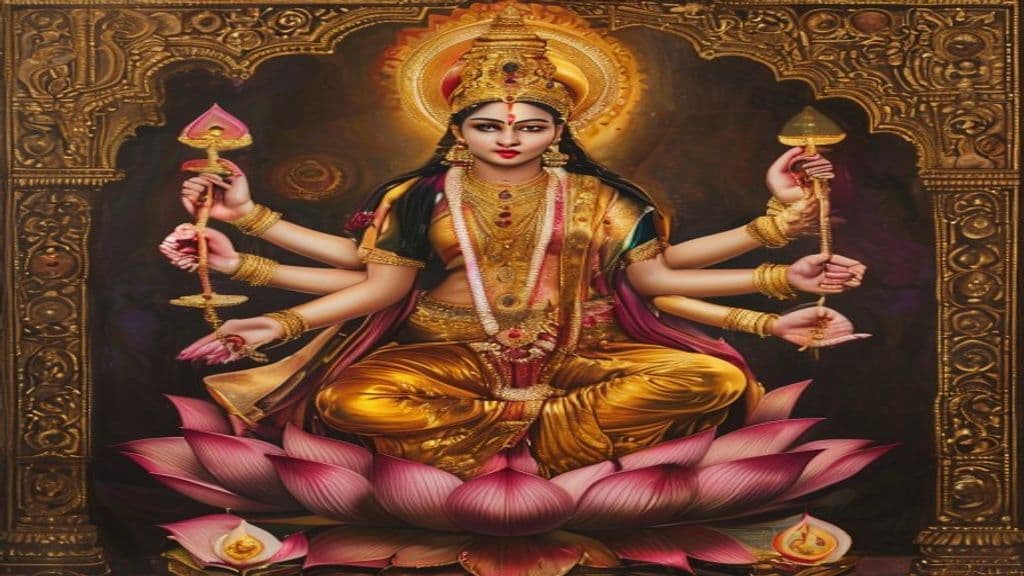
Lakshmi is a principal Hindu goddess who personifies śrī (auspiciousness) and is revered as the giver of fortune, wealth, prosperity, beauty, fertility, sovereignty, and abundance. She is the consort and shakti of Vishnu in Vaishnavism, part of the Tridevi with Parvati and Sarasvati, and is the focus of popular devotional and festival practices such as Lakshmi Puja during Deepavali and Navaratri.

Lanka (Hindu tradition)
Greater

Lanka (Hindu tradition)

A city-state and island fortress capital in Hindu epics, ruled by the Rakshasa king Ravana. (Note: - Power tier: Lower than Greater (Lanka is a city-state and island fortress capital, not a powerful regional entity) - Abilities: Specify that Lanka's ruler Ravana has no supernatural powers beyond hu)

Lasya (Hindu divine dance)
Primordial

Lasya (Hindu divine dance)

Lasya is a divine dance form innovated and performed by the goddess Parvati in Hindu mythology, embodying feminine, creative, and nurturing qualities. (Note: - Power tier should be Primordial (supported) but clarify that it's more about its divine and mythical origins rather than literal cosmic power. - Origin story and Abilities are accurate based on sour)

Lava (Ramayana)
Lesser

Lava (Ramayana)

Lava is the younger of the twin sons born to Rama and Sita in the Ramayana tradition. Raised at the hermitage of the sage Valmiki alongside his brother Kusha, he is taught the epic, recites it publicly, takes part in the ashvamedha yajna episode, and in later traditions is credited with rulership or city-founding in northern Kosala/Lavapuri.

Lavanasura
Greater

Lavanasura

Lavanasura (Sanskrit: लवणासुर, Lavaṇa-asura) is an asura figure in the Ramayana cycle who terrorizes sages and kings from his seat at Madhupuri. Armed with a trident inherited from his father Madhu, he is ultimately slain by Shatrughna by means of a special arrow given through Rama, after which Shatrughna is installed as king of Madhupuri.