Hindu Supernatural Beings

465 documented Hindu supernatural beings from the Evil Eye grimoire, including 153 ancient and 130 greater in power tier.

page 1 of 8

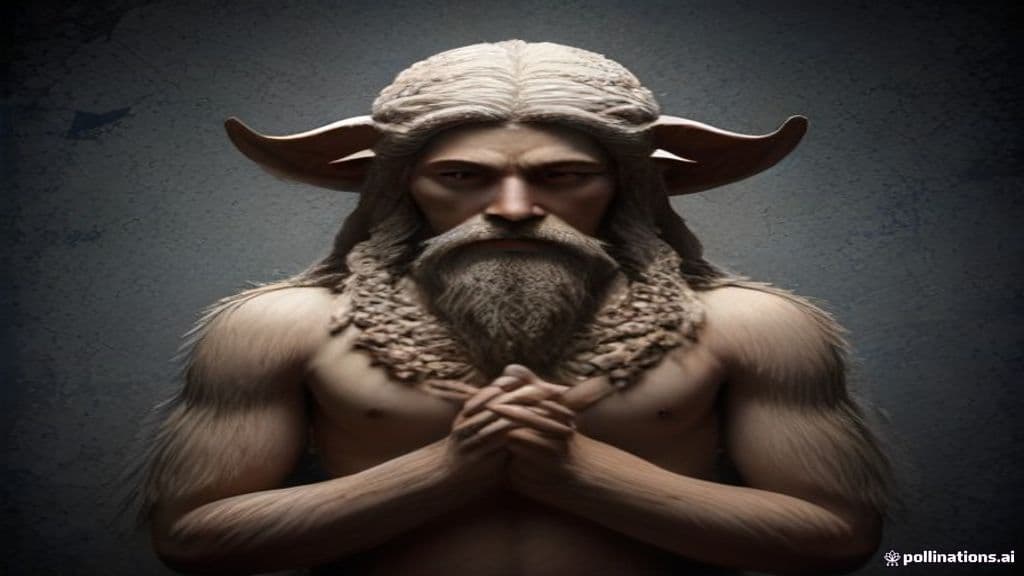
*Péh₂usōn (reconstructed)
Ancient

*Péh₂usōn (reconstructed)

Péh₂usōn is a hypothetical Proto‑Indo‑European pastoral guardian reconstructed by comparative scholars from parallels in Greek and Vedic traditions. Proposed as a Graeco‑Aryan ancestor‑figure, the reconstruction describes a protector of flocks, roads, and travellers rather than an attested historical cultic personality.
Abhimanyu
Lesser

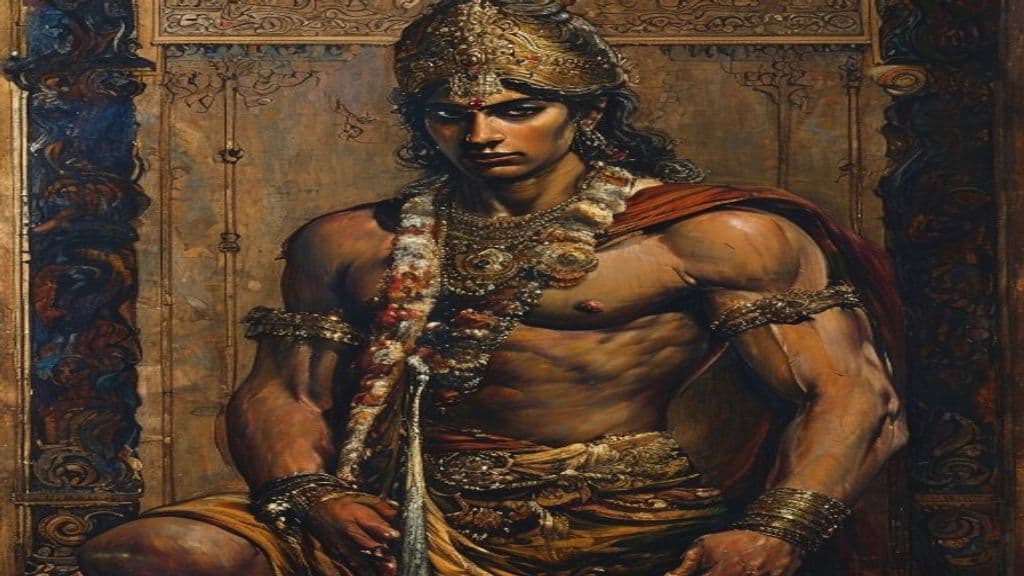
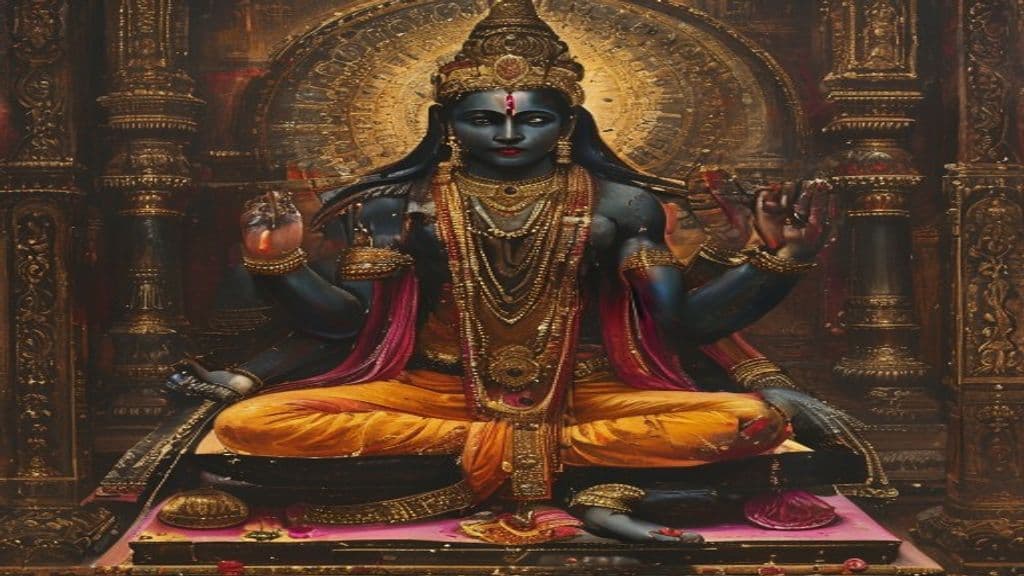
Abhimanyu

Abhimanyu is a youthful Kuru/Pandava warrior-hero in the Sanskrit epic Mahābhārata. Son of Arjuna and Subhadra, he is famed for entering the Chakravyuha battle formation on the thirteenth day of the Kurukshetra War and dying at age sixteen; his posthumous son Parikshit continues the Kuru line.

Achyuta
Ancient

Achyuta

Achyuta (Sanskrit: अच्युत, acyuta) is primarily an epithet/theonym in Vaishnava Hindu tradition applied to Vishnu and Krishna, signifying the divine quality of being 'not fallen' — immutable, infallible, and imperishable. It functions as a devotional name in scripture, liturgy, and Pancharatra lists of divine emanations rather than as an autonomous folkloric spirit.

Acintya
Ancient

Acintya

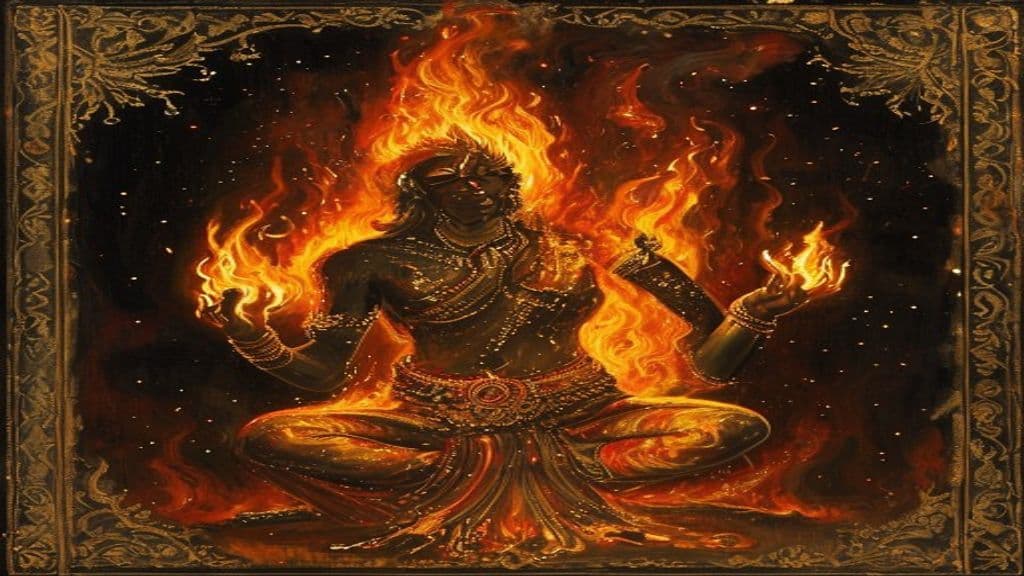
Acintya is an Indonesian Hindu theological-symbolic representation of the ineffable supreme divine principle. In Balinese and Javanese practice it functions as a way to make ultimate reality present in ritual and art—often aniconically as an empty throne (padmasana) or anthropomorphically as a naked, flame-surrounded figure—rather than as a narrative, intervening deity.

Adi (asura)
Lesser

Adi (asura)

Adi is attested in modern reference works as the name of an Asura who 'appears in the Matsya Purāṇa.' Beyond this single-line citation in secondary sources, no descriptive material about the figure is provided in the supplied research notes.

Adi Shakti
Primordial

Adi Shakti

Adi Shakti (also Adi Parashakti, Mahadevi, Adya Shakti) is the primordial feminine power in Hindu/Shakta theology, regarded as the ultimate reality (Para Brahman) and the source from which all goddesses and gods manifest. She is both an impersonal cosmic principle (Mulaprakriti) and a focus of devotional invocation in temples, mantras, and pilgrimage sites such as Shakti Peethas.

Adi Vinayaka
Greater

Adi Vinayaka

Adi Vinayaka (Ādi Vināyaka; also called Nara Mukha Vinayaka) is a named iconographic and devotional form of the Hindu god Ganesha portraying the deity with a human head, described in sources as the form before the episode of decapitation by Shiva. It is rarely worshipped and appears in a small number of South Indian shrines and in devotional/musical repertoires.

Aditi
Ancient

Aditi

Aditi is a major Vedic goddess in Hindu tradition who personifies the boundless, infinite cosmic principle and functions as the maternal matrix from which many celestial deities (the Ādityas and other groups) are born. In the Vedic hymns she is invoked as a protective liberator who guards petitioners, provides wealth and safety, and frees devotees from hindrances such as sin and sickness.

Agastya
Ancient

Agastya

Agastya (also Agathiyar/Agasti) is a revered Vedic and later-period Indian rishi (sage) figure credited in textual traditions as an inspired seer, ascetic, teacher, culture-founder, and attributed author of Vedic, Puranic and Tamil works; in South Indian tradition he is associated with origins of Tamil grammar and Siddha medicine and is identified astronomically with the star Canopus.

Aghasura
Greater

Aghasura

Aghasura is an asura from the Vaishnava/Hindu narrative tradition (notably the Srimad‑Bhāgavatam) who, at the command of Kamsa, assumed the form of a vast serpent to ambush Kṛṣṇa and the cowherd boys in Vṛndāvana. The episode demonstrates Kṛṣṇa’s protective, divine power as he enters and destroys the demon from within.

Agiya Baital
Lesser

Agiya Baital

The fire-form of the Vetala — a cremation ground spirit of UP and Bihar that manifests as a wandering flame rather than a corpse-inhabitor, leading night travellers off roads and into marshland or flames with a dancing fire that seems always just ahead.

Agneya / Āgneyī
Ancient

Agneya / Āgneyī

Āgneyī (feminine) or Āgneya (masculine adjective) is a Vedic–Puranic divine figure and ritual principle tied to the fire-god Agni and the southeastern direction. In textual traditions she appears both as a personified daughter/shakti of Agni and as an adjectival/technical term applied to fire-consecrated things (direction, astra, etc.). She also occurs as the name Agneya (or Anala) among items revealed in a Shaiva-Agamic list associated with the Aghora face of Sadashiva.

Agni
Ancient

Agni

Agni is the Vedic personification of fire in Hindu tradition: a sacred, mediating principle that manifests as terrestrial fire, atmospheric lightning, and celestial sun, and that receives and conveys sacrificial offerings. Prominent in the Rigvedic corpus, Agni functions as sanctifier, witness of rites of passage, and a transformational inner principle in later Upanishadic literature.

Agniveśa
Greater

Agniveśa

Agniveśa is a legendary rṣi (sage) in the Ayurvedic textual tradition, traditionally credited as the pupil of Punarvasu Atreya and as the attributed author of the lost Agniveśa Saṃhitā / Agniveśatantra. Later Ayurvedic compilers, notably Charaka, are described in the sources as having compiled, edited, and modified material attributed to Agniveśa into texts such as the Charaka Saṃhitā.

Ahalya
Lesser

Ahalya

Ahalya is a mytho-legendary woman of South Asian (primarily Hindu) narrative tradition, described as created by the god Brahma, married to the sage Gautama, seduced (or tricked) by Indra, cursed by her husband, and ultimately redeemed by Rama. Her tale is a locus for themes of creation, desire, curse/penance, and redemption and she is counted among the ritual-mnemonic panchakanya.

Ahiravan (Mahiravan)
Greater

Ahiravan (Mahiravan)

Ahiravan (also Mahiravan) is a rakshasa-king of Patala in Ramayana-derived narratives who abducts Rama and Lakshmana to sacrifice them to a goddess. Presented as a brother or trusted ally of Ravana in eastern Ramayana recensions, he is defeated and beheaded by Hanuman with divine aid.

Aindri (Indrani / Shachi / Paulomi)
Greater

Aindri (Indrani / Shachi / Paulomi)

Aindri (commonly rendered in sources as Indrani, also called Shachi or Paulomi) is a Hindu goddess presented as the queen-consort of Indra. She is depicted in the available material as a courtly queen associated with beauty, pride and kindness who also appears in at least one account as an active martial participant in the devas' battles with asuras.

Aiyanar
Lesser

Aiyanar

Aiyanar (Aiyaṉār, ஐயனார்) is a Tamil rural tutelary deity venerated chiefly in village contexts of Tamil Nadu and among Tamil communities in Sri Lanka. Portrayed as a martial guardian often mounted on a horse or elephant and accompanied by attendant spirits, he functions primarily to protect village boundaries, people, and livestock and has later been syncretized with the Sanskritic Sastha tradition.

Akhilandeswari
Ancient

Akhilandeswari

Akhilandeswari (Akhilandeshwari) is a major South Indian manifestation of the Hindu Goddess Adi Parashakti/Parvati, venerated as the presiding goddess of the Jambukeswarar Temple in Thiruvanaikaval. In temple tradition she is portrayed as a penitent/student of Shiva and figures in local legends, ritual schedules, and festivals that emphasize both maternal and fierce aspects.

Akshayavata
Minor Spirit

Akshayavata

In Hindu mythology, Akshayavata is a sacred banyan tree and/or lake that symbolizes eternal life. It is mentioned in both Hindu and Jain traditions and associated with the Puranas. (Note: - The power tier should be "Greater" or at least "Ancient", as it is associated with the Puranas, which are considered ancient texts. - No specific physical description is provided, but that doesn't m)

Akṣayakumāra
Lesser

Akṣayakumāra

Akṣayakumāra appears in the Ramayana as the youngest son of Rāvaṇa and a warrior sent to oppose Hanuman in the Ashoka Vatika episode; described as about sixteen, he fights bravely from a chariot and is killed by Hanuman.

Alaka (Hindu tradition)
Greater

Alaka (Hindu tradition)

Mythical city in Hindu cosmology, dwelling place of Kubera and ruler of the yakshas. (Note: - Power tier: Primordial (Alaka's splendor rivals Amaravati, which is a capital of a cosmic deity; thus, it should be categorized as Primordial) - Abilities: The text states Alaka has grandeur and maj)

Alakh Niranjan
Ancient

Alakh Niranjan

A doctrinal and devotional formula in the Nath-yogi tradition denoting the unseen, unblemished ultimate reality (Nirguna Brahman/Atman). Used as a salutational invocation, theological name, and signifier of realised Self rather than a personified supernatural being.

Alakshmi
Greater

Alakshmi

Alakshmi is an inauspicious female supernatural figure in Hindu tradition, presented as the negation or shadow-counterpart of the prosperity-goddess Lakshmi. She personifies poverty, grief, jealousy and social discord and is managed in domestic ritual and festival practice.

Alamelu
Ancient

Alamelu

Alamelu (also Alamelu Manga / Alarmel Mangai) is a South Indian devotional name for the goddess Padmavati, identified in sources as an avatar of Lakshmi and the consort of Venkateswara; the name is also used widely as a female personal name and in titles of cultural works in Tamil and Telugu contexts.

Aleya
Minor Spirit

Aleya

Ghost lights of the Sundarbans delta — flickering flames over swamp water said to be the souls of dead fishermen, luring the living off safe paths into drowning waters.

Ammāvaru
Primordial

Ammāvaru

Ammāvaru is a reverential designation for a mother-goddess figure in Hindu, especially Telugu/South Indian, contexts. In some accounts she is presented as a primordial maternal principle who preceded time and is said to have laid the egg from which Brahma, Shiva and Vishnu emerged; in practice the name functions as an honorific attached to multiple regional mother-goddess cults and temple images in Andhra Pradesh and nearby areas.

Amrita (Buddhist tradition)
Primordial

Amrita (Buddhist tradition)

In the context of Indian religions, particularly within Hinduism and Buddhism, Amrita is a divine elixir that grants immortality and eternal life. (Note: - Power tier should be Ancient (deity-level), not Primordial. - Origin story appears accurate but lacks specificity on when Amrita was first mentioned in the Rigveda; add more detail. - Abilities are )

Ananta (Infinite)
Primordial

Ananta (Infinite)

Ananta (Sanskrit: अनन्त, 'without end') is primarily an epithet of Vishnu and a symbolic principle of infinity that is personified as the cosmic serpent Shesha. In Puranic imagery Ananta/Shesha forms the multi‑headed couch and canopy for Vishnu as he rests on the cosmic waters between cycles of creation (pralaya), and thus underwrites cyclical cosmogenesis.

Anasuya (Hindu tradition)
Primordial

Anasuya (Hindu tradition)

In Hinduism, Anasuya is a type of ascetic and the wife of Sage Atri. She possesses 'miraculous powers' due to her spiritual practices and ascetic lifestyle. (Note: 1. Power tier: Primordial seems too high; according to source material, Anasuya's 'miraculous powers' are not specified and her description suggests a more subtle or internal quality rather than cosmi)

Andal
Greater

Andal

Andal is the sole female Alvar (Tamil Vaishnava poet-saint) venerated in the Sri Vaishnava tradition; traditionally placed in the 8th century CE, she is simultaneously remembered as a human poet-devotee and as an incarnation of Bhūmi/Lakṣmī who becomes ritually united with Viṣṇu. Her corpus (Tiruppavai and Nachiyar Tirumoli), temple cult at Srivilliputhur, and festival practices (including Margazhi recitation and the sending of her garland to major Viṣṇu shrines) form the core of her devotional presence.

Andhaka
Greater

Andhaka

Andhaka is a Puranic asura (demon) figure in Hindu literature who, born in an episode of darkness, attains great power through tapas and a boon from Brahmā, contests the gods and Shiva, and is ultimately defeated or transformed—sometimes repenting and becoming a Gaṇa chief. His story appears across multiple Puranas and Skandapurāṇa material.

Angada
Lesser

Angada

Angada (Sanskrit: Aṅgada) is a legendary vanara prince in the Rāmāyaṇa tradition who serves as a warrior, envoy, and later king of Kiśkindhā. He is presented as the son of Vāli and Tārā, nephew and lieutenant of Sugrīva, a commander in the expedition to Laṅkā, and a dramatic figure in later literary and performative adaptations.

Angiras
Ancient

Angiras

Angiras (Sanskrit Aṅgiras/Aṅgirāḥ) is primarily a Vedic rishi (sage) and eponymous lineage (Angirasa) associated with authorship of Vedic hymns, priestly/fire functions, and transmission of mantras; later Puranic accounts multiply his identities in genealogies and lists of sages.

Anila
Ancient

Anila

Anila (Sanskrit: अनिल, Anila) is one of the Vasus in Hinduism, an elemental attendant deity associated with the wind/air element and often identified as a form or aspect of the wind god Vayu when counted among the Vasus.

Aniruddha
Greater

Aniruddha

Aniruddha is a mythological Vrishni prince and warrior in Hindu narrative (notably the Bhagavata Purāṇa), grandson of Kṛṣṇa and Rukmiṇī, son of Pradyumna and Rukmavatī. He is portrayed as a dynastic hero (a mahārathi), participant in the Uṣā–Bāṇāsura episode, father of Vajra, and—in certain Vaiṣṇava theological schemes—counted among the catur-vyūha and associated with the boar (Varāha) theriomorph.

Ankalamma (Angala Paramesvari)
Lesser

Ankalamma (Angala Paramesvari)

Ankalamma (also Angala Paramesvari) is a village mother‑goddess and guardian deity (kaval deivam) of South India, venerated in Andhra Pradesh, Karnataka, and Tamil Nadu. She is associated with territorial protection, sacred groves, and liminal mortuary spaces (graves and cremation), and is often syncretized with Parvati, Kali, or counted among the Matrikas.

Annapurna
Ancient

Annapurna

Annapūrṇā is a Hindu goddess, a manifestation of Parvati who presides over food, feeding, and nourishment. She is venerated in temple cults (notably in Varanasi) and in textual traditions that praise annadāna (the donation of food) and invoke her through stotras and name-lists.

Annapurna Devi Mata
Ancient

Annapurna Devi Mata

Annapurna (Annapūrṇā, Annada, Annapurneshwari) is a Hindu manifestation of the goddess Parvati who sacralizes food, feeding, and nourishment. She is venerated in temple and household cults (notably the Annapurna Devi Mandir in Varanasi) and is the focus of stotras, aarti, sahasranama, and the festival Annapurna Jayanti.

Antaboga
Primordial

Antaboga

Antaboga is a primordial serpent deity in Javanese and Sundanese traditional beliefs, later incorporated into Balinese Hinduism. Portrayed as an original creative being, Antaboga meditates and brings forth the world turtle Bedawang and other divine figures; its image appears widely in Javanese and Balinese ritual ornament and iconography.

Ap (the Waters)
Ancient

Ap (the Waters)

Ap (Vedic áp-, Classical Sanskrit āpas/āpa-) denotes the sacred category of 'the waters' in Vedic/Hindu thought: a physical element (water), an animate cosmic principle addressed in Rigvedic hymns, and an elemental category later counted among the Panchamahabhuta. The term names collective waters invoked in ritual, is linked to deities such as Varuna and the epithet Apām Napāt, and survives in related Indo-Iranian vocabularies (Avestan āpō/Aban, Persian āb).

Apam Napat
Primordial

Apam Napat

Persian deity associated with water, creation, and the natural world. (Note: 1. Power tier: Apam Napat is mentioned in the Rig Veda, which is an Indo-Iranian text, but he is not described as a cosmic creator figure; rather, he is specifically credited with creating all things.)

Apasmara
Lesser

Apasmara

Apasmara is a diminutive mythological figure in Hindu iconography who personifies loss of memory, ignorance, and the ego-faculty (ahamkāra); simultaneously, apasmāra is a classical Ayurvedic disease category used for seizure- and memory-related neurological disorders. In temple imagery Apasmara is eternally subdued beneath the right foot of Shiva (as Natarāja or Dakṣiṇāmūrti), symbolizing the necessary suppression of ignorance for the possibility of liberation.

Apsara
Lesser

Apsara

Celestial dancers and water nymphs of Hindu cosmology — beautiful semi-divine beings who dance at the court of Indra and, by his command, descend to earth to distract sages from excessive asceticism.

Araṇyānī
Ancient

Araṇyānī

Araṇyānī is the Vedic forest goddess/personified presence of the wild in early Hindu literature, best known from the Aranyani Suktam (Rigveda 10.146). She embodies the autonomous, productive character of untamed woodlands—elusive, a provider of sustenance, and perceptible by the tinkling of anklets rather than by sight.

Ardhanārīśvara
Ancient

Ardhanārīśvara

Ardhanārīśvara is an androgynous iconographic form in Hindu tradition combining Shiva and his consort Pārvatī into a single deity split vertically as male and female, symbolizing the inseparability and synthesis of masculine and feminine cosmic principles.

Arjuna
Ancient

Arjuna

Arjuna is the central heroic prince of the Pandava brothers in the Sanskrit epic the Mahabharata. Son of Indra and Kunti, he is famed as the preeminent archer, recipient of divine weapons and teachings (notably Krishna's Bhagavad Gita), and a principal human exemplar through whom questions of duty (dharma), ritual kingship, and the human–divine relationship are explored.

Arundhatī (Arundhati)
Lesser

Arundhatī (Arundhati)

Arundhatī is a mytho-religious figure in Hindu literature, famed as the chaste wife of the sage Vasiṣṭha and an exemplar of conjugal fidelity. She is also identified with the faint star Alcor (the companion of Mizar) in Ursa Major and is invoked in marriage rites and seasonal observances as a visible emblem of ideal marital unity.

Aryaman
Ancient

Aryaman

Aryaman is an early Vedic deity counted among the Ādityas in the Rigveda. He functions as a solar figure and as a divine patron and witness of social customs—particularly hospitality and marriage—whose celestial path is linked with the Milky Way.

Ashta Lakshmi
Ancient

Ashta Lakshmi

Ashta Lakshmi (Aṣṭalakṣmī) is a grouped set of eight manifestations of the Hindu goddess Lakshmi, each presiding over a distinct source or form of wealth and together worshipped as an octet, especially in South Indian and Sri Vaishnava devotional contexts. The specific formulation of these eight forms as a fixed octet has become especially prominent in modern devotional media and temple installations since the mid-20th century.

Ashtavakra
Ancient

Ashtavakra

Ashtavakra (Sanskrit: Aṣṭāvakraḥ, lit. 'eight deformities') is a Hindu rishi/revered sage appearing in Itihasa and Purāṇic narratives and credited in tradition with a short non-dual scripture, the Ashtavakra Gita. In legend he is a prodigious Vedic scholar from the womb, renowned for extempore verse, philosophical teaching, and interventions in royal sacrificial assemblies rather than a hostile supernatural being.

Ashvins
Ancient

Ashvins

The Aśvin (Ashvins) are Vedic twin divine horsemen invoked in the Rigveda as youthful rescuers and restorers who travel in a swift chariot; they are closely associated with dawn/twilight, healing, and medicine and are repeatedly called upon to save, restore, or bring home those in peril.

Asita
Lesser

Asita

Asita is a name applied to one or more ancient Indian sages: in Buddhist sources a forest-dwelling tāpasa and seer who perceived the birth of the Bodhisattva Siddhartha and prophesied his destiny; in Vedic and Purāṇic lists Asita appears as a rishi/pravara within gotra genealogies. Traditions sometimes distinguish or conflate these figures.

Asura
Greater

Asura

Asura (Sanskrit: असुर) are a class of supernatural beings in Indian religious traditions. In Hinduism they are described as power-seeking beings related to, and often oppositional toward, the Deva; in Buddhist cosmology they form a demigod/titan class characterized by passions such as wrath and envy. Individual asura figures (notably the asura Svarbhānu) appear in myths that produce the eclipse-entities Rahu and Ketu.

Asvins
Ancient

Asvins

The Asvins (Ashvini Kumaras; Nāsatya and Daśra) are Vedic divine twin horsemen associated with dawn and twilight, invoked as youthful rescuers, healers, and ritual helpers who bring timely restoration and renewal.

Atharvan
Primordial

Atharvan

A legendary Vedic sage and creator of sacred texts, associated with the institution of fire sacrifices. (Note: - Power tier: Not Primordial (Atharvan's abilities are more in line with a Greater or Ancient power tier, given his association with the creation of sacred texts and institution of fire sacrifices). -)

Atikāya
Greater

Atikāya

Atikāya is a colossal rakṣasa prince in the Ramayana (Yuddha Kāṇḍa), son of Rāvaṇa and Dhanyamalinī, who fights in the Lanka war and is slain by Lakṣmaṇa after being struck with a Brahmāstra. Later retellings attribute to him an episode in which he catches Śiva's trident and is taught archery.

Atri
Greater

Atri

Atri is a principal Vedic rṣi (seer) and eponymous founder of the Atreya lineage credited with composing hymns in the Rigveda (notably Mandala 5). He is portrayed in epic and puranic narratives as a mānasputra of Brahma, a practitioner of tapas whose austerities attract the Trimurti, and as the hospitable hermit-counselor in Ramayana episodes.

Aupamanyava
Minor Spirit

Aupamanyava

Aupamanyava is a Vedic patronymic and teacher-name cited in Vedic literature (not a supernatural being). Appearing in the Vamsa Brahmana and other Vedic and philological texts, the name marks a sage or lineage (descendant of Upamanyu) associated with teaching the Sama Veda and with lexical/grammatical work cited by later commentators such as Yaska.

Aurnavabha
Lesser

Aurnavabha

Aurnavabha (also attested as Aurṇavābha) is a name occurring in Vedic hymnic material (Rigveda) and later cited in bibliographic/theosophical indexes as a Vedic commentator. The sources present the name as textual/authorial rather than as an independently attested supernatural being.