Jewish Supernatural Beings

289 documented Jewish supernatural beings from the Evil Eye grimoire, including 93 lesser and 71 ancient in power tier.

page 1 of 5

Aaron
Greater

Aaron

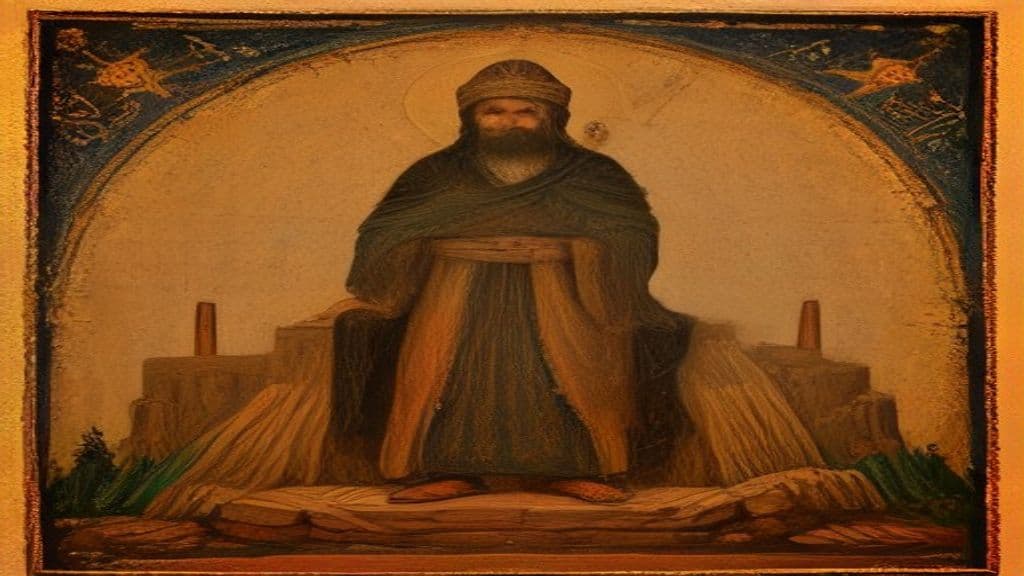
Aaron is a central human figure in Israelite sacred literature: the elder brother of Moses, the first high priest (progenitor of the Aaronide priesthood), and a spokesman/prophet who mediates between Israel and God in Exodus–Deuteronomy narratives. His role in the texts establishes hereditary priestly authority, ritual functions (sacrifices, blessing, use of Urim and Thummim), and institutional norms for Israelite cultic life.
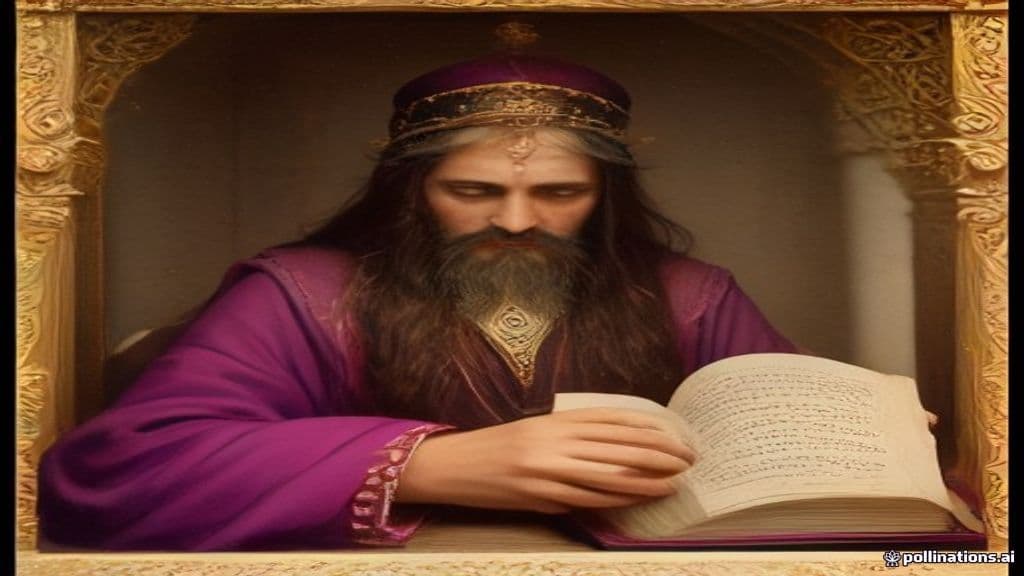
Abaddon
Ancient

Abaddon

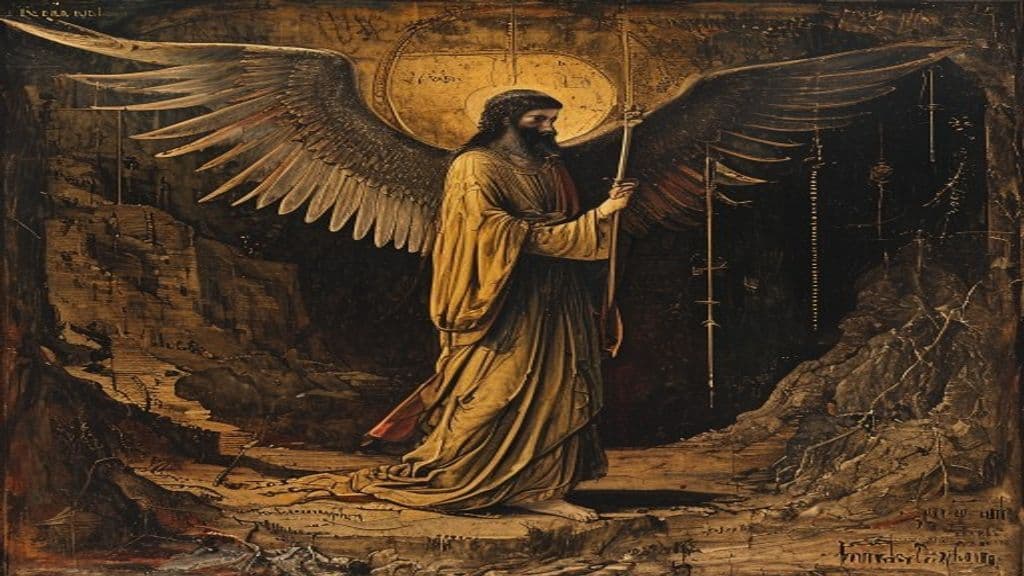
In Hebrew scripture Abaddon is primarily a noun meaning 'destruction' or a section/condition of the underworld paired with Sheol; in the New Testament Book of Revelation Abaddon is personified as an angelic figure (Greek Apollyon) described as the king of an army of locusts released from the abyss during the apocalypse.

Abagtha
Lesser

Abagtha

Abagtha (Hebrew: אבגתא, ’Ǎḇaḡṯā) is a named human court official in the Hebrew Bible’s Book of Esther, listed among seven chamberlains who ministered before King Ahasuerus and were commanded to bring Queen Vashti before the king. He is attested only in Esther 1:10 and is presented as an institutional palace attendant rather than a supernatural being.

Abdiel
Minor Spirit

Abdiel

Abdiel (Hebrew עֲבְדִּיאֵל) is primarily a theophoric Hebrew personal name meaning "servant of El/servant of God," attested once in the Hebrew Bible (1 Chronicles 5:15). In later literature—most notably John Milton's Paradise Lost—Abdiel is reimagined as a faithful seraph who opposes Satan's revolt. The provided sources do not treat Abdiel as an autonomous folkloric spirit type or record rituals or wards associated with the name.

Abel
Lesser

Abel

Abel is the second son of Adam and Eve in the Genesis narrative, a shepherd whose accepted offering and subsequent murder by his brother Cain form the biblical account of the first death. Later interpretive traditions expand his role, treating him as an archetypal righteous victim, a postmortem avenging or adjudicating figure, and in some systems (notably Mandaean) identifying him with an angelic lightbeing.

Abiathar
Minor Spirit

Abiathar

Abiathar (Hebrew: אֶבְיָתָר, ʾEḇyāṯār) is a named human priestly figure in the Hebrew Bible. He is presented as a survivor of the Nob massacre who fled to David with priestly regalia, served as a priest and counselor in David's court, and was later deposed and sent to Anathoth by Solomon for supporting Adonijah.

Abiel
Lesser

Abiel

Abiel is attested in the supplied sources only as a male given name — borne by several historical American individuals and listed as two minor biblical figures. The provided materials contain no evidence presenting Abiel as a supernatural, mythological, or folkloric entity.

Abigail
Lesser

Abigail

Abigail is a female figure in the Hebrew Bible portrayed in 1 Samuel 25 as the intelligent and beautiful wife of Nabal who intervenes to prevent David from committing violence; later tradition regards her as one of the Tanakh's seven female prophets and as a model of beauty and wisdom.

Abijah of Judah
Minor Spirit

Abijah of Judah

Abijah (also Abijam or Abiah) is presented in the biblical and later interpretive traditions as a short-reigning human king of Judah from the Davidic line. He is portrayed as a dynastic successor whose military actions (notably the battle at Mount Zemaraim) and moral evaluation in rabbinic literature are interpreted theologically in relation to the Davidic covenant.

Abimelech
Lesser

Abimelech

Abimelech is a Hebrew personal name and occasionally a regnal title attested in the Hebrew Bible and later traditions. It appears as the name/title of Philistine rulers in the patriarchal narratives (the "king of Gerar" who interacts with Abraham and Isaac) and as the personal name of Abimelech son of Jerubbaal (Gideon) in Judges, a dynastic usurper whose brief rule ends in violent death.

Abishag
Minor Spirit

Abishag

Abishag is a young woman from Shunem described in 1 Kings 1 as chosen to attend the aged King David, brought to lie beside him to provide warmth and serve as a helper/servant; her later status became a political issue in the succession disputes following David's death.

Abishai
Lesser

Abishai

Abishai is a personal name attested in several distinct sources: a biblical individual described as the eldest son of Zeruiah (sister of King David); a Semitic chief named in an inscription at Beni-Hasan in Middle Egypt; and modern cultural uses including a named monster in Dungeons & Dragons and as an artist/stage name. The supplied materials do not present Abishai as a supernatural being within a living cosmology.

Abishua
Lesser

Abishua

Abishua (Hebrew: אֲבִישׁוּעַ, ʾĂḇīšūaʿ) is presented in the provided sources as an early Israelite priestly figure and ancestor in the line of Aaron, appearing in biblical genealogies (not as a supernatural being). He functions as a link in the hereditary succession of priests that legitimizes cultic authority in Israelite tradition.

Abital (Avital)
Minor Spirit

Abital (Avital)

Abital (Hebrew Ab'ital / Avital) is a Hebrew personal name attested in the Old Testament as one of King David's wives and in modern Hebrew as a given name. The name literally evokes dew (tal) combined with av/avi (father/my father) and functions in sources as an onomastic item rather than a supernatural being.

Abner
Lesser

Abner

Abner (Hebrew: אַבְנֵר, ʾAḇnēr; also Abiner) is a human figure in the Hebrew Bible, presented as Saul's kinsman and commander-in-chief who plays a central role in the dynastic conflict between Saul's house and David. Later rabbinic (Midrashic) literature expands and moralizes his biography with legendary exaggerations about his strength and parentage.

Abomination of Desolation
Minor Spirit

Abomination of Desolation

An apocalyptic prophetic phrase originating in the Book of Daniel designating a profaning thing or act that renders the Jerusalem Temple cult desolate; later reused in the Synoptic Gospels as an eschatological sign prompting urgent flight. The term denotes ritual/cultic impurity (Hebrew shiqquts) and is variously interpreted as pagan offerings or altar, a foreign cult statue, or (in some New Testament readings) an acting agent.

Abraham
Minor Spirit

Abraham

Abraham (originally Abram) is the foundational patriarchal ancestor in the Hebrew Bible whose life establishes a covenantal relationship between his family/people and God. He functions as an exemplar of faith, the progenitor of promised descendants, and a narrative anchor for claims of land, blessing, and communal identity in later religious traditions.

Absalom
Lesser

Absalom

Absalom (Hebrew: אַבְשָׁלוֹם, ʾAḇšālōm, lit. 'Father of Peace') is a biblical Israelite prince, son of King David and Maacah, known for his beauty, long hair, political maneuvering, rebellion against his father, and violent acts within the Davidic court. He is presented in the Hebrew Bible as a human actor whose rise and fall illustrate themes of justice, kingship, familial sin, and divine consequence.

Abyzou
Lesser

Abyzou

Abyzou is a female malignant supernatural figure in Near Eastern and medieval European magico-medical and demonological traditions, blamed especially for miscarriages, stillbirths, and infant mortality. She appears in literary sources (notably the Testament of Solomon) and on Byzantine and medieval amulets where her flight or subjugation is commanded by names, images, and saints/archangels.

Achish
Lesser

Achish

Achish (Hebrew: אָכִישׁ, translit. ʾāḵīš) is a personal name or royal designation used in the Hebrew Bible for Philistine rulers associated with the city of Gath and is attested in extrabiblical West-Semitic and Akkadian inscriptions (rendered as ʾākayūš / Ikausu). Sources treat Achish as a human king (or a dynastic title) who interacts with Israelite figures such as David and appears in narratives concerning asylum, military service, and inter-polity politics.

Adam
Minor Spirit

Adam

In the Hebrew Bible (Genesis 1–5) Adam is the first human, both as an individual progenitor and as a term for humankind. Created by God from the dust of the ground and animated by God's breath, Adam is placed in the Garden of Eden, names the animals, receives divine command, disobeys with Eve, and fathers the first named human descendants (Cain, Abel, Seth).

Adam Kadmon
Primordial

Adam Kadmon

Adam Kadmon (Hebrew: אָדָם קַדְמוֹן) is the Kabbalistic Primordial Man: a supra‑human, archetypal pattern or persona projected at the first stage of creation after God's contraction (tzimtzum). It is a metaphysical template corresponding to the highest aspect of divine intention and the sefirotic structure rather than a historical, corporeal individual.

Adam and Eve
Primordial

Adam and Eve

Adam and Eve are the primordial human pair in the Abrahamic creation narratives who function as the first man and woman, placed in the Garden of Eden to steward creation. Their eating of the forbidden fruit produces a changed human condition—knowledge of good and evil, shame, pain, labor, mortality—and their story underpins later doctrines such as the Christian doctrine of original sin while being read differently across Jewish and Islamic traditions.

Adonai
Ancient

Adonai

Adonai (אֲדֹנָי) is one of the sacred Hebrew names used in Judaism to refer reverently to the singular God. It functions as a liturgical and devotional substitute or form for the divine Name and is treated with linguistic and ritual care in Jewish practice; it also appears in Christian liturgy (e.g., the Advent antiphon “O Adonai”).

Adonay
Ancient

Adonay

Adonay (אֲדֹנָי, often transcribed Adonai or Adonay) is a sacred Hebrew appellation meaning roughly "Lord" or "Master," used in Jewish liturgical and scriptural language as a reverent name for the divine. In the provided sources it functions as a theological title within Judaism rather than a personified folkloric being; discussions around it center on reverent usage and the communal care taken with divine names.

Adonijah
Lesser

Adonijah

Adonijah (Hebrew: אֲדֹנִיָּה, ’Ǎḏōnīyyā, "my lord is Yah") is presented in the Hebrew Bible as the fourth son of King David who made a bid for the throne during David's final illness, secured some elite support, took sanctuary at the altar, was pardoned conditionally, and later executed after petitioning Solomon to marry Abishag.

Adriel the Meholathite
Minor Spirit

Adriel the Meholathite

A named human figure in the Hebrew Bible (2 Samuel), identified as Adriel son of Barzillai the Meholathite and cited in genealogical and narrative material connected to events in the reign of David. He appears as a social/lineage marker in the account concerning the Gibeonites and the execution and burial of members of Saul's house.

Agag
Lesser

Agag

Agag (Hebrew אֲגָג, ʾĂḡāḡ) is presented in the Hebrew Bible and later Jewish exegetical tradition as a royal personal name or dynastic title applied to the kings of Amalek. Treated as a human foreign king and eponymous ancestor of Amalekite hostility, Agag functions in scripture and rabbinic literature as a political antagonist whose fate embodies themes of memory, justice, and the consequences of royal failure.

Agagite
Lesser

Agagite

A literary ethnonym used in the Book of Esther to identify Haman as a descendant or representative of Agag, king of the Amalekites; in rabbinic and midrashic interpretation it functions as a symbolic marker of perennial enmity toward Israel rather than a description of a supernatural being.

Agrat bat Mahlat
Greater

Agrat bat Mahlat

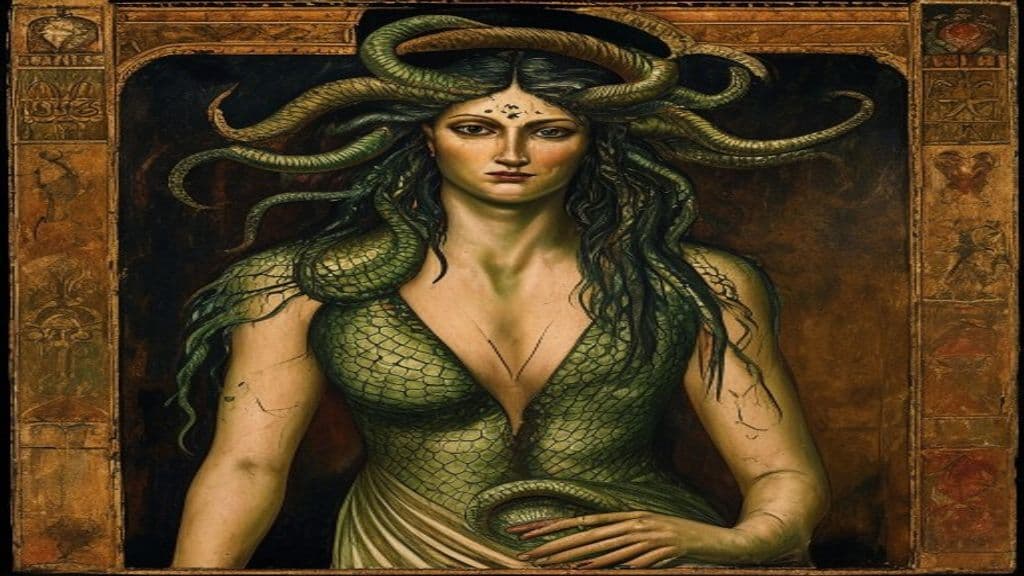
Agrat bat Mahlat is a female night‑spirit attested in rabbinic, midrashic, and Kabbalistic literature, portrayed as “daughter of Mahlat” and counted among principal female powers associated with Samael. She leads or is accompanied by a retinue of destructive nocturnal spirits and appears in teachings warning against going out alone at certain nights.

Agur ben Jakeh
Lesser

Agur ben Jakeh

Agur ben Jakeh is presented in the Hebrew Bible (Proverbs 30) as a sage and compiler or speaker of a distinct collection of sayings. The figure functions in textual tradition as a named human sage, a possible pedagogical persona, and—in some readings—an oracular voice; there is no evidence in the supplied sources that Agur is a supernatural being.

Ahab
Lesser

Ahab

Ahab (Hebrew: אַחְאָב, ʾAḥʾāḇ) is principally the historical/biblical seventh king of the northern Kingdom of Israel, son and successor of Omri, remembered in Hebrew scripture and later rabbinic literature for political activity, promotion of Baal worship, and confrontation with prophets. The name is also reused in later literature (notably Herman Melville's Captain Ahab), but the supplied sources treat these as distinct human figures rather than supernatural beings.

Ahasuerus
Ancient

Ahasuerus

Ahasuerus is a royal personal name in the Hebrew Bible applied to one or more kings of Persia, most prominently the monarch who rules from Susa in the Book of Esther. The name is etymologically derived from Old Persian Xšayāršā (Xerxes) but functions in the texts as a name-title whose precise historical referent is disputed across traditions.

Ahijah the Shilonite
Lesser

Ahijah the Shilonite

Ahijah the Shilonite is a Levite prophet attested in the Hebrew Bible (1 Kings) who foretold Jeroboam's rise and is credited in Chronicles with a now‑lost work. Rabbinic literature expands him into a legendary long‑lived transmitter of sacred lore while also debating his moral fallibility in the Jeroboam episode.

Ahimaaz
Lesser

Ahimaaz

Ahimaaz (Hebrew: אֲחִימַעַץ, ʾĂḥīmaʿaṣ, "My Brother Is Counselor") is a human figure in the Hebrew Bible presented as a son of the high priest Zadok, a priestly court official and messenger attached to King David's court, and later listed as Zadok's successor in the priestly genealogy. He appears in narratives of David's reign—notably during Absalom's revolt—and is associated with the royal and sanctuary leadership of Jerusalem.

Ahimelech
Lesser

Ahimelech

Ahimelech is a historical/biblical Israelite priest of Nob mentioned in the Hebrew Bible (primarily 1 Samuel). A descendant of Aaron through the line associated with Eli and Ithamar, he provides David with the showbread and is later accused of aiding David; Saul orders his death and that of the attending priests, an event carried out by Doeg the Edomite.

Ahinoam
Lesser

Ahinoam

Ahinoam (Hebrew: אֲחִינֹעַם, ăḥīnōʿam) is a personal name borne by one or possibly two women in the Hebrew Bible associated with the royal households of Saul and David. In the biblical narratives she appears as a wife and mother within the social world of ancient Israelite monarchy and is involved in episodes such as the Amalekite raid on Ziklag; scholars debate whether the references designate the same woman or distinct individuals from different narrative strands.

Ahithophel
Lesser

Ahithophel

Ahithophel (also Achitofel) is a human counselor in the Hebrew Bible famed for his wisdom. He served King David, later defected to Absalom during Absalom's rebellion, and after his advice was ignored he returned to Giloh and hanged himself.

Ahitophel
Lesser

Ahitophel

Ahitophel is a biblical-era human counselor to King David famed for exceptional wisdom in the Hebrew Bible and later rabbinic literature. In the biblical narrative he defects to Absalom during the prince's revolt and his counsel nearly topples David; rabbinic traditions further portray him as a gifted but morally compromised sage who misuses divinely granted knowledge.

Ahitub
Lesser

Ahitub

Ahitub (Hebrew: אֲחִיטוּב ’Aḥiṭub/’Aḥiṭuv, 'my brother is goodness') is a name borne by one or more Israelite priests attested in biblical genealogies and later reference works. In the source tradition he functions as a member and ancestral node within the hereditary Aaronic/priests lists (connections variously include son of Phinehas, grandson of Eli, and ancestor of Zadok and of Ezra), and is treated as a human priestly figure rather than a supernatural being.

Alcimus
Lesser

Alcimus

Alcimus is a name used for multiple figures in classical and Jewish-historical traditions. Most prominently, Alcimus (Greek Alkimos; Hebrew Elyaqum / Jakeimos) is recorded in Hellenistic Jewish sources as a high priest of Israel (c. 162–159 BCE) associated with pro-Seleucid, Hellenizing policies and opposition to the Maccabean revolt; separately, the same Greek name appears as a label for several minor mortal figures in Greek mythographic and epic lists.

Alexander the Great (legend)
Ancient

Alexander the Great (legend)

A pan-cultural legendary hero-king whose historical career was transformed into a body of miraculous and etiological tales (the Alexander Romance). In these traditions he is alternately a divinely sanctioned conqueror, boundary-builder credited with the Gates of Alexander, and a questing culture-hero associated with oracles, votive dedications, and tests of loyalty.

Alpha and Omega
Ancient

Alpha and Omega

A titulary formula and visual symbol formed from the first and last letters of the Greek alphabet (Α/α and Ω/ω), used in Christian scripture and art to denote God's or Christ's totality — 'the beginning and the end.' It functions as a theological appellation rather than an independent supernatural being.

Alukah
Primordial

Alukah

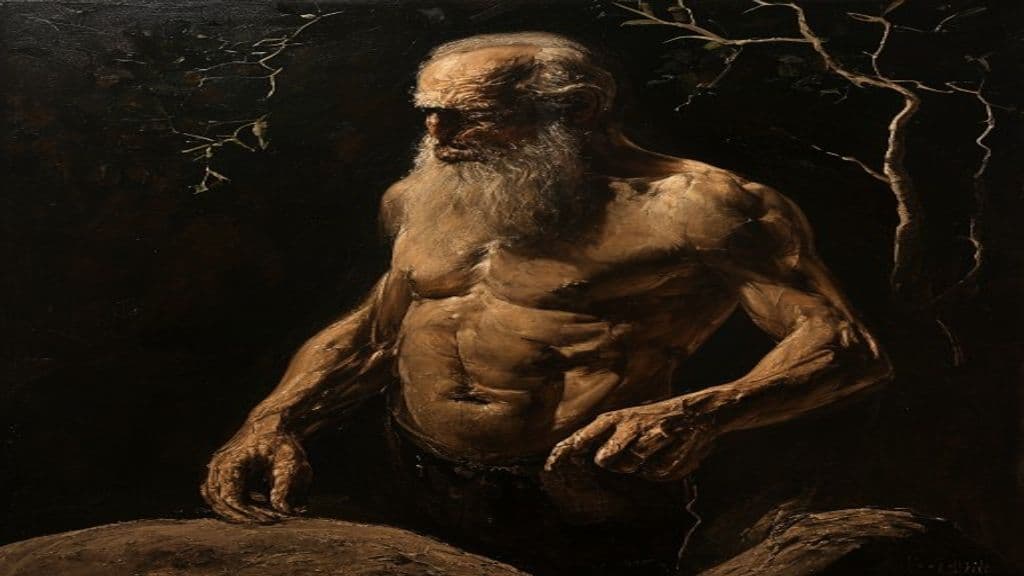
In Jewish tradition, Alukah is a blood-lusting monster or vampire described in the Hebrew Bible's Proverbs 30:15. (Note: 1. Power tier should be Minor Spirit (or possibly Lesser) since it feeds on animals and doesn't match the Primordial description. 2. Abilities don't accurately reflect "blood-lusting monster" or vampi)

Al‑Yasa (Elisha)
Ancient

Al‑Yasa (Elisha)

Al‑Yasa (Elisha) is a prophetic figure attested in Abrahamic scriptural traditions. In the Hebrew Bible he is described as an Israelite prophet and 'wonder‑worker'; later traditions in Christianity and Islam also recognize him among the line of prophets.

Amalek
Minor Spirit

Amalek

Amalek (Heb. עֲמָלֵק, ʿĂmālēq) is presented in the supplied sources as an eponymous ancestor and the nation/tribe of the Amalekites in the Hebrew Bible — a recurring human enemy of Israel whose ambushes and raids become the paradigm for a legal-theological injunction to eradicate their memory.

Amalekites
Ancient

Amalekites

The Amalekites are a people-group in the Hebrew Bible and later tradition portrayed as Israel's archetypal hostile enemy. Presented as a tribal/national antagonist descended from Amalek (a grandson of Esau), they appear in narratives of raids and battles and later as a theological symbol of implacable enmity that some texts treat as warranting eradication.

Ammon (tradition)
Lesser

Ammon (tradition)

In the provided sources, 'Ammon' is primarily attested as the ethnonym and toponym of the ancient kingdom and people known as the Ammonites (centered on Rabbah/Rabbat Ammon, modern Amman) and as a component in later theonyms (e.g., 'Jupiter Ammon'). The corpus supplied contains etymological, geographic, biblical, and modern onomastic information but does not document 'Ammon' as a discrete folkloric spirit or supernatural being with a ritual corpus.

Amos
Lesser

Amos

Amos is a human prophetic figure in the Hebrew Bible, traditionally counted among the Twelve Minor Prophets. Presented as a rural, non‑professional prophet from Tekoa, he delivers visionary oracles condemning social injustice and ritual hypocrisy and is traditionally credited with the book bearing his name.

Amoz
Minor Spirit

Amoz

Amoz (Hebrew: אָמוֹץ, ʼAmōṣ/Amotz) is a personal name in the Hebrew Bible identified as the father of the prophet Isaiah. In rabbinic tradition the naming of a prophet's father is sometimes read as implying that the father was also a prophet; later rabbis therefore ascribe prophetic status and royal kinship to Amoz in interpretive accounts.

Anak
Lesser

Anak

Anak is a Hebrew Biblical eponymic ancestor associated with the Anakim, a clan or group remembered in Israelite tradition as unusually large and formidable inhabitants of the hill country around Hebron. In biblical narratives the Anakim are rhetorically linked to older mythic categories (Nephilim, Rephaim) but function primarily as remembered pre-Israelite people rather than a ritualized supernatural species.

Anakim
Lesser

Anakim

In Hebrew Bible tradition the Anakim (עֲנָקִים, 'sons/descendants of Anak') are an ancestral people remembered for extraordinary size and a fearsome appearance. Presented as inhabitants of the southern hill country of Canaan who opposed Israelite settlement, they are narrated as a martial/territorial population rather than as supernatural beings; biblical and later sources compare or associate them with other ancient 'giant' categories (Nephilim, Rephaim) and note possible non‑biblical echoes (Egyptian Execration texts' ly Anaq).

Ananelus (Hanameel)
Lesser

Ananelus (Hanameel)

Ananelus, also attested in Hebrew as Hanameel, was a historical kohen who served as High Priest of the Jerusalem Temple in the late 1st century BCE. Appointed by Herod the Great in 37 BCE to fill the vacancy created by the execution of Antigonus II Mattathias, he was removed in favour of Aristobulus III and later restored; later succession events place his tenure before the appointment of Simon son of Boethus after 29 BCE. He is credited in rabbinic tradition (Mishnah, Parah 3:5) with preparing the penultimate of seven red heifers used in the post‑Exilic/Second Temple period.

Ananias son of Nedebeus
Lesser

Ananias son of Nedebeus

Ananias son of Nedebeus (Hebrew: חנניה בן נדבאי, Ḥananyá ben Nadváy) is presented in Jewish and early Christian sources as the historical high priest of Jerusalem who served c. 47–58 CE. He appears in the Acts of the Apostles as the presiding official at parts of the legal proceedings against Paul and is discussed in later historical commentary (including Josephus under the variant 'Ananias ben Nebedeus').

Ananus ben Ananus
Lesser

Ananus ben Ananus

Ananus ben Ananus (Ḥānān ben Ḥānān) was a first‑century CE Jewish high priest and political leader in Jerusalem. Presented in the sources as a member of the priestly House of Ananus (Annas) and a Sadducean aristocrat, he exercised judicial authority, ordered the execution of James (per Josephus), led anti‑Zealot forces during the First Jewish–Roman War, and was killed in internecine fighting in 68 CE.

Andrealphus
Lesser

Andrealphus

Andrealphus is a spirit named in the Ars Goetia (Lesser Key of Solomon) tradition, described as a Marquis who governs thirty legions. He is classically credited with teaching geometry, mensuration, and astronomy and with the ability to assume or cause bird/peacock form.

Androgynos (Judaism)
Minor Spirit

Androgynos (Judaism)

In rabbinic Jewish literature, the androgynos (Hebrew: אַנְדְּרוֹגִינוֹס, ʾandərôg̲înôs) is a human juridical category for a person who possesses both male and female sexual characteristics. It is treated as a special halakhic classification that raises questions about which gendered legal obligations, prohibitions, and ritual statuses apply.

Andromalius
Greater

Andromalius

Andromalius is a named spirit from post-medieval grimoire tradition (Ars Goetia–style catalogues) presented as a ranked officer who recovers stolen goods, exposes thieves and dishonest dealings, and punishes wrongdoers. He appears primarily in modern occult reference compilations derived from the Goetia; ritual details and physical description are not attested in the supplied grimoire excerpts.

Angel
Greater

Angel

A spiritual or heavenly being functioning primarily as a messenger and intermediary between a transcendent deity and humanity; angels also act as protectors, guides, and executors of divine will across several Abrahamic and adjacent traditions.

Angel of the Lord
Ancient

Angel of the Lord

A recurring divine messenger in the Hebrew Bible and New Testament who appears on behalf of the God of Israel, acting as God's representative in speech and deed. The figure—Hebrew מַלְאַךְ יְהוָה (mal’ākh YHWH)—functions as intermediary, guide, protector, judge, and announcer at decisive narrative moments.