Other Supernatural Beings

842 documented Other supernatural beings from the Evil Eye grimoire, including 352 lesser and 181 minor spirit in power tier.

page 8 of 15

Gegants de Calonge
Minor Spirit

Gegants de Calonge

Gegants de Calonge are processional giants — large anthropomorphic effigies — associated with the town of Calonge and used in public processions and festivals. The figures function as ceremonial objects/personifications representing characters or local identity rather than as autonomous supernatural beings.

Gegants de Calvià
Minor Spirit

Gegants de Calvià

The Gegants de Calvià are processional giant figures used in public festivals in the municipality of Calvià, Mallorca. They function as civic festival participants and crowd attractions within Mallorcan popular celebrations rather than as supernatural beings.

Gegants de Cassà de la Selva
Minor Spirit

Gegants de Cassà de la Selva

Processional giant effigies belonging to the town of Cassà de la Selva in Catalonia, used in public processions and local festivities as civic and performative symbols of community identity.

Gegants de Castellfollit de la Roca
Minor Spirit

Gegants de Castellfollit de la Roca

Processional giants from the municipality of Castellfollit de la Roca in La Garrotxa, Catalonia. They are large anthropomorphic parade effigies used in local festivals and civic processions and are treated as cultural heritage objects rather than supernatural beings in the provided sources.

Gegants de Ferreries
Lesser

Gegants de Ferreries

Gegants de Ferreries are large human-shaped processional effigies associated with the town of Ferreries. They function as civic festival figures carried in public processions and pageants rather than as autonomous supernatural beings.

Gegants de Guixers
Minor Spirit

Gegants de Guixers

Gegants de Guixers are processional giants (large human-form effigies) associated with the municipality of Guixers in Catalonia. They function as festival artifacts that appear in public processions and civic celebrations; available sources treat them as cultural objects rather than supernatural beings.

Gegants de Llucmaçanes
Minor Spirit

Gegants de Llucmaçanes

Processional giants from the Llucmaçanes quarter of Maó (Mahón) on Menorca. They are civic festival effigies used as ritual actors in public processions rather than autonomous supernatural beings.

Gegants de Manacor
Minor Spirit

Gegants de Manacor

The Gegants de Manacor are large processional figures — 'giants' — used as parade effigies in public festivals in Manacor (Majorca, Balearic Islands). They function as ceremonial, performative embodiments within the town's festival dramaturgy, appearing alongside other ritual performers such as the Cossiers, demons, and the Drac de na Coca.

Gegants de Nou Barris
Minor Spirit

Gegants de Nou Barris

A phrase referring to 'gegants' (Catalan parade giants) associated by name with Nou Barris, a district of Barcelona. The supplied sources do not provide a detailed description of these specific figures; available material only permits cautious contextualization within Barcelona's festival culture.

Gegants de Parets del Vallès
Minor Spirit

Gegants de Parets del Vallès

Gegants de Parets del Vallès are processional giant figures associated with the town of Parets del Vallès. They are civic ceremonial effigies used in public processions and festivals rather than described as supernatural beings in the available source.

Gegants de Premià de Mar
Minor Spirit

Gegants de Premià de Mar

The Gegants de Premià de Mar are a set of processional giants—large human‑form effigies—associated with the town of Premià de Mar in Catalonia. Sources present them as cultural, civic festival figures used in public processions rather than as supernatural beings.

Gegants de Sant Andreu
Minor Spirit

Gegants de Sant Andreu

A presumed local set of 'gegants' (large parade effigies) associated by context with the Festa Major of the Sant Andreu de Palomar neighbourhood in Barcelona. The supplied sources document Sant Andreu's Festa Major and Barcelona's broader festival traditions but contain no direct, specific information about a distinct troupe, history, appearance, or rituals for 'Gegants de Sant Andreu.'

Gegants de Sant Jaume
Minor Spirit

Gegants de Sant Jaume

Gegants de Sant Jaume are large constructed festival figures (gegants) associated with civic celebrations for Sant Jaume (Saint James) and related municipal festivities in Catalonia and the Balearic Islands. The sources describe them as parade and meeting participants in events such as the Festes de Sant Jaume and organized gatherings in Barcelona rather than as supernatural beings.

Gegants de Sant Sadurní d'Anoia
Minor Spirit

Gegants de Sant Sadurní d'Anoia

Gegants de Sant Sadurní d'Anoia are processional giants associated with the town of Sant Sadurní d'Anoia in Catalonia. The available sources classify them as part of the Catalan tradition of gegants (processional giants) and identify their place-association but provide no further descriptive or ritual detail.

Gegants de Santa Eugènia de Ter
Minor Spirit

Gegants de Santa Eugènia de Ter

The Gegants de Santa Eugènia de Ter are processional giants — large civic effigies used in public processions and festivals in Santa Eugènia de Ter (Girona). Available sources identify them as part of the Catalan tradition of gegants but provide only minimal descriptive or historical detail.

Gegants de Torrelles de Foix
Minor Spirit

Gegants de Torrelles de Foix

Gegants de Torrelles de Foix are processional giants — large anthropomorphic effigies — associated with the town of Torrelles de Foix in Catalonia. Sources identify them as crafted, parade-used figures tied to civic and festive performance rather than autonomous supernatural beings; documentation available in the supplied notes is minimal.

Gegants de Viserta
Minor Spirit

Gegants de Viserta

Gegants de Viserta are processional giants (large human-made effigies) associated with Monistrol de Montserrat in Catalonia. They belong to the Catalan tradition of gegants and function as civic ritual figures carried in public festival processions rather than as supernatural beings.

Gegants de l'Esquerra del Ter
Lesser

Gegants de l'Esquerra del Ter

A set of processional giants (gegants) associated with Girona and the Ter river region, used as large effigies in public processions and local festivals. The term denotes material, performative figures rather than supernatural beings.

Gegants de la Plaça Nova
Lesser

Gegants de la Plaça Nova

Gegants de la Plaça Nova refers to the tradition of civic festival giants (gegants) associated with Catalan popular celebrations; the provided source places related festival practices within the broader context of Catalonia's observances such as Saint George's Day but does not give specific details about these particular giants.

Gegants de la Sagrada Família
Lesser

Gegants de la Sagrada Família

Gegants de la Sagrada Família are a set of traditional Catalan festival giants (gegants) associated with the Sagrada Família neighbourhood in Barcelona. They function as civic/folk parade figures used in popular celebrations, part of the broader Catalan tradition of giant puppets appearing in festivals and public events.

Gegants de les Cabanyes
Minor Spirit

Gegants de les Cabanyes

Gegants de les Cabanyes are processional giant effigies associated with the locality Les Cabanyes in Catalonia. They belong to the Catalan tradition of gegants—large humanlike figures used as civic and festival effigies in public processions—rather than being described as supernatural beings.

Gegants del Casc Antic
Lesser

Gegants del Casc Antic

Gegants del Casc Antic are the neighborhood 'gegants' (festival giants) paraded during the festa major of Barcelona's Casc Antic (Ciutat Vella). They are civic, performative figures used in street celebrations that embody local identity for the barrios of Sant Pere, Santa Caterina and La Ribera (El Born).

Gegants del Pi
Lesser

Gegants del Pi

The corpus supplied does not document a supernatural being named 'Gegants del Pi.' The materials instead refer to two cultural referents: the Pi de les tres branques, a named dead pine tree near Berga with political-cultural significance, and the Catalan festival tradition of gegants (large processional figures). No source in the set ties these into a single mythic entity.

Gegants del tricentenari
Minor Spirit

Gegants del tricentenari

The Gegants del tricentenari are processional giants used in public celebrations in Barcelona. They are large anthropomorphic parade figures associated with a tricentenary commemoration and function as civic ceremonial effigies rather than autonomous supernatural beings.

Gegants from Balsareny
Lesser

Gegants from Balsareny

Processional giants belonging to the Catalan tradition of gegants, presented and carried in civic and religious festivals in the town of Balsareny. They function as communal, performative icons within local procession ensembles rather than as supernatural beings.

Gegants from Cardona
Lesser

Gegants from Cardona

No reliable information about 'Gegants from Cardona' was present in the supplied source. The single provided reference (a Wikipedia article about Sant Just Desvern) does not mention these figures; therefore no factual claims about their nature, appearance, or practices can be supported from the given material.

Gegants from Montblanc
Minor Spirit

Gegants from Montblanc

Gegants from Montblanc are large parade effigies (gegants, 'giants' in Catalan) associated with Montblanc and the wider Catalan festival tradition. They function as civic and performative symbols in public celebrations and are not treated as supernatural beings in the provided sources.

Gegants from Ripoll
Lesser

Gegants from Ripoll

Gegants from Ripoll refers to the local manifestation of the Catalan gegants (giants) tradition associated with the town/area of Ripoll in Catalonia. The provided sources are travel and regional descriptions that mention the regional context but do not supply detailed folkloric texts about the Ripoll gegants themselves.

Gegants i Nans de l'Arboç
Lesser

Gegants i Nans de l'Arboç

Gegants i Nans de l'Arboç are processional giants and dwarfs — large, human-form effigies used in public parades and festivals in the town of l'Arboç. They are civic, ceremonial objects created and carried by people for communal celebration rather than autonomous supernatural beings.

Gegants vells de Cervera
Minor Spirit

Gegants vells de Cervera

The Gegants vells de Cervera are processional giants — large anthropomorphic parade figures from the town of Cervera in Catalonia, Spain. They belong to the Catalan tradition of gegants used in civic and ceremonial processions and are presented in sources as cultural artifacts rather than animate supernatural beings.

Gelanor
Lesser

Gelanor

Gelanor is a name attested in two distinct contexts in the supplied sources: (1) as an alternate personal name for Pelasgus, an Inachid king of Argos in Greek mytho-historical tradition; and (2) as the Latinized scientific name of a genus of arachnids. Neither source presents Gelanor as a supernatural being.
Genevieve of Brabant
Lesser

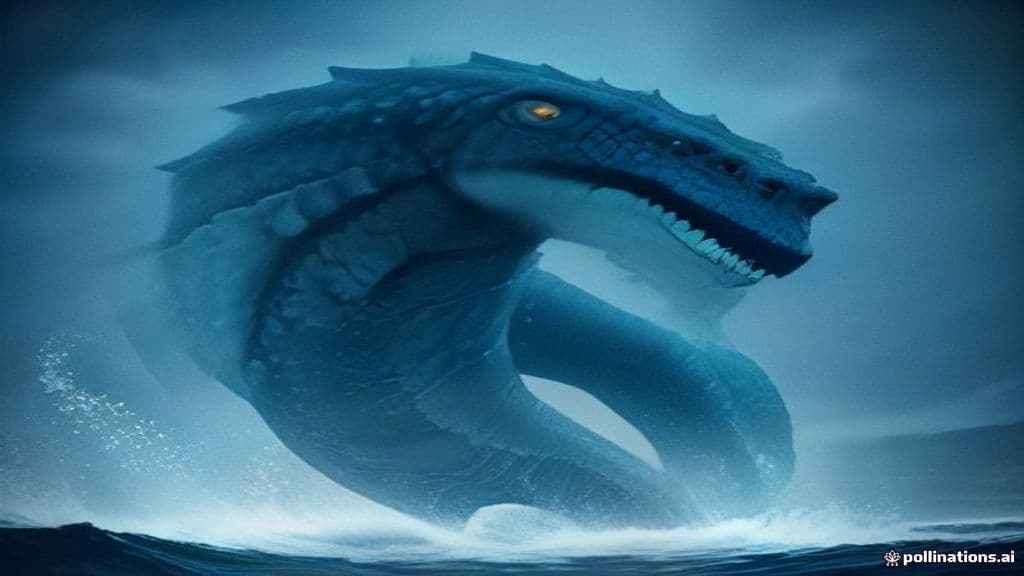
Genevieve of Brabant

Genevieve of Brabant (Genoveva, Genoveffa) is a legendary/hagiographic medieval European heroine: a chaste wife falsely accused of adultery who survives execution, lives in exile with her child nourished by a roe deer, and is later vindicated and restored to honour. The tale functions as a moral exemplum and became popular in early modern drama, opera and puppet theatre.

Ghost
Lesser

Ghost

A ghost is, in folklore, the soul or spirit of a dead person or non-human animal believed by some to be able to appear to the living. The concept functions across many cultures as an afterlife manifestation tied to ancestor belief, animism, and rituals intended to rest or manage the dead, while modern scientific accounts treat reported phenomena as lacking proof and often propose physiological or environmental explanations.

Giant frog
Minor Spirit

Giant frog

The English label "giant frog" in the supplied sources is ambiguous: it names several very large real-world frog species (Blyth's river frog, Cyclorana australis, and the Goliath frog) and also appears as a short Wikidata classification linking the phrase to the category of youkai in Japanese mythology. The materials do not supply a single, unified folkloric entity or narrative for a specific giant-frog youkai.

Giants of Lier
Lesser

Giants of Lier

A toponymic and historiographic label rather than a documented supernatural being in the supplied sources. The phrase reflects the broader European folkloric practice of attributing large prehistoric megaliths (e.g., hunebedden, 'Giants' graves') to 'giants'; a Wikidata metadata entry links the phrase to Lier (Belgium) but no primary folkloric narratives or ritual practices specific to 'Giants of Lier' are provided in the consulted material.

Giants of Valls
Minor Spirit

Giants of Valls

Large processional effigies associated with the city of Valls in Catalonia, described in available sources as 'processional giants' appearing in the town's traditional festivals and civic customs.

Gigantius
Minor Spirit

Gigantius

Gigantius is the Maastricht stadsreus (city giant), a constructed processional figure used in civic parades and festivals in Maastricht, Netherlands, maintained and presented by a local Reuzengilde/Foundation rather than described as a supernatural being.

Gitche Manitou
Ancient

Gitche Manitou

A term from Algonquian-language traditions referring to the 'Great Spirit' or supreme spiritual principle; used both for a highest or collective spiritual force that underlies many individual spirits (manitous) and as a name applied to a creator or giver of life in Anishinaabe contexts.

Gloucester sea serpent
Lesser

Gloucester sea serpent

A long-standing regional legendary large marine animal reported off Gloucester and Cape Ann, Massachusetts, famous for a cluster of sightings beginning in 1817–1819 and remembered in local folklore, naturalist reports, and later skeptical and popular accounts.

Goddess
Ancient

Goddess

A goddess is a female deity — a sacred female divine figure found across many polytheistic and religious traditions. The term functions as a classificatory label for diverse culturally specific female divinities and metaphysical female principles, ranging from local patronesses to supreme cosmic realities.

Gold Duck (Złota Kaczka)
Lesser

Gold Duck (Złota Kaczka)

A Warsaw folktale figure — an enchanted human (often a princess in versions) trapped in the form of a duck in the lake beneath Ostrogski Castle. In recorded versions she can be restored to human form only if a person meets a specific economic test involving spending a large sum over consecutive days without sharing it.

Goldhorn (Zlatorog)
Lesser

Goldhorn (Zlatorog)

A legendary white chamois buck or Alpine ibex from Slovene (Carinthian) mountain folklore, identified by golden horns and associated with hidden mountain treasure and magical alpine flowers. Best known from a late‑Romantic written version first published by Karl Deschmann (Karel Dežman) in 1868 and later popularized in verse, opera and film.

Gonggong
Minor Spirit

Gonggong

Gonggong is a name listed in a general compilation of water-associated mythic figures. The single provided source groups Gonggong among water deities but supplies no specific narrative, attributes, or rituals for this figure.

Gorai (place-name and surname)
Minor Spirit

Gorai (place-name and surname)

Gorai is attested in the supplied sources as a place-name — a village on Salsette island in the Mumbai Suburban district — and as a family name/surname in archival records. The provided materials contain no documentation of a supernatural 'Gorai' or a forest-spirit tradition.

Goranchacha
Ancient

Goranchacha

Goranchacha is a legendary Muisca culture-hero portrayed as a miraculous son of the Sun who functioned as prophet, priest, and autocratic cacique of the northern Muisca. Colonial-era narratives describe him as instituting solar worship, commanding large-scale temple labor, enforcing harsh punishments, and prophesying the coming of foreign conquerors.

Gorlois
Minor Spirit

Gorlois

Gorlois (Welsh: Gwrlais) is a historical-legendary ruler of Cornwall in the Arthurian tradition, husband of Igraine and defender of Tintagel whose death the night Uther Pendragon, by Merlin's enchantment, gains access to Igraine, leads to Arthur's conception. He is treated as a mortal regional lord in primary narratives though later dramatists sometimes depict him briefly as a condemning ghost.

Goshtasp (Vishtaspa)
Ancient

Goshtasp (Vishtaspa)

A legendary/semi-legendary Iranian king who, in Zoroastrian tradition, is presented as the royal patron and early follower of the prophet Zoroaster (Avestan: Vishtaspa), and who in Ferdowsi's Shahnameh appears as a Kayanian monarch and the father of the epic hero Esfandiyār.

Gramadevata
Lesser

Gramadevata

A gramadevata (Sanskrit: grāmadevatā) is the tutelary or guardian deity of a specific locality—most commonly a village—in South Asian Hindu practice. Gramadevatas function as territorial, communal divinities responsible for the wellbeing, boundaries and fortune of the settlement; they are propitiated in local shrines and festivals and may be benevolent when honored or feared as causes of calamity if neglected.

Granny Weatherwax
Greater

Granny Weatherwax

Esmerelda "Esme" Weatherwax, commonly called Granny Weatherwax or Mistress Weatherwax, is a human witch and the leading figure among the Ramtops witches in Terry Pratchett's Discworld novels. She is a practicing herbalist and folk-psychologist ('headology') who serves as a pragmatic guardian of the Kingdom of Lancre and its people.

Great Spirit
Ancient

Great Spirit

A supreme, often-immanent life force or creator-being present in the traditional spiritual beliefs of many Indigenous peoples of what is today Canada and the United States; concepts and names vary by nation and may refer to a single creator, a pervasive sacred power, or a collective of mysterious sacred forces.

Great comet
Minor Spirit

Great comet

A great comet is an exceptionally bright comet that becomes easily observable to the naked eye and enters popular awareness; the term is descriptive and astronomical rather than a mythic spirit. It is defined by observational impact (brightness and conspicuous tail) rather than by any supernatural ontology in the supplied sources.

Greek Mythology Retellings
Primordial

Greek Mythology Retellings

A genre of storytelling that reimagines and reinterprets Greek mythology in contemporary or futuristic settings, often incorporating feminist themes. (Note: - Power tier should be Lesser (local spirit) as it is a narrative construct and not a being that can influence cosmic events. - Appearance: add "They may take on the form of written works, such as nov)

Green monkey
Lesser

Green monkey

A biological species of Old World monkey (Chlorocebus sabaeus) native to parts of West Africa and introduced to several Atlantic islands and Caribbean locations. Descriptions in the provided sources are zoological — covering appearance, behavior, distribution, and social structure — with no material treating it as a supernatural entity.

Gringolet
Lesser

Gringolet

Gringolet is the named war-horse of Sir Gawain in Arthurian literature, depicted as an extraordinary mounted companion used in questing and battle. Across multiple medieval sources the steed functions as a marker of Gawain's chivalric identity, a partner in martial action, and occasionally bears hints of supernatural provenance.

Grivet
Minor Spirit

Grivet

The grivet (Chlorocebus aethiops) is an Old World monkey species native to parts of northeastern Africa. The provided sources treat it as a biological taxon with ecological, behavioral, and historical-cultural associations (not as a supernatural being).

Grootslang
Ancient

Grootslang

A legendary enormous serpent from South Africa (literally 'big snake' in Afrikaans/Dutch) said to dwell in deep caves and river pools of the Richtersveld and Orange River region; traditionally represented as an ancient guardian of hoarded diamonds and other riches and as an explanation for dangerous places and disappearances.

Guahaioque
Lesser

Guahaioque

Guahaioque is recorded in available sources as a minor deity of the Muisca people, described as the god of evil, stealing, lies, and death. The Muysccubun name is given as meaning "figure of the deceased." The documentary attestation is brief and does not include myths, iconography, or ritual detail.

Guajona
Lesser

Guajona

The Guajona (also called Lumia) is a nocturnal, hag-like creature from Cantabrian (and related Asturian) folklore said to enter homes and suck the blood of sleeping people—especially children—leaving victims pale and weak without necessarily killing them.

Gualichu
Lesser

Gualichu

Gualichu (also rendered gualicho) is a harmful, non-worshipped spiritual force in Mapuche and Tehuelche-related folklore blamed for disease, calamity, and general misfortune. The term also extends to mean an evil spell or jinx and survives in regional speech as a noun and verb.

Gubran
Greater

Gubran

Gubran is an uthra (a heavenly guardian or angelic being) in Mandaeism, attested in the Mandaean Book of John and the Right Ginza as a named celestial agent who participates in a rebellion with Nbaṭ and is appointed to watch over the north and the city of Ur. He is associated with a female consort named Guban and rides a heavenly steed called Paraheil.