Other Supernatural Beings

842 documented Other supernatural beings from the Evil Eye grimoire, including 352 lesser and 181 minor spirit in power tier.

page 7 of 15

Echo
Minor Spirit

Echo

Two distinct referents share the English name "Echo": (1) an acoustic phenomenon — the delayed reflection of sound returning to a listener; and (2) Echo, a figure in Greek myth described in the sources as a mountain nymph cursed so she could only repeat the last words spoken to her. The supplied materials treat these as separate usages linked etymologically but do not merge them into a single cosmology.

Ector
Minor Spirit

Ector

Ector (also Hector, Ectorius) is a named human noble and knight in the Arthurian tradition, best known as the foster (adoptive) father of King Arthur and the father of Sir Kay. Portrayed across medieval and later retellings as the head of a knightly household responsible for raising Arthur in concealment at Merlin's arrangement, he functions as a social guardian and narrative caretaker rather than a supernatural being.

Eileithyia
Greater

Eileithyia

Eileithyia is a Greek divine figure principally associated with childbirth and midwifery. Invoked to ease labour pains and ensure successful delivery, she appears in classical poetry, mythic episodes, and in long-lived local cults (notably cave-sanctuaries in Crete and sanctuaries in Aigion and other locales).

Elaine
Lesser

Elaine

Elaine is a personal name applied to several female characters in the Arthurian literary cycle (for example Elaine of Astolat, Elaine of Corbenic, and a Queen Elaine of Garlot). In the cited materials these Elaines are legendary human figures — queens, lovers, or nuns — whose roles vary by tale rather than a single supernatural being.

Elamite religion
Ancient

Elamite religion

The indigenous religious system of ancient Elam (Susiana), encompassing a pantheon (including deities such as Humban and Pinikir), cultic and funerary practices, and state ritual life from the third millennium BCE through the Achaemenid period. It was regionally centered on Susa and the lowlands of what are now Ilam and Khuzestan and interacted with neighboring Mesopotamian and Hurrian traditions.

Elatus
Lesser

Elatus

Elatus (Ancient Greek: Ἔλατος) is a personal name borne by multiple distinct figures in ancient Greek mythic tradition — including an Arcadian founder-eponym, a Lapith prince, a centaur slain in combat with Heracles, and several minor epic personae (charioteer, Trojan ally, suitor). The name functions as an onomastic label across genealogical, foundation, and heroic-age narratives rather than designating a single recurring supernatural class.

Electryon
Minor Spirit

Electryon

Electryon (Ancient Greek Ἠλεκτρύων) is a mythic king of the Perseid line in Greek tradition, ruler of Mycenae and Tiryns whose conflict over stolen cattle, the deaths of his sons, and his own death set the succession events that lead to Amphitryon, Alcmena, and the birth of Heracles. He is presented in classical sources as a mortal dynast rather than a supernatural being; versions differ on whether his death was accidental or the result of homicide.

Elymus
Minor Spirit

Elymus

Elymus is primarily a botanical genus of perennial grasses (family Poaceae) whose species include wild ryes and quackgrasses; the name also appears in classical mythic reference as a personal name (the purported ancestor of the Elymians and as a man slain by Gorge). The available sources treat Elymus as a taxonomic label and a mythic personal name, not as a defined supernatural being within a living folk cosmology.
Emperor Zhi (帝挚 / 帝摯, Dì Zhì)
Ancient

Emperor Zhi (帝挚 / 帝摯, Dì Zhì)

A quasi‑historical prehistoric sovereign in classical Chinese chronicle tradition, recorded as a son of Emperor Ku who reigned poorly for nine years before being deposed and succeeded by his younger half‑brother Yao. Treated by later historiographers as a negative exemplar in dynastic moral narratives rather than a supernatural being.

Enaree
Lesser

Enaree

A class of Scythian male‑assigned ritual specialists who underwent a recognized religious transformation, adopted feminine dress and roles, and served as seers and shamanic priests attached to cults of Artimpasa and the Snake‑Legged Goddess. They performed distinctive divination, participated in funerary and cult rites, and held recognized ritual authority in matters affecting the king and community.

Enki (Ea)
Ancient

Enki (Ea)

Enki, also known by the Akkadian form Ea, is a major Mesopotamian deity associated with wisdom, crafts, magic and incantations, and the freshwater deep called the Abzû. Centered at the cult-city Eridu (temple E‑Abzû), he functions in myths as a crafty counsellor, culture‑hero and creator figure who aids humans and orders aspects of the world.
Enmerkar
Ancient

Enmerkar

Enmerkar is a Sumerian legendary king and culture-hero of Uruk (Unug), presented in the king-lists and in the Matter of Aratta poems as a ritual-priest king (en) and founder-figure who secures Inanna's favor, contests the distant city of Aratta, and is credited in narrative with instituting writing on clay tablets.

Eos
Ancient

Eos

Eos is the ancient Greek goddess and personification of the dawn who rises each morning from the edge of Oceanus to bring light, open the gates of heaven for her brother Helios, and usher in the day; she is a daughter of the Titans Hyperion and Theia, sister to Helios and Selene, and mother of several winds and astral figures.

Epicasta
Lesser

Epicasta

Epicasta (Epicaste) is attested in classical sources as a personal name borne by several mortal women in Greek mythic genealogies and, separately, as a modern entomological genus name (Thomson, 1864). The supplied sources do not present Epicasta as a supernatural being, daimōn, or cult figure; instead the name recurs across local lineage narratives and in taxonomic literature.

Eppelein von Gailingen
Lesser

Eppelein von Gailingen

A historical 14th-century German robber baron whose life and deeds were transformed into regional legend and ballads; remembered for raids on merchant traffic around Nuremberg, an enduring tall tale of a daring escape on horseback, and his eventual capture and execution in 1381.

Erda
Lesser

Erda

Erda is a polyvalent modern name attested in the provided sources with multiple unrelated referents: a toponym (Erda, Utah), a mythic/operatic figure in Richard Wagner’s Der Ring des Nibelungen (linked on a disambiguation page to Urðr and Jörð), a Marvel Comics adaptation of a Wagnerian figure, and several institutional or fandom uses (acronyms, fanwiki entries). The supplied materials do not document a single, continuous folkloric supernatural entity called Erda.

Erymanthian boar
Greater

Erymanthian boar

A singular monstrous wild boar of Arcadian myth associated with Mount Erymanthos; a primeval, destructive animal subdued by Heracles during his Fourth Labour. The creature personifies dangerous wilderness tied to a sacred mountain landscape rather than a personal named monster.

Esterka
Lesser

Esterka

Esterka is a legendary medieval Jewish woman in Polish tradition, famed as the beloved, mistress, or in some accounts wife of King Casimir III (Kazimierz) the Great (reigned 1333–1370). In chronicles and later literature she functions as a bridge between royal/political history and Jewish communal memory in Poland, credited with influencing royal policy toward Jews and memorialized in place‑names and artistic works.

Etinṣib Ziwa
Greater

Etinṣib Ziwa

Etinṣib Ziwa (also Ītinṣib Ziwa) is an uthra — a divine being or 'messenger of the light' — attested in the Mandaean Book of John (Chapter 3) where he initiates a battle with the figure Nbaṭ and fights with members of Yushamin's lineage.

European dragon
Greater

European dragon

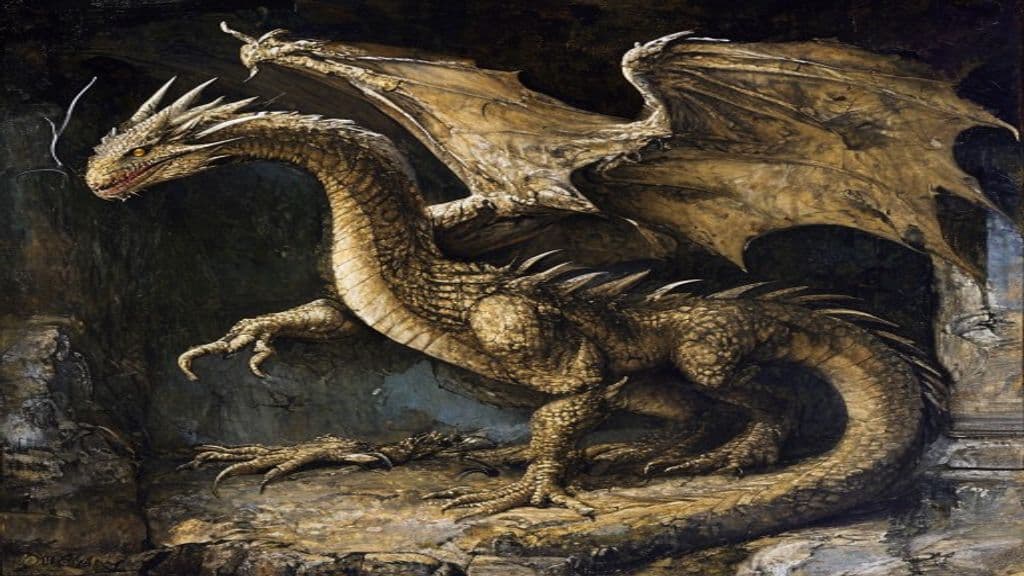
A legendary reptilian monster from overlapping European folkloric and mythological traditions, combining classical Graeco‑Roman serpents, Near Eastern dragon‑forms, and medieval popular imaginings; commonly depicted as a large, often winged, lizardlike creature that hoards treasure and opposes heroes.

Eurybius
Minor Spirit

Eurybius

Eurybius (Ancient Greek: Εὐρύβιος, Eurybios) is a personal name borne by multiple mortal personages in Greek mythic genealogies — notably a son of Neleus of Pylos and a son of Eurystheus of Tiryns. Attestations are genealogical and narrative, recording parentage and reported fates rather than supernatural attributes.

Eurydamas
Lesser

Eurydamas

Eurydamas (Ancient Greek: Εὐρυδάμᾱς) is an anthroponym attested for several distinct mortal figures in Greek myth and later cultural reuse. Bearers of the name appear in the Aegyptus/Danaids cycle, among the Argonauts, in various accounts of the Trojan War, and as one of the suitors of Penelope; the supplied sources do not present Eurydamas as a singular supernatural being.

Ewiger Jäger
Lesser

Ewiger Jäger

A spectral huntsman from German, Belgian and Pennsylvania Dutch folklore condemned to an unending hunt. Usually portrayed as a formerly human hunter bound by oath, curse, sacrilege, or a dying injunction to pursue quarry ceaselessly, the figure is a local variant of the European wild hunt motif.

Fairies
Lesser

Fairies

Fairies are a category of anthropomorphic spirit-beings from European folklore, described as possessing magical or preternatural qualities and appearing across a range of traditional stories and modern cultural expressions. The motif spans cautionary folk beliefs (often concerning protection from their spite) and contemporary festival, musical, and literary uses.

Fakaleitī
Minor Spirit

Fakaleitī

A culturally specific Tongan gender category for persons assigned male at birth who express feminine gender identity and/or take on feminine social roles. Fakaleitī occupy family, social, entertainment, and community-organizing roles within Tonga and are framed in scholarly literature as a regional indigenous gender category rather than a supernatural being.

Faramarz
Primordial

Faramarz

Heroic figure in Persian epic tradition, son of Rustam and protagonist of the Faramarz-nama. (Note: - Power tier: Lower, based on source material (heroic figure, son of Rustam), should be at least Greater=powerful regional spirit - Origin story: Only mentions relationship to Rustam, no Primordial or)

Faust
Lesser

Faust

Faust is the human protagonist of a long-standing German legend, based on a probable historical figure (Johann Georg Faust, c. 1480–1540), whose central motif is making a pact with an infernal representative (commonly named Mephistopheles) at a crossroads to exchange his soul for unlimited knowledge and worldly pleasures. The figure functions as a moral and literary archetype warning against preferring human/occult knowledge and worldly gain over divine order; later usages yield the adjective “Faustian.”

Feldgeister
Lesser

Feldgeister

Feldgeister are a class of German agricultural spirits or 'field spirits' associated with cereal crops, harvest processes and weather. The category groups many named local types (animal, human, and hybrid forms) implicated both in fertility of fields and in hazards such as child-stealing, illness, spoilage and storm phenomena.

Femminiello
Lesser

Femminiello

A culturally specific Neapolitan third-gender social role for males who adopt markedly feminine expression and perform distinctive community and ritual functions. Femminielli are integrated into Naples' urban life and ritual calendar and are traditionally regarded as auspicious figures rather than supernatural beings.

Fish
Lesser

Fish

Fish are aquatic, gill-bearing vertebrate animals and a widespread biological class whose members also function as cultural symbols, food resources, and religious iconography in the provided sources. The corpus treats fish primarily as natural animals and cultural referents rather than as autonomous supernatural beings.

Five Tathāgatas
Lesser

Five Tathāgatas

A canonical group of five principal celestial Buddhas in Mahāyāna and Vajrayāna Buddhism, treated as inseparable co-equals and used as meditative foci and mandalic deities in tantric initiation and practice.

Flogdrake
Greater

Flogdrake

A Scandinavian firedrake or "fly‑dragon" associated with evening streaks of light in the sky and with tunnelling mountain lairs that hide ore and treasure. Primarily attested in Swedish folklore, it participates in a pan‑European motif of fiery serpents and is sometimes linked with household or earth spirits in nearby traditions.

Flying Spaghetti Monster
Greater

Flying Spaghetti Monster

The Flying Spaghetti Monster (FSM) is the satirical creator-deity of the Church of the Flying Spaghetti Monster (Pastafarianism), originated by Bobby Henderson in 2005 to parody and critique the introduction of intelligent design into public-school science. It functions as both a mock-religious deity in movement literature and a cultural/internet symbol used in public and media debates over religion and science education.

Forseti
Ancient

Forseti

Forseti is an Old Norse/Germanic deity associated in medieval sources with justice, reconciliation, and the settling of disputes; he is presented in Snorri Sturluson's Prose Edda as son of Baldr and Nanna and as lord of the hall Glitnir. Continental medieval accounts identify a related Frisian figure, Fosite, connected with a sacred spring and island cult.

Foundling-Bird (Fundevogel)
Minor Spirit

Foundling-Bird (Fundevogel)

Fundevogel (Foundling-Bird) is a proper-name character and origin-motif from the Brothers Grimm tale “Fundevogel,” describing a human boy found in a bird's nest and raised by a forester. Within the ATU 313A transformation‑chase context, the character participates in a sequence of metamorphoses used to evade pursuers rather than representing a distinct supernatural race.

Four Perils (Sì Xiōng)
Greater

Four Perils (Sì Xiōng)

The Four Perils (四凶; Sì Xiōng) are a set of four malevolent figures in ancient Chinese literature—Hundun, Qiongqi, Taowu, and Taotie—recorded variously as monstrous creatures inhabiting mythic mountains, moral exemplars of vice, or eponymous lineal ancestors used in historiographic critique. Accounts differ across sources, so each name functions simultaneously as a beast in mytho-geography and as a symbol of disorder or vice in moral-historical texts.

Fox spirit
Greater

Fox spirit

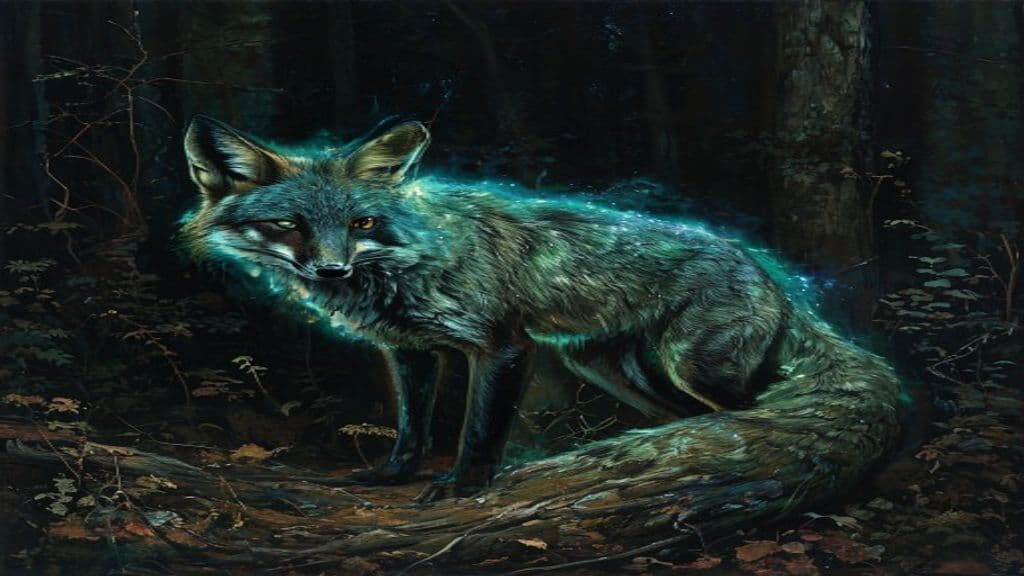
A widespread class of mythical beings associated with foxes (often represented by red-fox imagery in many traditions) characterized by cunning, shapeshifting, trickery, and ambiguous moral roles; prominently attested in East Asian folklore and present in modern literature and media as romantic, vengeful, or matchmaking figures.

Foxfire
Minor Spirit

Foxfire

A natural bioluminescent glow produced by certain fungi on decaying wood, historically observed and variously mythologized as "fairy fire" or likened to will-o'-the-wisp; treated in the provided sources as a biological/phenomenal phenomenon rather than an intentional spirit.

Frank Tower
Lesser

Frank Tower

Frank Tower is a 20th‑century urban‑legend figure alleged to have survived multiple major ship sinkings (Titanic, Empress of Ireland, Lusitania). Sources treat the story as a tall tale circulated in novelty and popular‑culture outlets; documentary research finds no evidence that a single person named Frank Tower was aboard and survived all three disasters.

Fravashi
Greater

Fravashi

Avestan fravashi (frauuaši / fravashi) is the Zoroastrian immaterial personal principle associated with individuals and with groups (ancestors/heroic worthies); treated in the Avesta (notably Yasht 13, the Frawardin Yasht) as cosmic assistants in creation, ongoing sustainers of natural and celestial order, and guardians who are invoked in cult and year‑end rites.

Freybug
Lesser

Freybug

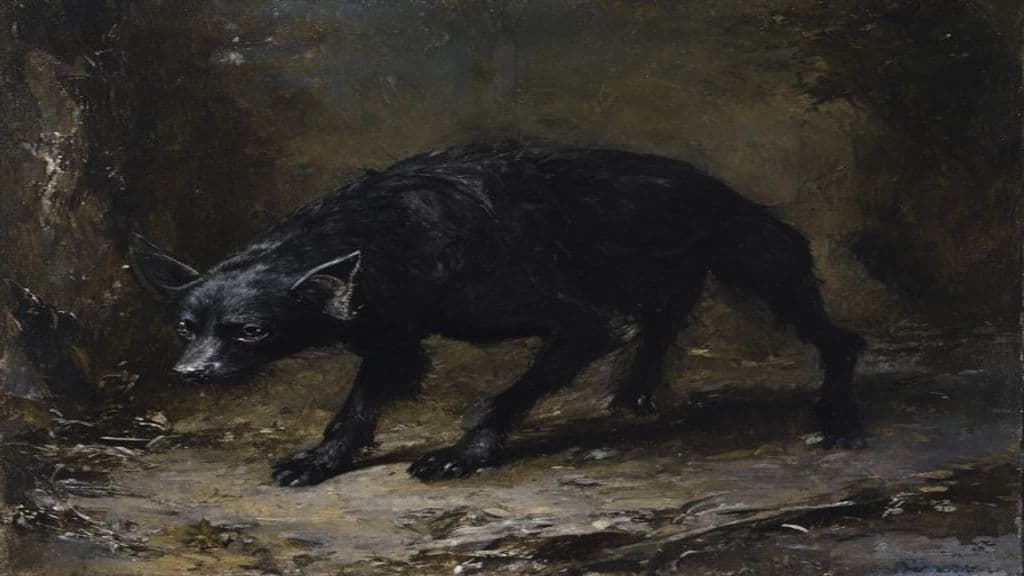
The Freybug (also Fray‑bug) is a named monstrous Black Dog from English folklore, recorded in association with Norfolk. Cited in early modern letters and later antiquarian commentary, it is described chiefly as a large black canine apparition that wanders country roads and terrifies travellers.

Funayūrei
Lesser

Funayūrei

Funayūrei (船幽霊 / 舟幽霊) are Japanese yūrei—spirits of the dead—associated with boats and maritime settings. Traditions describe them as the restless or vengeful dead who manifest around vessels and coastal waters and who may attempt to drown living sailors or cause shipwrecks.

Galahad
Minor Spirit

Galahad

Galahad is a human knight of the Arthurian Round Table introduced in the 13th‑century Lancelot–Grail (Vulgate) cycle, portrayed as the divinely chosen achiever of the Holy Grail and an exemplar of spiritual perfection and chastity who ascends to heaven after completing the Grail Quest.

Galli
Lesser

Galli

The galli are ritual specialists associated with the Phrygian goddess Cybele (Magna Mater) and her consort Attis who, in Hellenistic and Roman contexts, performed ecstatic mourning rites, adopted feminine presentation, and in some accounts underwent castration. They functioned as liminal performers of sacred ecstasy and mediators of the goddess’s power within an officially recognized foreign cult in Rome from the early 3rd century BCE onward.

Gamma Corps
Greater

Gamma Corps

Fictional Marvel Comics gamma-irradiated supersoldiers assembled as military units. Two distinct iterations appear in Hulk-related storylines: the original Gamma Corps (World War Hulk tie-in) and a later Gamma Corps: Black roster tied to Dark Reign-era plots.

Gaoh
Greater

Gaoh

Gaoh (Ga-oh, Gǎ-oh) is a powerful wind spirit and giant in Haudenosaunee-related mythologies (Haudenosaunee, Wendat, Seneca) who personifies and controls the winds of the four cardinal directions and the seasons. He is depicted as subordinate to a higher divine authority (the Great Spirit or Adekagagwaa) and alternately benevolent and violent, responsible for storms and seasonal change.

Garamas
Lesser

Garamas

Garamas (Ancient Greek Γαράμας) is a mythic eponymous ancestor named in Greek-language accounts to explain the ethnonym Garamantes and the city Garama in Libya. Presented in Hellenic mythographic tradition as a founder or first-born figure, he appears in genealogical and poetic fragments rather than as a described supernatural agent.

Garshasp-nama (Persian tradition)
Greater

Garshasp-nama (Persian tradition)

A Persian epic poem featuring semi-divine characters and legendary figures, part of the cultural and literary traditions of the time. (Note: 1. Factual claims: The draft lacks specific information on the semi-divine characters' appearance, sensory cues, wards, and weaknesses. 2. Power tier: Given that the main hero, Garshasp, and his famil)

Gate guardian
Lesser

Gate guardian

A gate guardian is a withdrawn piece of equipment (commonly aircraft, armoured vehicles, artillery, or locomotives) mounted as a static display at the main entrance of military bases, museums, clubs, or civic sites to symbolically mark, commemorate, and advertise the identity or history of the place. The term is primarily a modern, secular, institutional practice; a distinct scholarly usage applies the label to protective threshold figures in ancient contexts.

Gazi Pir
Lesser

Gazi Pir

Gazi Pir is a Bengali Muslim warrior-saint (Ghazi and pir) traditionally dated to the 12th–13th centuries. In the Sundarbans and wider Ganges delta his cult functions as a local protective devotion: he is invoked for safety from tigers and other natural dangers and is depicted in a pictorial narrative known as the Gazi Scroll.

Gegant Gerió
Minor Spirit

Gegant Gerió

Gegant Gerió is a named processional giant (gegant) associated with Girona. The figure is a civic/ritual effigy used in public processions and ceremonies rather than an independent supernatural being.

Geganta Sagrerina
Lesser

Geganta Sagrerina

The Geganta Sagrerina is a processional giant (geganta) associated with the la Sagrera neighborhood of Barcelona. The available source identifies it as a civic/folkloric effigy used in public processions rather than a supernatural being.

Gegantons Xavier i Laia Cartulinus
Minor Spirit

Gegantons Xavier i Laia Cartulinus

A named pair of processional giants (gegantons) associated with the municipality of Arenys de Mar. They are civic, performative figures used in local processions and popular festivities rather than supernatural beings.

Gegantons de Cervera
Minor Spirit

Gegantons de Cervera

The Gegantons de Cervera are processional giants (gegantons) associated with the town of Cervera in Catalonia. They function as civic, performative effigies carried in public processions and festivals rather than as autonomous supernatural beings.

Gegants (Mataró)
Minor Spirit

Gegants (Mataró)

Gegants in Mataró are large festival effigies used in the city’s principal civic celebration, Les Santes (25–29 July). They function as performative, processional figures that arrive in public squares such as plaça Santa Maria and participate in the programmed festivities alongside music, comedy, fireworks and correfocs.

Gegants Elm i Carmeta
Minor Spirit

Gegants Elm i Carmeta

Gegants Elm i Carmeta are a pair of processional giants (gegants) used in public processions in Arenys de Mar. They function as large anthropomorphic effigies carried in civic festivals and represent performative, communal identity rather than supernatural beings.

Gegants Fantasmes
Lesser

Gegants Fantasmes

A Catalan-language phrase that functions both as a label for processional giants (gegants) associated with Ververa and as a metaphor in contemporary cultural and political discourse combining the ideas of monumental power (giants) and recurring anxieties or spectres (fantasmes). It is not documented in the supplied sources as a discrete folkloric spirit with myths or rituals.

Gegants Roc i Maria
Minor Spirit

Gegants Roc i Maria

Gegants Roc i Maria are a pair of Catalan procession giants (gegants) — large wearable figures animated by people during municipal festivals and saint’s day processions. They are civic/festival artifacts associated in the sources with Catalan towns (Wikidata links Roc i Maria to Arenys de Mar) and with festa major traditions such as the Sant Roc celebrations.

Gegants Vells de la Casa de Caritat
Lesser

Gegants Vells de la Casa de Caritat

A pair (or set) of traditional Catalan 'gegants' (giant festival effigies) associated with the Casa de Caritat institution in Barcelona, presented and animated as part of the city's Carnival processions and civic festivities.

Gegants d'Olot
Minor Spirit

Gegants d'Olot

Gegants d'Olot are large anthropomorphic processional giants used in public festivals and processions in the town of Olot, Catalonia. They function as civic/festival effigies within Catalan popular tradition rather than as supernatural beings.