Entity Index

A record of the unseen, drawn from world folklore.

7724 entities · page 76 of 129

Hygd
Lesser

Hygd

Hygd is a legendary queen of the Geats attested in the Old English epic poem Beowulf. In the poem she functions as an ideal hostess and cup-bearer and as a wise political counselor who models queenly virtues and intervenes in a succession crisis following King Hygelac's death.
Hylaeus
Minor Spirit

Hylaeus

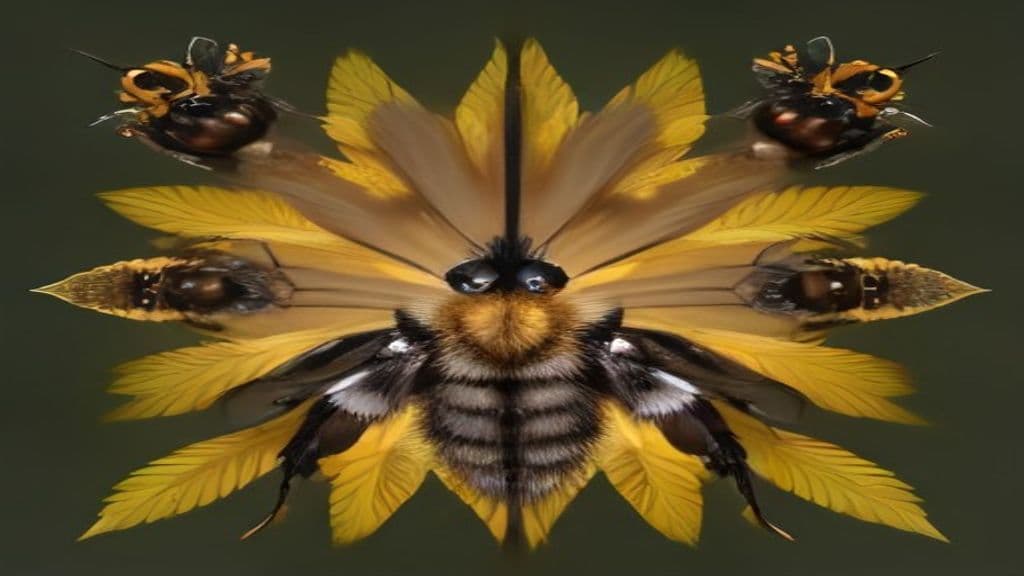
Hylaeus is a name attested across unrelated referents in classical myth, biological taxonomy, and popular culture rather than a single supernatural being: brief mythic proper names (a centaur and one of Actaeon’s dogs), a cosmopolitan genus of bees (yellow‑face or masked bees), and a named pet dog in the videogame Caves of Qud.

Hylas
Lesser

Hylas

Hylas is a mortal youth in classical Greek myth, famed as the beloved companion and arms-bearer of Heracles and (in some accounts) an Argonaut. His myth centers on his disappearance at the freshwater spring of Pegae in Mysia, where naiads either abduct, entice, or transform him, a story remembered in local festivals and widely alluded to in later literature and art.

Hyllus
Lesser

Hyllus

Hyllus is a figure from ancient Greek legendary-historical tradition, presented as a son of Heracles and Deianira and an eponymous ancestor of the Heraclidae whose actions and descendants feature in accounts of Dorian claims on the Peloponnesus.

Hylonome
Lesser

Hylonome

Hylonome (Ancient Greek: Ὑλονόμη) is a female centaur from Greek mythology known primarily from Ovid's Metamorphoses (Book 12) as one half of a pair of centaur lovers; after her husband Cyllarus is killed in the battle between the Centaurs and the Lapiths she kills herself from grief.

Hyottoko
Lesser

Hyottoko

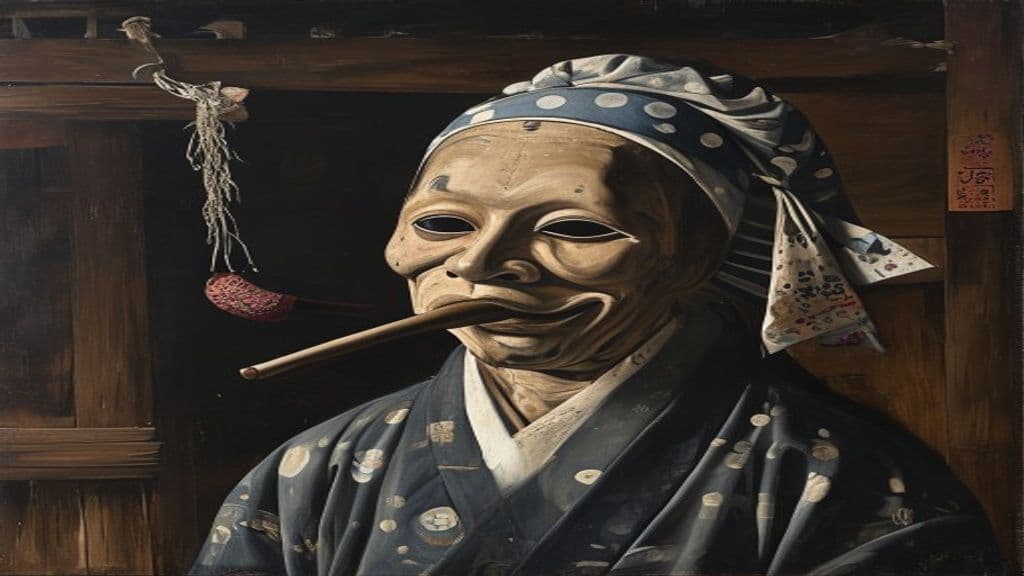
Hyottoko is a comical masked character in Japanese folk performance, symbolically tied to fire and the household hearth. Primarily a stock clown in dengaku and festival dances, in some regional traditions he is also regarded as a local fire-deity or household talisman associated with luck and productive fire (ironworking).

Hypate
Ancient

Hypate

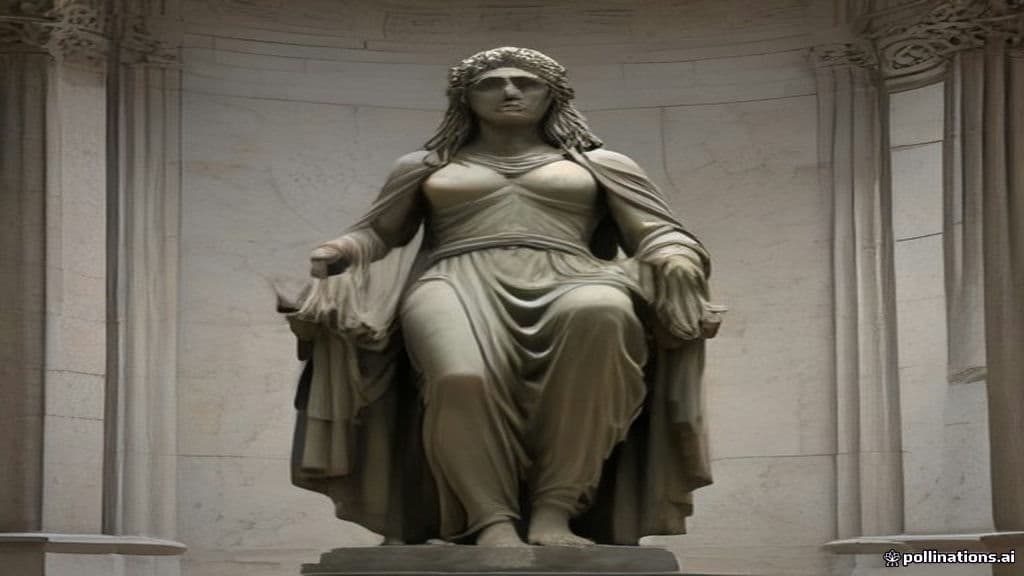
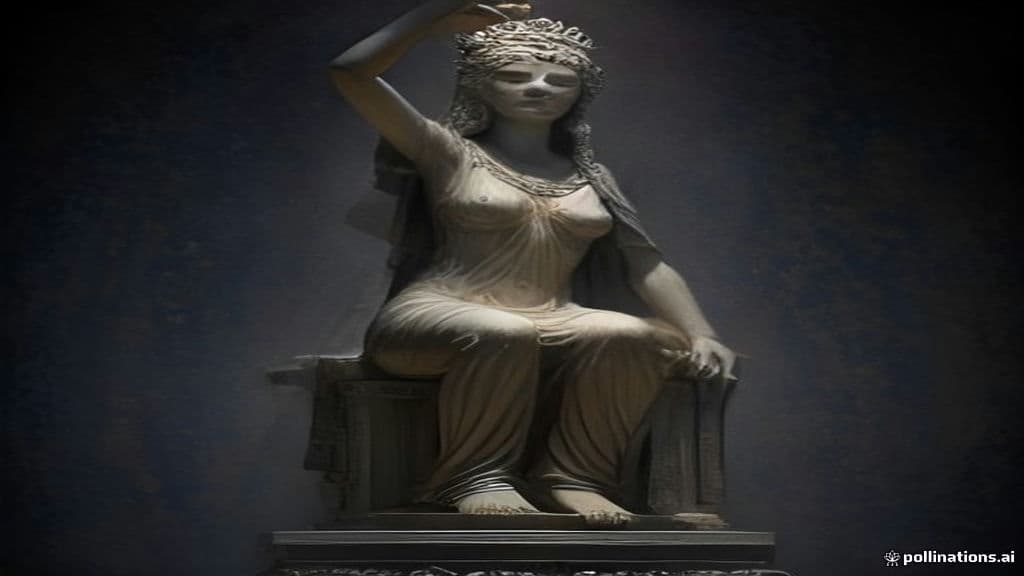
Hypate (Greek Ὑπάτη) is a Muse-figure in Greek tradition identified with the lowest (first) note of the first tetrachord and the tallest string of the lyre. She is attested as one member of a Delphic triad of lyre-Muses (Hypate, Nete, Mese) and is placed in some ancient harmonic cosmologies as custodian of the fixed stars.

Hyperbius
Lesser

Hyperbius

Hyperbius (Ancient Greek: Ὑπέρβιος, Hupérbios, "of overwhelming strength") is a recurring personal name in Greek myth attached to several distinct human or heroic figures—founders, inventors, and warriors—rather than a single supernatural being. The name appears in traditions crediting individuals with inventions (brick-building, the potter's wheel), roles in legendary genealogies (son of Aegyptus), and martial service (defender at Thebes).

Hyperborean Maidens (Nymphae)
Lesser

Hyperborean Maidens (Nymphae)

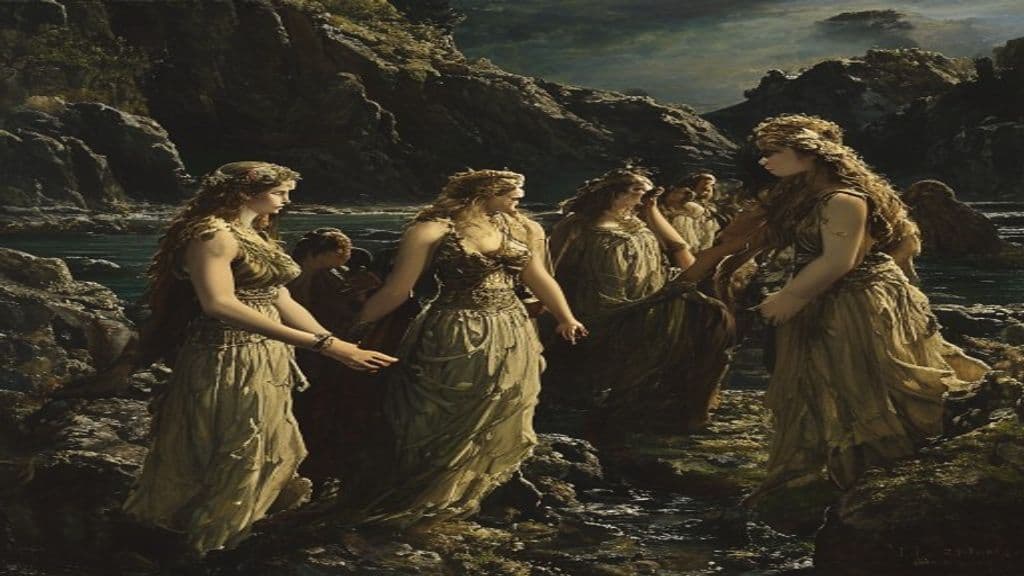
A collective set of mythic virginal maidens associated with the Delian cults of Artemis and Apollo. Presented in ancient traditions as groups of named maidens who voyage from the legendary land of Hyperborea to Delos and whose arrival explains the origin of the annual Hyperborean Offerings and associated hymnic rites.

Hyperenor
Lesser

Hyperenor

Hyperenor (Ancient Greek: Ὺπερήνωρ, Upērēnōr) is not a single supernatural being but an anthroponym applied to several mortal personages in Greek heroic-age traditions. Figures named Hyperenor appear as a Spartus of Thebes (one of Cadmus' sown men and reportedly worshipped as a hero at Thebes), a son of Poseidon in genealogical lists, a warrior in the Seven against Thebes cycle, a Trojan warrior (son of Panthous and Phrontis) killed in the Iliad-cycle, and one of the suitors of Penelope slain in the Odyssey-cycle.

Hyperion
Ancient

Hyperion

Hyperion is a polysemous proper name attested in ancient Greek myth as both a Titan (one of the twelve Titans) and as a byname of the Sun-god Helios, and reused widely in modern scientific, literary, and commercial contexts. The available sources treat 'Hyperion' primarily as a name applied to multiple distinct referents rather than as a single, describable folkloric being.

Hypermnestra
Lesser

Hypermnestra

Hypermnestra is a mythological mortal from ancient Greek tradition, a daughter of Danaus who alone refused her father's command that the Danaids kill their husbands. By sparing Lynceus she becomes ancestress of the Abantiad line and an exemplar of individual moral refusal within the Danaid narrative.

Hypermnestra of Aetolia
Lesser

Hypermnestra of Aetolia

Hypermnestra of Aetolia is a legendary mortal royal woman in Greek mytho‑genealogical tradition, attested as a daughter of King Thestius of Pleuron and sister of figures such as Leda and Althaea. She is remembered in local topography (a tomb cited by Pausanias) and appears in genealogical lists; the name Hypermnestra also occurs elsewhere in Greek myth (notably among the Danaids) and must be disambiguated from those other figures.

Hypermnestre
Lesser

Hypermnestre

Hypermnestre (Hypermnestra; Italian Ipermestra) is a classical Greek mythic heroine — one of the Danaïdes — who is represented in 18th- and early-19th-century French and European operatic and theatrical repertoires. The provided sources treat her as a human tragic protagonist and stage character (not a supernatural being), notably as the central figure in Charles-Hubert Gervais's 1716 tragédie en musique Hypermnestre and in operatic treatments grouped under Les Danaïdes.

Hyperphas
Lesser

Hyperphas

Hyperphas (Ancient Greek: Ὑπέρφαντος) is a legendary mortal leader attested in Greek mytho-historical genealogies as chief of the Phlegyans and an ally of the Thebans, principally known as the father of daughters who link his house to Theban royal lines (notably Euryganeia and Euryanassa).

Hypnos
Greater

Hypnos

Hypnos is the ancient Greek personification and god of sleep who induces slumber in mortals and gods. Son of Night (Nyx) and twin brother of Thanatos (Death), he dwells in liminal places associated with dreams and the underworld and appears in myth as a gentle, intervening deity.

Hypsenor
Minor Spirit

Hypsenor

Hypsenor (Ancient Greek: Ὑψήνωρ) is a personal name borne by multiple human figures in the Homeric and related Greek genealogical tradition. The attested bearers are identified by parentage and social role — a Trojan priest, a warrior under Antilochus, and a son of Neleus and Chloris — and are recorded mainly by their fates in battle.

Hypseus
Lesser

Hypseus

Hypseus (Ancient Greek: Ὑψεύς, Hypsēús, lit. "one on high") is a name borne by several mortal or semi-divine figures in ancient Greek myth and epic. Most prominently he appears as a Thessalian/Lapith king, son of the river-god Peneus and father (in some traditions) of the heroine Cyrene; other bearers of the name occur as named combatants who are slain in heroic battles (against Perseus; in the Seven against Thebes; in Statius' Thebaid).

Hypsistos (Theos Hypsistos)
Ancient

Hypsistos (Theos Hypsistos)

Hypsistos (Θεός Ὑψιστος) is an ancient divine epithet and cultic designation meaning "God Most High" attested in inscriptions, votive altars, and occasional temple dedications in Asia Minor, the Black Sea region, and the eastern Mediterranean from the Hellenistic period into late antiquity. It functions as a titulary focus of worship — sometimes attached to established gods (e.g., Zeus Hypsistos) and sometimes invoked more abstractly by groups later called Hypsistarians in fourth‑century Christian writings.

Hyrmine (Hyrmina)
Lesser

Hyrmine (Hyrmina)

Hyrmine (Greek: Ὑρμίνη, Hyrmínē) is an eponymous Elean princess in Greek myth whose name is given to the town of Hyrmine (Hyrmina) in Elis. She appears in genealogical and local-foundation traditions as a daughter, wife, and mother whose main mythic function is to explain the origin and identity of a place rather than to act as a supernatural agent.

Hyrnetho
Minor Spirit

Hyrnetho

Hyrnetho is a mortal woman in Greek mytho-historical tradition, daughter of Temenus and wife of Deiphontes, whose violent death during a dynastic struggle was commemorated with a tomb and a heroum (hero-shrine) and sacred grove shown at Epidaurus and Argos.

Hyrtacus
Lesser

Hyrtacus

Hyrtacus is an obscure mortal figure of Greek myth associated with the Trojan War cycle. He is described as a comrade of King Priam, husband of Arisbe after Priam divorced her, and father of fighters who appear in epic narratives; the name is also used in modern biological taxonomy for a genus of insects.

Hyōsube
Lesser

Hyōsube

A child-sized river yōkai from Kyūshū folklore (notably Saga and Miyazaki) associated with underwater caves and rivers; known for fouling household baths, raiding eggplant crops, and sometimes causing mysterious fevers. Often treated as a kappa-cousin within regional river-yōkai traditions.

Háma (Hama / Heime / Heimir)
Lesser

Háma (Hama / Heime / Heimir)

Háma (also rendered Hama, Heime, Heimir) is a named figure of the Germanic heroic-legend tradition attested in Anglo‑Saxon and continental Germanic sources. He appears as a legendary warrior or retainer — often associated with the companion Witige — in poems such as Beowulf and Widsith and in later Germanic epic material (Alpharts Tod, Þiðreks saga). A single secondary source records a variant identification of the name with a mythic watchman figure linked to Heimdallr and the Bifrost; this identification is presented in the available material as a distinct, unverified tradition.

Hödekin
Lesser

Hödekin

A medieval German household/castle spirit described in Latin and vernacular sources as a kobold-like sprite notable for wearing a small felt cap; accounts record it speaking familiarly with people, aiding or warning its household, and violently avenging insults before eventually being expelled by episcopal exorcism.

Högne
Lesser

Högne

Högne is a legendary human king of Östergötland attested in Old Norse sources (Heimskringla, the Volsunga saga, and the Poetic Edda). He appears in cycles of dynastic conflict, marriage-alliance narratives, and blood-feud where he fights, raids, and is ultimately slain in battle in some versions.

✦
Lesser

Höðr

Höðr (Old Norse Hǫðr) is a figure in Norse mythic corpus most famously known as the blind son of Odin whose unwitting striking of Baldr with a mistletoe dart—guided by Loki—results in Baldr's death; traditions vary between treating him as an Æsir god (Poetic and Prose Edda) and as a euhemerized human/hero (Saxo's Gesta Danorum).

Hùndùn
Primordial

Hùndùn

The primordial chaos of Chinese cosmogony — sometimes personified as a faceless deity of the center, sometimes as the undifferentiated void from which all things emerged and to which they return.

Húrin
Lesser

Húrin

Húrin is a mortal Man of the House of Hador in J. R. R. Tolkien’s First Age legendarium: a preeminent warrior famed for his endurance and tragic fate after capture by Morgoth, whose long captivity and the curse on his kin shape major events in Beleriand.

Hākuturi
Lesser

Hākuturi

The hākuturi (Te Tini o Hakuturi) are a multitudinous host of Māori forest guardian-spirits, often described as birdlike and associated with Tāne. They enforce proper ritual conduct toward trees and can rebuke or repair human transgressions against the forest, as in the Rātā narrative.

Hāloa
Ancient

Hāloa

An ancestral figure in Hawaiian mythology and cosmology, considered the ancestor of the Hawaiian people. (Note: 1. Power tier: Should be Primordial (as an ancestral figure, Hāloa's role is more cosmic in nature). 2. Sensory cues: Unknown is acceptable, but consider adding a note to indicate that no information )

Hārūn ibn ʿImrān (Aaron in Islam)
Ancient

Hārūn ibn ʿImrān (Aaron in Islam)

Hārūn ibn ʿImrān is a prophetic figure in Islamic scripture and tradition, presented as the brother and companion of Mūsā (Moses). The Qurʾān and later Muslim commentators portray him as an eloquent, divinely guided leader who was entrusted with authority among the Israelites and who is commemorated in tomb‑site traditions and Miʿrāj narratives.

Hīnakipākau-o-te-rupe
Greater

Hīnakipākau-o-te-rupe

An ancestral voyaging canoe in Māori tradition, used by the first Polynesian migrants to settle New Zealand. (Note: 1. The power tier should be Primordial, not Greater, since it's described as one of the great ocean-going canoes used in the migrations that settled New Zealand. 2. There is no information about its a)

Hồn Ma (wandering spirit)
Lesser

Hồn Ma (wandering spirit)

Hồn ma (also rendered ma, hồn, vong, or bóng ma) refers to wandering human souls in Vietnamese belief whose failure to be ritually integrated into the ancestor line leaves them roaming the living world. They are socially significant, implicated in everyday ritual practice, missing‑person searches, and the work of spirit mediums and ritual specialists.

Iah
Ancient

Iah

Iah (Ancient Egyptian jꜥḥ, Coptic ⲟⲟϩ) is the personification of the Moon in ancient Egyptian religion. Initially an independent lunar deity attested from the Middle Kingdom, Iah was later increasingly identified with other lunar and related gods such as Thoth (Djehuty), Khonsu, and at times assimilated with Osiris.

Ialmenus
Lesser

Ialmenus

Ialmenus (Ancient Greek: Ἰάλμενος) is a mythic heroic figure of the Greek heroic age, described in ancient catalogue traditions as a son of Ares and Astyoche, twin brother of Ascalaphus, an Argonaut, a suitor of Helen, leader of an Orchomenian contingent at Troy, and—according to later tradition—a survivor who founded a colony in Colchis.

Iamenus
Lesser

Iamenus

Iamenus (Ancient Greek: Ἰαμενός) is a named Trojan warrior in Homer's Iliad (Book XII) who takes part in the cavalry charge against the Achaean wall and is recorded as slain there by the Greek warrior Leonteus. He is a minor mortal participant in the epic rather than a supernatural being.

Ianeira
Minor Spirit

Ianeira

Ianeira (Ancient Greek Ἰάνειρά / Ianēra) is a name attested in Greek mythic onomastics applied to multiple female figures — chiefly an Oceanid and a Nereid — who appear as members of watery retinues and as an otherwise unattested marital name in heroic genealogies. The surviving evidence consists of brief catalogic listings and attendant-group appearances rather than an individuated cult-figure or a distinct set of powers or rites.

Iapetus
Ancient

Iapetus

Iapetus (Iapetos, also spelled Japetus or Japetos) is a Titan in Greek mythological genealogy, son of Uranus (Sky) and Gaia (Earth), primarily attested as the father of Atlas, Prometheus, Epimetheus, and Menoetius. The surviving material presents him chiefly as an ancestral figure within the older, pre‑Olympian generation of deities rather than as an actively characterized deity with a distinct portfolio or cult.

Iapyx
Lesser

Iapyx

Iapyx is a mythic human healer of the classical Greco‑Roman corpus, presented as a favored attendant of Apollo who practices the healing arts and, in some traditions, as an eponymous founder of Apulia. The name also appears separately in poetry as a minor wind.

Iarbas
Lesser

Iarbas

Iarbas is a legendary North African/Libyan king or princely founder-figure preserved in Greco-Roman literary tradition. Presented as a son of the North African god Ammon (Jupiter-Hammon), he functions as a dynastic ancestor and cult-founder in accounts that also cast him as a suitor and political rival in the Aeneid-cycle narratives (notably as a rejected suitor of Dido).

Iasion
Lesser

Iasion

Iasion is a figure from Greek mythic tradition portrayed as a mortal culture-hero associated with the founding or transmission of secret/initiation rites (notably the Samothracian mysteries) and best known as a consort of Demeter and father of Plutus in several classical accounts. Traditions disagree on his fate, ranging from death by Zeus' thunderbolt to survival into old age as Demeter's husband, and some later or variant accounts link him to Cybele and the Corybantes.

Iasus (Iasius)
Lesser

Iasus (Iasius)

Iasus (Ancient Greek: Ἴασος / Ἰάσιος) is a personal name borne by multiple distinct figures in Greek myth and genealogies — kings, fathers of heroes, a participant in contests, and one attested among the Dactyli/Curetes — rather than a single unified supernatural entity. The bearers of the name function as onomastic nodes linking local traditions (Argos, Arcadia, Cyprus, Orchomenus, Trojan theatre) within the heroic-mythic timeline.

Ibaraki-dōji
Greater

Ibaraki-dōji

Ibaraki-dōji (茨木童子 / 茨城童子) is an oni from Heian-period tale cycles, portrayed as a powerful, place-associated demon-child who served in Shuten-dōji’s gang based on Mount Ōe and acted as an antagonist to warrior-heroes such as Minamoto no Yorimitsu and his retainers. Multiple local traditions (Settsu/Osaka and Echigo/Niigata variants) give differing origin episodes that emphasize unnatural birth, early signs of monstrosity, and later violent behavior.

Iblis
Primordial

Iblis

The primordial deceiver in Islamic theology; a jinn who refused God's command to bow before Adam and was expelled from heaven. The source of all temptation and whispered suggestion.

Ibong Adarna (Adarna Bird)
Greater

Ibong Adarna (Adarna Bird)

A magical legendary bird from an early 19th‑century Filipino corrido/epic (Ibong Adarna) whose song, droppings, and capture drive a quest narrative: its song induces sleep, its droppings petrify unwary listeners, and bringing the bird is the cure for a king's malady.

Icarius
Lesser

Icarius

Icarius (Ancient Greek: Ἰκάριος, Ikários) is a personal name borne by several legendary mortal figures in Greek myth rather than a recurring supernatural class. Principal traditions portray an Athenian Icarius who receives viticulture and winemaking knowledge from Dionysus, a Spartan Icarius involved in dynastic struggles (associated with Hippocoon and Tyndareus), and an Icarius who is tragically killed by villagers in the Erigone/Canis Minor cycle.

Icarius of Sparta
Lesser

Icarius of Sparta

Icarius of Sparta is a mortal figure in Greek mytho-historical tradition: a Spartan king/prince best known as the father of Penelope, wife of Odysseus. He appears in epic and genealogical accounts to situate Penelope within Spartan royal lines and to link Sparta with the Ithacan cycle of the Odyssey.

Icaunis
Lesser

Icaunis

Icaunis (Dea Icaunis) is the localized Gallo‑Roman goddess of the river Yonne (ancient Icauna), known from a single inscription found at Auxerre in Burgundy. She exemplifies the widespread Roman‑era practice in Gaul of venerating rivers and other natural features as female divine figures.

Idaea
Lesser

Idaea

Idaea (Ancient Greek: Ἰδαία) is a toponymic female name/epithet in ancient Greek tradition applied to several distinct figures associated with Mount Ida (Cretan or Phrygian). Bearers include nymphs and mortal/legendary women (e.g., a wife of Phineus), and the form also occurs as an epithet of the Anatolian mother-goddess often identified with Cybele.

Idas (son of Aphareus)
Lesser

Idas (son of Aphareus)

Idas is a Messenian prince and heroic figure in Greek myth remembered as an Argonaut, a hunter in the Calydonian Boar hunt, and, in later summaries, a mortal who came into contention with the gods. He is described in modern summaries as 'keen and spirited' and figures among the pan-Hellenic roster of heroes rather than as a supernatural being.

Ide
Minor Spirit

Ide

Not attested as a supernatural entity in the provided sources. The term 'Ide' in the supplied materials appears as a Wikipedia disambiguation headword, a toponym for a village in Devon, England, and as the acronym 'IDE' in modern computing contexts (Integrated Development Environment) or as part of archival filenames.

Idis (Germanic)
Lesser

Idis (Germanic)

The idis (Old Saxon; pl. idisi) is a term for a divine or supernatural female being in the pre-Christian Germanic linguistic and poetic record. Cognate with Old High German itis and Old English ides, the term carries senses of a dignified or well‑respected woman and appears in poetic, folkloric, and comparative discussions alongside related female figures such as the Norse dísir.

Idliragijenget
Ancient

Idliragijenget

Idliragijenget is an Inuit underworld figure identified as the ruler or mistress of a country of the dead in Adlivun and is also invoked as a name of Sedna when she is appealed to in that capacity. She is depicted in the sources as dwelling in a domestic underworld house alongside her father, a pairing that is described as keeping summer and winter distinct.

Idmon (Argonaut)
Lesser

Idmon (Argonaut)

Idmon (Ancient Greek: Ἴδμων) is a figure in the Greek Argonautic cycle attested as an Argonaut with a prophetic association; some traditions name him a son of Apollo. He joins the voyage to Colchis but, in at least one source, dies on the outward journey after being wounded by a wild boar.

Idomeneus
Lesser

Idomeneus

Idomeneus is a mortal king of Crete and a martial leader in the Homeric epic tradition, commander of the Cretan contingent at Troy. He appears in the Iliad and is later adapted in subsequent literature and opera; some post-Homeric tales add a vow to Poseidon connected to his return from Troy.

Idomeneus of Crete
Lesser

Idomeneus of Crete

Idomeneus is a Cretan king and military leader of the heroic generation associated with the Trojan War cycle. Remembered as commander of the Cretan contingent and later as the focus of local hero-tomb veneration on Crete, he also appears as the protagonist of the operatic work Idomeneo, re di Creta.

Ifa-Orisha
Primordial

Ifa-Orisha

In the Yoruba tradition, Orishas are supernatural beings with divine powers and attributes, worshiped as intermediaries between humans and Olodumare. (Note: - Power tier: Should be Ancient (deity-level) instead of Primordial - Abilities: The statement "each Orisha has distinct attributes" is unclear and could be rephrased to better reflect the source mate)

Ifrit
Ancient

Ifrit

One of the most powerful classes of jinn in Islamic and pre-Islamic Arab tradition — a fire-born being of immense strength and cunning, capable of great works of engineering and terrible violence.

Igalim
Lesser

Igalim

Igalim is a named divine figure in the Lagashite pantheon of southern Mesopotamia, conventionally understood as the personification of a temple door and a cultic gatekeeper/bailiff associated with Ningirsu's temple, the E-ninnu at Girsu. He appears in Early Dynastic through Ur III inscriptions in offering lists, dedicatory texts, and temple records; later attestations preserve his name in god lists but indicate a diminished cult presence.