Entity Index

A record of the unseen, drawn from world folklore.

7724 entities · page 77 of 129

Iggwilv
Greater

Iggwilv

Iggwilv is a fictional human arch‑mage from the Greyhawk campaign setting for Dungeons & Dragons, presented across editions as a powerful practitioner of arcane magic, author of in‑setting treatises on demons (the Demonomicon/Nethertome) and a manipulator of Abyssal/demonic politics. She is identified with other personas such as Tasha and Natasha in various sources and has a mutable biography across publications.
Igigi
Lesser

Igigi

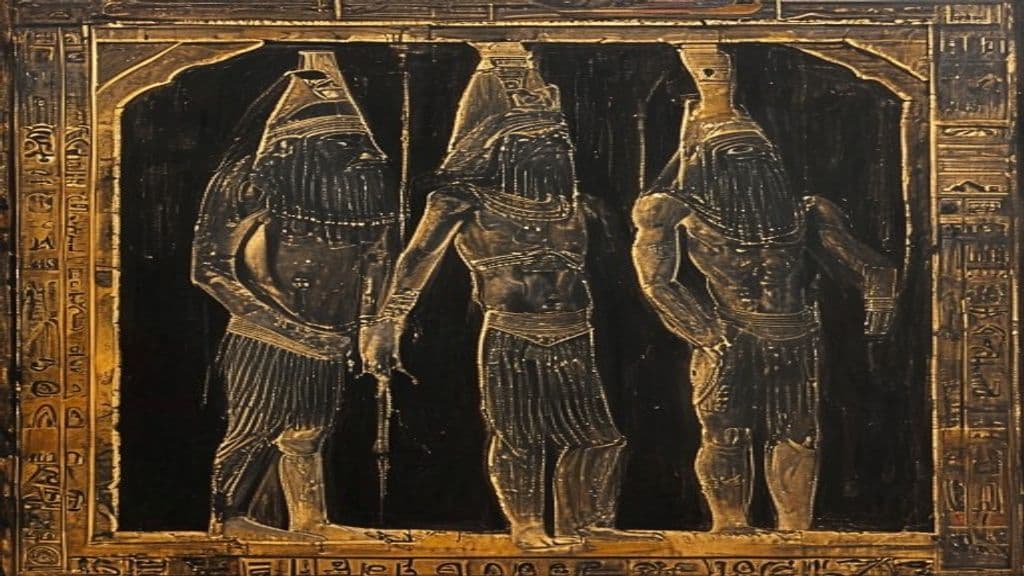
A class of younger heavenly beings in ancient Mesopotamian myth, the Igigi are attested chiefly as a subordinate, laboring cohort of gods contrasted with the higher-ranking Anunnaki; in the Atrahasis narrative they perform manual tasks for senior deities and at one point rebel from forced toil. The name is attested in Sumerian orthography (i-gi4-gi4, later í-gì-gì) and its ultimate lexical origin is unknown, though scribal spellings invite numerical wordplay.

Igong Bonpuri
Minor Spirit

Igong Bonpuri

A supernatural being described in traditional shamanic narratives from Jejudo, Korea. Similarities with Buddhist mythology suggest it may be a type of Korean cultural cosmological entity. (Note: 1. Remove "Similarities with Buddhist mythology suggest it may be a type of Korean cultural cosmological entity" from summary as it's not directly supported by source material. 2. Power tier is Minor )

Igong Maji (Korean tradition)
Primordial

Igong Maji (Korean tradition)

A god of flowers in Korean shamanism, associated with natural cycles and fertility. (Note: 1. Power tier should be Ancient (deity-level) instead of Primordial, since it's described as "the god of flowers" and has a significant role in specific rituals. 2. The origin story is too vague; the )

Igopogo
Lesser

Igopogo

Igopogo is a modern Canadian lake‑monster legend said to dwell in Lake Simcoe, Ontario. Presented in popular folklore and cryptozoological sources, it is a place‑bound mysterious aquatic creature variously reported by witnesses, invoked in local media, and represented in civic art.

Ihy
Minor Spirit

Ihy

Ihy is an ancient Egyptian child-god associated with the sistrum, ritual music, joy, and fertility. Centered on the Dendera (Iunet) cult, he appears in temple art and fertility 'mystery plays' connected to Hathor and Horus and is depicted as the youthful divine offspring bound to Hathor's cultic roles.

Ijana (Ijana Otta) / Onijana
Lesser

Ijana (Ijana Otta) / Onijana

Ijana is attested in the provided sources as a place-name (Ijana Otta) and as the basis of a traditional chiefly title, Onijana, within the Awori/Ota sociopolitical landscape in southwestern Nigeria. The term appears in civic and ceremonial contexts rather than as a supernatural being.

Ijiraq
Lesser

Ijiraq

In Inuit folklore the ijiraq is a shapeshifting supernatural being associated with abducting or misleading children and causing loss or disorientation in the Arctic landscape. Stories link the phenomenon of getting lost to cultural navigation practices such as inuksuk; detailed origins, appearance, and ritual countermeasures are not extensively recorded in the supplied sources.

Ik Onkar
Minor Spirit

Ik Onkar

Ik Onkar (Gurmukhi: ੴ) is a foundational theological phrase in Sikhism expressing the oneness of the Divine. It opens the Mul Mantar and the Guru Granth Sahib and functions as a liturgical, scriptural, and emblematic affirmation of the singular, formless Supreme Reality in Sikh thought.

Ikatere
Primordial

Ikatere

In Māori and Polynesian mythology, Ikatere is a Primordial fish god and the father of all sea creatures. (Note: - Power tier: Primordial is accurate based on the source. - Abilities: The source does not mention specific abilities or behaviors; this should be clarified or removed. - Sensory cues: No information )

Ikiryō
Greater

Ikiryō

In Japanese belief and classical literature, an ikiryō (生霊, lit. 'living spirit') is the soul or spirit of a living person that leaves the body and manifests elsewhere, sometimes haunting, possessing, or affecting others; it is distinct from the spirit of the dead (shiryō) and is variously tied to strong emotions, portents of death, or possession.

Iktómi
Ancient

Iktómi

Iktómi is a spider-associated trickster and culture-hero in Lakota oral tradition. He functions as teacher, entertainer, corrupter, and origin-figure for cultural arts (stories, language, games), embodying the tension between wisdom and folly in Plains narratives.

Iku-Shamagan
Lesser

Iku-Shamagan

Iku-Shamagan was a historical king (lugal) of the second Mariote kingdom in ancient Mari, attested in an inscribed votive statue and in vessel dedications dating to the early 3rd millennium BC. He is known from archaeological context and inscriptions linking his reign to temple cultic practice rather than from any supernatural or folkloric tradition.

Iku-Turso
Lesser

Iku-Turso

In Finnish mythology, Iku-Turso is a malevolent sea monster described in the Kalevala. (Note: - The power tier should be Primordial, given its classification as a "giant" and its association with the sea. - Add sensory cues: The source mentions that it's a malevolent entity, so potential senso)

Ikuchi
Lesser

Ikuchi

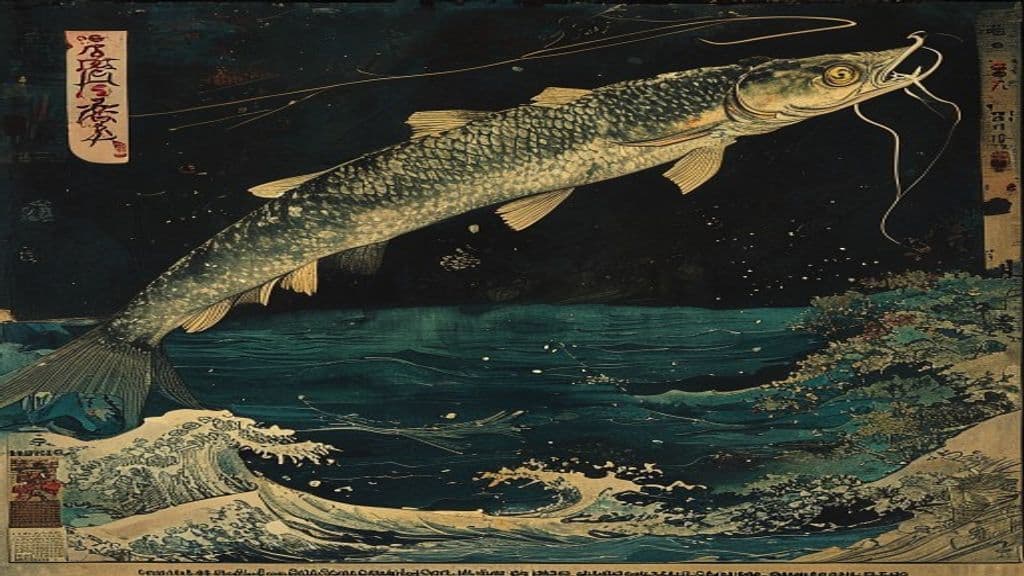
An Edo-period Japanese maritime yōkai reported as an enormously long sea creature that appears at night to slither over ships and deposit copious viscous oil, forcing crews to bail and cleanse their vessels to avoid sinking.

Ila
Minor Spirit

Ila

The string "Ila" in the supplied sources is not presented as a supernatural entity; it appears as a personal name, an ethnic group (Ila people of Zambia), place names, acronyms, and technical terms. No folkloric or mythological persona, origin, appearance, abilities, rituals, or warding traditions for an entity named Ila are documented in the provided materials.

Ilaba
Greater

Ilaba

Ilaba is a Mesopotamian deity attested from the Sargonic (Akkadian) period as the city god of Akkad and a tutelary war-god for Akkadian rulers. He is associated with a mace as his emblem, invoked in royal inscriptions, treaties, curse-formulae and continued to appear in post‑Akkadian cultic contexts.

Ilah
Ancient

Ilah

Arabic concept for deity, encompassing gods, goddesses, and other supernatural beings worshipped in Arabian traditions. (Note: 1. Power tier: Ilah is more accurately classified as Primordial (cosmic) since it refers to any deity or god worshipped in Arabian traditions. 2. Appearance: Clarify that there is no physical descript)

Ilamatecuhtli
Lesser

Ilamatecuhtli

Ilamatecuhtli (attested also as Citlāllīcuē and Citlālinīcuē) is identified in the supplied sources as a creator goddess within Aztec mythology. The provided excerpts give no further mythic narrative, iconography, or ritual context.

Ilavida
Ancient

Ilavida

In Hindu mythology, Ilavida is the first wife of the sage Vishrava and mother of Kubera. (Note: * The power tier should be Lesser, as there's no mention of her having deity-level powers. * The summary needs to reflect that Ilavida is not mentioned in Hindu mythology outside of the Ramayana, maki)

Ileana Cosânzeana
Greater

Ileana Cosânzeana

Ileana Cosânzeana is a central feminine figure in Romanian folklore, presented variously as an idealized beautiful princess and as a powerful fairy. She commonly appears as the heroic object of quests (kidnapped by a Zmeu and rescued by Făt‑Frumos) and is associated with healing, floral/vegetal motifs, and astral/seasonal imagery in variant traditions.
Ili-mīšar
Lesser

Ili-mīšar

Ili-mīšar (Mīšaru, Misharu) is a Mesopotamian deity who functions as the personification of justice and is sometimes portrayed as a divine judge. He is attested from the Ur III period onward and was worshiped in multiple Mesopotamian cities with at least one attested local tutelary role.

Ilib
Ancient

Ilib

Ilib (Ugaritic ‘l’b) is an ambivalent ancient Ugaritic term attested as both a primordial ancestral theogonic figure placed before El in ritual lists and as a generic designation for household ancestor-spirits honored by families. Evidence for Ilib is primarily ritual and onomastic: the name occurs early in offering lists, in temple sacrificial contexts, and in literary instruction about filial memorials.

Ilmarinen
Greater

Ilmarinen

Ilmarinen is a Finnic divine artificer and sky-associated being from Finnish and broader Finno-Ugric tradition, known as the archetypal smith who forges cosmological works such as the dome of the sky and the Sampo. He appears throughout oral rune-song material and in the Kalevala corpus and is invoked in several incantation runes.

Ilmatar (Luonnotar)
Lesser

Ilmatar (Luonnotar)

Ilmatar, also called Luonnotar, is a female spirit of the air and a nature-spirit figure in the Finno-Karelian epic tradition as compiled in the Kalevala. In Elias Lönnrot's Kalevala she is presented as the virgin mother who is impregnated by sea and wind and becomes the mother of the culture-hero Väinämöinen, though regional runic variants sometimes name other maternal figures for Väinämöinen.

Ilmr
Lesser

Ilmr

Ilmr is attested as a goddess (ásynja) name in the Old Norse poetic corpus: she appears in the Nafnaþulur list of ásynjur appended to Snorri Sturluson's Prose Edda and as an element in several skaldic kennings from the 10th–11th centuries. Her original nature and functions are not preserved; scholars have proposed competing etymologies (scent, noise/battle, or elm/tree) to account for her poetic usage.

Ilomba (Lozi mythology)
Lesser

Ilomba (Lozi mythology)

A malevolent sea snake entity created by witch doctors through dark magic, tied to human sacrifice and control. (Note: * Power tier: Greater (not Lesser) as per power_tier classification system * Appearance change: Sources describe that when seen by its owner, the Ilomba takes on the identity of its owner's face, not )

Ilus
Minor Spirit

Ilus

Ilus (Ancient Greek: Ἶλος) is a personal name borne by several legendary mortal figures in Greek and Roman epic tradition, most notably founders and genealogical ancestors associated with Dardania and Troy, plus other mortals appearing in Homeric and Virgilian narratives. The figures function as eponymous founders or named human actors within mythic genealogies rather than as supernatural beings.

Imbrasus
Lesser

Imbrasus

Imbrasus is a Greek theonym applied to at least two distinct mythic personages: a river-god associated with a river on the island of Samos and a Thracian pater/genealogical figure named as father of Asius and the Trojan leader Peirous.

Imbreus
Minor Spirit

Imbreus

No folkloric or supernatural entity named Imbreus is attested in the supplied sources. The string 'imbreus' appears only as a Latinized species epithet in entomological/taxonomic records (notably Pediobius imbreus).

Imbrus
Minor Spirit

Imbrus

Imbrus (Ancient Greek: Ἴμβρος) is an Egyptian prince in Greek mythology, one of the sons of King Aegyptus. He married the Danaid Euippe and was slain on his wedding night along with most of his brothers on the orders of Danaus; Lynceus is named as the sole surviving brother in the cited accounts.

Imbulu (Mbulu)
Lesser

Imbulu (Mbulu)

Imbulu (also spelled Mbulu) appears in Bantu-language material as a 'fabulous creature' that, in the surviving excerpt, overtakes a girl traveling between settlements. The available sources are fragmentary and provide only a brief narrative mention without detailed attributes, rituals, or cosmological placement.

Imhotep
Ancient

Imhotep

Imhotep was a historical Old Kingdom Egyptian official (chancellor to Pharaoh Djoser) whose memory was gradually glorified and by the Late Period and Ptolemaic era had been assimilated into Egyptian cult as a deified patron of medicine, wisdom, architecture, and scribal arts. He functioned as a non-royal cult deity centered at Memphis and was syncretized with gods such as Thoth and equated by Greeks with Asclepius.

Imp
Lesser

Imp

An imp is a small supernatural being in European folklore, typically characterized as a mischievous, lesser spirit or attendant rather than a major deity. Traditionally associated with pranks and household or local disturbance, the concept shifted over time toward associations with familiars and infernal attendants in Christianized contexts.

Impi ya Moya (Ghost Warrior)
Minor Spirit

Impi ya Moya (Ghost Warrior)

No documented information on an entity named Impi ya Moya appears in the supplied sources. The available excerpts do not describe such a spirit, its attributes, or its role in Southern African traditions.
Impundulu
Lesser

Impundulu

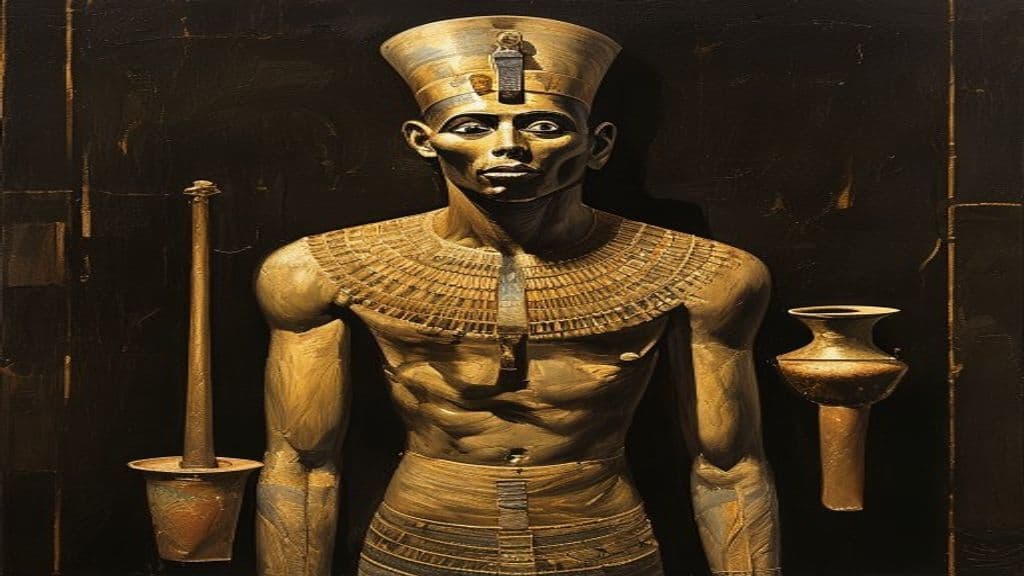
The Impundulu, commonly called the "lightning bird," is a legendary avian creature from Zulu and wider Nguni folklore. Sources describe it as associated with lightning and as a formidable, fear‑inducing supernatural being that appears in modern retellings and popular culture.

Imra
Ancient

Imra

Imra (Kati: Imro) is the chief creator deity in pre-Islamic Nuristani religion who was believed to have created the earth and, by his breath, the other main deities of the pantheon; he also functions as guardian of the subterranean gates of the dead, preventing the return of the dead to the living.

Imsety
Ancient

Imsety

Imsety is one of the Four Sons of Horus in ancient Egyptian religion, a mummiform, human-headed funerary deity invoked to protect the viscera of the deceased and to secure bodily wholeness in the afterlife. He commonly appears on canopic-jar lids and amulets and is named in funerary spells and ritual contexts tied to mummification and burial.

Imugi (proto-dragon)
Lesser

Imugi (proto-dragon)

Imugi (이무기; also transcribed Imoogi) is a Korean folkloric proto‑dragon — a large serpentine, aspirant creature described in modern summaries as a 'lesser dragon' that may become a true Korean dragon through a transformative act.

Imzuanna
Lesser

Imzuanna

Imzuanna (also attested as Ninzuanna) is a Mesopotamian city goddess attested from the Ur III through Neo‑Babylonian periods. She functions mainly as the consort of Marad's tutelary god Lugal‑Marada, appears in offering lists, lamentation literature, and ritual corpora (notably Šurpu), and is otherwise sparsely attested in the surviving record.
Inachus
Ancient

Inachus

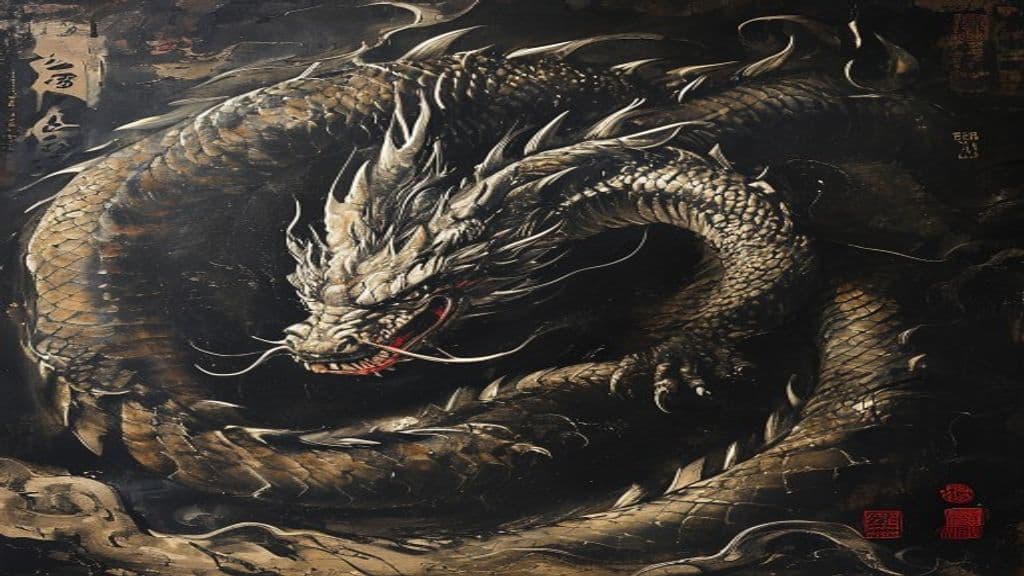
Inachus (Ἴναχος, Inachos) is a mythic ancestral figure of Argos who functions both as the region's eponymous first king/priest and as a river-divinity descended in some accounts from the Titans Oceanus and Tethys. He appears in etiological narratives that tie Argive territory, cult, and seasonal hydrology to a pre-Olympian generation of river-gods and founders.

Inanna
Ancient

Inanna

Inanna is a major ancient Mesopotamian goddess, primarily worshipped in Sumer and later identified with the Akkadian Ishtar. Her domains include love, sex, war, political power, divine law and procreation; she is a principal cult figure of Uruk and bearer of the mes, the decrees of civilization.

Inanna of Zabalam
Ancient

Inanna of Zabalam

A city-tutelary manifestation (hypostasis) of the Mesopotamian goddess Inanna/Ishtar associated with the city of Zabalam (Sumerian Sugal). Attested from the Uruk period through later Mesopotamian historical phases, she appears in temple hymns, royal inscriptions, and theophoric names and could be treated either as a distinct local goddess or as a local aspect of the pan-regional Inanna.

Inari
Ancient

Inari

Inari is a major Shinto kami of Japan associated primarily with rice and the rice harvest, agriculture, food/prosperity, foxes as messengers, and, in broader practice, industry. Venerated at thousands of shrines (most prominently Fushimi Inari-taisha on Mount Inari), Inari receives offerings and votive donations such as torii gates and food (notably inari-zushi).

Inari Ōkami
Ancient

Inari Ōkami

Inari Ōkami is a major Shinto kami primarily associated with rice cultivation, fertility, food, and general worldly prosperity; over time Inari's patronage expanded to trades such as swordsmithing and commerce, and the figure is syncretically identified with various Buddhist and Shinto deities. Inari is venerated at thousands of shrines across Japan and is closely tied to white foxes (kitsune) who act as messengers in popular belief.

Inca Human Sacrifice Entity
Primordial

Inca Human Sacrifice Entity

A supernatural force in Inca tradition believed to demand human sacrifice, particularly children, as a form of placation. (Note: 1. The summary should mention that the entity demands appeasement, not just placation. 2. Power tier should be Ancient (deity-level) instead of Primordial (cosmic). 3. The source material does not sup)

Inca Tradition
Ancient

Inca Tradition

Polytheistic framework with pan-regional, regional, and local divinities influencing daily activities and grand ceremonies in the Inca Empire. (Note: 1. Power tier: Primordial (not Ancient), as it's a pan-regional framework influencing daily activities. 2. Appearance: Add information from source material about what the Inca deities looked like or h)

Incubus (Jewish Tradition)
Primordial

Incubus (Jewish Tradition)

A male demon that preys on female humans in their dreams, seducing them and leading to physical interactions. (Note: 1. Power tier should be Primordial (cosmic) is too high; a more fitting power tier would be Greater (deity-level), given its ability to manipulate humans' dreams and lead to physical interactions. 2. )

Indarapatra at Sulayman (monstrous antagonists)
Greater

Indarapatra at Sulayman (monstrous antagonists)

A quartet of monstrous antagonists (Kurita, Tarabusaw, Pah, and the seven‑headed bird/Balbal) from the Maguindanao epic Indarapatra at Sulayman who devastated Mindanao in a mythic past and were slain through royal heroism, enchanted arms, and a heavenly jar of water.

Indonesian Mythology
Primordial

Indonesian Mythology

The mythology of Indonesia is a diverse and complex collection of myths, legends, and supernatural beings from various cultural traditions. It reflects the syncretization of Hindu, Islamic, and Christian biblical influences, resulting in a unique and dynamic worldview. (Note: 1. Power tier should be Primordial, but it's too vague for entities that embody cosmic forces. Consider rephrasing to "Cosmic Deity" or more specifically, the role of Iswara and Durga in Indonesian my)

Indra
Ancient

Indra

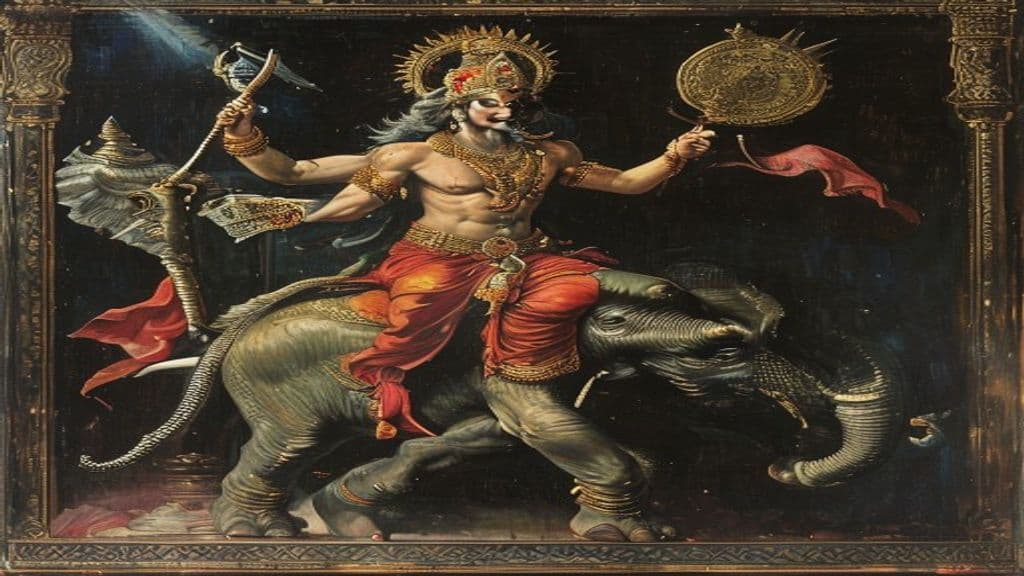
Indra is a major Vedic deity, king of the devas and lord of Svarga (heaven), associated primarily with the sky, storms, lightning, rain, rivers and martial heroism; he is central in the Rigveda and later appears across Hindu, Buddhist and Jain cosmologies with varying status.

Indrajit (Meghanāda)
Greater

Indrajit (Meghanāda)

Indrajit, also called Meghanāda, is the eldest son of Rāvaṇa in the Indic epic tradition (the Rāmāyaṇa). A mortal royal and mighty warrior, he is famed for mastery of celestial weapons (astras), sorcery/tantra, and aerial/illusion warfare, and for briefly capturing the god Indra.

Indrani
Lesser

Indrani

Indrani (Sanskrit: Indrāṇī), also called Śacī / Shachi and Poulomī, is the queen and consort of the Vedic and Puranic god Indra. Presented in Vedic hymns and later epic and Purānic narratives, she functions as Indra's wife, a personification of aspects of his power in some hymns, and an agentic figure in courtly celestial stories such as the Nahusha episode.

Indrik (Indrik-zver')
Greater

Indrik (Indrik-zver')

A singular marvelous beast in Russian folklore, the Indrik (Indrik-zver') is described in medieval compilations such as the Dove Book as the "king of all animals" who dwells on a sacral "Holy Mountain"; the creature is gigantic and horned and is said to make the earth tremble when it stirs.

Inel Qaghan
Lesser

Inel Qaghan

Inel Qaghan (Old Turkic: 𐰃𐰤𐰠:𐰴𐰍𐰣; Chinese: 泥涅可汗; personal name Ashina Fuju) was a historical Turkic ruler of the Ashina house, recorded as the third khagan of the Second Turkic Khaganate. He served as a military leader commanding the western wing and was killed in a dynastic struggle during the early 8th century.

Ingeld
Lesser

Ingeld

Ingeld (Old Norse Ingjaldr; Latin Hinieldus) is a legendary heroic prince of the pan‑Germanic Scylding/Heaðobard cycle known from early English and Norse literary sources. He appears as a warrior and dynastic actor whose narrative role centers on marriage diplomacy, feuding, and cycles of vengeance rather than any supernatural agency.

Ingjald Illråde
Lesser

Ingjald Illråde

Ingjald (Old Norse Ingjaldr), known by the byname Illråde ('ill-ruler' / 'ill-adviser'), is a semi-legendary early Swedish king attested in medieval saga-chronicles (notably Snorri Sturluson's Ynglinga saga and related lists). He is remembered for treacherous expansion — most famously the burning of rival kings in a hall — and for dying by self-immolation when confronted by a superior force.

Inkanyamba
Greater

Inkanyamba

A serpent-like water-and-storm spirit in southern African (principally Zulu and Xhosa) oral tradition tied to particular deep pools, rivers, and waterfalls. Folklore associates the inkanyamba with tornadoes, seasonal storms, rain and fertility, and with occasional predation on people and animals.

Inkarri
Primordial

Inkarri

Supernatural vengeful entity that resurrects and avenges Atahualpa's death, restoring balance between Pacha Mama and humanity. (Note: 1. Power tier: Inkarri's abilities don't suggest Primordial level; it seems more like Greater or Ancient. 2. Appearance: Add a description of what Inkarri looks like after resurrecting (e.g., how its )

Inmyeonjo
Primordial

Inmyeonjo

A mythological creature in Korean tradition with human and bird characteristics. (Note: - Power tier: Lower than Primordial (should be Lesser or Greater) since no deity-level abilities are described. - Origin story: Remove statement since it's true that no specific origin story is mentio)