Chinese Supernatural Beings

184 documented Chinese supernatural beings from the Evil Eye grimoire, including 65 lesser and 50 greater in power tier.

page 1 of 4

Akshobhya
Ancient

Akshobhya

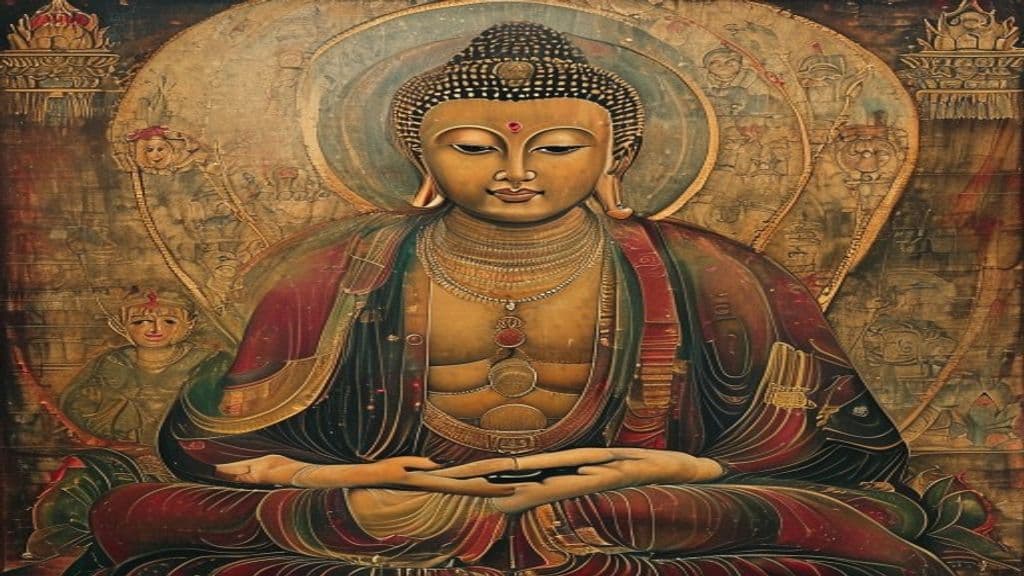
Akshobhya is a transcendent buddha of Mahāyāna and Vajrayāna Buddhism, one of the Five Wisdom (Dhyāni) Buddhas. He personifies 'mirror knowledge' (ādarśa-jñāna), is conventionally placed in the East, and is lord of the eastern Pure Land Abhirati; in esoteric texts he is associated with the eastern Vajra division and invoked in mantra/mandala ritual contexts.
Amitābha Buddha
Ancient

Amitābha Buddha

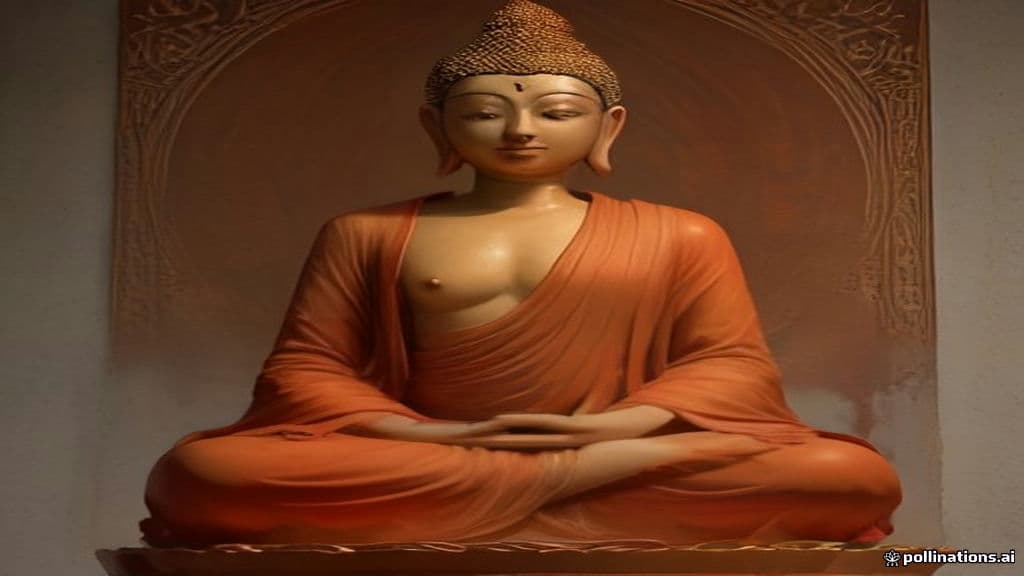
Amitābha is a principal Mahayana Buddha who presides over the Western Pure Land (the Land of Ultimate Bliss). Devotional practices—most centrally recitation of his name and chanting of Pure Land sutras—are presented in sources as the means by which Amitābha welcomes practitioners for rebirth in his hindrance-free realm.

Anantacāritra
Greater

Anantacāritra

Anantacāritra (Sanskrit: अनन्तचारित्र) is a bodhisattva figure in the Lotus Sūtra, identified as one of the four great perfected bodhisattvas who attend Gautama Buddha. The name is glossed as "Boundless Practice" and, in Tiantai commentary, is read as representing eternity.

Ao Guang (Dragon King of the East Sea)
Ancient

Ao Guang (Dragon King of the East Sea)

Ao Guang is the Dragon King (Dragon God) who presides over the East Sea (Dōng Hǎi) in Chinese mythology, literature, and folk-religion. He is presented in sources as a regional aquatic deity associated with water and weather and appears as a named supernatural figure in classical vernacular novels such as Journey to the West and Fengshen Yanyi.

Ao Kuang
Ancient

Ao Kuang

Ao Kuang (also attested as Ao Guang) is the Dragon King of the East Sea in Chinese mythology and folk religion, one of a quartet of sea-dragon sovereigns associated in folklore with the cardinal seas. He appears in classical literature and later popular media as a ruler of maritime waters whose favor or displeasure is connected to tides, rain, floods and storms.

Arhat
Lesser

Arhat

An arhat (Sanskrit: arhat; Pāli: arahant) is in Buddhist traditions a human practitioner who has gained insight into the true nature of existence, attained nirvāṇa, and been liberated from the cycle of rebirth. The status and valuation of arhatship vary by school: some traditions equate it with full liberation, while others treat it as distinct from or inferior to the bodhisattva/buddha ideal.

Ashina Buzhen
Minor Spirit

Ashina Buzhen

Ashina Buzhen (Chinese: 阿史那步真) was a 7th-century member of the Ashina ruling house of the Western Turks who acted as a military and political claimant to khaganate authority on the Tang frontier. Recorded in Tang-era sources and modern summaries, he engaged in inter-elite rivalry, participated in Tang military campaigns, received an imperial-bestowed khagan title from Emperor Gaozong, and died in 667.

Ashina Helu
Minor Spirit

Ashina Helu

Ashina Helu (阿史那賀魯 / 阿史那贺鲁, āshǐnà hèlǔ) was a mid‑7th century member of the Ashina clan who claimed the title qaγan (khagan) of the Western Turkic polity. Active as a tribal shad and later self‑declared khagan, he contested Tang authority, was defeated by General Su Dingfang in 657, handed over by Chach, spared by Emperor Gaozong, and spent his remaining years in Chang'an.

Ashina Mishe
Ancient

Ashina Mishe

Ashina Mishe (Chinese: 阿史那彌射; ?–662) was a mid-7th century member of the Ashina clan installed and recognized by the Tang court as a khagan and frontier protector-general over portions of the former Western Turkic territories. His career illustrates Tang imperial practices of using titled Turkic elites as intermediaries to administer and pacify western protectorates; his death in 662 following an intrafamilial rivalry weakened Tang influence in the region.

Ashina Nishufu
Minor Spirit

Ashina Nishufu

Ashina Nishufu was a member of the Ashina clan proclaimed qaghan in a short-lived Göktürk revolt against the Tang dynasty (679–680 CE). Declared by Turkic leaders Ashide Wenfu and Ashide Fengzhi, his uprising was defeated by Tang general Pei Xingjian; he was killed by his own men and the revolt’s leaders and many Göktürks were executed in Chang'an.

Ashina She'er
Minor Spirit

Ashina She'er

Ashina She'er (阿史那社爾) is a historical Turkic prince of the Ashina house who became a Tang dynasty general in the 7th century. Chronicle summaries record his roles as claimant to parts of the Western Turkic Khaganate, his submission to Tang in 635, marriage into the imperial family, major western campaigns (including Kucha, 648), and his burial alongside Emperor Taizong.

Ashina Shibobi
Lesser

Ashina Shibobi

Ashina Shibobi (c. 603–631), regnal name Tolis (Töles) Khagan, was a member of the Ashina clan who served as a lesser khagan and military leader of the eastern wing of the Eastern Turkic Khaganate in the early 7th century CE. He held offices such as Nipu shad and Tolis khagan, participated in raids against Tang China, suffered internal punishment after military setbacks, and ultimately submitted to Emperor Taizong of Tang in 629.

Ashina Tuwu
Lesser

Ashina Tuwu

Ashina Tuwu (Chinese: 阿史那吐務) is an early Göktürk/Ashina clan chieftain recorded in Chinese and later Turkic sources as the ancestor and father of the founders of the First Turkic Khaganate. He functions in the corpora as a dynastic progenitor and titled chief (rendered Da Yehu / Grand Yabgu) rather than as a supernatural being.

Ashina Xichun
Ancient

Ashina Xichun

Ashina Xichun was a historical khagan (ruler) of the Eastern Turkic Khaganate who succeeded his brother Shibi Qaghan in 619 and ruled for about 18 months until his death c. December 620. His reign involved diplomacy and alliance-making with contemporary Chinese polities, appointment of subordinate rulers, and creation of a puppet Sui king.

Ashina Xin
Minor Spirit

Ashina Xin

Ashina Xin was an Ashina-lineage Turkic aristocrat consecrated as a khan of a multi-tribal confederation around 740 CE; he participated in Tang–steppe diplomatic and marital politics and was assassinated in factional violence in 742 CE.

Ashina Yuanqing
Lesser

Ashina Yuanqing

Ashina Yuanqing (r. 685–692) was a historical member of the Ashina clan who served as a client Turkic khagan and commander under the authority of Wu Zetian. He was captured by the Tibetan Empire (686–689), later returned to Tang territory, and was executed in Chang'an in 692 after being falsely accused by the official Lai Junchen.

Asian dragon (long / loong)
Ancient

Asian dragon (long / loong)

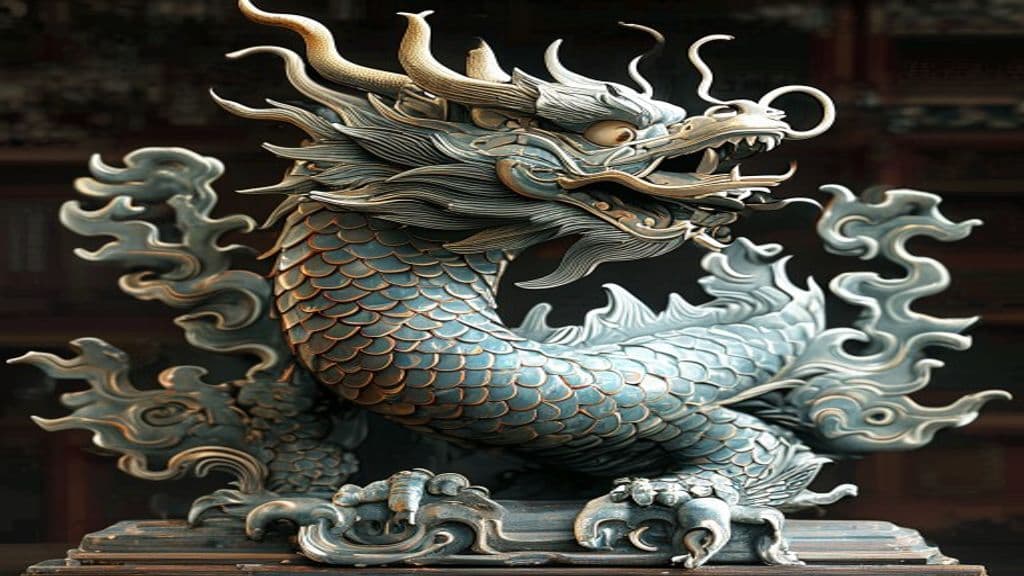
The Chinese or Asian dragon (Chinese: long or loong) is a legendary creature in Chinese mythology, folklore, and culture, widely represented as an auspicious, potent being most commonly associated with control over water and weather. It appears across myth, art, and modern public performance rather than as a single folkloric apparition with standardized ritual responses.

Asiatic black bear
Minor Spirit

Asiatic black bear

The Asiatic black bear (Ursus thibetanus), also called the Asian black bear, moon bear, or white-chested bear, is a medium-sized, largely arboreal bear species native to much of Asia. Sources present it as a biological species of conservation concern, listed as Vulnerable on the IUCN Red List and threatened by habitat loss and poaching for body parts used in traditional medicine.

Automaton (tradition)
Lesser

Automaton (tradition)

An automaton is a crafted, self‑operating mechanical device or engineered construct described in ancient myth, technical history, and modern usage; in traditional accounts it is a human‑made figure or mechanism that imitates living actions through concealed mechanisms rather than by an animating spirit.

Azure Dragon (Qīnglóng)
Ancient

Azure Dragon (Qīnglóng)

The Azure Dragon (青龙 / 青龍 Qīnglóng) is one of the Four Symbols of Chinese constellations and a principal astral/territorial guardian associated with the eastern quarter of the sky and the season of spring. It functions as a cosmological and civic protective emblem appearing in temple iconography, tomb murals, and syncretic links to named Dragon Kings.

Bagha Shad
Minor Spirit

Bagha Shad

Bagha Shad (Old Turkic: 𐰉𐰍𐰀𐱁𐰑, baγa šad; Chinese 莫贺设/莫賀設, mòhè shè) was an early 7th-century Göktürk shad (dynastic prince/general), a close kinsman and subject of the Western Turkic khagan Tong Yabghu, attested in Chinese sources as sojourning in China in 618–626 and probably the father of Böri Shad.

Bai Longma (White Dragon Horse)
Greater

Bai Longma (White Dragon Horse)

A dragon-being from the 16th-century Chinese novel Journey to the West who serves as the monk Tang Sanzang's steed during the pilgrimage and is later ordained to the Buddhist office Babu Tianlong Guangli Bodhisattva. Presented in the narrative as a dragon in horse form or a dragon who takes on the role of a horse/servant.

Bai Suzhen (White Snake)
Greater

Bai Suzhen (White Snake)

Bai Suzhen (白素貞), commonly called the White Snake, is a cultivated snake spirit who attains human form and is the central figure of the Legend of the White Snake. Sources present her as a one‑thousand‑year‑old snake spirit who transforms into a beautiful woman, engages in a romantic marriage with a human (Xu Xian), is opposed by Buddhist exorcism in many variants, and in some local traditions is venerated as Madam White Snake (白蛇娘娘).

Bai Ze
Lesser

Bai Ze

Bai Ze (白澤, Báizé; Japanese Hakutaku) is a legendary sacred creature in Chinese tradition famed as an authoritative recorder of ghosts and gods whose illustrated compendium (Bái Zé Tú) was employed as a household prophylactic against spirit-world harm. The creature’s image and diagrams were used in China and later Japan to identify, ward off, and prescribe avoidance of spectral calamities.

Baku
Lesser

Baku

A composite supernatural creature in East Asian (Chinese → Japanese) folklore best known in Japan as a benevolent dream‑devourer invoked to remove bad dreams and protect children at bedside. Its depiction and roles developed over time from an older Chinese chimera (mo) into a household protective being with a cautionary moral about overuse.

Bashe (巴蛇) — Great Horned/Great Ba Snake
Greater

Bashe (巴蛇) — Great Horned/Great Ba Snake

Bashe (巴蛇, bā-shé) is a named legendary giant python-like serpent in classical Chinese literature, famed for swallowing elephants whole and disgorging their bones after a long interval. It appears in mytho-geographic and poetic compilations (notably the Shanhaijing and the Chuci Tianwen) and is taken up in materia medica writings (e.g., Bencao Gangmu) and commentaries (Guo Pu) as both marvel and source of medicinal substances.

Bhaiṣajyasamudgata
Greater

Bhaiṣajyasamudgata

A Mahāyāna bodhisattva associated with the therapeutic activity of the Buddha and invoked in visualization (Guan) sūtras. He is named alongside the Medicine King (Bhaiṣajyarāja) and is the co-subject of a dedicated contemplation sūtra used in meditative-healing practice.

Bi'an
Lesser

Bi'an

Bi'an is attested in the provided sources primarily as a named member of the traditional roster called the Nine Sons of the Dragon, appearing in catalogues of mythic names. The figure is also present as a name-form within the broader lexical field of Chinese folk religious beings (for example, appearing alongside death-escort deities in separate sources), but the supplied materials do not furnish an independent, detailed myth or cultic biography for Bi'an.

Bixi
Lesser

Bixi

Bixi (Bi Xi) is a named figure in Chinese mythological lists—traditionally counted among the nine sons of the dragon—and is the canonical form for tortoise-bodied, dragon-crowned stone mounts that bear commemorative stelae. The form functions primarily as an architectural and commemorative sculptural motif used in funerary complexes, imperial mausoleums, and public commemorations from at least the late Han dynasty through the Ming and Qing.

Black Turtle‑Snake (Xuánwǔ / Genbu)
Greater

Black Turtle‑Snake (Xuánwǔ / Genbu)

A composite cosmological guardian from East Asian tradition (Chinese: 玄武, Xuánwǔ; Japanese: Genbu) that functions as the northern member of the Four Symbols. Represented iconographically as a tortoise intertwined with a snake, it orders sky and landscape (north, winter, seven lunar mansions) and is venerated in temples, palace gates, and funerary contexts as a protective presence.

Bo Le
Greater

Bo Le

Legendary horse tamer and judge from the Taoist tradition, renowned for his expertise in evaluating horses during the Spring and Autumn period. (Note: 1. Power tier should be Ancient, as Bo Le is described as "legendary" and the source material doesn't provide a basis for limiting him to a regional power level. 2. Appearance description should state)

Bronze Tiger
Lesser

Bronze Tiger

Bronze Tiger (Benjamin 'Ben' Turner) is a fictional DC Comics character: an African-American, world-class martial artist, operative, and recurring figure who has served as assassin, mercenary, instructor, and member/second-in-command of Amanda Waller's Suicide Squad. Created in the Bronze Age of comics, his history includes training under O-Sensei, capture and brainwashing by the League of Assassins, and later rehabilitation and multimedia adaptations.

Budai (Qieci)
Greater

Budai (Qieci)

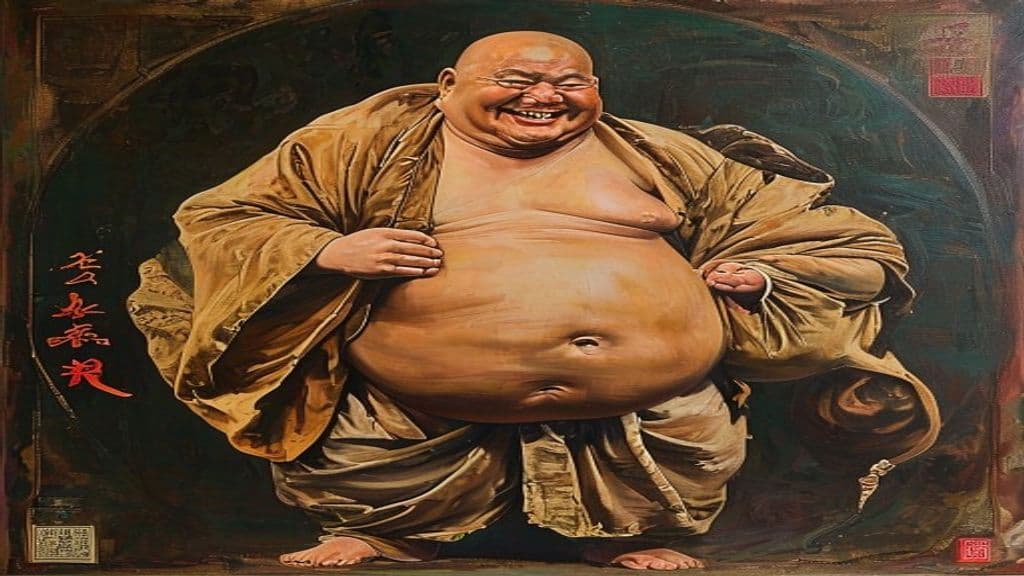
Budai is the nickname of the historical Chinese monk Qieci (契此), a jovial, sack-carrying mendicant whose persona was incorporated into Chan (Zen) Buddhist popular practice and often identified with the future Buddha Maitreya. He functions in tradition as a folkloric saint-monk and pedagogical symbol of abundance, contentment, and accessible awakening rather than as an abstract hostile spirit.

Bull Demon King
Greater

Bull Demon King

A powerful literary spirit-king from the 16th-century Chinese novel Journey to the West; a sentient bull-form ruler who commands a grotto-domain, maintains a household (including consorts and a son), and fights both mortal and celestial opponents within the novel’s cosmology.

Báigǔ Jīng
Greater

Báigǔ Jīng

The White Bone Demon of Journey to the West — a skeletal demoness who shapeshifts into innocent humans three times to attempt to capture and devour the monk Tripitaka.

Capon
Minor Spirit

Capon

A capon is a castrated or chemically sterilized male chicken fattened for food. The term and its documented attributes are agricultural and culinary; sources do not describe a supernatural or folkloric entity by this name.

Chang'e
Ancient

Chang'e

Chang'e (嫦娥), originally attested as Heng'e and linked to the older name Chang Xi, is the female lunar immortal of Chinese myth who resides in the Moon Palace (廣寒宮). Best known from the elixir-of-immortality tale in which she ascends to the Moon and is accompanied there by the Jade Rabbit, she functions across religious and literary contexts as a lunar goddess/immortal and a poetic symbol of solitude and longing.

Chebi Khan (Ashina Hubo)
Lesser

Chebi Khan (Ashina Hubo)

Chebi Khan (Yizhuchebi Khagan; personal name Ashina Hubo) was a historical claimant and later khagan of the Eastern Turkic Khaganate in the mid-7th century CE who rebuilt a measure of Turkic authority after the collapse of the khaganate, before being captured by Tang forces and taken to Chang'an in 650.

Chen Fu Zhen Ren
Lesser

Chen Fu Zhen Ren

Chen Fu Zhen Ren (陳府真人; Hokkien: Tan Hu Cin Jin) is a deified ancestral/tutelary figure venerated in East Java, Bali, and Lombok. Centered on a historical/legendary migrant craftsman who became a local immortal, his cult is maintained in Chinese temples and by indigenous Kejawen practitioners and functions as a protective, communal ancestor patron.

Chen Jinggu (陳靖姑)
Greater

Chen Jinggu (陳靖姑)

Chen Jinggu is a historical‑legendary Taoist woman venerated as a protective goddess of women, pregnancy, childbirth, children, and coastal communities in Fujian and Taiwan. Remembered as a Lushan‑school priestess who used ritual power to end a drought and vanquish a white snake, she was later honored in temples and mediumship and is incorporated into modern maritime devotional calendars.

Chenghuangshen (City God)
Greater

Chenghuangshen (City God)

Chenghuangshen (城隍神), commonly called the City God, is a tutelary deity in Chinese folk religion tied to a specific settlement. Historically associated with a city's walls and moat, the deity functions as protector of local affairs and as a local official in the postmortem ordering of souls for that place.

Chi (螭)
Lesser

Chi (螭)

Chi (螭) is attested in the provided sources only as an entry on a general disambiguation page identifying 螭 as "a dragon" within a Chinese lexical/mythological listing. No further mythological, ritual, or descriptive information about this entity is present in the supplied materials.

Chimimōryō
Lesser

Chimimōryō

A traditional East Asian class of nature‑bound spirits and monsters associated with mountains, rivers, forests, swamps, trees, and rocks. Originating in ancient Chinese chronicles, the compound term unites two paired spirit-types (chimei and wangliang/mōryō) and was later adopted into Japanese reference works as a catch‑all category for various yōkai, oni‑like beings, and nature deities.

Chinese dragon (long / loong)
Ancient

Chinese dragon (long / loong)

A central legendary zoomorphic being in Chinese myth and culture (Chinese: long / loong), the dragon embodies auspicious cosmic and ancestral power, especially mastery over water and weather, and functions as an imperial and communal emblem across material culture, ritual performance, and state iconography.

Chinese ghosts
Lesser

Chinese ghosts

Spirits of deceased persons in Chinese folk belief, integrated with ancestor-worship and syncretic Buddhist ideas; often conceived as potentially malevolent if neglected or provoked, while some deceased become honored ancestral spirits through proper ritual care.

Chinese gods and immortals (shenxian)
Ancient

Chinese gods and immortals (shenxian)

A heterogeneous corpus of deities (shen) and immortals (xian) in Chinese religious and mythic thought, understood as manifestations or localizations of the cosmic principle (Tian/Tao/qì). They include celestial gods, local tutelaries, deified culture-heroes, and Taoist immortals formed and sustained by temples, ancestral ritual, and popular cult.

Chinese guardian lions (shī, 石獅)
Minor Spirit

Chinese guardian lions (shī, 石獅)

Stone or metal sculptural guardian lions (Chinese: shī, often 石獅 shíshī "stone lion") placed in male–female pairs at thresholds to protect buildings and occupants. Originating in Chinese Buddhist and imperial symbolism, they function as apotropaic architectural emblems believed to ward off harmful spiritual influences and hostile humans when correctly placed.
Chiwen
Lesser

Chiwen

Chiwen (蚩吻 / 鴟吻 / 鴟尾 / 螭首) is a Chinese mythic dragon‑child figure and an associated class of roof ornament placed at the ends of roof ridges. As one of the traditional Nine Sons of the Dragon, Chiwen is represented in architecture as a dragon‑head/fish‑body finial that symbolically 'swallows' ill influences and functions as a protective architectural device (waterspout, finial) to guard buildings against fire, floods and other hazards.

Chiyou
Greater

Chiyou

Chiyou (蚩尤) is a polyvalent figure in Chinese and related ethnolinguistic traditions: a legendary tribal leader of the Nine Li (九黎) people, a formidable martial/numinous power associated with storms and metal/weaponry, and an ancestor or ritual deity in some southern ethnic cults (notably Miao/Hmong). He is best known as the principal antagonist of the Yellow Emperor in the Battle of Zhuolu narrative and as an incorporated figure in later ritual and material culture.

Cinderella's stepsisters
Lesser

Cinderella's stepsisters

Human antagonists in the Cinderella tale-cycle: the stepdaughters of the heroine's stepmother who persecute and compete with the heroine for status and marriage. They function as social and moral foils, varying across Perrault, Grimm, Chinese (Ye Xian) and pantomime traditions in name, appearance, and narrative fate.

Cosmic Man
Primordial

Cosmic Man

An archetypal primordial anthropomorphic figure appearing across many world mythologies and religious cosmologies whose body, actions, or nature are implicated in the generation or ordering of the world; in Jungian interpretation the figure also symbolizes the Self and collective unity.

Cundī
Greater

Cundī

Cundī is a female Mahāyāna Buddhist deity and buddha‑mother invoked across Indian‑origin and East Asian Buddhist practice. She is primarily venerated through the Cundī dhāraṇī — a ritual mantra — together with a prescribed mudra and related ritual implements; recitation is credited with purifying karma, protecting practitioners, and hastening progress to buddhahood.

Da Siming
Lesser

Da Siming

Da Siming (大司命) is a deified official-title in Chinese religious-cultural frameworks representing an office that administers and ‘‘makes fine adjustments to human fate.’’ The figure appears in textual and religious contexts as part of a bureaucratic cosmology of cosmic administration and is often presented as one half of a dyadic pair with Shao Siming.

Daji
Greater

Daji

Daji (妲己, Dájǐ) is a figure in Chinese narrative and popular religious-cultural materials who blurs human and spirit categories: historically remembered as the favorite consort of King Di Xin of Shang but in later legend and fiction identified as a fox‑spirit (often a nine‑tailed or thousand‑year fox) that possessed or impersonated the woman and precipitated moral and political decline.

Dakki (Dakkiya)
Lesser

Dakki (Dakkiya)

Dakki (romanized also as Dakkiya in the query) is presented in the supplied sources as a fictional antagonist in the Japanese manga Hoshin Engi. Within the manga's summary she is described as a Sennin who murdered the protagonist Taikobo's family; the work itself is inspired by the Chinese novel Investiture of the Gods.

Daode Tianzun
Ancient

Daode Tianzun

Daode Tianzun (道德天尊, 'Heavenly Venerable of the Way and its Virtue') is one of the highest deities in Taoist cosmology, a member of the Three Pure Ones and the transcendent personification of the Dao (Way) and De (virtue). Closely identified with Laozi and commonly titled Taishang Laojun, he functions as a supreme heavenly teacher, object of worship, and ruler of the Taiqing (Great Pure Heaven).

Datuk Keramat
Lesser

Datuk Keramat

Datuk Keramat denotes a class of locally venerated shrine-presences—respected ancestral or saintly figures associated with keramat (sacred graves/shrines)—forming a syncretic cult in parts of Malaysia and Singapore. Shrines are typically yellow, often sited under trees or at junctions, and receive offerings (food, joss sticks, paper money) from Malay and Chinese devotees seeking protection, wealth, or favors.

Daughter of the Moon Goddess (Xingyin)
Greater

Daughter of the Moon Goddess (Xingyin)

A literary protagonist reimagining of the daughter of Chang'e in Sue Lynn Tan's novel Daughter of the Moon Goddess. Within the book's cosmology she is the child of the Moon Goddess Chang'e and the archer Houyi, raised on the moon and later hidden within the Celestial Court where her coming-of-age magic draws courtly attention.

Dawn deities
Greater

Dawn deities

A cross-cultural category of divine figures associated with dawn, morning, or the morning star; these figures personify the transition from night to day and may be integrated into local pantheons or syncretized with solar deities in some traditions.

Dharmapāla
Greater

Dharmapāla

In Buddhist traditions, a dharmapāla is a protective deity or guardian whose role is to defend the Dharma (the Buddha's teaching) and to avert obstacles to spiritual practice. Appearing across Mahāyāna and Vajrayāna contexts (notably Tibetan, Chinese, and Japanese), dharmapālas range from local worldly guardians to wrathful enlightened emanations invoked in tantric ritual.