Jain Supernatural Beings

55 documented Jain supernatural beings from the Evil Eye grimoire, including 37 ancient and 8 greater in power tier.

Abhinandananātha
Ancient

Abhinandananātha

Abhinandananātha is the fourth Tīrthaṅkara (ford-maker) of the current Jain cosmic age (avasarpini). Traditional accounts place his birth in Ayodhyā to the Ikshvāku (Solar) dynasty, describe his renunciation and attainment of omniscience beneath a priyangu tree, and record his liberation on Mount Śikharjī.
Agni
Ancient

Agni

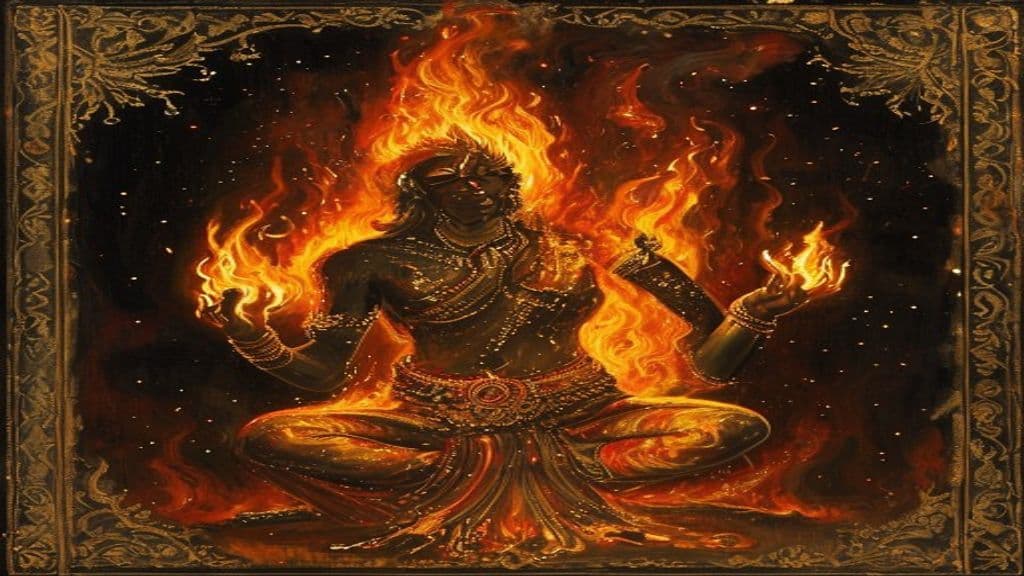
Agni is the Vedic personification of fire in Hindu tradition: a sacred, mediating principle that manifests as terrestrial fire, atmospheric lightning, and celestial sun, and that receives and conveys sacrificial offerings. Prominent in the Rigvedic corpus, Agni functions as sanctifier, witness of rites of passage, and a transformational inner principle in later Upanishadic literature.

Ajitanātha
Ancient

Ajitanātha

Ajitanātha is the second tirthankara of the current cosmic age in Jainism: an enlightened spiritual teacher who renounced worldly life, attained omniscience (kevalajñāna), and achieved liberation (moksha), and who is credited with establishing a large four-part monastic order in the tradition's hagiography.

Akshayavata
Minor Spirit

Akshayavata

In Hindu mythology, Akshayavata is a sacred banyan tree and/or lake that symbolizes eternal life. It is mentioned in both Hindu and Jain traditions and associated with the Puranas. (Note: - The power tier should be "Greater" or at least "Ancient", as it is associated with the Puranas, which are considered ancient texts. - No specific physical description is provided, but that doesn't m)

Ambika (Jainism)
Lesser

Ambika (Jainism)

Ambika is the yakṣiṇī (Śāsana Devī, protector-goddess) and tutelary attendant of the 22nd Tīrthaṅkara Neminatha in Jain tradition. Venerated both as an attendant spirit and an independent goddess (kuladevi) she features in devotional, temple and tantric ritual contexts, and is associated with fertility, prosperity and protection.

Anantanātha
Ancient

Anantanātha

Anantanātha is the fourteenth Tīrthaṅkara of the present age (Avasarpini) in Jain tradition, a perfected spiritual teacher who became a siddha (liberated soul) after destroying all karma and whose role is to reveal the dharma and provide a ford (tīrtha) across saṃsāra.

Aranātha
Ancient

Aranātha

Aranātha is the eighteenth Tīrthaṅkara (ford‑maker) in the Jain tradition of the present half‑cycle (Avasarpini). In the provided sources he is presented as a spiritual exemplar born in the Ikshvaku dynasty at Hastinapur who attains siddhahood (liberation) after completing his life.

Arihant
Greater

Arihant

In Jain doctrine an arihant is a soul (jiva) that has conquered inner passions and destroyed the four inimical (ghātiyā) karmas, thereby attaining kevala jñāna (omniscience) while still embodied; on final shedding of remaining karma an arihant attains siddhahood (moksha).

Bahubali
Ancient

Bahubali

Bahubali is a prominent figure in Jain hagiography: a royal scion who renounces worldly rule, undertakes prolonged standing ascetic meditation (kayotsarga), attains omniscience (kevala jnana) and ultimately liberation (moksha) to become a siddha. He is widely commemorated in Jain art and by monumental monolithic statues (notably the Gommateshwara at Shravanabelagola).

Balarāma
Ancient

Balarāma

Balarāma (Sanskrit: बलराम) is a major deity in the Indian religious tradition closely associated with the Krishna cycle and the Vrishni hero-cult. He is described as Krishna's elder brother, an agricultural patron identified with the plough (halā) and club (gaḍā), and is later associated with the cosmic serpent Śeṣa/Saṅkarṣaṇa and incorporated into Viṣṇu avatāra lists; his cult is attested in early coinage and sculpture from c. 2nd century BCE onward and in living traditions such as the Jagannātha triad and village devotional practice.

Chaitra
Minor Spirit

Chaitra

Chaitra (Sanskrit: चैत्र, Caitra) is the name of the first month of the Hindu lunar calendar and the Indian national calendar; it functions as a calendrical period that structures seasonal cognition (spring/Vasanta), new-year reckonings, and a cluster of religious festivals and commemorations across South Asian traditions.

Chakreshvari
Lesser

Chakreshvari

Chakreshvari (also Chakreshwari or Apraticakra) is an attendant goddess (yakshini) in Jain cosmology who serves as the guardian or tutelary deity of the first Tirthankara, Rishabhanatha. She is an object of popular devotion in Jain communities and is counted among the three yakshinis—alongside Ambika and Padmāvatī—that attract the most devotional worship.

Chandraprabha
Ancient

Chandraprabha

Chandraprabha is the eighth Tīrthankara of Jainism in the present half‑cycle (avasarpini). Venerated as an arihant/siddha, he attained Kevala Jnana and nirvana and functions as a liberated exemplar in Jain devotional, literary and iconographic traditions.

Dharmanātha
Ancient

Dharmanātha

Dharmanātha is the fifteenth Tirthankara of Jainism's present age (Avasarpini). Sources state he attained siddhahood (liberation by destroying all karma) and is portrayed in tradition as a supreme spiritual teacher who establishes the ford (tīrtha) across saṃsāra.

Dvarapala
Lesser

Dvarapala

A dvarapala (Sanskrit Dvārapāla, "door guard") is an institutionalized door- or gate-guardian figure embodied in sculpture and architectural practice across Hindu, Buddhist, and Jain contexts and their cultural spheres. Placed at thresholds of temples, shrines, and palaces, dvarapalas function as protective tutelary presences—often rendered as warrior or fearsome figures—and have local stylistic variants across South and Southeast Asia.

Gaja (Hindu tradition)
Greater

Gaja (Hindu tradition)

In Hinduism, the Gaja is an elephant with cultural and symbolic significance, appearing in various scriptures. (Note: - Power tier should be Primordial (as it's an animal referenced in multiple scriptures and holds cultural significance) - No specific physical description is mentioned, so Appearance section should be)

Gandharva
Lesser

Gandharva

A class of non-human celestial or semi-celestial beings in Indic religions associated principally with music, song, dance, fertility, and an escort/guardian role for liminal arrivals (such as Soma or beings). In Hinduism they are minor deities and musicians of the devas; in Buddhist cosmology they are a low rank of devas and the term (gandhabba in Pāli/commentary) is also used doctrinally for a sentient intermediate state between death and rebirth.

Ganesha
Ancient

Ganesha

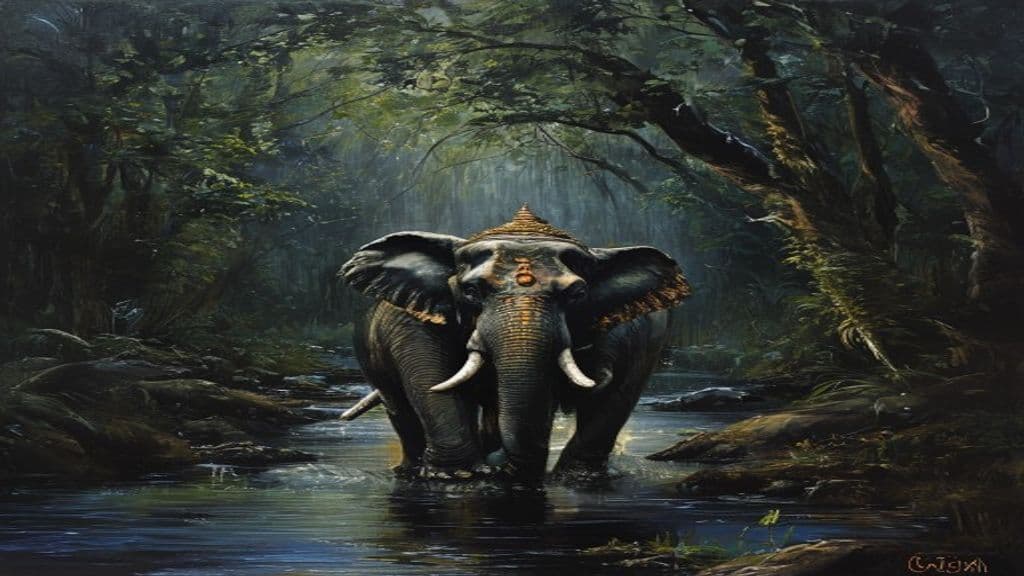
Ganesha (Gaṇeśa), also called Ganapati or Vinayaka, is a widely revered Hindu deity identified by an elephant head who functions as remover of obstacles, patron of arts and learning, and god of beginnings; he is son of Shiva and Parvati and head of the gaṇas in many traditional accounts.

Garuda
Ancient

Garuda

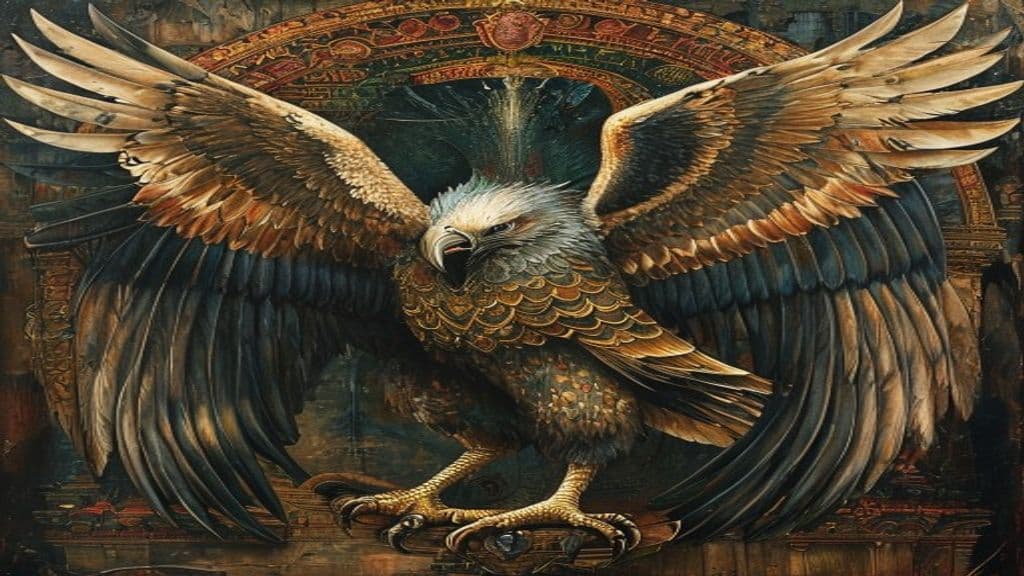
Garuda is a divine, eagle-like being in South Asian traditions best known as the vahana (mount) of the god Vishnu. In Vedic, Purānic and later texts he appears as a powerful, solar-associated bird-personage who is both an individual mythic personality (son of the sage Kaśyapa and Vinatā) and an archetype invoked in temple iconography and theological metaphor.

Gautama Maharishi
Ancient

Gautama Maharishi

Gautama (Maharṣi Gautama) is a canonical Vedic rishi presented in Hindu, and to some extent Jain and Buddhist, sources as an authoritative seer, teacher, and ritual expert. He is traditionally credited with the authorship/attribution of the Nyāya Sūtras in later philosophical reception and appears as a household sage in narrative cycles (notably the Ahalyā episode).

Guardians of the Directions (Dikpāla / Lokapāla)
Greater

Guardians of the Directions (Dikpāla / Lokapāla)

A class of deities or divine offices that guard and sacralize spatial directions in South Asian and some Southeast Asian religious cosmologies. Appearing in Hinduism, Jainism and Vajrayāna Buddhism (and in regional systems such as Meitei and Javanese/Balinese traditions), they are represented in temple architecture and invoked as protectors of sacred space and the dharma.

Indra
Ancient

Indra

Indra is a major Vedic deity, king of the devas and lord of Svarga (heaven), associated primarily with the sky, storms, lightning, rain, rivers and martial heroism; he is central in the Rigveda and later appears across Hindu, Buddhist and Jain cosmologies with varying status.

Kaurava
Lesser

Kaurava

Kaurava (Sanskrit: कौरव) is a genealogical designation in the Mahābhārata for descendants of King Kuru; in common usage it denotes the hundred sons of King Dhṛtarāṣṭra and his wife Gandhārī who oppose the Pandavas in the Kurukṣetra war. The term functions as a human lineage and narrative category within epic literature rather than a supernatural entity.

Kaushiki
Ancient

Kaushiki

Kaushiki is a theophanic śakti in Hindu literature who issues from the sheath (kosha) of Parvati/Uma/Gauri and manifests as an independent warrior-mother deity to slay the asura kings Shumbha and Nishumbha. The same name appears in Jain literature as Kauśikīvidyā, a named vidyā (supernatural power) associated with certain Vidyadharas whose abilities are ethically conditioned.

Khan Garuda
Ancient

Khan Garuda

Khan Garuda (Garuda) is a divine avian being from Indic religious cosmology, principally known as the mount (vahana) and attendant of the god Vishnu. The figure appears across Hindu, Buddhist, and Jain textual traditions and is embedded in mythic genealogies as a son of Kashyapa and Vinata and brother of Aruna.

Kubera
Ancient

Kubera

Kubera is the Hindu deity associated with wealth and the lord-king of the semi-divine yakshas, serving as the regent (dikpala) of the north and a protector of the world. His character evolves in textual history from a chief of evil spirits in Vedic sources to a respected lokapala and patron of wealth in later Puranic and epic literature.

Kuladevata
Lesser

Kuladevata

A kuladevata (Sanskrit: कुलदेवता) is an ancestral tutelary deity in Hinduism and Jainism bound to a specific clan (kula), gotra, family line, or household. Kuladevatas function as lineage guardians invoked for family well‑being, protection, vow‑fulfilment, and communal identity; they are distinct from ishta‑devata (personal chosen deity) and grāmadevatā (village deity).

Kunthunātha
Ancient

Kunthunātha

Kunthunātha (also spelled Kunthunath or Kuntunatha) is the seventeenth Tirthankara of the present half time cycle (Avasarpini) in Jain tradition. He is described in canonical lists as having become a siddha (a liberated soul) and is also recorded as the sixth Chakravartin and the twelfth Kamadeva of the current half-cycle.

Mahākālī
Ancient

Mahākālī

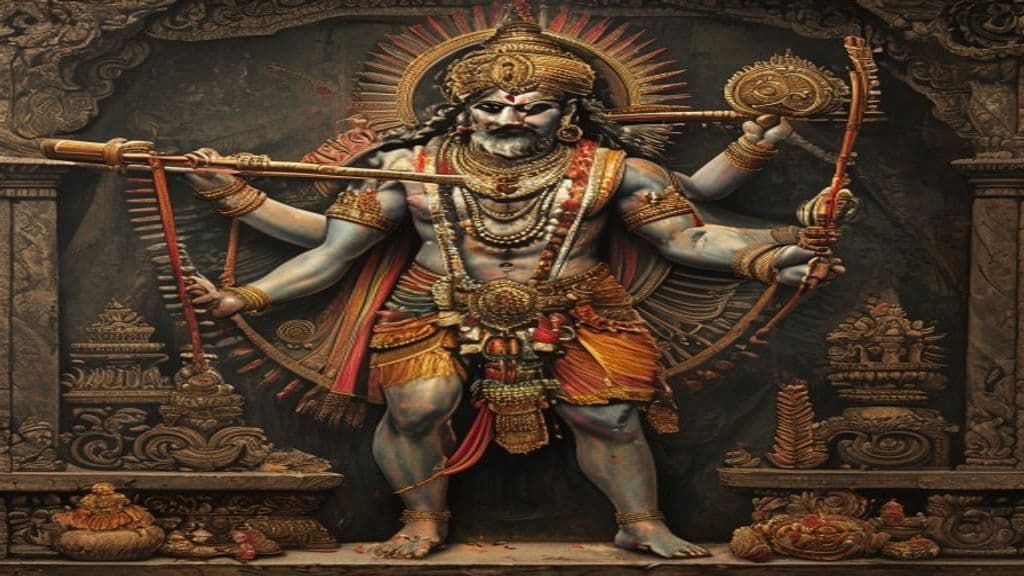
Mahākālī is a powerful goddess-figure in South Asian religious traditions, most prominently in Hindu Shaktism where she embodies great Time/Death and the destructive-transformative power of Shakti. She also appears in some Jain contexts as a protective sasana-devi or yakṣiṇī and appears in tantric, Purānic, and performance literature.

Mahāvīra
Ancient

Mahāvīra

Mahāvīra (birth name Vardhamāna) is the twenty-fourth and final Tīrthaṅkara of Jainism in the present time cycle, a historical-religious reformer and supreme preacher who revitalized and systematized Jain doctrine and practice. He is venerated as the exemplary Jina (victor) whose life and teachings underpin major Jain rituals, textual traditions, and festivals such as Mahavira Janma Kalyanaka.

Mallinātha
Lesser

Mallinātha

Two distinct historical/religious figures share the name Mallinātha in the supplied sources: (1) Mallinātha Sūri, a medieval South Indian Sanskrit commentator known for Sanjivani commentaries on the five mahākāvyas; and (2) Mallinātha (Mālliṇātha), the 19th tīrthaṅkara in Jain tradition, listed as a ford-maker born at Mithilā into the Ikshvaku lineage.

Munisuvrata
Ancient

Munisuvrata

Munisuvrata (Munisuvratanātha) is the twentieth tīrthaṅkara of the present Jain avasarpini (descending half cycle), a human exemplar who, according to Jain tradition, attained kevala jñāna and later liberation. He is venerated in temple cults, liturgical poetry, and monumental images across the Indian subcontinent.

Naga
Ancient

Naga

Divine serpent beings of Hindu, Buddhist, and Jain cosmology — powerful guardians of water, earth, and underground treasures. Revered as deities in South and Southeast Asia.

Naminātha
Ancient

Naminātha

Naminātha is the twenty-first Tīrthaṅkara of the present half time-cycle (Avsarpini) in Jain tradition. As a Tīrthaṅkara he is described in the sources as having become a siddha (a liberated, enlightened soul) and thereby exemplifying the role of a spiritual teacher who establishes the ford (tīrtha) across saṃsāra.

Neminātha
Ancient

Neminātha

Neminātha (also Nemi, Ariṣṭanemi) is the twenty‑second tirthankara (ford‑maker) in Jain tradition, venerated as an enlightened jina who attained omniscience and later liberation; he is associated with pilgrimage to Girnar and narrative episodes of princely renunciation exemplifying Jain non‑violence.

Nila
Greater

Nila

Nila (Sanskrit: नील, Nīla; also spelled Neela) is a vanara chieftain in the Ramayana epic, described as commander‑in‑chief of the vanara army under Sugriva who leads troops in the war against Ravana and participates in the search for Sita and the building of the Rama Setu in some traditions.

Padmaprabha
Ancient

Padmaprabha

Padmaprabha is the sixth tirthankara (ford-maker) of the current Jain cosmic age (avasarpini). A perfected arihant who attained omniscience (Kevala Jnana) and later moksha, he is venerated in Jain devotion and iconography, especially by his red lotus emblem and meditative depiction.

Padmāvatī
Greater

Padmāvatī

Padmāvatī is a polyvalent South Asian female name and identity applied across Hindu, Jain, and literary-legendary contexts — used for a Vaishnava consort (Alamelu Manga), a Jain yakṣiṇī (attendant goddess), and multiple legendary or historical queens and heroines (notably the Rani Padmini/Padmāvati of the Padmavat tradition). The figure functions variously as a devotional goddess, attendant protective figure in Jainism, and as a narrative heroine across classical and modern media.

Puṣpadanta
Lesser

Puṣpadanta

Puṣpadanta is a name attested in South Asian religious literatures with at least two distinct roles in the supplied sources: (1) in Digambara Jain tradition as Ācārya Puṣpadanta, credited (with Bhūtabali) for committing the oral teachings of Mahāvīra to writing in the Ṣaṭkhaṇḍāgama; and (2) in Vaishnava/Śrīmad-Bhāgavatam-type devotional lists as one named attendant/associate among a retinue of divine or semi-divine companions.

Pārśvanātha
Ancient

Pārśvanātha

Pārśvanātha (also Pārśva, Pārasanātha) is the 23rd of the 24 tīrthaṅkaras in Jainism, venerated as a perfected spiritual teacher (siddha/jina) whose life and teachings model the path of renunciation and liberation. Historians commonly date his life to between c. 8th and 6th century BCE and consider him the earliest tīrthaṅkara with a historical nucleus in later hagiography; he is credited in scholarship with founding a proto-Jaina ascetic community later reformed by Mahāvīra.

Rāma
Ancient

Rāma

Rāma is a major divine-hero in Hindu tradition, worshipped as the seventh avatar of Viṣṇu and the central protagonist of the Ramayana. He is portrayed both as the ideal man (maryāda puruṣottama) and, in Rama-centric sects, as the Supreme Being; his life-story (birth in Ayodhyā, 14-year exile, Sītā's abduction, and the defeat of Rāvaṇa) functions as a primary exemplar of dharma.

Samantabhadra
Ancient

Samantabhadra

Samantabhadra is a sacred name used across Indian-origin traditions. In Mahāyāna Buddhism it denotes a major bodhisattva associated with practice, vows, and the transfer of merit; in Tibetan Buddhism the name (Tibetan: Kuntu Zangpo) is also used for an Adi‑Buddha or primordial principle in Dzogchen contexts; separately, Samantabhadra is the name of a historical second‑century Digambara Jain monk and author of works such as the Ratnakaranda Gaurav.

Sambhavanātha
Ancient

Sambhavanātha

Sambhavanātha is the third tīrthaṅkara (ford-maker, supreme spiritual teacher) of the current cosmic age in Jainism; born in the Ikshvaku (Solar) dynasty at Shravasti, he renounced royal life, attained omniscience beneath a Sala tree, and achieved mokṣa on the sacred peaks of Mount Shikharji.

Saraswati
Ancient

Saraswati

Saraswati is a principal Hindu goddess (Devi) whose portfolio encompasses knowledge, learning, speech (vac), the arts (poetry, music), language and purification. Originating in Vedic literature as a river goddess, later texts reframe her primarily as the divine personification and patron of speech, learning and creative/intellectual order; she is venerated across Hindu, Buddhist and Jain contexts.

Shitalanatha
Ancient

Shitalanatha

Shitalanatha is the tenth Tirthankara (spiritual ford-maker) of the present Jain cosmic age (avasarpini). Venerated as an exemplar who attained omniscience (Kevala Jnana) and liberation (moksha), he is worshipped in temples and at pilgrimage shrines including a footprints shrine on Mount Shikharji.

Sumatinātha
Ancient

Sumatinātha

Sumatinātha is the fifth Tīrthaṅkara (ford-maker) of the current cosmic age in Jain tradition: a royal-born figure who renounced worldly life, attained omniscience (kevala jñāna), taught the dharma, and achieved liberation (mokṣa) on Mount Śikharjī. He is venerated in Jain temple and artistic contexts as one of the canonical Jinas.
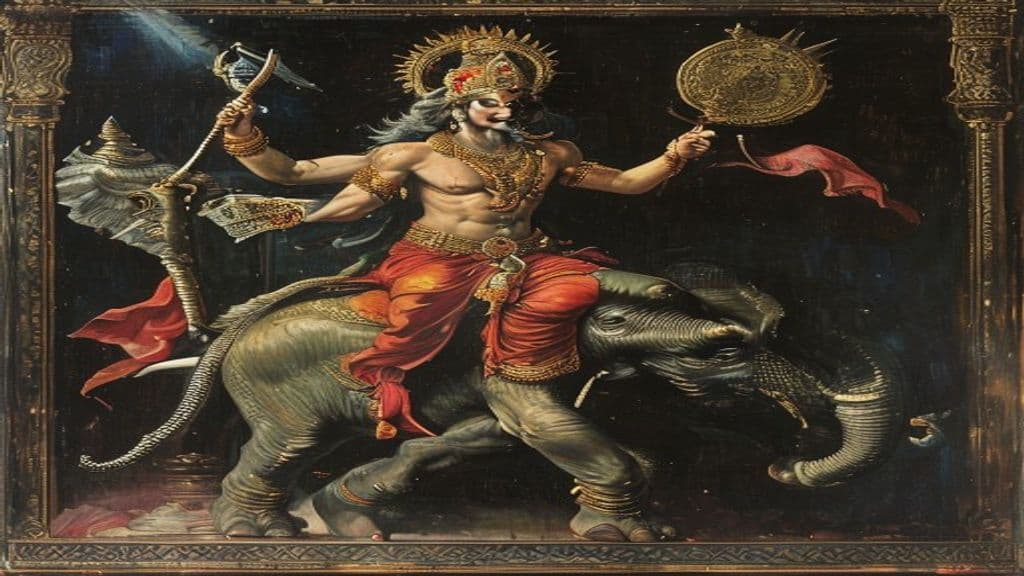
Supārśvanātha
Ancient

Supārśvanātha

Supārśvanātha (also Suparshvanatha, Suparśva) is the seventh Tīrthaṅkara of the present age (avasarpini) in Jainism, venerated as a Jina who attained moksha and whose life figures in the canonical lineage of twenty-four Tīrthaṅkaras.

Uddālaka Āruṇi
Ancient

Uddālaka Āruṇi

Uddālaka Āruṇi (often rendered Uddalaka Aruni) is a revered Vedic rishi and teacher whose dialogues and sayings appear centrally in the Brihadaranyaka and Chandogya Upanishads. Presented in the sources as an authoritative guru, he instructs pupils such as his son Śvetaketu and participates in early Upanishadic exposition of Brahman and Vedic knowledge.

Vasupujya (Vāsupūjya)
Ancient

Vasupujya (Vāsupūjya)

Vasupujya is the twelfth tirthankara in Jainism's present age (avasarpini). Tradition presents him as an exemplar of renunciation who attained Kevala Jnana (omniscience) after ascetic practice and later achieved moksha, becoming a siddha; his five major life events (kalyanakas) are located at Champapuri.

Vimalanātha
Ancient

Vimalanātha

Vimalanātha (also Vimalnatha) is the thirteenth Tīrthaṅkara of the present age (Avasarpini) in Jain tradition. He is described in the supplied sources as having attained liberation (Siddha) after destroying all karma; he was born to King Kṛtavarman and Queen Śyāmā at Kampilya/Kaṃpilapura.

Vinayaki
Greater

Vinayaki

Vinayaki (Vināyakī) is an elephant-headed female divine figure found across South Asian traditions. She appears variably as the feminine shakti or counterpart of Ganesha, as one of the Matrikas or as a yogini in Tantric lists, and in some Buddhist and Jain contexts as an autonomous goddess; surviving texts and images present multiple, sometimes conflicting identities.

Yaksha
Greater

Yaksha

Nature spirits of Hindu, Buddhist, and Jain cosmology — guardians of forests, treasures, and wilderness. Ambivalent beings, capable of great benevolence to the respectful and terrible harm to the greedy.

Yakshini
Greater

Yakshini

Semi-divine female nature spirits of enormous power — guardians of trees, forests, and buried treasure, described in Hindu, Buddhist, and Jain traditions alike. The 36 Yakshinis of the Uddamareshvara Tantra can be propitiated for wealth, beauty, and supernatural alliance — or angered to devastating effect by those who harm their trees.

Śreyānsanātha
Ancient

Śreyānsanātha

Śreyānsanātha (Shreyansanath) is the eleventh Tīrthaṃkara of the present age (Avasarpini) in Jain tradition. According to the supplied sources he was born to King Vishnu and Queen Vishna at Simhapuri near Sarnath, belonged to the Ikshvaku dynasty, and attained Siddhahood (liberation by destroying all karma).

Śāntinātha
Ancient

Śāntinātha

Śāntinātha (Śānti) is the sixteenth tīrthaṅkara of Jainism in the present age, revered as a spiritual exemplar who attains omniscience and establishes the tirtha (ford) enabling liberation. Tradition also presents him in some accounts as having held the worldly statuses of a Chakravartin and a Kamadeva in the same lifetime, and he is traditionally invoked by devotees as a deity of peace to avert calamities and epidemics.