Literary and Fictional Supernatural Beings

717 documented Literary and Fictional supernatural beings from the Evil Eye grimoire, including 329 lesser and 185 greater in power tier.

page 10 of 12

Iphicles
Minor Spirit

Iphicles

Iphicles is a mortal figure in Greek myth: the maternal half-brother of Heracles, son of Alcmena and Amphitryon. He appears throughout Heracles' cycle as a supporting heroic companion who participates in expeditions, is wounded or killed in battle, and fathers descendants such as Iolaus.

Iphitus of Oechalia
Lesser

Iphitus of Oechalia

Iphitus (Iphitos) of Oechalia is a mortal prince in Greek myth, son of King Eurytus and brother of Iole, sometimes counted among the Argonauts. He is best known as the named victim whom Heracles kills during a fit of madness, an act that precipitates Heracles' search for purification and eventual servitude to Omphale.
It! The Living Colossus
Greater

It! The Living Colossus

It! The Living Colossus is a fictional 100-foot stone humanoid statue from Marvel Comics (originally Atlas) that becomes animate when inhabited or controlled by transferred minds (a stranded alien Kigor or human Bob O'Bryan). Functioning as a monumental constructed object rather than an indigenous supernatural being, it has been used alternately as a rampaging weapon and as a vehicle of human agency across multiple comic-storyline revivals.

Jack Pumpkinhead
Lesser

Jack Pumpkinhead

A constructed, magically animated humanoid from L. Frank Baum's Land of Oz, created by the application of the Powder of Life to a body of wood and a carved pumpkin head. Treated as a social resident of Oz, he gardens pumpkins for replacement heads and appears across Baum's sequels and later continuations and adaptations.

Jakar
Ancient

Jakar

The supplied sources do not document a discernible Assamese land/forest spirit or protector-deity named Jakar. The name appears in the materials as (a) a Bhutanese place-name whose foundation myth involves a roosting white bird, (b) a French-language fictional character fragment, and (c) as part of modern personal-name usage in an Indian gazette; none of these sources provide ethnographic evidence for an Assamese supernatural being called Jakar.

Jamshid
Ancient

Jamshid

Jamshid (Persian Jamshēd; Middle/New Persian Jam) is a mythic early king of the Pishdadian dynasty in Iranian tradition, identified with Avestan Yima (Yima xšaēta, 'radiant Yima'). In Zoroastrian scripture (notably the Vendidad) he is a divinely appointed shepherd‑turned‑king who receives instruments and a mandate from Ahura Mazda to rule, nourish the earth, and manage human prosperity and boundaries.

Jarella
Lesser

Jarella

Jarella is a fictional princess of the sub‑atomic world K'ai in Marvel Comics, best known as a beloved romantic partner and moral anchor for the Hulk. She functions in the stories as a noble, athletic leader-figure of K'ai whose people combine outwardly primitive culture with remnants of advanced technology and sorcery.

Jellia Jamb
Minor Spirit

Jellia Jamb

Jellia Jamb is a fictional human character in L. Frank Baum's Land of Oz stories and later sequels, serving as the head maid and a personal attendant in the royal household of the Emerald City. Presented as a young, kindly servant associated with the court of Princess Ozma, she occupies a social and administrative role rather than a supernatural one.

Jerry Cornelius
Minor Spirit

Jerry Cornelius

Jerry Cornelius is a fictional, protean literary persona created by Michael Moorcock, presented across multiple novels and stories as a mutable archetype — an urban adventurer, trickster/Pierrot figure, and one incarnation of Moorcock's Eternal Champion concept. The character's identity, appearance, and role shift across narratives rather than forming a single fixed biography.

Jhary-a-Conel
Greater

Jhary-a-Conel

Jhary-a-Conel is a recurring companion figure in Michael Moorcock’s Eternal Champion multiverse, acting as advisor, intermediary and aide to champions (notably Corum). He travels across planes and times with champions and is commonly accompanied by a winged cat named Whiskers.

Jherek Carnelian
Lesser

Jherek Carnelian

Jherek Carnelian is a fictional character created by Michael Moorcock who appears in the Dancers at the End of Time sequence. He is cited in connection with the novel The End of All Songs and identified on at least one edition as the subject of an adventure in that volume.

Jill Pole
Minor Spirit

Jill Pole

Jill Pole is a fictional English schoolgirl created by C. S. Lewis who appears as a protagonist in The Silver Chair and The Last Battle of The Chronicles of Narnia. In the narrative she is called by Aslan into Aslan's Country and sent to Narnia to undertake a quest and later to take part in the final events of Narnia.

Jinnicky the Red Jinn
Greater

Jinnicky the Red Jinn

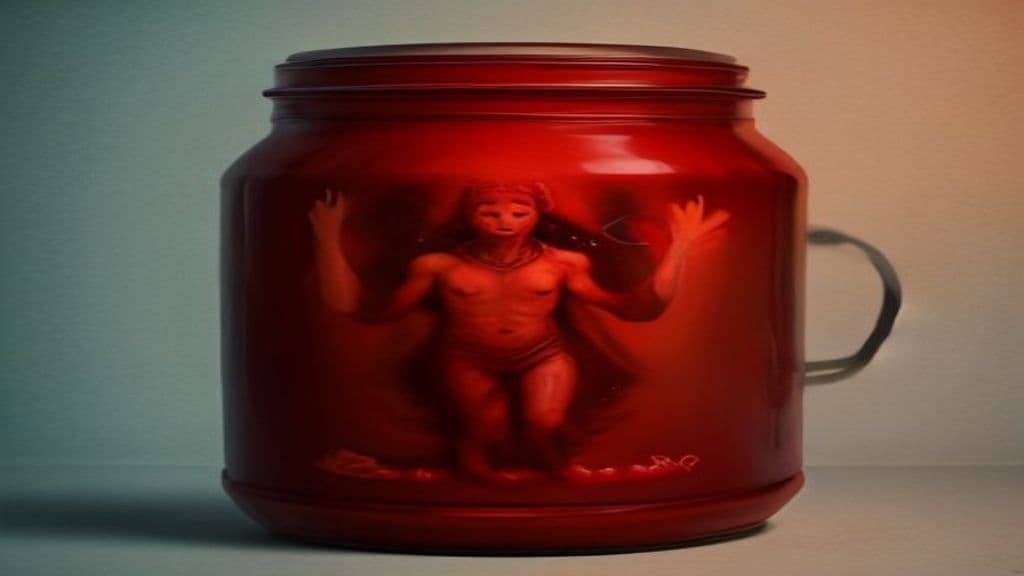
A jar-housed magical being from Ruth Plumly Thompson's Oz novels, first introduced as the Red Jinn (1929) and later named Jinnicky (1932). He is a recurring, generally friendly magical patron who lives in a red glass palace in the Land of Ev and supplies enchanted objects and assistance to Oz protagonists.

Jocasta
Lesser

Jocasta

Jocasta (Ancient Greek: Ἰοκάστη Iokástē; also rendered Epicaste) is a mortal queen of Thebes in the Greek Theban cycle. Wife first of King Laius and later (unwittingly) of her son Oedipus, she is mother of Antigone, Ismene, Eteocles, and Polynices; her story illustrates themes of oracle, fate, incest, and dynastic catastrophe in Greek myth and literature.

John Dough
Lesser

John Dough

John Dough is a fictional life-sized gingerbread man created by L. Frank Baum in his 1906 children's fantasy novel John Dough and the Cherub. Brought to life when an immortality elixir is accidentally mixed into his batter, he functions as an animate confection with social agency who travels, befriends companions, sacrifices for others, and ultimately becomes a king within Baum's Oz-adjacent imagined world.

John Ryker
Lesser

John Ryker

John Ryker is a fictional, non‑superpowered antagonist in Marvel Comics who functions as a high‑ranking U.S. Army general and later corporate executive. He uses military, scientific, and corporate resources to hunt, experiment on, and attempt to weaponize gamma‑irradiated individuals (notably the Hulk and related subjects).

Julia Carpenter
Lesser

Julia Carpenter

Julia Carpenter is a fictional Marvel Comics superhero introduced in Secret Wars #6 (1984). A human altered by covert government experiments, she has used the codenames Spider-Woman, Arachne, and later assumed the Madame Web mantle in some storylines; her narrative roles include government operative, team member, mother, and occasional double agent.

Kabumpo, the Elegant Elephant of Pumperdink
Minor Spirit

Kabumpo, the Elegant Elephant of Pumperdink

Kabumpo is a fictional anthropomorphic elephant from the Oz book series (first appearing in Kabumpo in Oz, 1922) who functions as a courtly dignitary and occasional adventuring companion in the kingdom of Pumperdink and the wider Oz cosmology. Portrayed as wise, vain, and sarcastic but fundamentally good-hearted, he appears in multiple works by Ruth Plumly Thompson and later Oz continuations.

Kamoebas
Lesser

Kamoebas

Kamoebas is a giant, turtle-like kaiju introduced in Toho's 1970 film Space Amoeba; depicted as a spiked, reptilian menace that is one of several island animals transformed or controlled by an alien organism known as the Space Amoeba. It functions in media as a physical, cinematic threat rather than a folkloric spirit.

Karla Sofen
Lesser

Karla Sofen

Karla Sofen is a fictional human character from Marvel Comics, introduced in Captain America #192 (December 1975). A former psychologist from Van Nuys who acquires an alien 'moonstone' (a fragment of a Kree Lifestone), she alternates between roles as a manipulative supervillain and an anti-heroic team member in groups such as the Masters of Evil, the Thunderbolts, and the Dark Avengers.

Katāyoun
Lesser

Katāyoun

Katāyoun is a human aristocratic woman in Iranian epic literature who becomes queen by marrying Goshtāsb; she functions as an idealized royal wife and mother whose marriage and genealogy have political and dynastic significance in the Shāhnāmeh and earlier Avestā/Pahlavi layers.

Kay Bahman
Ancient

Kay Bahman

Kay Bahman (Wahman) is a legendary Kayanian king in Iranian mytho-historical and Zoroastrian tradition. His name is theophoric from Avestan Vohu Manah ('Good Mind') and he appears in epic cycles (notably the Shahnameh and the Bahman-nama) and in Zoroastrian historiographic lists (Zand-i Vohuman Yasht, Denkard, Bundahishn) where his reign is morally ranked among great Mazdayasnian kings.

Kay Khosrow
Ancient

Kay Khosrow

Kay Khosrow is a legendary Kayanian king of Iran in the epic and religious corpus (Avesta, Pahlavi texts, Shahnameh). He functions as a sacral monarch, ritual actor (sacrificer, founder of sacred fires), wielder/user of a divinatory cup (Jam/Cup of Kay Khosrow), and an eschatological agent who will collaborate with the Saoshyants at resurrection.

King Miraz
Lesser

King Miraz

A human usurper-king in C. S. Lewis's Narnia cycle who seizes the Telmarine throne by killing his brother and rules Narnia oppressively; he functions as the principal antagonist of Prince Caspian and is opposed by the rightful heir, the Pevensie monarchs, and the suppressed "Old Narnians."

King Tirian
Greater

King Tirian

King Tirian is the last reigning monarch of Narnia and the protagonist of C. S. Lewis's The Last Battle. He leads Narnia's military and political resistance against the subversion and invasion portrayed in the book and is closely allied with Jewel the Unicorn.

King asleep in the mountain
Greater

King asleep in the mountain

A widespread folkloric motif in which an ideal ruler or heroic figure is alive but sleeping within or beneath a mountain, preserved in a liminal state and expected to awaken and return in the future. This trope appears in diverse traditions (for example King Arthur and the Kyffhäuser emperor type) and is catalogued in motif-index scholarship.

Kirby O'Donnell
Lesser

Kirby O'Donnell

Kirby O'Donnell is a fictional American treasure-hunter created by Robert E. Howard, operating in early-twentieth-century Afghanistan under the Kurdish-merchant disguise 'Ali el Ghazi'. He appears in three pulp-era adventure stories that center on searches for lost treasures and forbidden cities.

Knull
Primordial

Knull

Knull is a primordial godlike being from Marvel Comics who predates the current (seventh) iteration of the universe, creator and would-be sovereign of the symbiote race known as the Klyntar, and wielder of the ancient weapon All-Black the Necrosword. He functions as a cosmic antagonist whose aims center on darkness and the destruction or domination of created light.

Korvac (Michael Korvac)
Greater

Korvac (Michael Korvac)

Michael Korvac is a fictional human technician from the alternate-future Earth-691 in Marvel Comics who is transformed from a cyborg into a near-godlike figure after analyzing Elders' power and absorbing the Power Cosmic. His story centers on attempts to reshape worlds, conflicts with cosmic beings and Earth’s heroes, and a climactic act that restores life as he dies.

Kung Jin
Minor Spirit

Kung Jin

Kung Jin is a modern fictional character from the Mortal Kombat video game franchise (debuting in Mortal Kombat X, 2015). He is presented as a Shaolin-trained archer and relative of Kung Lao who joins a new generation of Earthrealm defenders; he is a human narrative character created by NetherRealm Studios, not a traditional spirit or folkloric entity.

Kung Lao
Lesser

Kung Lao

Kung Lao is a fictional Shaolin monk and human warrior character from the Mortal Kombat video game franchise, introduced in Mortal Kombat II (1993). He is presented as one of the last descendants of the Great Kung Lao, a protector of Earthrealm and ally of Liu Kang, notable for his wide razor-brimmed hat used as a weapon and for participating in inter-realm Mortal Kombat tournaments.

Lady of the Green Kirtle
Greater

Lady of the Green Kirtle

A fictional witch and antagonist in C. S. Lewis's novel The Silver Chair who rules an underground realm, enslaves Prince Rilian and gnomes by witchcraft, and intends to use them to conquer Narnia. She employs hypnotic illusion and shape‑shifts into a gigantic green serpent before being slain.

Laguz
Minor Spirit

Laguz

Laguz is a polyvalent term attested as the name of the runic l‑sign (reconstructed Proto‑Germanic *Laukaz; attested in medieval rune poems as lagu/lögr), used in modern occult rune interpretation as an archetypal symbol of water and transformation, and appropriated in contemporary fantasy (notably the Fire Emblem series) as the name of a sentient, shape‑shifting beast tribe.

Laodamia
Lesser

Laodamia

Laodamia (Ancient Greek: Λαοδάμεια) is a personal name borne by several mortal women in Greek myth whose stories sometimes intersect with gods, death, and brief post‑mortem visitations. Rather than a single supernatural class, Laodamia functions as an episodic figure in multiple genealogies and heroic narratives (e.g., a Lycian princess, the wife of Protesilaus).

Lasaraleen
Lesser

Lasaraleen

Lasaraleen is a fictional character created by C. S. Lewis, introduced in The Horse and His Boy as a Calormene Tarkheena and friend of Aravis who appears in scenes set in Tashbaan's palace; she is portrayed as a courtly young woman whose comportment contrasts with Aravis and who helps arrange an escape route via a palace garden water-door.

Lavinia
Minor Spirit

Lavinia

Lavinia is a figure from Roman literary and legendary tradition, presented primarily as the daughter of King Latinus and the wife of Aeneas whose marriage and omen-centered story link Trojan and Latin lineages and give the eponym for the town Lavinium. The name also survives as a female given name and as the title/protagonist in later literary works.

Legolas
Greater

Legolas

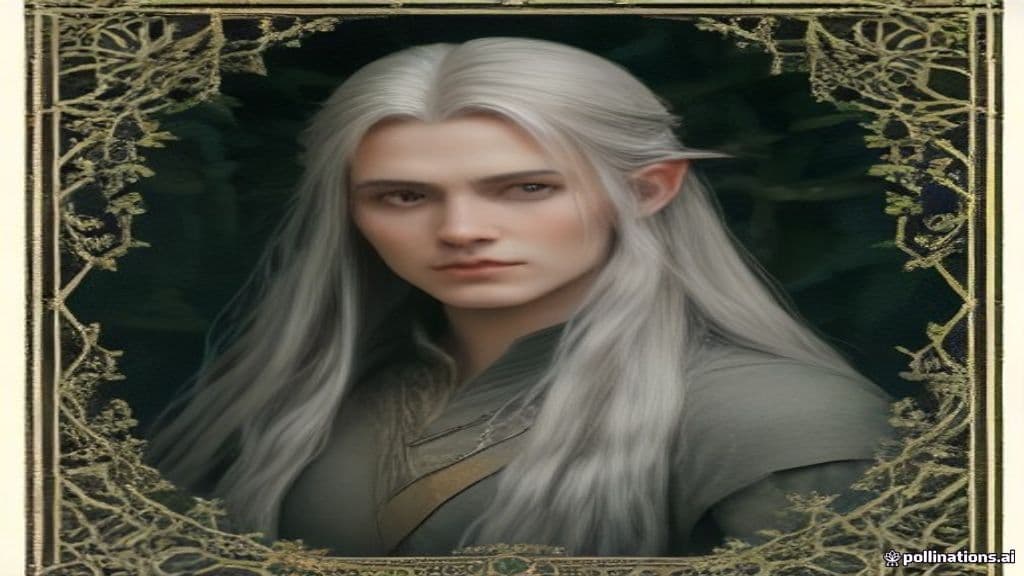
Legolas is a Sindar Elf of the Woodland Realm in J. R. R. Tolkien's legendarium: son of King Thranduil, a member of the Fellowship of the Ring, an exceptional archer and scout, and a narrative embodiment of Elvish perception, longevity, and sea-longing.

Lesbian vampire
Lesser

Lesbian vampire

A literary and cinematic trope that fuses traditional vampire motifs with eroticized female same‑sex desire. Originating in 19th‑century Gothic fiction and developed through 20th‑century cinema, the figure functions narratively to explore, sensationalize, or critique sapphic desire and female sexual transgression.

Lethe
Ancient

Lethe

In ancient Greek cosmology Lethe is a river of the underworld whose waters cause forgetfulness; it functions both as an underworld geographical feature and as the personified abstraction of oblivion. Its waters are implicated in processes of post-mortem memory erasure tied to reincarnation and appear in literary, philosophical, and cultic contexts alongside an opposing memory-pool, Mnemosyne.

Leucippe
Minor Spirit

Leucippe

Leucippe (Ancient Greek Λευκίππη) is a personal name borne by multiple distinct women in Greek myth and later literature — including an Oceanid (water-nymph), a Minyad, several queens and mothers in epic genealogies, a priestess of Apollo, and literary heroines. The name functions as an anthroponym reused across mythic roles rather than denoting a single supernatural being.

Leucon
Lesser

Leucon

Leucon (Ancient Greek: Λεύκων, Leúkōn) is a personal name attested across classical Greek myth and later usages rather than a singular supernatural entity. In the ancient sources it appears as multiple distinct referents: a mythic/genealogical male figure (son of Themisto), one of Actaeon's dogs, and a named hero in an Athenian oracle-account; the same lexical form is also used historically (Leucon I, Bosporan ruler) and in modern scientific and fictional contexts (e.g., the sponge anatomical term leuconoid and various fictional character names).

Leucophrye
Lesser

Leucophrye

Leucophrye is a mythological human figure in Greek narrative tradition, attested as the daughter of Mandrolytus who, during a siege, fell in love with an attacking commander (named Leucippus in at least one account) and betrayed her city. She functions as a literary archetype exemplifying the motif of a daughter who betrays kin or polis for an amorous enemy; sources treat her as a narrative exemplar rather than a supernatural being.

Ligeia
Minor Spirit

Ligeia

Ligeia is the central female figure of Edgar Allan Poe's 1838 short story "Ligeia." Within the story she is portrayed as an extraordinary, raven‑haired intellectual whose intense will and metaphysical learning are suggested as enabling a possible postmortem return; the narrative, however, leaves open psychological explanations (opium‑induced vision, unreliable narrator) and does not present her as a codified folkloric being.

Lord Drinian
Lesser

Lord Drinian

Lord Drinian is a human nobleman and sea-captain in C. S. Lewis's Narnia. He serves as captain of the Dawn Treader under King Caspian X, later becoming a trusted advisor and attendant in the king's later years.

Lucy Pevensie
Lesser

Lucy Pevensie

Lucy Pevensie is a fictional human child and one of the four Pevensie siblings in C. S. Lewis's Chronicles of Narnia. Within Lewis's narrative cosmology she is a mortal human who travels between England and Narnia, noted for her faith, compassion, and special receptivity to Aslan; she is crowned Queen Lucy the Valiant and later enters Aslan's Country after death.

Lyssa Drak
Lesser

Lyssa Drak

Lyssa Drak is a DC Comics character, a Talokian member of the Sinestro Corps who serves as a trainer and recorder for recruits, keeper of the Book of Parallax, and later becomes bound to and associated with the Book of the Black during Blackest Night/Brightest Day storylines.

Lúthien and Beren
Ancient

Lúthien and Beren

Lúthien and Beren are two central figures in J. R. R. Tolkien’s Middle-earth legendarium: Lúthien is a half-elven princess, daughter of the Elven King Thingol and the Maia Melian, and Beren is a mortal man of the House of Bëor. Their tale is an archetypal story of transgressive love and quest — including the bride-price of a Silmaril, enchantments and confrontations with Sauron and Morgoth — and it functions as a foundational myth within the First Age histories and later genealogies of Middle-earth.

Macareus (name-bearers in Greek myth)
Lesser

Macareus (name-bearers in Greek myth)

Macareus (Macar, Macareas) is an onomastic cluster: a name borne by several distinct mortal personages in Greek myth (e.g., a son of Lycaon, a son of Aeolus, a Heliad, island kings, a Lapith warrior, and a companion of Odysseus). The attested figures are narrative and genealogical characters rather than a single coherent supernatural being.

Madame Muriel Morrible
Greater

Madame Muriel Morrible

Madame Morrible is a fictional experienced sorceress and administrator in Gregory Maguire’s novel Wicked and its stage and film adaptations; she serves as headmistress (novel) or Dean of Sorcery Studies (film) at Shiz and acts as a political agent allied with the Wizard of Oz, using institutional authority and, in some adaptations, explicit magical powers to further state aims.

Maelstrom (ride)
None

Maelstrom (ride)

A fictional theme park attraction inspired by Norse mythological concept of maelstroms, located in the Norway Pavilion at Epcot's World Showcase. (Note: 1. Add Power tier: Greater (the ride has immersive abilities that create an environment for visitors, but its scope is limited to a specific location in Epcot) 2. Include sensory cues from source mate)

Magical creatures (The Chronicles of Narnia)
Greater

Magical creatures (The Chronicles of Narnia)

A collective classification for the many non-human sentient and semi-sentient beings that populate C. S. Lewis's fictional world of Narnia. The group includes enlarged talking animals and figures drawn from Greco‑Roman and northern mythic traditions (fauns, centaurs, dryads, etc.) and functions within the books as courtiers, warriors, prophets, and companions to human protagonists.

Maleficent
Greater

Maleficent

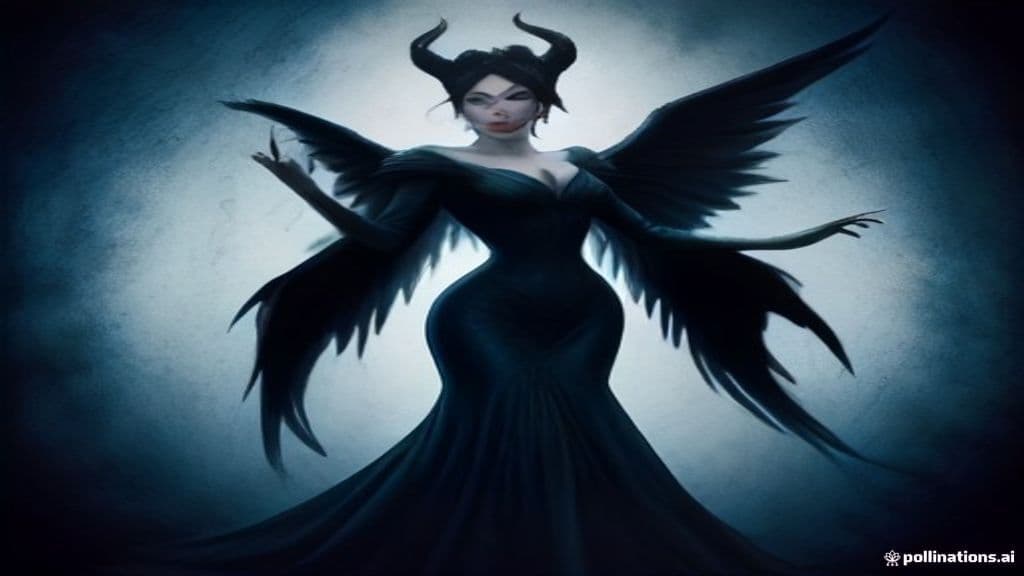
A fictional, high-powered supernatural female figure from modern popular-media retellings of the Sleeping Beauty tale (notably Disney’s 1959 animated film and the 2014 live-action film). She is portrayed as a powerful fairy who issues binding curses, commands animal familiars and forces, and whose motives range from unambiguous wickedness (1959) to a morally complex protector seeking revenge (2014).

Mara Jade
Greater

Mara Jade

Mara Jade is a fictional human character from the Star Wars Expanded Universe (Legends). Introduced in Timothy Zahn's Thrawn trilogy, she is introduced as the Emperor's Hand (an operative for Palpatine), later a smuggler and ultimately a Force-sensitive Jedi who becomes Luke Skywalker's wife and, after her death in later Legends continuity, appears as a Force spirit.

Marchosias
Greater

Marchosias

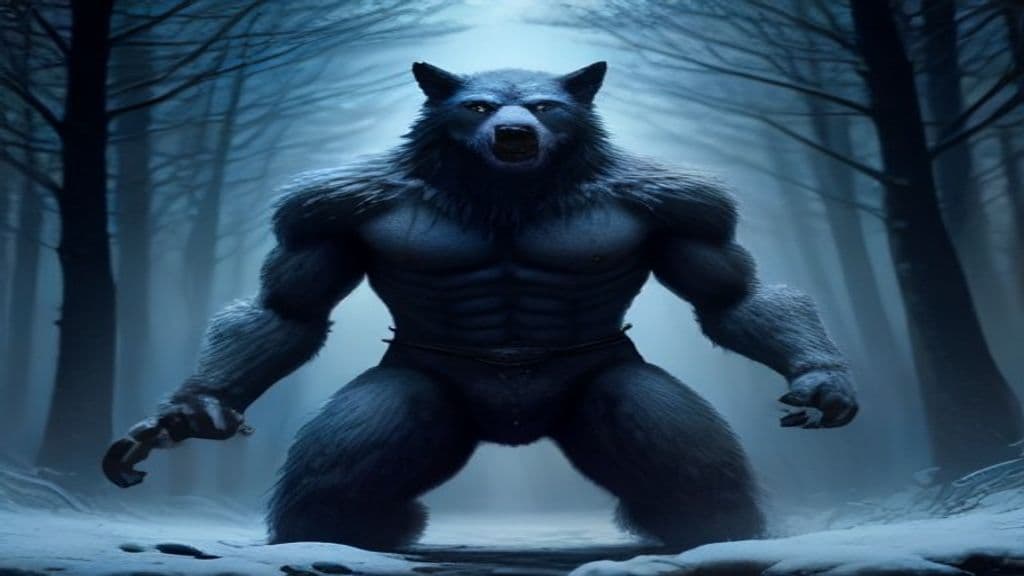
Marchosias is a named marquis-level spirit from the Goetic grimoire tradition, depicted as a martial, lupine, fire-breathing being who commands legions and can be summoned and bound by ceremonial conjuration. Modern sources reinterpret Marchosias variously as a dangerous ally or narrative combatant in fiction and games.

Marpessa
Lesser

Marpessa

Marpessa (Ancient Greek: Μάρπησσα, romanized Márpēssa) is a personal and place name in Greek myth and local memory applied to several distinct mortal figures — an Aetolian princess, an Amazon queen (Marpesia), a Theban woman linked to the Seven against Thebes, a Tegean woman who led city defense, and a toponym on Paros. Sources treat these as discrete legendary/historical-personal identities rather than as a single supernatural being.

Marty Hopkirk
Lesser

Marty Hopkirk

Marty Hopkirk is a fictional deceased private detective who remains on the earthly plane in incorporeal form and continues to interact socially and professionally with the living. Introduced in the 1969–70 television series Randall and Hopkirk (Deceased) and revisited in a 2000 revival, Marty functions as a persistent ghostly partner who aids investigations while being constrained by the narrative's afterlife rules.

Maugrim
Lesser

Maugrim

Maugrim is a fictional Talking Animal — a large, sentient Narnian wolf — who serves as the Captain of the White Witch's Secret Police in C. S. Lewis's The Lion, the Witch and the Wardrobe. He functions as an armed enforcer of the Witch's tyranny, is described as very large and fearsome, and is ultimately killed in single combat by Peter Pevensie.

Mavuika
Ancient

Mavuika

Mavuika is a fictional, in‑world divine figure in the video game Genshin Impact who functions as Natlan's Pyro Archon. Presented as a formerly mortal warrior who gained the Archon office, she drew on the power of the Ruler of Death to sacrifice herself to postpone a war for 500 years and is later resurrected in the game's current timeline.

Medus
Lesser

Medus

Medus (Greek Μῆδος / Μήδειος) is a legendary Greek prince, usually described as a son of Aegeus and Medea (with variant accounts making him son of Jason). In myth he functions as an eponymous founder and conqueror associated with Media/Ecbatana and as an agent of dynastic vengeance in Colchis; he is presented as a mortal heroic-age figure rather than a supernatural being.

Melantho
Lesser

Melantho

Melantho (Ancient Greek: Μελανθώ) is a personal name borne by multiple women in Greek mythic tradition: a Phthian princess variously linked to Deucalion and Pyrrha and to the birth of Delphus, an Argive queen married to Criasus, and a disloyal maid in the household of Penelope. The name is also reused in modern contexts (a role in Fauré’s Pénélope and as the species epithet Solenocera melantho).