North American Folk Supernatural Beings

119 documented North American Folk supernatural beings from the Evil Eye grimoire, including 74 lesser and 26 minor spirit in power tier.

page 2 of 2

Ghatotkacha
Greater

Ghatotkacha

Ghatotkacha (Sanskrit: घटोत्कच, IAST: Ghaṭotkaca) is a singular mytho-heroic figure in the Indian epic Mahabharata, born to the Pandava Bhima and the rakshasi Hidimbi. He is portrayed as a powerful rakshasa-warrior allied to the Pandavas, famed for night-effective magic, illusions, great size, and a climactic death that cost the Kaurava side a large-scale loss.

Ghost Ship (Phantom Ship)
Minor Spirit

Ghost Ship (Phantom Ship)

A ghost ship (or phantom ship) denotes either a physical vessel found adrift with no living crew or a spectral vessel apparition reported in maritime folklore. The motif functions across maritime cultures as omen, memory of catastrophe, and a narrative way to confront unexplained loss at sea.

Ghost Shirt (Lakota Tradition)
Greater

Ghost Shirt (Lakota Tradition)

A spiritualized object imbued with powers to protect its wearer from harm or possession by malevolent spirits. (Note: 1. Power tier: Primordial (given its association with spiritual visions from the founder, it's reasonable to assume a higher power level) 2. Abilities: The source material doesn't explicitly mention p)

Ghost Train
Lesser

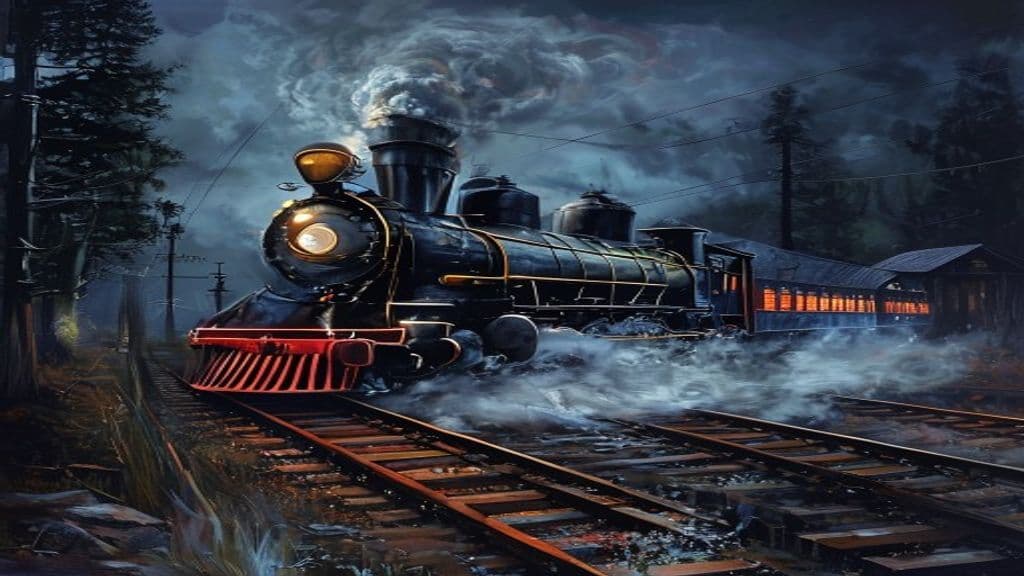
Ghost Train

A folkloric apparition whose visible form is an entire train or rail vehicle rather than a single disembodied human spirit. Reported in multiple regions where railways have been significant, it appears variously as omen, commemorative phantom, or an imitation created by animal tricksters in local tales.

Glinda the Good Witch
Greater

Glinda the Good Witch

Fictional benevolent sorceress created by L. Frank Baum for his Oz novels; depicted as the most powerful sorceress in the Land of Oz, ruler of the Quadling Country, and protector of Princess Ozma who aids protagonists such as Dorothy.

Gloucester sea serpent
Lesser

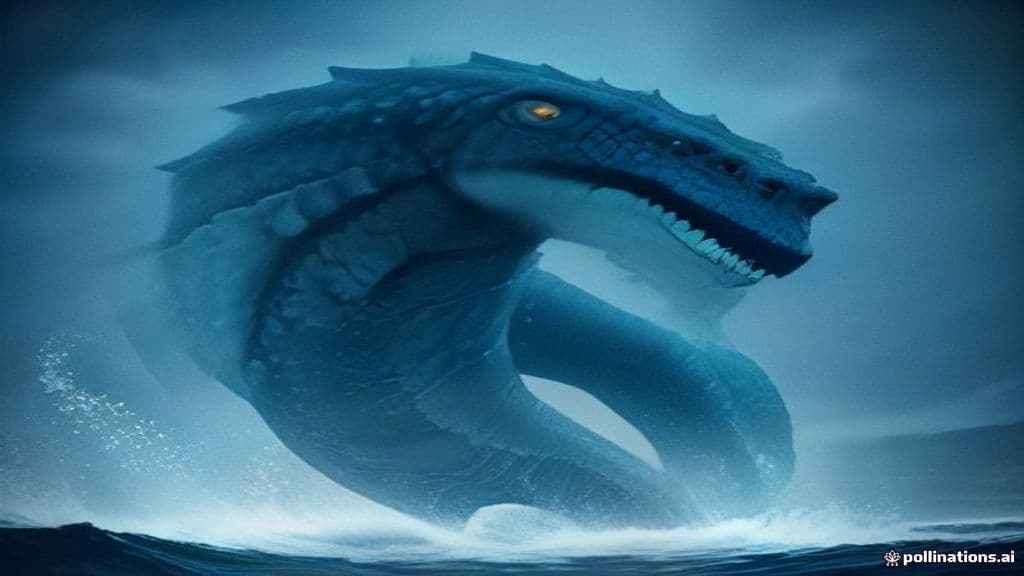
Gloucester sea serpent

A long-standing regional legendary large marine animal reported off Gloucester and Cape Ann, Massachusetts, famous for a cluster of sightings beginning in 1817–1819 and remembered in local folklore, naturalist reports, and later skeptical and popular accounts.

Goatman (urban legend)
Lesser

Goatman (urban legend)

A modular North American roadside/woods urban legend about a half-goat/half-human figure tied to specific local sites (notably Prince George's County, MD; Denton County/Old Alton Bridge, TX; and Nags Head Woods, NC). The Goatman functions as a liminal, threatening presence in stories—blending animal and human traits—and is used to explain local misfortunes and to police risky spaces.

Good Witch of the North (Baum)
Lesser

Good Witch of the North (Baum)

A benevolent, regional witch and ruler of the Gillikin Country in L. Frank Baum's Land of Oz who appears briefly in The Wonderful Wizard of Oz (1900) to aid Dorothy with counsel and limited magic. Later stage and film adaptations renamed or conflated her (Locasta/Locusta/Tattypoo; film conflation with Glinda) altering popular memory of the character.

Grafton Monster
Lesser

Grafton Monster

A modern local cryptid from Grafton, Taylor County, West Virginia, first publicized after a cluster of roadside sightings in June 1964. Commonly described in secondary sources as a very tall (7–9 ft), pale, smooth-skinned, apparently headless biped that produced an unusual sound and became a local media sensation and later tourist/entertainment motif.

Greenbrier Ghost (Elva Zona Heaster Shue)
Minor Spirit

Greenbrier Ghost (Elva Zona Heaster Shue)

A locally famous Appalachian case in which the spirit of Elva Zona Heaster Shue is reported to have communicated to her mother the circumstances of her own 1897 death, prompting an exhumation and autopsy that produced medico-legal evidence and a subsequent murder conviction.

Hans von Sagan
Minor Spirit

Hans von Sagan

Hans von Sagan is a legendary heroic figure from East Prussian folklore associated with the Kneiphof district of Königsberg. Presented as a journeyman shoemaker who seized a fallen standard at the Battle of Rudau (1370) and rallied forces to victory, his legend explains a civic custom (annual beer, Schmeckbier, on Ascension Day) and was commemorated in monuments, a weathervane, street-names and statues.

Hawkeye
Minor Spirit

Hawkeye

Hawkeye is a polyvalent English-language cultural label applied to multiple non-supernatural referents including literary and comic-book characters (notably Natty Bumppo and Marvel's Clint Barton and Kate Bishop), regional nicknames and place-names in the United States (e.g., Iowa, 'Hawkeye State'), and various commercial or artistic uses. The supplied sources treat Hawkeye as a modern/pop-cultural name rather than a spirit or mythic being.

Honey Island Swamp monster
Lesser

Honey Island Swamp monster

A regional Louisiana cryptid reported from Honey Island Swamp in St. Tammany Parish, commonly described as a large, bipedal, hair-covered humanoid. The figure exists primarily in local legend, tourism, and popular-culture accounts rather than as a scientifically verified animal.

Igopogo
Lesser

Igopogo

Igopogo is a modern Canadian lake‑monster legend said to dwell in Lake Simcoe, Ontario. Presented in popular folklore and cryptozoological sources, it is a place‑bound mysterious aquatic creature variously reported by witnesses, invoked in local media, and represented in civic art.

Irrwurz (herbe d'égarement)
Lesser

Irrwurz (herbe d'égarement)

A legendary plant in German- and French-speaking folk traditions whose presence, contact, or carriage causes people to lose their sense of direction, retrace steps, or wander aimlessly. Regional variants identify it with different botanicals (fern, special roots, rattlesnake plantain) and sometimes associate it with an inhabiting spirit.

Iry (as-attested-uses)
Minor Spirit

Iry (as-attested-uses)

No coherent folkloric or mythological entity called 'Iry' is attested in the supplied sources. The string 'Iry' appears only as an element of personal names, modern nicknames/handles, a taxonomic component, and as an administrative label in archival materials.

Jack-o'-lantern
Lesser

Jack-o'-lantern

A jack-o'-lantern refers both to a carved, hollowed vegetable lantern (commonly a pumpkin in North America; historically turnips, mangelwurzels or rutabagas in Britain and Ireland) used at seasonal festivals such as Halloween, and to an older English dialect name for wandering peat-bog lights (ignis fatuus / will-o'-the-wisp). The carved object and the atmospheric phenomenon are related in folk imagination: the older name for ghost-lights helped supply the name and some meanings of the carved lantern used at liminal festivals.

Jersey Devil
Lesser

Jersey Devil

The Jersey Devil (also Leeds Devil) is a regional legendary creature or cryptid of South Jersey and the Pine Barrens, framed variously as the monstrous offspring of a Leeds family matriarch or as a folkloric personification of local social disputes. It is best known in popular accounts as a flying, hoofed biped that emits a blood-curdling scream and figures in both oral legend and cryptozoological catalogues.

Joe Bush (tradition)
Lesser

Joe Bush (tradition)

A name label that appears on a disambiguation listing including several real-world persons and a terse bibliographic mention of an American legend titled "The Legend of Joe Bush"; the supplied sources do not contain the legend's narrative, traits, or ritual material.

John Dough
Lesser

John Dough

John Dough is a fictional life-sized gingerbread man created by L. Frank Baum in his 1906 children's fantasy novel John Dough and the Cherub. Brought to life when an immortality elixir is accidentally mixed into his batter, he functions as an animate confection with social agency who travels, befriends companions, sacrifices for others, and ultimately becomes a king within Baum's Oz-adjacent imagined world.

John Zegrus
Lesser

John Zegrus

John Zegrus was a mid-20th-century detained traveler and alleged document forger whose counterfeit passport and unverifiable biography in Japan (1959–1960) inspired later urban legends about a visitor from a nonexistent country ('Man from Taured') and other speculative retellings.

Kabumpo, the Elegant Elephant of Pumperdink
Minor Spirit

Kabumpo, the Elegant Elephant of Pumperdink

Kabumpo is a fictional anthropomorphic elephant from the Oz book series (first appearing in Kabumpo in Oz, 1922) who functions as a courtly dignitary and occasional adventuring companion in the kingdom of Pumperdink and the wider Oz cosmology. Portrayed as wise, vain, and sarcastic but fundamentally good-hearted, he appears in multiple works by Ruth Plumly Thompson and later Oz continuations.

Kamaitachi
Lesser

Kamaitachi

A class of Japanese yōkai associated with sudden cutting winds and whirlwinds that cause sharp, initially painless wounds. Narratives vary by region: kamaitachi may be imagined as weasel-like creatures riding dust devils, trios of mischievous gods, animated sickles (tsukumogami), or other local spirit causes.

King Goldemar
Lesser

King Goldemar

A named subterranean/household supernatural figure in Germanic tradition described in folktale and literary sources as a dwarf or kobold who lived with a human household, bringing prosperity in exchange for hospitality but capable of lethal vengeance if violated.

Knocker
Lesser

Knocker

A small mine-associated spirit from British and American mining folklore, known for producing knocking sounds in underground workings that miners interpreted as warnings or communications. Variants and cognates appear across Cornwall, Devon, Wales, Staffordshire and in American mining communities (Tommyknockers).

Kumush
Ancient

Kumush

Kumush is attested in the supplied source as a creator god in Modoc cosmology. The available documentation for this entry is limited to that classificatory label; no further attributes, myths, or local traditions are recorded in the provided source.

Lake Worth Monster
Lesser

Lake Worth Monster

A late-1960s Fort Worth, Texas local legend of a part-man/part-goat creature reported around Lake Worth (Greer Island). The episode centers on a cluster of July 1969 sightings, newspaper reports, a widely circulated photograph, later claims of pranksters, and its subsequent incorporation into local festival culture.

Lake monster
Lesser

Lake monster

A lake monster is a lake-dwelling creature in myth, folklore, and modern reports; treated as a recurring narrative motif (not a single species) that ranges from older kelpie-like horse or serpentine beings to modern reptile/plesiosaur-like sightings such as Nessie, Champ, and Ogopogo.

Lietuvēns
Lesser

Lietuvēns

Lietuvēns is a harmful nocturnal spirit from Latvian folk belief: the restless soul of someone who died violently or an unbaptized child, said to ride and strangle sleeping people and domestic animals and to enter houses through small openings.

Ligeia
Minor Spirit

Ligeia

Ligeia is the central female figure of Edgar Allan Poe's 1838 short story "Ligeia." Within the story she is portrayed as an extraordinary, raven‑haired intellectual whose intense will and metaphysical learning are suggested as enabling a possible postmortem return; the narrative, however, leaves open psychological explanations (opium‑induced vision, unreliable narrator) and does not present her as a codified folkloric being.

Llao
Ancient

Llao

Llao is the underworld spirit in Klamath mythology associated with Mount Mazama and the origin story of Crater Lake. In Klamath narratives he lives beneath the mountain, opposes the sky spirit Skell, and participates in mythic battles that explain geological catastrophe and sacred landscape features.

Manipogo
Lesser

Manipogo

Manipogo is a named lake‑monster figure in Manitoba folklore, described in local oral tradition and modern reports as a large serpentine creature inhabiting Lake Manitoba. The modern name was coined in 1960 by analogy with Ogopogo and the creature functions as a regional folkloric emblem referenced in sightings, local media, and community events such as the St. Laurent Manipogo Festival and Manipogo Provincial Park.

Metis (name / label; disambiguation of uses)
Minor Spirit

Metis (name / label; disambiguation of uses)

The string 'Metis' (variants Métis, Metiş) appears across many domains — as an Indigenous ethnonym (Métis), place names (Metis Shoal, Metiş village, Metis Island), astronomical and biological names (9 Metis asteroid, Metis moon, genus names), a brief Wikipedia mention of a mythological Metis (Oceanid and wife of Zeus), and multiple modern institutional and cultural uses. The supplied sources do not document a single, coherent supernatural entity named 'Metis' with folkloric appearance, powers, or rituals.

Michigan Dogman
Lesser

Michigan Dogman

A regional cryptid and folkloric beast from Michigan popularized in late 20th-century media and oral reports, described as a bipedal, canine-headed figure reported in rural and wooded areas. The figure functions in local legend and contemporary folklore rather than in documented scientific or premodern ethnographic sources.

Minnie Quay
Lesser

Minnie Quay

A place‑bound apparition from Forester (present-day Forester Township), Michigan: Mary Jane "Minnie" Quay is a local ghost legend of a teenage girl who drowned in 1876 and whose spirit is said to haunt the pier, beaches, and cemetery. The tale survives in local oral tradition, regional ghost literature, and popular retellings; a customary practice of leaving offerings at her gravesite is associated with the legend.

Mogollon Monster
Lesser

Mogollon Monster

A regionally anchored American folkloric cryptid reported along Arizona's Mogollon Rim, described as a large, bipedal, hairy humanoid whose accounts function as wilderness cautionary tales and local popular‑culture legend.

Momoy
Lesser

Momoy

Momoy is the Chumash lexical term for the sacred/medicinal plant Datura wrightii and, in Chumash contexts, the spirit-power associated with that plant. It is an entheogenic medicine used in ritual and healing contexts to induce visions, support spiritual wellbeing, and to help 'keep the soul in the body' during frightening encounters; it is also recognized as poisonous and dangerous if mishandled.

Mothman
Lesser

Mothman

A modern American folkloric figure originating from a cluster of 1966–67 sightings around Point Pleasant, West Virginia. Described in press reports and later retellings as a large humanoid or winged creature with notable eyes, the Mothman legend has been variously interpreted as misidentified wildlife, hoaxing/sensationalism, or a paranormal omen linked in some retellings to the Silver Bridge collapse.

Ogopogo (Naitaka / n̓x̌ax̌aitkʷ)
Lesser

Ogopogo (Naitaka / n̓x̌ax̌aitkʷ)

A powerful lake spirit of Okanagan Lake in British Columbia recorded in Syilx/Okanagan and Secwepemc oral traditions and reworked in colonial and popular culture as a lake 'monster' called Ogopogo. Indigenous accounts present the being as a place-tied sacred water spirit that enforces ritual obligations (sacrifice before crossing) and can drown those who refuse; settler/popular accounts emphasize serpentine, hump-backed sightings and wakes.

Ozark Howler
Lesser

Ozark Howler

A regional cryptid of the Ozark Mountains (northern Arkansas, northeastern Oklahoma, southern Missouri) portrayed in local folklore and modern media as a large, mysterious, noise-making creature. Accounts vary between bear-like, cat-like with horns, and artistic fusions; sources treat it as a landscape-tied legendary animal rather than a formal spiritual being.

Pearlin Jean
Lesser

Pearlin Jean

Pearlin Jean is a named house-haunting tied to Allanbank (the dower house of Blackadder House) in Allanton, Berwickshire, Scotland. Traditionally described as a woman covered in 'pearlin' lace—later recast in some accounts as a skeleton in lace—she is said to have caused domestic disturbances (slamming doors, opening windows, pacing chambers) from the late 17th century into the 19th century.

Proctor Valley Monster
Lesser

Proctor Valley Monster

A local cryptid of Proctor Valley and Proctor Valley Road in southwestern San Diego County, California, reported in variable forms (commonly a Bigfoot-like humanoid or a bovine-like creature). The figure functions in local lore as an explanatory monster for disappearances, strange animal activity, and unexplained footprints and has been incorporated into regional popular culture.

Pukwudgie
Lesser

Pukwudgie

A class of small humanoid 'little people' from Algonquin-language traditions, described as forest-dwelling, ambivalent beings who can help or harm humans; the Ojibwe-derived name and tales entered New England folkloric use via 19th-century publications and later local retellings.

Silap Inua
Primordial

Silap Inua

A pervasive Inuit cosmological principle—often called Sila—understood as breath/spirit, the animating medium of life, and the force of sky, wind, and weather. It is generally formless and impersonal, functions as the source or category for certain shamanic powers and helping spirits, and shows regional variations in depiction and emphasis.

Sun Dance (Lakota tradition)
Greater

Sun Dance (Lakota tradition)

A spiritual practice and ritual ceremony practiced by certain Native American and Indigenous communities in North America, emphasizing personal and community sacrifice to reaffirm beliefs about the world and the supernatural. (Note: 1. Remove "certain" from the summary as it's not specified which communities participate. 2. Power tier should be Primordial as the Sun Dance has a more cosmic significance and isn't necessarily tied )

Tahoe Tessie
Lesser

Tahoe Tessie

Tahoe Tessie is a local Lake Tahoe lake‑monster/cryptid tradition: a large aquatic creature reported in eyewitness accounts from the mid‑19th century to the present. The figure functions in local culture both as a mysterious lake presence linked by some commentators to Washoe water‑spirit ideas and as a lighthearted mascot in children's books, merchandise, and civic campaigns.

The Gray Man
Minor Spirit

The Gray Man

A polyvalent label applied to multiple distinct figures: a local ghost of Pawleys Island, a figure in Scottish folklore called Fear liath, and numerous modern fictional or cultural uses. The sources provided do not present a single unified supernatural being but rather several separate referents sharing the same name.

The Hook (the Hookman)
Lesser

The Hook (the Hookman)

An American urban-legend figure, the Hook (or Hookman) is narrated as a violent outsider—commonly an escaped convict or patient—distinguished by a hook in place of a hand who attacks couples parked at lovers' lanes. The legend functions as a mid-20th-century cautionary tale warning against risky teenage behavior rather than as a documented supernatural being.

Thunderbird
Lesser

Thunderbird

Thunderbird is a legendary supernatural creature named in the histories and cultures of certain North American Indigenous peoples. The supplied sources identify Thunderbird by the English name and situate it broadly within North American Indigenous cultural histories but do not provide detailed ethnographic or linguistic information.

Tooth Fairy
Minor Spirit

Tooth Fairy

A folkloric household figure in Western and Western-influenced cultures associated with the loss of children's deciduous teeth; children place a removed baby tooth in a specified place at night and the figure visits while the child sleeps to take the tooth and leave a small payment or gift. The tradition functions as a comforting, pedagogic domestic myth rather than part of a wider supernatural cosmology.

Tuttle Bottoms Monster
Lesser

Tuttle Bottoms Monster

A place-bound American cryptid reported from the swampy Tuttle Bottoms north of Harrisburg, Illinois, described by witnesses as a hairy, ape-like animal with a long anteater-like snout. The creature functions in local lore and regional cryptozoology as an anomalous animal rather than a supernatural spirit, first reaching public attention in a 1963 newspaper report and inspiring intermittent sightings and rumor over subsequent decades.

Umibōzu
Lesser

Umibōzu

Umibōzu is a yōkai from Japanese folklore depicted as a giant, dark, human-shaped sea apparition encountered by sailors and coastal communities. Sources classify it within paranormal phenomena/yōkai traditions but the provided materials offer limited detail on its deeds, origins, or countermeasures.

Vagina dentata
Lesser

Vagina dentata

A widespread folkloric motif in which a woman's sexual organ is described as containing teeth; narratives frame it as a potential danger during sexual intercourse that can injure, emasculate, castrate, or kill men. The motif functions symbolically across cultures as a cautionary narrative about sex, power, and boundary transgression rather than as a single named supernatural creature.

Vanishing Hitchhiker
Minor Spirit

Vanishing Hitchhiker

A widespread modern folk-narrative type in which a traveler (often a motorist) gives a ride or shelter to a passenger who later disappears without mundane explanation; subsequent corroboration often reveals the passenger had died earlier or leaves a token such as a garment on a grave.

Wendigo
Greater

Wendigo

A malevolent spirit or being from Algonquian-language traditions associated with cannibalism, famine, winter, and insatiable greed. Tales describe humans transformed into wendigos or beings that possess humans, serving social and moral functions within affected communities.

White House Ghost (Abraham Lincoln)
Lesser

White House Ghost (Abraham Lincoln)

The White House Ghost refers to reports that the spirit or apparition of U.S. President Abraham Lincoln has haunted the White House and other Lincoln-associated residences since his 1865 assassination. The phenomenon functions both as a reported localized haunting tied to Lincoln and as a recurring metaphor in American political and cultural writing.

Yee Naaldlooshii (Skinwalker)
Greater

Yee Naaldlooshii (Skinwalker)

In Navajo (Diné) tradition, yee naaldlooshii (commonly rendered in English as "skinwalker") denotes a human who has perverted sacred knowledge to become a harmful shapeshifting witch. The figure is portrayed as a traitor within the community whose practices are taboo and who is associated in popular accounts with animal forms such as coyotes, wolves, and owls.

Yowie
Lesser

Yowie

Yowie is an Australian folkloric entity—recorded in some Aboriginal lexical records as a nocturnally roaming spirit and in colonial and modern accounts as a large, bipedal, hairy creature. The figure appears across eastern Australian traditions under many regional names and has been reinterpreted in settler literature and modern cryptozoology.

Áłtsé hashké (Coyote)
Primordial

Áłtsé hashké (Coyote)

A complex figure in Navajo mythology embodying multiple roles and attributes, revered for his powers over rain. (Note: - Power tier should be adjusted to Greater (powerful regional) as the source material does not indicate primordial power. - Sensory cues are not specified but the article could note that Coyote's role)