Entity Index

A record of the unseen, drawn from world folklore.

7724 entities · page 83 of 129

Kassite deities
Ancient

Kassite deities

Kassite deities are the named divine figures attested in Kassite-language and Mesopotamian sources of the second and first millennia BCE. They appear mainly as onomastic elements and occasional cult figures (notably Šuqamuna and Šumaliya), occupying a liminal position between Kassite ethnic identity and the Mesopotamian religious landscape.

Kataw
Lesser

Kataw

Kataw is a Visayan class of merfolk in Philippine folklore closely associated with sirena/sireno traditions. Some secondary sources and local summaries describe Kataw as occupying a higher social rank among aquatic beings and as associated with the rulership of an aquatic realm called Bantay Tubig, though detailed primary legends and ritual material are scarce in the supplied sources.

Katie King
Lesser

Katie King

A named spirit persona in Victorian Spiritualism (1870s) presented by Spiritualist mediums — most famously Florence Cook — as a materialized female spirit figure during physical séances; the manifestations provoked high‑profile investigations and public controversy over whether they were genuine spirit materializations or deliberate fraud.

Katāyoun
Lesser

Katāyoun

Katāyoun is a human aristocratic woman in Iranian epic literature who becomes queen by marrying Goshtāsb; she functions as an idealized royal wife and mother whose marriage and genealogy have political and dynastic significance in the Shāhnāmeh and earlier Avestā/Pahlavi layers.

Kauket
Primordial

Kauket

Kauket (also Keket, Kaukēt, Keku) is the feminine member of the Hermopolitan Ogdoad who personifies primordial darkness, especially the darkness associated with sunset and the unformed condition preceding creation. She is paired with the male Kek and is attested in traditions tied to Hermopolis and later funerary/ western symbolism.

Kaukė (mask)
Lesser

Kaukė (mask)

Lithuanian term literally meaning 'mask' (kaukė), attested in Sudovian/East Baltic lexical material and in archival song titles. The supplied sources do not present Kaukė as an autonomous mythic being; instead the word functions as a cultural-linguistic token for masks and masking practices, with lexical links to a verbal root kauk- ('to howl').

Kaulu (Hawaiian Trickster God)
Primordial

Kaulu (Hawaiian Trickster God)

A complex entity in Hawaiian mythology, Kaulu is a trickster god with extraordinary physical strength and magical abilities. (Note: 1. In the Abilities section, "extraordinary physical strength" should be linked to a specific source or explicitly stated as a characteristic unique to Kaulu. 2. Power tier: Downgrade to Ancient (deit)

Kaumari
Ancient

Kaumari

Kaumari is one of the mother-goddess figures (Matrikas) in Hindu tradition, described in the provided sources as the shakti (feminine power/energy) of the war-god Kartikeya and enumerated among the cluster of maternal deities venerated together as the Matrikas.

Kaurava
Lesser

Kaurava

Kaurava (Sanskrit: कौरव) is a genealogical designation in the Mahābhārata for descendants of King Kuru; in common usage it denotes the hundred sons of King Dhṛtarāṣṭra and his wife Gandhārī who oppose the Pandavas in the Kurukṣetra war. The term functions as a human lineage and narrative category within epic literature rather than a supernatural entity.

Kausalyā
Lesser

Kausalyā

Kausalyā is a human royal figure in the Ramayana tradition: the senior queen consort of King Daśaratha of Kosala and the mother of Rāma. In the Ayodhyā Kāṇḍa episodes cited she appears as a ritual participant and as a mother whose emotional speech and lamentation shape courtly responses to calamity.

Kaushiki
Ancient

Kaushiki

Kaushiki is a theophanic śakti in Hindu literature who issues from the sheath (kosha) of Parvati/Uma/Gauri and manifests as an independent warrior-mother deity to slay the asura kings Shumbha and Nishumbha. The same name appears in Jain literature as Kauśikīvidyā, a named vidyā (supernatural power) associated with certain Vidyadharas whose abilities are ethically conditioned.

Kaustubha
Ancient

Kaustubha

Divine gemstone associated with Vishnu's power, granted to him during the churning of the ocean, acting as a symbol of his divine authority. (Note: * The power tier should be Primordial (not Ancient) since it's a divine gemstone with cosmic significance. * The origin story could be more specific, mentioning that Kaustubha was granted to Vishnu du)

Kaval Deivam
Lesser

Kaval Deivam

Kaval Deivam (Tamil: guardian deity/spirit) is a category of village guardian spirits in Tamil folk religion charged with protecting village boundaries, people, cattle, fields and communal order. They are indigenous, non‑Agamic figures whose cults include fierce iconography, community festivals and offerings to secure protection and avert misfortune.

Kave
Greater

Kave

Kave (also attested as Kavet, Kaave, Kaveh; class-name Luonnotar/luonnottaret) is a polyvalent female spirit figure in Finnish and Karelian traditional belief, functioning both as an individual primordial woman and as a class of nature-women invoked in childbirth, healing, and cosmogonic accounts. Regional traditions vary: in some songs kapeet are lunar eaters, in others Kave frees or restores the sun and moon; she is commonly engaged through runic song and spells rather than fixed material cult.

Kaveh the Blacksmith
Ancient

Kaveh the Blacksmith

Mortal hero from Iranian mythology, leading an uprising against Zahāk, a tyrannical ruler. (Note: - Power tier: Primordial (since Kaveh is considered a mortal hero and does not demonstrate deity-level abilities) - Abilities: Add a specific description of how his leadership skills are presented in )

Kay Bahman
Ancient

Kay Bahman

Kay Bahman (Wahman) is a legendary Kayanian king in Iranian mytho-historical and Zoroastrian tradition. His name is theophoric from Avestan Vohu Manah ('Good Mind') and he appears in epic cycles (notably the Shahnameh and the Bahman-nama) and in Zoroastrian historiographic lists (Zand-i Vohuman Yasht, Denkard, Bundahishn) where his reign is morally ranked among great Mazdayasnian kings.

Kay Darab
Ancient

Kay Darab

Kay Darab (also rendered Dara I or Darab I; labeled Kai Darab in Wikidata) is a legendary king of the mythological Kayanian (Kayanid) dynasty of Iran, described in the cited sources as the penultimate ruler who reigned for twelve years. He is presented in the sources as a dynastic/legendary monarch rather than a supernatural being.

Kay Kawad
Ancient

Kay Kawad

Kay Kawad (Kay Qobad; Avestan Kauui Kauuāta) is a legendary Kayanian king in Iranian national-historical tradition who is presented as a restorer-ruler who attains the royal xvarənah and institutes measures of agricultural and administrative order after a period of foreign domination.

Kay Khosrow
Ancient

Kay Khosrow

Kay Khosrow is a legendary Kayanian king of Iran in the epic and religious corpus (Avesta, Pahlavi texts, Shahnameh). He functions as a sacral monarch, ritual actor (sacrificer, founder of sacred fires), wielder/user of a divinatory cup (Jam/Cup of Kay Khosrow), and an eschatological agent who will collaborate with the Saoshyants at resurrection.

Kay Kāvus
Primordial

Kay Kāvus

A shah (king) in Persian mythology who rules over Iran for one hundred and fifty years, aided by Rostam. His temporal power allows him to manipulate time or aging. (Note: - Power tier should be Ancient (deity-level) as manipulating time or aging goes beyond regional power. - Summary should mention the character's aid from Rostam to be accurate. - Appearance and sensory)

Kay Lohrasp
Ancient

Kay Lohrasp

Kay Lohrasp (Persian: لهراسپ) is a legendary Kayanian king in Iranian epic and Zoroastrian genealogical tradition who ruled part of Iran after Kay Khosrow and is best known as the ancestor and father of Vishtaspa (Gushtasp) and Zarir; he is presented in literary and late‑antique sources as a dynastic progenitor and regional ruler rather than a supernatural spirit.

Kayanian Dynasty
Ancient

Kayanian Dynasty

Ancient Persian dynasty embodying martial values and national pride. (Note: - Power tier: Primordial (The Kayanians are described as a blend of wisdom and power, suggesting a more fundamental or cosmic nature.) - Abilities: Mention "no specific abilities" but add that their a)

Kayeri
Greater

Kayeri

Kayeri is a giant, plant- or mushroom-like humanoid from Cuiba folklore (Colombia and Venezuela). It is tied to forest fungi and tree bases and is held responsible in local narratives for the disappearance and death of cattle.

Kayra
Primordial

Kayra

Kayra (also Kaira; Old Turkic: 𐰴𐰖𐰺𐰀) is the supreme creator-being in Turkic mythic cosmology. Presented as the originative power who orders the world, plants the tree of life (Ulukayın), and directs fate from the seventeenth heaven, Kayra appears in some accounts as a non-human, liminal creator and a parent of other divine figures.

Ke'let
Greater

Ke'let

Ke'let (singular ke'le) are a category of hostile spirit-beings in Chukchi tradition that can denote cannibalistic giants/ogres, personifications of disease and death, or (in some uses) spirits summoned by shamans. A regional variant near the Pacific is called Re'kkenit (singular Re'kken), with distinctive local features.

Ke-alelo-O-Pilikua
Primordial

Ke-alelo-O-Pilikua

A black lava outcropping in northern Kaua'i, Hawaii, with cultural significance within Hawaiian tradition due to its unique geological formation and association with ancestral figures. (Note: * Power tier should be Ancient (not Primordial) since there is no indication that it has cosmic powers. * Abilities statement should be corrected to reflect that no abilities are mentioned, but also c)

Kebehet
Lesser

Kebehet

Kebehet is a minor divine figure attested in modern secondary literature on Ancient Egyptian funerary religion. She appears in discussions of the ensemble of attendant deities and personae invoked in royal mortuary ritual and the king's passage into the celestial afterlife, but primary-source details about her name, iconography, or distinct functions are sparse in the supplied sources.

Kechaikhati
Ancient

Kechaikhati

Kechaikhati (also spelled Kecaikhati) is described in the source as a powerful tribal goddess venerated at the Tamreswari temple near Sadiya in Assam. Her cult was maintained by non‑Brahmin Deori priests and is reported in the source to have been identified locally with the category Pishasi and sometimes paralleled with the Buddhist deity Tara among Bodo‑Kachari groups.

Kechibi
Lesser

Kechibi

Kechibi (けち火) are atmospheric ghost lights from the folk legends of Kōchi Prefecture (historical Tosa Province), Japan. They are local variants of onibi/funayūrei-type lights reported as human-linked luminous balls that emerge either at death or from sleeping persons and that figure in cautionary folktales about interaction with spirit phenomena.

Kehua (Māori Ghosts and Spirits)
Greater

Kehua (Māori Ghosts and Spirits)

In Māori culture, kehua are ghosts or spirits that appear as apparitions of long deceased family members to warn of upcoming danger. They hold a sacred status, implying tapu. (Note: 1. The draft states "Kehua are considered to be apparitions of long deceased family members," but Source 1 mentions it as "long deceased family members may appear." This implies Kehua could also refer)

Keiiti (as queried — no documented Māori spirit)
Minor Spirit

Keiiti (as queried — no documented Māori spirit)

The supplied sources do not document any Māori supernatural entity named Keiiti. The only attested occurrence of 'Keiiti' in the provided material is as the personal name Keiiti Aki, a Japanese‑American seismologist; no information about a Māori ghost, kaitiaki, or spirit called Keiiti is present in the sources reviewed.

Kejōrō
Lesser

Kejōrō

Kejōrō is recorded only as a named entry (or image) associated with Toriyama Sekien’s Konjaku Gazu Zoku Hyakki (c. 1779) within the context of Sekien’s illustrated bestiary of supernatural beings. The available supplied source (a Wikipedia summary of Sekien’s work) confirms Sekien’s role as compiler-illustrator but does not supply further descriptive or folkloric detail specific to Kejōrō.

Kelenken
Greater

Kelenken

Kelenken is both a Tehuelche mythic referent described in the scientific literature as “a spirit… represented as a giant bird of prey” and the name-bearing fossil taxon Kelenken guillermoi, a very large middle Miocene flightless predatory bird (a phorusrhacid) from Patagonia. The cited sources supply extensive paleontological description and taxonomy but provide only the single, brief ethnographic note that the genus name was taken from a Tehuelche spirit-image; no Tehuelche narratives or rituals are recorded in the supplied material.

Kelpie
Lesser

Kelpie

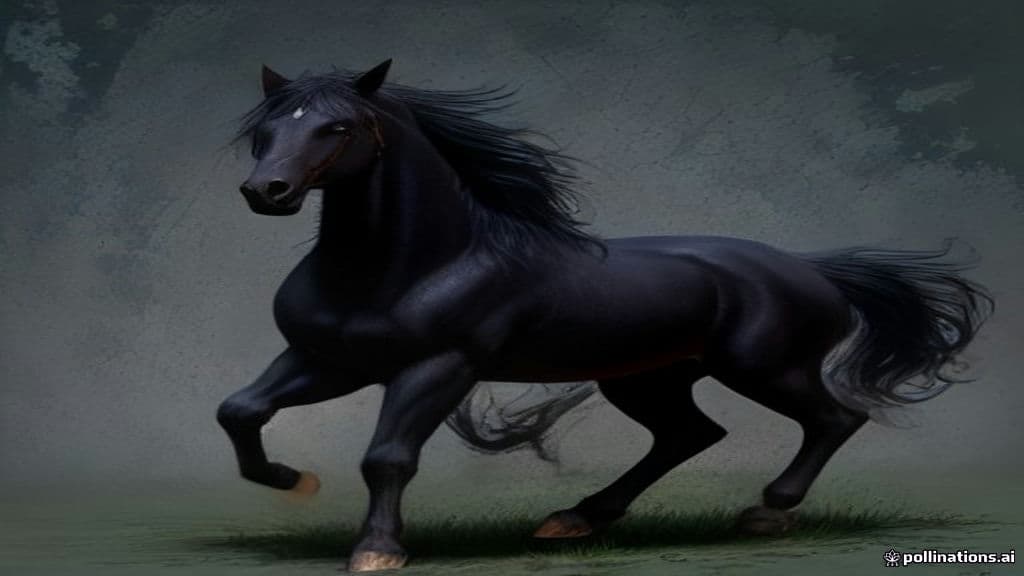
A Scottish shape-shifting water horse that appears as a beautiful tame horse near lochs and rivers, then drowns and devours any rider foolish enough to mount it.

Keneō
Lesser

Keneō

Keneō (懸衣翁), literally "clothes hanging old man," is an underworld attendant in Japanese popular Buddhist tradition who sits at the edge of the Sanzu River. Described in sources as an Oni-like figure, he receives the garments of arriving souls, hangs them on a riverside branch whose bend registers the weight of sin, and participates with Datsue-ba in postmortem punishments.

Kenmet
Lesser

Kenmet

Kenmet (Egyptian Knm.t) is a named figure attested in ancient Egyptian temple, dramatic, and decanal/astronomical texts. The attestations place Kenmet within mythic and stellar ordering contexts — as a named component associated with the divine stars and decanal schemata rather than as a fully attested cultic deity with independent biography.

Keong Emas
Ancient

Keong Emas

A princess magically transformed and contained within a golden snail shell, associated with the Panji cycle of Javanese folklore. (Note: - Power tier: Primordial (not Ancient), as it's described as a princess trapped in a magical object rather than having deity-level powers. - Abilities: Lack of information about abilities or behaviors)

Keres
Greater

Keres

In Greek myth the Keres (Κῆρες; singular Κήρ) are night-born, malevolent death-spirits associated with violent death, pestilence, and the ravaging aspects of mortality; they are often portrayed as a swarm of blood‑thirsty female spirits that hover over battlefields and seize the dead and dying.

Kerey Han
Lesser

Kerey Han

Kerey Han (also spelled Kirey Han) is a named son of Erlik in Turkic mythic genealogies who is associated with sowing sedition and setting people against one another; he is listed among Erlik's nine sons who hold specific duties and are said to assist shamans who descend into the underworld.

Keroessa (Ceroessa)
Lesser

Keroessa (Ceroessa)

Keroessa is a mythic heroine in Greek tradition credited as a genealogical link in the foundation story of Byzantium. She is presented as the daughter of Io and Zeus, sister of Epaphus, and mother of Byzas by Poseidon (her uncle).

Kerubiel
Ancient

Kerubiel

Kerubiel is named in modern summaries of the apocryphal Book of Enoch tradition as a highly exalted throne-attendant angel who is described as the principal regent over the Cherubim and as one of the most exalted princes of heaven, associated with divine light, fire, and the Shekinah.

Kesari
Lesser

Kesari

Kesari is a male vanara in the Ramayana tradition, usually identified as the husband of Anjana and the father (or foster-father in some theological accounts) of the hero Hanuman. He is represented in secondary summaries as a ruler associated with Mount Meru/Sumeru and later as a chief commander among the vanaras of Kishkindha; later retellings also credit him with participation in the war against Ravana, though primary-text attestation for some wartime exploits is uncertain.

Keshi (demon)
Lesser

Keshi (demon)

Keshi is attested in the supplied sources only as an entry on a disambiguation/listing page that reads 'Keshin, also known as Keshi, a horse-demon in Hindu mythology.' Beyond that single list mention the supplied material contains no sustained myth, narrative, or ethnographic information about the figure.

Keter
Ancient

Keter

Keter (Hebrew: כֶּתֶר, "crown") is the highest of the ten sefirot in Jewish Kabbalistic cosmology, the first emanation from the Ein Sof that functions as the primal divine will or initial impulse toward creation. It is described as utterly concealed — "the most hidden of all hidden things" — and as the origin point from which subsequent sefirot emerge.

Keyumars
Primordial

Keyumars

Keyumars (Avestan Gayōmart, Middle Persian Kayōmart) is the primordial human figure and first sovereign in Iranian myth. In Zoroastrian cosmogony he appears as the original mortal in creation narratives; in epic Persian tradition (notably Ferdowsi's Shahnameh) he is the archetypal first king and lawgiver who inaugurates royal practice and social order.

Khachkar Spirit (cross-stone guardian)
Minor Spirit

Khachkar Spirit (cross-stone guardian)

No primary or folkloric sources in the provided research identify a named supernatural 'Khachkar Spirit' or consistent guardian spirit associated with khachkars. What is documented in the supplied materials is the khachkar as a carved Armenian cross-stone monument (a material cultural object), including an archaeological example dated to 982 found in Wadi al-Natrun, Egypt, demonstrating Armenian presence outside Armenia.

Khan Garuda
Ancient

Khan Garuda

Khan Garuda (Garuda) is a divine avian being from Indic religious cosmology, principally known as the mount (vahana) and attendant of the god Vishnu. The figure appears across Hindu, Buddhist, and Jain textual traditions and is embedded in mythic genealogies as a son of Kashyapa and Vinata and brother of Aruna.

Khan of Heaven (Tian Kehan / Tengri Khagan)
Minor Spirit

Khan of Heaven (Tian Kehan / Tengri Khagan)

A politico-religious title used in Tang‑era diplomacy that linked imperial rulership to the supreme sky/heaven concept (Chinese Tian / Turkic Tengri). It functioned as a formula of recognition conferring celestially sanctioned authority on the Tang emperor in relations with Turkic and other Inner Asian polities between the early 7th century and the late 8th century.

Khandoba’s attendants
Lesser

Khandoba’s attendants

A referred category for attendant figures associated with the regional Hindu deity Khandoba in Maharashtrian tradition. The supplied sources discuss Khandoba himself but do not describe attendants such as Kaatoba; therefore no specific attendant identities, roles, or practices are attested in the provided material.

Khara
Greater

Khara

Khara is a rakshasa (forest-dwelling non-human) commander in the Ramayana tradition, presented as the brother of Shurpanakha who leads an expedition of rakshasas from the Dandaka forest against Rama during the Aranya Kanda. He is defeated and killed by Rama in the narrative episodes of Sargas 22–23.

Kharchi
Greater

Kharchi

The 14 tribal deities of Tripura — Kharchi are the ancestral guardian spirits of the Tripuri royal lineage, propitiated every year at the ancient Chaturdasha Devata temple in Agartala in one of Northeast India's most distinctive surviving tribal-Hindu syncretic festivals.

Khefthernebes
Ancient

Khefthernebes

Khefthernebes is a name attested among the corpus of ancient Egyptian deities; surviving sources list the name but do not record any attributes, roles, or myths. The published surveys note that many Egyptian deity names are preserved without indicating character or function, and Khefthernebes appears to be one of those names.

Khensit
Lesser

Khensit

Khensit (also Khenset, Chensit, Khensut) is a localized ancient Egyptian goddess who served as the patroness of the twentieth nome of Lower Egypt and the consort of the local god Sopdu at the city of Per-Soped (Saft el-Hinna). She is attested in brief genealogical and iconographic notes and is described in sources as depicted as an uraeus and sometimes portrayed in associations with Hathor-Isis.

Khenti-kheti
Ancient

Khenti-kheti

Khenti-kheti is a local tutelary deity of ancient Athribis in Lower Egypt, attested in sources as a crocodile-god later represented as a hawk associated with Horus and, in some descriptions, able to assume the form of a giant black bull named Kemwer. Over time his cult in Athribis was syncretized with or replaced by better-known deities such as Sebek, Horus, and eventually Osiris.

Kherty
Ancient

Kherty

Kherty is an ancient Egyptian netjer of the Duat attested from the early 2nd Dynasty and prominent in Old Kingdom Pyramid Texts. He functions as an underworld escort or ferryman for the dead—especially the king—while also appearing as an ambivalent figure associated with the physical act of dying.

Khetor
Lesser

Khetor

Khetor (also rendered Khetra; compound Mota Khetor) is a named spirit/ghost-figure attested in ethnographic and health-care sources from Assam. It appears in inventories of locally significant supernatural agents among Bodo and Karbi groups and, in a Tai Khamyang ethnomedical account, a fierce form (Mota Khetor) is implicated specifically in miscarriage and female sterility.

Khita
Lesser

Khita

Khita (also attested Hita) is attested in the supplied sources as an historical/political referent from late third‑millennium BCE Elam — a governor/king of the Awan dynasty and an ethnonym for a people. The provided materials do not treat Khita as a supernatural being and offer no folkloric descriptions, powers, or ritual responses.

Khnum
Ancient

Khnum

Khnum is an ancient Egyptian deity associated with the Nile cataract(s), the regulation of the annual inundation, and the crafting of human bodies and life‑force using a potter's‑wheel metaphor. He was principally worshipped at Elephantine and Esna from the Early Dynastic period into the Greco‑Roman era and was integrated into local temple triads and wider syncretic identities (e.g., Khnum‑Ra).

Khonsu
Ancient

Khonsu

Khonsu is an ancient Egyptian lunar deity, member of the Theban Triad (son of Amun and Mut), associated with the nightly passage of the Moon, protection during the night, healing, fertility, and certain fierce underworld roles attested in funerary texts.

Khopesh (khepesh)
Minor Spirit

Khopesh (khepesh)

The khopesh (also spelled khepesh) is a sickle-shaped sword from the Bronze Age that was adopted into ancient Egyptian military and royal iconography. It is a material weapon type and emblem frequently depicted with kings in New Kingdom statuary and later appears as a decorative/ornamental motif (e.g., a "khepesh crown") in Late Period and Ptolemaic votive reliefs.