Entity Index

A record of the unseen, drawn from world folklore.

7631 entities · page 9 of 128

Alakshmi
Greater

Alakshmi

Alakshmi is an inauspicious female supernatural figure in Hindu tradition, presented as the negation or shadow-counterpart of the prosperity-goddess Lakshmi. She personifies poverty, grief, jealousy and social discord and is managed in domestic ritual and festival practice.

Alala
Lesser

Alala

In ancient Greek mythopoetic imagination, Alala (Ἀλαλά) is the personification of the war-cry: the onomatopoeic shout of battle made into a figure who attends Ares on the battlefield and embodies the rallying/terrifying cry of soldiers.

Alalcomenes
Minor Spirit

Alalcomenes

Alalcomenes (also Alalcomeneus) is an eponymous autochthonous figure from ancient Greek tradition associated with Boeotia, cited as the name-giver of the town Alalcomenae. Sources treat him as a local foundational or etiological figure rather than as an active mythic agent with narrated deeds.

Alalngar
Ancient

Alalngar

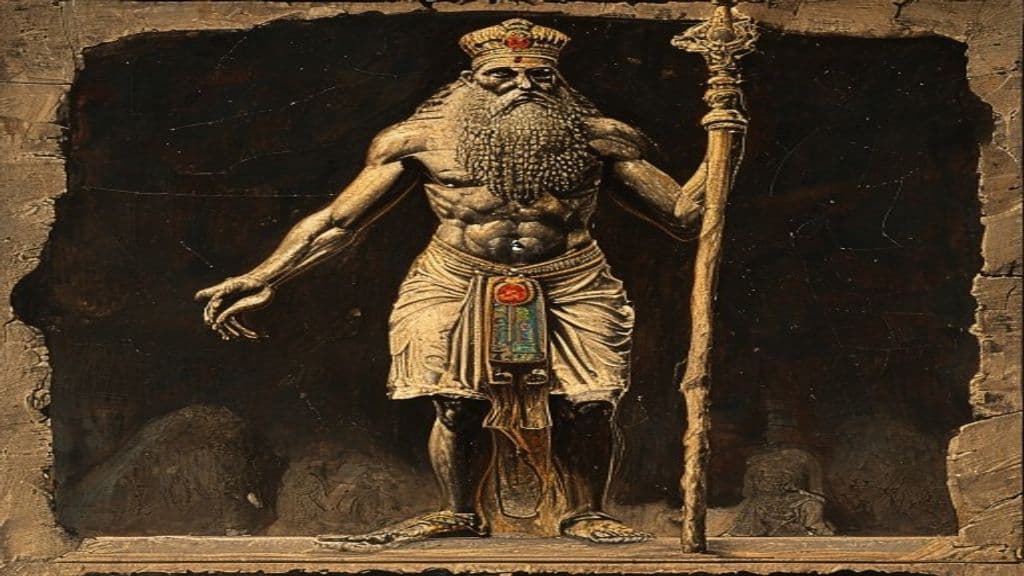
Alalngar is an antediluvian king in the Sumerian King List tradition, presented as the second holder of the kingship at Eridu. He is chiefly attested as a named early ruler with an extraordinarily long reign in manuscript variants of the SKL and related lists.

Alalu
Ancient

Alalu

Alalu (also Alala/Alal) is a primordial, ancestral god attested in Mesopotamian, Hurrian and Hittite sources. He appears in genealogical lists as an early progenitor of later sky-gods and in Hurrian myth (the Kumarbi Cycle) as a former 'king in heaven' overthrown and forced to flee to the underworld.

Alamelu
Ancient

Alamelu

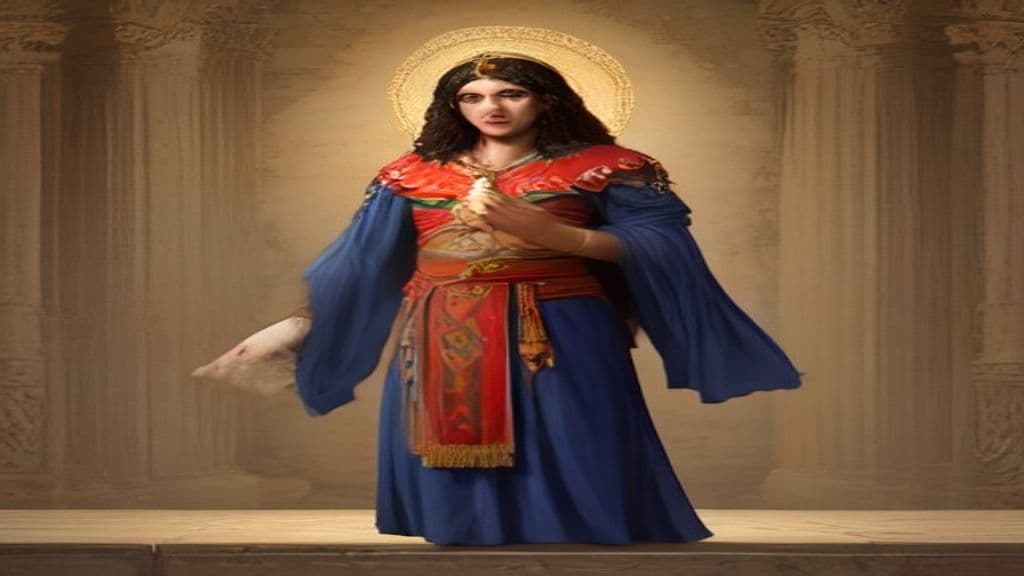
Alamelu (also Alamelu Manga / Alarmel Mangai) is a South Indian devotional name for the goddess Padmavati, identified in sources as an avatar of Lakshmi and the consort of Venkateswara; the name is also used widely as a female personal name and in titles of cultural works in Tamil and Telugu contexts.

Alammuš
Lesser

Alammuš

Alammuš is a Mesopotamian deity who functioned as the sukkal (attendant or court-official deity) of the moon god Nanna (Akkadian Sin). He is attested in offering lists, god-lists, oath formulas, legal and seal texts, and in Mesopotamian astronomical lists where he is paired with Ningublaga as the 'Little Twins.'

Alan
Lesser

Alan

A class of non‑human spirit-beings in Tinguian (Philipine) folklore associated with reproductive wastes and springs; said to transform discarded menstrual blood, afterbirth, or miscarried tissue into human children whom they rear, and to dwell in fine houses near springs. Key described features include wings and backward-pointing fingers and toes.

Alan Scott
Greater

Alan Scott

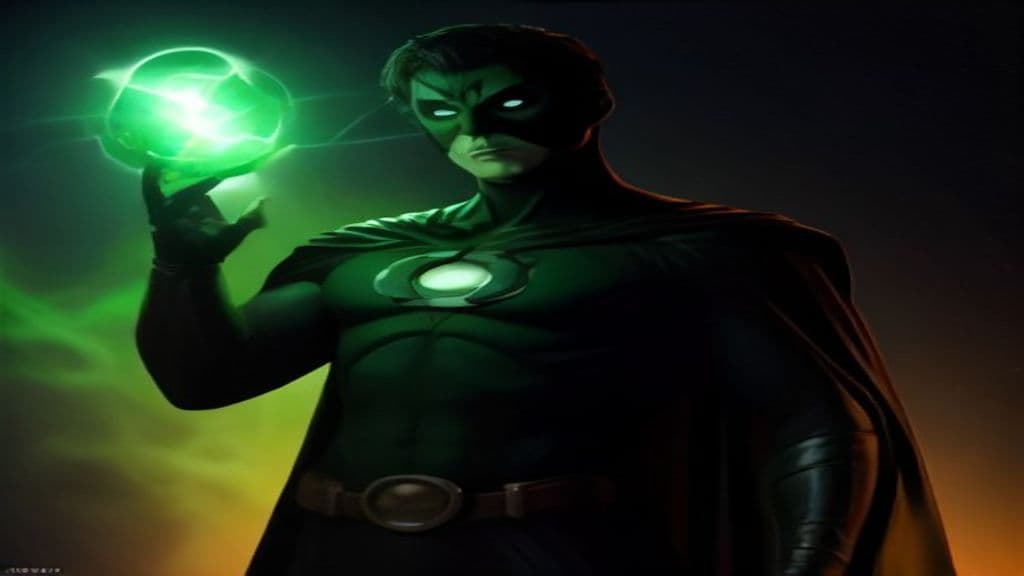
Alan Scott is a fictional American comic-book superhero, the original bearer of the Green Lantern name, created by Martin Nodell and Bill Finger and debuting in All-American Comics #16 (July 10, 1940). He is a Golden Age costumed crimefighter who uses a mystical ring recharged from a green lantern and served as a founding member and early leader of the Justice Society of America.

Alan Wake
Lesser

Alan Wake

Alan Wake is a fictional human protagonist created by Remedy Entertainment: a bestselling crime‑thriller novelist who experiences metafictional supernatural events when manuscript pages of a book he does not remember writing come to life in the town of Bright Falls. The character appears across video games and related media (Alan Wake, DLC episodes, American Nightmare, Alan Wake 2) in stories that frame the threat as a pervasive 'darkness' opposed by light.

Alastor
Greater

Alastor

Alastor (Ancient Greek: Ἀλάστωρ) is a concept-personification in Greek tradition denoting an avenging spirit or personified curse that punishes certain moral offences—especially familial bloodshed—and operates alongside chthonic avengers such as the Erinyes. Over time the term broadened to a secular insult and was reinterpreted in later Christian demonology as a type of possessing evil spirit.

Alatreus
Lesser

Alatreus

Alatreus is a youthful mythic warrior named in Roman-era treatments of Greek myth (notably Statius's Thebaid). He is identified as the son of Lapithaon and the nymph Dercetis and appears as a tender-aged but effective combatant in battlefield episodes.

Alatyr
Primordial

Alatyr

A sacred world-stone in East Slavic and wider Slavic folklore, described as the "father to all stones" and the "navel of the earth." Located at the world's center (often on Buyan island), it is associated with a miraculous spring, sacred letters, healing properties, and liminality between the human world and other realms.

Alaunus / Alauna
Minor Spirit

Alaunus / Alauna

Alaunus (masculine) and Alauna (feminine) are Gaulish theonyms attested in Roman‑period inscriptions and preserved in river- and place‑names across western and central Europe. The surviving evidence is epigraphic and toponymic; modern scholars often interpret the deity as associated with healing and prophecy and note at least one dedication equating him with Mercurius (Mercurius Alaunus).

Alaz
Ancient

Alaz

Alaz is the Turkic god of fire associated with hearths, flame, and the Great Fire (Ulugh Od). He is described as a powerful fire-being who sends protector-spirits (İye) to household hearths and can cause destructive fires when angered; fire under his authority is also a purifying force.

Alazṓn
Lesser

Alazṓn

Alazṓn (Ancient Greek: ἀλαζών) is a theatrical stock character of ancient Greek comedy who functions as an impostor or braggart: a figure who overestimates and theatrically misrepresents his own qualities and social status. As an archetype he generates comic situations, serves as the opponent of the eirôn, and recurs across Greek and Roman comedy, commedia dell'arte, and later drama.

Alba Silvius
Lesser

Alba Silvius

Alba Silvius is a legendary king of Alba Longa in Roman foundational historiography, presented in regnal lists and chronicles as a member of the Silvian dynasty descended from Latinus. He is attested as reigning roughly 38–39 years and figures primarily as a genealogical and chronological link in the tradition that leads from Aeneas and Latinus toward the later Roman founders.

Albanactus
Lesser

Albanactus

Albanactus is a legendary eponymous founder-king in medieval pseudo-historical chronicles (not a supernatural being). In Geoffrey of Monmouth’s narrative he is the youngest son of Brutus who receives Alba/Albany as his share, rules briefly, and is killed by Humber, king of the Huns; the figure serves as a medieval reverse-etiology to explain the name of the land and to support later political claims.

Albanian paganism (traditional/customary beliefs)
Greater

Albanian paganism (traditional/customary beliefs)

A persistent stratum of pre-Christian Albanian religious and cosmological notions—ancestor veneration, animism, and totemic identifications—embedded in oral tradition and customary law (the Kanun) and surviving particularly in mountainous, rural Albanian-speaking regions and diasporas.

Albastı (Al Basty)
Lesser

Albastı (Al Basty)

Albastı (also attested as Al Basty) is presented in the provided sources as an ancient female spirit associated with nightmares and night‑time disturbance in Caucasian folkloric contexts. Sources group her among 'dark queens of the night' and other ruthless, otherworldly beings that fill nightmares and overlap conceptually with karabasan/kabus‑type phenomena.

Alberich
Primordial

Alberich

In Germanic heroic legend, Alberich is a dwarf associated with elven qualities and power. (Note: 1. Power tier: Reduce to Ancient as Alberich's abilities are not described beyond being a dwarf with elven qualities. 2. Origin story: Clarify that Alberich is mentioned in multiple Germanic texts, bu)

Albert
Lesser

Albert

Albert is a human attendant and butler associated with Death in Terry Pratchett's Discworld fiction. He appears in the novels' material and related media (notably voiced in the game Discworld II: Missing Presumed...!?), functioning as a domestic companion within Death's household rather than as a metaphysical entity in his own right.

Alberto Falcone
Lesser

Alberto Falcone

Alberto Falcone is a fictional human antagonist from DC Comics, a member of Gotham's Falcone crime family who, in the comics, is revealed as the Holiday Killer. He operates as a mobster whose actions, psychological profile, and familial ambitions drive major plotlines in Batman stories such as The Long Halloween and Dark Victory.

Albiorix
Lesser

Albiorix

Albiorix is a Celtic theonym attested in modern reference works as a Gaulish divine name that, in available summaries, is presented as an epithet or local identification of the Roman god Mars. The surviving remarks in the supplied sources are limited to name listings and disambiguation entries rather than narrative myth or cult detail.

Alcaeus
Lesser

Alcaeus

Alcaeus (Ancient Greek: Ἀλκαῖος / Alkaios) is a mythological mortal prince in Greek genealogical tradition, commonly presented as a son of Perseus and father of Amphitryon whose role is chiefly to connect major heroic houses (Perseid line, Amphitryon, and thus the ancestry of Heracles). He functions as a dynastic node rather than a cult figure or supernatural being.

Alcander (Alcandrus)
Lesser

Alcander (Alcandrus)

Alcander or Alcandrus is a personal name borne by several distinct mythic humans in Greek and Roman epic traditions: a Molossian seer who was transformed by Zeus into a wren, a Lycian warrior slain at Troy, and a companion of Aeneas killed in Italy. The entries are separate narrative figures rather than a single recurrent supernatural species.

Alcathous (son of Pelops)
Lesser

Alcathous (son of Pelops)

Alcathous (Ancient Greek: Ἀλκάθοος) is a mortal heroic prince in Greek myth, son of King Pelops of Pisa and Hippodamia, associated with the Pelopid house and remembered as the reputed founder-eponym of the Megarian citadel called Alcathoe. He is credited in some local traditions with slaying the Cithaeronian lion and functions primarily as a genealogical and topographical founder-figure rather than a supernatural being.

Alces
Lesser

Alces

Alces is a minor figure in Greek mythographic genealogies: an Egyptian prince counted among the sons of King Aegyptus and named as the husband of the Danaid Glauce. He is attested only in catalog-style lists of Aegyptid sons and not as an independently active or culted supernatural being.

Alcestis
Lesser

Alcestis

Alcestis (Ancient Greek: Ἄλκηστις, Álkēstis) is a mortal princess of Greek myth famed for voluntarily dying in place of her husband Admetus and being temporarily returned from the underworld through Heracles’ intervention. Her story highlights conjugal devotion, substitutive death, and the need for purification after contact with chthonic powers.

Alcidamea
Lesser

Alcidamea

Alcidamea (also given as Alcidamia) is attested in classical mythographic sources as a mortal woman of Corinthian genealogy: the partner of the god Hermes and mother of Bunus (Bounos). Separately, Alcidamea is the Latinized name used in modern entomological taxonomy for a subgenus of solitary bees (Hoplitis (Alcidamea)).

Alcidice
Minor Spirit

Alcidice

Alcidice (Ancient Greek: Ἀλκιδίκη, Alkidíkē) is presented in the supplied sources as an Arcadian princess in Greek mythic genealogy: daughter of King Aleus, wife of Salmoneus of Elis, and mother of Tyro. She functions as a mortal genealogical connector; the sources treat her as a human noblewoman rather than a divine or supernatural being.

Alcimede
Lesser

Alcimede

Alcimede (Ancient Greek Ἀλκιμέδη, 'mighty cunning') is a mortal woman of heroic-age Greek myth: daughter of Phylacus and Clymene, wife of Aeson, and in several traditions the mother of the hero Jason. She functions as a genealogical and maternal figure in the Argonautic cycle rather than as a supernatural being.

Alcimedon
Lesser

Alcimedon

Alcimedon is a personal name borne by several distinct figures in Greek myth and later literary tradition rather than a single supernatural entity. Attestations include a Tyrrhenian sailor metamorphosed into a dolphin for attempting to abduct the infant Dionysus; an Arcadian eponymous hero tied to a plain and family narratives; a Myrmidon commander under Patroclus in the Trojan War cycle; a skilled craftsman mentioned in Virgil's Eclogue 3; and a Locrian companion of Ajax the Lesser slain at Troy.

Alcimenes
Lesser

Alcimenes

Alcimenes (Ancient Greek Ἀλκιμένης) is a personal name borne by multiple mortal figures in Greek myth and literary history — including a Boeotian prince, one of the sons of Jason and Medea, and several authors. The sources treat Alcimenes as human characters within mytho-historical narratives and literary tradition rather than as a distinct supernatural class or spirit.

Alcimus
Lesser

Alcimus

Alcimus is a name used for multiple figures in classical and Jewish-historical traditions. Most prominently, Alcimus (Greek Alkimos; Hebrew Elyaqum / Jakeimos) is recorded in Hellenistic Jewish sources as a high priest of Israel (c. 162–159 BCE) associated with pro-Seleucid, Hellenizing policies and opposition to the Maccabean revolt; separately, the same Greek name appears as a label for several minor mortal figures in Greek mythographic and epic lists.

Alcinous
Lesser

Alcinous

Alcinous (Ancient Greek: Ἀλκίνοος, Alkínoos, "mighty mind") is a legendary human king of the Phaeacians in Greek epic tradition. He is portrayed as an ideal hospitable monarch who receives wandering heroes (notably Odysseus and the Argonauts), presides over feasts and games, adjudicates disputes, and provides ships, gifts, and safe passage. Variant genealogies and island-identifications appear across sources, but his role as a beneficent royal host is consistent.

Alcippe
Lesser

Alcippe

Alcippe (Ancient Greek: Alkippe / ᾿Αλκιππή) is a personal name applied to multiple distinct female figures in Greek mythic genealogies—including a daughter of Ares, an Amazon, and one of the Alcyonides—rather than a single uniform supernatural being.

Alcis
Lesser

Alcis

A pair of youthful brother-deities worshipped by the Naharvali, attested only in Tacitus' Germania (c. 98 CE). They were venerated in a sacred grove under the care of a priest in female attire and are compared by Roman ethnography to the Graeco‑Roman Dioscuri (Castor and Pollux).

Alcmaeon
Lesser

Alcmaeon

Alcmaeon (Ancient Greek: Ἀλκμαίων, Alkmaíōn) is a heroic human figure in Greek mythic‑historic genealogy, known chiefly as one of the Epigoni who led the Argives to capture Thebes in revenge for the Seven against Thebes and as an eponymous ancestor claimed by the Alcmaeonidae. Multiple distinct personages share the name in different traditions.

Alcmene
Lesser

Alcmene

Alcmene is a mortal heroine of Greek myth, daughter of Electryon and wife of Amphitryon, best known as the mother of Heracles by Zeus. She appears in multiple classical sources as a noble matron whose body becomes the site of divine intervention in the conception and birth of Heracles and who received at least local veneration in antiquity.

Alcmenor
Minor Spirit

Alcmenor

Alcmenor (Ancient Greek: Ἀλκμήνωρ) is a mythic human prince in Greek genealogy, named as one of the sons of King Aegyptus. He is recorded as having married the Danaid Hippomedusa and being slain on his wedding night when the daughters of Danaus killed their husbands on their father's command.

Alcmeonis
Minor Spirit

Alcmeonis

A lost early Greek epic poem (Ancient Greek: Ἀλκμεωνίς / Ἀλκμαιωνίς) traditionally counted among the Theban cycle; known only from a small number of fragmentary references, it narrated the story of Alcmaeon’s killing of his mother Eriphyle in vengeance for the death of his father Amphiaraus.

Alcon
Lesser

Alcon

Alcon (Ancient Greek: Ἄλκων) is a personal name borne by several mortal figures in Greek mythic and genealogical traditions, typically noted as skilled hunters or archers and appearing in local dynastic or hunting narratives rather than as a distinct supernatural being.

Alcyone (daughter of Sciron)
Minor Spirit

Alcyone (daughter of Sciron)

Alcyone is a minor figure of ancient Greek myth who, in variant traditions, is transformed into the kingfisher (Greek ἀλκυών). Two main traditions survive: an Attic tale in which Sciron casts his daughter into the sea for sexual transgression (reported via Pseudo-Probus/Theodorus), and the better-known Alcyone-and-Ceyx couple-story (Ovid/Nicander tradition) in which divine pity results in metamorphosis and an etiological explanation for the "halcyon days."

Alcyone and Ceyx
Lesser

Alcyone and Ceyx

A married pair from ancient Greek myth whose tragic fates and divine transformations into seabirds (especially the kingfisher) explain the naming of the halcyon birds and an associated brief winter calm known as the 'halcyon days.' Variants in classical authors present either punishment for hubris or compassionate metamorphosis after a shipwreck.

Alcyoneus
Greater

Alcyoneus

Alcyoneus (Ancient Greek Alkyoneús, Ἀλκυονεύς) is a colossal monstrous figure in Greek myth, variably presented as one of the Gigantes (Giants) born of Gaia and as a singular enormous hostile herdsman/warrior opposed to Heracles. Noted for prodigious strength and for a peculiar invulnerability tied to his native land, he is defeated when Heracles drags him out of his homeland at Athena's counsel in one influential tradition.

Alcyonides
Lesser

Alcyonides

In Greek myth the Alcyonides (Ancient Greek: Ἀλκυονίδες) are the seven daughters of the giant Alcyoneus who, in despair at their father's death at the hands of Heracles, threw themselves into the sea at Kanastraion (the peak of Pellene) and were transformed by the sea-goddess Amphitrite into halcyons (kingfishers). The name links them etymologically to the bird (alkyone) and to local place-names (the Alkyonides islets).

Aldroen
Lesser

Aldroen

Aldroen is a legendary early medieval king of the Bretons of Armorica appearing in Geoffrey of Monmouth and later medieval chroniclers. Presented as a dynastic and martial founder-figure (son of Salomon) in pseudo-historical accounts, he is credited in tradition with military action in 5th-century Brittany and involvement in British-Breton affairs rather than any supernatural role.

Alebion
Lesser

Alebion

Alebion (Ancient Greek: Ἀλεβίων; also Albion, Ialebion) is a mythic Ligurian leader, son of Poseidon and brother of Dercynus (also called Bergion or Ligys), who with his brother attacked Heracles during the hero’s return from the Tenth Labour and was slain after Heracles prayed to Zeus and fought with the aegis.

Alec Holland (Swamp Thing)
Lesser

Alec Holland (Swamp Thing)

Alec Holland is the human name associated in comics with the character widely known as Swamp Thing, a fictional humanoid/plant creature elemental appearing in American comic books published by DC Comics. The character first appeared in House of Secrets #92 and gained notable popularity during the 1970s Wein/Wrightson run and again in a highly acclaimed mid-late 1980s run.

Alecto
Ancient

Alecto

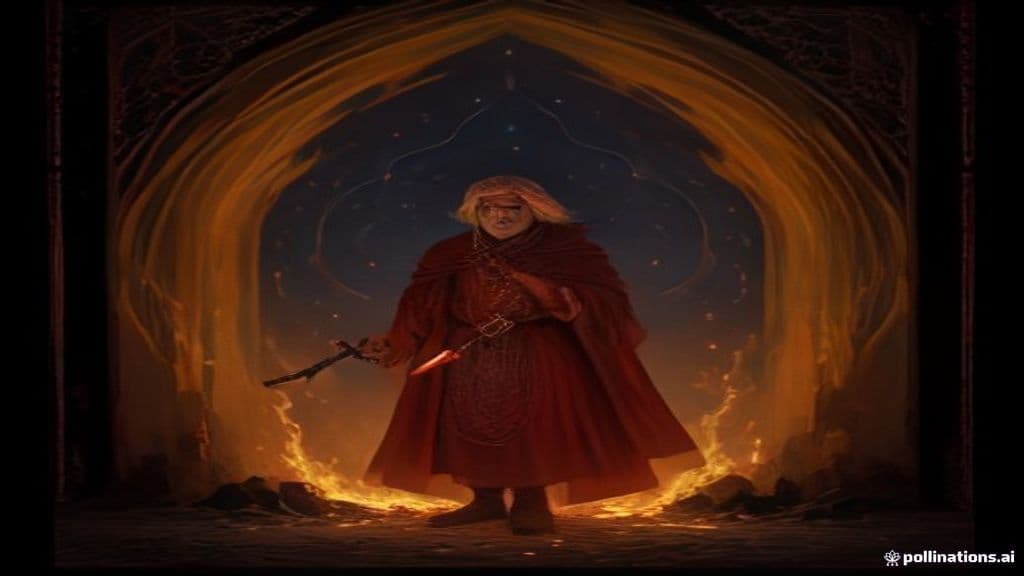
Alecto is one of the Erinyes (Furies) of classical Greek and Roman myth, an avenging supernatural figure whose role is to punish moral crimes among humans. Originating as one of the primordial Erinyes associated with the earth, she is later individualized in Roman literature (notably Virgil) and depicted as an agent who can incite madness, possess or influence humans, and foment violent passions.

Alector
Lesser

Alector

Alector (Ancient Greek: Ἀλέκτωρ) is a personal name borne by multiple mytho-historical figures in ancient Greek tradition. The name appears in several regional genealogies and foundation stories (Magnesia, Boeotia, Elis, Argos, Sparta) and functions as an eponymous ancestor or princely figure rather than a single supernatural being.

Alectryon
Minor Spirit

Alectryon

Alectryon (Ancient Greek Ἀλεκτρυών, 'rooster') is a figure in Greek myth, a young attendant of Ares who, having failed to guard the god's secret liaison with Aphrodite, was transformed into a rooster. The tale functions as an aetiology explaining the rooster's morning crow and its association with the sun-god Helios.

Alegenor
Lesser

Alegenor

Alegenor (Ancient Greek: Ἀλεγήνωρ) is a minor mortal figure in Greek mythic genealogies, attested as a son of Itonus and the father of Clonius and Promachus. He functions in the sources as a genealogical ancestor situating his more active descendants among the Boeotian leaders of the Trojan War rather than as an independently acting supernatural being.

Aleksander Lukin
Lesser

Aleksander Lukin

Aleksander Lukin is a fictional Marvel Comics character: a Soviet/Russian military officer–turned–oligarch who becomes the human host for the Red Skull's consciousness after a transfer using the Cosmic Cube. He functions in stories as a political operator, vessel for an intrusive mind, and a focus of occult resurrection.

Alerion
Lesser

Alerion

Alerion is a legendary eagle-like bird attested in medieval bestiaries and later standardized as a heraldic charge. In bestiary tradition it is described as a singular, long-lived species with an extraordinary life cycle; in heraldry it appears as a stylized, disarmed bird used as an emblem (notably on the arms of Lorraine).

Aleta Ogord
Greater

Aleta Ogord

Aleta Ogord is a fictional Arcturan superheroine from Marvel Comics (Earth-691 timeline) who can form solid‑light constructs and at times merged with Stakar Ogord to become the composite being Starhawk; she was later adapted for the Marvel Cinematic Universe as a Ravager shown in Guardians of the Galaxy Vol. 2.

Aletes (Aeneid)
Lesser

Aletes (Aeneid)

Aletes is an elderly Trojan companion and counselor in Virgil's Aeneid. Described as grandaevus, he appears among Aeneas's followers in passages that place him aboard the fleet during a storm (Book I) and in the siege of the Trojan camp where he is involved in camp life and commends the young warriors Nisus and Euryalus (Book IX).

Aletes of Mycenae
Lesser

Aletes of Mycenae

Aletes is a mortal figure in Greek heroic legend, son of Aegisthus and Clytemnestra, who assumes the throne of Mycenae during Orestes' exile and is later killed when Orestes returns to reclaim the kingship.

Aleuas
Ancient

Aleuas

Aleuas (Greek: Ἀλεύας; Modern Greek: Alevas) is a figure in ancient Greek tradition presented as a mythical king and seer of Thessaly and the eponymous ancestor of the noble Aleuadae family of Larissa. The name also appears for distinct historical individuals and as a modern scientific/commercial homonym, but classical sources treat Aleuas as a legendary human ancestor rather than a recurring supernatural class.