Entity Index

A record of the unseen, drawn from world folklore.

7631 entities · page 8 of 128

Ajax (Aias)
Lesser

Ajax (Aias)

Ajax (Ancient Greek: Aias) is a human heroic figure of the Trojan-cycle tradition and the tragic protagonist of Sophocles' play Ajax. In the surviving tradition he is a mortal Salaminian warrior celebrated for physical strength and martial reputation whose wounded honor, rage, and resulting suicide are the focus of Sophocles' drama.

Ajax the Great
Lesser

Ajax the Great

Ajax the Great (Ancient Greek: Αἴας, Aíās) is a mortal heroic figure of the Trojan War cycle, famed as a towering, steadfast Greek champion and defender of the Achaean ships. Prominent in Homer’s Iliad, he is portrayed as second only to Achilles in martial standing and as a paragon of defensive strength and reliability.

Ajax the Lesser (Aias, the Locrian)
Lesser

Ajax the Lesser (Aias, the Locrian)

A mortal Greek heroic warrior of the Trojan War (son of Oileus) distinguished from Ajax son of Telamon by the epithet "the Lesser." Celebrated for martial skill, he is chiefly remembered for a sacrilegious act at Athena's sanctuary during the sack of Troy that provoked divine vengeance and led to his violent death at sea; some locales and his native Locrians later maintained a hero-cult.

Aje (Iyami Aje)
Lesser

Aje (Iyami Aje)

Aje appears in the supplied sources only as part of the compound term "Iyami Aje," which the referenced Wikipedia disambiguation entry labels as a Yoruba concept of feminine power. No further details about its nature, practices, appearance, or rituals are present in the provided materials.

Aji Saka
Greater

Aji Saka

Aji Saka is a legendary Javanese culture-hero and foundational figure credited in tradition with pacifying Java, founding a kingdom at Medang Kamulan, instituting the Saka calendrical era in Java, and composing the hanacaraka mnemonic poem tied to the origin of the Javanese script.

Ajisukitakahikone
Greater

Ajisukitakahikone

Ajisukitakahikone is a kami in Japanese mythic literature (Kojiki/Nihon Shoki). He appears in the transfer-of-rule cycle between heaven and earth, is described as a son of Ōkuninushi, associated with the Kamo cult (called Kamo no ōmikami in some modern museum/catalog entries), and features in narratives that explain landscape formation and meteorological genealogy.

Ajitanātha
Ancient

Ajitanātha

Ajitanātha is the second tirthankara of the current cosmic age in Jainism: an enlightened spiritual teacher who renounced worldly life, attained omniscience (kevalajñāna), and achieved liberation (moksha), and who is credited with establishing a large four-part monastic order in the tradition's hagiography.

Ajogun
Greater

Ajogun

Ajogun are a class of malevolent spiritual forces in the Yoruba religious worldview that regularly interfere with human lives, responsible for death, disease, curses, loss, conflict and related misfortunes. They are described as the polar opposite of the benevolent Oriṣa, led by Iku (Death), and can be warded off or appeased through intercession by Eṣu and by observing Ifá divinatory counsel.

Ak Ana
Primordial

Ak Ana

Ak Ana (also Ağ Ana, Ak Ene) is the primordial water-mother of Turkic and some Siberian (Khanty, Mansi) traditions: a holy maternal creator principle associated with the pre-earth expanse of water, fertility of the land, and the threshold to the spirit world.

Aka Manah
Greater

Aka Manah

Aka Manah (Akem manah; Middle Persian Akoman, New Persian Akvan) is the personification of 'evil mind' in Zoroastrian literature. Originating as a Gathic term for corrupt thought, the figure is later reified in the Younger Avesta and Pahlavi texts as a high-ranking demonic opponent of Vohu Manah and ally of Angra Mainyu, whose activity is to pervert human thought and moral discrimination.

Aka Manto
Lesser

Aka Manto

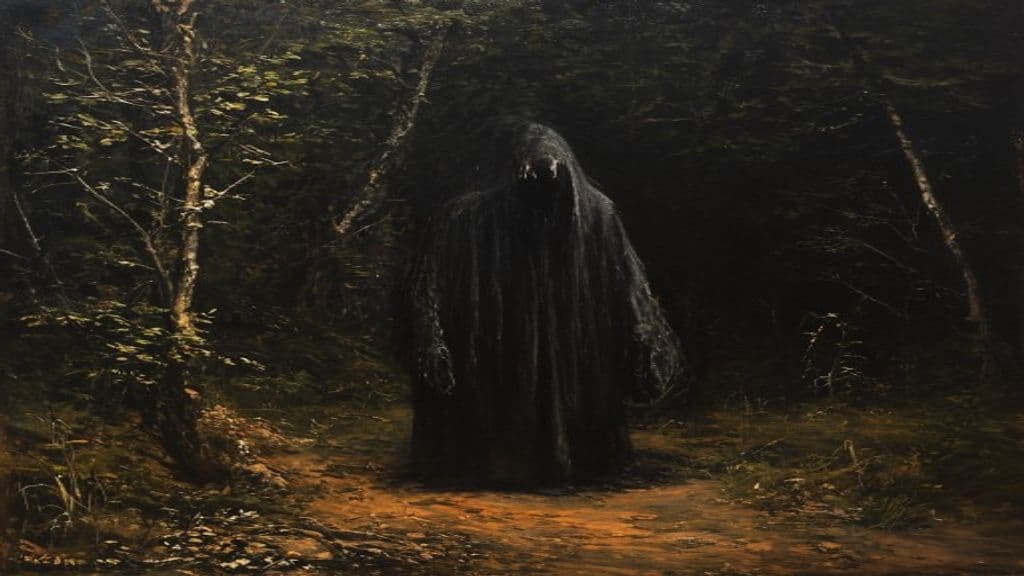
Aka Manto (赤マント, "Red Cloak") is a Japanese urban legend and schoolyard ghost-story about a masked, cloaked figure who appears in public or school toilet stalls and forces occupants to choose between colored toilet paper; each choice in the tale produces a violent supernatural consequence. The legend is part of modern popular folklore recorded in school contexts from the 1930s onward rather than a formal religious myth.

Akaname
Lesser

Akaname

Akaname is a Japanese yōkai associated with baths, bathtubs, toilets, and other places where scum and filth accumulate. Traditionally depicted as a child-like creature that licks grime, it functions in folklore as a cautionary figure tied to cleanliness; a few narrative variants cast it as dangerously predatory.

Akar Kessel
Minor Spirit

Akar Kessel

No documentation for an entity named Akar Kessel appears in the supplied source materials. The available corpus contains no primary or secondary information that defines the name, its attributes, cultural provenance, or associated practices.

Akashaguma
Lesser

Akashaguma

Akashaguma is presented in the available sources as a child-like house guardian spirit in the Japanese yokai tradition, closely comparable to the regional zashiki-warashi. It is associated with domestic interiors (parlors or storage rooms) and with bringing prosperity to households where it dwells.

Akashita
Lesser

Akashita

Akashita (赤舌, lit. “red tongue”) is an Edo-period pictorial yōkai commonly represented as a hairy, clawed face emerging from dark clouds with a wide open mouth and a conspicuous red tongue. The figure appears in yōkai emaki and Toriyama Sekien’s Gazu Hyakki Yagyō; Sekien’s plate shows it atop a sluice, but the original pictorial tradition provides no explanatory caption. Later folklorists and popular writers (Shōwa and later) have variously interpreted the image as a punitive spirit linked to irrigation/floodgate justice or as a kidnapper in evening skies, though these narrative roles are post-hoc.

Akateko
Lesser

Akateko

Akateko (赤手児, lit. 'red child's hand') is a yōkai from Japanese folklore commonly told as a small, red, disembodied child's hand that appears from trees—especially the Japanese honey locust—and startles travelers; in some regional variants it is accompanied by a specter of a young woman or manifests as paired foot- or leg-like apparitions. Accounts vary between mostly harmless trickster apparition and a violent variant that attacks humans.

Akava'ine
Lesser

Akava'ine

Akava'ine is a Cook Islands Māori social and gender category for people assigned male at birth who live or present as women or otherwise occupy a gender-variant/transgender role. The term (Cook Islands Māori) literally means "to behave as a woman" and has both historical ethnographic mentions of gender-variant individuals in the Cook Islands and a contemporary use (since the 2000s) among Cook Islands Māori, including diaspora communities.

Akelarre (Basque Witches' Sabbath)
Lesser

Akelarre (Basque Witches' Sabbath)

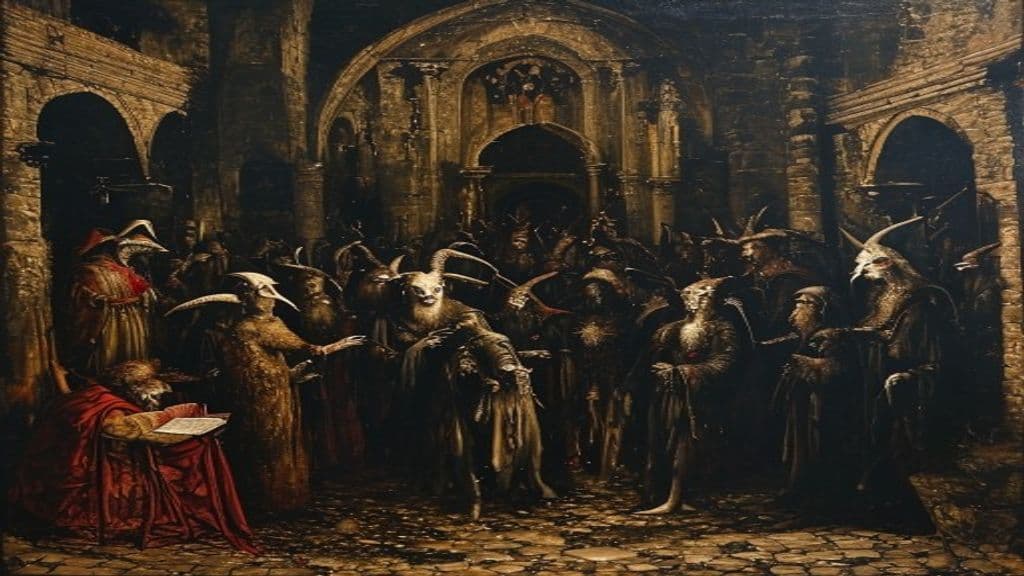
In Basque tradition, Akelarre is a gathering of witches presided over by a goat-like entity. (Note: - Power tier: Primordial (given it's a cosmic event and not a specific entity with supernatural power, but rather an event presided over by another entity) - Summary: In Basque tradition, the Akelarre)

Akenta
Minor Spirit

Akenta

Akenta is attested in the provided sources only as a proper name appearing in several unrelated contexts (a listing of South Australian groups, commercial wine branding, a health company, and a parliamentary text). The sources do not describe Akenta as a supernatural being, and no mythic attributes, appearance, powers, or rituals are recorded.

Aker
Ancient

Aker

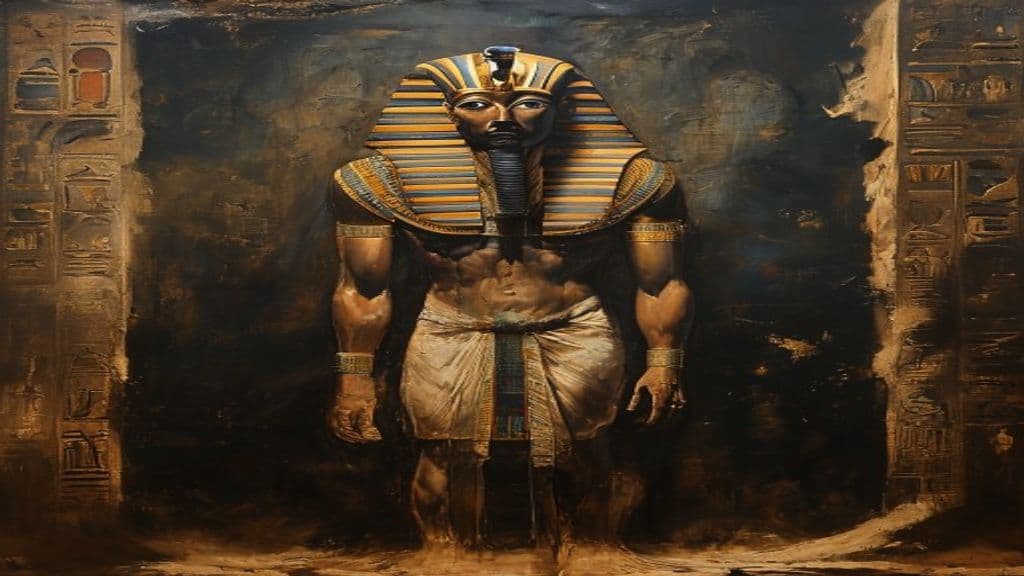
Aker is an ancient Egyptian personification of the horizon and an earth and underworld deity who is described in surviving summaries as guardian of the eastern (Bakhu) and western (Manu) horizons, marking liminal boundaries between day and night and between the living world and the netherworld.

Akerbeltz
Ancient

Akerbeltz

Malevolent Basque spirit associated with sexual abuses and seductive powers, likely tied to the natural environment. (Note: - Power tier: Greater (Akerbeltz's abilities are more regional in scope and do not match the description of an Ancient entity) - Abilities: While source material mentions "sexual abuses" and "seductiv)

Akh (Ancient Egyptian Conception of the Soul)
Primordial

Akh (Ancient Egyptian Conception of the Soul)

In Ancient Egyptian tradition, the Akh is one of several components making up the complex soul entity that continues to exist after death. (Note: * Power tier should be Ancient (deity-level) instead of Primordial * Abilities: specify how the Akh's immortality is achieved through rituals (e.g., "through rituals performed by priests during funera)

Akhekh
Lesser

Akhekh

The Akhekh (also Akhekhu/Akekhu) is a composite legendary creature from ancient Egyptian myth and art, associated with the god Set and with liminal domains of darkness, the western desert, chaos, and water. It appears in texts and iconography in variable forms — from serpentine/dragon-like to winged antelope or griffin-like hybrids — and functions as a chthonic, martial, and portentous figure rather than a fully specified ritual agent in the surviving excerpts.

Akhilandeswari
Ancient

Akhilandeswari

Akhilandeswari (Akhilandeshwari) is a major South Indian manifestation of the Hindu Goddess Adi Parashakti/Parvati, venerated as the presiding goddess of the Jambukeswarar Temple in Thiruvanaikaval. In temple tradition she is portrayed as a penitent/student of Shiva and figures in local legends, ritual schedules, and festivals that emphasize both maternal and fierce aspects.

Akhkhazu
Lesser

Akhkhazu

Akhkhazu (also Ahhazu; Sumerian Dimme-kur) is an Akkadian-era Mesopotamian malignant spirit described as a demon of jaundice who 'seizes' victims, brings fever and plagues, and is cited in later summaries as one member of a triad with Labasu and Labartu. Later popular summaries also describe her as preying on nursing infants while mothers slept.

Akhlut
Greater

Akhlut

An Inuit composite, shape‑changing animal‑spirit described in early ethnographic accounts as an orca that can become a wolf on land (and sometimes depicted in later popular media as a wolf‑orca hybrid). Associated with the seashore and ice edge along the Bering Sea, it is portrayed as powerful and dangerous in the cited sources.

Akhty
Lesser

Akhty

Akhty (also read Netjer-akhty) is an ancient Egyptian deity identified with the northern bald ibis and linked to the akh (the transfigured, luminous human spirit). Attested from early 2nd dynasty inscriptions and in Old Kingdom personal names and priestly titles, Akhty was associated with the evening horizon and believed to guide the setting sun and carry the deceased's spirit into the night sky.

Akhu Tönpa
Ancient

Akhu Tönpa

A Tibetan trickster figure, sent by Chenrezig to teach the art of being shrewd and witty, while championing the common man against social hierarchies. (Note: - Power tier should be Lesser or Minor Spirit, not Ancient, as it's more aligned with local spirit level of trickster figures. - The ability to outwit those in positions of power suggests Greater or P)

Akira Fudō
Greater

Akira Fudō

Akira Fudō is the human protagonist of Go Nagai’s Devilman narrative who becomes a hybrid figure — described in the story as “the Devilman, the only being who can fight demons; a being possessing the powers of a demon and a soul of a man.” He gains demonic power (notably from the demon Amon) while retaining his human moral identity and functions as the principal fighter against a re-emergent host of ancient demons within the series’ modern-Japan setting.

Akkorokamui
Greater

Akkorokamui

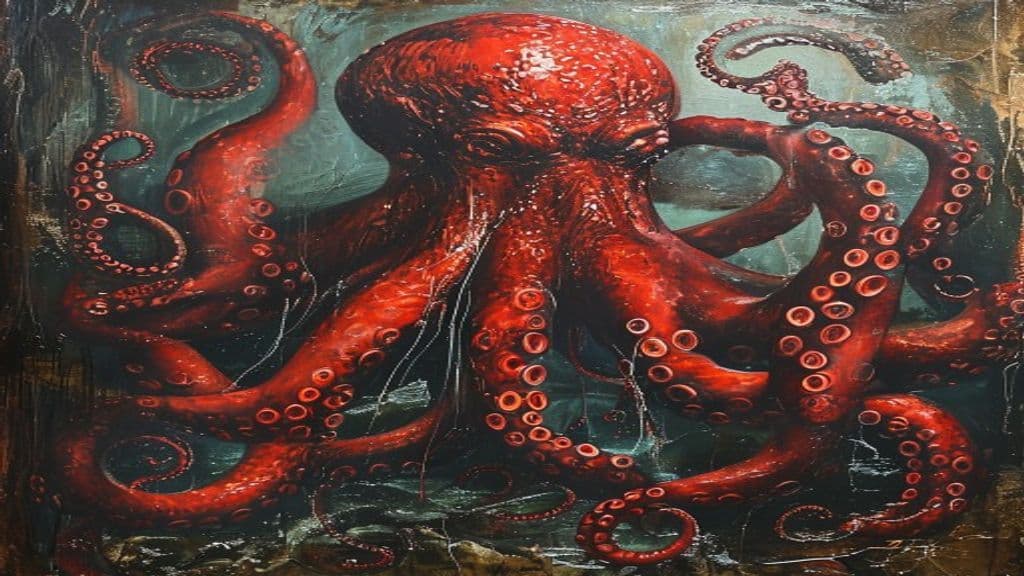
Akkorokamui is a titanic octopus-like sea kamuy (spirit) in Ainu tradition, described as the nushi (local lord) of Funka/Uchiura Bay in Hokkaidō. Traditional accounts portray it both as a fearsome physical monster capable of overturning or swallowing vessels and as a named supernatural presence embedded in Ainu cosmology and ritual vocabulary.

Akna
Lesser

Akna

Akna is a female figure named in modern secondary sources as associated with childbirth and motherhood. The provided materials conflate brief mentions linking the name to both Maya and Inuit maternal goddesses; primary Maya iconographic or epigraphic evidence for a distinct Maya Akna is not supplied in the sources.

Akshayavata
Minor Spirit

Akshayavata

In Hindu mythology, Akshayavata is a sacred banyan tree and/or lake that symbolizes eternal life. It is mentioned in both Hindu and Jain traditions and associated with the Puranas. (Note: - The power tier should be "Greater" or at least "Ancient", as it is associated with the Puranas, which are considered ancient texts. - No specific physical description is provided, but that doesn't m)

Akshobhya
Ancient

Akshobhya

Akshobhya is a transcendent buddha of Mahāyāna and Vajrayāna Buddhism, one of the Five Wisdom (Dhyāni) Buddhas. He personifies 'mirror knowledge' (ādarśa-jñāna), is conventionally placed in the East, and is lord of the eastern Pure Land Abhirati; in esoteric texts he is associated with the eastern Vajra division and invoked in mantra/mandala ritual contexts.

Akua
Lesser

Akua

Akua is the Hawaiian common noun for a god, deity, or divine being; in the provided sources it functions as a lexical category applied to indigenous Hawaiian deities and as the translation-term for the Christian God in Hawaiian-language liturgy and scripture.

Akubōzu
Lesser

Akubōzu

Akubōzu (灰坊主, Akubōzu) is a household yōkai from parts of Akita and Iwate Prefectures in northern Japan said to live in the ashes of the hearth. Sources say they appear when people (notably children) play with or dig in hearth/furnace ash; the figure is cited as part of a broader Tōhoku motif warning against disturbing ash.

Akugyo
Greater

Akugyo

Akugyo (悪魚) are a class of monstrous aquatic yōkai in Japanese tradition: enormous sea creatures—described in different accounts as giant fish, gigantic ningyo-like merfolk, or fire‑breathing sea monsters—that threaten sailors and fishermen by capsizing boats and devouring drowning people.

Akuma
Greater

Akuma

Akuma (悪魔/あくま) in Japanese sources is an evil spirit, devil, or demon associated with misfortune and mental disturbance. The term appears in Buddhist texts and Heian-period literature and was later used to translate the Christian figure of Satan, as well as the Buddhist Mara.

Akuma Shogun
Minor Spirit

Akuma Shogun

Akuma Shogun is a fictional Choujin (superpowered character) from the Japanese manga/anime franchise Kinnikuman created by Yudetamago. He appears as part of the franchise's ensemble of superpowered wrestlers and is represented in fan merchandise and collectible figures.

Akura-ō
Minor Spirit

Akura-ō

No verifiable folkloric or literary entity named Akura-ō is documented in the supplied sources. The string "akura" appears only as a modern musical credit and as OCR artifacts in archival material; there is no authoritative description of an Akura-ō in the provided documents.

Akuro-ō
Lesser

Akuro-ō

Akuro-ō is a fragmentarily attested label appearing in a secondary database gloss as 'Emishi's chief or ogre.' Surviving references are inconsistent and do not supply primary folkloric narratives, descriptions, or rituals; other supplied materials that mention demons or demon-rulers do not refer to Akuro-ō. This entry treats Akuro-ō as a probable secondary/database attestation rather than a well-documented traditional figure.

Akurojin-no-hi
Lesser

Akurojin-no-hi

Akurojin-no-hi (悪路神の火, "fire of the god of the bad road") is a flamelike ghost from the folklore of Mie Prefecture, Japan. It is reported to appear on rainy nights; those who encounter it and do not run away are said to become gravely ill. The phenomenon is sparsely documented and is usually compared to will-o'-the-wisp type ghost-lights.

Akvan Div
Greater

Akvan Div

Akvan Div is a named div (دیو) from the Persian epic Shahnameh who confronts the hero Rostam during the era of Kay Khosrow. In the tale Akvan appears among onager herds, can vanish or assume forms such as a brilliant onager, wind, or storm, and is ultimately snared with a lasso and beheaded by Rostam.

Akycha
Ancient

Akycha

Akycha is identified in the supplied sources as a solar goddess in Inuit mythology. The available materials attest the name and classification but provide no further narrative, iconographic, or ritual detail.

Akṣayakumāra
Lesser

Akṣayakumāra

Akṣayakumāra appears in the Ramayana as the youngest son of Rāvaṇa and a warrior sent to oppose Hanuman in the Ashoka Vatika episode; described as about sixteen, he fights bravely from a chariot and is killed by Hanuman.

Al (Alı)
Minor Spirit

Al (Alı)

No folkloric or ethnographic evidence for a supernatural entity named "Al" or "Alı" is present in the supplied source set. The available materials are modern biographical, political, linguistic, and religious texts that do not describe a Turkish spirit, demon, or other supernatural being by this name.

Al (Georgian Tradition)
Primordial

Al (Georgian Tradition)

In Georgian tradition, Al is a supernatural entity that interferes with human reproduction, acting as a demon of childbirth. (Note: - Power tier should be "Ancient" (Al is a demon of childbirth, but not cosmic-level) - Abilities need to specify that Als can cause spontaneous abortions, stillbirths, and infant mortality, as stated )

Al-Abyad
Lesser

Al-Abyad

Al-Abyad (Arabic: al‑Abyad, "the White") appears in modern compilations and anecdotal references as a named jinn or epithet within Arabic/Islamic discourse on jinn. The corpus consists mainly of contemporary lists, forum posts, popular articles, and a polemical anecdote; no coherent classical origin myth or primary ritual tradition for Al-Abyad is attested in the supplied materials.

Al-Haddar
Minor Spirit

Al-Haddar

Al-Haddar is documented in the provided sources primarily as (a) an impact crater on Saturn's moon Enceladus named after a character from The Book of One Thousand and One Nights, and (b) as a personal or author name appearing on Arabic devotional manuscript titles. The sources do not present Al-Haddar as a supernatural being within any folkloric cosmology.

Al-Jānn
Ancient

Al-Jānn

Al-Jānn (jann) is a pre-Adamite, ancestral category invoked in Arabic-Islamic exegetical, hadithic, mystical, and folkloric materials to designate an earlier class of sentient beings—progenitors of later jinn—said to be created of fire, to have once inhabited and sometimes ruled the earth, and to stand in a liminal ontological position between angels and humans.

Al-Kuz
Minor Spirit

Al-Kuz

Al-Kuz is not attested in the supplied corpus as a supernatural being; the name appears as the designation of an impact crater on Saturn's moon Enceladus and as the name of a literary character (one of the barber’s six brothers) in "The Hunchback's Tale" from The Book of One Thousand and One Nights.

Al-Mi'raj
Minor Spirit

Al-Mi'raj

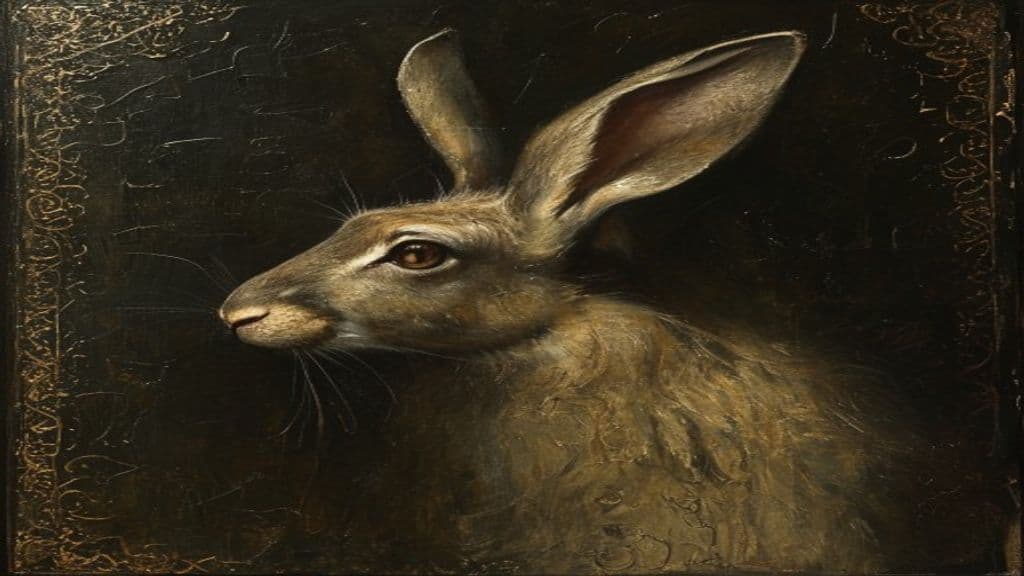
A mythical creature from medieval Arabic literature, described as a one-horned hare or rabbit. (Note: * Power tier: Given the lack of information on abilities and powers, it's too early to assign a power tier. However, considering its classification as a "mythical creature" in medieval Arabic literatu)

Al-Wakwak
Unknown

Al-Wakwak

Al-Wakwak is a geographic entity in medieval Arabic literature, possibly described as an island or group of islands. (Note: * Power tier should be Primordial (cosmic) given it's mentioned as a geographic entity in medieval Arabic literature. * Origin story section is missing, which would typically include how Al-Wakwak was)

Al-ʻUzzā
Ancient

Al-ʻUzzā

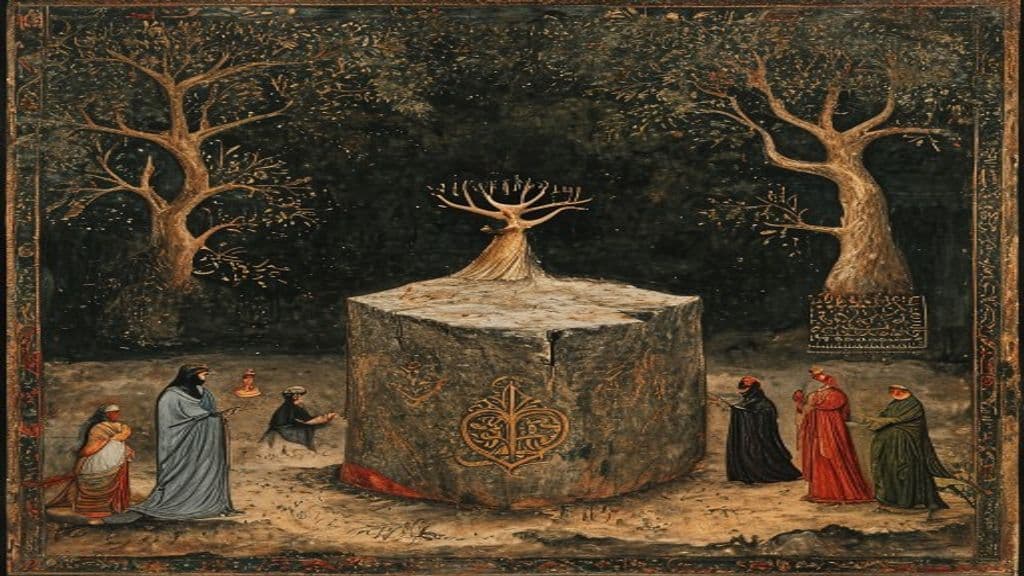
Al-ʻUzzā was a principal female deity of pre-Islamic Arabian religion, widely venerated by tribes such as the Quraysh. She formed a triad with al-Lāt and Manāt, had a prominent shrine at Nakhlah (near Mecca) with sacred trees and a stone cube, and was invoked for protection, intercession and oracular consultation in late medieval Islamic sources that record pre-Islamic cult practice.

Ala
Lesser

Ala

A female weather-being in South Slavic folk cosmology (Bulgaria, Serbia, North Macedonia) associated with hail, destructive storms, and voracious appetite; she is said to lead hail-producing clouds to destroy crops and is sometimes blamed for eclipses by attempting to devour the Sun or Moon.

Alabuğa (Alabuga / Yelabuga)
Minor Spirit

Alabuğa (Alabuga / Yelabuga)

Alabuğa (also attested as Alabuga or Yelabuga) is not attested in the provided sources as a supernatural being; rather the name functions as a modern toponym and institutional brand: a town in the Republic of Tatarstan, an associated Special Economic Zone (SEZ), and (in disambiguation) a river name in Kyrgyzstan. No folkloric, mythological, or ethnographic material describing a spirit or creature called Alabuğa is present in the supplied documents.

Aladdin
Lesser

Aladdin

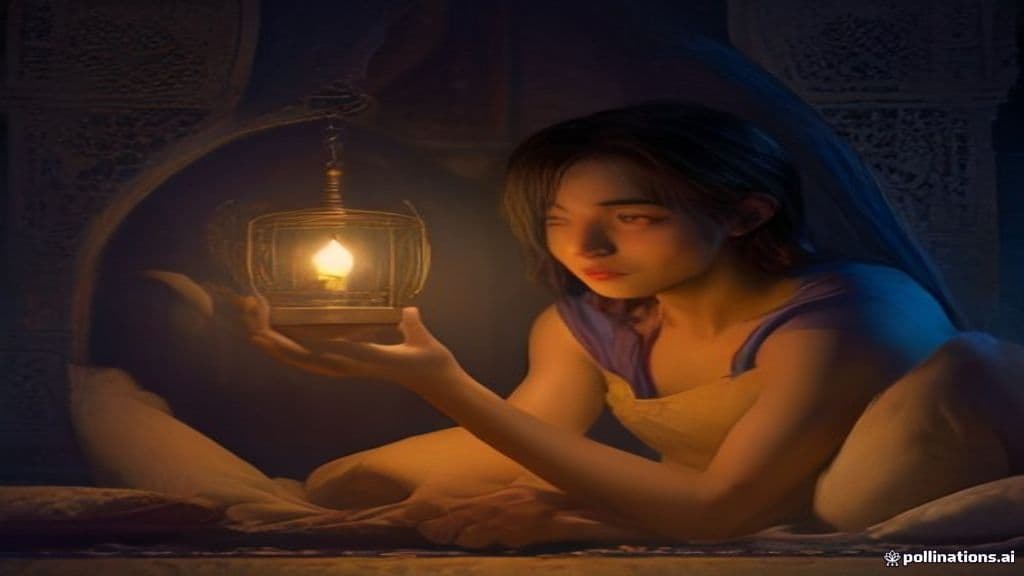
Aladdin is the human protagonist of a Middle Eastern folktale (ATU 561) who rises from poverty to wealth after acquiring a magical ring and a magical lamp that house spirit-agents. Although widely associated with The Thousand and One Nights, the tale entered that corpus via Antoine Galland from a story told by the Syrian storyteller Hanna Diyab rather than from the earliest Arabic Nights manuscripts.

Alaisiagae
Lesser

Alaisiagae

A group of Germanic female deities attested in Roman Britain, worshipped by continental auxiliary troops at a shrine near Vercovicium (Housesteads) on Hadrian's Wall. Epigraphic evidence records dedications to named members (Beda, Fimmilena, and in other lists Baudihillia and Friagabis) alongside Mars Thincsus and the numen of the emperor; modern scholarship interprets them variously as war/victory goddesses, as goddesses associated with assembly/justice, or as part of Matronae‑type fertility/ancestor cults.

Alaka (Hindu tradition)
Greater

Alaka (Hindu tradition)

Mythical city in Hindu cosmology, dwelling place of Kubera and ruler of the yakshas. (Note: - Power tier: Primordial (Alaka's splendor rivals Amaravati, which is a capital of a cosmic deity; thus, it should be categorized as Primordial) - Abilities: The text states Alaka has grandeur and maj)

Alakh Niranjan
Ancient

Alakh Niranjan

A doctrinal and devotional formula in the Nath-yogi tradition denoting the unseen, unblemished ultimate reality (Nirguna Brahman/Atman). Used as a salutational invocation, theological name, and signifier of realised Self rather than a personified supernatural being.

Alaksandu
Minor Spirit

Alaksandu

Alaksandu is attested in Hittite diplomatic texts as a historical king of Wilusa (commonly identified with Late Bronze Age Troy) who concluded a treaty with the Hittite king Muwatalli II ca. 1280 BCE. The name appears non-Anatolian and has been plausibly identified as a Hittite transcription of Greek Alexandros, a point used in scholarship to link a historical ruler with later Homeric Alexandros/Paris.