Celtic Supernatural Beings

365 documented Celtic supernatural beings from the Evil Eye grimoire, including 189 lesser and 71 greater in power tier.

page 6 of 7

King Arthur
Greater

King Arthur

King Arthur is a central figure of the medieval Matter of Britain: a legendary king and folk‑hero presented variously as a post‑Roman military leader of the Britons, a chivalric monarch of great courtly fame, and a figure entwined with later otherworldly motifs (Avalon, Excalibur, Merlin). Sources range from early Welsh annals and poetry to Geoffrey of Monmouth, continental romances, and later English retellings.

Knocker
Lesser

Knocker

A small mine-associated spirit from British and American mining folklore, known for producing knocking sounds in underground workings that miners interpreted as warnings or communications. Variants and cognates appear across Cornwall, Devon, Wales, Staffordshire and in American mining communities (Tommyknockers).

La Chasse-galerie (The Flying Canoe)
Lesser

La Chasse-galerie (The Flying Canoe)

A French-Canadian folktale about a bewitched or enchanted bark canoe that flies through the night after men make a pact with a malign supernatural agent (often identified as the Devil). The story functions as a Wild Hunt–type narrative fused with Indigenous legends of a flying canoe and serves as a moral test about taboos, sobriety, and bargaining with otherworldly powers.

Latis
Lesser

Latis

Latis is a theonym attested in two Roman-period votive inscriptions from Roman Britain (Cumbria). The name appears in one dedication as Dea Latis (found at Birdoswald) and in a separate, single inscription as Deus Latis (found at Aballava/Burgh-by-Sands). Each form is attested only once in the surviving epigraphic record.

Leprechaun
Lesser

Leprechaun

A diminutive, solitary supernatural being from Irish folklore, commonly depicted as a shoemaker who delights in mischief and is associated with hidden or buried treasure. Prominent in later folkloric collections and the 19th‑century literary revival rather than central early mythic cycles.

Les Lavandières
Greater

Les Lavandières

Three supernatural entities in Celtic tradition associated with death and mortality. (Note: - Power tier: Minor Spirit (not Greater) as their abilities seem limited in scope. - Origin story: Mention "possibly" is not necessary; the text directly states a connection to the triple goddess, but)

Lindworm
Greater

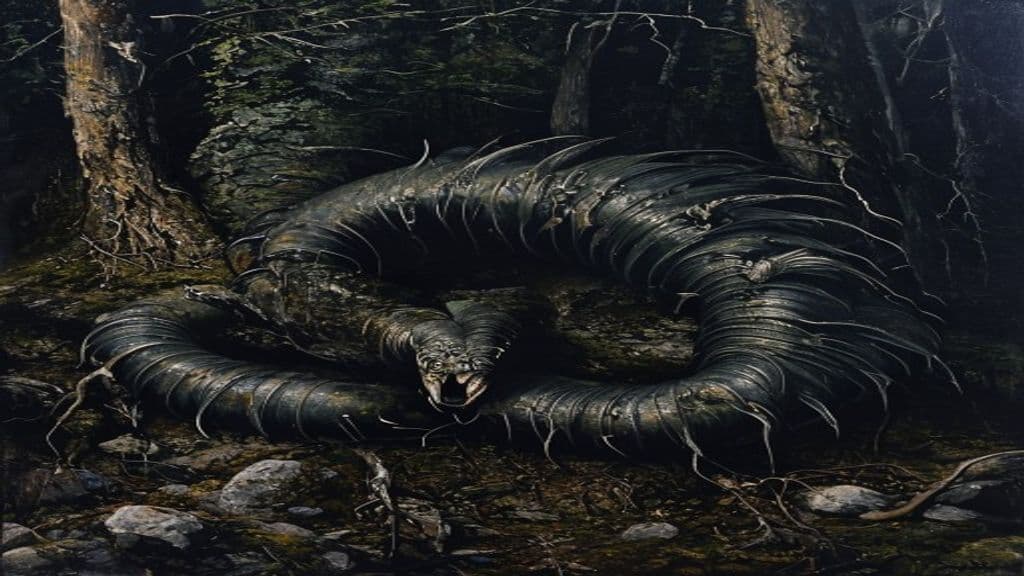
Lindworm

The lindworm is a European serpent/dragon‑like monster attested across Northern, Western and Central Europe. Varieties range from limbless giant forest serpents in Scandinavian lore to two‑limbed or winged dragonic forms in Central European art and legend; it appears in both treasure‑guardian and cursed‑bridegroom narrative cycles.

Linton Worm
Lesser

Linton Worm

A serpent-like monstrous "worm" from Scottish Borders folklore associated with a hollow on Linton Hill; traditionally described as a large wyrm that ravaged people, livestock and crops and was overcome in a heroic confrontation. The legend is presented in sources as medieval in origin and comparable to other British worm/dragon tales such as the Lambton Worm.

Lir
Ancient

Lir

Lir (also Ler) is an Old Irish sea-personification and mythic ancestor figure whose name literally means 'sea'. In medieval Irish material he appears as a named figure — notably father of Manannán mac Lir and as a king in the tale The Children of Lir — and functions more as an elemental progenitor linked to the maritime domain than as a consistently individuated deity in surviving excerpts.

Little people
Lesser

Little people

A cross-cultural folkloric category of diminutive supernatural or semi-supernatural beings found worldwide. They occupy liminal places near humans (woods, mounds, anthills, mines, shorelines) and range from helpful household spirits to mischievous tricksters or dangerous guardians of places and resources.

Lludd Llaw Ereint
Ancient

Lludd Llaw Ereint

Lludd Llaw Ereint ('Lludd of the Silver Hand') is a legendary figure from medieval Welsh tradition presented in the Mabinogion as the ruler of Britain who identifies and remedies three plagues upon the island. Philological and comparative material in the sources connects him to an earlier form Nudd Llaw Ereint and to cognate figures such as Irish Nuada Airgetlám and the Romano‑British Nodens, so he occupies a liminal position between hero‑king and reflex of a pre‑Roman deity.

Loch Ness Monster
Lesser

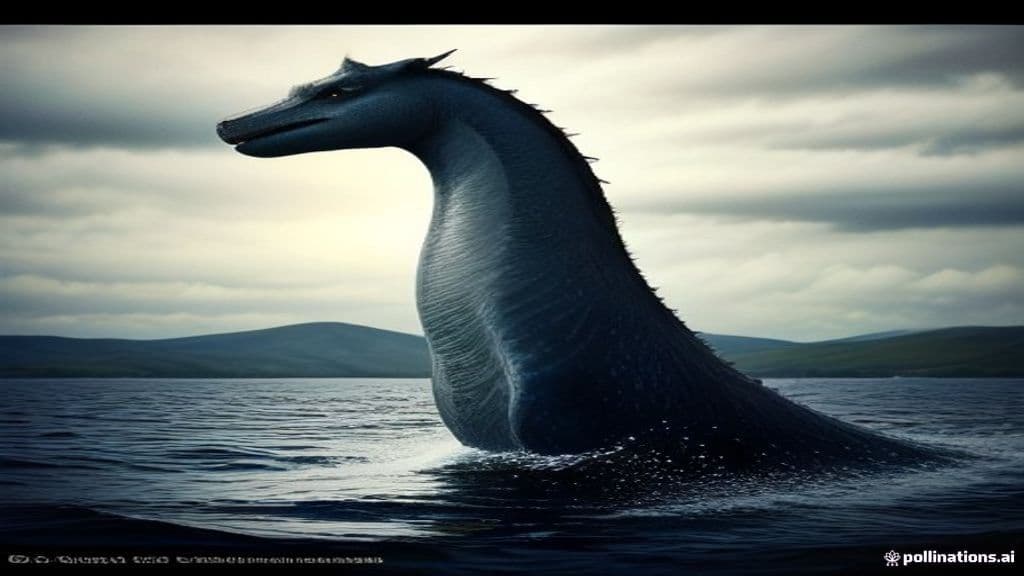
Loch Ness Monster

A persistent anomalous large animal-like presence said to inhabit Loch Ness in the Scottish Highlands, popularly nicknamed 'Nessie'. It occupies a space between older Celtic water-beast motifs and a modern media-amplified cryptid and tourist symbol, with episodic sightings, disputed photographs, and sonar claims since the early 20th century.

Loucetios
Primordial

Loucetios

Gallic god associated with Mars, lightning, and war; worshipped in the Rhine-Moselle region. (Note: 1. Power tier: Primordial is unlikely, given the lack of information about his abilities or behaviors; a more plausible tier would be Greater (powerful regional). 2. Abilities: No direct information a)

Lugh
Ancient

Lugh

Lugh is a prominent figure of Irish myth, a member of the Tuatha Dé Danann variously portrayed as a warrior, king, master craftsman and saviour. Epithets (e.g., Lámfada, Samildánach) stress his long arm and polyvalent skill; medieval texts place him centrally in the mythic history of Ireland (notably the Battle of Mag Tuired) and later comparative traditions identify him with the pan‑Celtic Lugus and, by interpretatio romana, with Mercury.

Magical creatures (The Chronicles of Narnia)
Greater

Magical creatures (The Chronicles of Narnia)

A collective classification for the many non-human sentient and semi-sentient beings that populate C. S. Lewis's fictional world of Narnia. The group includes enlarged talking animals and figures drawn from Greco‑Roman and northern mythic traditions (fauns, centaurs, dryads, etc.) and functions within the books as courtiers, warriors, prophets, and companions to human protagonists.

Maine mac Darthacht
Primordial

Maine mac Darthacht

Primordial entity associated with darkness and light, connected to Celtic mythology's Tuatha Dé Danann pantheon. (Note: 1. "Primordial entity associated with darkness and light" - source material only mentions association with night/darkness, but not explicitly light. 2. Power tier should be reviewed as Maine mac Darth)

Margot la fée
Greater

Margot la fée

A vernacular class-name in Breton and Mayenne folklore for a type of powerful, territorial earthly fairy associated with the land, subterranean riches, megalithic monuments, and ambivalent dealings with humans. The category is traditionally linked in local imagination to Morgana (Morgan le Fay) and, more distantly and tentatively, to an aspect of the Earth Mother.

Medb
Ancient

Medb

Medb is the legendary queen of Connacht in the Irish Ulster Cycle, presented as a powerful royal figure and a sovereignty-woman who embodies the land's power to grant kingship. She is famed as the instigator of the Táin Bó Cúailnge and is etymologically associated with mead/intoxication and rulership.

Melion
Lesser

Melion

Melion is the named protagonist of a late twelfth–early thirteenth‑century Breton lai who is a knight in King Arthur's service and who, by means of a magical ring, is transformed into a wolf, lives among wolves and at Arthur's court in lupine form, and is ultimately restored to human shape.

Merrow
Lesser

Merrow

A sea-being of Irish/Celtic folklore, the Merrow (Hiberno-English) denotes a class of half-human marine supernatural persons — often female 'sea-maidens' and uglier male counterparts — capable of interaction and occasional intermarriage with humans. Medieval Irish terms connect the figure to older siren- and sea-nymph motifs, while 19th-century collectors shaped much of the modern folk image.

Moddey Dhoo
Lesser

Moddey Dhoo

A place‑bound phantom black dog from Manx tradition, chiefly associated with Peel Castle (St Patrick’s Isle). Recorded in an 18th‑century account by George Waldron and later collected and expanded by folklorists, the Moddey Dhoo appears at dusk in the castle guardroom and returns to a secret passage at dawn; later local reports extend the motif across the Isle of Man with variant descriptions.

Morgan le Fay
Greater

Morgan le Fay

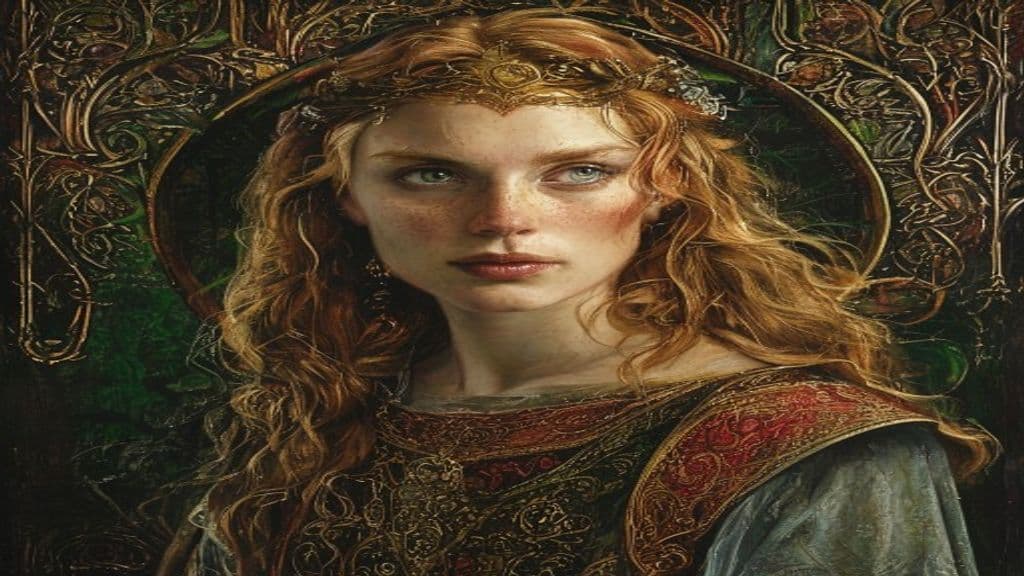
A mutable figure of the Arthurian tradition variously portrayed as an enchantress, healer, fairy-queen, or human noblewoman. Early accounts emphasize her role as a healer and leader of supernatural women at Avalon; later prose romances often recast her as an ambivalent or antagonistic sorceress in relation to Arthur and his court.

Moritasgus (Apollo Moritasgus)
Lesser

Moritasgus (Apollo Moritasgus)

Moritasgus is a Celtic epithet for a healing deity attested in four inscriptions at Alesia. In two of those inscriptions he is explicitly identified with the Greco‑Roman god Apollo, and his consort is named as the goddess Damona.

Mór Muman
Ancient

Mór Muman

Mór Muman is an early Irish sovereignty and mother-figure personifying the province of Munster. In medieval tales she appears alternately as an enchanted, wandering 'loathly' woman and as a restored queen whose union with the rightful king legitimizes rulership over Munster.

Nechtan
Greater

Nechtan

Nechtan is a figure in Irish tradition associated with a sacred spring called Nechtan's Well or the Well of Wisdom, described as the source of the River Boyne. In the corpus he appears as the named owner/custodian of the well and as a personal name borne by historical figures; sources vary over whether he is the husband of Boann or whether other husband-names (e.g., Nemed, Elcmar) appear in different texts.

Nel (Mythology)
Ancient

Nel (Mythology)

Ancestor of the people of Ireland and a scholar of languages from Celtic tradition. (Note: - Power tier: Lesser (Nel's abilities are primarily linguistic and cultural, not deity-level) - Origin story: The draft states Nel was invited to Egypt to marry Scota, but the source material says he )

Nessie (Loch Ness Monster)
Minor Spirit

Nessie (Loch Ness Monster)

A legendary lake creature of Scottish folklore said to inhabit Loch Ness in the Scottish Highlands, popularly depicted as a large, long‑necked animal with one or more humps. Its existence is driven by anecdotal sightings, disputed photographs, sonar claims, hoaxes, and sustained popular and scientific interest since 1933.

Night Elf (Kaldorei)
Greater

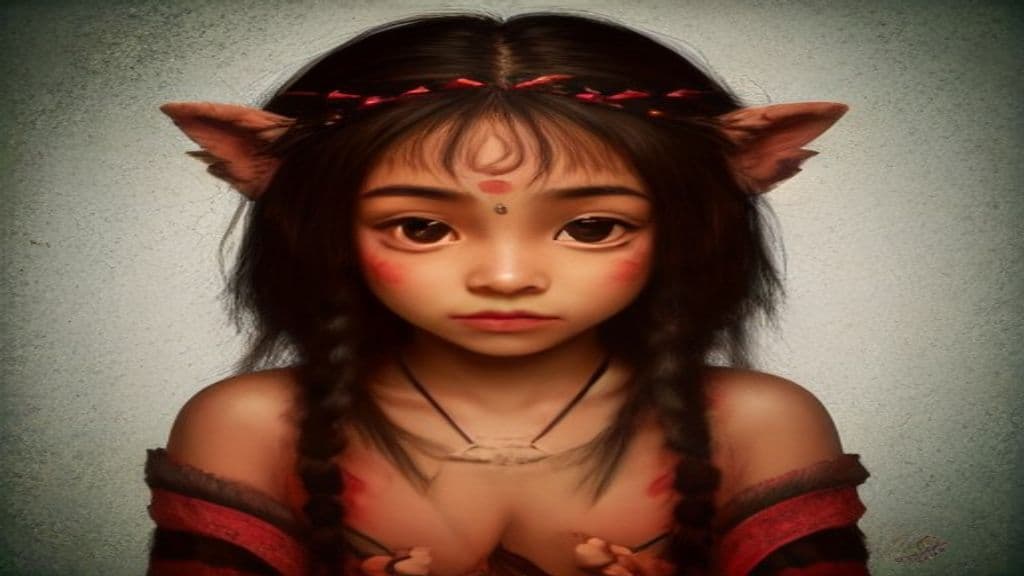
Night Elf (Kaldorei)

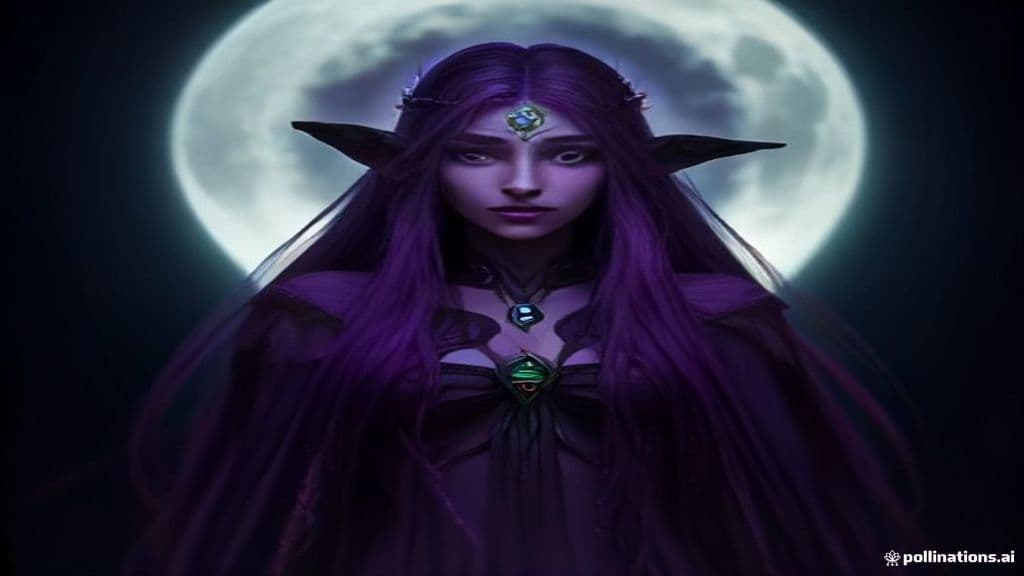
A fictional, long-lived, forest-dwelling humanoid people (called the Kaldorei, lit. 'Children of the stars') from Blizzard Entertainment's Warcraft setting, characterized by moon worship (Elune), druidic tradition, and a cultural emphasis on living in harmony with nature. Introduced as a playable race in Warcraft III and later World of Warcraft, they function as a full society rather than a single supernatural entity.

Niskus
Primordial

Niskus

River god in Celtic tradition associated with the River Hamble, linked to flooding and drought. (Note: 1. Power tier: Primordial seems too high given Niskus is a river god tied to a local river deity (Lesser power tier would be more accurate). 2. Abilities: Statement should specify that Niskus's abilit)

Nix Nought Nothing
Minor Spirit

Nix Nought Nothing

Nix Nought Nothing is the provisional personal name of the human protagonist in a Scottish fairy-tale (ATU 313, "The Magic Flight") who is promised to a giant and compelled to perform impossible tasks, rescued and aided by the giant's magical daughter. The tale centers on rash promise, naming as temporary identity, magical tasks, flight from the giant, and a sleep-enchantment resolved by a counter-spell and social reparation.

Odei (Basque mythology)
Greater

Odei (Basque mythology)

A Greater supernatural entity associated with thunderstorms, personifying storm clouds in Basque mythology. (Note: - The origin story summary should specify that it's the personification of storm clouds, not just associated with them. - Power tier: There is no clear indication in the source material that Odei's ab)

Paps of Anu
Primordial

Paps of Anu

Two mountain peaks in County Kerry, Ireland, with breast-like shapes and mythological associations to the Celtic goddess Anu. (Note: - Power tier: Not Primordial; given they are mountain peaks with a limited geographical scope, it's more accurate to categorize them as Lesser. - Summary: Should mention the mythological associations )

Pearlin Jean
Lesser

Pearlin Jean

Pearlin Jean is a named house-haunting tied to Allanbank (the dower house of Blackadder House) in Allanton, Berwickshire, Scotland. Traditionally described as a woman covered in 'pearlin' lace—later recast in some accounts as a skeleton in lace—she is said to have caused domestic disturbances (slamming doors, opening windows, pacing chambers) from the late 17th century into the 19th century.

Pillywiggin
Minor Spirit

Pillywiggin

Pillywiggins are very small faery or 'little people' in English and Irish folkloric compilations who function as guardians and personifications of spring flowers and small flora. Described in modern sources as trooping, winged flower-fairies, they are generally benign and largely indifferent to humans, associated with gardens, meadows and the seasonal rhythms of plants.

Pixie
Lesser

Pixie

A class of small, landscape‑anchored supernatural beings from southwest British folklore (especially Cornwall and Devon), generally portrayed as childlike, fond of dancing and mischief, and attached to ancient/liminal places such as stone circles, barrows and moorland. They appear in local tales as helpful household spirits at times and as tricksters at others — notably in stories that 'pixy‑lead' travellers — and figure as a marker of regional folkloric identity.

Puck
Lesser

Puck

Puck is a northwest European liminal spirit occupying a space between household sprite and wild fairy trickster. Portrayed as a domestic helper who expects food offerings and as a nocturnal jester of the fairy court, Puck performs both useful chores and mischievous pranks in folklore and literature.

Pyrene (Celtic Tradition)
Greater

Pyrene (Celtic Tradition)

Figure from Greek and Roman mythology with possible associations to Celtic tradition, associated with the Iberian region. (Note: - The article states that Pyrene's myth is "largely based on Greek and Roman sources", which contradicts the source material stating that her myth survives in Greek and Roman writings. - Power tier: B)

Púca (Pooka / Puca)
Minor Spirit

Púca (Pooka / Puca)

A long-standing folkloric spirit from Irish and related Celtic traditions, the púca is a shape‑shifting, ambivalent supernatural being commonly associated with rural and maritime communities and said to bring both good and ill fortune.

Queen of Elphame
Ancient

Queen of Elphame

Supernatural entity tied to elven and faerie traditions in Germanic folklore, ruler of Faerie or Fairyland, but with poorly defined powers and appearance. (Note: 1. Power tier should be Primordial since she's tied to elven and faerie traditions, suggesting a more cosmic level of power. 2. Ability descriptions are incomplete; source mentions parallels with Thom)

Rudiobus
Greater

Rudiobus

Rudiobus is an otherwise-unknown deity from Celtic paganism attested only by a single inscribed dedication on a bronze prancing-horse figurine recovered at Neuvy-En-Sullias (Loiret), France, dating to the 1st century BC. Modern sources note the possibility that Rudiobus may represent an aspect of a Gaulish Mars under interpretatio Romana, but no functions or myths are preserved.

Samhain
Primordial

Samhain

Celtic festival marking the end of harvest season and beginning of winter. (Note: 1. Power tier should be "Ancient" instead of "Primordial", as Samhain is a festival or time of transition, not an entity with cosmic powers. 2. Abilities need to be rephrased to reflect that the blurr)

Santa Compaña
Lesser

Santa Compaña

A nocturnal folkloric procession of the dead from northwestern Iberia, commonly imagined as a moving host led by a living parishioner compelled to walk each night; in popular belief it announces impending deaths and visits houses where death is due.

Selkie
Lesser

Selkie

A seal-being from northern Atlantic coastal folklore said to shift between seal and human forms by removing or donning a seal skin. Tales focus on intimate relations with humans, the selkie's longing for the sea, and the narrative motif of a hidden skin that prevents return to the ocean.

Sheela na Gig
Minor Spirit

Sheela na Gig

A medieval figurative architectural carving of a naked woman displaying an exaggerated vulva, found on churches, castles and other buildings across parts of Europe. Scholarly interpretations disagree on original function—proposed roles include apotropaic protection of thresholds, survivals of fertility/mother‑goddess imagery, or medieval moralizing images condemning female lust—while modern groups sometimes reappropriate the motif in neopagan and artistic contexts.

Sidhe (Aos Sí / Aos Sídhe)
Greater

Sidhe (Aos Sí / Aos Sídhe)

A Gaelic category of supernatural people tied to hills or mounds and closely associated with the Tuatha Dé Danann; rendered in English as 'the fairies' or 'elves' but culturally framed as an ancestral/divine parallel people with ambivalent relations to humans.

Silver Branch (Celtic tradition)
Primordial

Silver Branch (Celtic tradition)

The Silver Branch is an unclear symbol found in Irish mythology and literature, lacking clear definition and context. (Note: * Summary: The Silver Branch is a symbol, not an unclear symbol. * Power tier: Primordial (This seems too high given the lack of described powers or abilities) * Abilities: Mention that it doesn't hav)

Sirona
Ancient

Sirona

Sirona is attested in modern scholarship as the name of a Celtic goddess known from sculptural and temple-related material; surviving references and images associate her with local cultic presence in parts of continental Europe. The supplied sources document visual attestations (museum/sculpture images and a woodcut) and modern reuses of the name but do not give detailed mythic narratives, functions, or ritual formulas.

Sleih beggey
Lesser

Sleih beggey

An umbrella term in Manx tradition for the island's 'little people' or fair folk, covering a range of domestic and wild fairy types who interact with human communities — sometimes helpful or neutral, sometimes hostile, notably in accounts of hunting, music, hearth-occupation, and infant abduction.

Sluagh
Greater

Sluagh

The host of the unforgiven dead in Irish and Scottish tradition — a restless swarm who travel from the west, steal souls, and attack the living, whom they carry off into their dark company.

Sovereignty Goddess (Celtic Tradition)
Lesser

Sovereignty Goddess (Celtic Tradition)

A Celtic mythology entity that personifies a territory and confers sovereignty upon a king through ritualistic union. (Note: - Power tier should be Greater, not Lesser, as she confers deity-level legitimacy and authority upon the king. - Summary needs to acknowledge that there are multiple sovereignty goddesses across diffe)

Stoor Worm
Ancient

Stoor Worm

The Stoor Worm (Mester Stoor Worm) is a colossal, malevolent sea‑serpent of Orcadian (Orkney) folklore known from 19th‑century preservations and later retellings. In the tradition it threatens coastal communities with physical destruction and a poisonous, putrid breath; in the central tale the hero Assipattle kills it by thrusting burning peat into its liver.

Stray Sod
Lesser

Stray Sod

A clump of enchanted grass attributed to faeries in Celtic tradition, causing disorientation and loss of direction. (Note: - Power tier: Primordial (not Lesser), as the effect described is far-reaching, causing disorientation even in familiar surroundings. - Abilities: Add that the effect can persist even after leaving th)

Taranis
Ancient

Taranis

Taranis is a deity of the ancient Celtic (principally Gallic) religious sphere attested in Roman-era literary commentary and in inscriptions; the figure is principally associated by etymology and interpretatio with thunder and sky-power and is named alongside other native gods in classical sources.

Telo
Lesser

Telo

Telo is attested in the provided sources as a mythological eponymous spirit or god associated with the place-name Toulon. The documentation is limited to a single encyclopedic mention that links the name Telo to the settlement of Toulon in the Var.

The Dagda
Ancient

The Dagda

A principal deity of early Irish myth, commonly presented as the foremost member or chief of the Tuatha Dé Danann. Associated with abundance (fertility, food, cattle), seasonal and temporal order, musical and druidic knowledge, and a liminal role between life and death via named magical items.

The Gray Man
Minor Spirit

The Gray Man

A polyvalent label applied to multiple distinct figures: a local ghost of Pawleys Island, a figure in Scottish folklore called Fear liath, and numerous modern fictional or cultural uses. The sources provided do not present a single unified supernatural being but rather several separate referents sharing the same name.

Threefold Death
Primordial

Threefold Death

A cosmological concept in Celtic mythology, affecting grand figures such as kings and gods. (Note: 1. Power tier: Downgrade to Ancient (deity-level), as the threefold death affects grand figures like kings and gods but doesn't imply cosmic influence. 2. Abilities: Rewrite to clarify that it's not a)

Tongu do dia toinges mo thúath
Lesser

Tongu do dia toinges mo thúath

An abstract concept representing the shared deity of a community, symbolizing communal loyalty and allegiance in early Irish society. (Note: 1. Power tier should be "Minor Spirit" as it is an abstract concept that doesn't possess physical presence or divine abilities. 2. Ability description should emphasize its role in emphasizing commitme)

Tristan and Iseult
Primordial

Tristan and Iseult

Archetypes of doomed lovers in Celtic tradition, embodying the concept of 'star-crossed lovers'. (Note: 1. Power tier should be Ancient (deity-level) or at least Lesser (local spirit), since Tristan and Iseult are humans, not supernatural entities. 2. Sensory cues are missing. 3. Wards should be more sp)

Tuatha Dé Danann
Ancient

Tuatha Dé Danann

The Tuatha Dé Danann (earlier name: Tuath Dé) are a named supernatural race in Irish mythology. In modern summaries they are widely treated as representing the deities of pre‑Christian Gaelic Ireland and function as a mythic otherworldly people within Gaelic mythic history.