Celtic Supernatural Beings

365 documented Celtic supernatural beings from the Evil Eye grimoire, including 189 lesser and 71 greater in power tier.

page 5 of 7

Elcmar
Lesser

Elcmar

Elcmar (also Ecmar, modern Ealcmhar) is a member of the Tuatha Dé Danann portrayed in Irish narrative tradition as a high-ranking household official — chief steward of the Dagda — husband of the goddess Boann, lord of Brugh na Bóinne, and participant in cycles of rivalry and retribution with figures such as the Dagda, Aengus, and Midir.
Elf
Greater

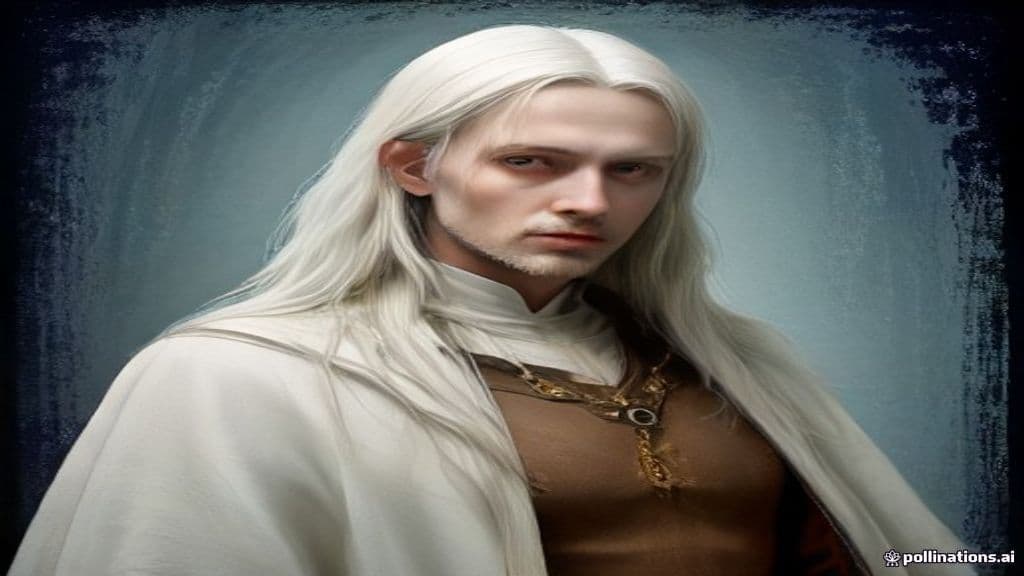
Elf

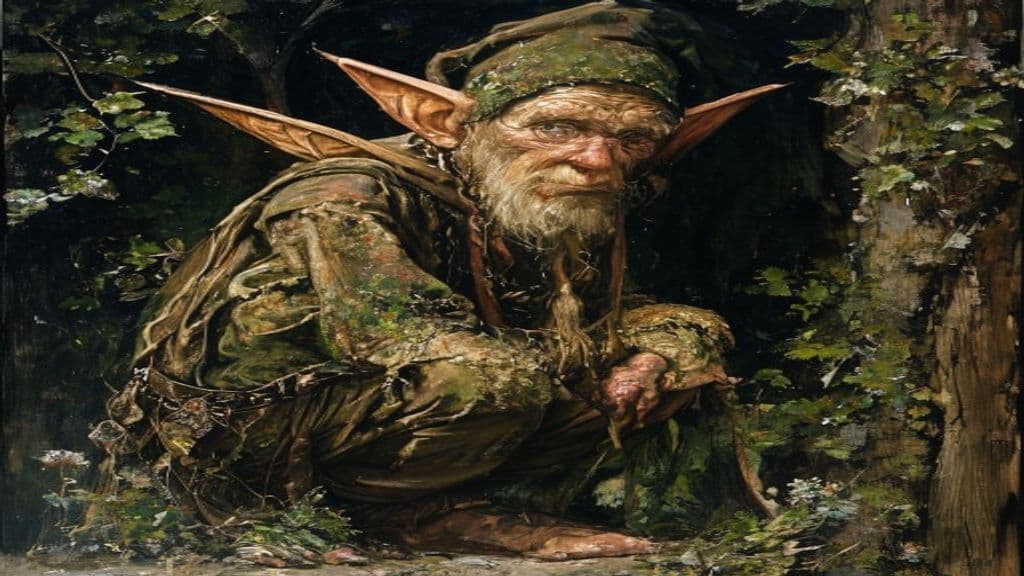
An elf is a humanoid supernatural being from Germanic folklore, especially prominent in North Germanic (Norse/Icelandic) myth and in later early-modern Scottish and Scandinavian belief. Elves are typically depicted as magically powerful and unusually beautiful, ambivalent toward humans and capable of helping or harming them.

Elffin ap Gwyddno
Lesser

Elffin ap Gwyddno

Elffin ap Gwyddno is a human figure in medieval Welsh tradition, presented as the son of Gwyddno Garanhir and the foster-father who finds and raises the poet-seer Taliesin. He functions as a noble household member whose misfortunes and courtly trials provide the narrative context for Taliesin's prophetic and poetic demonstrations.

Eliwlod
Lesser

Eliwlod

Eliwlod is a figure of early Welsh literary tradition, described as a nephew of King Arthur renowned for eloquence and commemorated in triads and praise-poetry; in a surviving poem he appears postmortem speaking to Arthur in the form of an eagle.

Emain Ablach
Ancient

Emain Ablach

A mythical island paradise in Irish mythology, associated with Manannán Mac Lir and said to be an idyllic landscape filled with swans and yews. (Note: * Power tier: Reduce to Greater (Primordial implies a cosmic entity, Ancient implies deity-level, which may be excessive for an island paradise) * Origin story: Clarify that it's associated with Manan)

Enbarr (Aonbharr of Manannán)
Greater

Enbarr (Aonbharr of Manannán)

Enbarr (Énbarr, Aonbharr of Manannán) is a named supernatural horse in the Irish Mythological Cycle, owned by the sea‑god Manannán mac Lir and shown riding with the hero Lugh Lámhfhada in the tale Oidheadh Chloinne Tuireann. In the narrative tradition it is an otherworldly steed that can traverse land and sea and is said to confer extraordinary protection on its rider.

Enchanted Moura
Greater

Enchanted Moura

The Enchanted Moura (moura encantada) is a female supernatural figure in Portuguese and Galician folklore: an enchanted, often shapeshifting inhabitant of liminal landscape sites, noted in tales for great beauty (frequently combing long hair) and for association with stonework and the moving of heavy masonry.

Endovelicus
Ancient

Endovelicus

Endovelicus is a pre-Roman chthonic deity venerated in Iron Age Lusitanian and Celtiberian regions, associated with the underworld, healing, prophecy (oracular incubation), vegetation and the afterlife; the cult persisted into the Roman period and was syncretized with Roman underworld/healing gods.

Enide (Enid)
Lesser

Enide (Enid)

Enide (Welsh: Enid) is a human literary character from medieval Arthurian romance, depicted as the wife of the heroes Erec (in Chrétien de Troyes' Erec and Enide) and Geraint (in the Welsh romance Geraint and Enid). She functions as a courtly lady whose love, loyalty, and speech catalyze the hero's testing, restoration of honor, and reconciliation of domestic affection with knightly duty.

Eochaid mac Eirc
Lesser

Eochaid mac Eirc

Legendary High King of Ireland from the Fir Bolg in the medieval Irish invasions cycle; credited in tradition with establishing a system of justice, founding a capital at Tailtiu (Teltown) and holding an annual August festival, and slain after the Fir Bolg's defeat by the Tuatha Dé Danann at the first Battle of Magh Tuiredh.

Epona
Ancient

Epona

Epona is a Gallo‑Roman/Celtic goddess chiefly associated with horses, protection of stables and riders, and fertility/abundance related to equine livelihoods. Her cult is attested across Roman Gaul and throughout the Roman Empire, notably adopted by mounted units; some scholars also suggest a possible funerary/psychopomp aspect based on select votive objects and iconography.

Erec
Lesser

Erec

Erec is a human knight of the Round Table in the Arthurian literary tradition, best known as the protagonist of Chrétien de Troyes' romance Erec and Enide. He appears across medieval redactions (Old French, German, Norse, Middle English, and prose cycles) as a heroic figure whose narratives examine knighthood, love, reputation, and encounters with enchantment.

Ernmas
Greater

Ernmas

Ernmas is an ancestral maternal figure among the Tuatha Dé Danann recorded in medieval Irish sources. She is attested chiefly as the mother of two important triads (Ériu, Banba, Fódla and Badb, Macha, Mórrígan) and several sons, and is said in at least one source to have been killed during the first battle of Mag Tuired.

Ethniu
Greater

Ethniu

Ethniu (also Ethne, Ethliu, Eithne, Ethnea, etc.) is a figure of Irish myth, presented as the daughter of the Fomorian leader Balor and the mother of the hero Lugh. Her story centers on imprisonment to avert a prophecy and the clandestine conception and rescue of her child, motifs that link her to dynastic and prophetic conflicts in the mythic cycles.

Eudaf Hen
Lesser

Eudaf Hen

Eudaf Hen (Eudaf "the Old") is a legendary dynastic figure in medieval Welsh and Breton literature, remembered as a king of the Britons and an ancestral founder used in royal and saintly genealogies. He appears in narrative sources (notably The Dream of Macsen Wledig and Geoffrey of Monmouth's Historia) and in various pedigrees where his identity organizes claims to rulership, descent, and regional foundation (including links to Brittany).

Eufydd fab Dôn
Lesser

Eufydd fab Dôn

A minor figure in medieval Welsh mythic genealogies and bardic poetry, named among the children of the mother-goddess Dôn and remembered as a skilled practitioner of magic in the Book of Taliesin and the genealogical tract Bonedd yr Arwyr.

Euroswydd
Lesser

Euroswydd

Euroswydd is a named human figure in medieval Welsh narrative tradition, recorded as the father of Nisien and Efnysien by Penarddun and listed in a Welsh Triad as one who held Llŷr captive. He functions primarily as a genealogical and political actor within the Mabinogi cycle rather than as a monstrous or supernatural being.

Fachan
Greater

Fachan

A singular monstrous figure in West Highland Gaelic tradition, repeatedly described in 19th‑century collections as extremely asymmetrical (one eye, one hand/arm, one leg) and giant‑like in stature; chiefly attested in the writings of John Francis Campbell and Douglas Hyde, who quote an Irish manuscript with a similar monster.

Failinis
Greater

Failinis

Failinis is a wondrous hound in Irish tradition attested in Mythological and Fenian Cycle materials. In Lebor Gabála Érenn it appears among the eric (reparation) items associated with Lugh Lámhfhada; in later Fenian-cycle ballads and prose a similar or identical hound (also Fer Mac/Fermac) appears as a magical dog owned by princes from the foreign realm Iruaith.

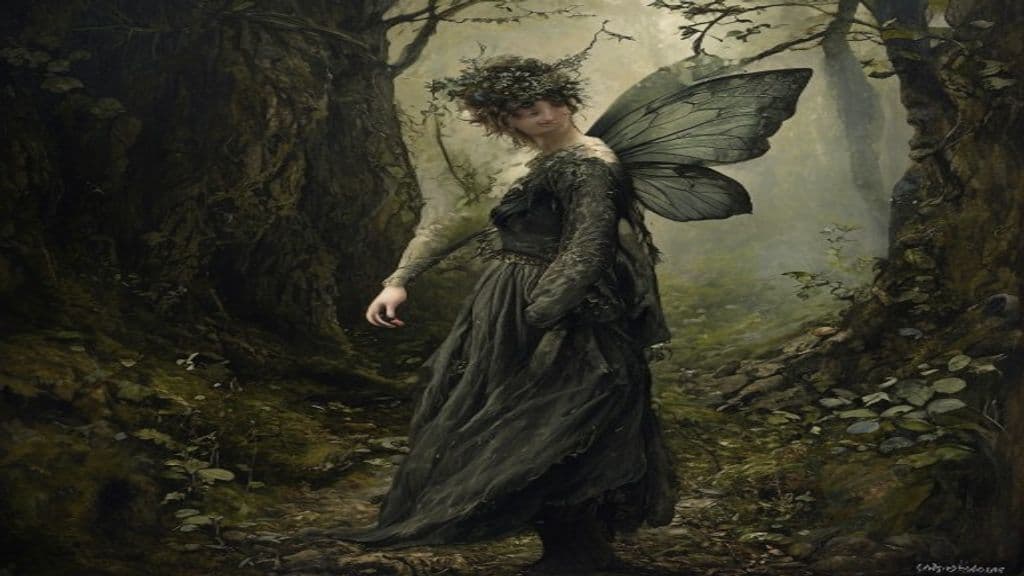
Fairy
Lesser

Fairy

A class of anthropomorphic supernatural beings found across multiple European folk traditions, fairies are magical, liminal entities variously described as spirits, an older race, or enchanted people; their depiction ranges from human-sized to diminutive and their attributes and moral alignment vary by region and period.

Fairy Queen
Greater

Fairy Queen

A female sovereign figure who rules over fairies or fairy courts across diverse folkloric and literary traditions. Depictions range from benevolent and gift-giving to ambivalent or dangerous; she appears both as a local hill-associated ruler in Celtic traditions and as a literary sovereign in Continental and English writings.

Fand
Greater

Fand

Fand is an otherworldly female figure from early Irish tradition associated with the sea and an Otherworld island. In the Ulster Cycle tale Serglige Con Culainn she appears as an enchanted sea-bird and later as an Otherworld woman who both afflicts and heals the hero Cúchulainn; she is portrayed as wife of the sea-lord Manannán in that narrative and as part of a network of sea/Otherworld women in Irish myth.

Far darrig (fear dearg)
Lesser

Far darrig (fear dearg)

A solitary Irish faerie-class trickster traditionally called fear dearg ('Red Man'), the far darrig is noted for practical—and sometimes gruesome—jokes, a reputed connection to changelings and nightmares, and a characteristic red coat and cap. Accounts portray it as an ambivalent domestic/liminal being that can bring good luck if placated but imaginative punishments if offended.

Fetch (folklore)
Lesser

Fetch (folklore)

In the provided sources, the Fetch is described as a doppelgänger or double of a living person in Irish folklore — an apparition corresponding to a particular individual. The available materials supply only this brief definitional statement and do not expand on cosmology, rituals, or narrative roles.

Fiacha Cennfinnán
Lesser

Fiacha Cennfinnán

Fiacha Cennfinnán (modern spelling Fiacha Ceannfhionnán, 'Fiacha of the little white head') is a legendary Fir Bolg figure recorded in medieval Irish regnal lists and annals as a High King of Ireland who overthrew his great‑uncle Sengann, ruled for five years, and was later overthrown and killed by Rinnal, son of Genann.

Fiacha mac Delbaíth
Ancient

Fiacha mac Delbaíth

Fiacha mac Delbaíth is a legendary figure of early Irish tradition presented as a member of the Tuatha Dé Danann who served as a High King of Ireland. Medieval compilations record his accession, a ten-year reign, and his death in battle as part of the narrative sequence of prehistoric rulers.

Fir Bolg
Lesser

Fir Bolg

In medieval Irish myth the Fir Bolg are presented as a people — the fourth group to settle and rule Ireland in the traditional sequence of successive populations; in modern fantasy they have been re‑appropriated as a race of large, forest‑dwelling humanoids (often rendered 'Firbolg') in role‑playing games.

Flidais
Greater

Flidais

Flidais (also Flidas; modern Fliodhas/Fliodhais) is a named female figure in medieval Irish narrative tradition associated with a prodigious herd and exceptional milking; she appears in Ulster-Cycle and related cattle-raid tales as a woman of high status whose favored cow and herd can provision large numbers of people.

Fodbgen
Lesser

Fodbgen

Fodbgen (also Odbgen; modern Irish Foidhbhgen) is a legendary High King of Ireland from the Fir Bolg branch of the Dela. Medieval regnal lists record that he overthrew his cousin Rinnal, ruled for four years, and fell at Magh Muirthemne to Eochaid mac Erc; brief notices associate his reign with an etiological note about knots in trees and an unusual climatic formula.

Fomorians
Ancient

Fomorians

A distinct supernatural race in early Irish myth who function as recurring antagonists to successive settler and divine groups in Ireland. They are frequently associated with hostile, chaotic forces of nature (sea, darkness, blight) and appear in origin‑war narratives as opponents of the Tuatha Dé Danann and earlier settler groups.

Fráech
Lesser

Fráech

Fráech is a Connacht hero of the Ulster Cycle in early Irish narrative tradition, portrayed as a handsome warrior of semi-divine kinship whose adventures include a love-quest, the slaying of a river-monster, otherworldly healing by Sidhe maidens, and long-range cattle-and-family recovery episodes. He is commemorated in place-name lore (Carnd Fraich / Sid Fraich) and appears in prose and metrical sources of medieval Ireland.

Fuath
Lesser

Fuath

Fuath are a class of malevolent, uncanny spirits in Scottish Highland and Irish Gaelic folklore, especially associated with water (streams, mills, lochs) but not confined to it. The term functions both as a label for particular water-spirits in local tales and as a broader category of hostile spectres or goblins in Gaelic tradition.

Fénius Farsaid
Lesser

Fénius Farsaid

Fénius Farsaid is a legendary ancestral king and culture-hero in medieval Irish tradition credited in literary sources with organizing or inventing learned forms of speech and script (notably the Goidelic tongue and Ogham) and placed in the Tower of Babel narrative as an ancestor of the Gaels.

Fódla
Ancient

Fódla

Fódla (also Fótla; modern Fódhla, Fodhla, Fóla) is an Irish tutelary goddess and land-personification of Ireland, one member of the triadic sovereignty figures Ériu, Banba, and Fódla within the Tuatha Dé Danann corpus. She appears in Milesian arrival narratives and in lists of rulers where her name is attached to the land and to queenship functions.

Fúamnach (Fuamnach)
Greater

Fúamnach (Fuamnach)

Fúamnach is a named female member of the Tuatha Dé Danann in the medieval Irish tale Tochmarc Étaíne (The Wooing of Étaín). Presented as Midir's first wife and a learned sorceress fostered to the filidh Bresal Etarlám, she uses transmutative spells and wind-magic in a jealous campaign against Étaín and is ultimately tracked down and beheaded by Aengus (Mac Óc), who also kills her fosterfather.

Gancanagh
Lesser

Gancanagh

A male member of the Irish little people traditionally portrayed as a seductive, fairylike 'love-talker' who courts and harms human women; depicted variously as a leprechaun-like little man and in poetic sources as an incubus-like handsome seducer.

Gann mac Dela
Lesser

Gann mac Dela

Gann mac Dela is a legendary early Irish figure — one of the five sons of Dela of the Fir Bolg — portrayed in medieval pseudo‑historical sources as a founder king who, with his brothers, divided Ireland and briefly served as joint High King. He is presented as a dynastic/ancestral ruler within the Fir Bolg cycle rather than as an independent supernatural being.

Gawain
Minor Spirit

Gawain

Gawain is a human heroic figure of the Arthurian legendary cycle: a knight of King Arthur's Round Table, variously portrayed across medieval Welsh, French, Latin, and English traditions as an exemplar of courtesy and loyalty or, in later cycles, as a morally ambiguous or culpable noble. He functions within courtly, kinship, and martial narrative networks rather than as a supernatural spirit.

Geraint
Minor Spirit

Geraint

Geraint is a personal name borne by overlapping human figures in Welsh and Brittonic tradition: a valiant warrior celebrated in early medieval poetry, the protagonist of the Arthurian romance Geraint and Enid, and a king of Dumnonia attested in a saints' vita. The name links heroic, courtly, and hagiographic registers rather than a supernatural taxonomy.

Geraint son of Erbin
Lesser

Geraint son of Erbin

Geraint son of Erbin (Middle Welsh: Geraint uab Erbin / Geraint mab Erbin) is a medieval Welsh legendary hero celebrated in early Middle Welsh englynion for his deeds at the Battle of Llongborth and later as the protagonist of the prose romance "Geraint and Enid," an adaptation of Chrétien de Troyes' Erec and Enide. He functions in the Welsh literary tradition as a martial exemplar situated in the heroic past rather than as a supernatural being.

Giants of Lier
Lesser

Giants of Lier

A toponymic and historiographic label rather than a documented supernatural being in the supplied sources. The phrase reflects the broader European folkloric practice of attributing large prehistoric megaliths (e.g., hunebedden, 'Giants' graves') to 'giants'; a Wikidata metadata entry links the phrase to Lier (Belgium) but no primary folkloric narratives or ritual practices specific to 'Giants of Lier' are provided in the consulted material.

Glaistig
Lesser

Glaistig

A figure from Scottish folklore variously described as a Green Lady, house/estate spirit, herding guardian or a dangerous female lure. Traditions portray the glaistig as ambivalent—beneficent when respected (protecting cattle, households, or bestowing favors) and harmful when offended (luring men, injuring travellers).

Glewlwyd Gafaelfawr
Lesser

Glewlwyd Gafaelfawr

Glewlwyd Gafaelfawr is a figure in medieval Welsh and Arthurian tradition presented as the chief porter (gatekeeper) of Arthur’s court and a renowned warrior. Sources portray him as a liminal institutional officer who enforces court protocol and as a veteran hero famed for prodigious size, strength, and ferocity rather than as a supernatural being.

Goblin
Lesser

Goblin

A class of small, often grotesque humanoid beings in European folk belief that range from household helpers to tricksters and violent figures. Goblins occupy liminal spaces—hearths, cellars, ruins and wild places—and their behavior toward humans depends on region, story, and reciprocal treatment.

Goewin
Minor Spirit

Goewin

Goewin is a named figure in Welsh mythology appearing in the tale Math fab Mathonwy (one of the Four Branches of the Mabinogi). She serves as the virgin attendant whose duty is to hold the feet of King Math, a condition tied to his life and rule; the narrative of her assault and its redress drives key justice and succession events in the tale.

Gofannon
Greater

Gofannon

Gofannon is a figure in Middle Welsh literature attested as a master metal-worker and named son of the goddess Dôn. He appears in Welsh tale-cycles in roles tied to smithcraft (for example sharpening a plough) and in a narrative incident in which he unknowingly kills his nephew Dylan Ail Don.

Goll mac Morna
Lesser

Goll mac Morna

A human warrior of the Fenian Cycle of Irish mythology, Goll mac Morna (Áed mac Morna / Áed mac Fidga) is an uneasy ally and sometime rival of Fionn mac Cumhail who killed Fionn's father Cumhal, took the leadership of the fianna, and later yielded to Fionn; he appears in episodes of single combat, factional conflict, and etiological place-name tales.

Gormshuil Mhòr na Maighe
Ancient

Gormshuil Mhòr na Maighe

A powerful, Gaelic Scottish woman of supernatural reputation associated with witchcraft and mysterious sea events. (Note: - Power tier: Should be Primordial (cosmic) rather than Ancient (deity-level), given her association with "mysterious sea events" and control over a significant historical event. - Weaknesses: Not men)

Grant
Lesser

Grant

The Grant (also attested as Gyant) is a creature attested in Gervase of Tilbury's Otia Imperialia (medieval Latin) described as a kind of demon resembling a yearling colt that runs through towns as a warning of fire. Later commentators have debated its identification, comparing it to horse-like bogies or suggesting it may reflect a hare omen, but the sole medieval description is equid-like and portentous.

Guinevere
Lesser

Guinevere

Guinevere is a named human royal figure in the Arthurian literary tradition: an early-medieval princess who becomes Queen of Britain as the wife of King Arthur. In medieval and later romance she functions as a central human agent whose relationships (notably with Arthur, Lancelot, and Mordred) and narrative experiences (abduction, adultery, rescue) drive major plot consequences for the kingdom.

Gwenhwyfach
Minor Spirit

Gwenhwyfach

Gwenhwyfach is a figure in medieval Welsh Arthurian tradition, named as a sister and antagonist of Gwenhwyfar (Guinevere). Her surviving attestations are fragmentary: she appears in the tale Culhwch and Olwen and is cited in two Welsh Triads as whose quarrel with her sister precipitated the Strife of Camlann.

Gwragedd Annwn
Lesser

Gwragedd Annwn

In Welsh tradition the Gwragedd Annwn are female Otherworld fairies tied to freshwater—lakes and rivers—counted among the Tylwyth Teg. Depicted as beautiful women (often dressed in green) who live beneath lakes, they herd enchanted white cattle and occasionally cross into the human world.

Gwyllgi
Lesser

Gwyllgi

The 'Dog of Darkness' of Welsh folklore — a monstrous black hound with baleful red or yellow eyes that haunts lonely roads at night, its appearance an omen of death.

Hag
Greater

Hag

A hag is a folkloric figure typically depicted as an old, wizened woman who appears across European traditions in multiple roles: a nightmare spirit, a witch-like or fairy-type being, a river or household monster, or (in some cases) a form adopted by sovereignty or storm goddesses. The figure functions variously as a cautionary monster, an explanation for sleep paralysis and nightmares, and a liminal test-figure in myth.

Harlequin
Lesser

Harlequin

Harlequin is primarily a theatrical stock character (Italian Arlecchino) in commedia dell'arte: a nimble, comic servant and trickster. The theatrical persona derives its name, motifs, and some iconography from medieval Old French folkloric figures called herlequin/hellequin, a masked leader associated with nocturnal processions (the Mesnée d'Hellequin or Wild Hunt).

Hobgoblin
Lesser

Hobgoblin

A household spirit from English folklore that traditionally performs domestic chores for a family in return for simple food but is also prone to practical jokes and mischief; accounts vary regionally and over time, and Christian influence is reported to have shifted popular descriptions toward greater mischief.

Irrwurz (herbe d'égarement)
Lesser

Irrwurz (herbe d'égarement)

A legendary plant in German- and French-speaking folk traditions whose presence, contact, or carriage causes people to lose their sense of direction, retrace steps, or wander aimlessly. Regional variants identify it with different botanicals (fern, special roots, rattlesnake plantain) and sometimes associate it with an inhabiting spirit.

Jack the Giant Killer
Lesser

Jack the Giant Killer

A cycle of Cornish/British folktales about a clever young man named Jack who, during the reign of King Arthur, outwits, ambushes, and kills a number of man- and livestock-eating giants, freeing captives and appropriating wealth. The tales place Jack in an Arthurian, magical landscape populated by giants, sorcerers, enchanted persons, and magical objects.

Jack-o'-lantern
Lesser

Jack-o'-lantern

A jack-o'-lantern refers both to a carved, hollowed vegetable lantern (commonly a pumpkin in North America; historically turnips, mangelwurzels or rutabagas in Britain and Ireland) used at seasonal festivals such as Halloween, and to an older English dialect name for wandering peat-bog lights (ignis fatuus / will-o'-the-wisp). The carved object and the atmospheric phenomenon are related in folk imagination: the older name for ghost-lights helped supply the name and some meanings of the carved lantern used at liminal festivals.

Kelpie
Lesser

Kelpie

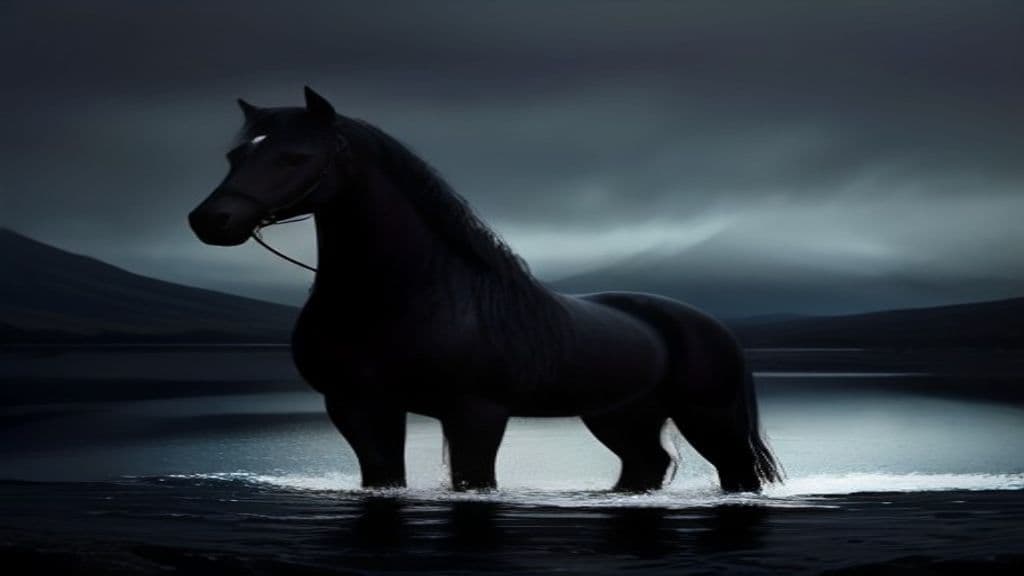
A Scottish shape-shifting water horse that appears as a beautiful tame horse near lochs and rivers, then drowns and devours any rider foolish enough to mount it.