Lesser
Ptireus
Ptireus is listed in the cited source as a deity of Egyptian mythology. The available source provides only this single classificatory label and no additional information about the figure's nature, functions, or cult.
238 documented Egyptian supernatural beings from the Evil Eye grimoire, including 85 ancient and 76 lesser in power tier.
page 4 of 4
Ptireus is listed in the cited source as a deity of Egyptian mythology. The available source provides only this single classificatory label and no additional information about the figure's nature, functions, or cult.

A nocturnal female spirit-figure presented in comparative materials as a harmful attendant or 'demonic double' that afflicts sleepers; attested in fragmentary sources linking Arabic/Coptic folk notions of qarīn/qarīnah (Aqran) with talismanic protections in Upper Egyptian popular practice.

Qebehsenuef is one of the Four Sons of Horus in ancient Egyptian funerary religion, principally represented as a falcon-headed mummiform deity who protects the intestines of the deceased. He appears on canopic jar lids and amulets and functions as part of the mortuary apparatus intended to preserve bodily integrity for the afterlife.

Qebui is an ancient Egyptian deity personifying the north wind. Attested in modern summaries of Egyptian religion, Qebui is identified primarily by his directional role and distinctive iconography.

Qed-Her is described in the cited reference material as an ancient Egyptian minor warrior and gate goddess of the underworld, functioning as a guardian placed at an entrance or threshold within the realm of the dead. The surviving record in the provided sources is minimal and consists chiefly of a brief encyclopedia-style entry and a linked data label.
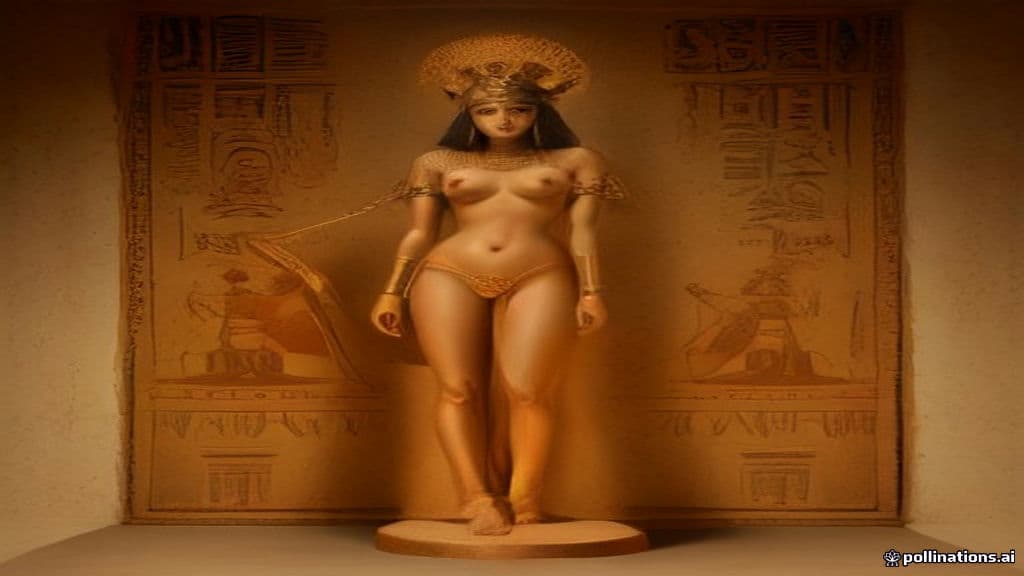
Qetesh is a goddess incorporated into ancient Egyptian religion in the late Bronze Age, attested in Egyptian iconography and inscriptions and bearing a Semitic-derived name (from Q-D-Š). Her epithets and imagery link her to celestial motifs, magic, and major Egyptian gods, while modern scholarship treats her as an Egyptian-developed deity influenced by Canaanite/Syro-Palestinian elements rather than a direct import.

Ra-Horakhty is a syncretic ancient Egyptian deity combining Ra (the principal solar god associated with the noonday sun and rulership) and Horus in his horizon-related aspect. The compound, glossed as "Ra who is Horus of the Two Horizons," expresses the sun's journey across the horizons and the fusion of solar sovereignty with royal/sky symbolism in Egyptian theology.
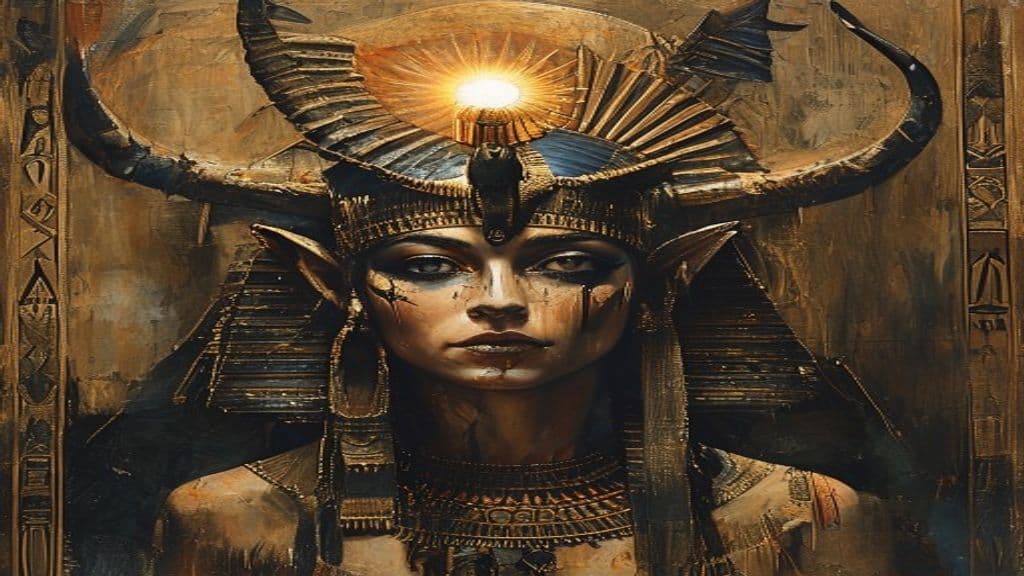
Raet-Tawy (Raet) is the feminine aspect of the Egyptian sun-god Ra, a solar goddess attested from the Old Kingdom onward and venerated in local cults at Medamud, El-Tod and Thebes. She is primarily known as a gendered form of Ra (her name literally meaning the female Ra and Raet of the Two Lands) and appears in triadic temple contexts rather than as a fully independent creator deity.
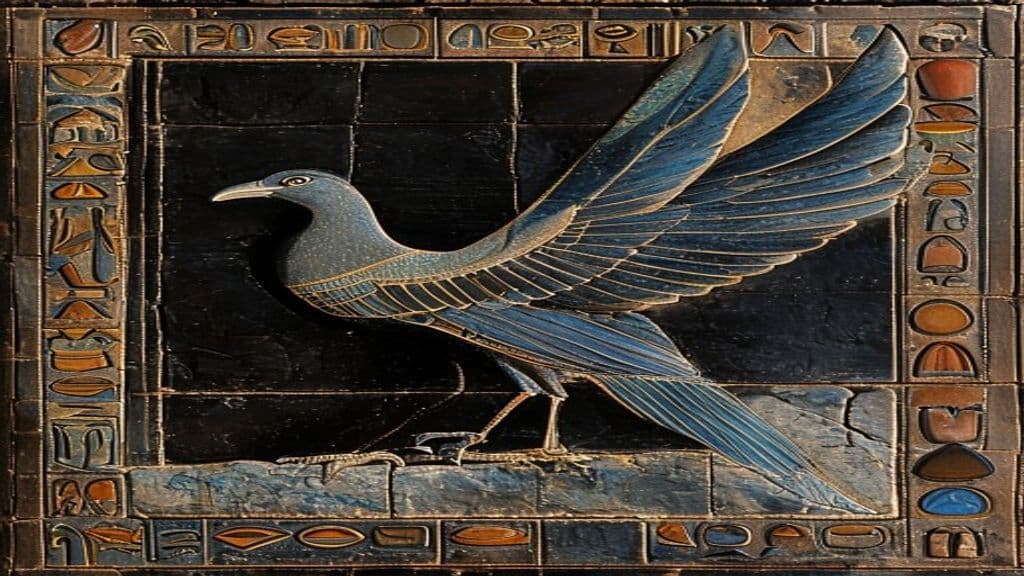
Rekhyt (Ancient Egyptian rḫyt) is a term attested from the Early Dynastic Period referring to a northern people of the Nile Delta and, from the Middle Kingdom onwards, is also attested as a bird-sign and as a deity or personified figure in Egyptian royal and religious iconography.

Rem (also Rem-Rem, Remi, Remi the Weeper) is an Egyptian fish god associated with weeping whose tears are said to fertilize the land, producing vegetation and reptiles; he is described in available sources as the personification of Ra's tears and as resident of a mythic place called Rem-Rem, the 'realm of weeping.'

Renpet is the ancient Egyptian personification of the year: the word renpet ('year') rendered as a female figure who embodies youth, fertility, spring and the cyclical passage of time. Her hieroglyph, often shown as a young woman wearing a palm shoot, appears at the start of regnal‑year formulas and in artistic and documentary contexts; she is sometimes titled 'Mistress of Eternity.'

Renpetneferet (rnpt-nfrt) is a minor divine figure attested in Late Period Egyptian literary and cultic material as a member of the deified household of Imhotep. Her name ties her conceptually to the renpet (the personified year) and to nefer (youth/beauty), placing her within late Hermopolitan associations of time, renewal, and the Ogdoad imagery surrounding Thoth-related syntheses.

Resheph is an ancient Near Eastern deity attested from the third millennium BCE onward and associated primarily with war and plague/fever. He was worshiped across Ebla, Ugarit, Mari, Hurrian and Hittite contexts, adopted into Egyptian religion (ršp/ršpw), and appears in Phoenician/Cypriot inscriptions; in some contexts he is also petitioned as a protective healer.

Sebeg is a name recorded in modern aggregations of ancient Egyptian deities and is, in those modern references, associated with the planet Mercury. Surviving modern records consulted for this entry are minimal and provide no primary ancient textual or archaeological attestations within the supplied sources.

Sedjem (Egyptian sḏm) is the ancient Egyptian personification of the faculty of hearing. Attested in New Kingdom temple inscriptions at Abydos, Sedjem appears as one of a group of named creative powers—alongside Irer, Hu, and Sia—and is recorded serving as a scribe or attendant to the scribal deities Thoth and Seshat.

Sekhmet is an ancient Egyptian lioness-headed goddess who functions as the vengeful 'Eye of Ra', a solar agent of divine punishment, and simultaneously as a powerful healing and protective deity invoked against disease. Her mythology and cult deploy the same ambivalent force for destruction and restoration, with ritual practices developed to both propitiate and emulate her pacification.
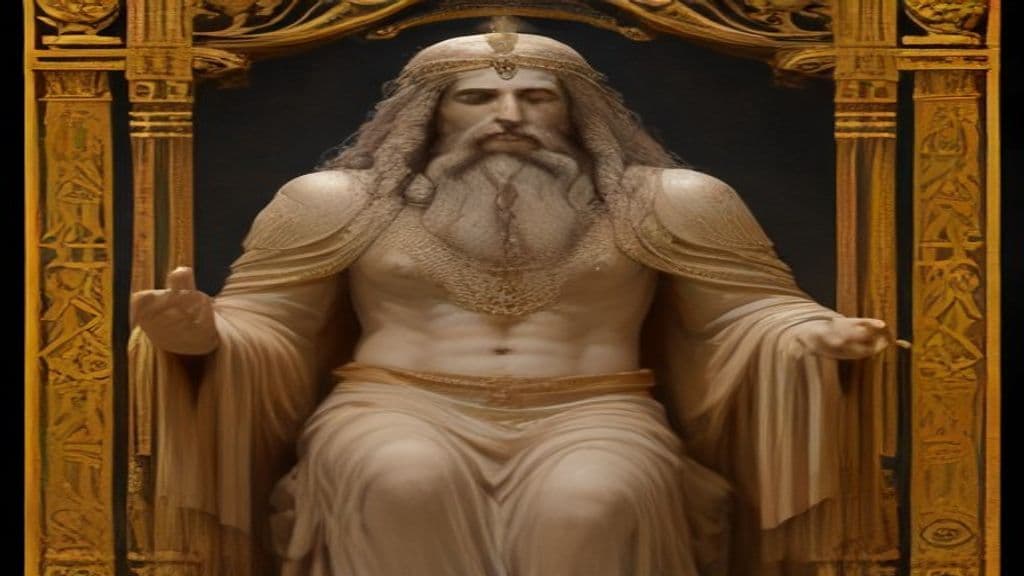
Serapis is a deliberately syncretic Graeco‑Egyptian deity formed from the fusion of the Egyptian Osiris‑Apis cult (Demotic wsjr‑ḥp / Coptic Userhapi) with Greek divine elements. Promoted in the Ptolemaic period as a civic cult figure, Serapis embodied chthonic rulership, healing, protection/asylum, and themes of abundance and resurrection, and his cult spread through the Hellenistic and Roman worlds.

In ancient Egyptian tradition, serpent deities are guardians of gates that the newly deceased soul must pass through on its journey into the next world. (Note: * Power tier: Primordial is too strong; Greater or Ancient would be more fitting for serpent deities associated with gates and not explicitly described as having cosmic power. * Origin story and Appea)

Two distinct traditional personae share the name 'Seth' in the supplied corpus: (1) the Abrahamic Seth, the third son of Adam and Eve and an antediluvian patriarch associated in later traditions with righteous lineage and transmission of knowledge; and (2) the Egyptian god Set/Seth, a powerful deity ritually opposed in the cult of Osiris, for whom a temple rite titled 'The book of the victory over Seth' prescribes the making of a red-wax figure to effect his downfall.
A grouped manifestation of the Egyptian goddess Hathor appearing as seven attendant female deities associated with birth, fate, and the transition of souls. They are attested in temple iconography and literary tales as visitors who foretell a newborn's destiny and appear in liminal contexts between life and death.
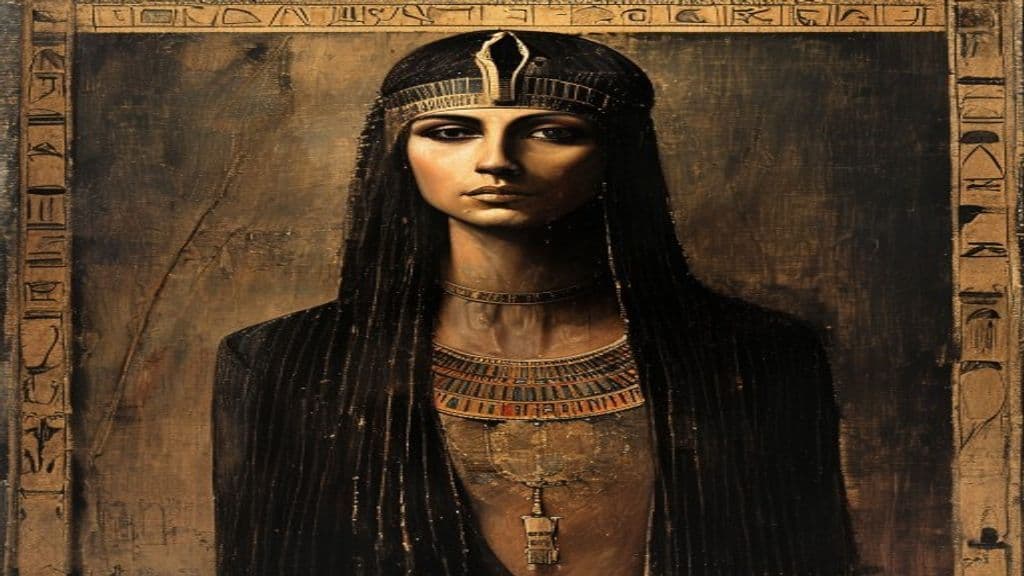
Shai (also Sai, Shay; Greek Psais) is the Egyptian deification of fate, especially the ordained allotment of a person's lifespan. Present from an individual's birth and accompanying them until final judgment before Osiris, Shai functions as a theological principle integrated with birth goddesses, royal titulary, and, in the Hellenistic period, Greco-Egyptian syncretism.

In ancient Egyptian culture, the shen ring is a symbol of eternal protection, associated with Horus and used as a talisman by builders and architects. (Note: 1. Power tier should be Primordial, as it represents eternal protection, which is more in line with cosmic powers. 2. Add sensory cues, weaknesses, and wards based on the source material (none are men)
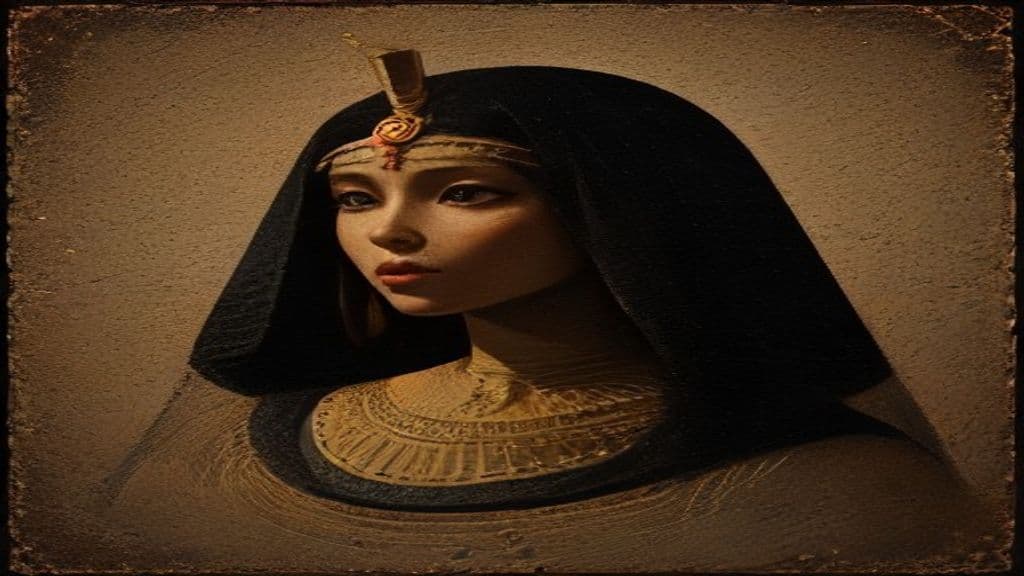
Shentayet is a named, but otherwise obscure, ancient Egyptian deity attested in modern compilations and database entries of Egyptian gods. Available sources supply the name and classify it within the Egyptian pantheon but provide no primary-textual or iconographic documentation of her cult, functions, or attributes.

Shesmetet (šsm.t.t) is an ancient Egyptian leonine goddess attested in the Pyramid Texts, where she is usually referred to as the deceased's mother. Her name derives from shesmet, a beaded sash; one of her epithets is "Lady of Punt."

Shu is a primordial deity of the Heliopolitan Ennead in ancient Egyptian religion, commonly identified with the atmosphere, air, and the space that separates sky and earth. He is portrayed in sources as spouse and brother of the goddess Tefnut and is credited in summaries with roles including separating Nut (sky) from Geb (earth), generating wind, and associations with light, dryness/heat, peace, and lions.
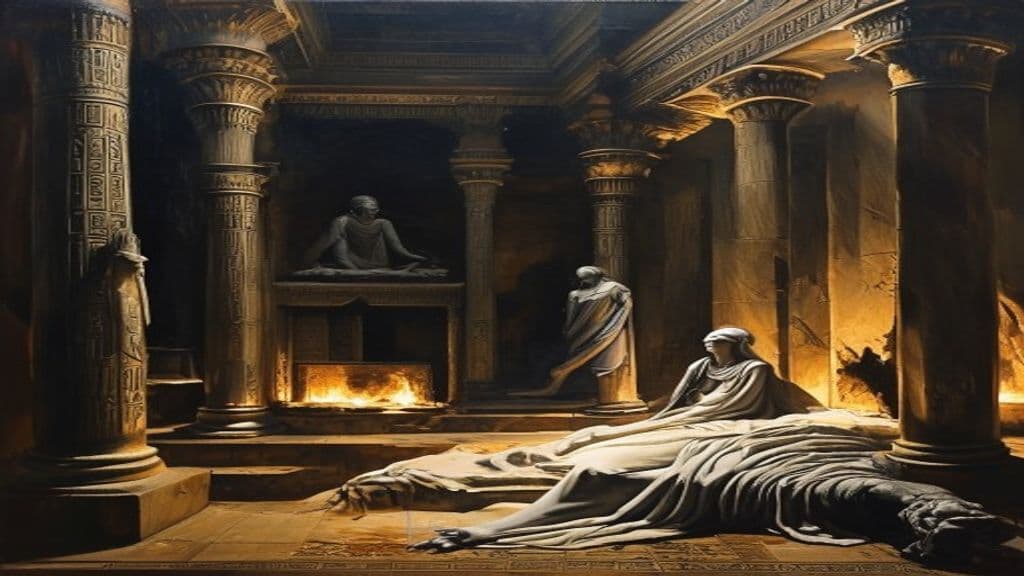
A mystical site in ancient Greek tradition associated with inducing sleep, influenced by Imhotep and Egyptian mysticism. (Note: 1. Power tier should be Lesser (local spirit) instead of Minor Spirit. 2. Add sensory cues and wards based on possible connection to hypnosis (e.g., drowsy atmosphere, trance-inducing melodies). 3. Cl)
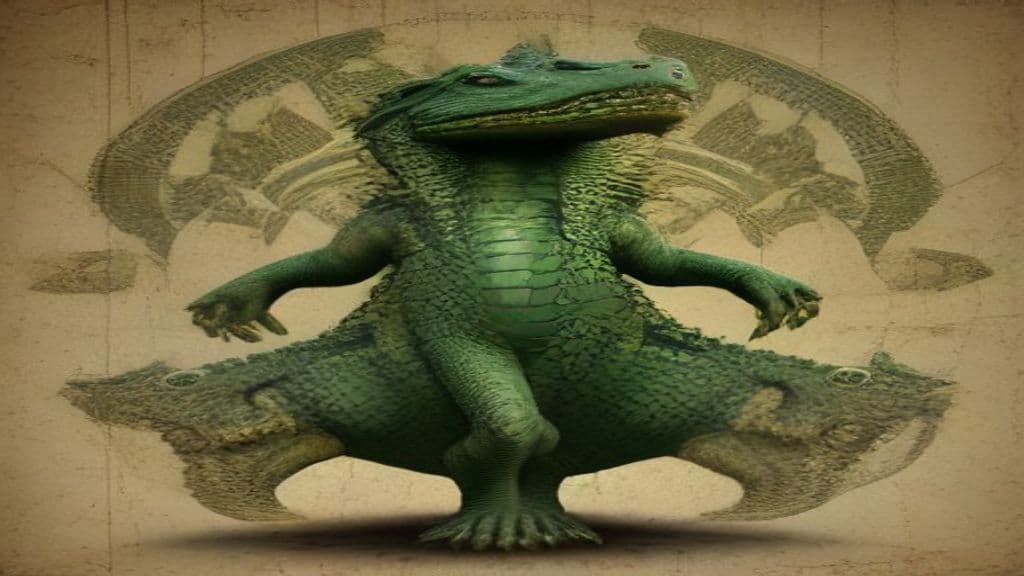
Sobek is an ancient Egyptian crocodile-associated deity whose roles include a fierce animal patron, protector/apotropaic power, royal/fertility god, and participant in Osirian healing myths. He appears from the Old Kingdom through the Roman period with major cult centers in the Faiyum (Shedet/Crocodilopolis) and at Kom Ombo and exists in multiple local manifestations and syncretisms (e.g., with Horus and Ra).

Divine vessel associated with the sun god Ra, carrying him through the sky during his daily journey. (Note: * Power tier should be Ancient (deity-level) since it's associated with the sun god Ra. * Appearance should note that no physical description exists in source material, but also acknowledge that Ra us)

A solar deity is a class of sky-associated divine figures whose identity or aspect is the Sun. Across many traditions the solar deity personifies solar phenomena (light, daily motion, power) and is integrated into myths of cosmology, kingship, and the afterlife.

Sopdet is the ancient Egyptian personification of the star Sirius and a goddess whose roles connect celestial observation, the annual Nile inundation and fertility, and funerary guidance for deceased kings. Over time her identity becomes syncretized with major Egyptian mother and royal deities, especially Isis, and in Greco-Roman contexts she acquires dog-associated imagery.
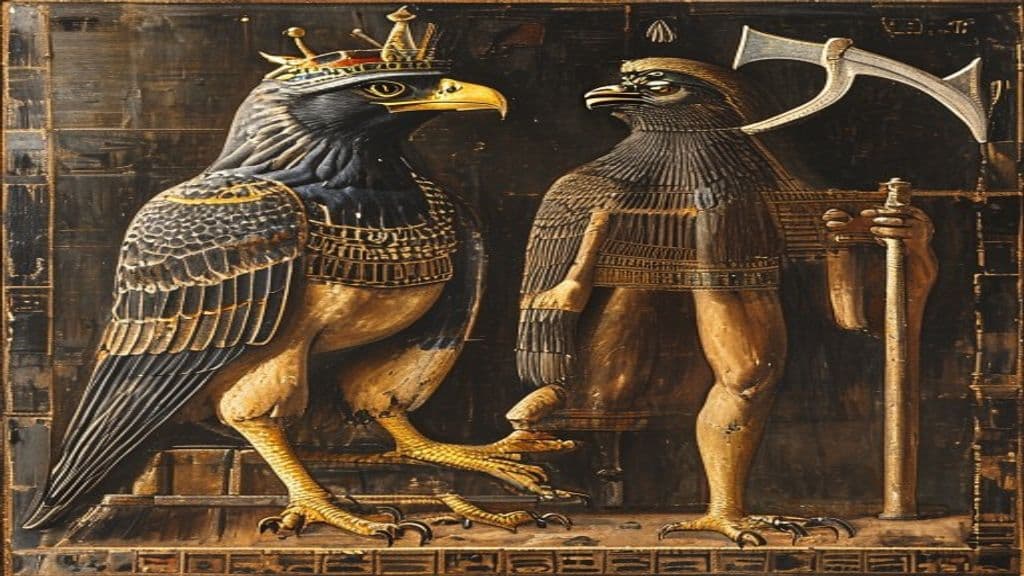
Sopdu is an ancient Egyptian sky and border deity associated with stars (linked to Sah/Orion and Sopdet/Sirius) and with protection of the eastern border regions and frontier installations. He was culted at Per‑Sopdu (the easternmost nome of Lower Egypt) and had shrines at Sinai mining sites; in funerary texts a syncretic Horus‑Sopdu figure is invoked in royal protective contexts.

An ancient Egyptian funerary text that guides and protects the deceased in their transition into the afterlife, warding against negative entities or influences. (Note: 1. Power tier should be Ancient (deity-level) rather than Primordial (cosmic). 2. No information provided about abilities, sensory cues, weaknesses, or wards in the source material. 3. The source ment)

A composite mythical figure with a human head and a lion's body known from Egyptian monumental guardianship and a distinct Greek monster tradition that riddles and kills those who fail to answer. In Egyptian contexts it functions as a benevolent royal and solar emblem carved as statuary; in Greek myth it is an animate, treacherous tester of humans.

Tasenetnofret is attested in the supplied materials only as an Egyptian goddess (Wikidata Q7327040). The provided sources give no further information about her functions, iconography, cult, or myths.

Tatenen is a Memphite primeval chthonic deity who personifies the risen land (the primordial mound) and the Nile silt from which plants, minerals, and sustenance emerge. Portrayed as an androgynous creator and nourisher, he is integrated into Memphite theology through syncretism with Ptah and identification with other creator gods such as Khnum.

Taweret is an ancient Egyptian household protectress associated primarily with childbirth, fertility, and domestic protection. Depicted in composite hippopotamus-derived form, she appears on amulets, birth wands, and funerary objects and is invoked as a pacificatory maternal figure aiding both living birth and symbolic rebirth.

Tayt (also Tait, Tayet, Taytet) is an ancient Egyptian goddess who functions as the divine patron of textiles and weaving and, by extension, of the linen used in mummification and funerary rites. She appears in Pyramid Texts and the Book of Caverns as a protective, motherly figure who provides ritual linen, wraps bandages on dead kings, and greets deities in underworld narratives.

Tefnut is an ancient Egyptian goddess of moisture (moist air, dew, and rain), a leonine and solar-associated member of the Heliopolitan Ennead. She is a primordial offspring of the creator (Atum/Ra), twin and consort of Shu, and mother of Nut and Geb, functioning both as a life-giving moisture deity and as one of the leonine 'Eye of Ra' goddesses who can assume a fiery protective or wrathful aspect.

Tenem (plural Tenemu) is a sparsely attested name attested in a modern Henadology compilation as a precosmic Egyptian divine figure paired with a feminine counterpart (Tenemuit/Tenemit). Available excerpts portray Tenem as associated conceptually with a precosmic or 'gloom' state but provide no primary-text attestation, iconography, or ritual material in the supplied sources.

Tenemu (tnmw) is primarily attested in Egyptian lexical material as a word for beer. In modern reconstructive theology (Henadology) the name Tenem/Tenemu (and a proposed consort Tenemuit/Tenemyt) has been used as a label for a precosmic principle associated with primordial gloom or the primeval watery state; this divine role is a modern interpretive reconstruction rather than a strongly attested ancient cultic profile.

An ancient Egyptian literary work celebrating the Faiyum region and its patron deity, Sobek. (Note: - Power tier should be Lesser (since it's a written work with no supernatural powers). - Sensory cues, weaknesses, and wards need to be removed since they are not mentioned in the source material. - S)

A group of nine deities in Egyptian mythology, representing a complex web of relationships and generations within the divine family, worshipped at Heliopolis. (Note: - Power tier should be Ancient (deity-level) rather than Primordial (cosmic), as the Ennead consists of deities with specific powers and attributes. - The article should specify that Horus is not alwa)

A vital natural phenomenon in Ancient Egypt, essential for agriculture and seen as a divine act bringing fertility to the land. (Note: - Power tier should be Ancient (deity-level), not Primordial (cosmic). - Summary is accurate, but lacks mention of its impact on agriculture and fertility. - There is no origin story or appearance inf)
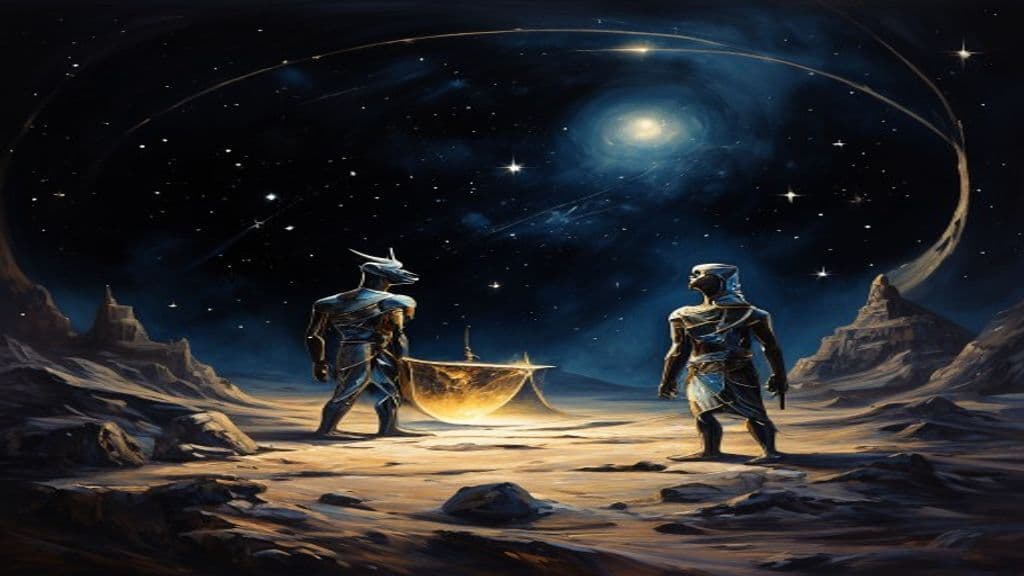
In ancient Egyptian culture, The Indestructibles refer to two bright stars, Kochab and Mizar, associated with eternity and the afterlife. (Note: - The power tier should be Primordial. - Appearance: correct, but note that Kochab is actually located in Ursa Minor, not the "bowl of Ursa Minor", which seems to refer to the Little Dipper. Mizar is )

A significant cultural and administrative center in ancient Egyptian history, mentioned as the capital city of pre-unification Upper Egypt. (Note: - Power tier should be Primordial, not Greater, since it's a significant cultural and administrative center and its decline is tied to pharaonic unification. - Abilities should be stated as "No record)
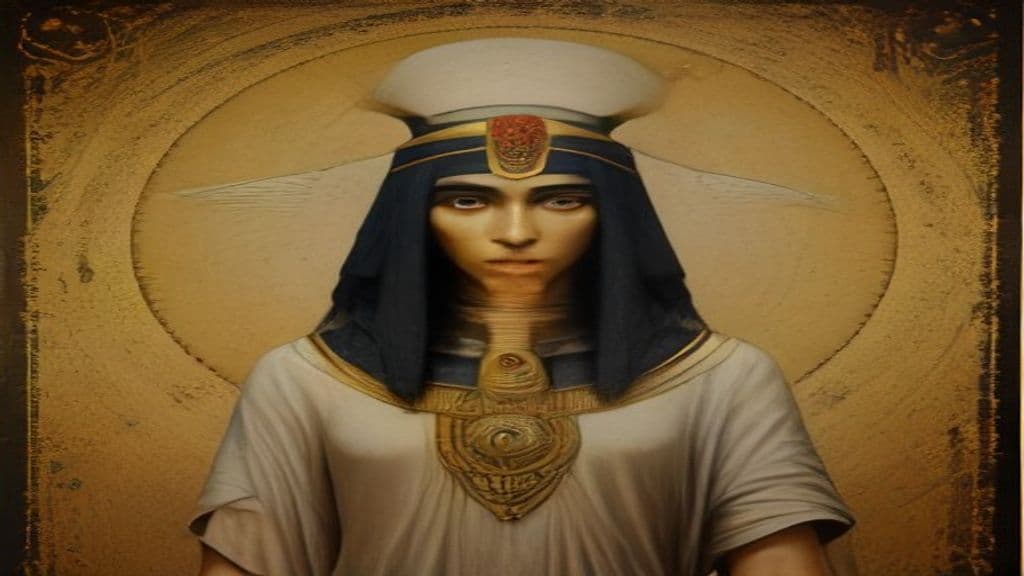
Thoth is an ancient Egyptian deity of the Moon, wisdom, writing, measurement, and magic, functioning as divine scribe, counsellor, and maintainer of Ma'at; he appears in myth as inventor/author of knowledge and as a recorder in funerary judgment and cosmic calculation.
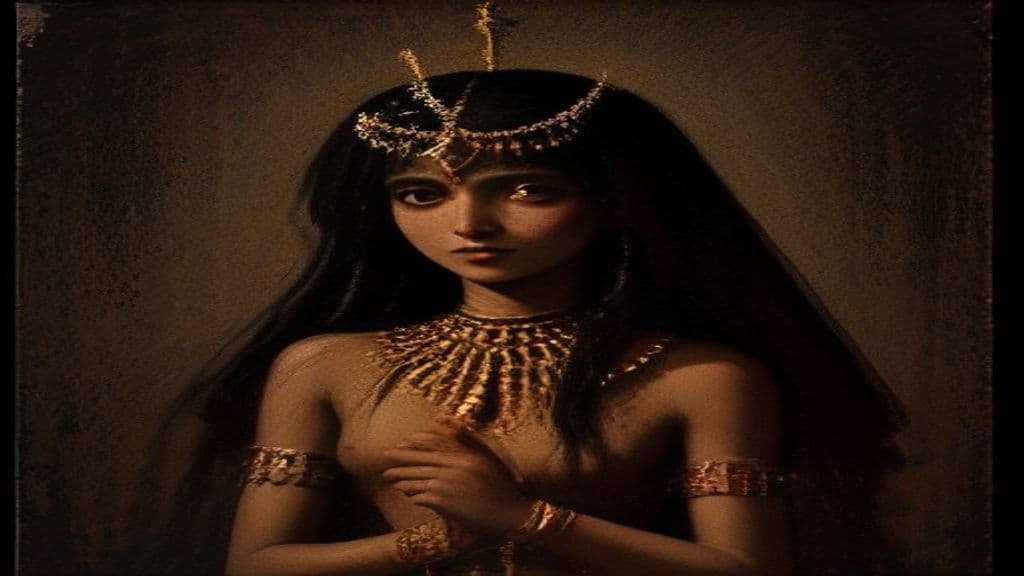
Tutu is attested as a theonym in multiple ancient Near Eastern contexts. Wikipedia lists Tutu as an Egyptian god 'during the Late Period' and separately as a Mesopotamian god described as a 'creation god'. The sources available for this entry are disambiguation-level and provide no further doctrinal, ritual, or iconographic detail.

In ancient Egyptian tradition, the Two Ladies refer to the goddesses Wadjet and Nekhbet as national symbols of unified Egypt. (Note: - Power tier should be Ancient (not Greater), since the article describes them as "protectors" which aligns with deity-level powers. - Abilities should include specific references to their roles as pa)

Egyptian symbol associated with the goddess Isis, representing her powers and attributes. (Note: - Power tier: Primordial is not supported by source material (no evidence suggests Tyet has primordial powers or abilities). - Abilities: Add that Tyet is often associated with Isis' protective and nu)
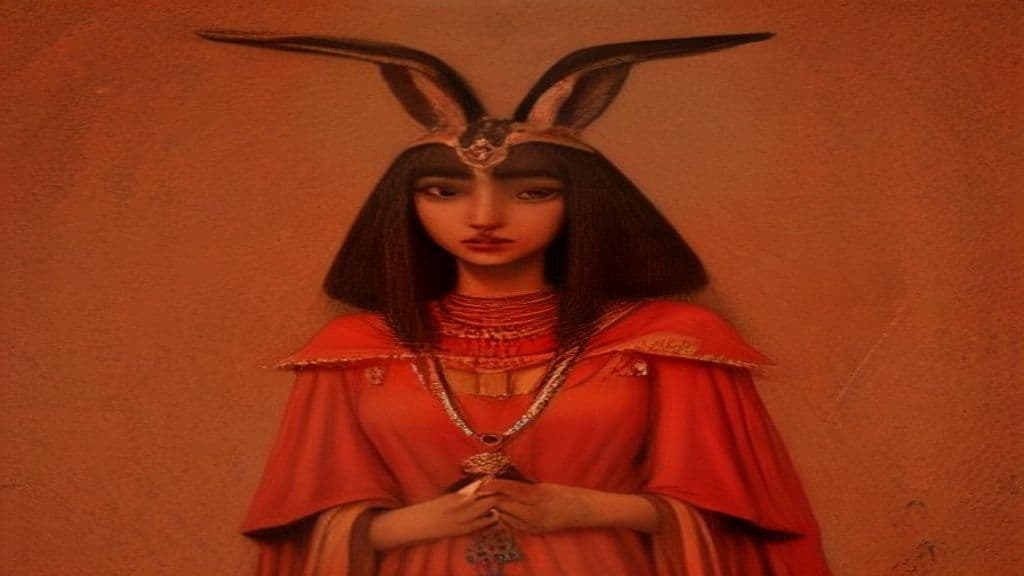
Unut (also Wenut, Wenet, Un) is an ancient Egyptian goddess originally attested in snake form and later depicted as a woman with the head of a hare (the desert or Cape hare, Lepus capensis). She is a local fertility and new-birth deity from the Hare nome (Wenet) whose cult was centered at Hermopolis (Wenu) and later was incorporated into wider cultic networks including those of Horus and Ra.

Wadj-wer is an ancient Egyptian deity-personification of large northern waters called the "great green," associated with fertility and the productive richness of the Nile Delta. Modern descriptions often equate him with the Mediterranean Sea, while primary evidence and some scholarly readings emphasize lagoons and lakes of the northernmost Delta; his earliest attestation is on a 5th Dynasty mortuary temple of Sahure.

Wadjet is an ancient Egyptian local goddess of Dep/Buto (Per-Wadjet) in the Nile Delta who became the patron and protector of Lower Egypt and, alongside Nekhbet, a joint protector of united Egypt. She appears as a cobra (uraeus), the 'Eye' (Wedjat-eye), and as a nursing maternal figure for kings; she served protective, royal, oracular, and cultic functions in Pharaonic religion.

Weneg, attested as Weneg or Weneg-Nebty, is the throne name of an early Egyptian king conventionally placed in the Second Dynasty. Scholarly sources identify Weneg as a historical/rulerial name, but specifics of his reign length and exact identification with archaeologically attested Horus-named kings remain unclear.
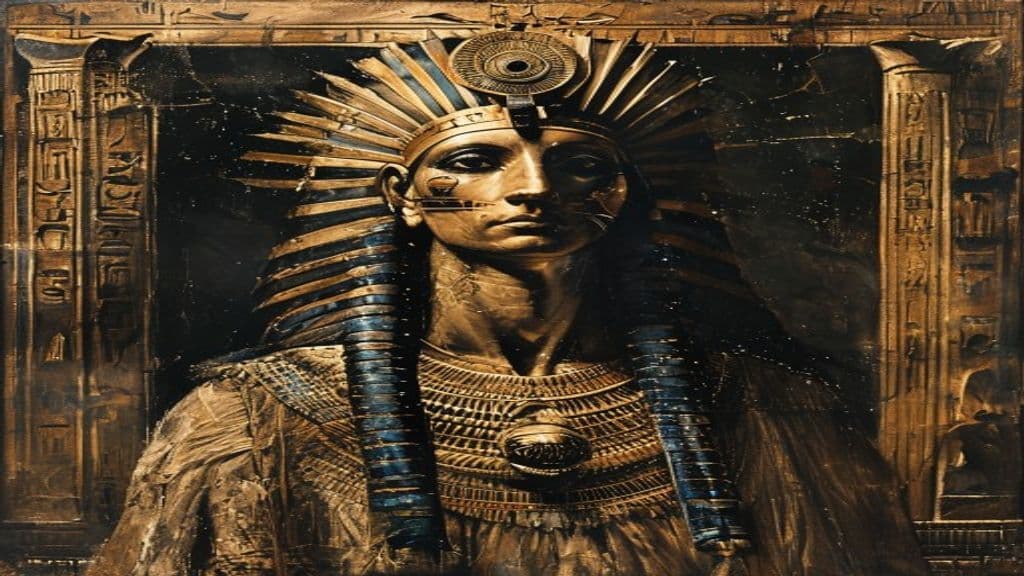
Wepset (wps.t, "she who burns") is an ancient Egyptian goddess who personifies the royal uraeus cobra and functions as one of the Eyes of Ra. She appears in funerary literature (the Coffin Texts) as "the Eye" and in New Kingdom texts is said to destroy the enemies of Osiris; in the Greek and Roman periods she is also depicted in anthropomorphic composite forms.
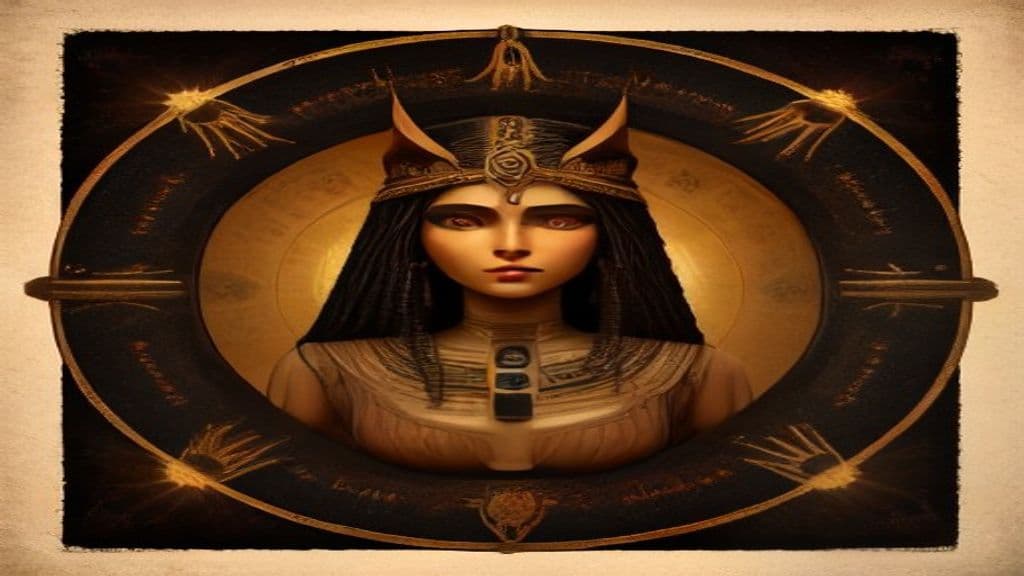
Werethekau (Egyptian wrt-ḥk3w) is the personification of magical efficacy and protective potency in ancient Egyptian religion. She functions both as a goddess in some contexts and as an epithet applied to major goddesses and objects (crowns, funerary weapons, household charms) to endow them with safeguarding power.

Wosret (also Waset or Wosyet) is an ancient Egyptian city-goddess of Thebes whose name means "the powerful female one." She is a minor Theban deity attested primarily through royal titulary (e.g., Senwosret/Senusret) and occasional iconography that links her to the Was sceptre and martial accoutrements. Sources describe her as an early consort of Amun and later associated or conflated with Mut, though the relationship is ambiguous in the surviving record.

Zakar-Baal is attested in modern scholarship as a named actor in Late Bronze Age Near Eastern diplomatic and exchange contexts. The name appears in discussions (notably by Mario Liverani) that use Zakar-Baal alongside Un-Amón to examine whether inter-polity transfers were ceremonial gifts or commercial transactions.

A Greco-Roman syncretic identification of the Egyptian deity Amun/Ammon with the Greek chief god Zeus, centered on Amun's oracle at the Siwa Oasis and used in Hellenistic and Roman contexts for religious, political, and iconographic purposes.