Egyptian Supernatural Beings

238 documented Egyptian supernatural beings from the Evil Eye grimoire, including 85 ancient and 76 lesser in power tier.

page 1 of 4

Aani
Lesser

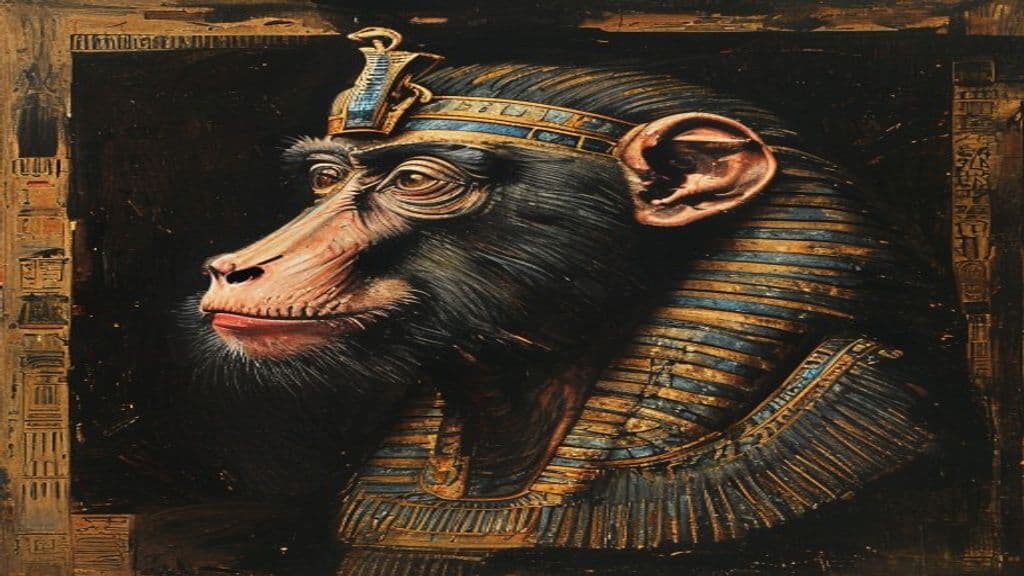
Aani

Aani (ancient Egyptian jꜥnr) is the lexical term for the baboon in ancient Egyptian language and functions in religious contexts as an animal icon and theophoric epithet. Attested repeatedly in Egyptian texts and images, the baboon image is used to represent or denote aspects of gods such as Thoth, Hapy, Khonsu, and Osiris rather than implying the animal itself is an independent deity.
Aati
Lesser

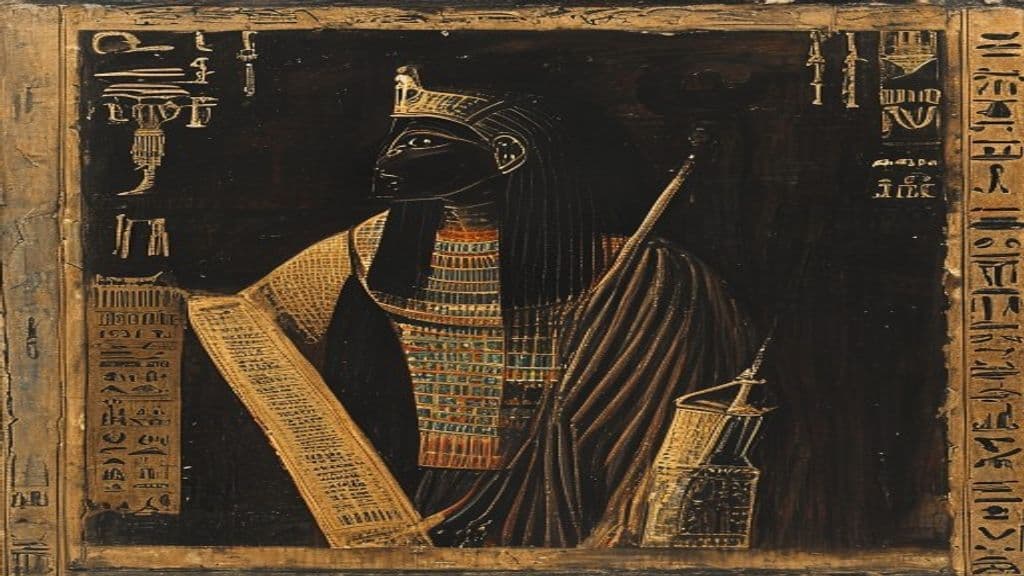
Aati

Aati (also rendered Ati) is one of the 42 judges of the dead in ancient Egyptian funerary literature, attested in the Book of the Dead tradition (notably the Papyrus of Nebsemy). Described as originating 'from Heliopolis', Aati's documented function is to question the deceased about a specific moral accusation during the Duat judgment; the funerary texts supply a formulaic denial the soul must recite.

Abadiu of Antinoe
Lesser

Abadiu of Antinoe

Abadiu of Antinoe was a fourth‑century bishop of Antinoe (Antinoopolis, in Roman Egypt) commemorated as a martyr and saint in the Coptic Orthodox Church, with a feast day on 26 December. Sources record that he was killed during a theological dispute with Arian opponents and reference him in collections of Egyptian martyrs.

Abaset
Lesser

Abaset

Abaset is a localized ancient Egyptian goddess attested in tomb decoration at El‑Bawiti in the Bahariya Oasis during the 26th Dynasty. She is depicted anthropomorphically with a hedgehog motif incorporated into her headdress and appears on the walls of Qarat Qasr Salim, including twice in the Tomb of Bannentiu. No cult texts, myth narratives, or ritual prescriptions for her are recorded in the cited corpus.

Abib and Apollo
Ancient

Abib and Apollo

Abib and Apollo are Christian ascetics and hagiographic saints of Akhmim (Upper Egypt) attested in Coptic sources and the Historia Monachorum. Remembered for extreme asceticism, monastic leadership, angelic encounters, and inclusion in the Coptic Synaxarion (feast day November 4).

Abyzou
Lesser

Abyzou

Abyzou is a female malignant supernatural figure in Near Eastern and medieval European magico-medical and demonological traditions, blamed especially for miscarriages, stillbirths, and infant mortality. She appears in literary sources (notably the Testament of Solomon) and on Byzantine and medieval amulets where her flight or subjugation is commanded by names, images, and saints/archangels.

Abāmūn of Tarnūt
Lesser

Abāmūn of Tarnūt

A fourth‑century Coptic Christian presented in later hagiography as a martyr from the city of Tarnūt (Therenuti). Known primarily from a single late medieval Synaxarion notice, he is commemorated liturgically for his voluntary confession and violent martyrdom.

Adder Stone (Egyptian Tradition)
None

Adder Stone (Egyptian Tradition)

A type of stone with specific physical characteristics, typically glassy and containing a naturally occurring hole, primarily made of flint. Not considered supernatural in Egyptian tradition. (Note: - Remove "primarily made of flint" from Appearance section, as it is not a characteristic unique to Adder stones. - Power tier should be "None" based on the source material, but clarify that this refe)

Adim (Egyptian Mythology)
Ancient

Adim (Egyptian Mythology)

In Egyptian mythology, Adim is a king and son of Budasheer who appears after the Great Flood. He has problem-solving skills and consults with his father's ghost for guidance. (Note: 1. The power tier should be Lesser (local spirit) as Adim is described as a king of Egypt, but not as having deity-level abilities. 2. Add sensory cues such as "consulting his father's ghost" and poss)

Agathos Daimon (Agathodaemon)
Lesser

Agathos Daimon (Agathodaemon)

A beneficent household and civic daemon attested in classical Greek and Graeco‑Egyptian religion. In domestic Greece it is a household spirit honored with post‑meal libations; in Ptolemaic Alexandria it appears prominently in serpentine civic and household forms and is syncretised with various Egyptian protective and fate deities in late antiquity.

Ahmed al-Badawī
Lesser

Ahmed al-Badawī

Ahmed al-Badawī (Aḥmad al-Badawī, al-Sayyid al-Badawī) was a 13th-century Arab Sufi mystic and founder of the Badawiyyah order. Born in Fes to a Bedouin tribe and later settled in Tanta, Egypt, his tomb remains a major site of visitation and he is regarded as one of the most popular Sufi saints in Egypt (sources emphasize his historical sainthood and pilgrimage cult rather than detailed folkloric attributes).

Ahmose‑Nefertari
Ancient

Ahmose‑Nefertari

Ahmose‑Nefertari was an 18th‑Dynasty Egyptian queen who, after her death, received institutionalized cult worship and was venerated in the Theban necropolis and Deir el‑Medina. Sources present her both as a historically attested royal (great royal wife and king's mother) and as a deified figure given epithets such as 'Goddess of Resurrection', 'Mistress of the Sky', and 'Lady of the West'.

Aker
Ancient

Aker

Aker is an ancient Egyptian personification of the horizon and an earth and underworld deity who is described in surviving summaries as guardian of the eastern (Bakhu) and western (Manu) horizons, marking liminal boundaries between day and night and between the living world and the netherworld.

Akh (Ancient Egyptian Conception of the Soul)
Primordial

Akh (Ancient Egyptian Conception of the Soul)

In Ancient Egyptian tradition, the Akh is one of several components making up the complex soul entity that continues to exist after death. (Note: * Power tier should be Ancient (deity-level) instead of Primordial * Abilities: specify how the Akh's immortality is achieved through rituals (e.g., "through rituals performed by priests during funera)

Akhekh
Lesser

Akhekh

The Akhekh (also Akhekhu/Akekhu) is a composite legendary creature from ancient Egyptian myth and art, associated with the god Set and with liminal domains of darkness, the western desert, chaos, and water. It appears in texts and iconography in variable forms — from serpentine/dragon-like to winged antelope or griffin-like hybrids — and functions as a chthonic, martial, and portentous figure rather than a fully specified ritual agent in the surviving excerpts.

Akhty
Lesser

Akhty

Akhty (also read Netjer-akhty) is an ancient Egyptian deity identified with the northern bald ibis and linked to the akh (the transfigured, luminous human spirit). Attested from early 2nd dynasty inscriptions and in Old Kingdom personal names and priestly titles, Akhty was associated with the evening horizon and believed to guide the setting sun and carry the deceased's spirit into the night sky.

Am-heh
Lesser

Am-heh

Am-heh is an Egyptian underworld deity described in modern summaries as a terrifying devourer who dwells in a lake of fire and threatens beings in the netherworld. He is portrayed in sources as a minor underworld god sometimes correlated with the devourer-figure Ammit and is said in one account to be repelled only by the god Atum.

Amaunet (Amunet)
Primordial

Amaunet (Amunet)

Amaunet (also spelled Amunet, Amonet) is a primordial female deity of ancient Egyptian religion, attested from early religious texts and represented as the feminine counterpart and consort of the god Amun. She is presented in sources as a pre-creation or primeval principle associated with hiddenness; Thebes is recorded as a principal center of her cult into the late dynastic and Ptolemaic periods.

Amenhotep I (tradition)
Greater

Amenhotep I (tradition)

Amenhotep I was a historical pharaoh of Egypt's Eighteenth Dynasty who, after his death, was deified and venerated locally as a patron figure of the Theban necropolis and the artisan community of Deir el-Medina. In later funerary contexts his image appears among protective iconography on coffins and in temple decoration, functioning as a local funerary patron rather than a volatile supernatural aggressor.

Amenhotep, son of Hapu
Lesser

Amenhotep, son of Hapu

Amenhotep, son of Hapu was a historically attested 18th‑Dynasty official who was posthumously venerated and integrated into Egyptian temple cult as a deified, local healing intercessor. His cult appears in Thebes and resurges in the Ptolemaic period, represented in votive reliefs, chapels, and statues.

Ammit
Lesser

Ammit

Ammit is an ancient Egyptian funerary guardian-demon of the Duat who stands at the Hall of Two Truths during the weighing of the heart. Feared and not worshipped, she awaits the verdict and consumes hearts judged impure, thereby preventing the deceased from joining the blessed dead.

Ammut
Ancient

Ammut

Ammut is an ancient Egyptian chimeric creature associated with the Judgment of the Dead; traditionally described as a composite of lion, hippopotamus, and crocodile, she is said to consume the souls or the symbolic heart of those judged unworthy, preventing admission to the afterlife. Modern artistic and speculative retellings recast Ammut as a large scavenging semi‑aquatic animal whose corpse‑consuming habits inspired funerary beliefs.

Amset (Imsety)
Ancient

Amset (Imsety)

Amset (Egyptian Imsety) is one of the four sons of Horus in ancient Egyptian mortuary religion, a named funerary guardian commonly associated with protection of the liver and represented as the human-headed canopic-jar lid in mummification and afterlife iconography.

Amu-Aa
Lesser

Amu-Aa

Amu-Aa is an ancient Egyptian funerary deity attested in the Amduat tradition as one of the gods who accompanies Osiris during the second hour of the night. Sources record a consumptive role in which Amu-Aa takes provisions from the nocturnal barque, but provide no extended biography or iconography.

Amun
Ancient

Amun

Amun is a major ancient Egyptian deity whose name (imn) means 'the hidden one.' Originating as a local Theban tutelary god, he rose to national prominence and was syncretized with the sun‑god Ra (Amun‑Ra), becoming a transcendent, self‑created creator and king of the gods closely tied to royal legitimation and personal petitionary religion.

Amun-Re
Ancient

Amun-Re

Amun-Re is a major ancient Egyptian state deity formed by syncretism of Amun with the sun-god Re. Attested from the Old Kingdom and rising to prominence as the patron god of Thebes by the 11th Dynasty, Amun-Re is closely tied to pharaonic kingship, temple cult, and oracular activity (notably at Siwa).

Amunet
Primordial

Amunet

Amunet (jmnt) is a primordial Egyptian goddess originally one of the female members of the Ogdoad of Hermopolis whose name means ‘The Hidden One.’ In later Theban religion she became a localized consort and cult companion of Amun, serving protective and liturgical roles in royal coronation, Sed festivals, temple liturgies, and funerary invocations.

Anak
Lesser

Anak

Anak is a Hebrew Biblical eponymic ancestor associated with the Anakim, a clan or group remembered in Israelite tradition as unusually large and formidable inhabitants of the hill country around Hebron. In biblical narratives the Anakim are rhetorically linked to older mythic categories (Nephilim, Rephaim) but function primarily as remembered pre-Israelite people rather than a ritualized supernatural species.

Anakim
Lesser

Anakim

In Hebrew Bible tradition the Anakim (עֲנָקִים, 'sons/descendants of Anak') are an ancestral people remembered for extraordinary size and a fearsome appearance. Presented as inhabitants of the southern hill country of Canaan who opposed Israelite settlement, they are narrated as a martial/territorial population rather than as supernatural beings; biblical and later sources compare or associate them with other ancient 'giant' categories (Nephilim, Rephaim) and note possible non‑biblical echoes (Egyptian Execration texts' ly Anaq).

Anchinoe
Lesser

Anchinoe

Anchinoe (also Achiroë, Anchirrhoë, Ankhinoe) is presented in Greek mythographic sources as a Naiad — a freshwater nymph — identified in some accounts as a daughter of the river-god Nilus and as the wife of King Belus of Egypt, mother of Aegyptus and Danaus. Attestations are genealogical; no independent cult, iconography, or specific deeds are recorded in the surveyed sources.

Anchiroe
Lesser

Anchiroe

Anchiroe (also rendered Achiroë, Anchirrhoë, or Anchinoë) is a figure in Greek myth described as a daughter of the river-god Nilus and the wife of the Egyptian king Belus; she is presented as the mother of Aegyptus and Danaus and, in some accounts, of Cepheus and Phineus. The sources treat her as a genealogical/maternal ancestor rather than an active supernatural agent.

Ancient Egyptian corkscrew-horned sheep
Minor Spirit

Ancient Egyptian corkscrew-horned sheep

An extinct ovicaprine form identified in modern scholarship as Ovis longipes palaeoaegyptiacus and depicted in early pharaonic art; its distinctive loosely spiralling horns were adopted as the horn-type for several ram-headed Egyptian deities and persisted in iconography after the animal vanished from the record.

Ancient Egyptian deities (nṯr / nṯrt)
Ancient

Ancient Egyptian deities (nṯr / nṯrt)

In ancient Egyptian religion the beings called nṯr (masculine) and nṯrt (feminine) encompass a wide, fluid range of gods and divine figures — from state-level creators like Ra and Amun to local personifications, animal-headed figures, and certain deceased humans elevated by ritual. Deities embody natural forces, maintain cosmic order (maat), and are engaged through temple cults and ritual performance.

Andjety
Ancient

Andjety

Andjety is an ancient Egyptian regional deity of the ninth nome (Andjet/Busiris) associated with kingship, funerary renewal, and local underworld functions; he appears in Pyramid and Coffin Texts and is often syncretized with Osiris in temple imagery and royal ritual.

Anhur (Onuris)
Lesser

Anhur (Onuris)

Anhur, also called Onuris, is an Ancient Egyptian war god worshipped especially at Abydos and Thinis. His name is glossed as "(one who) leads back the distant one," reflecting a myth in which he brings his consort Mehit from Nubia; he appears in Egyptian inscriptional and decorative programs such as polychrome inlays from Ashmunein (Hermopolis).

Anit
Minor Spirit

Anit

The string "Anit" appears in the consulted sources as a modern personal name, acronym/technical term, and occasional orthographic variant; the dataset contains no coherent folkloric entity named "Anit." The only mythic figure in the corpus with a vaguely similar spelling is the Egyptian minor goddess Iunit (also spelled Iunet), 'She of Armant,' consort of Montu — an identification with "Anit" is uncertain in the sources.

Ankh
Primordial

Ankh

A symbol representing life in ancient Egyptian cosmology, often associated with eternal life and resurrection. (Note: - Power tier should be Ancient (not Primordial), as it's a symbol representing concepts in ancient Egyptian cosmology. - Abilities description is too vague; consider specifying how the Ankh affects or)

Ankh-ef-en-Khonsu i
Lesser

Ankh-ef-en-Khonsu i

Ankh-ef-en-Khonsu i (Egyptian: ꜥnḫ-f-n-ḫnsw) was a historical Theban priest of the god Montu who lived in the late Third Intermediate to early Late Period (late 25th–early 26th Dynasty, c. 725 BCE). He is chiefly known as the dedicant of a painted wooden offering stele (Cairo A 9422, formerly Bulaq 666) made to guarantee his continued existence in the netherworld. In modern esoteric reception his name and stele were reinterpreted and adopted by Thelemic authors such as Aleister Crowley as a magical signature and symbol (the so-called "Stele of Revealing").

Anput
Greater

Anput

Anput (jnpwt) is an ancient Egyptian goddess associated with funerary rites, mummification, and protection of the dead. She is attested in the Pyramid Texts and in Egyptian onomastics as the feminine counterpart/consort of Anubis and as a local goddess of the seventeenth nome of Upper Egypt.

Antaios / Antaeus (tradition)
Lesser

Antaios / Antaeus (tradition)

Antaios (Greek Antaeus; Berber Anti) is a polyvalent name attested as (a) a mythic Berber/Greek figure famed for his wrestling encounter and defeat by Heracles, (b) a Hellenized rendering of an obscure archaic Egyptian deity called Antiwy/Antwey often depicted as paired falcons in early iconography, and (c) a modern German cultural magazine and publisher imprint; the provided sources treat these as distinct referents that share a common name rather than a single coherent supernatural being.

Antinous
Lesser

Antinous

Antinous was a Greek youth from Bithynia who became the favourite of the Roman emperor Hadrian; after his premature death c.130 CE Hadrian ordered his deification and founded an organized cult (including the city Antinoöpolis and commemorative games) that spread across the Roman Empire and was syncretized in some contexts with the Egyptian god Osiris.

Antywy
Lesser

Antywy

Antywy is an attested name appearing in modern lists of ancient Egyptian deities. Egyptological discussion indicates uncertainty about the correct vocalization of this name — older literature rendered it Anty while some recent commentary favors reading it as Nemty — but the provided sources give no secure information about the deity's functions, appearance, cult, or rituals.

Anubis
Ancient

Anubis

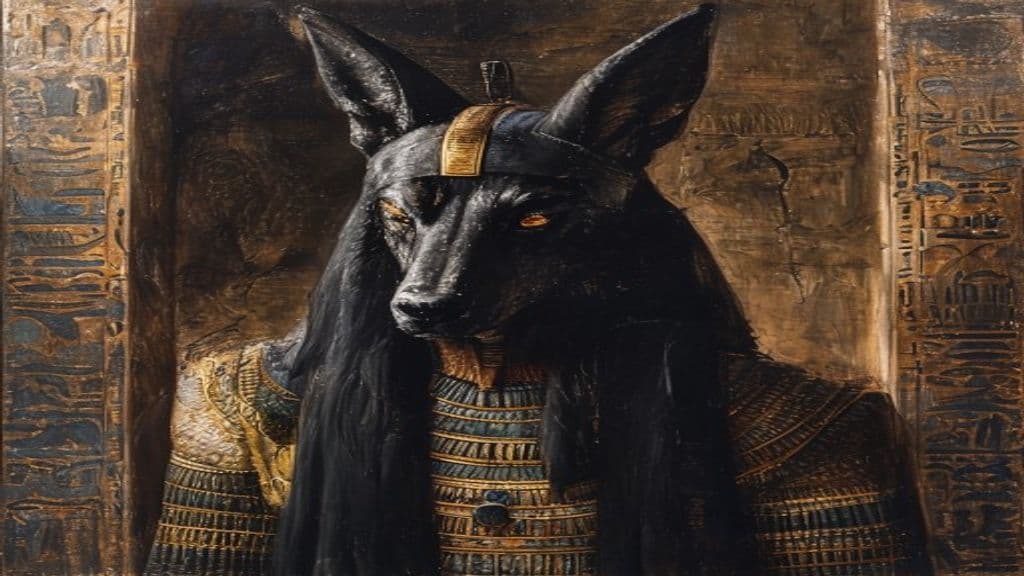
Anubis is the ancient Egyptian funerary deity associated with embalming, protection of graves, and guiding the dead into the afterlife. Depicted as a canine or a man with a canine head and shown in black, he presides over mortuary rites and attends the judgment of the deceased, though he is not the central subject of many major myths.

Anuket
Greater

Anuket

Anuket is an ancient Egyptian goddess of the Nile’s cataracts and of Lower Nubia, worshipped especially at Elephantine. She is a riverine and fertility deity associated with the annual Nile inundation, swift-moving water, and the protection of Egypt’s southern frontier, forming a local triad with Khnum and Satis.

Apep
Primordial

Apep

Apep (also Apophis or Aphoph) is the ancient Egyptian serpent-like embodiment of chaos and darkness who recurrently assaults the solar barque of Ra, representing the ongoing threat to cosmic order (Maat). Ritual texts in the Egyptian corpus contain spells framed to smite or repel Apep and protect the sun's passage.

Apesh
Lesser

Apesh

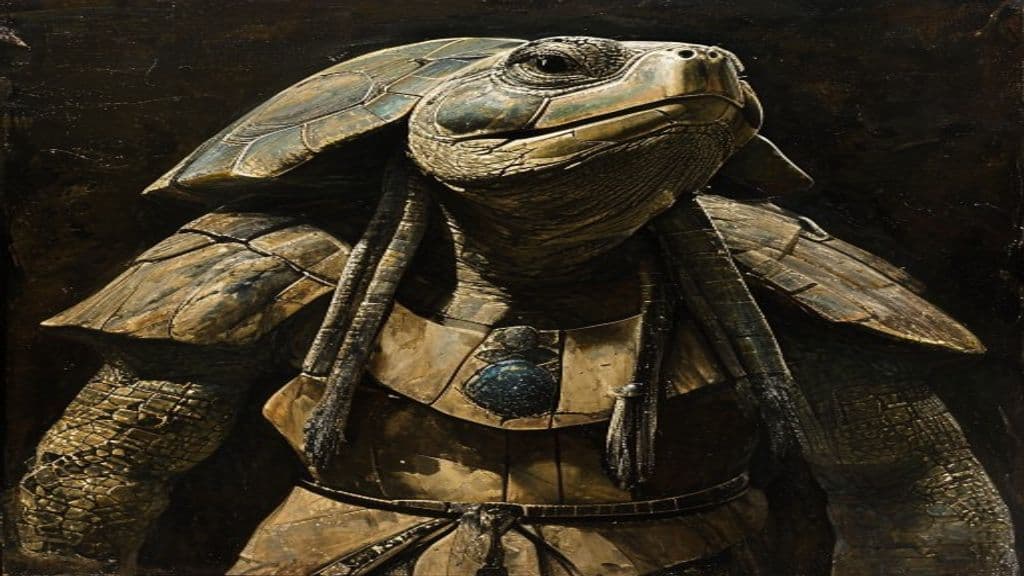
Apesh is an Ancient Egyptian god of the night associated with the head of a turtle or tortoise and attested in funerary literature as opposing the sun-god Ra. Sources describe Apesh in negative terms tied to cultural attitudes toward turtles and cite funerary formulae that rhetorically wish the turtle’s death in favor of Ra’s life.

Apis
Ancient

Apis

Apis (also Hapis, Hapi-ankh) is the sacred bull cult of ancient Memphis, Egypt: a living black calf selected by specific markings, housed and worshiped as an embodiment of Ptah in life and assimilated to Osiris after death (Osorapis), later syncretized in Hellenistic times with figures such as Serapis. The Apis bull served as an oracular and healing presence, a symbol of royal strength and a focus of elaborate funerary treatment at Saqqara.

Apophis (Apep / Aphoph)
Ancient

Apophis (Apep / Aphoph)

Apep (Greek Apophis; Coptic Aphōph) is the ancient Egyptian personification of cosmic chaos, a monstrous serpent and the principal nightly adversary of the sun-god Ra. Treated as a primordial enemy of Maat, Apophis threatens Ra's nightly passage through the underworld and is ritually attacked and humiliated by priests to secure cosmic order.

Apshait
Lesser

Apshait

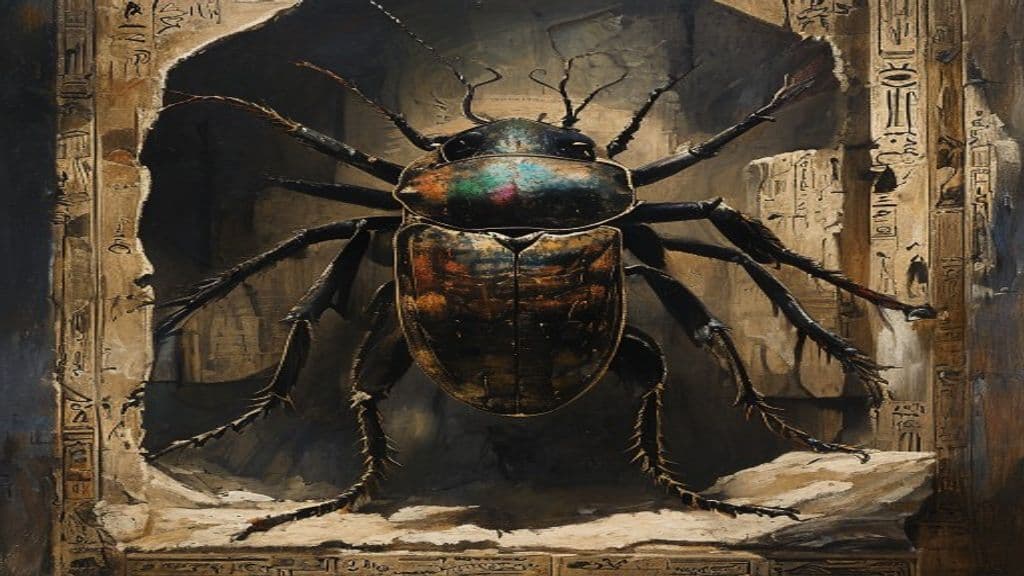
Apshait is attested in modern references as a monstrous, corpse-eating beetle mentioned in Ancient Egyptian funerary literature; specifically it is cited as occurring in the Book of the Dead (chapter 36). The available sources describe it only as a large flesh-eating beetle associated with corpses and funerary context.

Aqen
Lesser

Aqen

Aqen is a rarely mentioned ancient Egyptian underworld deity associated with the nocturnal solar bark of Ra and with a metaphorical role in underworld time. He appears in New Kingdom funerary texts as a custodial attendant who brings a protective shen-ring to the sun-god and is described in an inscription as the "mouth of the time".

Arensnuphis
Ancient

Arensnuphis

Arensnuphis (Egyptian Iryhemesnefer, 'the good companion') is a deity originating in the Kingdom of Kush who was incorporated into Egyptian temple contexts in the Ptolemaic Period. He is attested at Musawwarat el-Sufra (3rd century BC) and later worshipped at Philae and Dendur, where he is described as a companion of Isis and syncretized with the Egyptian gods Anhur and Shu.

Ash (Yuc)
Lesser

Ash (Yuc)

Ash (Tamazight Yuc) is an Amazigh sky god recorded in Egyptian sources and worshipped by Libyan and Tehenu tribes of the Western Desert. In Egyptian texts he is presented as a named deity connected with the vineyards of the western Nile Delta, oases, and as ‘Lord of the Tehenu,’ and is sometimes associated or equated with the god Set.

Assessors of Maat
Lesser

Assessors of Maat

A collective of forty-two minor divine figures in ancient Egyptian funerary religion who act as judicial assessors in the post-mortem tribunal of Osiris. They are each associated with one of the 'Negative Confessions' in Chapter 125 of the Book of the Dead and serve to determine the deceased's conformity to Maat (truth, justice, and cosmic order).

Astennu
Lesser

Astennu

Astennu is attested in the provided materials in two distinct contexts: (1) as a modern stage name used by Australian musician Jamie Stinson, explicitly described as "derived from a creature in Egyptian mythology," and (2) in a single secondary online summary (mythlok.com) as a lesser-known Egyptian mythic figure associated with Thoth and depicted as a baboon. Primary ancient attestations, etymology, and ritual data are not present in the supplied sources.

Atef Crown
Greater

Atef Crown

Egyptian feathered white crown associated with Osiris, symbolizing his status and power. (Note: * Power tier should be Ancient, not Greater, since it's associated with a deity. * Abilities statement is accurate based on source material, but can be rephrased for clarity: "As an inanimate object, )

Aten
Ancient

Aten

Aten (Ancient Egyptian jtn, reconstructed *[ˈjaːtin]) is the visible solar disc in ancient Egyptian religion that, during the Amarna period under Akhenaten, was elevated to the central focus of state cult (Atenism). Represented as a life-giving solar orb whose rays reach the world, Aten functions as creator and sustainer in Amarna inscriptions while lacking the extensive genealogical mythology of other Egyptian gods.

Atum
Primordial

Atum

Atum is the primordial self-created deity of ancient Egyptian religion who emerges from the primeval waters (Nu) and brings forth the first gods. Associated with the primeval mound (benben) and the evening aspect of the sun, Atum functions as an origin and as a figure tied to funerary literature and royal afterlife ideology.

Ba (Egyptian soul)
Minor Spirit

Ba (Egyptian soul)

The ba is one element of the ancient Egyptian multipart conception of the person: an individuated, mobile aspect of a human that survives death, is commonly depicted as a human-headed bird, and moves between tomb, body, and the afterlife. It is distinct from other components such as the ka and the akh and is central to funerary practices that maintain continued identity after death.

Baalat Gebal
Ancient

Baalat Gebal

Baalat Gebal (Phoenician bʿlt gbl, "Lady of Byblos") is the tutelary goddess and principal civic deity of the ancient Phoenician city of Byblos. Her long-lived temple at the city's center and attestations in Egyptian, Akkadian (Amarna), and later Greek sources show her role as city-protector, focal point of royal veneration, and an object of cross-cultural identification with foreign goddesses.

Babi
Greater

Babi

Babi (also Baba) is the ancient Egyptian deification or divine personification of the hamadryas baboon, associated in funerary and mythic texts with the netherworld, posthumous judgment, and sexual virility. Texts portray him as a violent, meat‑eating figure who could devour the unjust after judgment, while some funerary spells also appropriate his virile power positively for the dead.