French Supernatural Beings

113 documented French supernatural beings from the Evil Eye grimoire, including 72 lesser and 21 minor spirit in power tier.

page 1 of 2

Accolon
Lesser

Accolon

Accolon is a mortal knight of the Arthurian court, presented in the Post-Vulgate Merlin tradition and Malory's Le Morte d'Arthur as Morgan le Fay's paramour and instrument in a plot to supplant King Arthur; his tale centers on enchanted weapons (Excalibur and its scabbard), love-manipulation, and a tragic duel with Arthur.

Acionna
Lesser

Acionna

Acionna is a local Gallo-Roman water goddess attested by a single votive inscription found at a spring in the Orléanais region. The inscription, discovered by Jollois in 1822 and datable by style to the 2nd century CE, dedicates a portico and ornaments "AUG(ustae) ACIONNAE" and was recovered from the Fontaine de l'Étuvée in Orléans; archaeological work in 2007 uncovered remains of a Gallo-Roman temple and a section of an aqueduct at the site.

Adsullata
Ancient

Adsullata

Adsullata is attested as a Continental Celtic river goddess associated with the River Savus (modern Sava) in the Roman province of Noricum. Later traditions record her presence in Brittany as a goddess of hot springs and present her as an antecedent or origin-form of the Anglo‑Celtic sun goddess Sul.

Aglovale
Lesser

Aglovale

Aglovale (also Agloval, Aglovan, Aglovaus, Acglavael) is a human knight of Arthurian romance, presented as the eldest legitimate son of King Pellinore and a Knight of the Round Table in the Vulgate/Post‑Vulgate cycles, Malory, and later adaptations. He brings his long‑lost brother Perceval to Camelot, takes part in military actions (including slaying Agrippa in one account), and his death is related in varying ways across traditions (accidental at Gawain's hand, deliberate murder by Orkney kin, or killed during Lancelot's rescue of Guinevere).

Agolant
Lesser

Agolant

Agolant is a literary Saracen king who appears as a recurring antagonist in medieval and Renaissance epic cycles (Matter of France). He functions as a human royal opponent to Charlemagne and his peers, supplying martial episodes, genealogical connections, and the transfer of legendary arms and horses in chansons de geste and later Italian romances.

Agravain
Minor Spirit

Agravain

Agravain is a literary knight of Arthurian romance cycles: one of the sons of King Lot of Orkney, a member of the Round Table, and a recurring figure in French and English medieval prose and verse. He is portrayed as a skilled but morally problematic courtly knight whose jealousy, malice, and intra-familial violence drive key narrative conflicts (notably the slaying of Lamorak and the exposure of Guinevere).

Agrestes
Lesser

Agrestes

Agrestes is a legendary pagan king of Camelot appearing in accounts of the 13th‑century Arthurian Vulgate Cycle. Presented as a human antagonist to the Christian mission associated with Joseph of Arimathea (or his son Josephus), his violent persecution of converts is followed by madness, self‑destruction, and the subsequent consolidation of Christianity in Camelot.

Ambisagrus
Lesser

Ambisagrus

Ambisagrus is a local Gaulish deity attested in Gallo‑Roman religion, worshipped at Aquileia in Cisalpine Gaul and identified there with Jupiter Optimus Maximus under Roman interpretatio. The name is tentatively analyzed from Proto‑Celtic elements *ambi‑ + *sagro‑.

Anextiomarus
Lesser

Anextiomarus

Anextiomarus (Gaulish Anextlomāros; feminine Anextlomara) is an ancient Celtic theonym or epithet attested in Romano-British and Gallo-Roman inscriptions. In the sources it functions as an epithet of a solar deity syncretized with the Roman god Apollo and is glossed in one source as meaning roughly "Great Protection," indicating a protective, beneficent cult function in votive contexts.

Arduinna
Ancient

Arduinna

Arduinna is a local Gallo-Roman tutelary goddess of the Ardennes (Arduenna) — a divine personification of wooded heights — attested in two inscriptions and later equated with the Roman Diana. Iconography associating her with a boar-riding huntress exists in modern literature but the identification is uncertain.

Arragoussets
Lesser

Arragoussets

Arragoussets are a class of dwarf-like, troglodyte beings in Anglo-Norman folklore of Guernsey, portrayed as a warlike subterranean people who emerged from a named coastal cavern and committed lethal raids on the human population; the surviving account names only two human survivors, a man and a boy, who hid in an abandoned oven for multiple years.

Arvernus
Ancient

Arvernus

Arvernus is a Gallo-Roman theonym attested as a tribal epithet of the Arverni and identified with the Gaulish form of the Roman god Mercury in inscriptional and onomastic sources. The name functions as a localized manifestation of Mercury tying the Roman deity to the Arverni people and their territory (notably the Puy-de-Dôme / Auvergne lexical field).

Aschanes
Lesser

Aschanes

Aschanes is attested in medieval and modern sources as a legendary eponymous ancestor associated with Saxon origin tales (not presented as a clearly supernatural being). The name also appears separately in biblical-commentarial material where its status as a personal name or an office is debated.

Aschenbrödel
Minor Spirit

Aschenbrödel

Aschenbrödel is the German-language name and theatrical/literary manifestation of the Cinderella heroine (Aschenputtel/Cendrillon) found in European fairy‑tale tradition and adapted in ballets, films, recordings, and stage productions. The figure functions as a narrative protagonist — the mistreated but virtuous youth who is eventually recognized and rewarded — rather than a supernatural being.

Aurora (Sleeping Beauty)
Lesser

Aurora (Sleeping Beauty)

Aurora is the princess protagonist of the Sleeping Beauty tale as popularized in Charles Perrault's literary tradition and later by the 1959 Disney film and stage/ballet adaptations. She is a mortal royal whose fate is determined by the interventions of beneficent and maleficent fairies, most notably being placed under a death-sleep curse that is altered to a prolonged enchanted sleep.

Badalona giants
Minor Spirit

Badalona giants

The Badalona giants (Catalan: gegants de Badalona) are eight large, anthropomorphic effigies used in the civic festival life of Badalona, Catalonia. Constructed of wood, plaster and carton, they represent locally prominent historical or mythological figures and are carried and made to 'dance' in processions during the city's spring festival (May), its principal festival around 15 August, and other municipal occasions.

Batroc the Leaper
Lesser

Batroc the Leaper

Georges Batroc, known as Batroc the Leaper (French: Batroc le Sauteur), is a fictional human mercenary and recurring antagonist in Marvel Comics. He is portrayed as a peak‑condition savate specialist and acrobat who leads small mercenary teams, accepts contracts, and occasionally allies with heroes when his code of honor dictates.

Bayard (Ros Balatum)
Greater

Bayard (Ros Balatum)

Bayard, called Ros Balatum in some modern French sources, is a singular magical bay horse from the medieval chansons de geste, most famously associated with the cycle around The Four Sons of Aymon. The creature is presented in the literary tradition as an intelligent and powerful enchanted steed with the supernatural ability to change size to accommodate its riders.

Bebryces
Lesser

Bebryces

The Bebryces (Greek: Βέβρυκες) are a legendary people or tribe attested in Greek mythographic and geographic tradition, primarily located in Bithynia (northwestern Anatolia). They appear in heroic-age narratives as local rulers and warriors—not as supernatural beings—and are associated with episodes involving Heracles, the Argonauts, and named kings such as Amycus and Mygdon.

Belisama
Ancient

Belisama

Belisama is a Gaulish goddess attested in Roman-period inscriptions and place-names. Epigraphic evidence records formal dedications (including a nemeton and a votive sacrum) and at least one inscription equates her with the Roman Minerva; scholars debate whether her name denotes brightness, strength, or a plant-name, and toponymic evidence also suggests riverine associations.

Berthe / Bertha
Lesser

Berthe / Bertha

A personal name attested across heterogeneous historical, hagiographic, civic, and folkloric sources rather than a single, consistently defined supernatural being. The supplied materials record Bertha as (separately) a historical queen (Bertha of Kent), a late/local Rheims saint (Ste. Berthe of Avenay), a named processional giant (Anderlecht), and a German‑language folk‑literary figure (Bertha die Spinnerin).

Biscione
Minor Spirit

Biscione

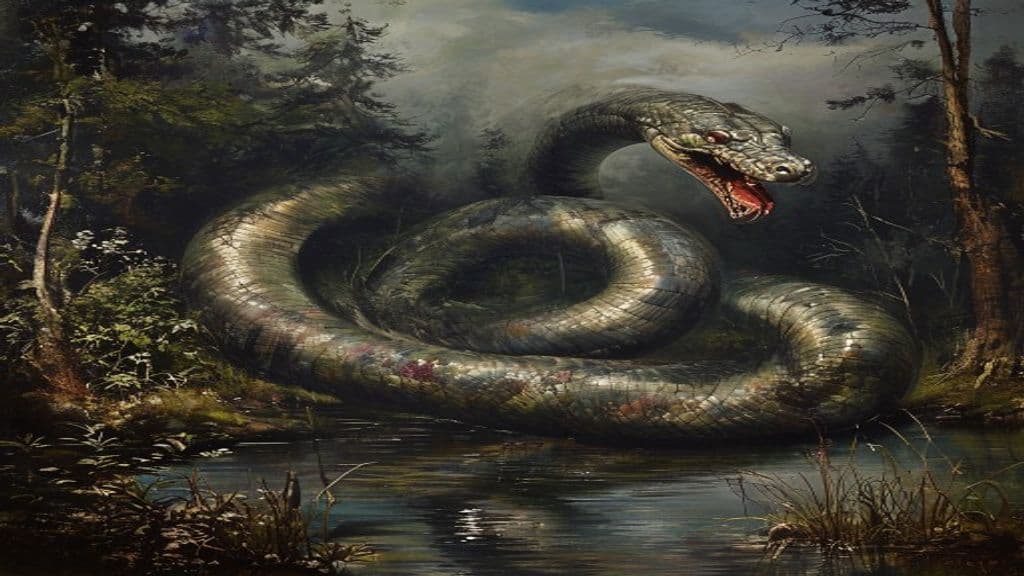
The Biscione is a heraldic charge — a stylized large grass-snake (Italian biscione) depicted with a small human figure in its mouth — used as a dynastic and civic emblem associated chiefly with the Visconti and Sforza of Milan and later municipal and corporate identities. In the provided sources it functions as an emblematic device rather than a narrated supernatural being.

Bisclavret
Lesser

Bisclavret

A named nobleman in Marie de France’s lai who periodically transforms into a wolf for three days each week; the tale treats his condition as a distinct, non‑typical form of shape‑change tied to hidden clothing and resolved through royal investigation and recovery of those garments.

Blanchefleur
Lesser

Blanchefleur

Blanchefleur is a recurring proper name and literary personage in High Medieval romance and later adaptations, functioning as an emblem of purity, idealized beauty, and floral/Marian imagery rather than a supernatural being. The name appears in multiple vernaculars (Old French, Norse, later modern retellings) attached to different human female characters—lovers, heroines, or hagiographic figures—whose roles vary by text.

Bledudo (Welsh: Blaiddyd)
Minor Spirit

Bledudo (Welsh: Blaiddyd)

Bledudo (Welsh: Blaiddyd) is a legendary or pseudo‑historical king recorded in Geoffrey of Monmouth’s regnal lists and later compilations of the Kings of Britain. He appears in medieval and post‑medieval king lists as a named ruler placed between Merianus and Cap (with some manuscript variation showing Oenus in neighboring positions) and is dated to c. 191 BC in modern summaries of those lists.

Bleoberis
Minor Spirit

Bleoberis

Bleoberis is a legendary Arthurian knight appearing across medieval romance cycles as a recurring Round Table member, kinsman of Lancelot, and participant in major campaigns, funerary duties, and penitential pilgrimage narratives. He functions as a noble companion and political-military actor rather than a supernatural being.

Bluebeard
Lesser

Bluebeard

Bluebeard (French: Barbe bleue) is a literary folktale character best known from Charles Perrault's 1697 version: a wealthy, powerful nobleman who marries repeatedly and secretly murders his wives, hiding their bodies in a locked chamber. He functions as a cultural archetype and cautionary exemplar about secrecy, patriarchal power, and the dangers facing women in marriage rather than as a supernatural being.
Brangaine
Lesser

Brangaine

Brangaine is the handmaid and confidante of Iseult of Ireland in the Tristan and Iseult cycle of Arthurian romance. As a mortal attendant she functions narratively as custodian of a love potion, substitute on the wedding night to protect Iseult's honor, and occasional user of a magic pillow to repel seduction.

Breton Mythology
Primordial

Breton Mythology

A collection of explanatory and heroic tales forming part of the Celtic mythos, rooted in ancient Celtic tradition. (Note: 1. Power tier: Primordial is incorrect; it should be Ancient (deity-level) as Breton mythology is rooted in ancient Celtic tradition but doesn't match the primordial level of cosmic entities. 2. Origi)

Bricta
Ancient

Bricta

Bricta (also spelled Brixta in inscriptions) is a Gaulish theonym attested in Gallo‑Roman inscriptions from Luxeuil‑les‑Bains (ancient Luxovium). She appears in votive formulae paired with the local water god Luxovios, and her name is linguistically associated with a Gaulish word for "magic."

Brunor
Lesser

Brunor

Brunor is a personal name applied to several human knights in medieval Arthurian romance, most notably a young knight nicknamed La Cote Mal Taillée (the 'badly cut coat') who arrives at King Arthur's court wearing his murdered father's bloodied surcoat and seeks to prove himself by deeds. The name functions as a narrative role within the Tristan/Arthurian cycles rather than as a supernatural being.

Buckriders
Lesser

Buckriders

A South-Eastern Dutch and North-Eastern Belgian tradition describing groups—treated variously as alleged witches and criminal bands—said to have entered pacts with an infernal master and to have 'ridden' bucks/goats by night to commit raids. The motif appears in 18th-century trials and in local folklore linking goat-riding and diabolic Sabbath imagery.

Buxenus
Lesser

Buxenus

Buxenus is an epithet of the Gaulish Mars attested in Gallo-Roman religion from a single inscription found at Velleron in the Vaucluse. The evidence is extremely limited and presents Buxenus as a local/regional name or aspect of the indigenous deity equated with Roman Mars.

Calogrenant
Lesser

Calogrenant

Calogrenant is a human knight of the Round Table from medieval Arthurian romance. First attested in Chrétien de Troyes' Yvain as the teller of the episode of the magic spring in the forest of Brocéliande, he appears in various Old French, German, Welsh, and Middle English cycles with differing fates (defeat by Esclados in the fountain episode; death on the Grail Quest in Vulgate and Malory; a gender-transformation episode in Claris et Laris).

Cambrinus
Minor Spirit

Cambrinus

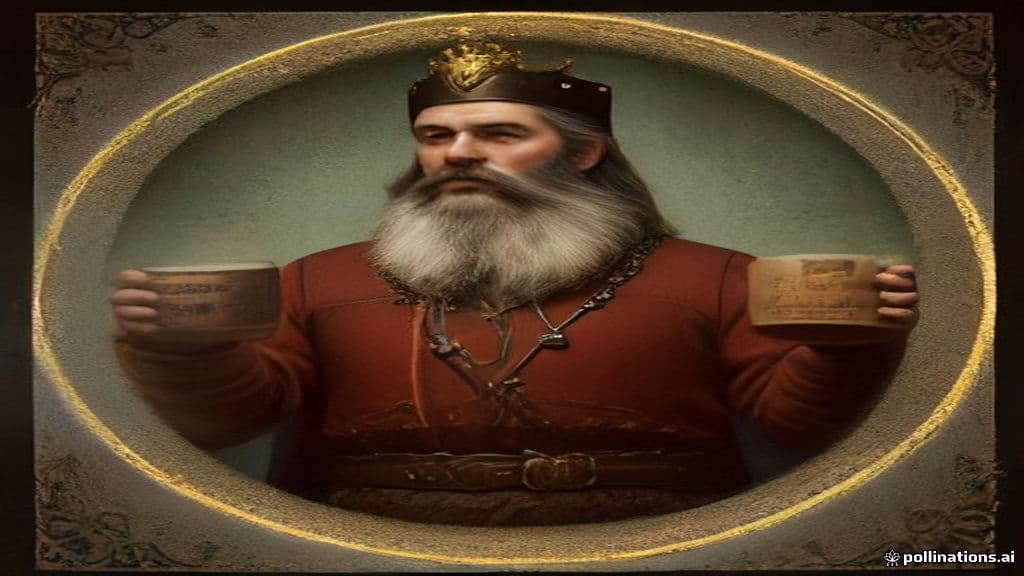
Cambrinus (also spelled Gambrinus) is a legendary European culture-hero and emblematic figure associated with beer, brewing, and conviviality. Represented in visual culture as a rotund, bearded duke or king bearing a tankard, he appears in literature and civic performance (including as a processional giant) and has been adopted as a commercial and associative name in municipal contexts.

Capon
Minor Spirit

Capon

A capon is a castrated or chemically sterilized male chicken fattened for food. The term and its documented attributes are agricultural and culinary; sources do not describe a supernatural or folkloric entity by this name.

Caradoc
Lesser

Caradoc

Caradoc is a semi-legendary heroic/ancestral figure from Welsh and Arthurian tradition, remembered in medieval genealogies and romances as a ruler of Gwent and as a Knight of the Round Table. He is treated in the sources as a human hero whose life is affected by wondrous events (enchantment, serpent-affliction, knightly tests) rather than as an independently supernatural being.

Cath Palug
Greater

Cath Palug

A monstrous, unusually large cat from Welsh myth later adapted into continental medieval romance (Anglo‑Norman/Old French) as Chapalu/Capalu. Associated with islands, lakes, bogs, and shoreline liminal zones, it functions as a localized animal horror that confronts named heroes (Welsh Cai/Kay; continental sources often transfer the opponent to King Arthur).

Celadon
Lesser

Celadon

Celadon is a personal name appearing for multiple distinct characters in Greek mythic lists and as a lover-shepherd figure in French pastoral romance (not a class of spirit). The pastoral Celadon in Honoré d'Urfé's L'Astrée (1627) is best known for wearing pale green ribbons, a detail that later gave rise to the European colour-name and pottery term 'celadon'.

Celtic Mythological Beings
Greater

Celtic Mythological Beings

A pantheon of supernatural entities from ancient Celtic mythology, associated with various aspects of nature and the cosmos. (Note: - Power tier: Reduce to Lesser (some Greater entities are mentioned, but overall Celtic mythological beings are more regional or local spirits) - Weaknesses: Add "Disruption of natural cycles" as a we)

Champ
Lesser

Champ

Champ (or Champy) is a named lake‑dwelling monster from regional Anglo‑American and Franco‑Canadian popular folklore associated with Lake Champlain. Presented in modern sources as a persistent local cryptid, Champ is documented through historical newspaper reports, eyewitness accounts, photographs, video, and occasional acoustic recordings, and functions as a tourism and identity emblem for communities around the lake.

Cheval Bayard
Greater

Cheval Bayard

Cheval Bayard is a named legendary horse that appears in medieval French romance (notably the chansons de geste such as The Four Sons of Aymon) and in later popular retellings. In the supplied materials the figure is presented alternately as a marvelous steed within medieval narrative tradition and, in a small number of modern commentaries, as a mischievous trouble‑making horse used as a storytelling antagonist.

Chevalier Onulphe d’Aa / Ridder Onulfe van Aa
Lesser

Chevalier Onulphe d’Aa / Ridder Onulfe van Aa

A processional giant effigy associated with the municipality of Anderlecht; recorded in a Wikidata entry as a civic festival figure rather than a personal supernatural being. The source gives only name variants and classification as a processional giant, with no further descriptive or narrative detail.

Cicolluis
Lesser

Cicolluis

Cicolluis (Latin Cicolluis, Cicollus; reconstructed Gaulish *Cicolluos) is the tutelary god of the Lingones in eastern Gaul attested in Roman‑period votive inscriptions, commonly identified with the Roman god Mars (inscriptional formula Mars Cicolluis). He is regularly paired with an earth goddess, Litavis, and is interpreted by scholars as a local territorial protector with possible fertility or chthonic associations when read alongside Litavis.

Cinderella
Ancient

Cinderella

A widespread folktale protagonist and narrative archetype: a young woman who endures neglect or obscurity and is unexpectedly elevated to recognition and higher social status, typically by marriage. The motif appears in many cultures and historical periods and functions as a moral and social narrative about identity, tokens of recognition, and social mobility rather than as a supernatural being.

Cinderella's stepsisters
Lesser

Cinderella's stepsisters

Human antagonists in the Cinderella tale-cycle: the stepdaughters of the heroine's stepmother who persecute and compete with the heroine for status and marriage. They function as social and moral foils, varying across Perrault, Grimm, Chinese (Ye Xian) and pantomime traditions in name, appearance, and narrative fate.

Cissonius
Ancient

Cissonius

Cissonius is a native surname or epithet attached to the Roman god Mercurius (Mercury) in the Gallo‑Roman epigraphic record of the imperial period. Attested in Latin votive inscriptions chiefly from Germania Superior (the Rhineland and Swiss plateau) with outliers in Gallia Belgica, Germania Inferior, and Raetia, the name appears both as Mercurius Cissonius and alone as deus Cissonius, indicating a localized cult identity within the syncretic Roman‑Gaulish religious landscape.

Claudas
Lesser

Claudas

Claudas is a literary, mortal king in Arthurian romance who functions as a hostile royal antagonist: a conqueror of neighboring realms (the Terre Deserte in the Berry), captor of heirs, and later defeated ruler whose family is partially assimilated into the chivalric order.

Cledaucus (Clydog)
Lesser

Cledaucus (Clydog)

Cledaucus (Welsh: Clydog) is a legendary/pseudo‑historical king of the Britons recorded in medieval regnal lists derived from Geoffrey of Monmouth and later redactions. He is attested only as a name within sequences of rulers — commonly placed between Eliud (predecessor) and Clotenus/Cletonus (successor) — and is not described with deeds, appearance, or supernatural attributes in the supplied sources.

Creiddylad
Minor Spirit

Creiddylad

Creiddylad is a named figure from early medieval Welsh narrative tradition, presented in Culhwch ac Olwen as a noblewoman of Arthur's court and daughter of King Lludd (Lludd Llaw Ereint). In the surviving tale she is the object of rivalry between two warriors whose annual May Day combat for her possession has been interpreted by later writers as a seasonal or 'May Queen' motif.

Dagonet
Lesser

Dagonet

Dagonet is a named individual in the Arthurian literary tradition, variously portrayed as a Knight of the Round Table, a court fool/jester attached to King Arthur, or a deranged former knight. He appears across medieval prose romances (notably the Vulgate Cycle, Guiron le Courtois, Prose Tristan) and later retellings (Malory, Tennyson, Howard Pyle, nineteenth–twentieth-century pastiches).

Dahu
Lesser

Dahu

A legendary mountain creature from francophone regions of France, Switzerland and adjacent Alpine valleys, presented in folklore as a goat-like animal with markedly asymmetrical limb lengths; primarily known as the subject of prank 'dahu hunts' and a staple tall tale and tourist joke rather than a true supernatural being.

Dames blanches
Lesser

Dames blanches

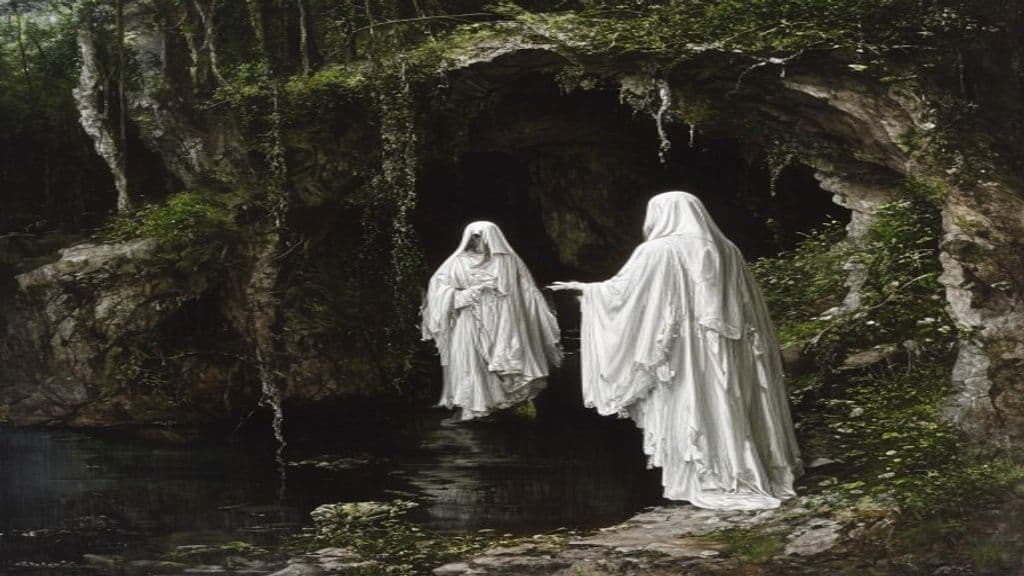
Female supernatural figures in French regional folklore, the Dames blanches ("white ladies") are liminal spirit-beings associated with bridges, ravines, caves, rivers and other narrow places. They demand deference from passersby (dance, kneeling) or act as nocturnal washerwomen omens of death in related traditions, with responses to them grounded in behavioral avoidance or compliance rather than formal rites.

Damona
Lesser

Damona

Damona is a Romano-Celtic healing goddess attested in Latin votive inscriptions from Roman-period Gaul. She is a sanctuary deity of curative mineral and thermal springs, invoked for health, fertility, and therapeutic incubation; archaeologically she is known from sanctuary contexts and a fragmentary cult statue.

Dark Agnes de Chastillon
Lesser

Dark Agnes de Chastillon

Dark Agnes de Chastillon is a fictional 16th‑century French swordswoman created by Robert E. Howard. She appears as the protagonist of two complete historical‑adventure stories and one partial draft, and is portrayed as a red‑haired, short‑tempered martial heroine who operates as a human adventurer rather than a supernatural being.

Dexiva
Lesser

Dexiva

Dexiva (attested Dexiua, Dexsiua) is a local Celtic theonym attested in inscriptions from the oppidum of Castellar (modern Cadenet, southeastern France). Her cult in the Roman period is attested by votive inscriptions and offerings; she appears as an eponym for the local tribal designation Dexivates and is sometimes invoked alongside other deities (Mars; the Caudellenses).

Drudwas ap Tryffin
Lesser

Drudwas ap Tryffin

A human warrior and knight associated with Arthurian and medieval Welsh tradition, noted chiefly for possessing three supernatural birds (Adar Llwch Gwin) given to him by his fairy wife; a late tale records that his literal command to those birds led to his death.

Déjanire
Lesser

Déjanire

Déjanire is the mortal wife of Heracles (Hercule) in classical myth as retold in modern French theatrical and operatic adaptations. In the cited materials she functions as a dramatic character whose act of giving a tunic soaked in Nessus's blood—presented to her as magically restorative but actually poisonous—precipitates Hercule's agonized death and apotheosis.

Edern ap Nudd
Lesser

Edern ap Nudd

Edern ap Nudd is a Welsh medieval literary figure presented as a noble warrior and member of King Arthur's retinue. Presented in native Welsh romances and in continental Arthurian adaptations under variant names, he is described as a son of Nudd and brother of figures such as Gwyn ap Nudd; later medieval/local tradition also attests a Saint Edern with church dedications in Wales.

Elaine of Astolat
Lesser

Elaine of Astolat

Elaine of Astolat is a mortal noblewoman from Arthurian romance who dies of unrequited love for Sir Lancelot; her body is set adrift in a small boat clutching a lily and a final letter and is discovered at Camelot. Her episode appears in multiple medieval variants and was later reworked in Victorian poetry and visual art.