Islamic Supernatural Beings

160 documented Islamic supernatural beings from the Evil Eye grimoire, including 53 lesser and 36 ancient in power tier.

page 2 of 3

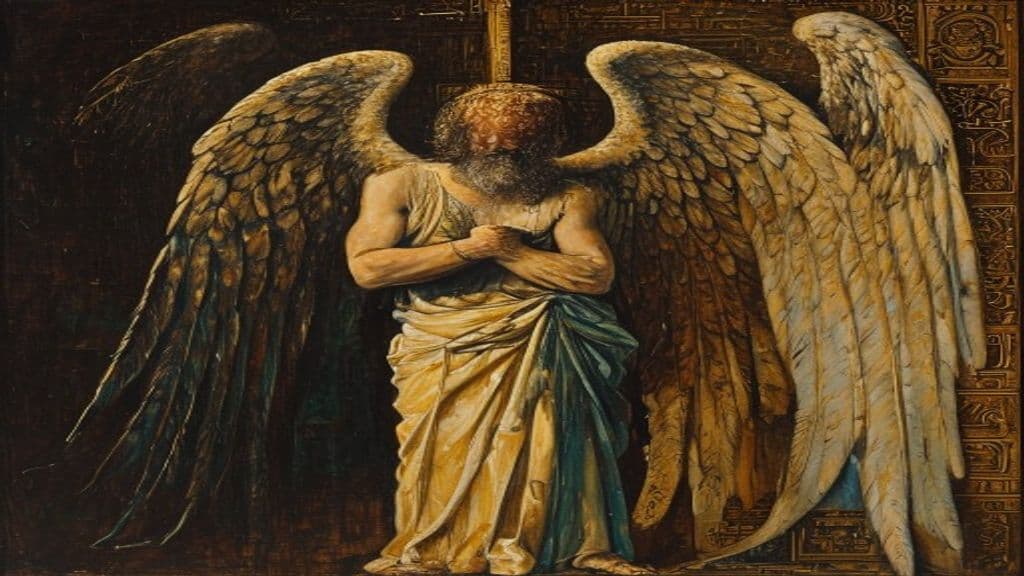
Darda'il
Ancient

Darda'il

In the cited Islamic tradition, Darda'il (Arabic: دردائيل, glossed 'Journeyers of God') are angels who travel the earth searching out assemblies where people remember God's name. The name is also attested as that of an angel invoked in exorcism; the figure appears in modern cultural references alongside other named angels.

Devil
Ancient

Devil

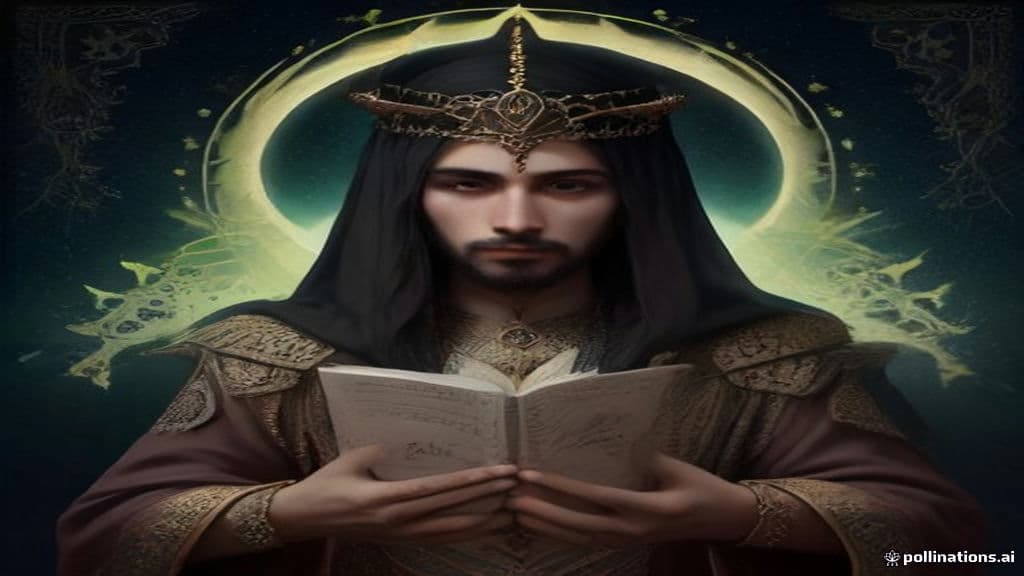
A cross-cultural mythic personification of evil and hostile forces, used in religious, literary, and popular contexts to explain temptation, moral corruption, disease, death, and misfortune. Its exact cosmological status varies by tradition, ranging from an independent principle of evil to a created being that became evil or a symbolic embodiment of human wickedness.

Dhu'l‑Qarnayn
Ancient

Dhu'l‑Qarnayn

A Qur'anic figure (Surah al‑Kahf 18:83–101) presented as a powerful, God‑guided travelling ruler who journeys to the limits of the inhabited world and erects a barrier that restrains Gog and Magog until the eschatological hour.

Dhu'l‑Suwayqatayn
Lesser

Dhu'l‑Suwayqatayn

An eschatological human figure named in Islamic hadith literature, described as an Abyssinian man with 'two thin legs' who will dismantle the Kaʿba and remove its treasure as a sign of the Last Days.

Dhuʾl-Khalasa
Lesser

Dhuʾl-Khalasa

Dhuʾl-Khalasa (al-Khalasa) is attested in early Islamic literature as a pre-Islamic southern Arabian cult-centre and/or idol—described variously as a deity, the shrine/house associated with that deity, or the name of its worshippers. Islamic-era sources portray it as a regional “Southern Kaʿba” used for communal ritual and divination and record its demolition on the Prophet’s order shortly after the Islamic conquest.

Div (Dīv)
Greater

Div (Dīv)

Div (Persian: دیو dēw / dīv) are monstrous, often sorcerous antagonists in Persian epic and folkloric tradition, best known from the Shahnameh where they oppose heroes such as Rustam. Scholarly sources trace their cultural history to a re‑interpretation and demonization of older Indo‑Iranian divine figures (devas).

Djinn
Lesser

Djinn

The class of supernatural beings created from smokeless fire in Islamic cosmology — a parallel civilization to humanity, capable of belief or unbelief, with their own prophets, society, and judgment before God.

Dumah
Greater

Dumah

Dumah (Heb. דּוּמָה, dūmā, 'silence') is an angelic figure in Jewish rabbinic and mystical literature and later Islamic reports, associated with the silence of death and with authority over the wicked dead and the punitive agents of the netherworld. In Zoharic material Dumah is depicted as a chief or prince over attendants who punish souls, and in a hadith compilation reported by Al‑Suyuti Dumah receives the souls of deceased unbelievers from Azrael.

Duzakh
Primordial

Duzakh

In Persian mythology, Duzakh is a place of punishment and suffering in the afterlife. (Note: 1. Power tier should be adjusted to "Lesser" as Duzakh is a specific place of punishment, not a cosmic entity. 2. The origin story and appearance are missing. 3. Abilities could be more specific about)

Elijah
Ancient

Elijah

Elijah (Hebrew: ʾĒlīyyāhu / ʾĒlīyyā) is a prophetic figure in the Hebrew Bible portrayed as a divinely commissioned messenger active in the northern kingdom of Israel during the reign of Ahab. Scriptural narratives depict him performing miracles (drought proclamation, provision, resurrection, calling down fire, and being taken to heaven) and later traditions assign him an eschatological role as a herald who will return before the day of the LORD.

Elisha
Greater

Elisha

Elisha is a Hebrew Bible prophet, successor and disciple of Elijah, portrayed as a divinely appointed intermediary who performs miracles, advises rulers in narrative episodes, and acts within a prophetic guild known as the "sons of the prophets." His story appears in 1 Kings 19 and 2 Kings 2–14 and he is venerated in Jewish, Christian, and Islamic traditions.

Falak
Ancient

Falak

Falak is an enormous serpent in Arabian legendary material, described in summaries of One Thousand and One Nights and popular treatments of Islamic folk cosmology as dwelling beneath other cosmic animals (notably Bahamut) and forming part of a layered under‑cosmos. Sources present Falak as a terrifying, foundational monstrous presence rather than a discrete heroic or moral agent.

Fallen angel
Greater

Fallen angel

A heavenly being expelled from the divine court for transgression; a cosmological status found in Second Temple Jewish, Christian and contested Islamic materials. In Enochic literature the Watchers descend to earth, corrupt humans and transmit forbidden knowledge; later Christian theology uses the motif to explain the origin of moral evil.

Familiar Spirit
Lesser

Familiar Spirit

In European medieval and early modern folklore, a familiar spirit is an other-than-human attendant that assists, protects, or guides practitioners of magic and divination. The term is also used in Biblical translations to denote necromancers (Heb. אוֹב, ob) and appears in comparative discussions of Islamic/Arab animistic companion spirits (qarīn/qarīna). Across sources the phenomenon is best understood as a cultural category of personal spirit allies or intermediary agents rather than a single uniform being.

Fatimah
Lesser

Fatimah

Fatimah (also spelled Fatima) in the provided sources is presented as a female personal name and as the historical figure Fatima bint Muhammad (Fatima al‑Zahra), daughter of the Islamic prophet Muhammad, wife of Ali, and mother of Hasan and Husayn. The corpus contains biographical and onomastic information only and does not treat Fatimah as a supernatural entity.

Fulad-zereh
Primordial

Fulad-zereh

A huge horned demon from the Persian story of Amir Arsalan, associated with aerial wanderings and predatory behavior. (Note: 1. Power tier: Lower to "Ancient" or "Greater" as Primordial is typically reserved for entities with cosmic-level powers, which Fulad-zereh's abilities do not suggest. 2. Appearance: Add that it has a)

Fuṭrus
Lesser

Fuṭrus

Fuṭrus (فطرس) is a fallen angel figure in legends associated with Ali ibn al‑Husayn (Zayn al‑Abidin). In the narrative he dawdles in carrying out a divine command, is punished by having his wings broken and being cast on an island, and is later forgiven and restored following an encounter involving the Prophet Muḥammad, the angel Gabriel, and the newborn Ali ibn al‑Husayn.

Gabriel
Greater

Gabriel

A principal heavenly messenger in Jewish, Christian, and Islamic literatures, Gabriel is portrayed as an archangel who reveals and explains divine messages, announces births and divine intent, and executes certain divine judgments in apocalyptic texts.

Garsivaz
Minor Spirit

Garsivaz

Garsivaz is a human courtier in the Persian epic tradition, presented in Ferdowsi's Shahnameh as a brother of Afrasiab of Turan whose counsel leads to the killing of Siyâvash; later illustrated manuscript traditions expand his role in reception to include capture and disclosure of Afrasiab's location.

Gazi Pir
Lesser

Gazi Pir

Gazi Pir is a Bengali Muslim warrior-saint (Ghazi and pir) traditionally dated to the 12th–13th centuries. In the Sundarbans and wider Ganges delta his cult functions as a local protective devotion: he is invoked for safety from tigers and other natural dangers and is depicted in a pictorial narrative known as the Gazi Scroll.

God (Christianity)
Ancient

God (Christianity)

In the Christian tradition represented in the sources, God is the eternal, supreme being who created and preserves all things, is both transcendent and immanent, and is understood in mainstream theology as one God in three Persons (Father, Son, Holy Spirit). Christian doctrine emphasizes God's action in history (covenant with Abraham, revelation in scripture, the Incarnation of the Son, and the sending of the Spirit).

Gog and Magog
Ancient

Gog and Magog

A paired set of names (Gog and Magog / Yajuj and Majuj) that function across Jewish, Christian, and Islamic texts and later legend as hostile nations, tribes, or leaders associated with end-times conflict. Their identity varies by source—Ezekiel presents Gog as a prince of the land of Magog; Revelation uses the pair for hostile nations; the Qurʾān (and later Islamic legend) depicts Yajuj and Majuj as peoples sealed behind a barrier until the last days.

Gordāfarīd
Lesser

Gordāfarīd

Gordāfarīd (Persian: گردآفريد) is a human heroine in Ferdowsi’s Shāhnāmeh (The Book of Kings). A warrior of the White Fortress (Dezh-e Sepid), she dons armour, sallies forth to challenge the Turanian commander Sohrab, delays the enemy advance, is defeated in single combat, and is spared by Sohrab; modern scholarship and performers treat her as a lasting symbol of female courage and prudence in Persian epic.

Gusainji Maharaj
Primordial

Gusainji Maharaj

A revered figure in Hindu tradition, venerated by both Hindus and Muslims. (Note: 1. Power tier should be Lowered from Primordial to Ancient, as no cosmic or deity-level abilities are mentioned. 2. No specific weaknesses, wards, or sensory cues can be determined from the source mat)

Hagar
Minor Spirit

Hagar

Hagar (Hebrew: Hāgār; Arabic: Hājar) is presented in the Book of Genesis as an Egyptian female servant (שִׁפְחָה) in Sarai's household who bears Abram a son, Ishmael; later Jewish and Islamic traditions expand and reinterpret her status and story, including rabbinic identifications (e.g., Pharaoh’s daughter, potential identification with Keturah) and Islamic accounts linking her to the origins of Mecca and the Zamzam well.

Hang Jebat
Lesser

Hang Jebat

Hang Jebat is a legendary Malaccan warrior of the early 15th century notable in Malay court literature for his martial prowess and for rebelling against what he perceived as an unjust sultan after the apparent execution of his friend Hang Tuah. The figure embodies a moral tension between loyalty to ruler and opposition to tyranny and is commemorated in modern Malaysian and Singaporean toponyms and institutions.

Hantu
Lesser

Hantu

Hantu is a Malay and Indonesian lexical and conceptual category for spirits and invisible beings that includes ancestral souls, animistic nature spirits, and, in modern usage, ghosts or demons. The term covers many named subtypes (e.g., Hantu Raya, Hantu Tinggi) whose forms and roles vary across local traditions.

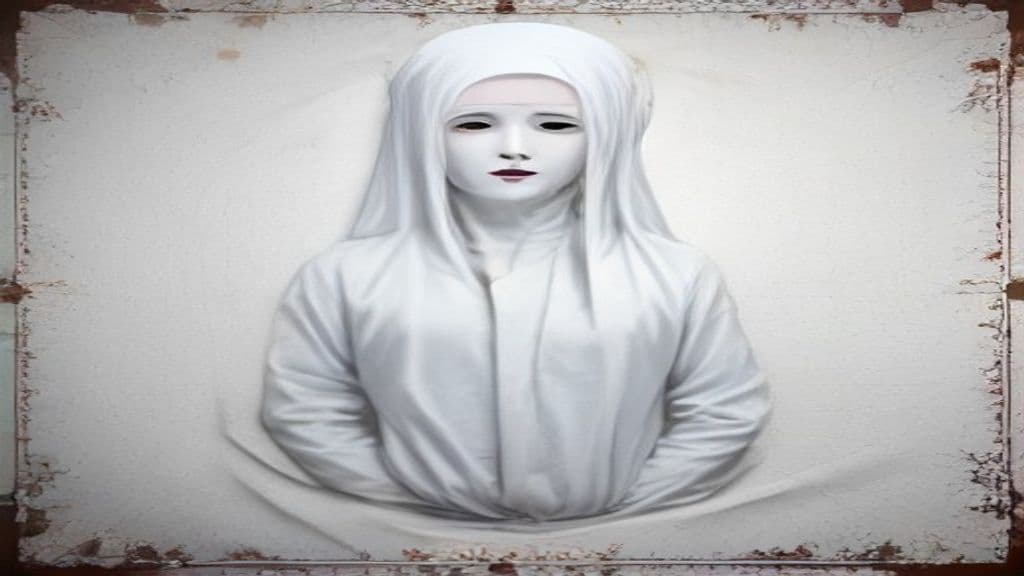
Hantu Pocong
Lesser

Hantu Pocong

A Southeast Asian folkloric ghost understood as a dead body wrapped in an Islamic burial shroud (kain kafan), commonly associated with improper funerary procedure or unresolved death-related matters. Representations range from a hopping wrapped corpse in popular media to esoteric readings that interpret the phenomenon as residual energetic or liminal-layer disturbance.

Hantu Tinggi
Ancient

Hantu Tinggi

A Malay spirit-type characterized by extraordinary height, Hantu Tinggi is an ancient forest/swamp-associated unseen being in Malay-speaking areas of Malaysia. Folklore describes it as similar to Hantu Raya or Genderuwo but vastly larger; protective practice reported in sources centers on Qur'anic recitation and seeking traditional or Islamic healers.

Harut and Marut
Greater

Harut and Marut

A pair of figures named in the Qur'an (Surah 2:102) and elaborated in classical Islamic exegesis as heavenly beings associated with Babylon and the transmission of sorcery; their status (angels, kings, or men) and culpability are debated across commentaries. They function etiologically to explain the origin of illicit magic and as exemplars of divine testing or temptation.

Hatif
Lesser

Hatif

Hatif (Arabic: هَاتِف, hātif) is an auditory phenomenon in Arabic and Bedouin traditions described as a voice heard without discovering the body that made it. Sources record multiple, sometimes conflicting explanations: an unseen communicator such as a jinn, the voice of the dead near graves, or a psychological hallucination arising from loneliness.

Hatme
Lesser

Hatme

A highly fragmentary attestation: one metadata entry (Wikidata) labels Hatme as a "Spirit of the Prophet Muhammad," while the remainder of the provided corpus uses the lexeme "hatme/hatme yapmak" in non-ethnographic contexts (ritual-event names, building names, course tags, forum posts). No corroborating ethnographic description of a folkloric being is present in the supplied materials.

Heavenly host
Greater

Heavenly host

A collective category in Abrahamic and Near Eastern texts naming an ordered assembly associated with the divine realm. The term can refer to the stars and other celestial bodies, to organized spiritual beings (angels) serving God, and is often described with military vocabulary (hosts, armies, commanders) that places the group within divine governance and occasional cosmic or earthly conflicts.

Homay

Homay

Legendary figure from Persian tradition, daughter of Kay Bahman, central character in the epic poem Homāy-nāmeh. (Note: - Power tier: Not specified - Appearance: Missing - Abilities: Missing - Sensory cues: Missing - Weaknesses: Missing - Wards: Missing)

Houri
Greater

Houri

In the Islamic textual tradition, a houri (Arabic: ḥūri(yy)a) is a paradisiacal companion described in the Qurʾān and elaborated in hadith and tafsīr as part of the rewards of the afterlife. Sources present houris variously as a specially created class of beings resident in Jannah or (in some interpretations) as transformed inhabitants of Paradise; descriptions range from brief Qurʾānic epithets to detailed hadith imagery.

Huma Bird
Lesser

Huma Bird

In Persian tradition, the Huma bird is a mythical creature that inhabits the air, never touching down on the ground. (Note: - Power tier: Primordial (or not specified at all), as it has cosmic abilities - Appearance: Invisible entity (already correct) - Abilities: Add "existing solely as a concept rather than a tangible be)

Hārūn ibn ʿImrān (Aaron in Islam)
Ancient

Hārūn ibn ʿImrān (Aaron in Islam)

Hārūn ibn ʿImrān is a prophetic figure in Islamic scripture and tradition, presented as the brother and companion of Mūsā (Moses). The Qurʾān and later Muslim commentators portray him as an eloquent, divinely guided leader who was entrusted with authority among the Israelites and who is commemorated in tomb‑site traditions and Miʿrāj narratives.

Iblis
Primordial

Iblis

The primordial deceiver in Islamic theology; a jinn who refused God's command to bow before Adam and was expelled from heaven. The source of all temptation and whispered suggestion.

Ifrit
Ancient

Ifrit

One of the most powerful classes of jinn in Islamic and pre-Islamic Arab tradition — a fire-born being of immense strength and cunning, capable of great works of engineering and terrible violence.

Ilah
Ancient

Ilah

Arabic concept for deity, encompassing gods, goddesses, and other supernatural beings worshipped in Arabian traditions. (Note: 1. Power tier: Ilah is more accurately classified as Primordial (cosmic) since it refers to any deity or god worshipped in Arabian traditions. 2. Appearance: Clarify that there is no physical descript)

Indonesian Mythology
Primordial

Indonesian Mythology

The mythology of Indonesia is a diverse and complex collection of myths, legends, and supernatural beings from various cultural traditions. It reflects the syncretization of Hindu, Islamic, and Christian biblical influences, resulting in a unique and dynamic worldview. (Note: 1. Power tier should be Primordial, but it's too vague for entities that embody cosmic forces. Consider rephrasing to "Cosmic Deity" or more specifically, the role of Iswara and Durga in Indonesian my)

Iram of the Pillars
Primordial

Iram of the Pillars

A supernatural place mentioned in the Quran, associated with punishment on Judgment Day. (Note: - Power tier should be Lesser (local spirit) as Iram of the Pillars is described as a lost city, not a cosmic entity. - There's no mention of punishment on Judgment Day as its primary association; it')

Ishmael
Minor Spirit

Ishmael

Ishmael (Heb. Yishmaʿeʾl) is a human patriarch in the Hebrew Bible, described as Abraham's firstborn son by Hagar; in later reception (notably Islamic tradition) he is also regarded as a prophetic ancestor of certain Arab lineages. The biblical narrative situates him as the progenitor of twelve sons who become tribal chiefs and as a figure who lives and survives in the wilderness.

Israfil (ʾIsrāfīl)
Ancient

Israfil (ʾIsrāfīl)

Israfil is an elevated angel in Islamic tradition who, according to later hadith and exegetical accounts, is appointed to blow the trumpet (ṣūr) that signals Qiyamah (Day of Judgment). He is described in traditional sources as nearest the Divine Throne, awaiting God's command, and occasionally portrayed as a celestial scribe and the Muʾadhdhin (caller) for those in Heaven.

Jann
Minor Spirit

Jann

The weakest class of djinn in Islamic tradition, associated with desert winds and taking the form of snakes or whirlwinds, dwelling in empty wilderness and posing little threat to those who know the proper invocations.

Jewish Mythological Entities
Primordial

Jewish Mythological Entities

A collection of mythological beings from Jewish mythology, including angels, demons, and divine entities. (Note: 1. Power tier is not supported by source material (no description of entities with cosmic powers). 2. No mention of "primordial" or specific power levels. 3. Sensory cues, wards, and weaknesses are al)

Jibril
Ancient

Jibril

Jibril (Arabic جبريل) is the Arabic form of the angel Gabriel as referenced in Abrahamic scriptures. In the provided sources Jibril/Gabriel is described primarily as an archangel whose function is to announce God's will to humankind and is mentioned in the Hebrew Bible, the New Testament, and the Quran. The token Jibril also exists widely as an Arabic male given name borne by many modern persons and cultural items in the supplied material.

Jinn
Lesser

Jinn

A class of supernatural beings from pre-Islamic Arabian religion later integrated into Islamic theology; jinn are created, morally accountable entities distinct from humans and angels, often unseen but capable of taking visible forms and interacting with people in varied ways.

Jinni (Jinn)
Greater

Jinni (Jinn)

A class of invisible supernatural beings known across Arabic/Islamic traditions, described as moral agents who coexist with humans and may influence, possess, or be summoned by people. The provided corpus is primarily Islamic/Arabic in scope with only fragmentary references to Coptic or regional tale reception.

Jinniyya (female jinni)
Lesser

Jinniyya (female jinni)

A female member of the class of beings known as jinn in ancient Arabian religion and Islam. Jinniyya are moral agents within that cosmology, capable of belief or unbelief and accountable for their deeds.

Kalqa'il
Greater

Kalqa'il

Kalqa'il (Arabic: كلقائيل) is an angel in Islamic angelology described as guardian of the entrance to the fifth heaven, governor of the houris, and an angel invoked in exorcist rites.

Keyumars
Primordial

Keyumars

Keyumars (Avestan Gayōmart, Middle Persian Kayōmart) is the primordial human figure and first sovereign in Iranian myth. In Zoroastrian cosmogony he appears as the original mortal in creation narratives; in epic Persian tradition (notably Ferdowsi's Shahnameh) he is the archetypal first king and lawgiver who inaugurates royal practice and social order.

Kiraman Katibin
Lesser

Kiraman Katibin

In Islamic tradition the Kiraman Katibin (Arabic: كراماً كاتبين, 'noble writers') are a pair of angels appointed to record every person's deeds. They function as constant divine scribes whose registers inform God's knowledge and later reckoning, a role attested in the Quran and expanded in hadith and tafsir literature.

Kujata (Arabian Tradition)
Primordial

Kujata (Arabian Tradition)

Cosmic bull supporting the weight of the world and its angelic counterpart, standing on the back of Bahamut in a medieval Muslim cosmography. (Note: 1. Power tier should be Primordial. 2. Additional information about Bahamut's relation to Kujata is needed for the description. 3. The entity's ability to carry additional celestial structures on its )

Last Judgment
Primordial

Last Judgment

The Last Judgment (Day of Judgment, Final Judgment; Arabic: Yawm al-Qiyamah) is an eschatological event in Abrahamic traditions in which God publicly adjudicates the eternal fate of all humans, accompanying a general resurrection and the final vindication of divine justice.

Mahd al-Aadiyya
Ancient

Mahd al-Aadiyya

A chronicle character in Arabian tradition, serving as a vessel for conveying divine warning through poetry. (Note: 1. The power tier should be Primordial (as she serves as a vessel for conveying divine warnings from Allah, which would imply a connection to cosmic forces rather than regional or local). 2. Appearanc)

Mahdi
Greater

Mahdi

The Mahdi (Arabic: al‑Mahdī) is an eschatological, messianic figure in Islamic belief expected to appear before the End Times to restore justice and defeat tyranny, often envisaged as acting alongside ʿĪsā (Jesus). In Twelver Shīʿism the Mahdi is identified with the twelfth Imam (Muhammad al‑Mahdī) who entered occultation; in many Sunni accounts he is a future descendant of Muḥammad who will emerge as a reforming leader.

Mala'ika
Greater

Mala'ika

Mala'ika are angels — heavenly, created spiritual beings described in the supplied sources as created by God from a luminous origin and primarily known from Qur'anic and later Islamic literature; the provided materials do not supply Coptic-language forms or Coptic-specific folklore details.
Marid
Ancient

Marid

The most powerful class of jinn in Islamic tradition — beings of the sea, associated with the deep ocean, storms, and the granting of wishes at terrible cost. The classic genie of the Arabian Nights.
Maymun
Greater

Maymun

Maymun (Maymun Abanuch / Maymun al‑Shahabi / Abu Nuh) is presented in Islamic folkloric and occult sources as the last of the seven kings of the jinn, a powerful wind‑jinn king associated in those traditions with Saturday, the planet Saturn, the color black, and gold. He appears both as a fearsome, martial, abducing jinn in manuscript imaginaire and as a venerated saintly figure in North African local cults (Sidi Mimun / Lalla Mimuna).