Japanese Supernatural Beings

324 documented Japanese supernatural beings from the Evil Eye grimoire, including 179 lesser and 66 greater in power tier.

page 4 of 6

Japanese wolf
Lesser

Japanese wolf

An endemic subspecies of gray wolf historically inhabiting Honshū, Shikoku, and Kyūshū, remembered in Japanese natural history and folklore as both a biological predator and a liminal spiritual figure associated with mountain deities and occasional protective roles toward travelers.

John Zegrus
Lesser

John Zegrus

John Zegrus was a mid-20th-century detained traveler and alleged document forger whose counterfeit passport and unverifiable biography in Japan (1959–1960) inspired later urban legends about a visitor from a nonexistent country ('Man from Taured') and other speculative retellings.

Jorōgumo
Lesser

Jorōgumo

A yōkai of Japanese folklore depicted as a spider-associated shapeshifter that can take the form of a woman to lure, entangle, and sometimes devour humans. Tales place it in liminal natural sites (waterfalls, abysses) and domestic edges (eaves, attics), and local practices sometimes worship or ritually counter it.

Jurōjin
Lesser

Jurōjin

Jurōjin (寿老人) is one of the Seven Gods of Fortune (Shichifukujin) in Japanese popular religion and art, functioning as the personification and auspicious deity of longevity and wisdom. A syncretic figure derived from the Chinese Taoist 'Old Man of the South Pole,' he appears in painting, sculpture, and small devotional objects from the Muromachi–Edo periods onward.

Kamaitachi
Lesser

Kamaitachi

A class of Japanese yōkai associated with sudden cutting winds and whirlwinds that cause sharp, initially painless wounds. Narratives vary by region: kamaitachi may be imagined as weasel-like creatures riding dust devils, trios of mischievous gods, animated sickles (tsukumogami), or other local spirit causes.

Kameosa
Minor Spirit

Kameosa

Kameosa is a modern and media-attested label associated with the idea of a jar or vessel animated in the conceptual family of tsukumogami (objects that acquire spirits). The provided sources do not establish a clear classical folkloric entity named Kameosa; the term appears primarily in contemporary art discussion and popular-media adaptations that draw on the tsukumogami motif.

Kami
Ancient

Kami

Kami (神; kami) are the central sacred beings and forces venerated in Shinto, encompassing deities, spirits, natural phenomena, qualities, and the spirits of the venerable dead. They are understood as immanent in nature, morally ambivalent, and inhabit a hidden or complementary existence sometimes referred to as the world of the kami (神界).

Kamoebas
Lesser

Kamoebas

Kamoebas is a giant, turtle-like kaiju introduced in Toho's 1970 film Space Amoeba; depicted as a spiked, reptilian menace that is one of several island animals transformed or controlled by an alien organism known as the Space Amoeba. It functions in media as a physical, cinematic threat rather than a folkloric spirit.

Kanedama
Lesser

Kanedama

A yōkai associated with money in Japanese folklore and modern media; traditionally attested in a brief Adachi ward note as a moving, flying "ball of money" whose departure from a home is an ill omen for the household, and later reimagined in manga and tokusatsu as personified golden/robotic money yokai.

Kangiten (Shōten / Vinayaka)
Greater

Kangiten (Shōten / Vinayaka)

Kangiten (歓喜天; also Shōten/聖天) is the Japanese esoteric Buddhist reception of the Indian Vinayaka/Ganapati figure. Historically described as an obstructive vinayaka, Kangiten was reinterpreted in Shingon and Tendai tantric contexts as a powerful, ambivalent protector who both removes impediments when propitiated and may punish if mishandled.

Kappa
Lesser

Kappa

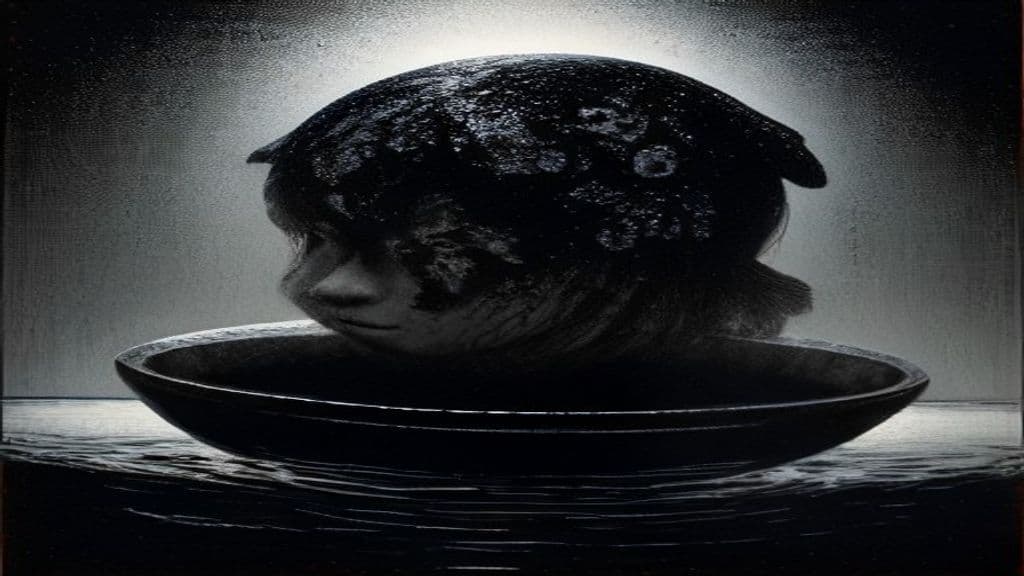
A water-dwelling imp of Japanese folklore with a bowl of water on its head. Mischievous but bound by strict codes of politeness; dangerous near rivers.

Karura
Greater

Karura

A Japanese Buddhist divine creature with a human torso and avian head, derived from the Sanskrit garuḍa. Portrayed as an enormous, fire-breathing predator of serpents and incorporated into Buddhist guardian retinues and ritual-iconographic contexts in Japan.

Kasa-obake
Minor Spirit

Kasa-obake

A Japanese yōkai usually depicted as an animate umbrella (kasa) that acts as a playful trickster. Best known from visual and literary culture from the Edo period onward, it is commonly shown with one eye, one leg, and a long tongue and is not generally presented as malicious.

Kechibi
Lesser

Kechibi

Kechibi (けち火) are atmospheric ghost lights from the folk legends of Kōchi Prefecture (historical Tosa Province), Japan. They are local variants of onibi/funayūrei-type lights reported as human-linked luminous balls that emerge either at death or from sleeping persons and that figure in cautionary folktales about interaction with spirit phenomena.

Kejōrō
Lesser

Kejōrō

Kejōrō is recorded only as a named entry (or image) associated with Toriyama Sekien’s Konjaku Gazu Zoku Hyakki (c. 1779) within the context of Sekien’s illustrated bestiary of supernatural beings. The available supplied source (a Wikipedia summary of Sekien’s work) confirms Sekien’s role as compiler-illustrator but does not supply further descriptive or folkloric detail specific to Kejōrō.

Keneō
Lesser

Keneō

Keneō (懸衣翁), literally "clothes hanging old man," is an underworld attendant in Japanese popular Buddhist tradition who sits at the edge of the Sanzu River. Described in sources as an Oni-like figure, he receives the garments of arriving souls, hangs them on a riverside branch whose bend registers the weight of sin, and participates with Datsue-ba in postmortem punishments.

Kidōmaru
Lesser

Kidōmaru

Kidōmaru (鬼童丸 / 鬼同丸) is an oni-class antagonist appearing in Kamakura-period and later Japanese setsuwa and warrior-cycle narratives. He functions as a cunning ambusher and bandit opposite Minamoto no Yorimitsu and his retainers in tales that place him in mountain caves, fields, and occasional domestic intrusions.

Kijo
Lesser

Kijo

Kijo appears as a name listed among Japanese yōkai in a modern field guide, but the supplied sources contain no descriptive lore, etymology, or ritual material for the name beyond that single listing. Other supplied materials using the same romanization refer to a Japanese town (Kijō) and are distinct from the field-guide entry.

Kisshōten
Greater

Kisshōten

Kisshōten is the Japanese veneration of the female devi Śrīmahādevī—identified with the Indic goddess Lakṣmī—appearing in Mahāyāna Buddhist contexts. In East Asian Buddhist reception she is treated as a protective deity whose mantra and vows in the Golden Light Sūtra promise safeguarding to ordained practitioners who uphold and teach that sutra.

Kitsune
Ancient

Kitsune

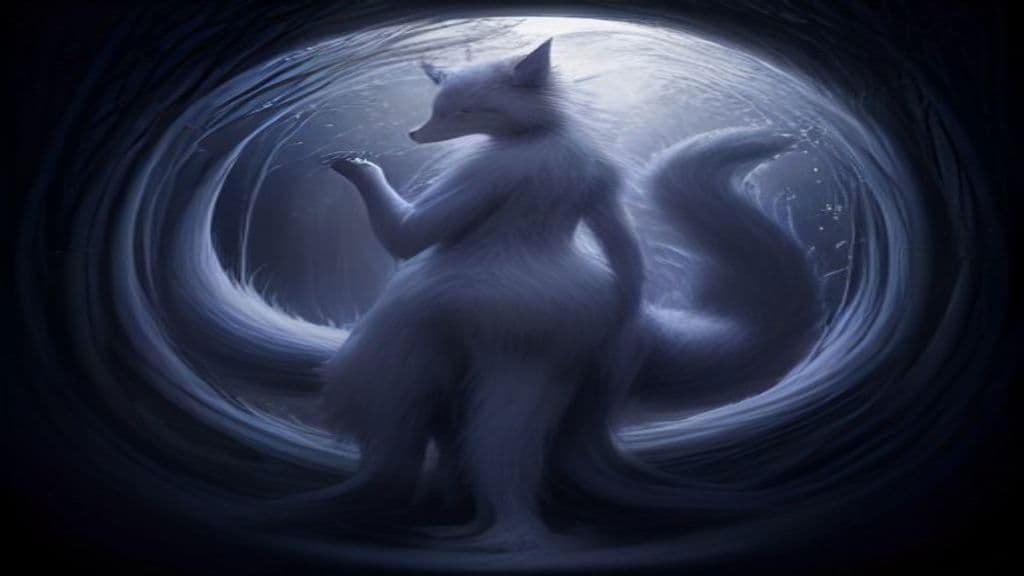
Fox spirits of Japanese mythology — intelligent, long-lived beings who gain additional tails (up to nine) as they age and grow in power. They serve as messengers of the god Inari and as powerful tricksters.

Komainu
Lesser

Komainu

Komainu (狛犬) are paired lion- or dog-like guardian statues placed at thresholds of Shinto shrines (and sometimes temples, noble residences, or private homes) in Japan. As apotropaic architectural figures they ward off evil and mark liminal boundaries; their paired 'a-un' mouths symbolize beginning and end.

Kompira (Konpira / Konpira Gongen)
Lesser

Kompira (Konpira / Konpira Gongen)

Kompira (Konpira, Konpira Gongen) is a locally venerated Japanese protective deity associated primarily with the sea, sailors, and seafaring safety. Centered on the mountain Kotohira in Kagawa Prefecture, the cult is syncretic—embedded in Shinto shrine practice, Shugendō asceticism, and historically described in some texts with Buddhist identifications or foreign-origin narratives.

Konaki-jiji
Lesser

Konaki-jiji

Konaki-jiji (子泣き爺) is a yōkai from Japanese folklore, originating in the mountain regions of Tokushima Prefecture on Shikoku and later recorded in national yōkai collections. It is known for luring compassionate travelers by imitating the cry of an infant and then suddenly becoming a crushing heavy weight that kills the carrier.

Konohanasakuya-hime
Ancient

Konohanasakuya-hime

A Shinto kami chiefly associated with Mount Fuji and volcanoes, Konohanasakuya-hime is the 'blossom princess' who symbolizes the ephemeral beauty of earthly life and appears in myths that explain human mortality and local miracles. She is venerated at Sengen (Asama) shrines on and around Mount Fuji and figures in narratives of miraculous childbirth, landscape alteration, and healing guidance.

Koromodako
Lesser

Koromodako

A coastal yōkai from northern Kyoto Prefecture folklore described as a small octopus-like creature that can expand like a piece of clothing or blanket to enwrap and sink boats and people. The lore is localized to promontory areas of the Tango (Yosa) Peninsula and Wakasa Bay.

Koto-furunushi
Minor Spirit

Koto-furunushi

A Japanese tsukumogami: an aged koto that becomes animate and plays enchanting music. Described as a harmless yōkai that rewards long care with benevolent musical animation and may mourn neglect.

Kotoamatsukami
Primordial

Kotoamatsukami

Kotoamatsukami (別天津神; "distinguishing/heavenly kami") is the collective name used in classical Shinto summaries for the first gods who came into existence at the creation of the universe. Described in sources such as the Kojiki and summarized in modern reference works, they are primordial, self-arising heavenly deities who appear in Takamagahara and then largely withdraw from later mythic action.

Kubikajiri
Lesser

Kubikajiri

Kubikajiri (首かじり) is a head-eating ghost from Japanese folklore described as a headless spirit that haunts graveyards at night seeking and consuming heads of the living or the dead. Its presence is often associated with the smell of fresh blood and with searching graves for its own missing head.

Kuchisake-onna
Greater

Kuchisake-onna

Kuchisake-onna (口裂け女, "mouth-slit woman") is a Japanese urban-legend figure and modern folkloric yōkai/onryō: a mutilated woman who asks victims whether she is beautiful and whose revealed slit mouth leads to killing or mutilation in variant accounts. The legend emerged in the late 1970s and circulates with multiple survival tactics reported in popular sources.

Kunekune
Minor Spirit

Kunekune

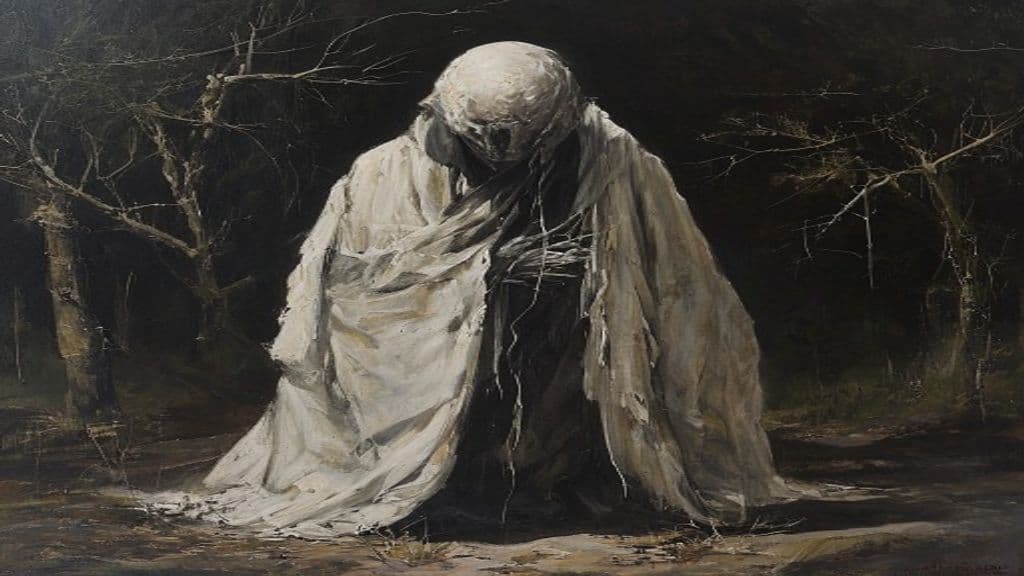
Kunekune is a modern Japanese urban-legend apparition, first circulated online, described as a slender white, paper- or fabric-like humanoid that continuously wriggles in open fields on hot summer days. It functions as an Internet-born contemporary folk apparition rather than a traditional ritual spirit, with debate in sources about mundane explanations such as scarecrows, wick drains, fog, or heat-induced hallucination.

Kuraokami
Greater

Kuraokami

Kuraokami is a classical Japanese kami associated with rain and snow, named in the Kojiki and Nihon Shoki genealogies as one of the deities produced from the violent aftermath of the fire-deity Kagu-tsuchi's death. The name combines kura (闇, "dark") with the uncommon logograph okami (龗/淤加美), a character and set of associations linking rain, supernatural power, and later commentator identifications with snake/dragon imagery.

Kussie
Lesser

Kussie

Kussie (クッシー, Kusshī) is a modern local lake‑monster/cryptid associated with Lake Kussharo in eastern Hokkaidō, Japan. Presented in contemporary sources as a place‑linked folkloric creature, Kussie functions largely as a component of local identity and tourism rather than as a well‑documented traditional spiritual being.

Maikubi
Lesser

Maikubi

Maikubi is a localized yokai from Manazuru in Kanagawa Prefecture associated in modern sources with maritime misfortune; summaries portray it as a three‑headed sea creature whose presence coincides with shipwrecks and other sea disasters.

Makuragaeshi
Lesser

Makuragaeshi

A Japanese folkloric phenomenon literally meaning "pillow flip" (枕返し or 反枕), described as a bedside yōkai or nocturnal spirit that comes during sleep to turn over a sleeper's pillow or change the orientation of head and feet. Accounts vary: some depict a small-child or bōzu-like figure (makura-kozō), others describe the effect as produced by the spirit of someone who died in the room, domestic tricksters (zashiki-warashi), animal/tree spirits, or temple-associated apparitions.

Menreiki
Lesser

Menreiki

Menreiki (面霊気) is a mask-associated yōkai recorded in the Edo-period compendium Gazu Hyakki Tsurezure Bukuro (1781). Classical sources describe it as a monster composed of Gigaku masks; modern popular culture has expanded the motif into characters and narratives that emphasize masks as repositories of emotion or as instruments of coercion.

Mitama
Minor Spirit

Mitama

Mitama (mi + tama) is a Japanese term for an honored spirit that can denote either the spirit of a kami (divine being) or the soul of a dead person. In Shinto practice a kami's mitama may be housed in a physical object (shintai or mitamashiro).

Moon Rabbit (Maya Tradition)
Primordial

Moon Rabbit (Maya Tradition)

A mythical figure associated with lunar mythology, said to pound elixir or medicine for mortals and occasionally foodstuffs. (Note: 1. Power tier: Downgrade to Ancient, as while it's associated with lunar mythology, its abilities are not cosmic in scope. 2. Abilities: Add that the contents of the mortar differ among cultural tradi)

Mothra
Ancient

Mothra

Mothra (Japanese: モスラ, Mosura) is a moth-like giant monster (kaiju) originating in Japanese popular media. First appearing in a 1961 serial/novelization and Toho's 1961 film Mothra, the character is recurrently portrayed as a colossal, often heroic/protective kaiju associated with an island culture and featured across multiple Toho and later Monsterverse films.

Mujina (貉)
Lesser

Mujina (貉)

A Japanese folkloric shapeshifting creature associated with badger-like and tanuki-like animals; classed among yōkai, mujina perform transformations, illusions, and pranks, and in some tales repay kindness or enact retribution when harmed.

Mōryō
Lesser

Mōryō

Mōryō (魍魎, also written 罔両 or 美豆波/mizuha in some sources) is a collective term found in East Asian textual and folkloric traditions for spirits tied to natural features and liminal places; literary Chinese sources depict them as corpse‑afflicting beings while Japanese usage can treat the label more broadly for various uncanny yōkai associated with mountains, rivers, trees, rocks, and graves.

Nine-tailed Fox
Greater

Nine-tailed Fox

A long-lived fox-spirit figure from Chinese myth (九尾狐) that appears across East Asia (e.g., kitsune, kumiho). Associated with age-linked transformation, shapeshifting into humans, ambiguous morality (trickster/seducer or occasionally honorable), and in some doctrinal sources a celestial/ritual role with talismans and jiao rites.

Nobusuma (野衾)
Lesser

Nobusuma (野衾)

A yōkai of Edo-period Japanese folklore associated in sources with nocturnal gliding mammals (bats or flying squirrels). Traditions describe it as a small winged beast that can latch onto travelers or sleepers—covering the face or extinguishing torches—and in some accounts an aging form precedes a still more dangerous being called yamachichi.

Noppera-bō
Lesser

Noppera-bō

A faceless yōkai from Japanese folklore described as an otherwise humanlike figure whose face is smooth and featureless; primarily known in modern sources and popular culture as an uncanny, fear-inducing apparition.

Nozuchi
Lesser

Nozuchi

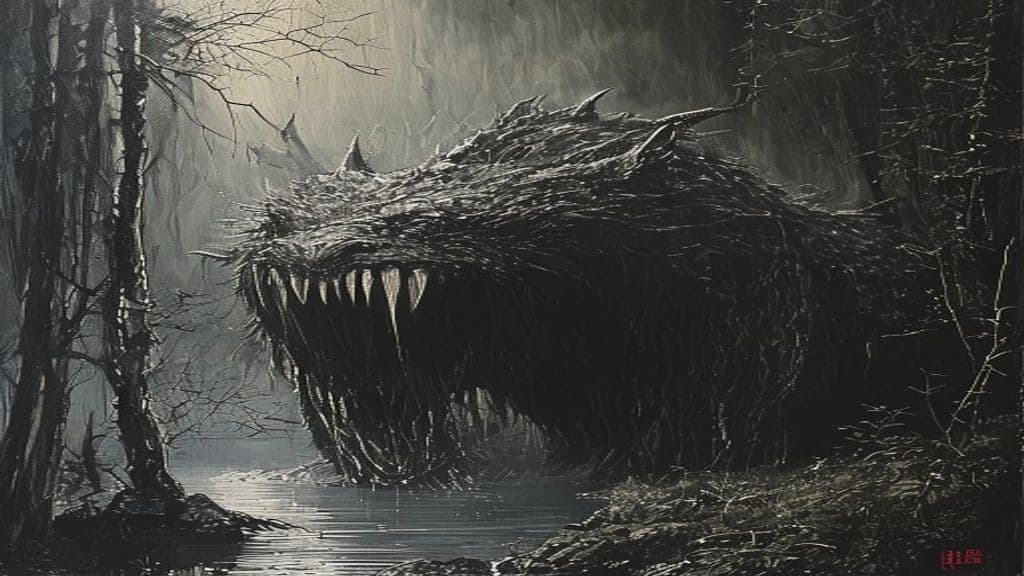
Nozuchi is a polyvalent name in Japanese tradition that appears both as an alternate name sometimes listed for a vegetation/field kami and as a snake- or lizard-like yokai/cryptid in folkloric and popular-media sources. Classical Shinto-oriented material presents Nozuchi among appellations of a protector of fields and ancestor of herbs; folkloric and cryptid accounts treat Nozuchi as a thick-bodied, hammer- or snake-like creature encountered in rural or wild areas.

Nukekubi
Greater

Nukekubi

A Japanese yōkai, typically depicted as a woman whose head detaches (or becomes free-moving on a string-like neck) at night to fly about and prey on human blood. Considered a variant of the broader rokurokubi category and attested in classical kaidan, Edo-period yōkai literature, and modern reference collections.

Nure-onna
Lesser

Nure-onna

A Japanese yōkai associated with seas, rivers, and shorelines, portrayed variably as a wet-haired woman, a snake-bodied female, or an ubume-like figure who lures victims with a childlike bundle. Regional tales alternate between depictions of a reclusive, territorial being and a predatory lure often linked with the ushi-oni.

Nurikabe
Lesser

Nurikabe

A yōkai from Japanese folklore that manifests as a wall-like obstruction on paths at night, preventing or misdirecting travelers. Recorded primarily from Kyūshū (notably Fukuoka and Ōita), the nurikabe functions as a folk explanation for travelers losing their bearings, with local variants attributing the effect to trickster animals such as tanuki or weasels.

Obariyon
Lesser

Obariyon

Obariyon is attested in modern reference works as a yōkai associated with local folklore of Niigata Prefecture, Japan. The supplied sources provide no traditional descriptions, origin myths, abilities, rituals, iconography, or warding practices for Obariyon. The name has also been used as a contemporary professional wrestling persona in event listings, which do not supply folkloric information.

Oboroguruma
Lesser

Oboroguruma

Oboroguruma (朧車, "hazy cart") is a yōkai in Japanese folklore described as a ghostly ox cart with a face. Legend reports that on misty, moonlit nights in Kyoto one can hear squeaking like an ox cart and, if they step outside, find the Oboroguruma parked outside their home.

Okuri-inu
Lesser

Okuri-inu

The Okuri-inu (送り犬, literally "escorting dog") is a Japanese yōkai encountered on mountain paths at night that follows travellers. Regional accounts identify it as a dog or wolf (okuri-ōkami, yama-inu) or as related follower-spirits (okuri-itachi); it behaves ambivalently, sometimes protecting those who comport themselves correctly and sometimes attacking or eating those who fall or panic.

Oni
Greater

Oni

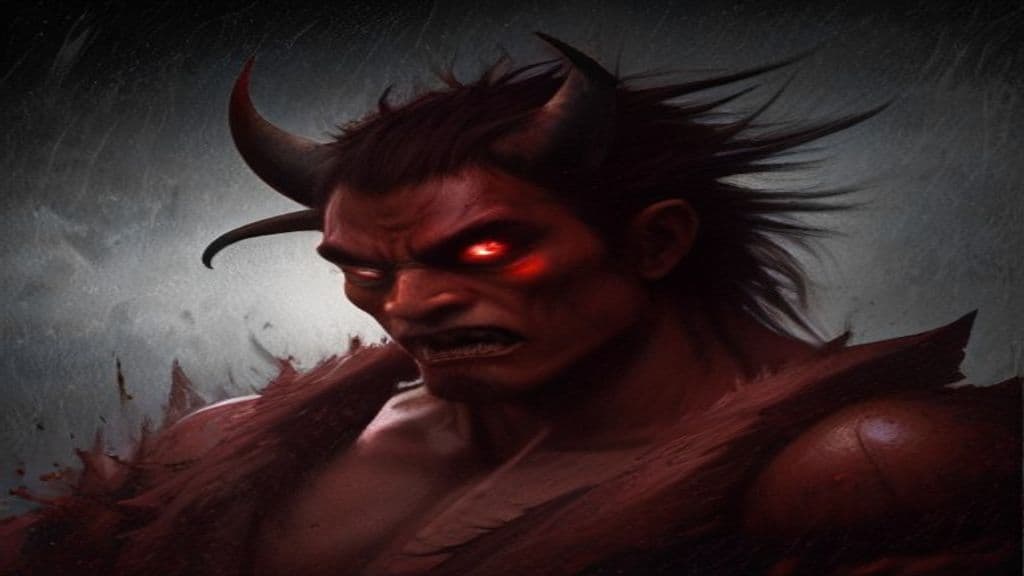
Powerful supernatural beings of Japanese folklore — associated with misfortune, disease, and the punishment of sinners in hell. Fearsome, often depicted as guardians of the underworld.

Onibi
Lesser

Onibi

Onibi (鬼火, "demon fire") is a Japanese folkloric category of atmospheric ghost lights—luminous phenomena associated with corpses, resentful spirits, and liminal environments. Accounts vary widely in appearance, behavior, and danger, and the term functions as a collective label for multiple local types and stories recorded in Edo-period and later sources.

Onihitokuchi
Lesser

Onihitokuchi

Onihitokuchi (鬼一口) is a setsuwa motif in classical Japanese literature in which an oni (demon/ogre) instantly eats a human in one mouthful. The term functions both as a narrative episode in Heian-era tale collections and as a lexicalized metaphor for something extremely dangerous or for swift, decisive action.

Onryō
Greater

Onryō

Onryō are vengeful spirits in Japanese folklore who return after death to redress wrongs suffered in life by harming the living; they are commonly portrayed in literature and film as wronged individuals—frequently women—whose resentment manifests as lethal retribution, and in some accounts as causing wider calamities.

Osaki
Lesser

Osaki

A class of small, pack-moving animal-spirit (a type of yokai) in Kantō-region Japanese folk belief that attaches to families or individuals, bringing material gain (gold, rice) while imposing social stigma and sometimes producing possession-like illness. The condition can be hereditary (osaki-mochi), shaping marriage and social practice in affected communities.

Osan Kitsune
Lesser

Osan Kitsune

A regional fox-spirit folktale from Hiroshima Prefecture in Japan. The Osan Kitsune appears in human guise (notably as a woman carrying an infant) to deceive passersby; after entrusting the child to a helper the figure vanishes and the child is revealed to be a stone. The tale is tied to place-names and a small public statue in the Eba area of Hiroshima.

Oshiroibabā
Lesser

Oshiroibabā

A Japanese yōkai literally named "white-face-powder old woman," depicted as an elderly woman with her face thickly smeared in oshiroi (white facial powder). She appears in Edo-period yōkai imagery (Toriyama Sekien) and in localized Nara Prefecture traditions (notably a Totsukawa river account and a distinct Hase-dera temple legend).

Otake Dainichi Nyorai
Primordial

Otake Dainichi Nyorai

Japanese manifestation of Vairocana, embodying wisdom and compassion. (Note: 1. Power tier should be Ancient (deity-level) rather than Primordial (cosmic). 2. Appearance should be noted as "Not specified" due to lack of source material. 3. Abilities, sensory_cues, weaknesses, )

Otoroshi
Greater

Otoroshi

Otoroshi is an Edo-period yōkai type known from painted emaki (picture-scrolls) and yōkai compendia. Primarily an image-and-name pairing with little classical explanatory prose, it is depicted as a fearsome, hair-covered creature that recurs across several visual catalogues of supernatural beings.

Oyagami
Lesser

Oyagami

Oyagami (祖神 / 親神) is a category of ancestor/parent-deity in Japanese religious thought: an ancestral spirit worshipped by a clan or a parent-like kami that cares for humans. In some sectarian contexts (notably Tenrikyo) the term is used as the personal title of the supreme deity, rendered in English as "God the Parent."