South Asian Folk Supernatural Beings

260 documented South Asian Folk supernatural beings from the Evil Eye grimoire, including 87 lesser and 75 greater in power tier.

page 2 of 5

Bordoisila
Greater

Bordoisila

The storm deity of spring in Assamese tradition — Bordoisila is the daughter of Brahma who visits her mother's home at the end of winter, and whose journey back creates the violent pre-monsoon storms of April and May. She is a goddess-spirit propitiated in Assam for thousands of years.

Brahmacharini
Ancient

Brahmacharini

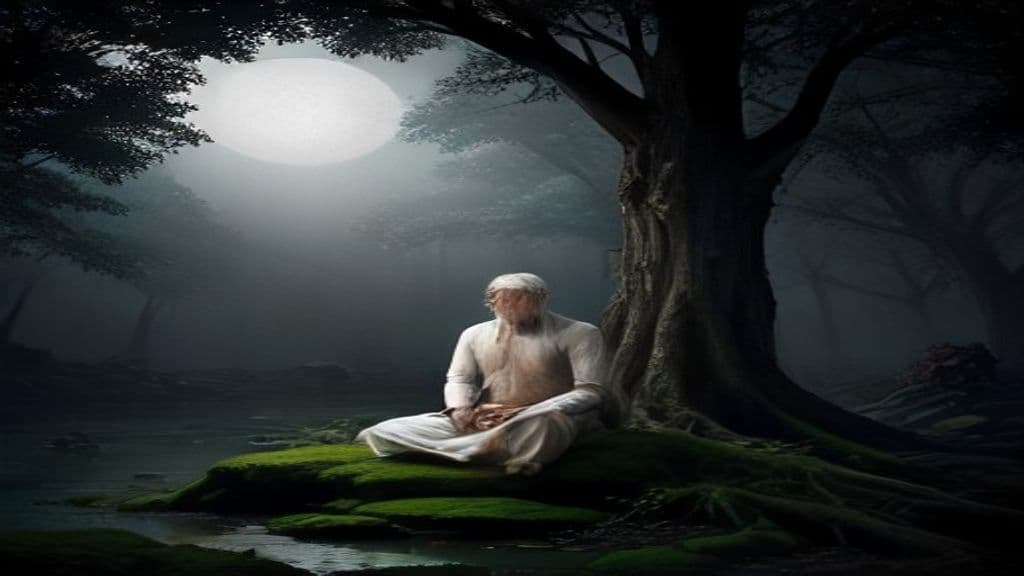
Brahmacharini is the second form of the Divine Mother (Mahadevi/Parvati) in the Navadurga cycle, venerated during the second day of Navaratri. She personifies ascetic discipline and sustained penance (tapas) undertaken by the goddess to win Shiva's consent to marriage.

Brahmadaitya
Greater

Brahmadaitya

Bengal's most distinctive ghost: the spirit of a Brahmin who died celibate — before marriage, or having taken a vow of celibacy — whose accumulated learning and unfulfilled life persists. Unlike the North Indian Brahmpret, the Brahmadaitya is often passive or even helpful, but its presence makes any household it inhabits spiritually unsettled.

Brahmaputra-associated spirits
Minor Spirit

Brahmaputra-associated spirits

No folkloric entity or ghost associated with the Brahmaputra River is documented in the provided sources. The available materials treat the Brahmaputra strictly as a geographic and political subject (a trans‑boundary river) and contain no descriptions of spirits, rituals, appearances, abilities, or warding practices tied to the river.

Brahmarakshas
Lesser

Brahmarakshas

The name 'Brahmarakshas' appears in published Indian folkloric indexes and in contemporary Hindi popular culture. In the provided sources it is attested as the title of a tale listed in a Southern India folktale collection and as the name used for a modern Hindi supernatural television series and for musical releases, but the supplied materials do not include a full folktale text or ethnographic description of the being.

Brahmpret
Greater

Brahmpret

The ghost of a Brahmin who died before fulfilling his dharmic obligations — more powerful than any ordinary preta, the Brahmpret retains Sanskrit learning, ritual authority, and the capacity to curse. The most feared ghost-class in North Indian villages.

Bull (mythology)
Greater

Bull (mythology)

A recurring sacred animal in multiple mythologies, the bull often functions as a divine sign, an emblem of kingship and fertility, and a bridge between celestial and terrestrial order. In the Cretan tradition a bull appears from the sea to Minos as a sign tied to his claim to rule and an obligation of sacrifice; in broader comparative accounts bulls are associated with major deities and celestial symbolism.

Burha dangoria
Minor Spirit

Burha dangoria

Burha dangoria is sparsely attested in available sources and is catalogued in Wikidata as a type of ghost or spirit associated with the Nagaon district region of Assam, India. Beyond a name and a tentative classification, no substantive descriptions, stories, or practices are provided in the supplied materials.

Buso
Greater

Buso

A capacious Bagobo category for malevolent non-human beings in Mindanao animistic belief; buso are implicated in disease, death, and consumption of flesh and are managed through offerings, avoidance, and local ritual practice. The term covers many named types (tigbanua, mantianak, karokung, etc.) rather than a single mythic personality.

Chaitra
Minor Spirit

Chaitra

Chaitra (Sanskrit: चैत्र, Caitra) is the name of the first month of the Hindu lunar calendar and the Indian national calendar; it functions as a calendrical period that structures seasonal cognition (spring/Vasanta), new-year reckonings, and a cluster of religious festivals and commemorations across South Asian traditions.

Chandalika
Primordial

Chandalika

A Dayan witch who has reached approximately 1600 years of age — the final threshold, beyond which she has become more force than person, capable of destroying entire lineages and withstanding divine invocations.

Chandi
Ancient

Chandi

Chandi (Caṇḍī / Caṇḍikā) is a fierce aspect of the Hindu Divine Feminine (Devi) prominent in Śākta traditions, celebrated in the Devi Māhātmya (Durga Saptashati) as a warrior‑protector and purifier. She is invoked in homa/chanting rites (Chandipath/Chandi Homam) to remove obstacles, cure evils, and bestow auspiciousness, and appears both in pan‑Indian scripture and varied local village forms especially in eastern India and Gujarat.

Chandraghanta
Greater

Chandraghanta

Chandraghanta is the third of the nine forms of the Hindu goddess Durga (the Navadurga). Depicted as a golden-complexioned, ten-armed goddess with a crescent-moon shaped like a bell on her forehead and mounted on a lion (sometimes a tiger), she is invoked in protective liturgy and worshipped on the third day of Navaratri to remove afflictions, instill courage, and frighten away malevolent beings.

Chann Pardesi
Minor Spirit

Chann Pardesi

Chann Pardesi is the title of a 1981 Punjabi-language film from India; the provided sources document the film's production, cast, plot summary, and official promotional/trailer certification. The materials do not identify 'Chann Pardesi' as a supernatural being or wandering spirit within Punjabi folklore.

Chir Batti
Minor Spirit

Chir Batti

Chir Batti (also chhir batti or cheer batti) is reported locally as a 'ghost light' seen in the Banni grasslands of the Rann of Kutch in Gujarat, India. The term literally combines the Kutchi–Sindhi words chir (ghost) and batti (light), locating the phenomenon as an uncanny luminous presence tied to that landscape.

Chudail (Churel)
Greater

Chudail (Churel)

A female revenant figure in North Indian and broader South Asian popular imagination: a vengeful female spirit said to return after traumatic or unjust death to haunt, possess, or exact revenge on the living. The figure functions in folklore and cinema as a locus for anxieties about gendered violence and transgressive femininity.

Churail
Lesser

Churail

The term "churail" appears in contemporary Pakistani media and Urdu-language fiction titles; the supplied sources document modern uses of the word (a 2020 Pakistani web series titled Churails and Urdu fiction collections using "churail" in their titles) but do not provide folkloric descriptions, origins, or ritual practices for a supernatural being by that name.

Churel (Chudail)
Greater

Churel (Chudail)

A South Asian female revenant or vengeful ghost associated with women who die cruelly or unpurified; often said to target male relatives and sometimes described as latching onto trees, producing a tree‑attached tree‑spirit variant in local tales.

Chyavana
Greater

Chyavana

Chyavana (Sanskrit च्यवन / Cyavana) is a Vedic/Puranic rishi of the Bhrigu lineage famed for great ascetic (tapas) and mantra potency, for being miraculously rejuvenated by the twin physicians the Āśvins (with treatments later named chyavanaprasham/Kayakalpa), and for episodes in which his ascetic power affects gods, sacrificial entitlement, and human communities.

Daayan (Dayan, Ḍāin / Ḍāini)
Greater

Daayan (Dayan, Ḍāin / Ḍāini)

A malevolent female spirit or ghost in Indian folklore, often identified as the restless spirit of a woman who died traumatically or with unresolved circumstances. The vernacular term is frequently rendered in English as 'witch,' but sources emphasize it denotes a post‑mortem vengeful spirit rather than a living practitioner; etymological links are drawn to the Sanskrit dakini, a class of fiendish female spirits in medieval texts.

Dadhīci (Dadhichi)
Greater

Dadhīci (Dadhichi)

Dadhīci is a Vedic and Puranic rṣi (sage) celebrated for his mastery of Vedic mantras, custodianship of divine weapons, and exemplary self‑sacrifice whose bones are used to fashion Indra's vajra. He functions as a teacher, ritual custodian, and pivotal participant in myths about the restoration of cosmic order.

Daini (Aturi Daini)
Lesser

Daini (Aturi Daini)

Daini (also attested as "Aturi Daini" in bibliographic metadata) is a term attested in the metadata of a mid-20th-century Bengali story collection. In the supplied sources the term appears only as a catalog/keyword and no folkloric description, powers, rituals, or consistent taxonomy are documented.

Dakinī
Greater

Dakinī

A dakini is a feminine spiritual figure attested in Hindu and Buddhist literature and in Himalayan Vajrayāna cultural contexts; sources in this set characterize the dakini as a type or class of goddess and as a figure embedded in tantric and Himalayan religious landscapes. Specific iconography, powers, and ritual formulas are not documented in the supplied sources.

Dakkhin Rai
Greater

Dakkhin Rai

Dakkhin Rai is a locally venerated territorial sovereign of the Sundarbans (mangrove forests of West Bengal, India and Bangladesh), regarded as ruler of beasts and dangerous spirits and commonly associated with the tiger. Forest users propitiate him before entering the mangroves; he features in contested narratives alongside Bonbibi, Shah Jangali and Bara Khan Ghazi.

Damyanti
Ancient

Damyanti

A Dayan witch of approximately 800 years — named for Damayanti of the Mahabharata, her power has grown to command weather, disease, and the spirits of the dead across an entire district.

Darika
Greater

Darika

Darika is a legendary asura-like antagonist in the Bhadrakali/Bhagavathi narrative cycle of Kerala whose exceptional boon made him invulnerable to death by any man; his subsequent tyranny and defeat by the goddess Bhadrakali are ritually reenacted in the temple theatre Mudiyettu.

Datsue-ba
Lesser

Datsue-ba

A supernatural old-woman ogress figure in Japanese Buddhist underworld imagery who sits by the Sanzu River and strips the deceased of their garments (or, in some accounts, their skin) as part of post-mortem judgement. She functions as a liminal, procedural agent within Ten Kings / Six Realms iconography rather than as a creator or cosmic force.

Datuk Keramat
Lesser

Datuk Keramat

Datuk Keramat denotes a class of locally venerated shrine-presences—respected ancestral or saintly figures associated with keramat (sacred graves/shrines)—forming a syncretic cult in parts of Malaysia and Singapore. Shrines are typically yellow, often sited under trees or at junctions, and receive offerings (food, joss sticks, paper money) from Malay and Chinese devotees seeking protection, wealth, or favors.

Dayan (Daayan, Ḍāin, Ḍāini)
Greater

Dayan (Daayan, Ḍāin, Ḍāini)

A North and East Indian folkloric figure: a malevolent female revenant or vengeful spirit commonly associated with women who died in traumatic or unresolved circumstances. Dayans are described in popular sources as powerful life-draining entities with distinctive physical markers and as a label that also functions in social witch‑hunt practices.

Deoha
Lesser

Deoha

Deoha is the name of a river — a tributary of the Ramganga — that rises in the Shivalik Hills and flows through Uttarakhand into the plains of Uttar Pradesh, where it is known by the name Deoha and further downstream as the Garra. The supplied sources contain no documentation of a supernatural household guardian or offended spirit called Deoha or Deoha‑Rooh.

Devala
Ancient

Devala

Devala is a Vedic/Hindu rṣi and ancestral founder-figure in Devanga community tradition and also appears in Pāli/Buddhist literature as an ascetic seer (Asita Devala). In Hindu Devanga Purāṇa accounts he is the mythic originator and teacher of weaving and the eponymous ancestor of the Devanga weaver community; in Buddhist suttas he functions as an interlocutor and seer in doctrinal exempla.

Devaraja
Ancient

Devaraja

Devaraja (Sanskrit: deva-rāja) is a religious-political concept of sacred kingship in ancient and medieval India and Southeast Asia in which a living monarch is ritually invested as a divine or deified ruler and thereby linked institutionally to a temple cult and specific deities (notably Shiva or Vishnu). It functions as an office and state ideology that sacralizes royal authority and integrates the kingdom with a cosmic order.

Devata
Lesser

Devata

Devata denotes a class of divine or godlike beings in South and Southeast Asian Hindu and Buddhist traditions. The term covers specialized, often localized presences (village, household, forest, directional guardians) and in some contexts overlaps with the broader category deva; devatas are integrated into lived ritual practice across India, Sri Lanka, Bali, and neighboring regions.

Dewi Sri
Ancient

Dewi Sri

Dewi Sri (also Shridevi, Nyai Pohaci Sanghyang Asri in Sundanese contexts) is the indigenous rice-and-fertility goddess of parts of the Indonesian archipelago (Java, Bali, Lombok and surrounding islands). She is a living cultic presence in village ritual life believed to preside over rice, household and communal prosperity, and the prevention of famine; in Hindu-influenced contexts she is often equated or syncretized with the Sanskritic goddess Sri/Lakshmi.

Dhanvantari
Ancient

Dhanvantari

Dhanvantari is the divine physician in Hindu tradition, identified as an avatar of Viṣṇu who emerges from the Samudra Manthana bearing the pot of amṛta and is credited in Purāṇic and later accounts with promulgating and systematizing Āyurveda. He appears both as a cosmic being born from the churning of the Ocean of Milk and in later Purāṇic narratives as a terrestrial king/teacher who transmits medical knowledge.

Dharmathakur
Lesser

Dharmathakur

Dharmathakur (also Dharmaraj or Dharma) is a locally venerated village deity of the Rarh region of West Bengal associated in local practice with death, justice, and fertility. His cult centers on communal worship (notably the Dharmer gajan), non‑figurative stone images and terracotta horse votives, and shows layered syncretism between popular agrarian forms and later Brahminical textualization.

Doyen
Lesser

Doyen

The Bengali witch — closely related to the North Indian Dayan but with Bengali-specific characteristics including the ability to steal livers, which the witch must periodically consume to maintain her powers. Doyen accusations continue to drive violence against women in rural Bengal and tribal districts of Jharkhand.

Draupadi
Greater

Draupadi

Draupadi is a central figure of the Indian epic Mahabharata: princess of Panchala born from a royal yajna, the common wife of the five Pandava brothers, and in many accounts a partial incarnation of the goddess Shri and close friend (sakhi) of Krishna. Her narrative role includes the public humiliation in the Kuru court, exile, participation in the events leading to the Kurukshetra War, later queenship of Indraprastha, and final ascent toward heaven in which she falls first.

Drosera (sundews)
Minor Spirit

Drosera (sundews)

Drosera, commonly known as sundews, is a genus of carnivorous plants in the family Droseraceae. The genus contains at least 194 species distributed on every continent except Antarctica and is characterised by glandular, mucilage‑covered tentacles that trap and digest insects to supplement nutrient-poor soils.

Durvasa
Ancient

Durvasa

Durvasa is a legendary rishi in Hindu scriptural tradition, famed for an irascible temper and the real effects of his blessings and curses. He functions as a moral tester of hospitality and ritual propriety, appearing in hermitages, royal courts, and divine assemblies; narratives record that his words can alter fortunes of humans and gods alike.

Epic-Puranic Royal Genealogies (Hindu tradition)
Minor Spirit

Epic-Puranic Royal Genealogies (Hindu tradition)

Historical accounts of ancient Indian dynasties as recorded in the Epic-Puranic narratives. (Note: - Power tier: Should be Primordial=cosmic (given the historical and genealogical significance), not Minor Spirit. - Summary: Should mention that these are considered historical events by Indian tradit)

Gana
Lesser

Gana

In Hindu religious-literary sources, the gaṇa (Sanskrit: गण, gaṇa) denotes a constituted company or troop of supernatural beings who function as the attendants/retinue of the god Śiva and are said to reside on Mount Kailash. The term also functions as a general lexical category in Sanskrit and Pali for a flock, troop, tribe, or assembly and appears across Vedic, epic, Purāṇic, Tamil, and Buddhist texts.

Gazi Pir
Lesser

Gazi Pir

Gazi Pir is a Bengali Muslim warrior-saint (Ghazi and pir) traditionally dated to the 12th–13th centuries. In the Sundarbans and wider Ganges delta his cult functions as a local protective devotion: he is invoked for safety from tigers and other natural dangers and is depicted in a pictorial narrative known as the Gazi Scroll.

Gaṅgā (Ganges)
Minor Spirit

Gaṅgā (Ganges)

Gaṅgā is the major sacred river of northern India and Bangladesh, treated in the supplied sources primarily as a geographic and cultural entity — one of the mahānadī (great rivers) of the Indic textual tradition and a central feature of South Asian ecology and religion. The provided materials document its course, hydrology, longstanding textual presence (including limited Rigvedic mentions), and modern cultural significance, but do not present detailed mythic personification, ritual prescriptions, or spirit-warding practices.

Gorai (place-name and surname)
Minor Spirit

Gorai (place-name and surname)

Gorai is attested in the supplied sources as a place-name — a village on Salsette island in the Mumbai Suburban district — and as a family name/surname in archival records. The provided materials contain no documentation of a supernatural 'Gorai' or a forest-spirit tradition.

Gotama Buddha (Siddhartha Gautama)
Ancient

Gotama Buddha (Siddhartha Gautama)

Siddhartha Gautama, commonly called Gotama or the Buddha, is presented in these sources as a historical religious teacher from the Sakya clan who attained full awakening (nirvana) and founded the Buddhist sangha; he is treated both as a human exemplar shaped by historical circumstances and, in devotional accounts, as the fully awakened Buddha situated among a sequence of past buddhas.

Gramadevata
Lesser

Gramadevata

A gramadevata (Sanskrit: grāmadevatā) is the tutelary or guardian deity of a specific locality—most commonly a village—in South Asian Hindu practice. Gramadevatas function as territorial, communal divinities responsible for the wellbeing, boundaries and fortune of the settlement; they are propitiated in local shrines and festivals and may be benevolent when honored or feared as causes of calamity if neglected.

Guruvayurappan
Greater

Guruvayurappan

Guruvayurappan is the local form of the Hindu god Vishnu worshipped at the Guruvayur Temple in Kerala, identified specifically with Krishna in his child form (Guruvayur Unnikkannan). The murti is the temple's living presiding deity in local tradition and is portrayed in devotional narratives as responsive to devotees and capable of intervening in their lives.

Hanuman
Greater

Hanuman

Hanuman is a divine vanara (monkey‑like being) in Hindu literature, foremost companion and devoted servant (Rama-dūta) of Lord Rama in the Ramayana. Revered in later Bhakti traditions, he is worshipped as a protector and exemplar of devotion, strength, and service.

Haṃsa (Hamsa)
Greater

Haṃsa (Hamsa)

The haṃsa is a paradigmatic aquatic migratory bird in South Asian religious and philosophical literature, functioning both as an observed Anatidae-like bird (variously rendered as swan, goose, or flamingo) and as a metaphysical symbol of the soul, discriminative awareness, and liberation (moksha). It appears across Vedic hymns, Buddhist Jataka tales, Puranic and later Hindu iconography as a sacred, white bird and as the vahana (vehicle) of several deities.

Hidimba
Greater

Hidimba

Hiḍimba is a powerful demon king in the Indic epic Mahābhārata who dwells in the forest, preys on humans (including cannibalistic behavior), and is slain in single combat by the Pandava Bhīma. In regional tradition the cultic attention shifts to his sister Hiḍimbī (Hiḍimbā Devī) and their son Ghaṭotkaccha, whose shrines and festival roles are prominent in Himachal Pradesh.

Hidimbi (Hiḍimbī / Haḍimbā)
Greater

Hidimbi (Hiḍimbī / Haḍimbā)

Hiḍimbī (Hiḍimbā) is a rākṣasī (female rakshasa) figure in the Mahābhārata who encounters Bhīma, changes form to a beautiful maiden, marries him and bears Ghaṭotkaca. In Himalayan (Himachal Pradesh) regional religion the figure is worshipped as the local goddess Haḍimbā, patron of a temple in Manali; scholarship treats the cult as older than or independent of its epic identification.

Hippostratus
Minor Spirit

Hippostratus

Hippostratus (Ancient Greek Ἱππόστρατος, Hippostratos/Hippostratus) was a historical Indo-Greek king who ruled parts of central and north-western Punjab and Pushkalavati in the late 1st century BC. Known from numismatic evidence, he bore the epithet Soter and in some issues Basileos Megas, resisted Indo-Scythian incursions under Azes I, and is regarded as the last western Indo-Greek king.

Hiyang Athouba
Lesser

Hiyang Athouba

A Meitei folkloric phenomenon in which a human corpse is said to transform into a demon-like, monstrous or vampire-like being. Described in folktales as arising from unattended or improperly tended deaths and usually reverted by daybreak or ended by proper funerary action.

Iravan (Aravan / Kuttantavar)
Lesser

Iravan (Aravan / Kuttantavar)

Iravan (Sanskrit: Irāvān; Tamil: Aravāṇ) is a minor Mahabharata hero—son of Arjuna and the Naga princess Ulupi—who in South Indian (Tamil) religion is transformed into a village/guardian deity (often called Aravan or Kuttantavar) and is principally worshipped in the form of his severed head. In Tamil cults he functions as a propitiatory figure for fertility, healing, and village protection and as a central patron figure in ritual practices of transgender communities.

Isakki (Isakki Amman)
Lesser

Isakki (Isakki Amman)

Isakki (Tamil: இசக்கி), also called Isakki Amman or Esakki, is a popular village goddess (kaval deivam) venerated in parts of southern Tamil Nadu. She functions primarily as a local guardian and maternal/fertility deity whose humble shrines are associated with sacred trees, votive terracotta figures, and offerings seeking child welfare and protection.

Jagaddhātrī
Greater

Jagaddhātrī

Jagaddhātrī is a name used in Bengali cultural production and, in one classificatory source, identified as an aspect of the Hindu goddess Durga. In the supplied materials the term appears in bibliographic records of Bengali-language books and as the title of a contemporary Bengali television series; the sources do not provide ritual, iconographic, or narrative detail about the figure.

Jakar
Ancient

Jakar

The supplied sources do not document a discernible Assamese land/forest spirit or protector-deity named Jakar. The name appears in the materials as (a) a Bhutanese place-name whose foundation myth involves a roosting white bird, (b) a French-language fictional character fragment, and (c) as part of modern personal-name usage in an Indian gazette; none of these sources provide ethnographic evidence for an Assamese supernatural being called Jakar.

Jambavan
Ancient

Jambavan

Jambavan is a long-lived rājā of the bears in Hindu epic tradition who acts as warrior, strategist, and wise elder; he aids avatars of Vishnu (notably Rama and Krishna), appears across multiple yugas, and is associated with narrative episodes such as the Kishkindha counsel to Hanuman and the Syamantaka gem combat with Krishna.

Janaka
Ancient

Janaka

Janaka is a legendary and dynastic king of Videha (capital Mithila) who functions in Indic sources as an exemplar of ideal kingship and spiritual realization—a ruler who combines political authority, patronage of Vedic learning, and non-attachment. The name is used both as a regnal title for Videha's kings and as the personal/regnal name of the famous monarch who is the adoptive father of Sītā in the Rāmāyaṇa.