Afro-Caribbean Supernatural Beings

47 documented Afro-Caribbean supernatural beings from the Evil Eye grimoire, including 18 greater and 12 ancient in power tier.

Adjassou-Linguetor
Lesser

Adjassou-Linguetor

Adjassou-Linguetor is a loa in Haitian Vodou associated with spring water. The limited cited sources describe her as having protruding eyes and a bad temper; beyond these points, the available documentation (Wikipedia and Wikidata) is minimal.

Aganjú
Primordial

Aganjú

Primordial Orisha associated with the sun, fire, and the untamed wilderness in Yoruba tradition. (Note: - Remove "untamed wilderness" from Power tier description as it's a trait associated with Lesser entities, not Primordial. - Add Appearance section based on source material (e.g., no specific descript)

Agwé
Greater

Agwé

Agwé is a high-ranking lwa in Haitian Vodou associated with the sea, navigation, fishing, and certain funerary conveyances. He is portrayed as a naval officer who lives in a palace beneath the sea, commands attendant spirits, and is propitiated with maritime offerings and ceremonies.
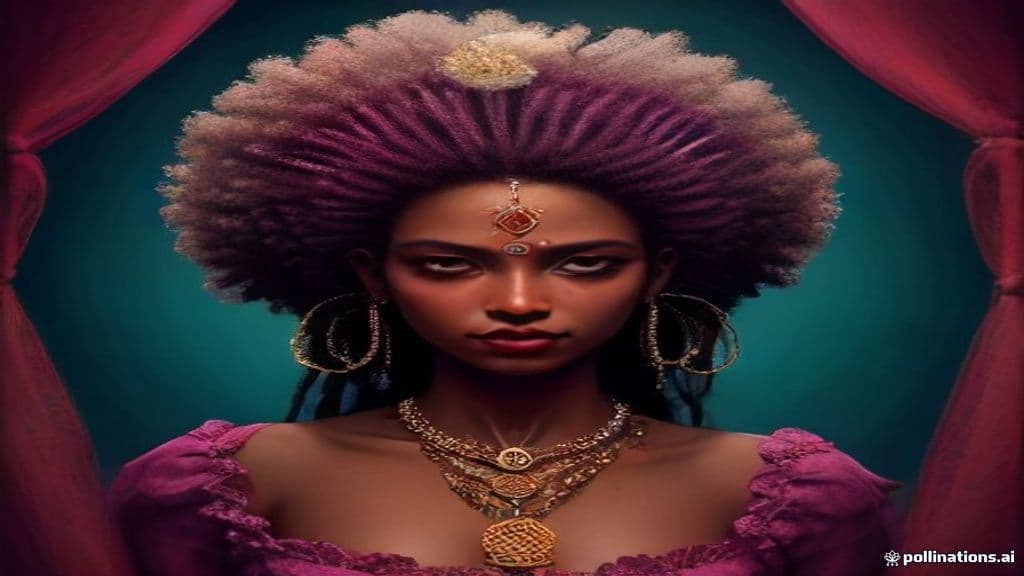
Anansi
Ancient

Anansi

The spider trickster god of Akan folklore — cunning, mischievous, and wise. Keeper of stories and teacher of human beings, brought through the slave trade into Caribbean and African-American tradition.

Ayagunna (Yoruba Tradition)
Lesser

Ayagunna (Yoruba Tradition)

A manifestation of Obatala, the Sky Father, embodying martial prowess and a desire for global peace through domination. (Note: - Power tier should be Greater (Ayagunna is described as manifesting the Sky Father's "fierceness" and having achieved global conquest). - Appearance needs clarification or deletion, as there is no ex)

Ayida Wedo
Primordial

Ayida Wedo

Ayida Wedo is a primordial rainbow-serpent loa of Haitian Vodou (with counterparts in Fon and Ewe vodun) associated with water, the rainbow, and the elemental forces; she often appears paired with Damballa as the dual cosmic serpent that assisted the creator in forming and upholding the world.

Ayizan
Greater

Ayizan

Ayizan is a racine (root loa) in Haitian Vodou and related West African-derived Vodoun traditions, functioning as the archetypal mambo (priestess) and a guardian of ritual order, initiation (kanzo), and the transmission of sacerdotal implements such as the asson. She is also associated with the marketplace and commerce and is syncretized with the Catholic Saint Clare.

Baron Samedi
Greater

Baron Samedi

A principal lwa of Haitian Vodou who serves as master of the dead and psychopomp, head of the Gede family; associated with cemeteries, crossroads, resurrection/healing, and licentious, comic behavior.

Bisimbi (Simbi)
Lesser

Bisimbi (Simbi)

Bisimbi (singular Simbi) are water and nature spirits in Bakongo (Kongo) traditional religion. They are associated with waters and natural sites in the Kongo-speaking region and are attested to continue, with transformation, in Atlantic diaspora spiritual systems such as Lowcountry Hoodoo and Cuban Palo.

Bizango
Lesser

Bizango

Bizango refers to secret societies in Haiti associated with Vodou practice and rural social governance. Sources portray them as local arbiters with contested reputations, variously remembered as community enforcers, makers of ritual objects, and — in folklore and some ethnographic accounts — practitioners of coercive or secretive magical acts.

Bloody Bones
Lesser

Bloody Bones

Bloody Bones (also Rawhead, Rawhead-and-Bloody-Bones) is a vernacular bogeyman figure originating in Britain and carried into regional North American traditions; it functions chiefly as a cautionary monster used to frighten children from danger and ill speech, typically associated with deep water or dark household recesses.

Br'er Rabbit
Lesser

Br'er Rabbit

Br'er Rabbit is an African-American folktale trickster — an anthropomorphic rabbit/hare who survives and triumphs by cunning rather than strength. Originating in oral traditions of enslaved Africans in the American South and related Caribbean communities, the character features in story cycles that teach, entertain, and comment on social relations.

Chudail (Churel)
Greater

Chudail (Churel)

A female revenant figure in North Indian and broader South Asian popular imagination: a vengeful female spirit said to return after traumatic or unjust death to haunt, possess, or exact revenge on the living. The figure functions in folklore and cinema as a locus for anxieties about gendered violence and transgressive femininity.

Churel (Chudail)
Greater

Churel (Chudail)

A South Asian female revenant or vengeful ghost associated with women who die cruelly or unpurified; often said to target male relatives and sometimes described as latching onto trees, producing a tree‑attached tree‑spirit variant in local tales.

Ciguapa
Lesser

Ciguapa

The ciguapa is a nocturnal humanoid figure from Dominican and neighboring Caribbean folklore, most often depicted as a wild, preternatural woman of the mountain forests and rivers. Tales present her variously as a seductive siren-like being who lures men, a mischievous nature spirit, a jealous and sorrowful literary figure, or—in some variants—a violent or cannibalistic creature; she functions in oral and literary traditions as a cautionary forest figure and a marker in shifting cultural narratives.

Cowrie-Shell Divination
Minor Spirit

Cowrie-Shell Divination

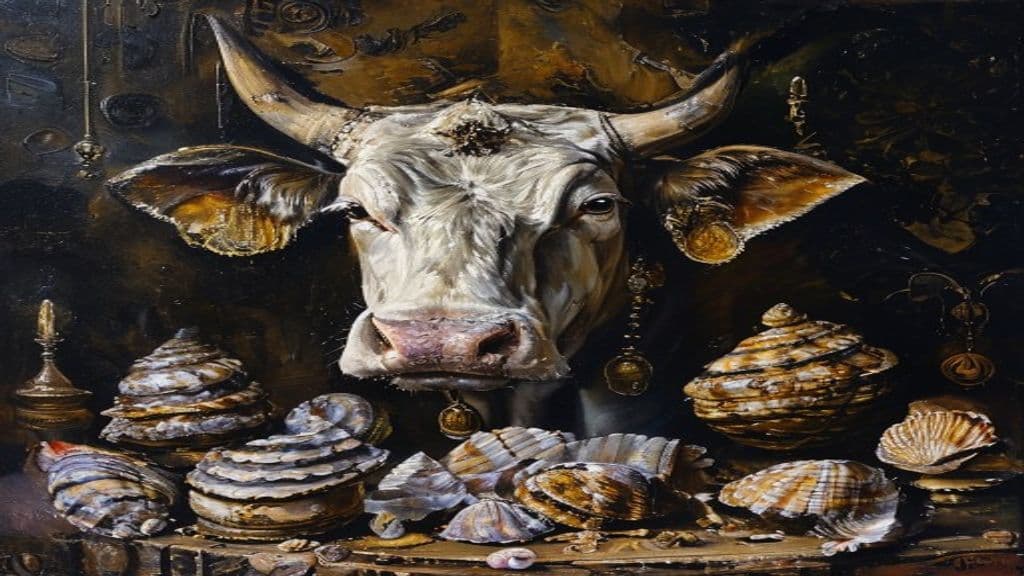
A set of practices using cowrie shells for divination and guidance in West African and Afro-American traditions. (Note: - Power tier: Minor Spirit is unlikely, given the widespread use of cowrie shells across various cultures for significant spiritual practices; consider Greater or Ancient. - Appearance: Add that cowri)

Damballa (Damballah)
Ancient

Damballa (Damballah)

Damballa is one of the most important loa (spirits) in West African Vodun and its New World continuations such as Haitian Vodou and related African-diasporic practices. Traditionally associated with serpentine imagery and sometimes depicted as a rainbow, Damballa represents a central, revered presence transmitted from the Whydah/Ouidah region of modern Benin into Caribbean Vodou practice.

Douen
Lesser

Douen

A childlike supernatural spirit from Trinidadian and Saint Lucian folklore, often depicted as faceless forest beings with backwards feet that mimic voices to lure living children. They are commonly described as mischievous and associated in some accounts with children who died before receiving baptism.

Duppy
Lesser

Duppy

Duppy is a Caribbean spirit/ghost figure, common in Jamaican folklore and also attested in The Bahamas and Barbados, generally regarded as a malevolent unseen spirit associated with misfortune and nocturnal hauntings. The term and concept show links to West African linguistic and ritual ideas transferred to the Caribbean, and the category overlaps regional notions such as jumbies.

Elegua
Ancient

Elegua

Elegua (Ẹlẹ́gbára / Eleguá / Exu / Legba variants) is an Orisha and liminal mediator in Yoruba and Yoruba-derived religions. He is guardian of roads, doorways, and crossroads, the messenger who must be acknowledged before other rituals, and a trickster-enforcer who manages balance between opposites.

Erzulie Dantor
Greater

Erzulie Dantor

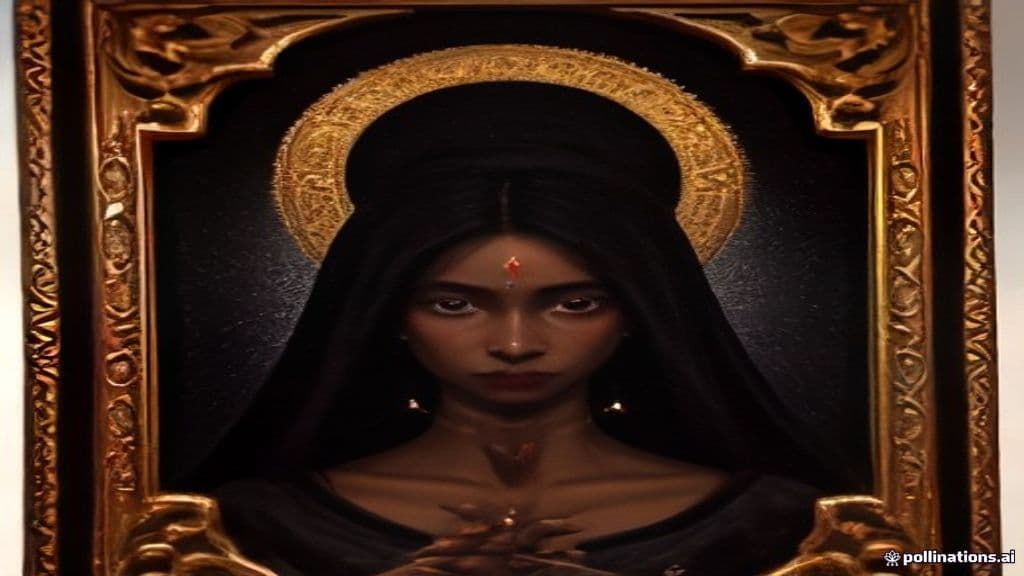
Erzulie Dantor (Èzili Dantò) is a senior Petro lwa (spirit) in Haitian Vodou, a dark-mother manifestation within the Erzulie family associated with womanhood and maternal protection. She is prominent in Haitian folk art and is sometimes iconographically syncretized with images of the Black Madonna (Our Lady of Czestochowa) in popular devotional contexts.

Erzulie Freda
Greater

Erzulie Freda

Erzulie Freda is a manifestation within the Ezili/Erzulie family of loa in Haitian Vodou associated with aspects of love and femininity. She is named among the prominent incarnations of Erzulie alongside Erzulie Dantor and Lasirenn in the cited sources.

Esu (Eshu, Elegbara)
Ancient

Esu (Eshu, Elegbara)

Esu (also attested as Eshu, Elegbara, Elegua/Elegguá, Exu) is a named Orisha — a deity — in the Yoruba traditional religious system and its diasporic continuations. The provided source identifies Esu principally as an Orisha associated with roads and notes the figure's presence across Ifa/Orisha practice and several Afro-diasporic religions.

Ezili Dantor
Greater

Ezili Dantor

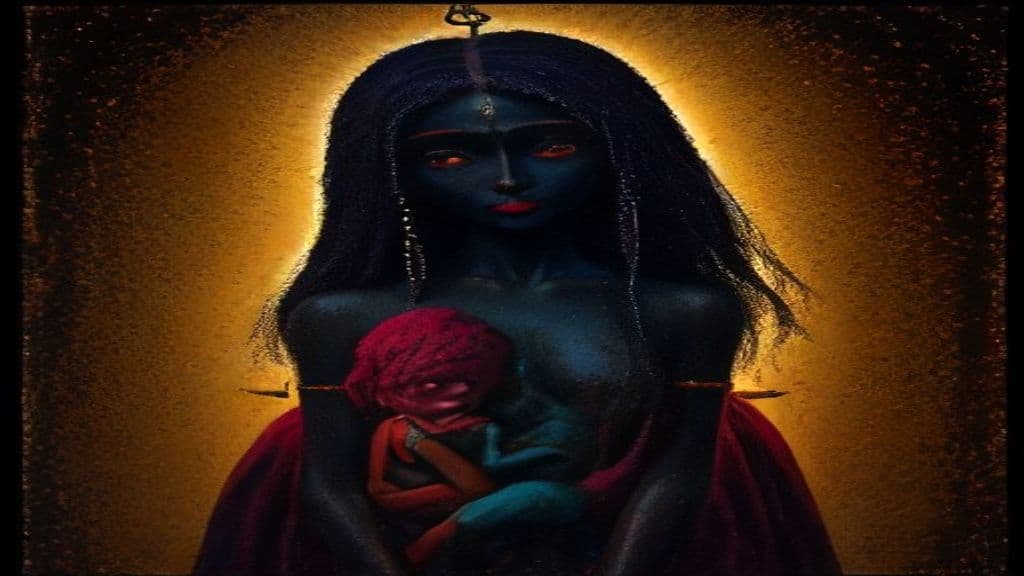
Ezili Dantor (Èzili Dantò, Erzulie Dantor) is a principal Petro lwa in Haitian Vodou, venerated as a dark-complexioned, maternal and fiercely protective spirit of children, single mothers, and marginalized gender identities. She is known for quick, destructive wrath as well as deep suffering, and figures in Haitian devotional life, syncretic Catholic imagery, and revolutionary memory in some traditions.

Gede (Ghede)
Greater

Gede (Ghede)

The Gede are a family of lwa in Haitian Vodou associated with death, ancestors, fertility, and the boundary between life and death. They function as psychopomps and graveyard guardians, appear in public ritual through distinctive drums, dance (banda), and possession, and are honored each year at Fèt Gede around All Souls' Day.

La Sirène
Greater

La Sirène

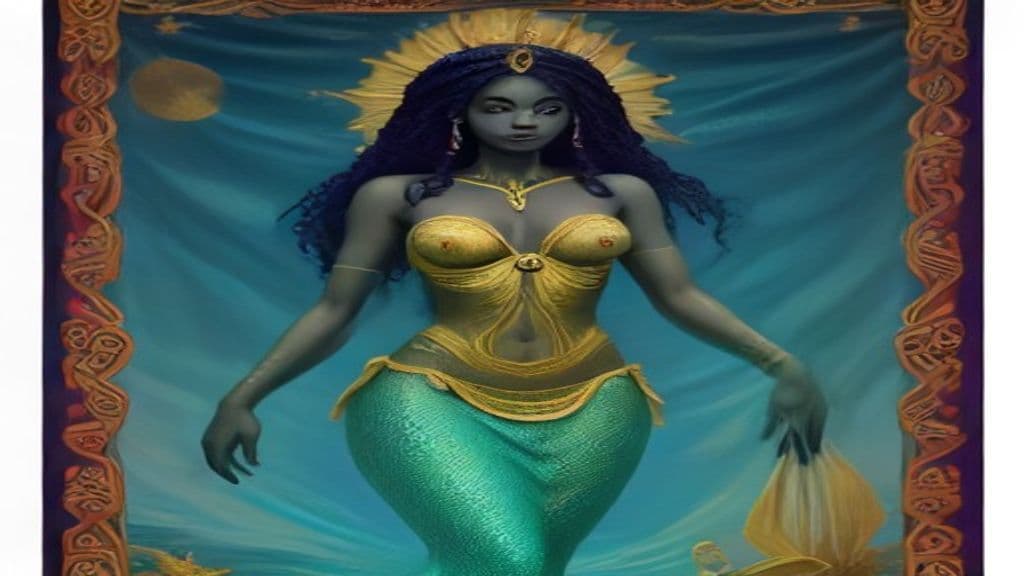
La Sirène is a mermaid-like water spirit (lwa) within Haitian Vodou, represented in ritual art and drapo (Vodou flags) and situated in Vodou pantheon lists alongside other named lwa. She is associated with marine imagery and participates in the visual and religious culture of Haitian Vodou rather than appearing only as a folkloric sea creature.

Leitra do ano/Letra del año
Minor Spirit

Leitra do ano/Letra del año

Annual proclamation or prediction made by babalawos (Yoruba priests) to advise and foretell events for the coming year. (Note: - Power tier: Leitra do ano/Letra del año is not a supernatural entity, so it should be removed from the power tier altogether (it's not a Minor Spirit). - Appearance: Add that there is no physical de)

Lusca
Lesser

Lusca

A Caribbean folkloric sea monster associated especially with the blue holes and submerged limestone caverns of Andros Island, The Bahamas; described as a large mollusk-like or hybrid cephalopod predator said to seize swimmers, fishermen, and boats and drag them into underwater sinkholes.

Lwa (Loa)
Lesser

Lwa (Loa)

Lwa, also spelled loa, are spirit beings venerated within the African diasporic religion of Haitian Vodou and incorporated into some revivalist forms of Louisiana Voodoo. Many lwa identities derive in part from deities of West African traditions, especially Fon and Yoruba.

Mami Wata
Greater

Mami Wata

Mami Wata is a class of water-associated female supernatural beings and deities found across parts of West, Central, East and Southern Africa and in the African Atlantic diaspora. Associated with wealth, fertility, healing, beauty and possession phenomena, Mami Wata figures combine mermaid-like and snake- or crocodile-linked imagery and have absorbed foreign visual forms through historical contact.

Marassa (Marassas, Marassa Jumeaux)
Ancient

Marassa (Marassas, Marassa Jumeaux)

In Haitian Vodou the Marassa (Marassas, Marassa Jumeaux) are described as divine twins: childlike yet presented as older than other loa and as personifications of core moral and cosmological principles. Sources characterize them as paradoxical 'children mysteries' who synthesize aspects of the loa and are linked to love, truth, justice, reason, and astronomic‑astrological learning.

María Lionza
Greater

María Lionza

María Lionza is the central sacred figure of a Venezuelan syncretic popular religion centered on Sorte mountain; venerated as a queen/goddess of nature, love, and healing, she functions as a focal point for mediumship, spirit courts, and pilgrimage.

Obatala
Ancient

Obatala

Obatala is a high-ranking primordial orisha in the Yoruba religious framework, widely described as the sculptor of humankind who molds human bodies and is regarded as father of humanity and owner of all heads. He is associated with wisdom, coolness of thought, and senior or royal status among the orisha; some traditions connect him to the founding of Ife.

Obi Divination
Greater

Obi Divination

A system of divination used in the Yoruba tradition and its derivatives, involving palm nuts or coconut pieces to communicate with ancestors and deities. (Note: 1. Remove "Greater" power tier as Obi divination is a system of divination, not an entity with supernatural abilities. 2. Add sensory cues related to the use of palm or kola nuts/coconut pieces (e.g.,)

Orisha
Ancient

Orisha

Orisha (Òrìṣà) are named divine or supernatural figures in Yoruba religious thought and its Afro‑diasporic continuations (for example, Candomblé and Cuban Yoruba associations). They function as central agents of worship, ritual engagement, and divinatory communication in Yoruba communal and individual religious life.

Oriṣa (Orisha / Orixá)
Ancient

Oriṣa (Orisha / Orixá)

Oriṣa (Yoruba: òrìṣà; Portuguese: orixá; Spanish variants: orisha, oricha, orichá) are the class of divine spirits or deities central to the Yoruba religion of West Africa and to Yoruba-derived religious systems in the Atlantic diaspora (notably Lucumí/Santería in Cuba and Candomblé in Brazil). They function as active sacred presences and intermediaries in communal and individual religious life; in diaspora settings they were often syncretized with Catholic saints as a strategy of continuity under colonial Christian rule.

Oshun
Ancient

Oshun

Oshun (Ọṣun, Ochún, Oxúm) is a major orisha and Irunmole in the Yoruba religious corpus and its diasporic traditions, associated with freshwater (rivers), love, fertility, femininity, divination, prosperity and beauty. She is honored at the Osun-Osogbo Sacred Grove and in festivals and ritual forms across Yorubaland and Afro‑Atlantic religions such as Candomblé and Regla de Ocha/Santería.

Papa Legba
Ancient

Papa Legba

The loa (spirit) of the crossroads in Haitian Vodou — gatekeeper between the human world and the world of the spirits. No other loa can be contacted until Papa Legba is first greeted and asked to open the gate.

Personifications of Death
Greater

Personifications of Death

Named, often anthropomorphic figures across cultures that embody, govern, or mediate death and the realm of the dead. Roles vary from psychopomp guide to judge or sovereign of an underworld, and forms range from skeletal reapers to regal underworld rulers and spirit families.

Pomba Gira
Greater

Pomba Gira

Pomba Gira is an Afro-Brazilian female spirit invoked in Umbanda and Quimbanda who personifies feminine sexuality, desire, and liminality; she functions as a consort to Exu, is petitioned for matters of the heart, and is treated with respect because of her reputed wrath and power in ritual possession.

Simbi
Ancient

Simbi

Guardian spirit of water and nature in Central African tradition. (Note: - Add source material on origin story. - Clarify sensory cues to be presence of water features or aquatic animals associated with Simbi's transformative appearance, rather than just their presence. - )

Sopona (Ṣọ̀pọ̀na, Shapona)
Greater

Sopona (Ṣọ̀pọ̀na, Shapona)

Sopona is the Yoruba orisha associated with smallpox and related illnesses; the deity is understood to be capable of causing outbreaks through divine displeasure and—in traditions that identify him with Ọbaluaye/Obaluaiye—exists within a wider power to both afflict and remove pestilence. Beliefs about Sopona traveled with Yoruba peoples to the Americas and were syncretized in Orisha-based religions (e.g., as Babalú-Ayé).

Soucouyant
Greater

Soucouyant

A Caribbean nocturnal spirit of the jumbie class traditionally depicted as a person who by day appears human (often an old woman) and by night sheds a skin and flies as a ball of fire to suck victims' blood; vulnerable to exposure by scattered grains and to destruction by salt placed with its shed skin.

Yemọja
Greater

Yemọja

Yemọja is a major water deity (orisha) in the Yoruba religion, venerated as a maternal patron of rivers—particularly the Ogun River in Nigeria—and, in Afro-Cuban and Brazilian Orisha traditions, of the ocean. She is depicted as a protective mother figure associated with fertility, healing, wealth symbolism (cowrie shells), and both nurturing and potentially destructive aspects of water.

Ògún
Primordial

Ògún

Ògún (also Ogum, Gu, Egu) is a major West African and diaspora deity (orisha/vodun) associated with iron, metalworking, hunting, war and the crafts that use iron. In Yoruba cosmology he is described in some traditions as an Irunmọlẹ (primordial orisha) who cleared a path for other orisha and functions as patron and protector for blacksmiths, hunters, warriors, drivers and related occupations.

Ṣàngó (Shango / Chango / Xangô)
Ancient

Ṣàngó (Shango / Chango / Xangô)

Ṣàngó is a major orisha in the Yorùbá pantheon identified as a deified royal ancestor (the third Alaafin of Oyo) and as the spirit who governs thunder, lightning, fire, virility, drumming, dance, strength and justice. He is venerated across Yorubaland and in African-derived New World religions (e.g., Candomblé, Santería, Vodou) where his attributes, symbols and rituals have been adapted and occasionally syncretized with Catholic saints.

Ọ̀rúnmìlà
Primordial

Ọ̀rúnmìlà

Ọ̀rúnmìlà is a principal Orisha in the Yoruba religious system, venerated as the deity of wisdom, knowledge, fate, prophecy, enlightenment, and divination. Tradition credits him as the revealer and transmitter of the Ifá divination corpus (the 256 Odu) and as a primordial Irunmọlẹ who acts as an authoritative witness to destiny.