Modern and Internet Supernatural Beings

791 documented Modern and Internet supernatural beings from the Evil Eye grimoire, including 380 lesser and 197 minor spirit in power tier.

page 12 of 14

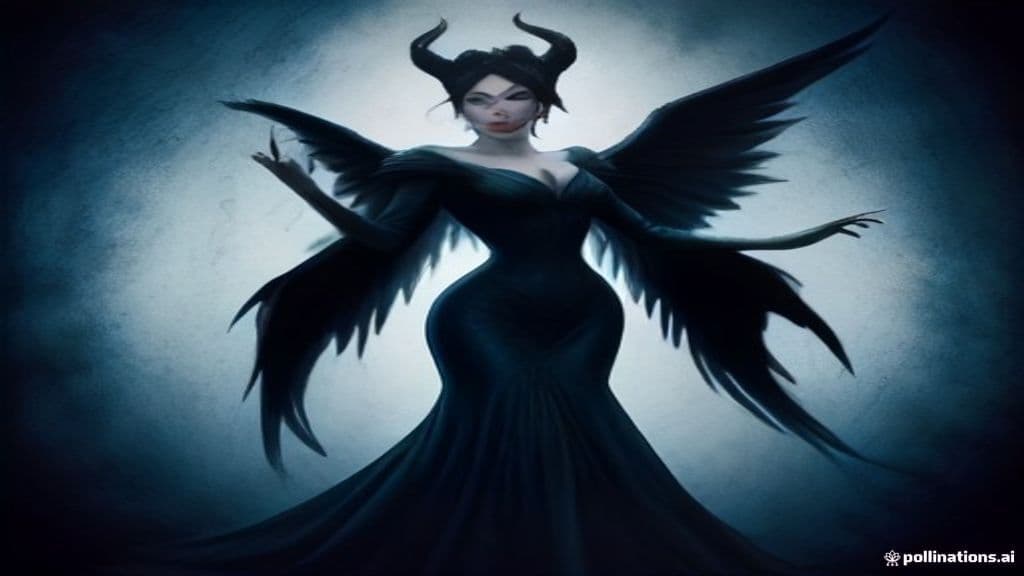
Maleficent
Greater

Maleficent

A fictional, high-powered supernatural female figure from modern popular-media retellings of the Sleeping Beauty tale (notably Disney’s 1959 animated film and the 2014 live-action film). She is portrayed as a powerful fairy who issues binding curses, commands animal familiars and forces, and whose motives range from unambiguous wickedness (1959) to a morally complex protector seeking revenge (2014).

Marty Hopkirk
Lesser

Marty Hopkirk

Marty Hopkirk is a fictional deceased private detective who remains on the earthly plane in incorporeal form and continues to interact socially and professionally with the living. Introduced in the 1969–70 television series Randall and Hopkirk (Deceased) and revisited in a 2000 revival, Marty functions as a persistent ghostly partner who aids investigations while being constrained by the narrative's afterlife rules.

Mavuika
Ancient

Mavuika

Mavuika is a fictional, in‑world divine figure in the video game Genshin Impact who functions as Natlan's Pyro Archon. Presented as a formerly mortal warrior who gained the Archon office, she drew on the power of the Ruler of Death to sacrifice herself to postpone a war for 500 years and is later resurrected in the game's current timeline.

Melantho
Lesser

Melantho

Melantho (Ancient Greek: Μελανθώ) is a personal name borne by multiple women in Greek mythic tradition: a Phthian princess variously linked to Deucalion and Pyrrha and to the birth of Delphus, an Argive queen married to Criasus, and a disloyal maid in the household of Penelope. The name is also reused in modern contexts (a role in Fauré’s Pénélope and as the species epithet Solenocera melantho).
Melinoë
Lesser

Melinoë

Melinoë is an Orphic/Hellenistic chthonic female divinity invoked in Orphic hymnody and late antique magical practice. She is associated with the underworld (born at the mouth of the Cocytus), nocturnal apparitions, and disturbance of the living mind, and appears in ritual petitions and on at least one inscribed bronze magical tablet.

Mengues / Mengue
Lesser

Mengues / Mengue

The term 'Mengues' (also attested as 'Mengue') is documented in the provided sources only as an onomastic item — a surname, a village toponym in Cameroon, and as a name/title used in Spanish-language and contemporary artistic works. The sources contain no evidence that 'Mengues' denotes a supernatural or folkloric entity.

Mentor
Minor Spirit

Mentor

Mentor is a secular social role: a person who provides guidance, teaching, influence or patronage to a less experienced person (a mentee). In the provided sources it is treated as an interpersonal and professional relationship rather than a mythic or supernatural being.

Mestor
Lesser

Mestor

Mestor (Ancient Greek: Μήστωρ, 'adviser, counsellor') is primarily an Ancient Greek personal name borne by several mortal figures in mythic genealogies (sons of Perseus, Pterelaus, Priam, Ajax and one of Poseidon's ten Atlantean princes in Plato). In modern popular culture the name was reused for a human antagonist in the Doctor Who serial 'The Twin Dilemma'.

Metheringham Lass
Lesser

Metheringham Lass

A place‑bound apparition reported at RAF Metheringham in Lincolnshire, presented in local wartime and post‑war lore as a young woman who approaches passing motorists asking for help for an injured boyfriend and then vanishes. The story is linked to the airfield's WWII history and persists in regional storytelling and contemporary paranormal media.

Methone
Minor Spirit

Methone

Methone (Greek: Μεθώνη) is a multi‑use Greek name attested as place‑names in ancient Greece, the name of several minor figures in Greek mythology, a modern toponym, a monotypic genus of metalmark butterflies, and a small moon of Saturn. The supplied sources do not present Methone as a single, coherent supernatural entity within a folkloric cosmology.

Metis (name / label; disambiguation of uses)
Minor Spirit

Metis (name / label; disambiguation of uses)

The string 'Metis' (variants Métis, Metiş) appears across many domains — as an Indigenous ethnonym (Métis), place names (Metis Shoal, Metiş village, Metis Island), astronomical and biological names (9 Metis asteroid, Metis moon, genus names), a brief Wikipedia mention of a mythological Metis (Oceanid and wife of Zeus), and multiple modern institutional and cultural uses. The supplied sources do not document a single, coherent supernatural entity named 'Metis' with folkloric appearance, powers, or rituals.

Mezzetino
Lesser

Mezzetino

Mezzetino is a commedia dell'arte stock character from 16th‑century Italian popular theatre, a member of the Zanni servant class known as a scheming, often musically inclined servant and flirt. The role circulated into French and English stages and appears in visual arts (notably Watteau) and decorative arts.

Michigan Dogman
Lesser

Michigan Dogman

A regional cryptid and folkloric beast from Michigan popularized in late 20th-century media and oral reports, described as a bipedal, canine-headed figure reported in rural and wooded areas. The figure functions in local legend and contemporary folklore rather than in documented scientific or premodern ethnographic sources.

Minepa
Minor Spirit

Minepa

Minepa is a name attested both as a Tanzanian place-name and, in a small number of modern compilations and database entries, as a spirit label associated with the Makua (Makuwa). Documentary evidence treating Minepa as a supernatural being is sparse and consists largely of secondary lists and a machine-readable database tag rather than ethnographic description.

Miss Brunner
Greater

Miss Brunner

A fictional engineered/engineer-seeking figure in Michael Moorcock's The Final Programme (novel and 1973 film), Miss Brunner is a scientist/leader who assimilates lovers and seeks to run the technoscientific "Final Programme" to create a new hermaphroditic human.

Mogollon Monster
Lesser

Mogollon Monster

A regionally anchored American folkloric cryptid reported along Arizona's Mogollon Rim, described as a large, bipedal, hairy humanoid whose accounts function as wilderness cautionary tales and local popular‑culture legend.

Monkey-man of Delhi
Lesser

Monkey-man of Delhi

A modern Indian urban‑legend and mass‑panic phenomenon centered on reports of a monkey‑like attacker roaming New Delhi in mid‑2001. Media coverage and eyewitness reports described a frightening, inconsistent figure blamed for nighttime attacks, injuries, and panic; subsequent investigations suggested a mix of hoaxing, copycats and mass hysteria.

Morax
Greater

Morax

Morax is a named spirit in demonological listings described in secondary sources as a high-ranking infernal officer—styled a Great Earl and President of Hell—who commands many legions and is said to teach astronomy and the liberal sciences. The figure is also reused in diverse modern fictional and occult contexts where attributes are adapted.

Morphe (μορφή)
Lesser

Morphe (μορφή)

Morphe (Greek: μορφή) is a lexical term meaning "form," "shape," or "outward appearance" attested in ancient Greek and discussed in New Testament exegesis. The provided sources show no coherent folkloric or mythic entity named "Morphe"; modern uses of the sequence "Morphe" in brand and project names are likewise non-mythic appropriations of the word or signifier.

Mothman
Lesser

Mothman

A modern American folkloric figure originating from a cluster of 1966–67 sightings around Point Pleasant, West Virginia. Described in press reports and later retellings as a large humanoid or winged creature with notable eyes, the Mothman legend has been variously interpreted as misidentified wildlife, hoaxing/sensationalism, or a paranormal omen linked in some retellings to the Silver Bridge collapse.

Myrmidon (hero)
Lesser

Myrmidon (hero)

An eponymous ancestor-hero in Greek myth, described in the sources as a son of Zeus and Eurymedusa and the progenitor of the people called the Myrmidons. The personal name became an ethnonym for that mythic nation and was later reused in literature and modern media as a label for warriors or unquestioning followers.

Naaga
Minor Spirit

Naaga

Naaga is not attested in the provided sources as a folkloric or supernatural being; the name appears only as a modern proper noun used for a 2003 Telugu film, an organizational acronym (NAAGA) in a media segment, a film-certificate entry, and as a music track title.

Nagam / Naagam (lexical attestation)
Lesser

Nagam / Naagam (lexical attestation)

The string 'Nagam' or 'Naagam' appears in the provided sources as a toponym, personal name, and media title; the supplied materials do not document a serpent deity, supernatural being, or folk-belief content for 'Nagam' in South Indian tradition.

Naubolus
Lesser

Naubolus

Naubolus is a proper name attested in two distinct domains in the supplied sources: a modern zoological genus of South American jumping spiders and a mythographic personal name appearing in Greek genealogical lists (not portrayed as a supernatural being). The sources do not present Naubolus as a spirit, deity, or monster and provide no ritual or cultic material.

Nerthus
Greater

Nerthus

Nerthus is an early Germanic cultic deity attested in Tacitus's Germania as the focus of a wagon‑procession cult kept on an island in a sacred grove. Tacitus reports a ritual in which a cart draped in white is drawn among communities, bringing a suspension of warfare and communal celebration, followed by ritual washing of cult objects in a secluded lake.

Nessie (Loch Ness Monster)
Minor Spirit

Nessie (Loch Ness Monster)

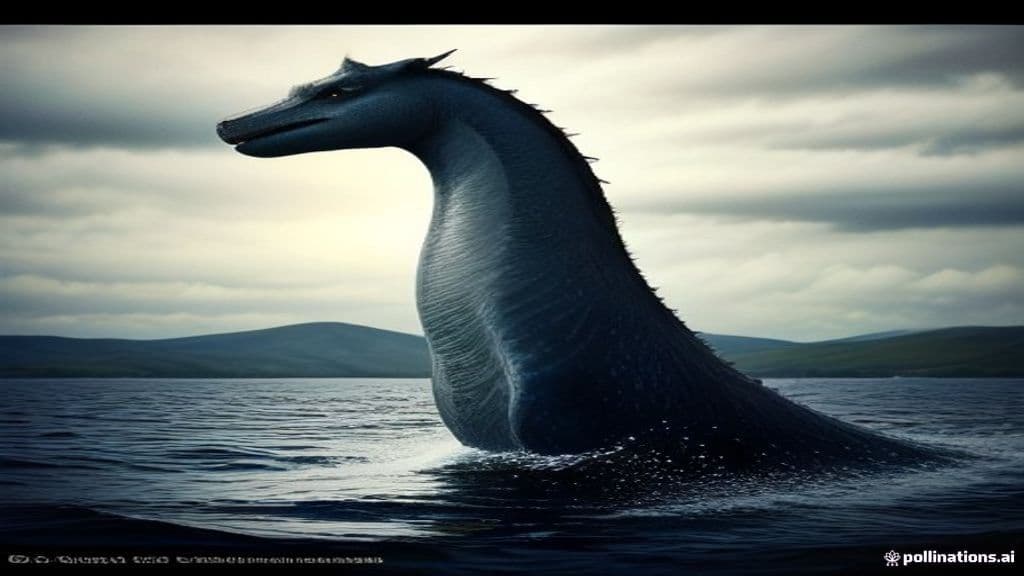
A legendary lake creature of Scottish folklore said to inhabit Loch Ness in the Scottish Highlands, popularly depicted as a large, long‑necked animal with one or more humps. Its existence is driven by anecdotal sightings, disputed photographs, sonar claims, hoaxes, and sustained popular and scientific interest since 1933.

Nessus
Lesser

Nessus

Nessus is primarily recorded in the supplied sources as a name from Greek myth — most prominently a centaur identified in modern reference works as the figure who caused the death of Heracles — and as a widely reused name in modern literature, gaming, and technical products. The provided materials constitute a disambiguation-style set rather than a single coherent supernatural tradition.

Ngoubou
Lesser

Ngoubou

Ngoubou is a term used in modern cryptozoological and popular secondary sources for a reported large, horned anomalous beast from Central Africa. In the supplied material it appears in lists and blog posts alongside other Congo Basin cryptids (e.g., Emela Ntouka, Mokele‑mbembe) rather than as a documented figure in primary indigenous cosmologies.

Ningen
Lesser

Ningen

A modern Japanese internet-originated aquatic humanoid cryptid said to inhabit the Southern Ocean and Antarctic ice margins, described in online posts and popular media since the mid-2000s as a large whale-like or mermaid-like creature with humanlike facial features and limb-like appendages.

Nomion
Lesser

Nomion

Nomion is not attested in the provided sources as a coherent supernatural being or folkloric class. The term appears primarily as a taxonomic epithet in lepidoptery and as a modern proper name in popular culture; a single Wikidata label links the name to a supposed ruler in Caria but this is uncited in the supplied materials.

Nozuchi
Lesser

Nozuchi

Nozuchi is a polyvalent name in Japanese tradition that appears both as an alternate name sometimes listed for a vegetation/field kami and as a snake- or lizard-like yokai/cryptid in folkloric and popular-media sources. Classical Shinto-oriented material presents Nozuchi among appellations of a protector of fields and ancestor of herbs; folkloric and cryptid accounts treat Nozuchi as a thick-bodied, hammer- or snake-like creature encountered in rural or wild areas.

Orang Pendek
Lesser

Orang Pendek

Orang Pendek is a figure from Sumatran tradition and modern cryptozoology described either as a short, ground-dwelling bipedal primate inhabiting remote forests of Sumatra or, in some indigenous accounts, as a supernatural 'short ghost' (Hantu Pendek) used in oral lore and cautionary tales.

Orion
Lesser

Orion

Orion is presented in the supplied sources primarily as a name and cultural referent — most centrally the figure 'Orion (mythology), a hunter in Greek mythology' and the constellation named after him — rather than as a single, fully documented folkloric supernatural entity within the supplied materials. The available documents catalogue wide modern reuse of the name (constellation, works of art, characters, companies, places) but do not provide primary mythic narratives, rituals, or detailed cosmological role.

Ouli
Minor Spirit

Ouli

Ouli is not attested in the supplied corpus as a supernatural being; the string appears across place-names, personal names, institutional and commercial uses, and as a linguistic label in diverse regions. No primary-source folkloric description of an entity called Ouli is present in the provided materials.

Ozark Howler
Lesser

Ozark Howler

A regional cryptid of the Ozark Mountains (northern Arkansas, northeastern Oklahoma, southern Missouri) portrayed in local folklore and modern media as a large, mysterious, noise-making creature. Accounts vary between bear-like, cat-like with horns, and artistic fusions; sources treat it as a landscape-tied legendary animal rather than a formal spiritual being.

Pallas
Lesser

Pallas

Pallas is a name applied to multiple distinct figures in Greek myth (several mortal, semi-divine, and Titan personages) and functions as an epithet of the goddess Athena; in later usage the name is also applied to non-mythic objects such as the asteroid 2 Pallas and a genus name in biology. The sources do not treat Pallas as a single unified supernatural species but as a polyvalent label across genealogies and later nomenclature.

Pallas's cat (manul)
Minor Spirit

Pallas's cat (manul)

Pallas's cat (Otocolobus manul), commonly called manul in Mongolian, is a small wild felid of Central Asian montane and steppe ecosystems. Sources treat it as a biological species with distinctive long dense fur, a stocky build and specialized ecological adaptations to cold, rocky habitats; it is not presented in the provided materials as a supernatural being.

Palles
Lesser

Palles

Palles is not attested in the supplied sources as a supernatural being. The term appears primarily as a surname (notably Anne Palles and Christopher Palles), as a toponym (Les Palles reef in France), and as titles of modern musical works. The only connection to supernatural topics is historical: Anne Palles (1619–1693) was an alleged witch and the last woman to be legally executed for sorcery in Denmark.

Papak (Pabag)
Minor Spirit

Papak (Pabag)

Papak (also rendered Pabag) is attested in the provided sources primarily as a historical figure — an early 3rd-century Iranian prince/high priest associated with Istakhr in Pars — and as a modern personal name and toponym. The supplied material contains no evidence of Papak as a coherent supernatural being, spirit, or folk-creature.

Patience Worth
Minor Spirit

Patience Worth

Patience Worth is an alleged disembodied personality that was communicated through the medium Pearl Lenore Curran beginning in 1913. Credited with producing novels, poetry, and prose via Curran (initially during Ouija-board sessions), Patience Worth was presented as a 17th‑century English woman and drew both popular interest and skeptical psychological critique.

Peryton
Lesser

Peryton

A modern literary chimera combining stag and bird anatomy, originally described by Jorge Luis Borges as a fictional species with a peculiar life-history and a prophetic association; later reused in heraldry, fantasy fiction, and gaming as a winged-deer monster or heraldic charge.

Phantom kangaroo
Lesser

Phantom kangaroo

A modern folkloric and cryptozoological label applied to reports of kangaroos, wallabies, or their tracks appearing in places outside their native range. Accounts range from documented feral/introduced populations and escaped captive animals to sensational, apparitional, or misidentified sightings discussed in urban‑legend and Fortean contexts.

Phi Phong
Lesser

Phi Phong

A ghostly spirit of northern Thai folklore described as the result of black magic gone awry; in modern media a related variant is depicted as a blood‑feeding nocturnal entity. It is framed in sources as arising from failed dark sorcery and appears in contemporary regional horror films.

Philyra
Ancient

Philyra

Philyra is a homonymous name attested in several registers: as the name of multiple female figures in Greek mythology (an Oceanid mother of Chiron; a named wife of Nauplius; a daughter of Asopus and mother of Hypseus), as a Linnaean genus name applied to decapod crustaceans (e.g., Philyra globosa), and as a modern cultural reference used as an EP/album title in Mountain Goats setlists. The provided sources do not support treating Philyra as a single folkloric supernatural entity.

Phoebus (epithet of Apollo)
Ancient

Phoebus (epithet of Apollo)

Phoebus is an epithet historically applied to the Olympian god Apollo. In the supplied sources the name functions primarily as an alternative designation for Apollo, a major Greek deity associated with light, healing, prophecy, music, poetry, and archery; it is also attested in modern secular place- and personal-names.

Pleione
Minor Spirit

Pleione

Pleione is a name applied to a figure in Greek myth (mother of the Pleiades), a star in the Pleiades cluster (Flamsteed 28 Tauri), and a genus of small orchids named after the mythic mother. Sources treat Pleione across mythic, astronomical, and botanical taxonomies rather than as a single active supernatural being.

Plexippus
Lesser

Plexippus

Plexippus (Ancient Greek: Πλήξιππος, lit. 'striking horses' or 'one who drives/ lashes horses') is a personal name borne by several distinct mortal figures in Greek mythic genealogies (princes and nobles). The name is also reused in modern biological taxonomy as a genus of jumping spiders (Plexippus) and as the specific epithet in Danaus plexippus (the monarch butterfly).

Poltergeist
Minor Spirit

Poltergeist

A poltergeist is a German-derived ghostlore label for an unseen agent associated chiefly with noisy, kinetic, and disruptive physical phenomena in domestic settings. Modern summaries and case literature emphasize episodic outbreaks of object movement, loud noises, and occasional assaults or electrical/foul-smell disturbances, with competing explanations ranging from spirit activity to hoax, psychogenic projection, or natural physical causes.

Polyura dolon
Minor Spirit

Polyura dolon

Polyura dolon is a species of large butterfly (rajahs and nawabs group) in the subfamily Charaxinae (Nymphalidae) found across parts of the Indomalayan realm. Sources treat it as a biological species documented in faunal lists, field records, photographic catalogs, and commercial specimen listings rather than a supernatural being.

Popobawa
Greater

Popobawa

Popobawa is a recent folkloric shetani (malicious spirit) from Zanzibar and coastal Tanzania, blamed for nocturnal assaults, poltergeist-like disturbances and episodes of community panic. Reports describe it as a shapeshifting, night-attacking spirit whose sightings have episodically risen since the mid-20th century and that is met locally with charms, exorcisms and communal vigilance.

Power animal
Lesser

Power animal

A contemporary New Age / Neoshamanic category for animal-form spirit-allies adopted in modern Western shamanic-style practices and also a phrase circulating in popular culture; not a single traditional indigenous entity and lacking a unified cosmology in the provided sources.

Prince Charming
Lesser

Prince Charming

A European-derived fairy-tale stock character archetype: an idealized princely rescuer who appears at the narrative moment of resolution to liberate a heroine (by kiss, recognition, marriage, or quest-completion) and thereby complete the tale's social or romantic reward.

Prince Endymion (Tuxedo Mask / Mamoru Chiba)
Minor Spirit

Prince Endymion (Tuxedo Mask / Mamoru Chiba)

Prince Endymion is the royal persona / title associated with the character Mamoru Chiba, better known in English-language sources as Tuxedo Mask, a fictional protagonist from the Sailor Moon media franchise. In supplied sources he appears as a masked ally who disguises himself to support the Sailor Guardians, offering advice and occasional physical assistance against antagonists.

Printer's devil
Lesser

Printer's devil

An occupational term and folkloric scapegoat arising in printshop culture: literally a printing apprentice whose ink-stained hands earned the jocular epithet, and folklorically a mischievous devil (often conflated with Titivillus) blamed for typographical errors and textual corruption.

Promachus
Lesser

Promachus

Promachus (Ancient Greek Πρόμαχος, "who leads in battle" or "champion") is a name applied to multiple mortal figures in Greek epic and myth, and as a surname/epithet of deities (e.g., Athena, Heracles, Hermes). The term also appears in modern scientific and astronomical nomenclature (a genus of robber flies and asteroid 173117 Promachus). It is not a single unified supernatural being in the cited material.

Pronoia
Minor Spirit

Pronoia

Pronoia is primarily a Byzantine administrative institution (Greek: πρόνοια) by which the emperor temporarily granted streams of fiscal income or rights to individuals or institutions. In modern usage the term is sometimes repurposed in creative and new-age contexts to denote a providential mindset or manifestation practice, but the sources contain no account of Pronoia as a supernatural being.

Pylades
Minor Spirit

Pylades

Pylades (Ancient Greek: Πυλάδης) is a mortal Phocian prince in Greek myth, best known as the steadfast companion, counsellor, and co-actor of Orestes across the Orestes cycle (revenge on Clytemnestra and Aegisthus, the Tauris episode, and related episodes). He functions as a loyal attendant, caregiver, and occasional combatant, and later traditions emphasize the depth of his devotion to Orestes.

Pylenor
Lesser

Pylenor

Pylenor is attested as a proper name in two unconnected sources: a centaur listed in classical myth indices (noted as wounded by Heracles) and a human priest character in a modern Assassin's Creed memory scene. The sources do not present Pylenor as a single folkloric being with attendant rituals or warding practices.

Qlippoth
Greater

Qlippoth

Qlippoth (Hebrew קְלִיפּוֹת, qəlippōṯ, singular qəlippā) are the "husks" or "shells" in Jewish mystical literature that constitute the impure, obscuring counterpart to the sefirot. Originating in Zoharic mythic cosmology as coverings or forces of darkness (the Sitra Achra), the concept was later reinterpreted and systematized in Western occultism as infernal realms, orders of demonic beings, and mappings opposite the Tree of Life.

Raimundo
Minor Spirit

Raimundo

Raimundo is documented in the provided sources primarily as a male personal name borne by historical and contemporary individuals and as a modern fictional character name (not as a traditional supernatural being). The materials do not present a coherent mythological or folkloric entity named Raimundo with a consistent cosmology, appearance, powers, or ritual corpus.