Other Supernatural Beings

842 documented Other supernatural beings from the Evil Eye grimoire, including 352 lesser and 181 minor spirit in power tier.

page 14 of 15

Tatzelwurm
Lesser

Tatzelwurm

A Germanic/Alpine legendary mountain and tunnel 'worm' — a lizard- or serpent-like dragon reported in Austrian, Bavarian, Swiss, French and Italian Alpine folklore. Accounts vary, but folklore attributes a cat-like head in some regions, variable limb counts, a shrieking or hissing cry, and (in some traditions) poisonous breath; it is embedded in local anecdotes and place-names rather than a single canonical myth.

Tennin
Lesser

Tennin

Tennin (天人) are celestial, person-like beings in the Japanese Buddhist framework who serve as heavenly attendants, dancers, and companions to Buddhas and bodhisattvas. The concept derives from an Indo-Chinese-Buddhist lineage (compare apsaras) and appears widely in Japanese religious art, Noh theater, and local narrative motifs such as the hagoromo (feather-robe) story.

Tesso (鉄鼠)
Greater

Tesso (鉄鼠)

Tesso (鉄鼠), literally "iron/metal rat," is a Japanese yōkai arising in narrative and pictorial traditions as the rat-shaped manifestation of the vengeful spirit (onryō) of the monk Raigō. In medieval and Edo-period texts the being is associated with destructive eating of sacred books and images and, in onryō narratives, with a haunting that brings illness or death.

Teucer
Lesser

Teucer

Teucer (Greek: Τεῦκρος, Latinized Teucer/Teucrus) is a mythic human hero of the Homeric age: an accomplished archer, son of King Telamon and Hesione, half‑brother of Ajax, a participant in the Trojan War and later an eponymous founder (most commonly credited with founding Salamis on Cyprus). He appears in epic (Homer) and tragic (Sophocles, Euripides) traditions and functions as a legendary warrior‑founder in Greek mythic genealogies.

The Ferryman (Greek Tradition)
Primordial

The Ferryman (Greek Tradition)

A supernatural being in Greek tradition tasked with ferrying souls across a body of water after death, associated with Aesop's fables. (Note: - Power tier should be Greater, as ferrying souls across a body of water doesn't imply cosmic-level abilities. - The origin story is unclear; consider rephrasing or adding that no specific origin stor)

Thereus
Minor Spirit

Thereus

Thereus is a Latinized proper name used in scientific taxonomy for a genus of Neotropical butterflies (family Lycaenidae) and as the designation for minor-planet/centaur 32532 Thereus; the name also appears in modern creative and user-name contexts. The supplied sources do not document Thereus as a folkloric or supernatural being.

Theseus
Greater

Theseus

Theseus is a legendary hero of Greek myth credited with clearing dangers from Attic roads, slaying the Minotaur, and performing foundational civic acts for Athens (including synoikismos and establishing cult practice). He is portrayed as of mixed mortal and divine parentage and functions as a culture-hero and exemplar in later authors' moralizing biographies.

Thessalus
Minor Spirit

Thessalus

Thessalus is an ancient Greek personal name applied to multiple mythic and historical men who function as eponyms, local founders, or notable professionals (actor, physician). The name (Ancient Greek Θεσσαλός, 'Thessalian man') appears across genealogical traditions tying figures to Thessaly, in classical theatrical records, and in histories of medicine referring to the Methodic school.

Thracians
Ancient

Thracians

The Thracians were an Indo‑European–speaking collection of tribes and tribal groupings inhabiting large parts of Southeast Europe in antiquity, known from Greek and Roman accounts for their martial reputation, rich musical and poetic traditions, and local religious cults including oracular sanctuaries.

Three Great Onryō of Japan (Nihon San Dai Onryō)
Ancient

Three Great Onryō of Japan (Nihon San Dai Onryō)

A commonly cited grouping of three historically prominent vengeful spirits (onryō) in Japanese tradition—Sugawara no Michizane, Taira no Masakado, and Emperor Sutoku—whose deaths and subsequent misfortunes were historically narrated as causing calamities and requiring cultic responses to placate them.

Thánh Trần
Greater

Thánh Trần

Vietnamese venerated ancestor spirit and national hero associated with bravery, loyalty, protection, and national pride. (Note: - Power tier: Minor Spirit (as it is an ancestor spirit and not a deity) - Abilities: add that these qualities are believed to be bestowed upon people through his worship, such as protection from harm)

Tietäjä
Ancient

Tietäjä

A magically powerful figure in traditional Finnic culture, possessing supernatural powers derived from great knowledge. (Note: 1. Power tier should be Primordial as "Ancient" is typically reserved for deities and the source doesn't specify otherwise. 2. The sentence in the Origin story could be rephrased to better reflect tha)

Tisamenus
Minor Spirit

Tisamenus

Tisamenus is a name attested in classical Greek myth and history for multiple human figures (notably mythic kings of Argos and Thebes and an historical seer of Elis) and is also the modern scientific name of a genus of Philippine stick insects (family Heteropterygidae). The classical attestations place Tisamenus within dynastic genealogies and as a divinatory specialist; the taxonomic usage names an endemic insect genus redescribed in modern entomology.

Tjilpa
Lesser

Tjilpa

In the supplied sources the term Tjilpa is not attested as a documented supernatural being; the only concrete referent in those materials is the western quoll (Dasyurus geoffroii, common name chuditch) discussed in an encyclopedic entry. No ethnographic or mythic descriptions of a 'Tjilpa' ancestral sand-goanna or paternal ancestral being appear in the provided documents.

Tooth Fairy
Minor Spirit

Tooth Fairy

A folkloric household figure in Western and Western-influenced cultures associated with the loss of children's deciduous teeth; children place a removed baby tooth in a specified place at night and the figure visits while the child sleeps to take the tooth and leave a small payment or gift. The tradition functions as a comforting, pedagogic domestic myth rather than part of a wider supernatural cosmology.

Toxeus (Τοξεύς)
Lesser

Toxeus (Τοξεύς)

Toxeus (Ancient Greek Τοξεύς, lit. 'bowman') is a personal name borne by multiple human figures in Greek myth — chiefly princely/hunter figures tied to the Calydonian hunt and to Oechalian royal genealogies — and later reused as a modern taxonomic and toponymic label. In the classical material assembled in the provided sources, Toxeus denotes mortal mythic humans (princes, hunters, an inventor attestation) rather than a recurring supernatural creature.

Troll cat
Lesser

Troll cat

A witch-created familiar in Scandinavian folklore that steals milk and cream for its mistress. It appears in two main forms—ball-shaped yarn-like constructs (Norwegian trollnøste/trollnøa) and ordinary-looking cats—and is closely linked to accusations of witchcraft and rural dairy loss.

Tsuchinoko
Lesser

Tsuchinoko

A Japanese folkloric snake‑like cryptid described as a short-bodied serpent with a wide midsection, alleged venom and unusual behaviors (jumping, rolling, speaking). In modern Japan it functions as both a traditional folk creature and a subject of cryptozoological interest, bounty campaigns, and popular-culture adaptations.

Tsurube-otoshi
Lesser

Tsurube-otoshi

A Japanese tree-associated yōkai reported especially in Kansai and Tōkai regional traditions and in Edo-period kaidan collections. It is described variably as a bucket-like object, a severed head, or a ball of fire that drops from large, old trees to menace, abduct, or devour passers-by; some classical sources frame it as a fire-phase manifestation of an aged tree.

Tursaansydän
Primordial

Tursaansydän

An ancient, swastika-like symbol in Finnish tradition associated with protection, good luck, and blessings. (Note: - Power tier should be Lowered from Primordial to Ancient, as it is described as an "ancient symbol" and not cosmic in power. - No sensory cues or weaknesses are mentioned in the source material; add )

Tutelary (category — applied to Chao Thi in Thai contexts in other literatures)
Lesser

Tutelary (category — applied to Chao Thi in Thai contexts in other literatures)

A tutelary is a guardian, patron, or protector spirit or deity attached to a particular place, person, lineage, occupation, or community. The supplied source treats the category typologically and links its etymology to notions of safety and guardianship.

Tyria (mythology)
Minor Spirit

Tyria (mythology)

Tyria appears only as a listed item on a disambiguation page and is not described in the provided sources as a mythological being. The sources instead show the label 'Tyria' used for a moth genus, a river and village in Greece, a plant synonym, and a fictional planet in the Guild Wars games; no substantive mythological information is given about an entity named Tyria.

UB-85 monster (hoax)
Lesser

UB-85 monster (hoax)

An alleged sea‑monster said to have attacked the German submarine SM UB‑85 in late April 1918; popularized in James B. Sweeney's 1977 compilation and later adopted by cryptozoology writers, but treated by naval historians as a fabricated or exaggerated post‑hoc explanation for the submarine's capture and mechanical problems.

Ukko
Greater

Ukko

Ukko is a Finnish sky- and thunder-associated deity figure whose thunder and rain are credited with fertilizing fields and securing agrarian fertility. He occupies the high sky (epithet ylijumala) and was petitioned for weather, harvest success, and various communal needs; his character and antiquity are debated in scholarship.

Ulukayın
Primordial

Ulukayın

Ulukayın is the sacred World Tree of Turkic mythology and shamanism, a cosmic Tree of Life that stands at the center of the world, links underworld, earth and sky, and functions as an axis of social origin, souls, and life-giving substances.

Ura (not attested as a folkloric entity)
Lesser

Ura (not attested as a folkloric entity)

The sources consulted do not document a supernatural being named 'Ura.' The string "Ura" appears across place-names, language names, an English disambiguation page, a Romanian common noun (ură = 'hate'), and as part of a contemporary VTuber stage name, but none of these sources presents a traditional mythic or folkloric agent called Ura.

Urduja
Lesser

Urduja

Urduja is a legendary medieval warrior-princess and ruler recorded in Ibn Battuta's 14th-century travel writings and later adopted in Philippine regional and national memory as a proto‑national heroine associated—controversially—with Pangasinan. Sources treat her as a mortal political and military leader whose historicity and geographic provenance (Tawalisi/Kaylukari) are disputed.

Uru (Uros)
Lesser

Uru (Uros)

An indigenous ethnolinguistic people of the Lake Titicaca region known for living on self-fashioned floating totora‑reed islands and for a material culture tightly bound to lacustrine resources. Their identity, subsistence technology, and social history are documented in ethnographic sources.

Ushi-oni
Lesser

Ushi-oni

A place‑bound yōkai of western Japan, the ushi‑oni (牛鬼, also gyūki) is depicted as a dangerous ox‑headed monstrous being tied to beaches, stream pools, waterfalls, caves, and mountains. Regional tales portray it as predatory and harmful — spitting poison, devouring humans, or draining a traveler's soul — while some local stories present shape‑shifting variants that may interact with humans in other ways.

Uṣās
Ancient

Uṣās

Uṣās is the Vedic personification and divine presence of dawn in early Vedic Hinduism; in the Rigveda she is portrayed as the life-giving, order-restoring arrival of morning light who dispels darkness, rouses living beings, and ushers the daily renewal of Ṛta.

Vengeful spirit
Lesser

Vengeful spirit

A vengeful spirit is the spirit of a dead person who returns from the afterlife to seek revenge for a cruel, unnatural, or unjust death; in some cultures the form taken by an 'unhappy ghost' denied proper funerary rites. It functions in narrative as an agent of retribution against those perceived responsible for the original injustice.

Venus
Minor Spirit

Venus

Venus refers to two distinct but historically linked referents in the supplied sources: (1) the astronomical planet Venus, the second planet from the Sun with a dense CO2 atmosphere, extreme surface temperatures and thick sulfuric-acid clouds; and (2) Venus, the Roman goddess associated in summary form with love, sexuality, procreation and pleasure. The sources treat the planet with detailed physical and observational data and give only a brief statement of the goddess's domains.

Vine (growth form)
Lesser

Vine (growth form)

A vine is a botanical growth habit characterized by trailing or climbing stems (herbaceous or woody) — a functional plant category (including bines and lianas) that uses external supports to reach light. The term also appears in modern proper names and brands but, in the provided sources, does not denote a single supernatural or folkloric being.

Virgin Mary (Marian devotion and apparitional tradition)
Lesser

Virgin Mary (Marian devotion and apparitional tradition)

A central historical and devotional figure — Mary of Nazareth — whose veneration across Christian communions and other religions has produced a widespread corpus of devotional practices, shrine cults, and reported apparitional phenomena. The sources treat her primarily as the first‑century Jewish mother of Jesus and as an object of liturgical and popular devotion rather than as a hostile supernatural monster.

Vision Serpent
Primordial

Vision Serpent

Central figure in Pre-Columbian Maya mythology, symbolizing divine power and wisdom, often associated with visions or insights. (Note: - Power tier: downgrade to Ancient (deity-level) as Primordial implies a cosmic or world-shaping entity, which may be too powerful for this entity. - Appearance: add "usually depicted" to indicate tha)

Waghya (Waghoba)
Minor Spirit

Waghya (Waghoba)

Waghya is remembered in Marathi popular memory as the loyal mixed-breed dog of Maratha king Chhatrapati Shivaji Maharaj, traditionally said to have leapt into his master's funeral pyre. The figure functions in monument culture and regional storytelling as an emblem of fidelity and has been commemorated by a statue beside Shivaji's samadhi at Raigad Fort.

Water deity
Ancient

Water deity

A water deity is a god or goddess associated with water or specific bodies of water (sea, ocean, great river, spring, or well). The term is a functional, comparative category used by scholars to group diverse culture-specific divine figures whose primary domain is water.

Water spirit
Lesser

Water spirit

A class of supernatural being tied to particular bodies of water, found across many cultures. Water spirits function as the unseen inhabitants or powers of springs, rivers, lakes, wells, seas and other wet places and may be protective, ambivalent, or dangerous depending on local tradition.

Weather god
Ancient

Weather god

A class of deity in many mythological traditions responsible for meteorological phenomena—thunder, lightning, rain, wind, storms and related atmospheric forces—often linked to sky sovereignty, fertility, warfare, or protection within local pantheons.

Weiße Frauen
Lesser

Weiße Frauen

A class of elf-like luminous female spirits in German folklore associated with sunlight, nature, and particular locales (brooks, castles). Scholars (notably Jacob Grimm) interpret them as survivals or localizations of older Germanic light-elves and goddess-figures.

Wekufe
Greater

Wekufe

In Mapuche cosmology the wekufe (wekufü) is a class of harmful external force or spirit whose essential quality is to disturb or destroy the natural and social order. The term covers a range of beings and energies—from extracorporeal disruptive forces to material monstrous forms—and is tied to ritual order, sorcery (kalku), and healing practices (machi, machitún).

Werecat
Lesser

Werecat

A werecat is a folkloric category of therianthropic beings or people associated with transformation between human and feline forms. The motif appears across Europe, Africa, South and Southeast Asia, and China, with locally specific explanations (witchcraft, hereditary curse, sorcery, ghostly influence, or divine/royal descent).

Werewolf
Lesser

Werewolf

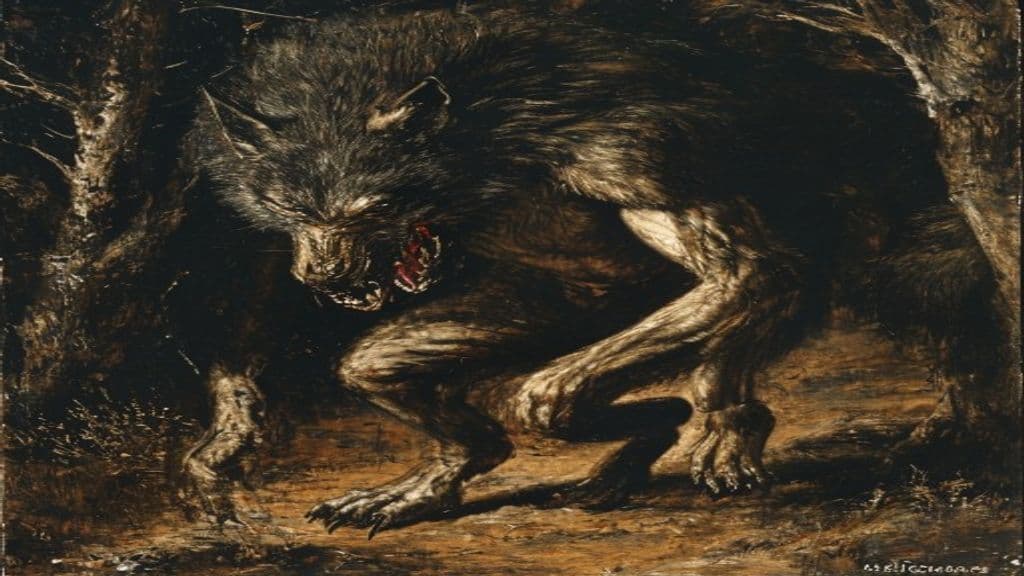
A figure of European folklore of a human who can change into a wolf or wolf–human hybrid, variously portrayed as voluntary shapeshifter, cursed afflicted person, or clinical delusion (lycanthropy). Belief in werewolves was entwined with medieval and early modern witchcraft accusations and persisted into Gothic and popular fiction.

White Tara
Greater

White Tara

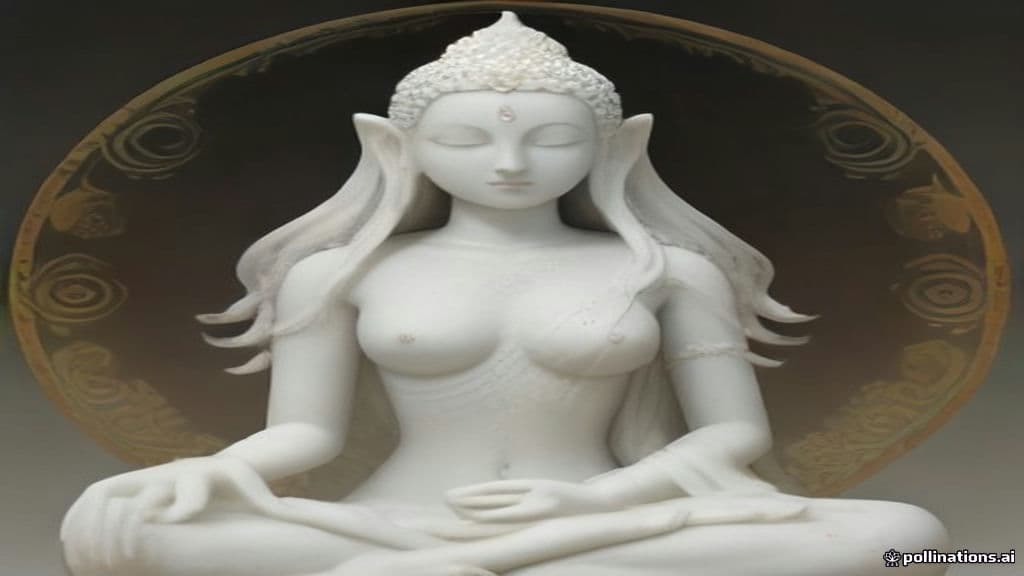
White Tara (Skt. Sītā Tārā; Tib. Jetsün Dölma) is a principal form of the bodhisattva/buddha Tara in Mahāyāna and Vajrayāna Buddhism, venerated as an enlightened female meditation deity associated with long life, healing, and the pacification of disease and defilement. She is invoked in mandala visualization, mantra recitation, and initiation/empowerment practices.

Wicked fairy (Sleeping Beauty)
Minor Spirit

Wicked fairy (Sleeping Beauty)

A folkloristic antagonist figure in the Sleeping Beauty tale-cycle, commonly called the Wicked fairy and appearing in adaptations under names such as Carabosse and Maleficent. The figure functions as the malign actor who precipitates the heroine’s central misfortune in the narrative tradition.

Witch (Embet or Azmari‑associated spirits) (Ethiopian tradition)
Lesser

Witch (Embet or Azmari‑associated spirits) (Ethiopian tradition)

In the supplied materials, 'witch' is treated as a human practitioner who uses magic to cause harm or misfortune. The sources do not provide ethnographic detail, ritual formulas, or indigenous Ethiopian terminology for an entity class called 'Embet' or 'Azmari-associated spirits'; therefore this entry records only the general, cross-cultural aspects of witchcraft found in the provided documents.

Witch-like Werehyena
Lesser

Witch-like Werehyena

A therianthropic being in African and Arabian Peninsula folklore that can take the form of a hyena or disguise itself as a human; traditions portray it ambiguously as either human-turned-hyena or hyena-passing-as-human. The available summary source records only shapeshifting and wide geographic distribution without detailed local names, rituals, or consistent attributes.

Witte Wieven
Lesser

Witte Wieven

Witte Wieven are spirits in Dutch Low Saxon regional tradition associated either with the lingering dead of respected wise women (herbalists and seers) or with small elvish personages inhabiting hills, burial mounds and caverns. In many local traditions they were honoured with offerings and consulted for healing and prophecy; later Christianization recast them as mist-spirits or malevolent 'ghost witches.'

Wolf
Lesser

Wolf

The wolf (Canis lupus) is a biological species of large canid native to Eurasia and North America, treated in the provided sources as an ecological actor rather than a supernatural being. It is an apex predator with complex social organization, a deep fossil record, and longstanding cultural significance reflected in language and human–wolf relations.

Woltje
Lesser

Woltje

Woltje is a stock puppet character and popular stage hero in Brussels puppet theatre. The name derives from Waaltje, meaning "small Walloon," and is said to honor the workers who came to build Brussels’ battlements around 1600.

Yama-uba
Lesser

Yama-uba

A Japanese yōkai of the mountains variously depicted as an old mountain crone, a mountain mother/princess, or an ambivalent mountain spirit who may harm travelers or aid the kind. She appears across folktales, Noh drama, and ukiyo-e, occupying roles from man‑eating hag to guardian linked to household fortune in some regions.

Yazata
Greater

Yazata

In Zoroastrian/Avestan religion, a yazata (Avestan: yazata) is a class of divine or holy beings 'worthy of worship or veneration.' The term covers a range of referents—divinities with distinct functions, certain sacred objects or plants, protective fravashis, and even prayers—and denotes the roster of beneficent powers aligned with Ahura Mazda.

Yel İyesi
Lesser

Yel İyesi

Yel İyesi is the Turkic iye (guardian spirit) of wind and air, a culturally ambivalent spirit or deity-form—often called Yel Ana (Wind Mother) or Yel Ata (Wind Father)—responsible for winds, weather phenomena, and related misfortune or aid in Turkic folk cosmology.

Yeti
Lesser

Yeti

A Himalayan legendary apelike humanoid—large, hairy, bipedal—embedded in pre‑Buddhist and local Himalayan folklore and later incorporated into Tibetan Buddhist classificatory schemes; it is variably described in local terms as a 'man‑bear' or 'wild man' and has been reinterpreted in modern popular culture as the 'Abominable Snowman.'

Ysätters-Kajsa
Lesser

Ysätters-Kajsa

A localized Swedish wind-being from the province of Närke, presented in late 19th/early 20th-century sources (notably Selma Lagerlöf) as a singular, personified 'wind-troll' who delights in gales and whirlwinds and plays mischievous but sometimes protective roles in local life.

Zaden (Georgian God of Fruitfulness)
Greater

Zaden (Georgian God of Fruitfulness)

Pre-Christian Georgian deity associated with fertility and prosperity, worshipped at Mount Zedazeni. (Note: - Power tier: Primordial (as it's a pre-Christian Georgian deity and god of fruitfulness) - Sensory cues: Not mentioned in source material - Weaknesses: Not mentioned in source material - Wards: Not m)

Zartai-Zartanai
Lesser

Zartai-Zartanai

Zartai-Zartanai is a demonous denizen of the World of Darkness in Mandaean cosmology, encountered during Hibil Ziwa's descent in the Right Ginza. The entity is named in Classical Mandaic and is reported in secondary reference sources as an underworld adversary whose spouse is given as Amamit (an epithet of Libat/Venus).

Zhong Kui
Greater

Zhong Kui

Zhong Kui (鍾馗) is a Chinese Taoist protective figure and vanquisher of ghosts and evil beings, invoked and depicted in court ritual and popular practice to repel, seize, and punish harmful spirits. Originating in Tang-era dream narratives and later literary and ritual accretions, his image and invocation function as official and household protective measures, especially at New-Year liminal moments.

Zār (possession spirit, regional/Armenian context)
Lesser

Zār (possession spirit, regional/Armenian context)

Zār is presented in the supplied materials as an instance of spirit-possession phenomena: nonhuman agents purported to control a human body and produce altered states of consciousness. The supplied corpus does not contain Armenia-specific ethnographic detail for Zār; statements below are drawn from the general description of spirit possession in the provided source material.

al-Burāq
Greater

al-Burāq

Al-Burāq is the supernatural prophetic mount in Islamic narrative tradition, described in hadith and later exegesis as the white, lightning‑swift steed that carried the Prophet Muḥammad on the Night Journey (Isrāʾ and Miʿrāj) from Mecca to al‑Masjid al‑Aqṣā and thence through the seven heavens. The creature appears in later local traditions tied to specific sacred places (the Rock in Jerusalem, tethering traditions at the Haram/Western Wall) and in visual art, which sometimes expands on the terse textual descriptions.