Roman Supernatural Beings

615 documented Roman supernatural beings from the Evil Eye grimoire, including 329 lesser and 100 ancient in power tier.

page 10 of 11

Polyxenus
Minor Spirit

Polyxenus

Polyxenus (Greek Πολύξενος / Πολύξεινος) is a personal name attested across multiple mortal figures in ancient Greek mythic-historical tradition — notably early priests of Demeter, kings of Elis, a suitor of Helen who fought at Troy, and an alternate name for a son of Jason and Medea. The bearers are placed within legendary genealogies and cultic topography rather than the category of supernatural beings.
Polyxo
Lesser

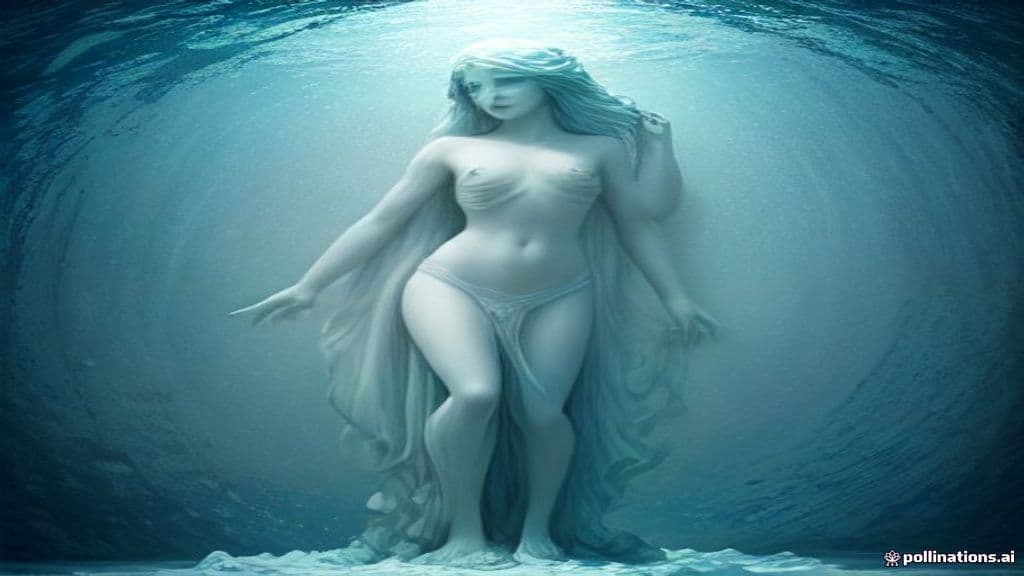
Polyxo

Polyxo (Greek Πολυξώ) is a recurring personal name in ancient Greek mythic genealogies and narratives. Rather than a single consistent supernatural being, multiple distinct figures bearing this name appear as Oceanid or Naiad water-nymphs, a Lemnian seeress/nurse, a Maenad, and mortal queens or wives tied to cycles such as the Argonautica, the Danaids, and the aftermath of the Trojan War.

Portunes
Lesser

Portunes

Portunes are a group of small, nocturnal household beings attested in Gervase of Tilbury's Otia Imperialia (medieval Latin). Gervase lists them among uncanny creatures—calling them 'demons' while also allowing they 'might instead be a mysterious ghost'—and describes them as performing heavy domestic work for peasants, warming themselves at hearths, roasting small frogs from their pockets, and sometimes playing malicious pranks on travellers.

Priam
Lesser

Priam

Priam is the legendary king of Troy in Greek and Roman epic tradition, an aged sovereign and father figure whose grief, supplication, and death are central episodes in the narratives of the Trojan War. He is portrayed as a mortal ruler embedded in a cosmos of gods and fate rather than as a supernatural being.

Priapus
Lesser

Priapus

Priapus is a minor rustic Greco-Roman fertility deity and household/garden protector associated with livestock, fruit, gardens, male virility and apotropaic phallic imagery. He is a localized, non‑Olympian divine presence worshiped in domestic, rural and maritime contexts and known for an exaggerated permanent erection that serves both as emblem of fecundity and as protective symbol.

Procne
Lesser

Procne

Procne is an Athenian princess of Greek myth who, after discovering her sister Philomela's rape by Tereus, murders her own son Itys in revenge and is transformed into a nightingale; the tale functions as an aetiology for the bird's mournful song.

Proetus
Minor Spirit

Proetus

Proetus (Ancient Greek: Προῖτος, Proitos) is a personal name borne by several legendary mortal figures in Greek mythic genealogies and local traditions—principally kings or princes associated with Argos/Tiryns, Corinth, Thebes, and Nauplia—rather than a single supernatural being.

Promachus
Lesser

Promachus

Promachus (Ancient Greek Πρόμαχος, "who leads in battle" or "champion") is a name applied to multiple mortal figures in Greek epic and myth, and as a surname/epithet of deities (e.g., Athena, Heracles, Hermes). The term also appears in modern scientific and astronomical nomenclature (a genus of robber flies and asteroid 173117 Promachus). It is not a single unified supernatural being in the cited material.

Protesilaus
Lesser

Protesilaus

A mortal Greek heroic figure and local cult hero remembered as the first Greek to leap ashore at Troy and therefore the first to die there; venerated at tomb-shrines (notably Phylace in Thessaly and Elaeus in the Thracian Chersonese) and integrated into literary memory and local civic cult. The name is also reused in modern taxonomy for an insect genus (homonymous, non-mythic).

Ptah-Patek
Lesser

Ptah-Patek

Ptah‑Patek (Greek Pataikos) is a protective dwarf figure in late ancient Egyptian practice, represented primarily as small faience amulets and household figurines that safeguard wearers from danger and assist in childbirth. From the Late Period onward the figure is syncretic with Bes, Taweret, and aspects of Ptah and Horus/Harpocrates in popular iconography and use.

Pylades
Minor Spirit

Pylades

Pylades (Ancient Greek: Πυλάδης) is a mortal Phocian prince in Greek myth, best known as the steadfast companion, counsellor, and co-actor of Orestes across the Orestes cycle (revenge on Clytemnestra and Aegisthus, the Tauris episode, and related episodes). He functions as a loyal attendant, caregiver, and occasional combatant, and later traditions emphasize the depth of his devotion to Orestes.

Pylaeus
Lesser

Pylaeus

Pylaeus (Ancient Greek: Πύλαιος) is a mortal figure in Greek mythic-historical tradition presented as a descendant of Pelasgus and a commander allied to King Priam in the Trojan War. He is recorded as commanding the Pelasgian contingent together with his brother Hippothous and is noted in local Lesbos tradition as having commanded the Lesbian army and giving his name to a mountain on the island.

Pyrene (Celtic Tradition)
Greater

Pyrene (Celtic Tradition)

Figure from Greek and Roman mythology with possible associations to Celtic tradition, associated with the Iberian region. (Note: - The article states that Pyrene's myth is "largely based on Greek and Roman sources", which contradicts the source material stating that her myth survives in Greek and Roman writings. - Power tier: B)
Pyrgo
Lesser

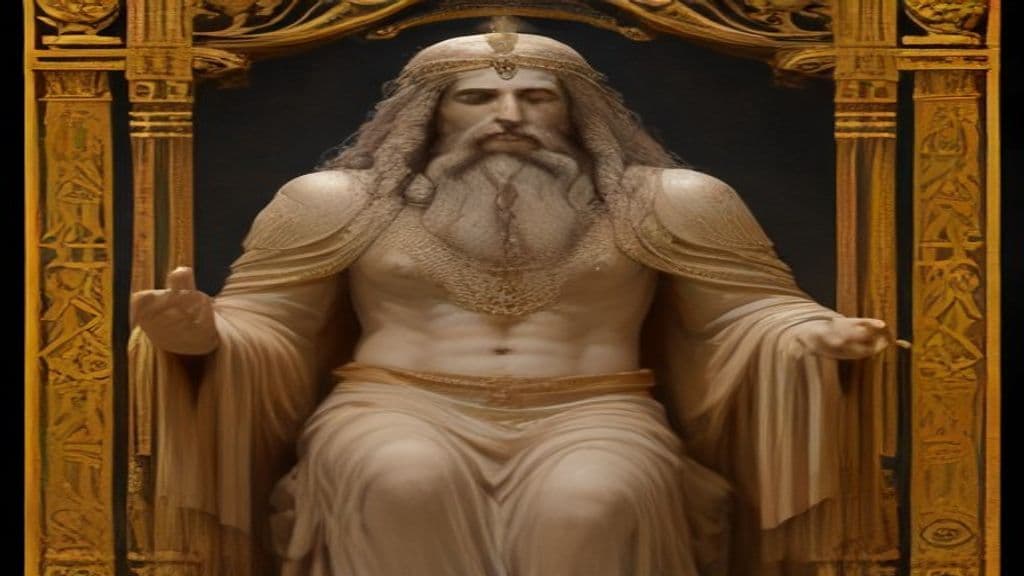
Pyrgo

Pyrgo (Greek: Πυργώ) is a mortal woman named in Greek and Roman mythic genealogies and narratives. She appears chiefly as the first wife or consort of Alcathous in Pelops-cycle genealogies and, in other attestations, as a nurse of Priam's children who accompanies Aeneas to Sicily. Sources present Pyrgo as a named human household figure rather than a supernatural being.

Remoria
Primordial

Remoria

A place within Roman tradition associated with the founding of Rome by Romulus and Remus. (Note: - Power tier: Reduce from Primordial to Ancient (as it's a geographical site associated with deity-level figures, but not a deity itself) - Summary: Update to reflect its connection to the founding of)

Rhea
Ancient

Rhea

Rhea is a principal mother goddess of the Titans in ancient Greek religion and mythology, daughter of Gaia and Uranus, sister and consort of Cronus, and mother of major Olympian deities. In Roman reception she is identified with the Magna Mater (the Great Mother), reflecting continuity of her maternal and cultic role across Greek and Roman traditions.

Rhipheus
Lesser

Rhipheus

Rhipheus is a named member of the centaur (Kentauroi) class in Greco‑Roman mythic catalogues and in Ovid's Metamorphoses. Surviving references are fragmentary: he appears as an onomastic entry among other centaurs and in a brief poetic line that compares his height to tall trees.

Ritona
Lesser

Ritona

Ritona (also attested as Pritona) is a named local goddess of Roman‑period Gaul, chiefly attested among the Treveri of the Moselle valley. She is understood from inscriptions and temple remains as a divine patron of fords, river crossings, springs and associated sanctuary spaces, worshipped in formal civic cult contexts at sites such as Augusta Treverorum (Trier) and Contiomagus (Pachten).

River gods (Greek mythology)
Lesser

River gods (Greek mythology)

In the supplied sources, 'river god' denotes the anthropomorphic divine personification of a particular river, a localized nature divinity associated with a watercourse. The available materials are limited to a modern reference disambiguation and a museum object record showing later artistic depiction; they do not supply detailed ancient mythic narratives, rites, or consistent iconography.

Roman Charity
Minor Spirit

Roman Charity

An exemplar of filial piety in ancient Greek and Roman tradition, representing a child's extraordinary devotion to their parent. (Note: 1. Power tier: "Minor Spirit" is incorrect; there are no supernatural powers or abilities associated with the Roman Charity, so it should be classified as a non-spirit entity or not included in the po)

Roman Ferryman
Primordial

Roman Ferryman

In Roman mythology, the Ferryman is a mythological figure tasked with guiding souls across the river Styx to the afterlife, requiring payment from each deceased person. (Note: * Power tier: Lesser (not Primordial), as it is more aligned with regional spirits, not cosmic forces. * Abilities: The Ferryman's role is focused on ferrying souls, but the implication that it contro)

Roman Theology of Victory
Greater

Roman Theology of Victory

A concept in ancient Roman culture that legitimates political power and divine right to rule through victory, often invoked to support a political authority in cases of traditional institution failure or absence. (Note: - Power tier should be Primordial, not Greater (it's a concept that underpins an entire system of belief and legitimates power on a large scale) - Sensory cues should include "triumphal processions" i)

Romulus
Ancient

Romulus

Romulus is the legendary founder and first king of Rome in Roman tradition. As an aetiological culture-hero he is credited with establishing Rome's early civic, military, legal, and religious institutions and with sacral acts that legitimated the city's origins.

Romulus and Remus
Lesser

Romulus and Remus

Romulus and Remus are twin brothers of Roman foundation myth who, according to tradition, survived abandonment, restored their grandfather Numitor, and (after a dispute that ended in Remus's death) Romulus founded the city of Rome and became its first king. Their story serves as an etiological account of Rome's origin, early institutions, and certain civic and religious symbols.

Saint Aventinus
Lesser

Saint Aventinus

Aventinus is a personal name borne by multiple historical and legendary figures recorded in late-antique, medieval, and later European sources. The name appears as an eponymous figure in Roman/Latinate legend (cited by Augustine), as medieval Christian holy men (a disciple of St. Loup ca. 537; a hermit of Tours associated with St. Thomas Becket, d. 1180), and later as a secular surname (e.g., the historian Johannes Aventinus). The provided sources do not present a single unified supernatural persona, cultic ritual corpus, or consistent iconography for a singular "Saint Aventinus."

Salacia
Lesser

Salacia

Salacia is the Roman divine personification of saltwater and the calm, sunlit aspect of the sea, frequently portrayed as the consort of Neptune and a sea-nymph attendant within Neptune's court. She functions both as a named deity/nymph and as an invoked attribute of Neptune (e.g., "Salacia Neptuni").

Salmoneus
Lesser

Salmoneus

Salmoneus (Greek Σαλμωνεύς) is a mythic early king and eponymous founder of Salmonia/Salmonē in Elis. In classical tradition he is remembered as an impious ruler who imitated Zeus’s thunder and lightning, ordered worship to himself, and was struck down by Zeus (later Roman tradition places him in Tartarus).

Sardus
Lesser

Sardus

Sardus (Ancient Greek Σάρδος, Sardos), also called Sardus Pater and Sid Addir, is an eponymous mythic founder and ancestral hero of the island of Sardinia attested in classical authors. Classical sources (notably Sallust and Pausanias) present him as the namesake of Sardinia and attribute to him an arrival from Libya and a filial link to broader Mediterranean heroic figures (Heracles/Makeris/Melqart).

Sarpedon
Greater

Sarpedon

Sarpedon is a name applied to several figures in Greek myth; the best-known bearer is a son of Zeus who fought for Troy in the Trojan War. Other traditions make him a Cretan royal son of Zeus and Europa, and a separate Thracian Sarpedon is a son of Poseidon and eponym of a cape. The name later appears in non-mythic contexts (ship name, insect genus).

Saturn
Ancient

Saturn

Saturn appears in the supplied sources in two registers: as the sixth planet of the Solar System described by modern astronomy, and as a named god in ancient Roman religion. The astronomical account provides detailed physical and orbital properties; the mythological account in the provided material is limited to the single-line classification of Saturn as a god in ancient Roman mythology and the note that the planet is named after that figure.

Scarphe (Scarpheia)
Minor Spirit

Scarphe (Scarpheia)

Scarphe (Ancient Greek: Σκάρφη), also attested as Scarpheia (Σκάρφεια), was an ancient town of the Epicnemidian Locrians in central Greece. Mentioned in Homer’s Catalogue of Ships and attested by classical geographers and historians, it is recorded as a civic, economic, and military place whose site is tentatively identified near modern Molos.

Sceafa
Minor Spirit

Sceafa

Sceafa is an Old English legendary ancestral figure: a mysteriously arriving child found asleep in a small boat with a handful of grain, later accepted and made a progenitor of royal lines (notably in Lombard and some Anglo-Saxon pedigrees). He functions as an etiological founder whose miraculous origin legitimizes dynastic descent.

Scyld Scefing
Minor Spirit

Scyld Scefing

Scyld Scefing (Old English) / Skjöldr (Old Norse) is a legendary early king and eponymous progenitor figure in Anglo-Saxon and Scandinavian genealogical and literary tradition. He appears across medieval sources as a founding ancestor used to legitimise royal lines rather than as a described supernatural being.

Scylla
Greater

Scylla

A six-headed sea monster lurking in a narrow strait, snatching sailors from passing ships — the original origin of the phrase 'between Scylla and Charybdis.'

Selene
Ancient

Selene

Selene is the ancient Greek goddess and personification of the Moon, who drives her moon-chariot across the heavens. Daughter of the Titans Hyperion and Theia and sister to Helios and Eos, she embodies both the luminous aspect of the Moon and its function as regulator of the month.

Serapis
Ancient

Serapis

Serapis is a deliberately syncretic Graeco‑Egyptian deity formed from the fusion of the Egyptian Osiris‑Apis cult (Demotic wsjr‑ḥp / Coptic Userhapi) with Greek divine elements. Promoted in the Ptolemaic period as a civic cult figure, Serapis embodied chthonic rulership, healing, protection/asylum, and themes of abundance and resurrection, and his cult spread through the Hellenistic and Roman worlds.

Sergestus
Lesser

Sergestus

Sergestus is a human Trojan companion of Aeneas in Virgil's Aeneid, presented as one of the minor members of Aeneas's retinue who participates in the funeral games (Book V). Later literary adaptations preserve him as a minor character; Roman tradition/gens Sergia regarded him as an eponymous ancestor.

Shade
Lesser

Shade

A shade is the shadowy spirit or ghost of a dead person in classical and ancient Near Eastern literary and religious cosmologies, understood as the diminished, insubstantial residuum of a person who dwells in the underworld (Hades, Sheol/tsalmavet) rather than among the living.

Sibylline Books
Non-Spiritual Entity

Sibylline Books

A collection of oracular utterances in Greek hexameter verses, consulted by the Romans at critical moments throughout history. (Note: - Power tier: Non-Spiritual Entity is incorrect; Sibylline Books are likely a Minor Spirit given their role in providing oracular guidance. - Origin story: Missing from draft, needs to be added based )

Silenus
Lesser

Silenus

Silenus is the elderly, often drunken companion and tutor of Dionysus/Bacchus in Greek and Roman tradition. He appears both as an individual mythic personality and as a type (sileni), serving in theatrical, cultic, and artistic contexts as a comic rustic figure who, when intoxicated, may speak prophetic or bitter wisdom.

Silvanus
Ancient

Silvanus

In Roman tradition, Silvanus is a prophetic deity associated with forests and woods, known for his ability to foretell events. (Note: 1. Power tier should be Primordial, as Silvanus is described as having prophetic abilities that foretell events, implying a level of cosmic or divine power. 2. Appearance: Add that the lack of physica)

Sinon
Minor Spirit

Sinon

Sinon is a mortal Greek warrior and covert agent in the Trojan War cycle who poses as a deserter and suppliant to deceive the Trojans into admitting the wooden horse, and who in some accounts signals the returning Greek forces that lead to Troy's fall.

Sinope
Lesser

Sinope

Sinope is primarily an ancient toponym (the city Sinop on the Black Sea) and an eponymic figure in Greek myth (a daughter of the river-god Asopus). In the provided sources it functions as a place-name and origin-identifier for historical figures and modern namings (moon, moth genus) rather than as a discrete supernatural agent with consistent appearance, powers, or ritual traditions.

Stesimbrotus of Thasos
Minor Spirit

Stesimbrotus of Thasos

Stesimbrotus of Thasos was a 5th-century BCE Greek sophist, rhapsode, and logographer cited by later ancient authors for his interpretations of Homer and for anecdotal, often scandalous, accounts of Athenian political figures. He is attested in sources such as Plato, Plutarch, and Tatian, and has been suggested by a modern scholar as a possible author of the Derveni papyrus.

Stratichus (Stratius)
Lesser

Stratichus (Stratius)

Stratichus (Ancient Greek: Στράτιχος), also called Stratius, is a minor mythological figure — a prince of Pylos and one of the sons of King Nestor. He is named among Nestor's children in Homeric and mythographic listings (notably in contexts summarizing The Odyssey and in genealogical compilations such as Apollodorus) but is not the subject of independent myths in the provided sources.

Strix
Greater

Strix

A nocturnal, ill-omened bird-monster of classical antiquity that also functions as a lexical label for harmful, often female, practitioners of witchcraft; implicated in infant predation, corpse-deforming acts, and magical practice.

Summanus
Ancient

Summanus

Summanus is the ancient Roman divine figure associated with nocturnal thunder and lightning, functionally contrasted with Jupiter's daylight thunder. He is etymologically and ritually tied to the Manes (chthonic/ancestral spirits) and received public cult observances in Rome and at locales such as Mount Summano.

Syrinx
Lesser

Syrinx

Syrinx is an Arcadian wood-nymph of classical Greek myth, a devotee of Artemis famed for her chastity who, pursued by the god Pan, is transformed into hollow reeds that Pan fashions into the first panpipes (syrinx). The story variously frames the metamorphosis as an answered plea to river-nymphs or as disappearance into marsh reeds.

Tarand
Lesser

Tarand

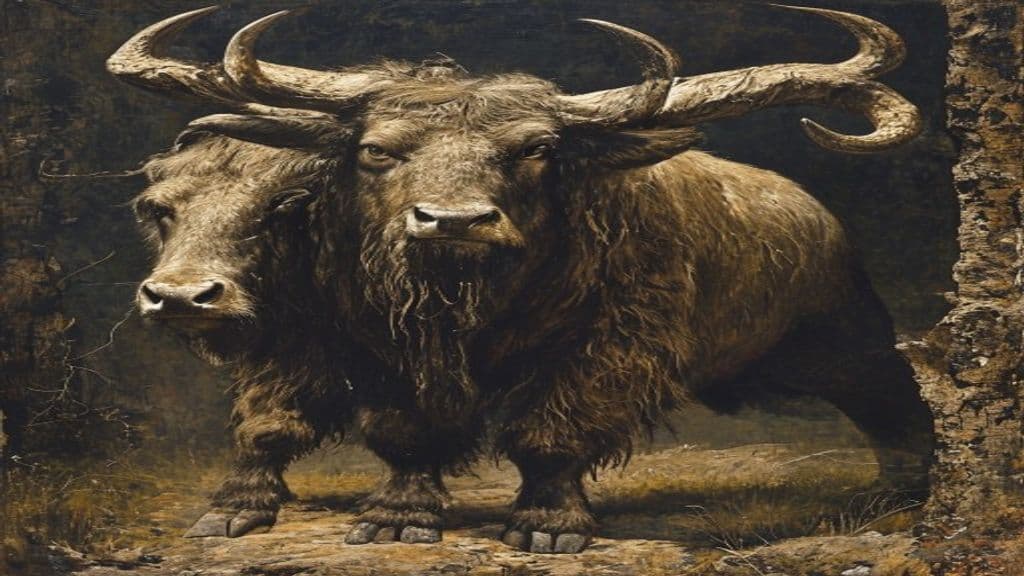
The tarand (also tarandos, tarandus, parandrus/parandros) is a wondrous large ungulate attested in classical and later European literature, described as ox-sized with branched horns, long bear-like hair, a very tough hide, and a remarkable capacity to change its external colour (and in some accounts hair) to match its surroundings.
Telephus
Lesser

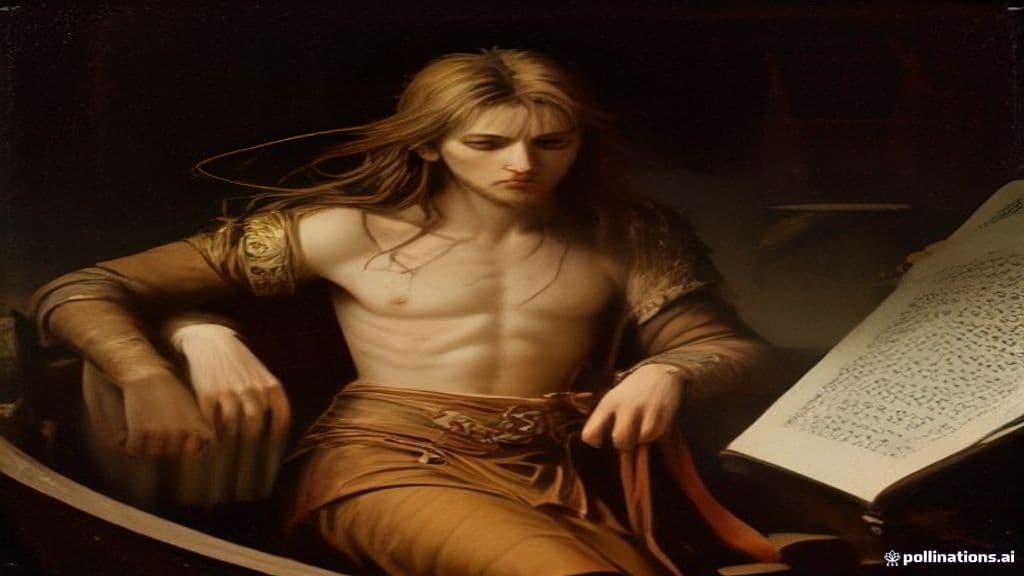
Telephus

Telephus is a mortal heroic prince and later king of mythic tradition who links Arcadian Greek origins with a Mysian Anatolian kingship; son of Heracles and Auge, he is wounded by Achilles during the Achaean fleet's mistaken landing and later healed, and is father of Eurypylus who fights at Troy.

Terpsichore
Ancient

Terpsichore

Terpsichore is one of the nine Muses in ancient Greek tradition, the divine personification and patron of dance and choral song. She is named from Greek roots meaning "delight in dancing" and is conventionally depicted seated with a lyre, accompanying dancers and choruses.
Teuthras
Lesser

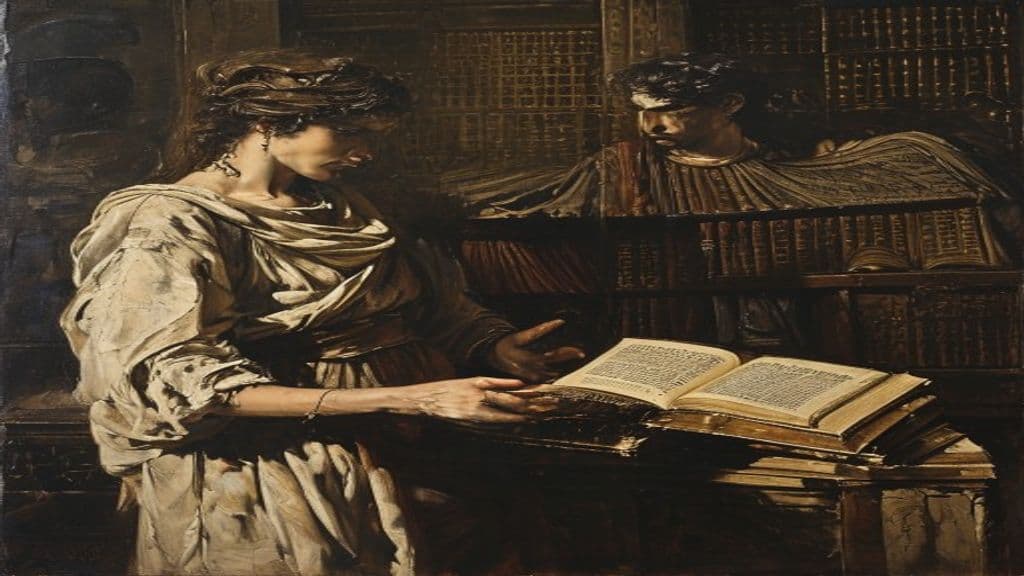
Teuthras

Teuthras (Ancient Greek: Τεύθρας) is a legendary king of Mysia in the Greek mythic-historical tradition, eponymous for the district or town Teuthrania/Teuthraea. He appears in genealogical and epic-cycle narratives as a local ruler who hosts Auge and provides refuge and succession to the hero Telephus, with variant accounts of familial relations across sources.

Thalassa
Primordial

Thalassa

Thalassa (Ancient Greek: θάλασσα, 'sea') is the divine female personification of the sea in Greek mythographic, poetic, and visual traditions. Treated variably as a primordial sea-principle, a mother of certain sea-beings, and as an emblematic figure in Roman-era mosaics, she functions more as the sea made person than as a narrowly characterized cult-deity.

Thanatos
Ancient

Thanatos

Thanatos (Greek: Θάνατος) is the personified figure of Death in ancient Greek myth — a divine, chthonic agent who escorts or takes the dead. He appears across literature and art as an operative presence of mortality, frequently paired with his twin Hypnos (Sleep) and counted among the children of Night (Nyx).

The Abductors of the Sabine Women
Primordial

The Abductors of the Sabine Women

In Roman mythology, a group of male warriors forced the abduction and marriage of women from other cities. (Note: 1. Power tier: Lower to Greater (their actions are described as a regional incident, not cosmic or deity-level). 2. Abilities: Change "strength and martial prowess" to something more accurate, e.g., ")

Thelxiepea
Greater

Thelxiepea

Thelxiepea is attested as one of the Sirens in Greek mythology, a class of female, humanlike beings whose alluring voices pose a mortal danger to seafarers and who are traditionally fixed to rocky islets or coastal cliffs in Mediterranean mythic geography.

Thesprotus
Lesser

Thesprotus

Thesprotus is the name of two distinct mortal figures in Greek mythic tradition: an Arcadian prince, one of the sons of Lycaon and eponymous ancestor of Thesprotia; and a later mythic king associated in some accounts with the region of Lake Avernus or Sicyon who appears in narratives connected to Atreus, Thyestes, and Pelopia. Both roles are genealogical and narrative rather than supernatural.

Thyestes
Lesser

Thyestes

Thyestes is a mythic human king of the Pelopid/Atreid cycle in ancient Greek and Roman tradition, central to a notorious family curse and a sequence of intra-familial crimes (adultery, fratricide, incest, and a cannibalistic banquet). His story is recounted in classical summaries and dramatized in Roman tragedy (notably Seneca) and later adaptations, and functions as a paradigmatic tale of inherited pollution and revenge.

Tiberinus
Lesser

Tiberinus

Tiberinus is the Roman name attested for the divine personification of the River Tiber and separately for a legendary king, Tiberinus Silvius, listed among the early kings of Alba Longa. The name thus appears in two registers of Roman tradition: as a river-god tied to Rome's central watercourse and as a figure in mytho-historical genealogies.

Titans
Primordial

Titans

A generation of powerful primordial divine beings in Greek myth who preceded and were overthrown by the Olympian gods. They function as progenitors of many cosmic forces and later become chthonic powers confined beneath the earth (Tartarus) though some traditions allow certain Titans to remain free.