Roman Supernatural Beings

615 documented Roman supernatural beings from the Evil Eye grimoire, including 329 lesser and 100 ancient in power tier.

page 1 of 11

Abandinus
Lesser

Abandinus

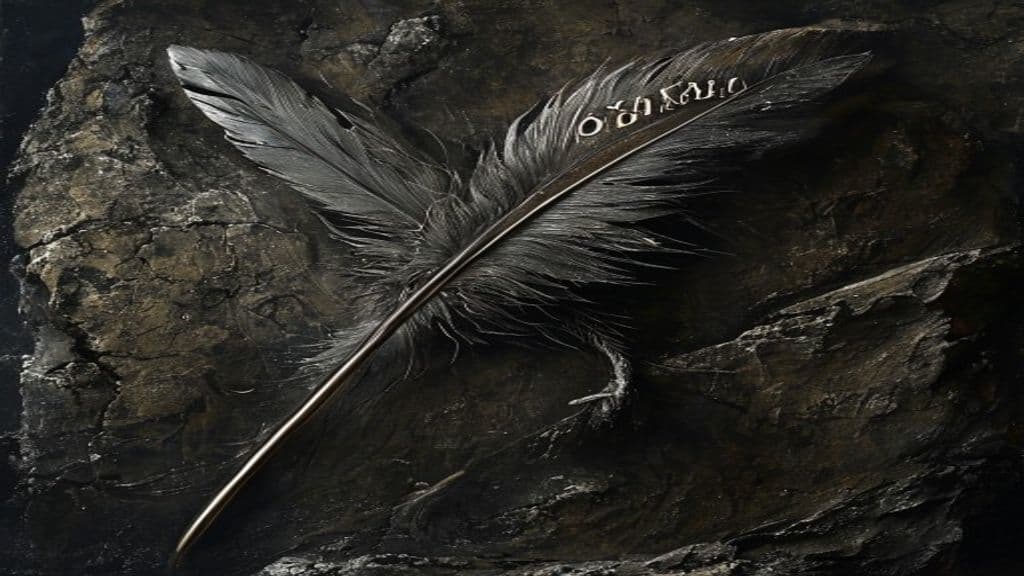
Abandinus is a locally attested Romano‑Celtic theonym known from a single inscribed bronze feather (votive object) dedicated at Godmanchester (the Roman fort Durovigutum) in Cambridgeshire. Scholars interpret him as a local god or male spirit tied to a specific place and possibly associated with a nearby spring or stream; this association is tentative and based on etymological readings of the name.
Abarbarea
Lesser

Abarbarea

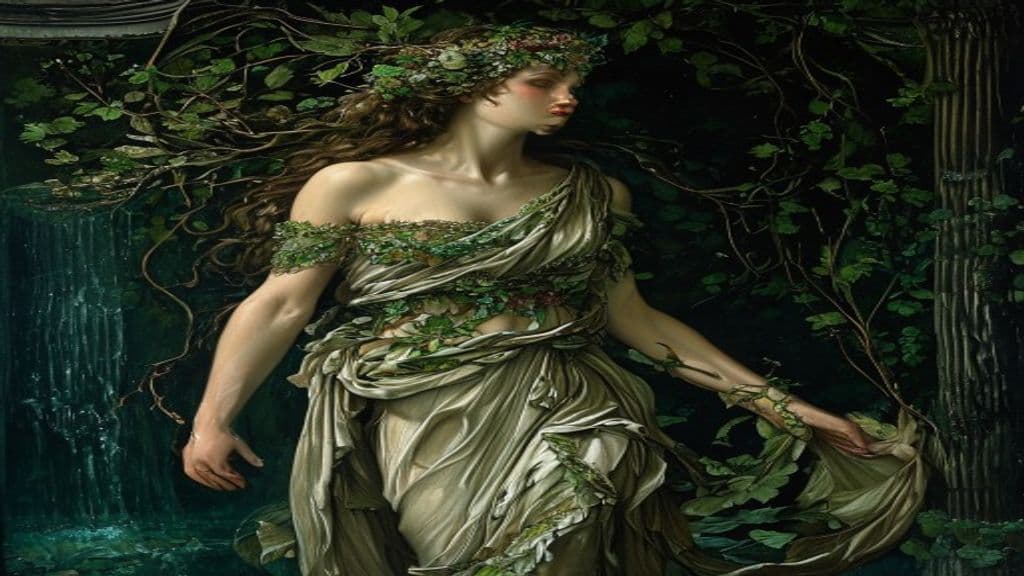
Abarbarea is a name attested in classical Greek and Roman sources for freshwater nymphs (naiads). The name appears for at least two individual mythic figures — a naiad wife of Bucolion and a naiad counted among ancestors of the Tyrians — and Hesychius records plural forms that may indicate the name was also used as a class-name (Abarbareai / Abarbalaiai).

Abas
Minor Spirit

Abas

Abas (Ancient Greek: Ἄβας, gen.: Ἄβαντος) is not a single mythic being but a recurring personal name borne by multiple mortals and minor mythic figures in Greek epic and genealogical traditions — kings, founders, seers, warriors, attendants, a centaur, and a youth transformed by a goddess. The name is glossed in the sources as 'guileless' or 'good-hearted' and appears across Argive, Theban, Trojan, Euboean, and other local cycles.

Abellio
Greater

Abellio

Abellio is a theonym attested in Roman‑period inscriptions from the Comminges area of the Pyrenees and reported as worshipped in the Garonne Valley of ancient Gallia Aquitania. Surviving evidence is limited to a small number of inscriptions; scholars have variously hypothesized solar or arboreal associations and compared the name to forms of Apollo or to Celtic Belenus, but the deity's precise role in local cosmology remains uncertain.

Abnoba
Lesser

Abnoba

Abnoba is a Gaulish theonym and toponym attested in Roman-era sources and inscriptions: a localized deity associated with woods, springs and the sources of rivers (notably the Danube) and simultaneously the name applied to a mountain or mountain range in the Black Forest/Baar/Odenwald region. Roman altars equate her with Diana, reflecting syncretic cult practice in frontier provinces.

Aborigines (mythology)
Minor Spirit

Aborigines (mythology)

A mytho-historical label used in Roman and general reference sources to denote the oldest inhabitants of a region (specifically central Italy in the cited Roman context). The term functions as an identity/category for original human populations rather than as a characterized supernatural being in the provided sources.

Abundantia
Minor Spirit

Abundantia

Abundantia is the Roman divine personification of abundance and material plenty, used primarily in imperial propaganda and public iconography to signify secure grain supplies, wealth, and the promise of a 'Golden Age' under the emperor. She also appears in later medieval European folklore as Domina Abundia / Dame Habonde, a household benefactor in accounts condemned by ecclesiastical writers.

Acamas
Lesser

Acamas

Acamas (Ancient Greek: Ἀκάμας) is a personal name recurrent in ancient Greek narrative traditions applied to multiple human characters (warriors, princes, suitors), once to a Cyclops, and once as a hound's name. Rather than a single supernatural entity, bearers of the name appear episodically across the Trojan War, Theseid, and Theban cycles as mortal actors whose deeds intersect with gods and fate.

Acantha
Minor Spirit

Acantha

Acantha (Ancient Greek: Ἀκάνθα, 'thorn') is a late or secondary mythological figure known from modern retellings as a nymph transformed into the acanthus plant. The tale that she scratched Apollo and was changed into a spiny-leaved plant is not attested in surviving classical corpora and appears to be a modern compilation or invention rather than a firmly documented ancient myth.

Acerbas
Lesser

Acerbas

Acerbas (also recorded as Sychaeus, Sycharbas, Zacherbas) is a figure in classical Greco‑Roman accounts of Phoenician/Tyrian tradition: a wealthy priest of Melqart (the Tyrian Hercules) whose concealed riches and murder by King Pygmalion precipitate Elissa/Dido's flight from Tyre and the foundation of Carthage. He is presented as a human priestly figure of high social rank rather than as a supernatural being.

Acestes
Lesser

Acestes

Acestes is a Roman/Greek founder-hero associated with the Sicilian city Segesta (Aegesta/Acesta). Presented as son of a Trojan woman and, in one tradition, the Sicilian river-god Crinisus (in animal form), he hospitably receives Aeneas and the Trojans, participates in the funeral games in Virgil's Aeneid (Book V), and functions as an eponymous culture-founder and local ruler.

Achaemenides
Lesser

Achaemenides

Achaemenides is a literary mortal figure introduced into Virgil's Aeneid as a marooned member of Odysseus' crew whom Aeneas rescues on Sicily. In Roman epic he functions as a chance survivor and eyewitness who helps link the Homeric tradition to the Trojan refugees and to illustrate Aeneas' magnanimity.

Achates
Minor Spirit

Achates

Achates is the faithful human companion and attendant of Aeneas in Virgil's Aeneid, conventionally known by the epithet 'fidus Achates' and used in Latin literature as the by-word for an intimate, loyal companion.

Achelous
Ancient

Achelous

Achelous is the personified river-divinity of the Achelous River in ancient Greek religion and mythology. Regarded among the potamoi (river-gods), he is portrayed as a shape-changing elemental deity associated with springs, naiads, and the production of abundance (the horn/cornucopia motif); he appears in myths chiefly as suitor to Deianeira and as Heracles' opponent.

Achelous and Heracles
Greater

Achelous and Heracles

Achelous is a Greco‑Roman river god who provides life‑giving irrigation yet can become destructive at floodtime; in later mythic retellings Heracles (Heracles/Hercules) wrestles the river‑god, snapping a horn that becomes the cornucopia and symbolically represents the taming of water for agriculture. The episode is attested in mythological compilations and was later reused in modern art to allegorize flood control and civic bounty.

Acheron
Ancient

Acheron

Acheron is a mythological river of the Ancient Greek Underworld, portrayed in classical literature as a boundary or entrance to Hades across which the dead are conveyed. It is also a real river in Epirus whose landscape and nearby cult sites (notably a Necromanteion) were mapped onto the literary river; later Western authors use Acheron metonymically for Hell or the infernal realm.

Achilles
Greater

Achilles

A legendary Greek heroic figure of epic poetry, son of the sea‑nymph Thetis and the mortal Peleus, celebrated as the greatest of the Greek warriors at Troy whose anger and fate shape events in the Trojan War cycle.

Achlys
Greater

Achlys

Achlys (Ancient Greek Ἀχλύς) is a literary personification and lexical term for 'mist' or 'dark vapour' in Greek poetry. She functions variously as the mist that clouds a dying mortal's eyes in Homer, a grotesque personified embodiment of sorrow and death on the Shield of Heracles, and (in later poetry) as a supplier of poisonous/enchanted pharmaka associated with Thessalian witchcraft; a Roman mythographic tradition equates her with Caligo in a cosmogonic role.

Acionna
Lesser

Acionna

Acionna is a local Gallo-Roman water goddess attested by a single votive inscription found at a spring in the Orléanais region. The inscription, discovered by Jollois in 1822 and datable by style to the 2nd century CE, dedicates a portico and ornaments "AUG(ustae) ACIONNAE" and was recovered from the Fontaine de l'Étuvée in Orléans; archaeological work in 2007 uncovered remains of a Gallo-Roman temple and a section of an aqueduct at the site.

Acis and Galatea
Minor Spirit

Acis and Galatea

A pair of lovers from ancient Greek myth: Galatea is a Nereid (sea-nymph) traditionally counted among the daughters of Nereus and Doris; Acis is a mortal youth in classical accounts who, in Ovid's poetic version, is killed by the Cyclops Polyphemus and transformed by Galatea into a river-spirit, explaining a Sicilian stream.

Acmon
Lesser

Acmon

Acmon (Ancient Greek: Ἄκμων, 'anvil') is a polyvalent personal name in Greek myth borne by several distinct minor figures — a Dactyl (artisan), a Phrygian eponymous king, a mischievous woodland creature, companions in epic cycles (one companion of Diomedes transformed into a bird; an Aenead), and in some brief traditions an alleged father of Uranus. The name therefore functions across artisanal, topographical, trickster, and metamorphosis motifs rather than denoting a single unified supernatural species.

Acoetes
Lesser

Acoetes

Acoetes is a proper name applied to multiple mortal figures in classical Greco‑Roman mythic narratives. Most famously, an Acoetes is a fisherman who recognizes and testifies to the divinity of Bacchus/Dionysus and recounts how blasphemous sailors were transformed into dolphins; other bearers of the name appear as a Trojan genealogical figure (father of Laocoön), an aged former squire of Evander, and a frightened soldier in Statius' Thebaid.

Acron (King of the Caeninenses)
Greater

Acron (King of the Caeninenses)

Historical figure and leader of the Caeninenses, a neighboring tribe to the Romans. Rejected the proposal of intermarriage with Romulus. (Note: 1. Power tier: Acron is described as a king, but no source material indicates his abilities or powers are deity-level (Ancient) or cosmic (Primordial). Greater seems plausible. 2. Origin story: The dr)

Actia
Lesser

Actia

Actia (Ancient Greek: Ἄκτια) is attested in the supplied sources not as a supernatural being but as (a) the ancient festival and epithet of Apollo Actius associated with Actium and Nicopolis, and (b) a modern taxonomic and commercial name (genus of flies; company and product names). No folkloric or mythic entity named Actia is documented in the provided materials.

Adikia
Lesser

Adikia

Adikia (Ancient Greek: Ἀδικία) is the personification and embodiment of injustice and wrongdoing in ancient Greek religious and visual culture, typically portrayed as the opposite and vanquished counterpart of the goddess Dike (Justice). She appears chiefly in archaic vase-paintings and emblematic visual programs where Justice punishes or restrains her.

Admetus
Lesser

Admetus

Admetus is a mortal king of Pherae in Thessaly in the Greek tragic tradition (notably Euripides' Alcestis). His life becomes the subject of a divine bargain in which Apollo intervenes to delay his appointed death, a bargain that requires another to die in his stead — most famously his wife Alcestis.

Aeacidae
Lesser

Aeacidae

The Aeacidae are a dynastic lineage in Greek myth and historiography descended from the hero Aeacus, son of Zeus and the nymph Aegina. The name functions as a patronymic designation for those 'of Aeacus' and is used to claim genealogical legitimacy and political prestige in regions such as Aegina and Molossian Epirus.

Aegesta
Lesser

Aegesta

Aegesta is an ancient place-name and eponym recorded in Greek and Roman sources as an alternate form of Segesta, an Elymian city in northwestern Sicily, and as a mythic personal name (Aegestus/Aegesta) tied to Trojan foundation legends rather than a supernatural being.

Aegiale
Lesser

Aegiale

Aegiale is a mortal woman in Greek mythic tradition, best known as the wife of the hero Diomedes. In post‑Trojan War nostos narratives she is depicted in several accounts as unfaithful and as plotting against her husband; some traditions attribute her conduct to the vengeance of the goddess Aphrodite.

Aegipan
Lesser

Aegipan

Aegipan (Αἰγίπαν / Αἰγίπανος) is an ancient Greek mythological figure associated with goat attributes and with the sea‑goat imagery of the constellation Capricornus. He appears in classical myth as a semi‑divine helper (notably in the Typhon episode) and, in later natural‑history and medieval bestiary reception, the name is applied to satyr‑like or ape‑like wild men in distant lands.

Aeneads
Lesser

Aeneads

A collective term in Roman myth for the friends, family, and companions of the Trojan hero Aeneas who fled Troy and wandered before settling in Italy; treated as a retinue and ancestral cohort rather than independent supernatural beings.

Aeneas Silvius
Lesser

Aeneas Silvius

Aeneas Silvius is a legendary mytho-historical king of Alba Longa in Roman/Latin foundational tradition, counted third among the Silvian line. Ancient chroniclers credit him with a multi-decade reign, military success, the planting of Latin colonies (the Prisci Latini) and the founding of a group of early Latin towns, and with passing kingship to his son Latinus Silvius.

Aeneas, Anchises, and Ascanius
Ancient

Aeneas, Anchises, and Ascanius

Aeneas is a legendary Trojan nobleman, son of the goddess Aphrodite (Venus) and the mortal Anchises; he is portrayed in Greek epic and Roman literary tradition as a divinely favored warrior and a founder-ancestor whose destiny links Troy to the eventual Roman line represented by Romulus and Remus. Anchises is Aeneas' mortal father and a Trojan prince; Ascanius (also called Iulus in Roman tradition) is his son and the next link in the genealogical chain. Together they function in the sources as a familial triad that embodies divine intervention, pietas, and sacred genealogy.

Aeolus
Greater

Aeolus

Aeolus is a name applied to multiple related figures in Greek myth: an eponymous son of Hellen (founder of the Aeolian people), a son of Poseidon who led colonial ventures to Tyrrhenian islands, and a son of Hippotes depicted in epic as a ruler or keeper of the winds. Ancient mythographers note confusion and overlap among these persons.

Aequitas
Ancient

Aequitas

Aequitas is a Roman moral-legal concept denoting justice, equity, fair measure, and conformity that was sometimes personified as a female virtue in Roman iconography (notably on imperial coinage as Aequitas Augusti). Cicero frames aequitas as a tripartite standard linking obligations to the gods, the Manes, and other human beings.

Aergia
Lesser

Aergia

Aergia (Ancient Greek: Ἀεργία) is the personification/goddess of sloth, idleness, indolence and laziness in Greco-Roman mythic thought. She appears in literary sources as a named personified quality and as an attendant or guardian in the household of Sleep (Hypnos/Somnus); Roman equivalents include Socordia and Ignavia.

Aesculapius (Asclepius)
Greater

Aesculapius (Asclepius)

Aesculapius (Greek Asclepius) is the classical divine-hero of medicine and healing in ancient Greek religion and later Roman cult. He functioned as the patron and legitimating divine figure for temples, attendants (therapeutae), and organized healing practices; his emblem, the rod of Asclepius (a snake-entwined staff), endures as a symbol of medicine.

Aeternitas
Ancient

Aeternitas

Aeternitas is the Roman divine personification of eternity, cultivated as an abstract virtue in the official Imperial cult and invoked especially to express the perpetual duration of imperial rule (Aeternitas Imperii). She appears on coinage and in temple cult from the 1st through the 3rd centuries AD and is treated in later intellectual tradition as the Latin term for divine duration.

Aether
Primordial

Aether

Aether is the personified bright upper sky in ancient Greek myth and a primordial cosmic principle. Treated both as the luminous upper atmosphere and as a divine being, Aether appears in multiple cosmogonic genealogies (notably Hesiodic and Orphic traditions) as an early-born element that helps constitute the ordered cosmos.

Aethilla
Lesser

Aethilla

Aethilla (Αἴθιλλα / Αἴθυλλα), also spelled Aethylla, is a mythic Trojan princess in Greek and Roman legendary tradition. She is credited in several ancient-derived accounts with persuading captive women to set fire to the Greek ships after the fall of Troy, an act that produced local etiologies for place-names and forced settlement in various locales (Thrace, Italy, or Sicily) rather than any supernatural office or power.

Aethon
Minor Spirit

Aethon

Aethon (Ancient Greek aithōn) is an epithet meaning 'burning', 'blazing' or 'shining' used across classical Greek literature to describe animals (especially horses), some other animals, and occasionally humans. In the provided sources it functions as a descriptive name applied in poetry and myth rather than as a single, individuated supernatural being; the term is also reused in modern taxonomy and cultural titles.

Aetnaeus
Minor Spirit

Aetnaeus

An epithet associated with gods and mythical beings connected to Mount Etna. (Note: - Power tier: Primordial (due to association with major gods like Zeus) - Weaknesses: Needs to be filled - Wards: Needs to be filled - Sensory cues: Needs to be filled - The summary should be revised )

Agapius of Athens
Lesser

Agapius of Athens

Agapius (Greek: Ἀγάπιος; c. 460 – after 511) is recorded in late antique sources as a learned Neoplatonic philosopher of Athens who lectured on Plato and Aristotle and as, in some traditions, a physician who worked in Alexandria and later Constantinople. The evidence is fragmentary and transmitted through later epitomes (notably Damascius via Photius and the Suda) and a report by John Lydus.

Agdistis
Ancient

Agdistis

Agdistis is a Phrygian-origin deity incorporated into Greek and Roman mythic tradition, described in ancient sources as born with both male and female sexual organs and closely associated with the Great Mother goddess (Cybele) and the Attis cycle. The figure functions as an origin-mythic cause for features of the Cybele/Attis cult (notably the existence of eunuch priests) and is tied to specific sacred sites around Pessinus and a Mount Agdistis/Agdus rock.

Agenoria
Minor Spirit

Agenoria

Agenoria is a minor Roman personification attested in modern summaries and late-antique citation as the faculty or divinity associated with activity, the capacity to respond and to act. She appears in at least one allegorical tableau (the wedding of Labor and Agenoria) and is reported in secondary sources to have had a sanctuary on Rome's Aventine Hill.

Ages of Man (Roman tradition)
Minor Spirit

Ages of Man (Roman tradition)

In the Roman tradition, the Ages of Man are a series of stages or periods in human existence, representing growth and development. (Note: * Power tier: Remove "Minor Spirit" as it implies a level of agency or power that doesn't align with the description in the draft article. * Abilities: Clarify or remove the phrase "in the classical s)

Aglaonoe
Greater

Aglaonoe

Aglaonoe is named in modern catalogs as one of the Sirens of Greek mythology, a group of female, song-bearing beings whose alluring voices threaten seafarers. The sources supplied identify her only as a named member of the Sirens and do not record attributes, rituals, or iconography unique to her.

Aglaurus (daughter of Cecrops)
Lesser

Aglaurus (daughter of Cecrops)

Aglaurus (Ἄγλαυρος / Agraulus) is an Attic mythic heroine and local cult figure tied to Athens’ foundational myths and Acropolis cults. She appears in variant traditions as a custodian of the infant Erichthonius who disobeys Athena, as a voluntary self-sacrificer who saves the city, and in Roman poetry (Ovid) as a jealous sister turned to stone. Her memory was preserved in a sanctuary and the festival Agraulia, and she functioned as a civic exemplar for young Athenians.

Agraeus
Minor Spirit

Agraeus

Agraeus (Greek: Ἀγραῖος) is primarily an epithet in ancient Greek religion meaning "the hunter," applied to deities (notably Apollo and in feminine form to Artemis) to mark their hunting aspect. The name also appears as a personal name in mythic genealogies and is secondarily attested in a Phoenician context in a late summary source.

Agriopas (werewolf account)
Lesser

Agriopas (werewolf account)

A classical account—attested via Agriopas as quoted by later compilers—relating that a Parrhasian named Demaenetus/Demnetus ate human viscera during the Arcadian sacrifice to Zeus (Jupiter) Lycaeus and was transformed into a wolf for a period (reported as ten years in some recensions) before reverting to human life.

Agrippa
Lesser

Agrippa

Agrippa is a polyvalent Latin personal name attested across Roman myth (a legendary king of Alba Longa), multiple historical figures (e.g., Marcus Vipsanius Agrippa, Agrippa Postumus, Herod Agrippa I & II), and a Renaissance occult author (Heinrich/Heinrich Cornelius Agrippa). The supplied sources treat Agrippa primarily as an onomastic label rather than a single, consistent supernatural entity.

Aion
Ancient

Aion

Aion is a Hellenistic divine personification of cyclical, ritual, and eternal time, often depicted within the zodiacal circle and associated in syncretic contexts with cosmic renewal and the perpetuity of the cosmos or imperial order.

Alaisiagae
Lesser

Alaisiagae

A group of Germanic female deities attested in Roman Britain, worshipped by continental auxiliary troops at a shrine near Vercovicium (Housesteads) on Hadrian's Wall. Epigraphic evidence records dedications to named members (Beda, Fimmilena, and in other lists Baudihillia and Friagabis) alongside Mars Thincsus and the numen of the emperor; modern scholarship interprets them variously as war/victory goddesses, as goddesses associated with assembly/justice, or as part of Matronae‑type fertility/ancestor cults.

Alatreus
Lesser

Alatreus

Alatreus is a youthful mythic warrior named in Roman-era treatments of Greek myth (notably Statius's Thebaid). He is identified as the son of Lapithaon and the nymph Dercetis and appears as a tender-aged but effective combatant in battlefield episodes.

Alaunus / Alauna
Minor Spirit

Alaunus / Alauna

Alaunus (masculine) and Alauna (feminine) are Gaulish theonyms attested in Roman‑period inscriptions and preserved in river- and place‑names across western and central Europe. The surviving evidence is epigraphic and toponymic; modern scholars often interpret the deity as associated with healing and prophecy and note at least one dedication equating him with Mercurius (Mercurius Alaunus).

Alazṓn
Lesser

Alazṓn

Alazṓn (Ancient Greek: ἀλαζών) is a theatrical stock character of ancient Greek comedy who functions as an impostor or braggart: a figure who overestimates and theatrically misrepresents his own qualities and social status. As an archetype he generates comic situations, serves as the opponent of the eirôn, and recurs across Greek and Roman comedy, commedia dell'arte, and later drama.

Alba Silvius
Lesser

Alba Silvius

Alba Silvius is a legendary king of Alba Longa in Roman foundational historiography, presented in regnal lists and chronicles as a member of the Silvian dynasty descended from Latinus. He is attested as reigning roughly 38–39 years and figures primarily as a genealogical and chronological link in the tradition that leads from Aeneas and Latinus toward the later Roman founders.

Albiorix
Lesser

Albiorix

Albiorix is a Celtic theonym attested in modern reference works as a Gaulish divine name that, in available summaries, is presented as an epithet or local identification of the Roman god Mars. The surviving remarks in the supplied sources are limited to name listings and disambiguation entries rather than narrative myth or cult detail.

Alcander (Alcandrus)
Lesser

Alcander (Alcandrus)

Alcander or Alcandrus is a personal name borne by several distinct mythic humans in Greek and Roman epic traditions: a Molossian seer who was transformed by Zeus into a wren, a Lycian warrior slain at Troy, and a companion of Aeneas killed in Italy. The entries are separate narrative figures rather than a single recurrent supernatural species.

Alcimedon
Lesser

Alcimedon

Alcimedon is a personal name borne by several distinct figures in Greek myth and later literary tradition rather than a single supernatural entity. Attestations include a Tyrrhenian sailor metamorphosed into a dolphin for attempting to abduct the infant Dionysus; an Arcadian eponymous hero tied to a plain and family narratives; a Myrmidon commander under Patroclus in the Trojan War cycle; a skilled craftsman mentioned in Virgil's Eclogue 3; and a Locrian companion of Ajax the Lesser slain at Troy.