Western Esoteric Supernatural Beings

193 documented Western Esoteric supernatural beings from the Evil Eye grimoire, including 86 greater and 56 lesser in power tier.

page 2 of 4

Camael
Greater

Camael

Camael is presented in mainstream Christian angelology as an archangel associated with love, peace, and harmony. Separately, an archival excerpt uses the same name for a spirit described as a 'demon' who appears in dreams and to those who summon him and who instructs humans in violent and sexualized acts; these are distinct, conflicting portrayals in the supplied sources.
Cambion
Greater

Cambion

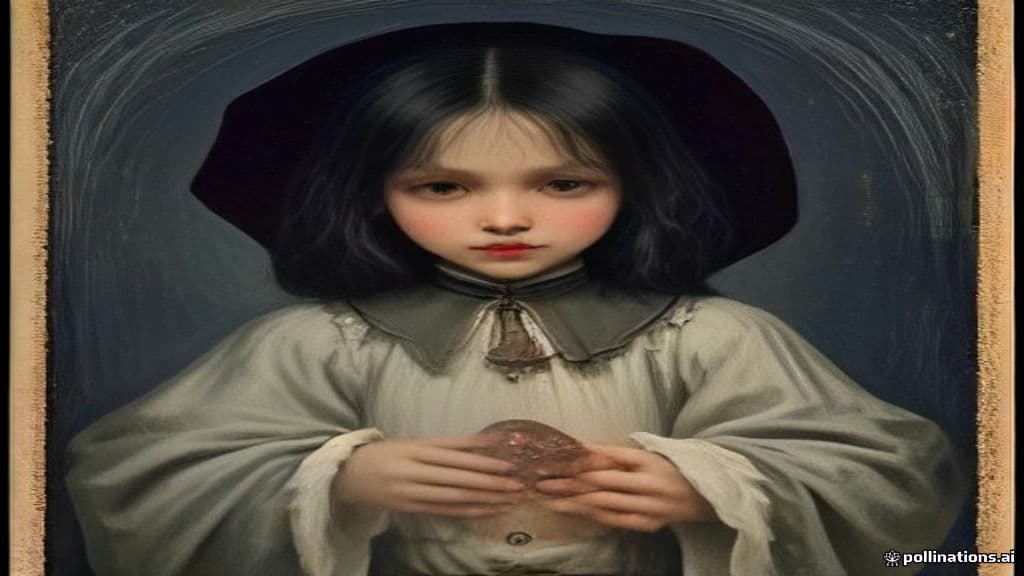
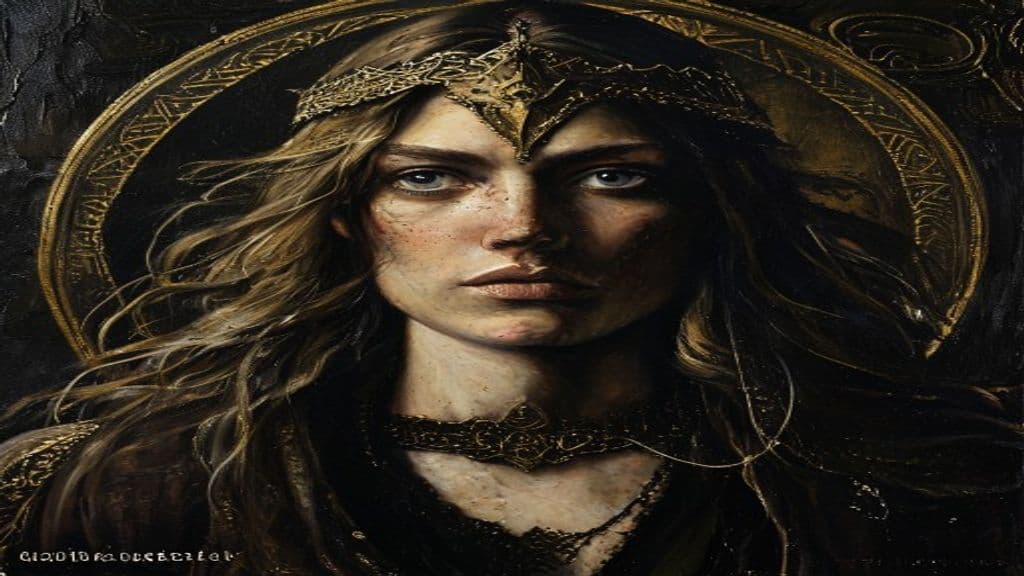
A cambion is a hybrid offspring associated with demonic or fiendish parentage and, in earlier usage, with the changeling concept of an exchanged infant. The term covers a range of overlapping ideas from medieval demonological debate about incubus/succubus issues to modern fantasy and role‑playing depictions of half‑demon characters.

Cassandra Metaphor
Primordial

Cassandra Metaphor

A person whose valid warnings or concerns are disbelieved by others, representing a prophetic figure with ignored predictions and warnings. (Note: * The power_tier is not supported by the source material, which only discusses Cassandra as a metaphor, not a Primordial entity with cosmic powers. * There is no information in the sources about appea)

Cassiel
Ancient

Cassiel

Cassiel is a high angelic figure attested across extracanonical Jewish, Christian, and Islamic mystical and magical texts, most commonly associated with the planet Saturn. Sources portray Cassiel as a guardian of heavenly palaces, an aide to higher angels (notably Gabriel), a named planetary intelligence in ritual magic, and in some attestations an angel connected with aspects of death.

Chax (Shax)
Lesser

Chax (Shax)

Chax (also spelled Shax) is a named spirit attested in modern indices and summaries of Renaissance/early‑modern grimoire material, principally the Ars Goetia/Lemegeton and the Pseudomonarchia Daemonum tradition. The supplied sources record the name in catalogues and reference lists but contain no substantive description, ritual material, or folkloric narratives about the entity.

Chazaqiel
Lesser

Chazaqiel

Chazaqiel is named in modern summaries of the Book of Enoch tradition as one of the leaders among the two hundred Watchers who 'fell'; he is repeatedly glossed in the supplied sources as the teacher of knowledge about clouds or meteorology and is etymologically linked to clouds or sky phenomena.

Chnuphis (Kneph / Kmeph)
Greater

Chnuphis (Kneph / Kmeph)

Chnuphis (Egyptian Kneph or Kmeph) is an ancient Egyptian motif of divinity attested in religious art and later reused in Greco‑Roman Late Antique magical and gnostic contexts. In Egyptian iconography it appears as a winged egg, a globe encircled by serpents, or the serpent form of Amun (Kematef); in Late Antiquity the Greek theonym Chnuphis commonly denotes a lion‑headed serpent figure on magical artifacts.

Chokmah
Primordial

Chokmah

Chokmah (חָכְמָה, 'wisdom') is the second sefirah on the Kabbalistic Tree of Life, described in classical kabbalistic texts as the primordial point of divine wisdom that emerges from Keter and precedes differentiation by Binah. It functions as an abstract metaphysical principle and cognitive archetype rather than a personified spirit in the provided sources.
Choronzon
Greater

Choronzon

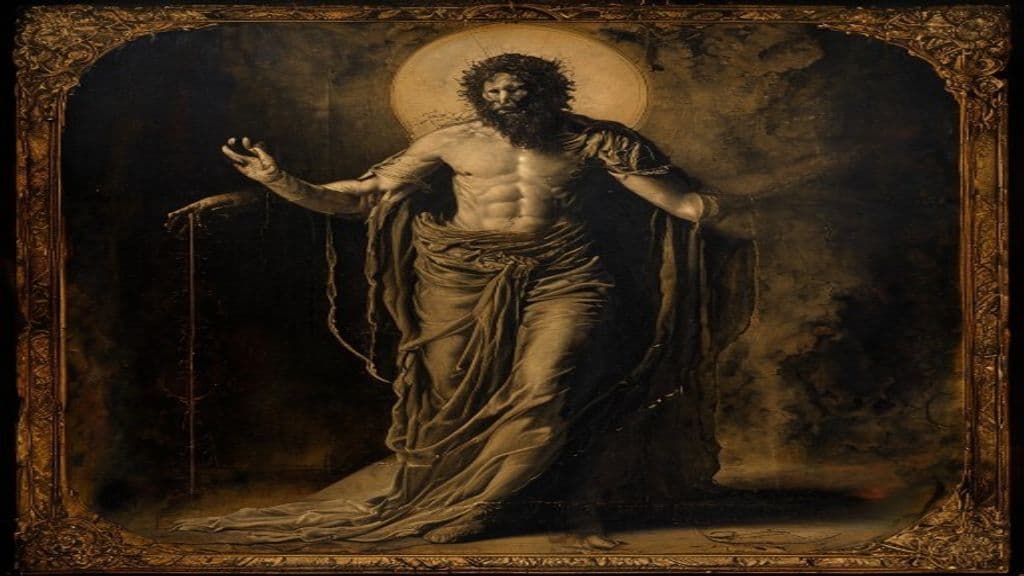
A figure from Enochian and Thelemic occult literature described as the 'Dweller in the Abyss' and a dispersive, shapeshifting force encountered in ceremonial evocation; in Crowleyan Thelema Choronzon functions as the final liminal obstacle associated with the Abyss and Binah/Babalon complex.

Chrysanthius of Sardis
Minor Spirit

Chrysanthius of Sardis

Chrysanthius of Sardis (Ancient Greek: Χρυσάνθιος; died AD 505) was a late-antique Greek Neoplatonist philosopher and the high-priest of Lydia. A pupil in the lineage of Iamblichus via Aedesius, he is recorded as devoted to the mystical side of Neoplatonism and noted for moderation in his priestly office.

Classical elements
Primordial

Classical elements

A conceptual classificatory system in ancient natural philosophy that reduces material diversity to a small set of basic constituents (typically earth, water, air, fire, sometimes aether). Used to explain the properties, changes, and motions of natural bodies and to ground medical and alchemical practice.

Crocell
Lesser

Crocell

Crocell is a named spirit attested in listings derived from the goetic grimoire tradition (the Ars Goetia). The supplied documentary material here does not include a canonical description, powers, or rituals from the grimoire; most surviving references in the provided sources are modern cultural or taxonomic uses of the lexical form "Crocell."

Daimōn
Lesser

Daimōn

In ancient Greek thought a daimōn is a divine or semi-divine presence occupying a middle position between gods and humans: a mediator, allotter of fate, guardian spirit, or the incorporeal continuation of important mortals. Daimones can be benevolent or malevolent and are treated variably in religious, poetic, and philosophical sources.

Daniel (angel)
Greater

Daniel (angel)

Daniel is an angelic figure attested in two distinct textual contexts: as the seventh of the 20 Watcher leaders among the 200 angels in the Book of Enoch tradition who taught the 'signs of the sun' to humans, and as a named entry among the 72 holy angels of the Shemhamphorae in Francis Barrett's The Magus.

Dantalion
Greater

Dantalion

Dantalion is a named spirit appearing in grimoire-derived occult tradition (the Ars Goetia corpus), described in modern occult encyclopedias as a high-ranking Duke who commands legions and is reputed to teach arts and sciences and to know and influence human thoughts.

Decarabia
Greater

Decarabia

A named spirit from the Ars Goetia tradition, credited in modern sources with knowledge of the virtues of herbs and precious stones and (in many modern summaries) commanding legions of lesser spirits. Primarily encountered in ceremonial evocation contexts and variably represented in later occult commentary and popular culture.

Demiurge
Ancient

Demiurge

A craftsman-like cosmic artisan who fashions and governs the sensible, material universe. In Platonic traditions the Demiurge is a benevolent ordering intelligence that shapes preexisting matter by imitating eternal Forms; in Gnostic systems the Demiurge is a lower ruler of the material realm whose moral status varies from ignorant/foolish to oppressive.

Demon (tradition)
Lesser

Demon (tradition)

A broadly attested category of harmful or malevolent supernatural beings found across many cultures, used to explain illness, death, misfortune, temptation, and social disruption. The concept is historically flexible, ranging from neutral intermediary spirits in ancient contexts to negatively valenced agents in many later religious traditions, and is the object of ritual responses such as exorcism or magical conjuration in some traditions.

Drosera (sundews)
Minor Spirit

Drosera (sundews)

Drosera, commonly known as sundews, is a genus of carnivorous plants in the family Droseraceae. The genus contains at least 194 species distributed on every continent except Antarctica and is characterised by glandular, mucilage‑covered tentacles that trap and digest insects to supplement nutrient-poor soils.

Egregore
Lesser

Egregore

A polyvalent Western‑esoteric concept naming an emergent, non‑physical collective form produced by sustained coordinated thought, will, ritual, or activity of a group. Usage ranges from a descriptive term for a 'collective mind' to a belief in a semi‑autonomous spiritual entity nourished by group devotion, and in contemporary discourse is often used metaphorically for organized online or political phenomena.

Eheieh (Ehyeh Asher Ehyeh)
Primordial

Eheieh (Ehyeh Asher Ehyeh)

Eheieh (Hebrew: אֶהְיֶה אֲשֶׁר אֶהְיֶה, Ehyeh Asher Ehyeh) is a biblical divine self-designation rendered in English as variants of "I Am that I Am" or "I will be what I will be." In later Jewish esoteric (Kabbalistic) discourse the name is associated with the highest Sephirah, Keter, and denotes the primal self-manifestation or mode of being from which emanation and sustenance proceed.

Eisheth Zenunim
Greater

Eisheth Zenunim

A feminine personification from Zoharic Kabbalah identified with sexual immorality and named among a quartet of female partners of Samael. Later Western esoteric and popular sources reinterpret her as a Qliphothic princess or succubus-like 'queen' of demons.

Elemental (tradition)
Lesser

Elemental (tradition)

A Renaissance occult and alchemical category, especially associated with Paracelsus, for intermediate, element‑bound beings tied to the four classical elements (gnomes/earth, undines/water, sylphs/air, salamanders/fire). Paracelsus described them as beings 'between creatures and spirits' with physical, commonly humanoid bodies that live in and are sustained by their native 'chaos.'

Eligos
Greater

Eligos

Eligos (also Eligor/Abigor) is a named spirit from early modern European goetic demonological catalogues, later repurposed in contemporary fiction and popular culture. Traditionally cited as a grimoire-ranked spirit concerned with martial divination and patronage of nobles, modern media sometimes reinterprets the name as a minor demonic antagonist with psychic and possession-related abilities.

Endymion
Lesser

Endymion

Endymion is presented in the supplied sources as a figure of Ancient Greek mythology identified as a shepherd. The corpus provided mainly records this basic identification and documents numerous later, derivative uses of the name across poems, fiction, visual arts, scientific nomenclature, and named places or objects (e.g., Keats's poem, fictional characters, a lunar crater, an asteroid, ships, and taxonomic usages).

Faun
Lesser

Faun

A faun is a Roman mythic being combining human and goat-like features, originally conceived as rustic local spirits (genii) of the countryside and later visually conflated with Greek satyrs and the god Pan; they are associated with pastoral fertility, revelry, and an ambivalent role toward travelers in wild places.

Five Wisdom Kings
Greater

Five Wisdom Kings

A class of wrathful, mantric protector-deities in East Asian Mahāyāna (notably Japanese) Buddhism, identified with the Sanskrit Vidyārāja and Japanese Myō-ō and described in sources as guardians of the cosmic Buddha Dainichi (Vairocana) and of esoteric teachings.

Flauros
Greater

Flauros

Flauros (also attested as Haures / Hauras in variant spellings) is a named high-ranking spirit in Western grimoires, notably the Ars Goetia (Lesser Key of Solomon). Described as a 'Great Duke' who initially appears as a leopard and later assumes a human form with flaming eyes, he is invoked for truthful revelation about past, present, and future and for destructive aid against enemies, but must be constrained by ritual to prevent deception.

Focalor
Greater

Focalor

Focalor is a named spirit from the Ars Goetia corpus, described in modern goetic compilations as a ducal-ranked spirit with authority over winds and seas who can drown men and sink ships; like other Goetic spirits he is represented as commandable by a conjurer.

Foras
Greater

Foras

Foras (also Forrasis, Forcas) is a named non‑human intelligible being listed in early modern Latin grimoires. Described as a 'Mighty President' who rules twenty‑nine legions, he is presented as a teacher of logic and ethics, a revealer of the virtues of herbs and precious stones, a disposer of treasure‑finding and recovery of lost things, and a grantor of talents such as eloquence, wit, invisibility, and longevity.

Forneus
Greater

Forneus

Forneus is a named spirit in the grimoire tradition of The Lesser Key of Solomon (the Ars Goetia), described there as a Great Marquis of Hell who commands twenty-nine legions and is said to teach rhetoric and languages while making men beloved and giving them a good name. Sources depict him as able to take many forms — described as a great sea monster but said to mainly prefer human form — and note that he is "partly of the Order of Thrones, and partly of that of Angels."

Francesca da Rimini
Minor Spirit

Francesca da Rimini

Francesca da Rimini was a late 13th‑century Italian noblewoman whose adulterous affair with Paolo Malatesta and subsequent murder by her husband Giovanni Malatesta became a lasting literary and artistic theme; most famously she appears as a speaking soul among the lustful in Dante Alighieri's Inferno (Canto V).

Furcas
Lesser

Furcas

Furcas (also spelled Forcas) is a named infernal officer in the Western grimoire/Goetic tradition described as a Knight who commands twenty legions of spirits and teaches various intellectual and divinatory arts. He is typically depicted as an old bearded man riding a pale horse and bearing a sharp weapon.

Furfur
Greater

Furfur

Furfur is a named infernal officer in Western grimoire tradition described as a Great Earl of Hell who rules twenty-six legions of demons, is capable of causing love and weather phenomena, and who may be compelled to answer questions in ritual magic but is said to be deceitful even under compulsion.

Gaap
Greater

Gaap

Gaap is a named spirit from early modern and medieval European demonological grimoires presented as a high-ranking office-holder in hierarchical occult catalogs. Across texts he appears as a prince or president who commands legions, has jurisdictional (cardinal) associations, and is ascribed powers ranging from teaching and invisibility to love-working and medical/sexual interventions.

Gamigin
Greater

Gamigin

Gamigin (also Samigina, Gamygin/Gamygyn) is a Goetic spirit attested in late-medieval to early-modern demonological grimoires (notably The Lesser Key of Solomon and Johann Weyer's Pseudomonarchia Daemonum). Described as a marquis who commands legions, he is reported to teach liberal arts and to compel certain souls (drowned and those in purgatory) into airy bodies to answer questions; in Thomas Rudd's tradition he is opposed by the Shemhamphorasch angel Ieuiah.

Gemory (Gremory)
Greater

Gemory (Gremory)

Gemory (also Gremory, Gamori, Gomory, and variants) is a named Goetic spirit catalogued in medieval and early modern European grimoires. Described as a crowned woman riding a camel, she is attributed powers over hidden treasures, knowledge of past/present/future, and procuring love; her rank and legion counts vary between sources.

Genius (genii)
Ancient

Genius (genii)

In Roman tradition, the genius is the guiding, tutelary spirit associated with an individual, a family (gens), or a place (genius loci). Originally a numinous presence tied to birth, generation, and lineage, the term later developed a secondary meaning of exceptional personal inspiration or talent.

Gevurah
Ancient

Gevurah

Gevurah (Hebrew: גְּבוּרָה, Găḇūrā) is the fifth sephirah on the Kabbalistic Tree of Life, an emanation representing the divine principles of judgment, limitation, and disciplined strength. It functions as a structural attribute within Jewish mystical cosmology rather than an individual personal spirit.

Ghost
Lesser

Ghost

A ghost is, in folklore, the soul or spirit of a dead person or non-human animal believed by some to be able to appear to the living. The concept functions across many cultures as an afterlife manifestation tied to ancestor belief, animism, and rituals intended to rest or manage the dead, while modern scientific accounts treat reported phenomena as lacking proof and often propose physiological or environmental explanations.

Glasya-Labolas
Greater

Glasya-Labolas

A named spirit from the grimoire/Goetic tradition (Ars Goetia) presented as a ranked demon who appears as a dog with wings like a griffin and is credited with teaching arts and sciences, revealing past and future, commanding legions, influencing affections, and authoring bloodshed.

Gnome (tradition)
Lesser

Gnome (tradition)

A class of animate subterranean beings from early-modern European natural-philosophical and miners' lore. Treated by Paracelsus as earth elementals (gnomi) and recorded in German mining tradition as Bergmännlein / Berggeist, these small, humanlike mountain-spirits explain and personify phenomena in mines — from mischief to the discovery of ore.

Godform (tradition)
Lesser

Godform (tradition)

A contemporary occult and artistic category: a created or assumed divine persona evoked by ritual, visualization, or creative practice. 'Godform' appears across modern occult instruction, paid ritual offerings, online forums, and artistic projects as a technique or object for psychospiritual work, group ritual, or aesthetic deification.

Gremory
Lesser

Gremory

Gremory (also attested as Gemory in the supplied corpus) is named in at least one modern reference as a demon listed in demonological grimoires. The supplied materials identify the name within the Western grimoire tradition but do not provide further primary grimoire details in this dossier.

Grim Reaper
Minor Spirit

Grim Reaper

A Western cultural personification of death depicted as a hooded, often skeletal figure bearing a scythe. The Grim Reaper functions primarily as a symbolic emblem in art, literature, and popular media to represent death, mortality, and the process of dying rather than a discrete ritual agent in a documented traditional religion.

Gusion
Greater

Gusion

Gusion is a named spirit recorded in the grimoire tradition of the Ars Goetia (Lesser Key of Solomon), presented there and in later compilations as a high-ranking demon who commands subordinate spirits and is queried by practitioners for information about temporal matters.

Haagenti
Greater

Haagenti

Haagenti is a named spirit from the grimoire tradition (the Lesser Key of Solomon/Ars Goetia) described as a high-ranking infernal president who instructs humans and effects alchemical transmutations; modern fantasy and gaming sources adapt and reimagine him in varied ways.

Hadit
Greater

Hadit

Hadit is a central Thelemic principle representing the individualized, interior divine point — the 'secret seed' and inner flame of each person and star — presented in The Book of the Law as the microcosmic complement to the cosmic Nuit.

Hadraniel
Greater

Hadraniel

Hadraniel is an angelic gatekeeper in Jewish mystical and rabbinic traditions, assigned to the second gate of heaven and depicted as an awe‑inspiring, gigantic being who mediates access to divine revelation. He appears in narratives such as Moses’ heavenly ascent and Zoharic material concerning the Book of Raziel, and is sometimes placed differently in other mystical lists (e.g., as subordinate to Jehuel in some Gnostic listings).

Halphas
Greater

Halphas

Halphas is a named spirit in the Western grimoire (Goetic) tradition, listed as an earl who commands 26 legions of spirits and is described as an avian figure (usually a hoarse‑voiced stock dove; some authorities describe a stork). Goetic texts attribute to him military/logistical functions: supplying weapons and ammunition for towers (or towns in some variants) and sending men to war. Modern culture frequently reuses the name as an infernal motif in music, gaming and fiction.

Haniel
Greater

Haniel

Haniel is an angelic figure in Jewish and later Western angelology, traditionally counted among the seven archangels. The figure is associated with the planet Venus and is described as the governing archangel of the Kabbalistic sephirah Netzach, embodying qualities of grace, charm, and joy and appearing in later Renaissance esoteric apparatus such as John Dee's Sigillum Dei Aemeth.

Hauras
Minor Spirit

Hauras

Hauras is a name attested in modern cultural metadata and appears in secondary compilations connected to the Ars Goetia name-lists. The available sources do not provide historical folkloric descriptions, powers, or rituals for Hauras; its documented uses are primarily as a contemporary artist/track name and an entry-string in name-lists derived from goetic compilations.

Hecate
Ancient

Hecate

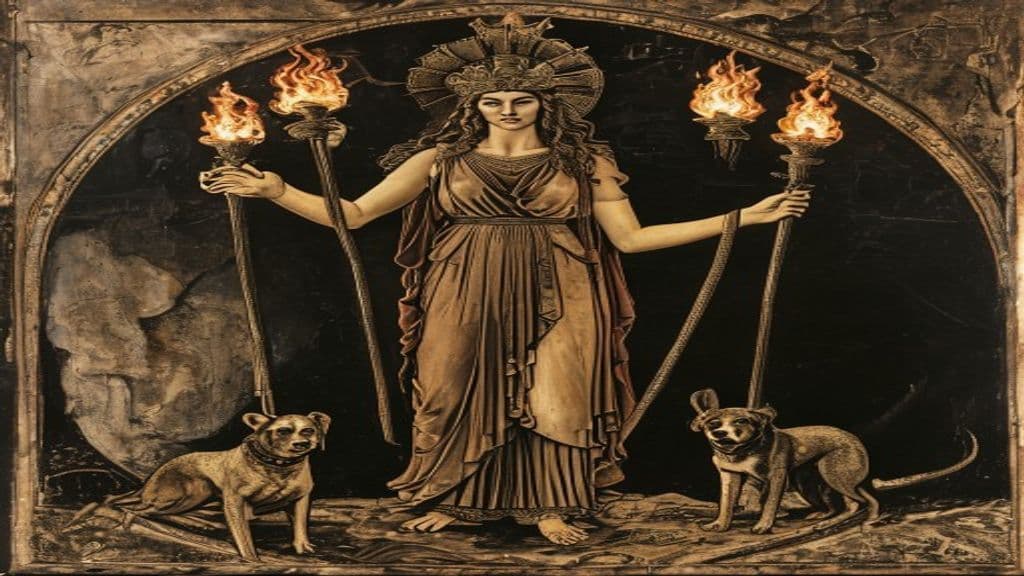
Hecate (Ancient Greek: Ἑκάτη) is a liminal goddess in ancient Greek religion associated with crossroads, night, light, magic/witchcraft, the Moon, and household protection. She appears in early Greek poetry (Hesiod) with broad domains and in later traditions (notably the Chaldean Oracles) with expanded cosmological roles; she retained important regional cults, especially in Anatolia (Lagina) and had popular associations with witches in Thessaly.

Herodias (tradition)
Greater

Herodias (tradition)

A medieval European folkloric persona derived from the historical Herodian princess Herodias; in later popular summaries her name was repurposed as that of a leader or exemplar of nocturnal spirit-assemblies and night-rides. Sources link the name in medieval belief to figures who preside over witch-processions, while a modern secondary retelling describes her as a spirit condemned to wander the sky and 'permitted only to rest in treetops.'

Heru‑ra‑ha
Ancient

Heru‑ra‑ha

Heru‑ra‑ha is a composite, twofold deity in the modern religion of Thelema, composed of the active solar aspect Ra‑Hoor‑Khuit and the passive child‑aspect Hoor‑pa‑kraat (Harpocrates). Presented in Thelemic doctrine as the principal godform or Lord of the New Aeon (the Aeon begun in 1904), Heru‑ra‑ha functions as an aeonic, revelatory presence central to The Book of the Law and later Thelemic liturgy.

Hod (Kabbalah)
Lesser

Hod (Kabbalah)

Hod (Hebrew הוֹד, Hōḏ) is the eighth sephira on the Kabbalistic Tree of Life, traditionally rendered as 'majesty, splendour, glory'. In classical and later Kabbalistic schemata it functions as an abstract divine emanation or attribute concerned with form, order, and the structuring of intellect; later occult writers add correspondences such as Mercury and tarot links.

Iarbas
Lesser

Iarbas

Iarbas is a legendary North African/Libyan king or princely founder-figure preserved in Greco-Roman literary tradition. Presented as a son of the North African god Ammon (Jupiter-Hammon), he functions as a dynastic ancestor and cult-founder in accounts that also cast him as a suitor and political rival in the Aeneid-cycle narratives (notably as a rejected suitor of Dido).

Iggwilv
Greater

Iggwilv

Iggwilv is a fictional human arch‑mage from the Greyhawk campaign setting for Dungeons & Dragons, presented across editions as a powerful practitioner of arcane magic, author of in‑setting treatises on demons (the Demonomicon/Nethertome) and a manipulator of Abyssal/demonic politics. She is identified with other personas such as Tasha and Natasha in various sources and has a mutable biography across publications.

Ipos
Greater

Ipos

Ipos is a named spirit from Western grimoire/demonological tradition (the Goetia, Lesser Key of Solomon) described as a titled infernal officer—variously Prince, Earl, or Duke—who commands thirty-six legions of demons and is credited with revealing knowledge of times and making men witty and valiant.

Jophiel
Ancient

Jophiel

An archangel in Jewish and Christian angelology, Jophiel is depicted in mystical, liturgical, and occult sources as a high-ranking celestial guardian associated with wisdom, Torah-reading, beauty, and certain Kabbalistic/ceremonial correspondences. Sources place Jophiel among the highest heavens and in roles supervising scripture, teaching languages, and serving in angelic command.