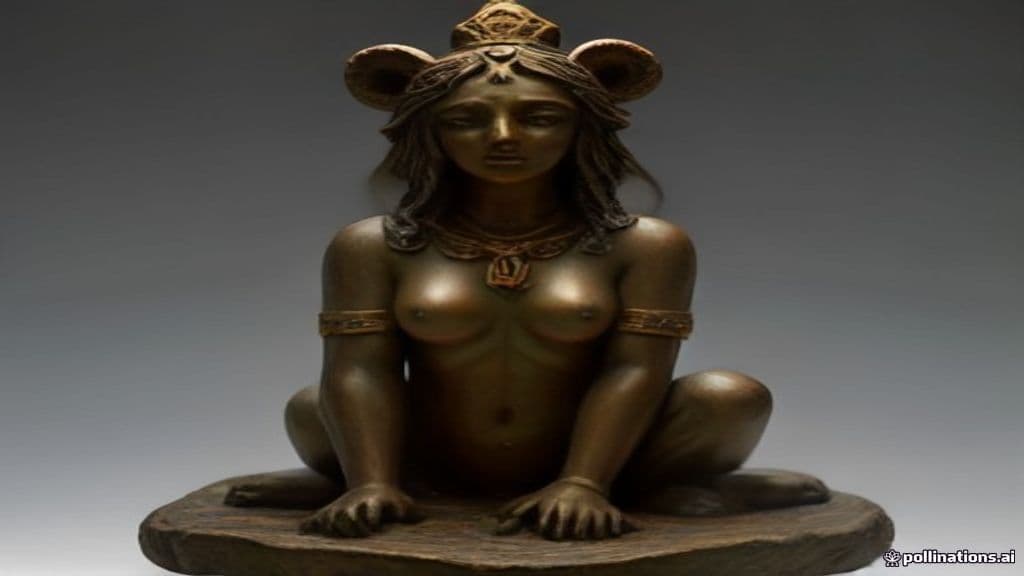
Celtic Supernatural Beings

365 documented Celtic supernatural beings from the Evil Eye grimoire, including 189 lesser and 71 greater in power tier.

page 2 of 7

Artio
Lesser

Artio

Artio is a Gaulish/Celtic goddess whose name literally means 'bear' (Gaulish Arti(o)-). She is attested in Roman-period contexts among the Helvetii and the Treveri by two short inscriptions and a Roman-period bronze statuette group (the Muri group). Scholars read her as an animal-associated tutelary deity linked to bears and to mediation between humans and wild animals.

Ataegina
Lesser

Ataegina

Ataegina is a local goddess worshipped in the ancient Iberian Peninsula (Lusitania, Baetica and neighbouring areas). Epigraphic evidence from Roman‑era inscriptions associates her with the Roman Proserpina and presents her as a deity whose functions encompass underworld/night aspects and/or seasonal renewal (rebirth, spring).

Atepomarus
Lesser

Atepomarus

Atepomarus is a named Gaulish deity attested in epigraphic and mythographic sources. He appears primarily as an epithet attached to Graeco‑Roman gods (notably Apollo and sometimes Mercurius) in healing‑sanctuary contexts and also appears as a legendary founder figure paired with Momorus in a foundation myth of Lugdunum.

Athirne Ailgheasach
Greater

Athirne Ailgheasach

Athirne Ailgheasach is a legendary court poet and satirist of Conchobar mac Nessa in the Ulster Cycle of early Irish saga tradition who abuses the customary privileges of poets; his satires and actions provoke social, legal, and military consequences and bring him into conflict with other lords and with the Tuatha Dé Danann.

Atticus O'Sullivan
Greater

Atticus O'Sullivan

A human-born, two-thousand-year-old druid protagonist of Kevin Hearne's urban-fantasy The Iron Druid Chronicles; he operates in the modern world as a powerful practitioner of druidic magic who runs an occult bookshop in Arizona and engages gods, vampires, shapeshifters, and other mythic beings.

Aveta
Lesser

Aveta

Aveta is a local maternal deity attested in Roman-period Gaul, chiefly among the Treveri around Augusta Treverorum (Trier). She is represented in altars and terracotta votive figurines emphasizing motherhood and fertility; some scholars interpret associated evidence as indicating links with springs and healing.

Aífe
Lesser

Aífe

Aífe is a legendary woman-warrior of the Ulster Cycle in Irish mythology, appearing in the tales Tochmarc Emire and Aided Óenfhir Aífe as an opponent and counterpart to Scáthach and as the mother of Cú Chulainn's son Connla. She is portrayed in the sagas as an agentive martial figure situated outside Ireland (variously east of Alpi/Alba or in Letha/Armorica) whose story emphasizes warrior rivalry, negotiated mercy, and tragic kinship.

Baco
Lesser

Baco

A single modern reference (a Wikipedia disambiguation entry) lists "Baco (god)" with the brief descriptor "a Celtic god of the boar." Beyond that terse label, the supplied sources contain no primary or secondary evidence describing Baco's nature, cult, or mythology.

Badb
Greater

Badb

Badb is an Irish supernatural female figure associated with warfare, death, and prophecy. She commonly appears as a crow or raven and as a wailing omen, acts on battlefields to sow confusion and foretell slaughter, and is often treated as one member of the triadic Morrígna.

Balor
Greater

Balor

Balor is a leader of the Fomorians in the Irish Mythological Cycle, portrayed in medieval texts as a formidable war‑champion and in later folklore as a one‑eyed giant/tyrant whose baleful eye causes great destruction; he is killed by his grandson Lugh in the battle narratives and in folktale variants. Scholarly readings link his name to a Common Celtic root meaning 'the flashing one,' which has informed interpretations of him as a personified destructive natural force.

Banba
Ancient

Banba

Banba (modern spelling Banbha) is a matron goddess of Ireland in Irish mythology, daughter of Delbáeth and Ernmas of the Tuatha Dé Danann. She forms a triad of matronal personifications of the island with her sisters Ériu and Fódla, is associated with sovereignty and the land, and appears in origin and heroic narratives linked to specific Irish landscapes.

Banshee
Greater

Banshee

A female spirit of Irish and Scottish folklore whose wail heralds an impending death in a family of Gaelic descent. Not a cause of death — a witness to it.

Baobh-shìth
Greater

Baobh-shìth

A female fairy of Scottish Highland folklore portrayed as a beautiful but deadly supernatural woman who seduces and kills lone men at night. Tales place her within the Highland sidhe corpus while linking her actions to a motif in which nighttime wishes made without invoking divine protection are answered by malevolent agencies.

Baobhan Sith
Lesser

Baobhan Sith

A Scottish Highland vampire fairy — a beautiful woman in a green dress who appears to men alone in the wilderness and drains their blood, her deer hooves hidden beneath her skirts.

Bauchan
Lesser

Bauchan

A household-associated hobgoblin from Scottish Highland folklore, the bauchan is portrayed as ambivalently belligerent and helpful; in at least one recorded tale it accompanies a human household across the Atlantic and can shapeshift into a goat.

Bean-nighe
Lesser

Bean-nighe

A female spirit in Scottish Gaelic folklore who haunts desolate streams and fords, washing the clothing of those who are about to die; regarded as an omen of death and a messenger from the Otherworld.

Bedivere
Primordial

Bedivere

One-handed knight and marshal of King Arthur's Round Table, known for returning Excalibur to the Lady of the Lake. (Note: - Power tier should be Greater (powerful regional), as Bedivere is a human character with significant roles within the Arthurian court, but not necessarily on a cosmic or deity-level. - Appearance: Th)

Bedwyr (Bedivere)
Minor Spirit

Bedwyr (Bedivere)

Bedwyr (Welsh; Anglicized Bedivere) is a named heroic figure in early Welsh poetry and later medieval Arthurian romances. Presented in the sources as a human warrior and courtier — famed as the one‑handed great warrior Bedwyr Bedrydant in Welsh texts and later as a Knight of the Round Table and Arthur's marshal who, in English versions, returns Excalibur to the Lady of the Lake.

Beira / Cailleach
Ancient

Beira / Cailleach

A Gaelic seasonal figure: an old-woman 'hag' who personifies winter, storms, and the shaping of landscape. Known across Ireland, Scotland, and the Isle of Man, she appears in contrast to younger spring/summer goddesses such as Brìgde.

Beithir
Greater

Beithir

In Scottish Gaelic tradition the beithir is a very large snakelike creature—often called a serpent or dragon—associated with mountains, corries and bodies of water. It is portrayed as venomous and deadly in local tales, linked in etymology and interpretation to lightning/thunderbolt imagery, and classed among water-associated monsters (fuath).

Belatucadros
Lesser

Belatucadros

Belatucadros is a native Brittonic/Celtic deity attested in northern Britain (modern Cumbria) whose cult continued into the Roman period; in Romano-British inscriptions he is commonly equated with the Roman god Mars (Mars Belatucadrus). Archaeological evidence shows roughly 28 inscriptions in the Hadrian's Wall region and small, simple altars, suggesting a local tribal protector and martial focus worshipped by Britons and lower-ranked Roman soldiers.

Belenus
Greater

Belenus

Belenus (Gaulish Belenos/Belinos; Latin Belenus/Belinus) is an ancient Celtic healing and protective deity whose cult was widespread across Celtic-speaking regions and whose worship continued into the Roman period, often equated with Apollo; he is especially associated with medicinal springs and civic protection (notably Aquileia).

Belfagor arcidiavolo
Greater

Belfagor arcidiavolo

The title character of Niccolò Machiavelli's Renaissance novella, presented as an archdevil (arcidiavolo) sent from Hell to Earth to investigate male complaints about marriage; a literary adaptation of an older folktale motif about a supernatural being assuming human guise and entering domestic life.

Beli Mawr
Ancient

Beli Mawr

Beli Mawr is a legendary ancestral king and eponymous progenitor in medieval Welsh genealogies and literature, presented as the father of several named mythic figures and as an origin-figure for royal houses. Modern scholarship sometimes hypothesizes a connection with the continental Celtic deity Belenus/Belenos, but medieval sources principally treat Beli as an ancestral/kingly figure rather than explicitly as a deity.

Belisama
Ancient

Belisama

Belisama is a Gaulish goddess attested in Roman-period inscriptions and place-names. Epigraphic evidence records formal dedications (including a nemeton and a votive sacrum) and at least one inscription equates her with the Roman Minerva; scholars debate whether her name denotes brightness, strength, or a plant-name, and toponymic evidence also suggests riverine associations.

Biasd Bheulach
Minor Spirit

Biasd Bheulach

A named monster or spirit reported in Scottish folklore as haunting the Odal (Odal) Pass on the Isle of Skye. Attested primarily as a place‑bound uncanny being in modern summaries and lists of Scottish folk creatures, the entity is recorded with very limited detail in the cited sources.

Biróg
Lesser

Biróg

Biróg (also Biroge, Birog of the Mountain) is a female supernatural helper in Irish narrative tradition who aids Mac Cinnfhaelaidh/Cian in gaining access to the imprisoned Ethniu and rescues the surviving infant of that union; later retellings variably portray her as a leanan sídhe (female familiar spirit), a filidh (poet/seer), or a druidess.

Black cat
Minor Spirit

Black cat

A domestic cat with black fur that functions both as an ordinary companion animal and as a versatile folkloric symbol. In many traditions it is an omen of good or bad fortune, is associated with witches and seafaring luck, and has been repurposed in modern political and cultural symbolism.

Bladud
Lesser

Bladud

Bladud is a legendary king of the Britons credited in medieval and later sources with founding the city of Bath and discovering the healing properties of its hot mud/springs. He appears in Geoffrey of Monmouth's pseudo-historical tradition and later retellings that amplify motifs of healing, learning, necromancy, and an attempted flight that causes his death.

Blaí Briugu
Minor Spirit

Blaí Briugu

Blaí Briugu (Blaí the Landholder or Hospitaller) is a figure of the Ulster Cycle of Irish mythic literature. Presented as a wealthy Ulster warrior and keeper of a hostel, he is notable for a geis obliging him to sleep with any unaccompanied woman who stayed at his establishment, an action that led to his death at the hands of Celtchar.

Bledudo (Welsh: Blaiddyd)
Minor Spirit

Bledudo (Welsh: Blaiddyd)

Bledudo (Welsh: Blaiddyd) is a legendary or pseudo‑historical king recorded in Geoffrey of Monmouth’s regnal lists and later compilations of the Kings of Britain. He appears in medieval and post‑medieval king lists as a named ruler placed between Merianus and Cap (with some manuscript variation showing Oenus in neighboring positions) and is dated to c. 191 BC in modern summaries of those lists.

Bleiddwn
Minor Spirit

Bleiddwn

Bleiddwn is a named individual from the fourth branch of the medieval Welsh Mabinogi: the child born to two men temporarily transformed into wolves, who is taken by the ruler-mage Math and transformed into a human and baptized 'Bleiddwn' (from Welsh blaidd, 'wolf'). His existence indexes metamorphosis, punishment, and restoration within the tale-world.

Blodeuwedd
Lesser

Blodeuwedd

In the Fourth Branch of the Mabinogi, Blodeuwedd is a woman fashioned by the magicians Math and Gwydion from flowers to be the wife of Lleu Llaw Gyffes; she later betrays him, is transformed into an owl as punishment, and functions etiologically to explain owl nocturnality and enmity with other birds.

Blue Men of the Minch
Lesser

Blue Men of the Minch

A localized class of Scottish sea‑spirits said to inhabit the Minch between the northern Outer Hebrides and the mainland; humanoid, blue‑coloured beings who interact with sailors — sometimes playfully, sometimes by raising storms, demanding tribute, or attempting to capsize vessels. Traditional tales record a verbal poetic challenge by which mariners may avert disaster.

Blunderbore
Lesser

Blunderbore

Blunderbore is a stock giant of English and Cornish folklore, appearing as a corporeal monstrous antagonist in tales such as Jack the Giant Killer and regional variants like Tom the Tinkeard. He is depicted through his actions—kidnapping, highway obstruction, and violent strength—and is typically overcome by a human folk-hero who frees captives and reasserts social order.

Bláthnat
Lesser

Bláthnat

Bláthnat (also Bláthíne) is a figure in early Irish literature portrayed as a king's daughter, the wife of the warrior Cú Roí and lover of Cú Chulainn. In the Ulster-cycle milieu she appears as a war-prize whose decision to signal Cú Roí's presence by pouring milk leads to his death and to her own violent end.

Boann
Greater

Boann

Boann (also Boand) is a figure of early Irish tradition associated with the River Boyne (Bóinn) and the Well of Segais. Presented in the Dindsenchas and other medieval sources as a member of the Tuatha Dé Danann, she functions as a mythic landscape-progenitor, mother of the god Aengus, and a woman whose transgressive actions at a sacred well bring the river into being.
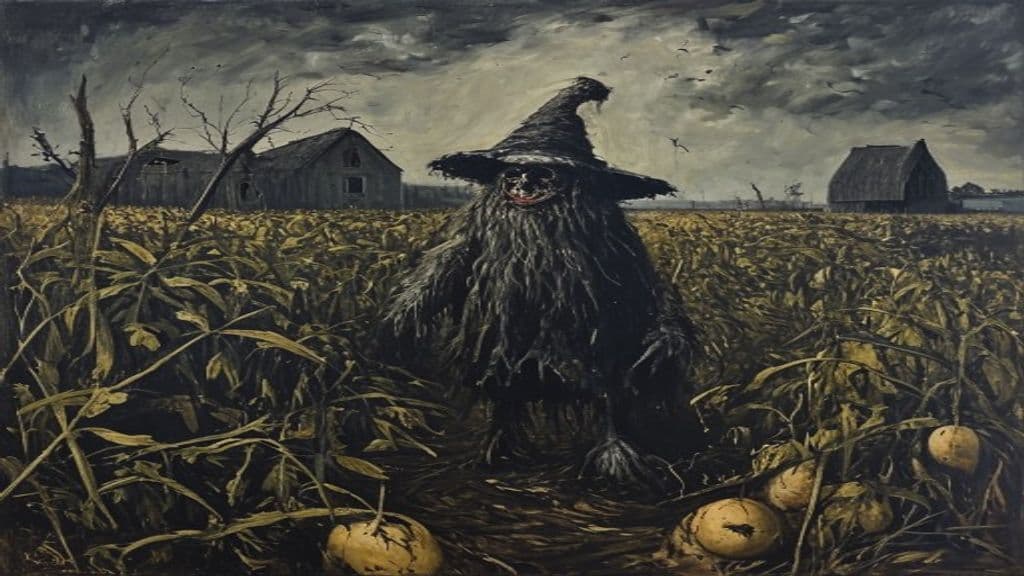
Bodach
Lesser

Bodach

A Gaelic folkloric personage literally meaning "old man" (Old Irish botach) who functions variously as a trickster, bogeyman, household figure and — in some accounts — an omen of death (Bodach Glas). The term also carries historical social meanings (tenant/peasant) and is sometimes identified with higher mythic figures (e.g., Manannán mac Lir) in specific tales.

Bodb Derg
Ancient

Bodb Derg

Bodb Derg is a kingly figure of the Tuatha Dé Danann in Irish myth, attested as ruler of the Munster síd and later elected king of the Tuatha Dé Danann after their defeat and withdrawal into the sídhe. His name is etymologically linked to the war-crow figure Badb and is glossed in sources as 'Red Crow.'

Bogle
Lesser

Bogle

A Northumbrian, Cumbrian and Scots folkloric being reputed to perplex and frighten humans. Bogles are a polyvalent category in northern-British tradition, applied to scarecrows, household troublemakers and other uncanny creatures whose chief orientation is mischief rather than systematic harm.

Boobrie
Greater

Boobrie

A shapeshifting, water-associated supernatural creature from Scottish (particularly Argyllshire/west coast) tradition, the boobrie manifests as a gigantic water-bird, a colossal water-bull, a water-horse, or (rarely) a large blood‑sucking insect and is typically held to prey on livestock and otters in sea‑lochs and adjacent heathered ground.

Borvo
Lesser

Borvo

Borvo (also Bormo, Bormanus/Bormanicus) is a Celtic theonym attested in Roman‑period Gaul and adjacent regions as the god of warm, welling thermal springs; worship is attested almost entirely by votive inscriptions at spa sites and he is commonly paired with the goddess Damona and equated under interpretatio romana with Apollo (and occasionally Hercules).

Branwen
Greater

Branwen

Major character in Welsh mythology and daughter of Llŷr, a sea god. (Note: - Power tier should be Primordial (as she is a sea god's daughter and a central figure in a major mythological narrative). - Appearance: Add note that physical description is not provided. - Abilities)

Branwen ferch Llŷr
Minor Spirit

Branwen ferch Llŷr

Branwen ferch Llŷr is a legendary princely woman from medieval Welsh narrative tradition, the central female figure of the second branch of the Mabinogi. Her marriage to Matholwch of Ireland, mistreatment in the Irish court, and death precipitate a catastrophic war between Britain and Ireland and set in motion miraculous episodes (a life-restoring cauldron; the speaking severed head of her brother Bendigeidfran).

Brath
Primordial

Brath

In the Celtic tradition, Brath is an ancestral figure in Irish genealogy, considered important for his role as a parent of Breogán. (Note: 1. Power tier should be Ancient, as Brath's abilities are described as being related to a key figure in Irish genealogy, but there is no indication he has cosmic-level powers. 2. Add an appearance des)

Brenin Llwyd
Lesser

Brenin Llwyd

A Welsh mountain-mist figure known as the "Grey King" or "Monarch of the Mist," depicted in collected folklore as a semi-corporeal presence haunting high places and mists and said to seize unwary travellers, especially children. The Brenin Llwyd functions as a landscape-linked warning figure and is sometimes compared with Welsh Otherworld sovereignty figures.

Breogán
Lesser

Breogán

Breogán is a legendary human ancestor and culture‑hero in the medieval Irish Lebor Gabála Érenn tradition, presented as a founder of a city in Iberia (Brigantia) and the builder of a tower from which his son Íth glimpses Ireland, an event that prompts the Milesian migration to settle Ireland. He functions as an eponymous progenitor linking Gaelic genealogy to an Iberian origin and, in later memory, as a symbol of Galician identity.

Bres
Ancient

Bres

Bres (also Bress, Eochaid/Eochu Bres, Bres mac Elathan) is a contested royal figure in Irish myth who, born of Fomorian and Tuatha Dé Danann parentage, ruled as king of the Tuatha Dé Danann before being deposed; his reign and fate appear in accounts of the First and Second Battles of Magh Tuiredh and related dindsenchas poetry.

Breton Mythology
Primordial

Breton Mythology

A collection of explanatory and heroic tales forming part of the Celtic mythos, rooted in ancient Celtic tradition. (Note: 1. Power tier: Primordial is incorrect; it should be Ancient (deity-level) as Breton mythology is rooted in ancient Celtic tradition but doesn't match the primordial level of cosmic entities. 2. Origi)

Brian (Uar/Uair)
Lesser

Brian (Uar/Uair)

One of the three Sons of Tuireann in the Irish tale Oidheadh Chlainne Tuireann. Brian (also recorded as Uar or Uair) participates with his brothers in the killing of Cian, is sent by Lugh on a quest to fetch magical weapons as recompense, and returns mortally wounded when Lugh refuses to heal them.

Bricriu
Lesser

Bricriu

Bricriu (also Briccriu, Bricne) is a mortal briugu (hospitaller), poet, and habitual instigator in the Ulster Cycle of medieval Irish narrative. Through hosting feasts and provocative speech he foments rivalry among the Ulster heroes, most famously at the episode Fled Bricrenn (The Feast of Bricriu).

Brigantia
Ancient

Brigantia

Brigantia is attested in modern reference works as a goddess name within materials labeled 'Celtic mythology'. The same name or root is also recorded as a toponym for an ancient region associated with the Brigantes in northern Britain. The supplied sources are fragmentary and do not provide myths, rites, iconography, or linguistic etymology for the goddess.

Brigid
Ancient

Brigid

Brigid (Brigit, Bríg, Bríd) is an Irish divine figure of the Tuatha Dé Danann associated with poetry/prophecy, healing, smithcraft and protection of livestock and households; medieval Christian tradition and later scholarship record significant syncretism between this goddess and Saint Brigid of Kildare.

Brigit (Brigid / Brigantia)
Ancient

Brigit (Brigid / Brigantia)

Brigit (Brigid, Bríg; Latin Brigantia) is a prominent Irish figure whose identity spans pre‑Christian myth as a member of the Tuatha Dé Danann and early medieval Christian hagiography as St. Brigit of Kildare. Sources show continuity of name, cultic markers (notably a sacred flame), and overlapping attributes across pagan and Christian contexts.

Broichan
Primordial

Broichan

A 6th century Celtic wizard documented by Adomnán of Iona, with magical abilities and connections to spiritual or supernatural forces. (Note: 1. Power tier should be Ancient, as a wizard serving a king and having connections to a saint is more deity-level than primordial. 2. Add sensory cues based on the fact that Adomnán wrote about Broich)

Brownie
Lesser

Brownie

A household spirit from Scottish and related British traditions that performs nocturnal domestic labour in return for small offerings left by the hearth. Brownies are protective, place-tied domestic beings who work while humans sleep and will depart or become mischievous if offended.

Brutus of Troy
Lesser

Brutus of Troy

Brutus of Troy is a legendary ancestral founder-king in medieval British pseudo-history, presented as the eponymous progenitor of the Britons and first ruler/founder of Britain in narratives that link Britain to Trojan and, in some recensions, biblical genealogies. Best known from Geoffrey of Monmouth’s Historia Regum Britanniae and earlier mentions in the Historia Brittonum, the figure functions as a culture-ancestor and legitimizing founder rather than a supernatural being.

Brân the Blessed
Ancient

Brân the Blessed

Brân the Blessed (Welsh: Bendigeidfran / Brân Fendigaidd, 'Blessed Crow') is a giant-king in the Second Branch of the Mabinogi who functions as a mythic sovereign of Britain. He is depicted as a colossal royal figure associated with the sea and with poetry/bards; after being mortally wounded his severed head remains animate and is used as an apotropaic guardian of the island.

Bucca
Lesser

Bucca

A class of place‑bound supernatural beings attested in Cornish folklore, associated in surviving sources with coastal and mining landscapes and with local occupational culture; the surviving packet of sources is fragmentary and primarily cites an anthology excerpt (Mabel Quiller Couch).

Buggane
Greater

Buggane

A large, malevolent supernatural being from Isle of Man folklore, described in tales as ogre- or giant-like and sometimes a shapeshifter. Buggane stories depict it damaging buildings and livestock, attacking people, and appearing in coastal and farm contexts; some tales limit it by sacred or liminal boundaries such as water and hallowed ground.