Greek Supernatural Beings

1796 documented Greek supernatural beings from the Evil Eye grimoire, including 1106 lesser and 335 minor spirit in power tier.

page 19 of 30

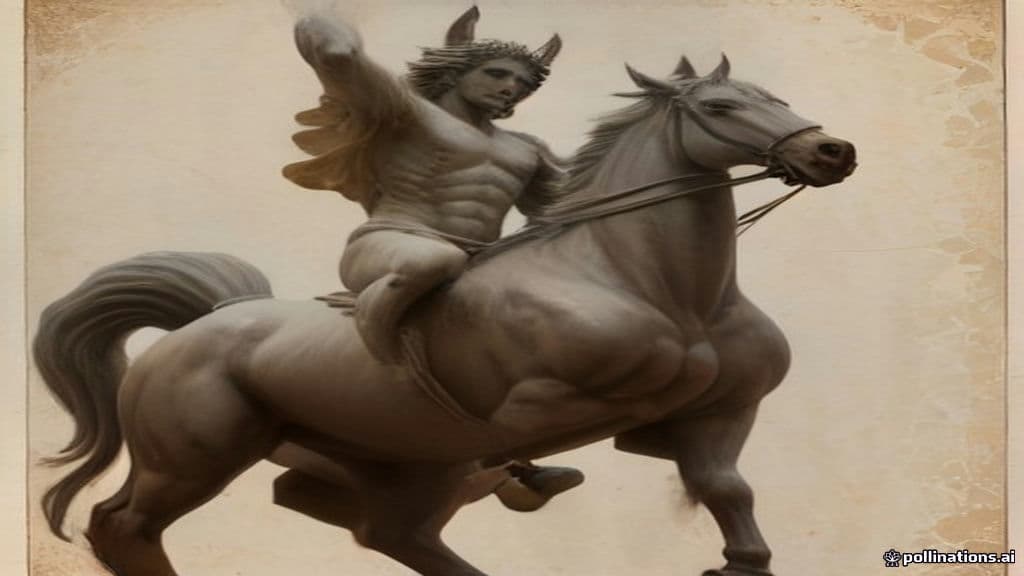
Harpy
Greater

Harpy

In Greek and Roman myth, a harpy is a hybrid bird-human creature and personification of storm-winds that acts as an agent of divine punishment — snatching food, fouling victuals, and carrying off or tormenting wrongdoers, sometimes delivering them to chthonic justice.

Hebe
Lesser

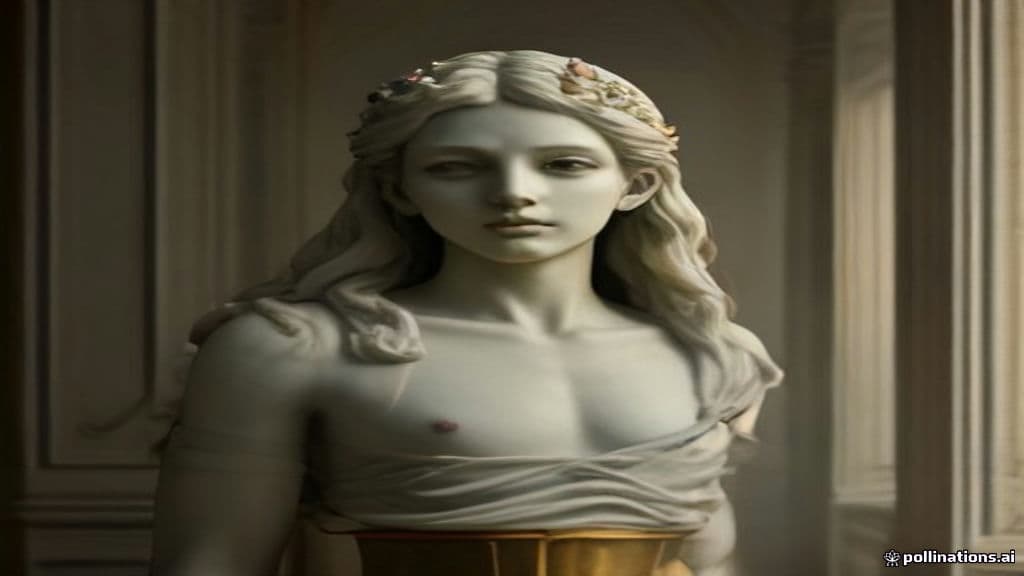
Hebe

Hebe is the ancient Greek goddess and personification of youth, serving as the cup-bearer of the Olympian gods and associated with the prime of life; in some accounts she is a daughter of Zeus and Hera and later the wife of Heracles.

Hecale
Lesser

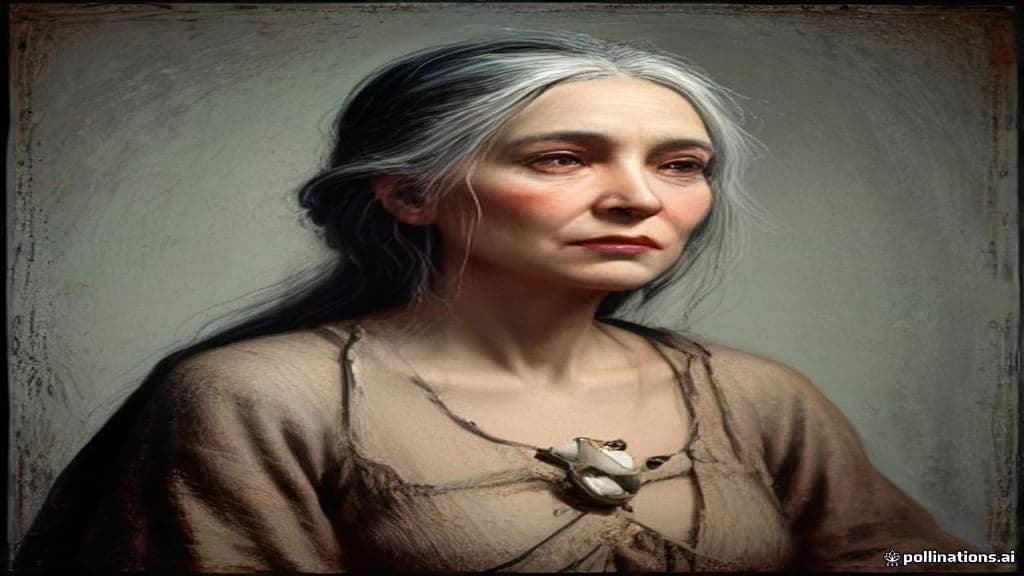
Hecale

Hecale (Ancient Greek: Ἑκάλη) is an elderly mortal woman of Greek legendary tradition remembered for giving shelter and hospitality to the hero Theseus on his way to capture the Marathonian Bull. Her piety and vow to sacrifice to Zeus were commemorated by the local community in a deme named Hecale and a festival called the Hecalesia.

Hecate
Ancient

Hecate

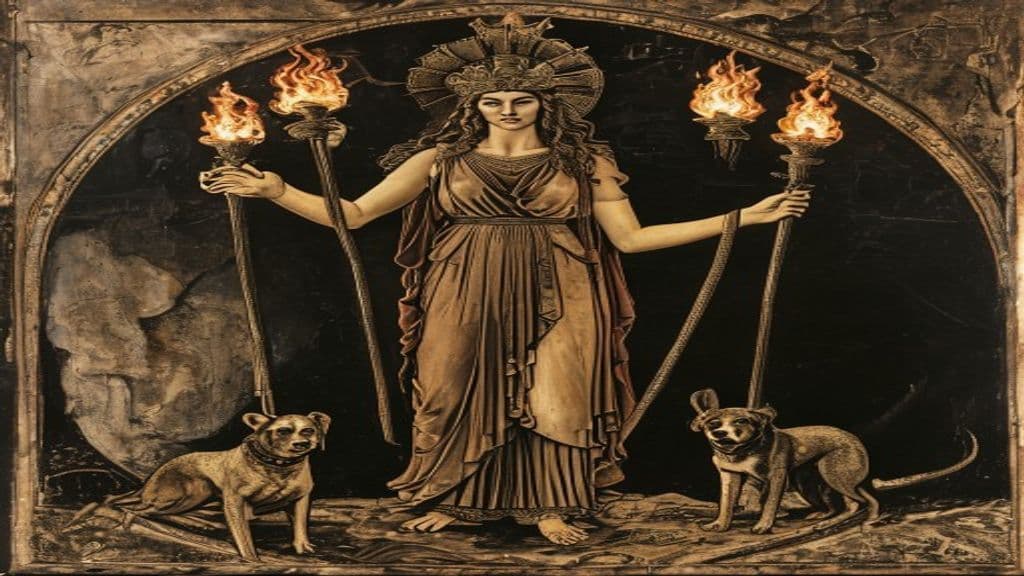
Hecate (Ancient Greek: Ἑκάτη) is a liminal goddess in ancient Greek religion associated with crossroads, night, light, magic/witchcraft, the Moon, and household protection. She appears in early Greek poetry (Hesiod) with broad domains and in later traditions (notably the Chaldean Oracles) with expanded cosmological roles; she retained important regional cults, especially in Anatolia (Lagina) and had popular associations with witches in Thessaly.

Hecatoncheires (Hundred-Handed Ones)
Primordial

Hecatoncheires (Hundred-Handed Ones)

In Greek myth the Hecatoncheires are a triad of primordial monstrous giants, described in tradition as having many heads and arms. Born of Uranus (Sky) and Gaia (Earth) in the earliest generation of divine beings, they appear in accounts of the Titanomachy where, in tradition, they aided Zeus and the Olympian gods against the Titans.

Hector
Lesser

Hector

Hector is a Trojan prince and the foremost warrior of Troy in the Homeric Iliad, celebrated as a devoted husband, father, son, and defender of his city. Portrayed as exemplary in duty and martial skill, his mortal fate is shaped by combat, family obligations, and the interventions of gods.

Hecuba
Lesser

Hecuba

Hecuba (Greek Ἑκάβη, Hekábē) is the wife of King Priam and queen of Troy in Greek epic and tragic traditions. Portrayed primarily as a grieving royal matron who performs ritual acts (libations, leading temple supplication, lamentation), later variant traditions record her revengeful violence after the murder of her son and post-war metamorphoses (notably into a dog) or divine rescue.

Hegesandra
Lesser

Hegesandra

Hegesandra (Ancient Greek: Ήγησάνδρα or Ήγησάνδρη) is a mythological Spartan princess attested in Greek genealogical tradition. She is recorded as a daughter of King Amyclas of Sparta, wife of Argeius (son of Pelops of Pisa), and mother of three sons named Melanion, Alector, and Boethoos/Boethous. Surviving references present her only as a genealogical figure linking Lacedaemonian and Pelopid lineages.

Helen of Troy
Lesser

Helen of Troy

A figure of Greek epic and local cult remembered as "the most beautiful woman in the world." Daughter of Zeus in many accounts, her marriage and/or departure to Troy is the proximate cause of the Trojan War; she also appears in local cults in Laconia, Attica, and Rhodes and in variant traditions that place her in Egypt or on Olympus.

Helenus (son of Priam)
Lesser

Helenus (son of Priam)

Helenus is a Trojan prince in Greek epic tradition notable for his prophetic gift. Presented as a mortal seer who 'divined the counsel of the gods' in Homeric passages, later tradition (notably Virgil) extends him into a post-war ruler who helps preserve Trojan identity.

Heleus
Lesser

Heleus

Heleus (Ancient Greek Ἕλειος / Heleius) is a figure in Greek mythographic genealogies — one of the sons of Perseus and Andromeda. He is presented as a Mycenaean-era prince linked to dynastic succession, an expedition to Taphos with his nephew Amphitryon, and as eponym of the Lacedaemonian town Helos in some traditions.

Heliadae
Lesser

Heliadae

The Heliadae (Ἡλιάδαι, Hēliádai) are the sons of the sun-god Helios and the nymph Rhodos in Greek myth. Presented as mortal divine descendants and ancestral heroes of Rhodes, they are credited with founding Rhodian cities, driving out the Telchines, and introducing sacrifices to Athena; several are named in tradition and some commit fratricide that leads to exile.

Heliades
Lesser

Heliades

In Greek myth, the Heliades are the daughters of the sun-god Helios (by the Oceanid Clymene) whose intense mourning for their brother Phaëthon leads to their metamorphosis into poplar trees; their tears are said in the tradition to become amber.

Helios
Ancient

Helios

Helios is the ancient Greek personification and god of the Sun who drives his horse-drawn chariot across the sky each day, serves as an all-seeing witness and guardian of oaths, and figures in Homeric myth and later syncretic solar cults. He was the patron deity of Rhodes and had important cult presence at Corinth; relatively minor in Classical Greece, his prominence increased in late antiquity through identification with Apollo and the Roman Sol.

Helle
Lesser

Helle

Helle is a named figure in Greek mythology cited in the supplied sources as the eponymous origin of the Hellespont. The provided materials present her role principally as an etiological figure connecting a personal name to a geographic feature (the Hellespont/Dardanelles).

Hellen
Lesser

Hellen

Hellen (Ancient Greek: Ἕλλην, Héllēn) is the eponymous mortal ancestor of the Hellenes in Greek myth. Presented in genealogical traditions as a son (in most accounts) of Deucalion and Pyrrha and as father of Dorus, Xuthus, and Aeolus, Hellen functions as the mythic pivot by which the collective name 'Hellas' and major tribal divisions of Greeks are explained.

Hellhound
Greater

Hellhound

A class of mythic canine beings associated across many cultures with the boundary between the human world and the underworld or otherworld. Depending on tradition they function as guardians or attendants of the realm of the dead, members of spectral hunts, omens of death, or emissaries of diabolic forces.

Henioche
Lesser

Henioche

Henioche is a Greek mythic proper name borne by multiple mortal women in genealogies and a local cultic epithet attached to Hera at Lebadea. The name (Ancient Greek Ἡνιόχη, feminine of ἠνίοχος, 'charioteer') appears in literary, scholastic, and topographical sources as wives, daughters, nurses, and as commemorated stone statues at a Theban sanctuary; no independent supernatural agency or hostile nature is recorded in the provided sources.

Hephaestine
Lesser

Hephaestine

Hephaestine (Ancient Greek Ἡφαιστίνης) is a mortal genealogical figure in Greek mythic tradition, named as one of the wives of Aegyptus and mother of several of his sons who appear in the Aegyptus–Danaus cycle. She is attested only as a named progenitrix in surviving summaries of the genealogy; no independent myths, cult, powers, or iconography are recorded in the cited sources.

Hephaestus
Ancient

Hephaestus

Hephaestus is the Greek god and divine artisan of smithing, metalwork, controlled fire, and volcanism; he functions as the blacksmith of the Olympian gods, maker of their tools and weapons, and is the focus of localized cults associated with hearths and manufacturing centres (notably Lemnos and Athens).

Hera
Ancient

Hera

Hera is an ancient Greek goddess, queen of the Olympian gods, and a principal tutelary deity of marriage, women, and family. She functions in myth and cult as protector of lawful marriage and women in childbirth, a civic tutelary figure (notably of Argos), and a sometimes-jealous consort of Zeus with archaic fertility associations in certain local rites.

Heracleidae
Lesser

Heracleidae

The Heracleidae (Ancient Greek: Ἡρακλεῖδαι) are the collective descendants of the hero Heracles invoked in Greek myth and historiography as a kin-group whose pedigree justifies dynastic rule and territorial claims. In tradition they are mortal dynasts and legendary founders whose exile, repeated attempts to reclaim ancestral lands, consultation of the Delphic oracle, and eventual 'Return of the Heraclidae' explain the founding of Dorian and other ruling houses in the Peloponnese.

Heracles
Ancient

Heracles

Heracles is the greatest hero of Greek myth whose career bridges mortal hero-cult and full divinization. Celebrated for his Twelve Labours, martial prowess, and travels between the mortal world, the underworld, and Olympus, he functioned as a civic patron, ancestor of royal lines (the Heracleidae), and object of cult that treated him both as chthonic hero and as god.

Heraeus
Lesser

Heraeus

Heraeus (also Heraeeus) is an Arcadian prince in Greek mythological genealogies, listed among the many sons of King Lycaon and credited as the eponymous founder of the town Heraea in Arcadia. He appears in local origin-lists rather than as a deity or independently culted hero.

Hercules's Dog (discoverer of Tyrian purple)
Lesser

Hercules's Dog (discoverer of Tyrian purple)

A narrative animal actor in a Graeco‑Roman origin myth: Hercules's dog bites a sea‑snail (porphúra/murex) on a Phoenician beach, staining its mouth purple and triggering the discovery/origin story for Tyrian purple. The episode is attested in literary tradition and represented in later art (notably Rubens).

Hermes
Ancient

Hermes

Hermes is an Olympian god in ancient Greek religion who functions as the herald of the gods, an intermediary between mortal and divine realms, and a psychopomp guiding souls to the afterlife. He is associated with travel, boundaries, commerce, thieves, oratory, and liminality; in Hellenistic contexts he is syncretized with Egyptian Thoth as Hermes Trismegistus.

Hermus / Hermos
Lesser

Hermus / Hermos

Hermus (Greek Ἕρμος, Hermos/Hermus) is a proper name appearing for several distinct figures in ancient Greek sources: a river-god identified with the river Hermus (modern Gediz in Lydia), an Aegyptid prince slain in the Danaids cycle, and a nobleman left by Theseus at the foundation of Pythopolis whose name became attached to a local place called the "House of Hermes."

Heroides (Roman tradition)
Primordial

Heroides (Roman tradition)

A collection of epistolary poems by Ovid presenting letters from mythological heroines to their lovers. (Note: - Power tier: Change to "Ancient" (they are literary creations by Ovid, not cosmic entities) - Appearance: Clarify that they exist solely as written words on paper in the collection of poems, but also)

Hesione
Lesser

Hesione

Hesione is a mortal Trojan princess in Greek myth who was exposed to a sea‑monster as an oracularly required sacrifice for her father Laomedon’s offense against the gods; rescued by Heracles, she is given in marriage to Telamon, ransoms her brother with her veil (after which he is called Priam), and in later tradition becomes a diplomatic pawn whose non‑return is cited among factors leading to Paris's taking of Helen.

Hesperides
Lesser

Hesperides

The Hesperides are a group of Greek mythic nymphs who tend the sacred garden of Hera at the western edge of the world. Associated with evening and the west, they guard trees bearing golden apples and are linked in myth to major episodes such as Heracles' eleventh labour and the origin of the Apple of Discord.

Hesperus
Minor Spirit

Hesperus

Hesperus is the Greek personification of the Evening Star—the planet Venus as seen after sunset. Treated in mythic genealogies as a child of Dawn and related to other celestial personifications, Hesperus figures in literary and philosophical discussion about the identity of the evening and morning appearances of Venus.

Hestia
Ancient

Hestia

Hestia is the ancient Greek goddess and personification of the hearth, domestic fire, home, and household life. As an immovable, virginal Olympian she presides over the private household hearth and the public prytaneum hearth, receiving the first portion of offerings and symbolizing domestic and civic continuity.

Hippalcimus
Minor Spirit

Hippalcimus

Hippalcimus (Ancient Greek: Ἱππάλκιμον) is a mythological human figure from Greek tradition, attested in genealogical notices and in catalogues of the Argonauts. Sources record variant filiations and name-forms but do not attribute individual exploits or supernatural traits to him.

Hippalcus
Lesser

Hippalcus

Hippalcus (also attested as Hippalcmus) is a minor figure in Greek mythic genealogies recorded as a son of Pelops. Available sources preserve him only as a genealogical link within the Pelopid family and do not provide narratives, cultic associations, or supernatural attributes.

Hippasus (Ἵππασος)
Lesser

Hippasus (Ἵππασος)

Hippasus is primarily attested as a historical/legendary Pythagorean figure (c. 530–c. 450 BC) associated in later tradition with revealing mathematical discoveries (irrational numbers or geometric constructions) and a cluster of legendary punishments; the same Greek name also appears for several otherwise ordinary mythic characters (centaur, Trojan prince, Thessalian warrior, son of Ceyx) in epic catalogues.

Hippe
Lesser

Hippe

Hippe is a mythic woman in Greek tradition, described as a daughter of Chiron who possessed prophetic gifts and was transformed into a mare and placed among the stars as a constellation associated with the Horse (Pegasus/The Horse). Sources preserve variant names and narratives (Hippe/Melanippe/Euippe/Ocyrhoe) that converge on themes of prophetic speech, disclosure of forbidden divine knowledge, and metamorphosis as aetiology for a star‑figure.

Hippeia
Ancient

Hippeia

Hippeia (Ἱππεία) is a Greek name applied both to a mortal woman in heroic genealogies and to a cultic epithet of the goddess Athena meaning 'of horses' or 'equestrian'. As an epithet (Hippeia Athena) the name marks Athena's association with horses and chariotry; as a proper name it appears in mythic genealogies (wife of Elatus).

Hippo (term; zoological and toponymic usages)
Lesser

Hippo (term; zoological and toponymic usages)

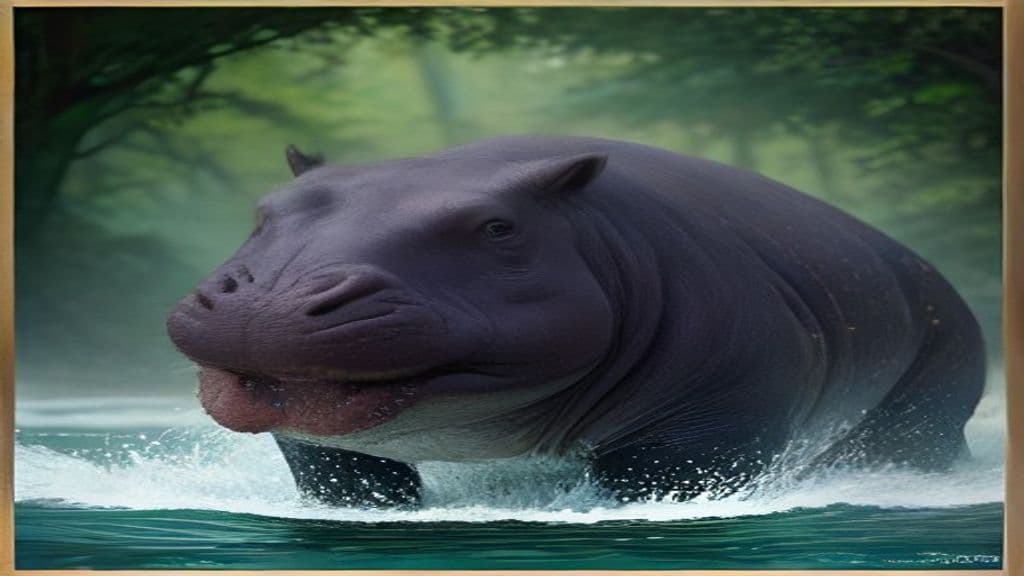
Hippo is not presented in the provided sources as a single supernatural entity. The term appears primarily as (1) an English short form for the hippopotamus (the large semiaquatic mammal), (2) an ancient North African place-name (Hippo Regius, Hippo Diarrhytus), and (3) an epithet indicating origin or episcopal see (e.g., Augustine of Hippo). Modern technical and popular-culture uses also occur.

Hippocoon
Lesser

Hippocoon

Hippocoon is a personal name in Greek myth borne by several distinct mortal figures — most prominently a Spartan king who usurped the throne from Tyndareus and was killed by Heracles, but also minor genealogical figures, a Thracian kinsman in Iliadic tradition, and an archer in Virgil's Aeneid. The name (Ancient Greek Ἱπποκόων) recurs across heroic, royal, and epic-competition narratives rather than designating a single supernatural entity.

Hippocoon of Sparta
Lesser

Hippocoon of Sparta

Hippocoon (Hippocoön) is a legendary king of Sparta in the Greek mythic tradition, remembered for a dynastic quarrel in which he expelled relatives (including Tyndareus), refused purification to Heracles, and was later slain when Heracles campaigned against him and his sons.

Hippocorystes
Minor Spirit

Hippocorystes

Hippocorystes (Ancient Greek: Ἱπποκορυστὴς) is a personal name attested in Greek myth that labels at least two distinct mortal princes: one of the sons of King Hippocoön of Sparta (one of the Hippocoöntids) and one of the sons of Aegyptus in the Danaid cycle. The name functions genealogically to populate kinship networks that drive cycles of usurpation, revenge, and marital tragedy in the heroic age.

Hippodamia (wife of Pirithous)
Lesser

Hippodamia (wife of Pirithous)

Hippodamia is a named mortal woman attested in modern mythographic listings as the wife of Pirithous within Greek heroic legend. The supplied sources list her among several mythic figures called Hippodamia but provide no independent narrative, description, or cultic material for this particular wife of Pirithous.

Hippodamia of Pisa
Lesser

Hippodamia of Pisa

Hippodamia of Pisa is a mortal princess of Greek myth, daughter of King Oenomaus of Pisa and wife of Pelops. Her marriage by chariot-contest forms the pivot of the Pelops–Oenomaus cycle and makes her ancestress of the Atreid line (including Atreus and Thyestes); she is also associated in sources with cult-memory at Olympia/Pisa.

Hippolyta
Lesser

Hippolyta

Hippolyta is a figure of Greek myth traditionally described as queen of the Amazons, daughter of Ares and Otrera, and a participant in heroic-cycle narratives involving Heracles and Theseus. In classical sources she is a royal human/divine-adjacent personage associated with a distinctive war-belt (zoster); later literature and modern popular culture adapt her as a dramatic or superheroic figure.

Hippolyte (Hippolyta)
Greater

Hippolyte (Hippolyta)

Hippolyte (also rendered Hippolyta) is an Amazonian queen in Greek mythology, described as a daughter of Ares and Otrera and sister of Antiope and Melanippe. She is best known as the holder of a notable martial girdle (zoster) that becomes the object of one of Heracles' labors and which figures in narratives involving Theseus.

Hippolytos (Hippolytus)
Lesser

Hippolytos (Hippolytus)

Hippolytos is a mythic human figure of Greek tragic tradition: the chaste prince and son of Theseus whose rejection of sexual passion and women provokes Phaedra's false accusation and divine retribution (notably Aphrodite's vengeance and Poseidon's punishment) as dramatized in Euripides' Hippolytus and represented in ancient art.

Hippolytus
Lesser

Hippolytus

Hippolytus is a mythic mortal figure of Greek tragedy and myth, best known as the chaste son of Theseus whose rejection of sexual advances and devotion to chastity bring about a family tragedy treated most famously in Euripides' play Hippolytus (produced 428 BC). He functions as a tragic exemplar exploring tensions between human piety, sexual honor, and divine intervention within the Athenian dramatic and mythic tradition.

Hippomedon
Lesser

Hippomedon

Hippomedon (Ancient Greek: Ἰππομέδων) is a personal name borne by multiple mortal figures in Greek myth and epic cycles, including one of the Seven against Thebes and several minor warriors associated with the Trojan War; the name is also transmitted in medieval romance under forms such as Ipomedon/Ipomadon.

Hipponous
Lesser

Hipponous

Hipponous (Ancient Greek: Ἱππόνοος) is an anthroponym attested in Greek mythic genealogies and epic narrative for multiple distinct mortal figures (fathers, warriors, princes) rather than a single supernatural being. Attestations include an Olenian father of Capaneus and Periboea, a son of Priam in the Trojan roster, an Achaean warrior killed by Hector, a genealogical father of Polyphonte, a figure who obeyed an oracle of Apollo by self-immolation with his father, and the birth-name of the hero later known as Bellerophon.

Hippostratus
Minor Spirit

Hippostratus

Hippostratus (Ancient Greek Ἱππόστρατος, Hippostratos/Hippostratus) was a historical Indo-Greek king who ruled parts of central and north-western Punjab and Pushkalavati in the late 1st century BC. Known from numismatic evidence, he bore the epithet Soter and in some issues Basileos Megas, resisted Indo-Scythian incursions under Azes I, and is regarded as the last western Indo-Greek king.

Hippothoe
Lesser

Hippothoe

Hippothoe (Ancient Greek: Ἱπποθόη, 'swift as a mare') is a name borne by multiple distinct female figures in Greek myth: a Nereid (sea‑nymph), a Danaid (Libyan princess), a granddaughter of Perseus abducted by Poseidon and mother of Taphius, a daughter of Pelias (Peliad), and an Amazon warrior who fought at Troy.

Hippothoon
Ancient

Hippothoon

Hippothoon (Ancient Greek Ἱπποθόων, romanized Hippothóōn), also called Hippothous, is a mythic human-figure and ancestral hero of Eleusis in Attica. Presented as a son of Poseidon and Alope and a successor-king of Cercyon, he is the eponym of the Athenian phyle Hippothoontis and received local cultic honors in the historical period.

Hippothous
Lesser

Hippothous

Hippothous (Ancient Greek: Ἱππόθοος, romanized Hippóthoos, lit. 'swift-riding') is not a single supernatural being but a personal name borne by multiple mortal figures in Greek myth and literature, who appear as princes, warriors, hunters, and kings across traditions such as the Danaid cycle, the Calydonian boar hunt, the Trojan War, Arcadian and Athenian genealogies, and Hellenistic romance.
Hiscilla
Lesser

Hiscilla

Hiscilla (Greek Ἴσχυλλα, Ischylla) is a minor figure of Greek myth: a Phthian princess named in genealogical lists as a daughter of Myrmidon and in some traditions mother by Triopas of Phorbas, Iphimedeia, and possibly Erysichthon. She functions primarily as a node in heroic-age descent narratives rather than as an independent supernatural agent.

Historiola (Greek tradition)
Primordial

Historiola (Greek tradition)

A narrative tool used for magical purposes, providing a paradigm for desired action. (Note: - Power tier: Downgrade to Ancient (deity-level), as it does not interact with humans and its abilities seem more akin to a tool or concept rather than an entity with primordial powers. - Appearance: )

Hodites
Lesser

Hodites

Hodites is a proper name attested in ancient Greek mythic sources and modern secondary summaries for a small number of distinct individuals: a centaur named among those at the wedding of Pirithous and Hippodamia (killed by Mopsus), a named combatant slain by Clymenus in the Perseus–Phineus conflict, and an alternative reading in a genealogical list where Diodorus Siculus (in citation) uses the name for one of the sons of Heracles and Deianeira. The name functions as an onomastic item in lists and episodes rather than as a recurring supernatural class.

Homer (tradition)
Lesser

Homer (tradition)

Homer is the traditional name given to the poet or poets credited with composing the Iliad and the Odyssey. Treated in ancient and later writings as an authorial identity that can be a historical individual, a rhapsodal role, or a legendary figure, Homer functions as a foundational cultural and educational authority in Greek literary tradition.

Hopleus
Lesser

Hopleus

Hopleus (Ancient Greek: Ὁπλεύς) is a Greek personal name borne by multiple mortal figures in myth and epic: an Arcadian son of Lycaon, a Thessalian son of Poseidon and Canace, a Lapith listed among spearmen on Heracles' shield, and a soldier in the army of the Seven against Thebes. He is a human/heroic name appearing across genealogical lists and narrative cycles rather than a single supernatural type.

Horae
Ancient

Horae

The Horae are Greek divine personifications of natural portions of time—originally the seasons—who regulate growth, ripening, and the periodicities of nature, and who later came to embody right order, justice, and civic stability. They appear in variable groupings (commonly triads) with both rural agricultural cults and urban juridical cults and act as attendants and guardians within the divine household.

Hyacinth
Lesser

Hyacinth

Hyacinth (Ancient Greek Ὑάκινθος, Latinized Hyacinthus) is a beautiful youth in Greek myth who is beloved by the god Apollo and whose death is said to have produced a spring-blooming flower bearing his name. He is treated as a deified or memorialized hero in myth and poetry; the ancient plant-name ὑάκινθος was applied to real spring plants, but exact botanical identification in antiquity is uncertain.