Roman Supernatural Beings

615 documented Roman supernatural beings from the Evil Eye grimoire, including 329 lesser and 100 ancient in power tier.

page 4 of 11

Bindus
Lesser

Bindus

Bindus is an Illyrian theonym attested in Roman-period votive inscriptions from the Iapodes/Dardanian area (1st–3rd centuries CE). Epigraphic and iconographic evidence associates Bindus with springs, streams and maritime motifs and links the deity to the Roman Neptune in local syncretic cult practice.

Bixi
Lesser

Bixi

Bixi (Bi Xi) is a named figure in Chinese mythological lists—traditionally counted among the nine sons of the dragon—and is the canonical form for tortoise-bodied, dragon-crowned stone mounts that bear commemorative stelae. The form functions primarily as an architectural and commemorative sculptural motif used in funerary complexes, imperial mausoleums, and public commemorations from at least the late Han dynasty through the Ming and Qing.

Boars in Heraldry
Lesser

Boars in Heraldry

The boar (including the wild boar and the boar's head) is a recurring emblematic animal charge within European heraldry and related civic and family identity systems. Treated as a conventional heraldic device rather than a supernatural being, the boar functions as a visual signifier of lineage, allegiance, martial reputation and canting (name-play) across antiquity, the medieval period and into the early modern era.

Boeotus (son of Poseidon)
Lesser

Boeotus (son of Poseidon)

Boeotus is a mythic eponymous ancestor in Greek tradition credited with giving his name to the region and people of Boeotia. He appears in genealogical accounts as a son of Poseidon (often with Arne) or in variant traditions as son of Itonus and the nymph Melanippe, functioning chiefly as a founding ancestor rather than an active cultic or supernatural agent.

Bona Dea
Ancient

Bona Dea

Bona Dea (Latin: "Good Goddess") is an honorific Roman goddess and protective cult figure primarily associated with married women, fertility, healing, and the welfare of the Roman people. Her cult employed a respectful pseudonym, female-exclusive rites, and a polyvalent identity that was variously conflated with other earth/fertility and prophetic goddesses in Roman literary tradition.

Bonus Eventus
Lesser

Bonus Eventus

Bonus Eventus is the Roman divine personification of a 'Good Outcome', originally attested within agricultural ritual contexts and later represented more broadly in public religion, imperial imagery, and private amulets as an embodied principle invoked for success and favorable results.

Borvo
Lesser

Borvo

Borvo (also Bormo, Bormanus/Bormanicus) is a Celtic theonym attested in Roman‑period Gaul and adjacent regions as the god of warm, welling thermal springs; worship is attested almost entirely by votive inscriptions at spa sites and he is commonly paired with the goddess Damona and equated under interpretatio romana with Apollo (and occasionally Hercules).

Brahmarakshasa
Greater

Brahmarakshasa

Demon-spirit of a Brahmin who misused sacred knowledge for evil ends — described in the Ramayana and Mahabharata, the Brahmarakshasa combines the destructive force of a Rakshasa with the ritual knowledge of a priest. Among the most dangerous entities in Hindu demonology.

Bricta
Ancient

Bricta

Bricta (also spelled Brixta in inscriptions) is a Gaulish theonym attested in Gallo‑Roman inscriptions from Luxeuil‑les‑Bains (ancient Luxovium). She appears in votive formulae paired with the local water god Luxovios, and her name is linguistically associated with a Gaulish word for "magic."

Budini
Lesser

Budini

The Budini (Ancient Greek Βουδῖνοι) are recorded in Graeco-Roman ethnographic sources as a human tribal people of the forest‑steppe north of the Black Sea, associated with the Vorskla river valley and the multiethnic city of Gelonus in the first millennium BC. Classical accounts portray them as a hunting-dependent, linguistically distinct group noted for red hair and blue eyes; some archaeological interpretations tentatively link them to anomalous mortuary deposits.

Bukki
Lesser

Bukki

Bukki (Hebrew: בֻּקִּי, Buqqī) is attested in biblical and related traditions as a personal name borne by at least two distinct human figures: a Danite prince named in Numbers 34:22 and a member of the Aaronid priestly genealogy recorded in 1 Chronicles (and echoed in Ezra-related lists). The name appears in variant forms across textual traditions (e.g., Boccas, Borith) and in modern secular usages unrelated to the ancient individuals.

Buxenus
Lesser

Buxenus

Buxenus is an epithet of the Gaulish Mars attested in Gallo-Roman religion from a single inscription found at Velleron in the Vaucluse. The evidence is extremely limited and presents Buxenus as a local/regional name or aspect of the indigenous deity equated with Roman Mars.

Caca
Lesser

Caca

Caca is an ancient Roman female deity associated with the sacred hearth, attested in late sources as possessing a sacellum (shrine) in Rome where sacrifices were made through the agency of the Vestal priesthood. Later tradition and modern summaries report that her cult was succeeded or replaced by Vesta, and some secondary accounts link her mythically to Cacus.

Cacus
Greater

Cacus

Cacus is a monstrous, fire‑breathing giant of Roman myth who lived in a cave on the site of the future Rome (Aventine Hill/Forum Boarium). He stole cattle, preyed on humans, and was slain by the hero Heracles/Hercules; his death is etiologically linked to the founding of a local altar (the Ara Maxima) and to annual rites to Hercules in that district.

Caeculus
Lesser

Caeculus

Caeculus is a Roman legendary founder figure, venerated as the eponymous founder of Praeneste (modern Palestrina) and described in tradition as a son of Vulcan. His birth story links domestic fire and the hearth to civic origins; he is depicted as surviving exposure, founding a community, and exhibiting unusual relations to fire.

Caelius Vibenna
Lesser

Caelius Vibenna

Caelius Vibenna (Etruscan Caile Vipina) is presented in the supplied tradition as an Etruscan noble and legendary leader associated with a circle of companions; he appears in Etruscan tomb painting (notably the François Tomb at Vulci) and in later Roman antiquarian tradition as an ancestral or eponymous figure tied to the Caelian Hill of Rome. The corpus treats him as a human aristocratic/heroic figure rather than a supernatural being.

Caelus
Primordial

Caelus

Caelus is the Roman personification and divine hypostasis of the sky (Latin caelum), treated in literature and art as a primordial heavenly principle whose generative ‘‘semina rerum’’ contribute to the ordering and origin of the world. He appears in Roman theological genealogies, Augustan and Imperial iconography, Etruscan-augural templum schema, and in syncretic contexts such as Mithraic dedications.

Caerus (Kairos)
Minor Spirit

Caerus (Kairos)

In ancient Greek religion and thought, Caerus (Greek: Καιρός, Kairos) is the personified divinity of the opportune or fitting moment. Depicted as a youthful, swift figure who can be seized by the forelock, Caerus functions as a concrete embodiment and didactic reminder that timely action secures advantage while delay forfeits it.

Caicus (Kaikos)
Lesser

Caicus (Kaikos)

Caicus (Kaikos, Kaïkos) is the ancient name of a river in western Anatolia (modern Bakırçay) and the river's personification as a local potamos (river‑god) in Greek mythic geography. Surviving references treat Caicus primarily as a geographic feature important to navigation, settlement, and local legend, and secondarily as the named divine identity attached to that river.

Caieta
Minor Spirit

Caieta

Caieta is a named wet-nurse in Roman mytho-historical tradition who is commemorated as the eponym of Caietae Portus (modern Gaeta). She appears in the literary and commentarial tradition connected to the Aeneas cycle and is remembered primarily through a funerary epitaph and the toponym derived from her grave.

Calchas
Lesser

Calchas

Calchas is a human Argive seer (mantis, oionopólos) of the Trojan War tradition, a member of a hereditary mantic family who interprets omens and entrails on behalf of Greek commanders and declares the will of Apollo to guide ritual and military decisions.

Caletor
Lesser

Caletor

Caletor (Ancient Greek: Καλήτωρ) is a personal name borne by at least two mortal figures in the Trojan War cycle: a Trojan defender, son of Clytius, who attempted to burn an Achaean ship and was slain by Ajax; and a separate Caletor attested as the father of the Achaean warrior Aphareus. He is treated in the sources as a human participant in epic narrative and genealogy.

Calliope
Ancient

Calliope

Calliope (Greek Καλλιόπη) is one of the Muses in ancient Greek myth, traditionally presiding over eloquence and epic poetry. She is portrayed as an immortal divine inspirer and instructor of poetic composition, called 'Chief of all Muses' in classical sources and invoked by later poets for epic authority.

Calybe
Minor Spirit

Calybe

Calybe (Ancient Greek: Καλυβη, Kalybē) is a name applied to minor female personages in classical literature: a Trojan nymph named as a consort of King Laomedon and mother of Bucolion, a follower in Dionysus’ retinue in Nonnus’ Dionysiaca, and an attested occurrence as an "aged priestess of Juno" in a Vergilian index entry. The attestations are brief and nominative; no sustained myth or ritual tradition centred on Calybe survives in the provided sources.

Camenae
Lesser

Camenae

The Camenae are a group of Roman female deities associated with springs, wells, childbirth, and prophetic or poetic inspiration. In Roman literary tradition they were later identified with the Greek Muses and invoked as sources of poetic breath and occasional protectors in labor.

Camilla
Lesser

Camilla

Camilla is a legendary Volscian warrior maiden appearing in Virgil's Aeneid (Book 11). Presented as an exceptional human fighter and huntress who leads Volscian forces against the Trojans, she is celebrated for her speed and martial skill and is slain in battle during the Latium wars.

Camulus
Lesser

Camulus

Camulus (Gaulish Camulos) is a named divine figure of the Roman-period Celtic world, attested primarily in Latin votive inscriptions across northern Gaul, parts of the German provinces, Britain and occasional farther finds. In the epigraphic record he is regularly equated with the Roman god Mars (Mars Camulus) and appears to have functioned as a local or tribal protector, especially associated with the Remi of Durocortorum (Reims).

Cancer (the Crab)
Lesser

Cancer (the Crab)

In Greek myth and uranography, Cancer is a large crab or crayfish that appears as a minor antagonist in the Heracles cycle (sent against Heracles during the Lernaean Hydra episode) and is immortalized as the constellation Cancer, a member of the Zodiac.

Cantabrian Neptune
Minor Spirit

Cantabrian Neptune

A Roman-name sea-deity invoked in ritual contexts along the Cantabrian coast; attested in fragmentary sources as the sacred agent associated with the open sea in local ritual taxonomy rather than a richly attested autonomous Cantabrian personality.

Capaneus
Lesser

Capaneus

Capaneus (Ancient Greek Καπανεύς) is a mortal warrior of the generation known as the Seven against Thebes, famed in Greek and Roman literary tradition for exceptional size and strength and for extreme pride; his taunt that even Zeus could not stop him results in divine execution by a thunderbolt as he scales the walls of Thebes. Later authors (Statius, Dante) reuse him as a figure illustrating hubris and blasphemy.

Capella
Minor Spirit

Capella

Capella (α Aurigae) is the brightest star in the northern constellation Auriga, historically named for a goat (Latin Capella, Greek Aix) and treated across cultures as a calendrical and weather sign as well as an architectural orientation marker. Astronomically it is a quadruple star system composed of two close yellow-giant primaries and a distant pair of red dwarfs and is one of the sky's brightest X-ray sources.

Capetus Silvius
Lesser

Capetus Silvius

Capetus Silvius is a legendary ancestral king in early Roman/Latin foundation tradition, listed among the kings of Alba Longa and presented in genealogical/regnal sequences as a descendant of Aeneas and a dynastic link to later eponymous figures such as Tiberinus.

Capitoline Triad
Ancient

Capitoline Triad

A state-centered collective cult in ancient Roman religion grouping three major deities — Jupiter, Juno (Iuno Regina) and Minerva — worshipped together in a shared temple (Capitolium) on Rome's Capitoline Hill. The Triad functioned as the chief focus of Roman public religion and was replicated as Capitolia in other cities of Italy and the provinces.

Capys
Minor Spirit

Capys

Capys is a personal name in Greco‑Roman legendary history borne by several legendary human figures connected to the Trojan and early Roman genealogies. Bearers of the name appear as a king of Dardania, a Trojan who warned against bringing the wooden horse into Troy, and a mythic king of Alba Longa in Roman annalistic tradition; a later Victorian poet (Macaulay) renders a Capys figure as a prophetic elder.

Carmen (Roman Tradition)
Ancient

Carmen (Roman Tradition)

A carmen is a type of supernatural entity or force in Roman tradition, used for expiation and execration through verbal incantations and rituals. (Note: - Power tier should be Primordial (cosmic-level entity as described in source material) - Add sensory cues, weaknesses, and wards based on the abilities of a carmen (e.g., incantations and rituals may)

Carmenta
Ancient

Carmenta

Roman goddess of prophecy, worshipped for her abilities to gaze backwards and forwards in time. (Note: * Power tier should be Primordial, not Ancient (Ancient is typically reserved for deities on a cosmic level, while Primordial would fit better with Carmenta's role as an ancient Roman goddess). * Appe)

Casa Romuli
Primordial

Casa Romuli

Historical archaeological site associated with the legendary founder and first king of Rome, Romulus. Significant cultural and historical impact. (Note: 1. Power tier: Change to "Greater" since it's associated with a historical archaeological site and not a cosmic or deity-level entity. 2. Add sensory cues, weaknesses, and wards based on source materi)

Cassivellaunus (tradition)
Lesser

Cassivellaunus (tradition)

Cassivellaunus is a historical mid-1st century BC British military leader attested in Julius Caesar's account of the 54 BC expedition, later adapted in medieval Latin and Welsh literature into a legendary king (Cassibelanus / Caswallawn). He functions in sources both as a documented anti‑Roman commander and as a mytho‑historical ruler used to articulate lineage, sovereignty, and resistance.

Castalia
Greater

Castalia

Castalia (Ancient Greek Κασταλία, Kastalia) is a mythic naiad-nymph and the eponymous sacred spring of Delphi. In classical tradition she is a daughter of the river-god Achelous whose waters were consecrated to the Muses and were associated with poetic inspiration and ritual cleansing of the Delphic sanctuary.

Castor and Pollux (the Dioscuri)
Greater

Castor and Pollux (the Dioscuri)

A pair of mythic twin brothers of Greek and Roman tradition (the Dioscuri/Gemini) who occupy a liminal heroic/divine status. They function as patrons and protectors of sailors, travellers, horsemen and athletes, and are ultimately placed among the stars as the constellation Gemini.

Catellus
Lesser

Catellus

Catellus (Welsh: Kadell map Geraint) is a legendary, pseudo‑historical king of the Britons attested in Geoffrey of Monmouth's Historia Regum Britanniae and in Welsh redactions (Brut y Brenhinedd). He functions as a dynastic/chronological figure used to order genealogies rather than as a supernatural being.

Cathubodua
Minor Spirit

Cathubodua

Cathubodua is a theonym known from a single Latin‑script votive altar from Roman‑period Gaul (found near Mieussy, Haute‑Savoie). Modern scholars reconstruct a Proto‑Celtic form *Katu‑bodwā and infer a martial or victory‑related function (comparisons made to the Irish Badb or the Greek Nike), but the inscription itself supplies no narrative or iconography.

Catillus
Lesser

Catillus

Catillus is a legendary Arcadian founder-figure in Roman tradition. An Arcadian named Catillus (son of Amphiaraus) and his sons — one also named Catillus, Coras, and Tiburtus — are said to have fled Thebes, settled the Aniene plateau, driven off prior inhabitants, and founded Tibur (Tivoli); the younger Catillus and Coras later appear in Virgil's Aeneid as allies of Turnus against Aeneas.

Catoblepas
Lesser

Catoblepas

A legendary Greco‑Roman monstrous beast reported from Ethiopia: a mid‑sized, sluggish quadruped with a heavy head habitually pointed toward the ground and described in sources as possessing lethal properties expressed either as a deadly gaze or poisonous breath.

Catreus
Lesser

Catreus

Catreus is a mortal figure in Greek myth, presented in mythographic sources as the eldest son of King Minos and Pasiphaë and a king of Crete whose life is shaped by an oracle predicting that one of his children would kill him; efforts to avoid that fate, and variants of the tale, link him etiologically to later heroic genealogies.

Celaeno
Lesser

Celaeno

Celaeno (Ancient Greek: Κελαινώ, 'the dark one') is a personal name applied to multiple distinct figures in Greek myth — notably one of the Pleiades (a named star in Taurus), one of the Harpies encountered in Vergil's Aeneid, and several mortal women (a Danaid, a Phocian princess, an Amazon, and various mothers in genealogical traditions). The name appears across astronomical, epic, and genealogical traditions rather than designating a single unified being.

Centaurides (Centauresses)
Lesser

Centaurides (Centauresses)

Female members of the centaur (Kentauroi) tribe in Greek myth. Attested sparsely in literature (notably Hylonome) but frequently represented in Greek and especially Roman-period and late-antique visual art, often in attendant or decorative roles.

Cephalion
Lesser

Cephalion

Cephalion is attested in classical and late-antique sources as a human name appearing in two distinct registers: (1) an authorial/historian or rhetorician cited by later chroniclers (placed by one source in the time of Hadrian and by another as author of a multi-volume history beginning with Assyria), and (2) a mytho‑genealogical figure named as the son of Amphithemis and the nymph Tritonis. The supplied materials present these as separate, unreconciled references rather than as a single supernatural entity.

Cerberus
Greater

Cerberus

The three-headed hound of Hades, guardian of the underworld's gates — welcoming the dead in but allowing no shade to leave and no living mortal to enter uninvited.

Cercetes
Lesser

Cercetes

Cercetes (Ancient Greek: Κερκέτης) is a named Egyptian prince in Greek mythic genealogy, recorded as one of the fifty sons of King Aegyptus who married (and was slain by) one of the Danaïdes. He is attested in mythographic catalogues such as the Bibliotheca and preserved in modern summaries like Wikipedia.

Ceres
Ancient

Ceres

Ceres is the ancient Roman goddess of agriculture, grain, fertility, and maternal relationships. She presides over the technologies and rites of grain production, the protection and multiplication of plant and animal seed, and the social-ritual rules that sustain settled life; she was central to plebeian public cult and is listed among the Dii Consentes.

Cernunnos
Greater

Cernunnos

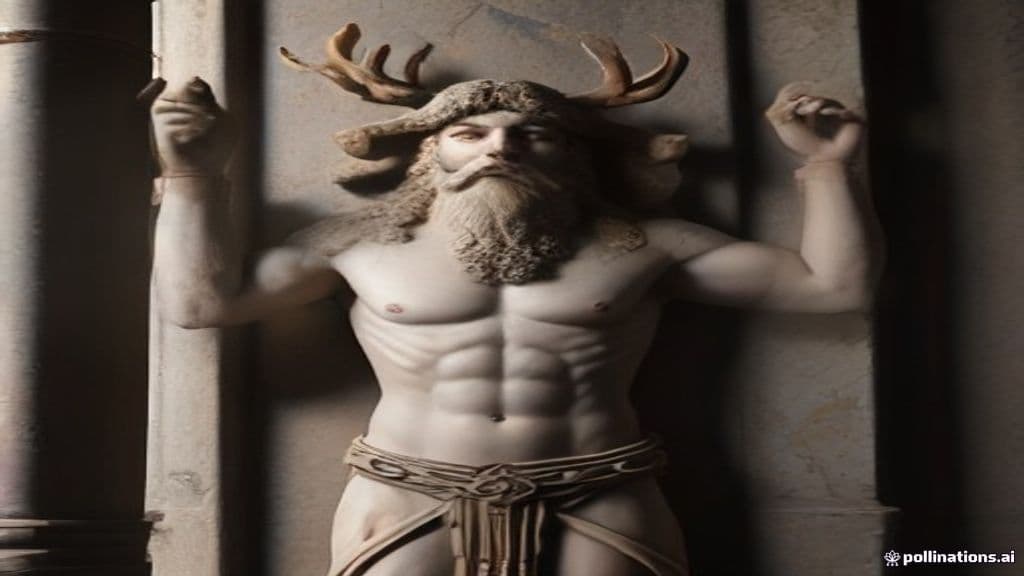
An antlered male divine figure attested in Iron Age and Roman‑period Celtic iconography, conventionally named from a damaged inscription on the 1st‑century CE Pillar of the Boatmen. Modern scholarship links the figure to themes of wild animals, fertility, torcs (social valuables), serpents, and liminality, but direct textual evidence of myths or rituals is lacking.

Cetus
Lesser

Cetus

Cetus (Greek ketos, Latinized Cetus) is a monstrous sea-being in Greek myth whose ravaging of the Ethiopian coast—sent as divine punishment—threatens Andromeda and is slain by a hero; the creature is commemorated as the constellation Cetus in classical star-maps.

Charon
Lesser

Charon

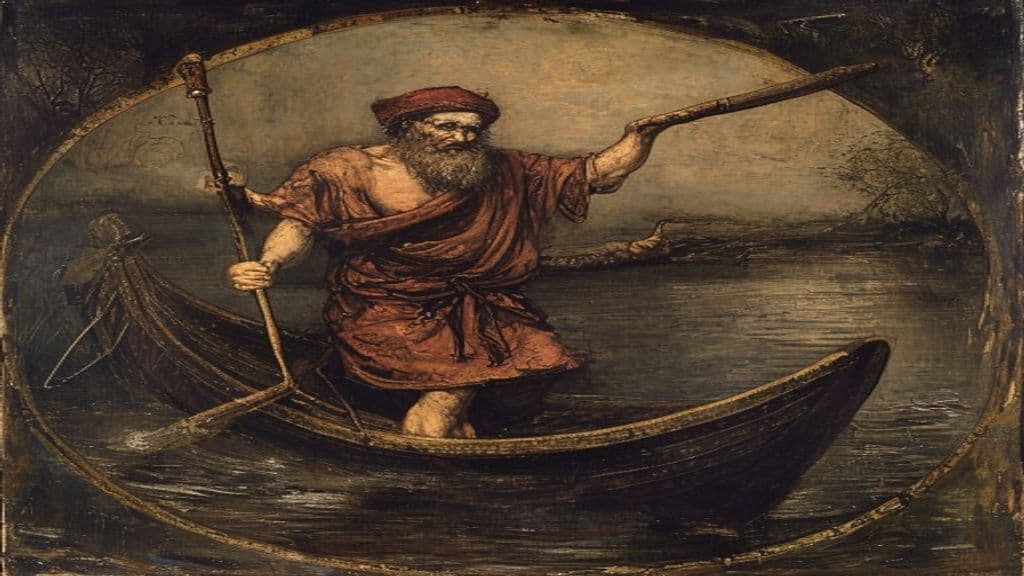
Charon (Χάρων) is the ferryman of the Greek underworld who conveys the souls of the dead across the boundary river (variously Acheron or Styx). He functions as an underworld attendant and psychopomp whose service typically requires funeral rites and payment (Charon's obol).

Charybdis
Greater

Charybdis

In Greek myth, Charybdis is a sea-associated monstrous force localized to the Strait of Messina, treated in sources either as an anthropomorphized sea-monster or as a violent whirlpool/stream that three times a day swallows and belches the sea. Paired with Scylla, she functions as an unavoidable maritime hazard and proverbial dilemma for voyagers.

Chelone
Minor Spirit

Chelone

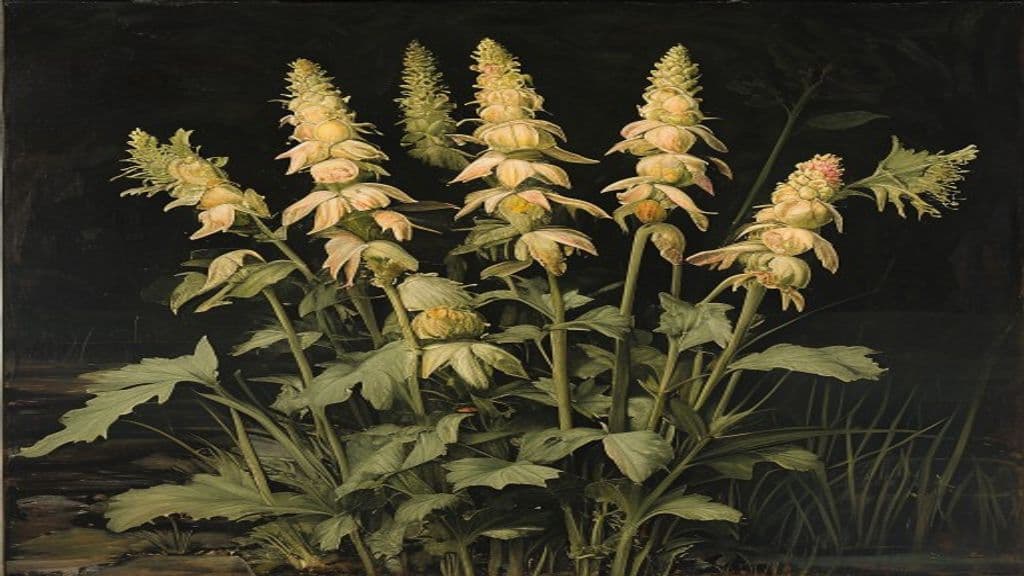
Chelone is primarily documented as a botanical genus of perennial plants native to eastern North America (commonly called turtlehead or balmony) and secondarily as the name of a nymph attested in classical Aesopic fable tradition. The sources provide horticultural, taxonomic, and herbal-medicinal information for the plants and only a brief literary mention for the mythic name.

Chinese dragon (long / loong)
Ancient

Chinese dragon (long / loong)

A central legendary zoomorphic being in Chinese myth and culture (Chinese: long / loong), the dragon embodies auspicious cosmic and ancestral power, especially mastery over water and weather, and functions as an imperial and communal emblem across material culture, ritual performance, and state iconography.

Chromis
Lesser

Chromis

Chromis (Ancient Greek Χρόμις) is an anthroponym attested across multiple ancient Greek and Roman mythic episodes. The name is borne by several distinct minor figures — including at least one centaur at the Centauromachy and several mortal warriors in epic war-lists — rather than a single supernatural species or cult figure.

Chronos
Primordial

Chronos

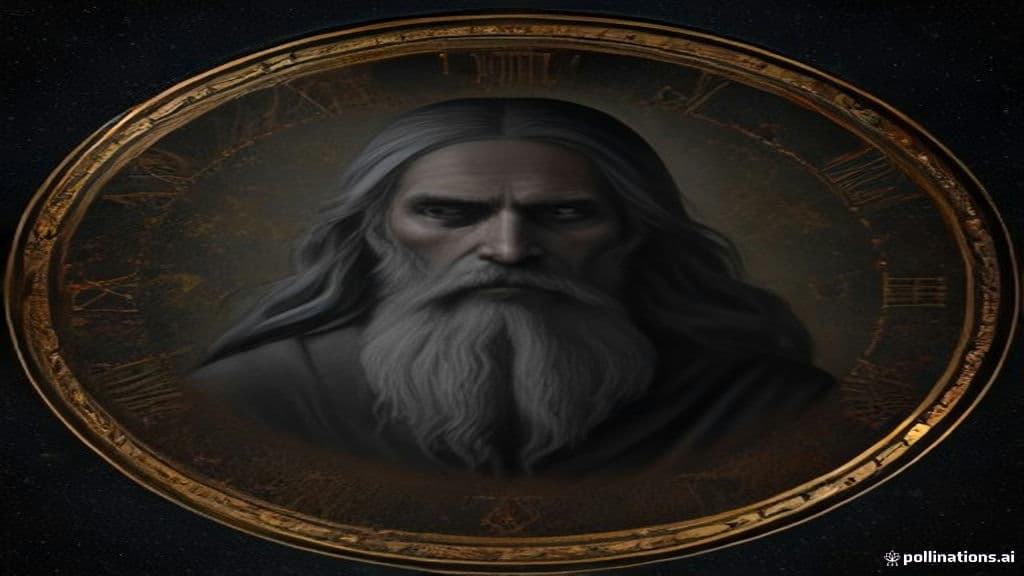
Chronos is the ancient Greek personification of Time, treated in Orphic and related traditions as a primordial, generative principle that orders the cosmos. He is depicted in art as an aged bearded man associated with the zodiac wheel and later conflated with the Titan Cronus and the Renaissance 'Father Time' figure.

Chrysanthus and Daria
Lesser

Chrysanthus and Daria

Chrysanthus and Daria are venerated Christian martyrs of the early Church, remembered in liturgical calendars and by the cult of relics. Their legend places them in late third-century Rome, where they converted others and suffered martyrdom; their Acts survive in later Greek and Latin versions judged historically unreliable, while relics attributed to them were translated and enshrined in several medieval sites.