Roman Supernatural Beings

615 documented Roman supernatural beings from the Evil Eye grimoire, including 329 lesser and 100 ancient in power tier.

page 6 of 11

Dercetis
Lesser

Dercetis

Dercetis is a Boeotian naiad (freshwater nymph) known from Roman-era retellings of Greek myth. In Statius' Thebaid (as summarized in modern references) she is portrayed as sexually aggressive toward a youth named Lapithaon, producing a son, Alatreus, who later appears among the martial generation associated with the war of the Seven against Thebes.

Dexiva
Lesser

Dexiva

Dexiva (attested Dexiua, Dexsiua) is a local Celtic theonym attested in inscriptions from the oppidum of Castellar (modern Cadenet, southeastern France). Her cult in the Roman period is attested by votive inscriptions and offerings; she appears as an eponym for the local tribal designation Dexivates and is sometimes invoked alongside other deities (Mars; the Caudellenses).

Di Penates
Minor Spirit

Di Penates

In ancient Roman religion the Di Penates are household divinities (dii familiares) associated with the storeroom and the material basis of family life; they are invoked in domestic rituals and also appear as public sacred objects (Penates Publici) connected to Rome's civic cult and foundation myth. They function as guardians of household provisions and as intimate protectors of household continuity rather than as distant, high gods.

Di inferi
Ancient

Di inferi

A ritual-technical collective in Roman religion denoting the gods and powers 'below' (the underworld), the di inferi comprise chthonic deities, ancestral forces (often overlapping with the Manes), and other underworld entities who receive burnt offerings and are propitiated outside Rome's sacred boundary.

Diana
Ancient

Diana

Diana is a Roman goddess of the countryside, wild animals and hunting, childbirth, crossroads, the night, and the Moon. In Roman religion she was equated with the Greek Artemis and absorbed much of Artemis' mythic profile; later receptions reinterpreted aspects of her in folklore and neo-pagan writing.

Diana Nemorensis
Ancient

Diana Nemorensis

Local Italic form of Diana venerated at the sacred grove (nemus) on the northern shore of Lake Nemi. Her cult at Aricia fused hunting, lunar, and chthonic functions in a triform conception and was centered on a carved cult image, a guarded sacred tree, and the unusual priestly office of the Rex Nemorensis.

Dido (Elissa)
Lesser

Dido (Elissa)

Dido (also Elissa or Elishat/Elisha) is the legendary founder and first queen of the Phoenician settlement that became Carthage in Greek and Roman literary tradition. Her tale—flight from Tyre, clever acquisition of land by an oxhide trick, foundation of Byrsa, and death on a funeral pyre—appears in Hellenistic historiography and Roman epic and is used etiologically to explain Carthage's origins.

Dies
Minor Spirit

Dies

Dies is the Roman personification of Day, treated in literary and encyclopedic sources as the counterpart of the Greek Hemera and as a divine figure in genealogical accounts of cosmic forces.

Dii Consentes
Ancient

Dii Consentes

A canonical Roman grouping of twelve principal deities (six male, six female) honored collectively as a harmonized council of major gods. Attested in Roman literary and antiquarian sources and represented in public statuary and a dedicated portico, the Dii Consentes function as an ordered roster of the chief divine personages rather than a singular mythic agent.

Diomedes
Lesser

Diomedes

Diomedes (Ancient Greek: Διομήδης) is a hero of Greek myth, foremost among Achaean warriors in the Trojan War, later a king of Argos and a legendary founder of cities in Italy; some traditions report he received cult after death. The name also appears for other historical and modern persons and places but within the supplied sources refers primarily to the mortal heroic figure(s) of classical tradition.

Dionysus
Ancient

Dionysus

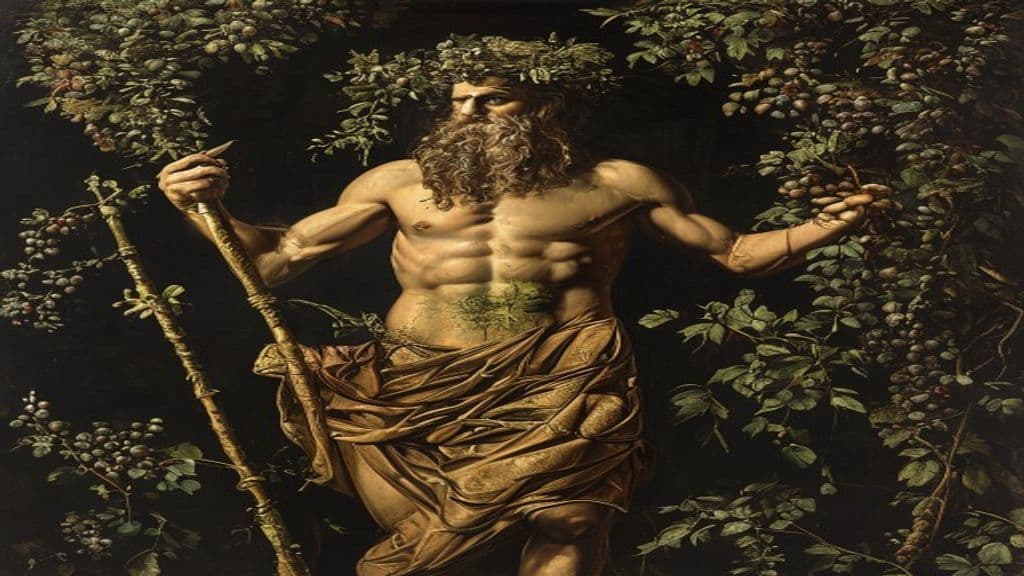
Dionysus (Ancient Greek: Διόνυσος) is a major ancient Greek deity associated with wine and winemaking, vegetation and fertility, festivity and theatre, ritual ecstasy and possession, and liminal links with death and the underworld. He is an epiphany-god who travels between worlds, whose cult includes ecstatic rites and mystery initiation.

Diores
Minor Spirit

Diores

Diores (Ancient Greek: Διώρης, Diṓrēs) is not a single supernatural entity but a recurring personal name borne by several distinct mortal figures in Greek and Roman epic and mythographic tradition. The name appears attached to at least four human characters — fathers, leaders, princes, and husbands — across Homeric, mythographic, and Virgilian narratives.

Dioscuri (Castor and Pollux)
Ancient

Dioscuri (Castor and Pollux)

The Dioscuri, commonly rendered Castor and Pollux (Dioskouroi in Greek), are the twin half-brothers of Greek and Roman mythology who function as a paired mythic duo in classical literature and later cultural memory. They appear throughout ancient sources and have been reused as a durable cultural emblem of twinship, partnership, and martial or civic guardianship in art, monuments, and modern institutions.

Dioxippe (Heliades)
Lesser

Dioxippe (Heliades)

Dioxippe (Ancient Greek: Διωξίππη) is a named figure in Greek myth most commonly attested as one of the Heliades — daughters of Helios and the Oceanid Clymene — appearing in mythographic name-lists. The same personal name 'Dioxippe' also occurs for several unrelated female figures in Greek tradition (a Danaid, an Amazon, a wife of Agenor) and even as the name of one of Actaeon’s dogs in various sources.

Dirce
Lesser

Dirce

Dirce (Ancient Greek Δίρκη) is a figure of Greek myth traditionally remembered as a queen of Thebes, wife of Lycus, whose cruel treatment of Antiope led to her being killed by Antiope's sons, Amphion and Zethus. Her violent death — being tied to a bull and dragged to death — becomes aetiological for a spring associated with Dionysus and a site of local Theban ritual memory.

Dispater (Dis Pater)
Greater

Dispater (Dis Pater)

Dispater (classical Dis Pater) is a chthonic Roman deity originally associated with fertile soil and subterranean mineral wealth who in modern fantasy and gaming traditions is reinterpreted as Dispater, an arch‑devil and lord of the Iron City of Dis, a high‑ranking ruler within layered infernal cosmologies.

Divona
Lesser

Divona

Divona is the Gaulish name applied to sacred springs and the divinised presence that works through them; attested in classical sources (notably Ausonius for the Bordeaux spring) and preserved in several place-names. The term etymologically means 'the divine one' or 'the goddess', and may function either as a theonym for a particular spring-deity or as a generic epithet for any female water-deity in ancient Gaul.

Dotis
Lesser

Dotis

Dotis (Ancient Greek: Δωτίς or Δωτίδος) is a personal name attested in ancient Greek mythographic and lexicographic sources. The name is borne by multiple mythic individuals known from genealogical notices (one male, two female in the cited traditions) rather than a single, coherent supernatural being or class of entity.

Dryope
Lesser

Dryope

Dryope (Ancient Greek: Δρυόπη) is a personal name borne by several distinct female figures in ancient Greek and Roman literature rather than a single consistent supernatural type. Bearers of the name include a mortal daughter of Dryops who bore Amphissus to Apollo, a figure identified with the Roman Fauna mothering Tarquitus by Faunus, a nymph said to have seized Hylas in accordance with Hera's will, a Theban woman who joins the Maenads and gives birth during Bacchic rites, and a Lemnian mother of the Oenotropae by Anius.

Dusios
Minor Spirit

Dusios

A class of continental Celtic (Gaulish) aerial/rustic fertility spirits attested in late‑antique and early‑medieval texts; equated by Christian authors with Pan/Faunus and later with incubi, they are described as aerial beings that may appear bodily, engage in sexual intercourse with women and animals, and at times damage or steal crops.

Egeria
Lesser

Egeria

Egeria is a Roman nymph of springs and sacred groves, cast in legend as the divine consort and counselor of Numa Pompilius who imparted laws and ritual forms to Rome's foundational king. She functions as a local tutelary female deity associated with the origin of Roman rites rather than as a cosmic power or a hostile spirit.

Eioneus
Lesser

Eioneus

Eioneus (Ancient Greek Ἠιονεύς, Eioneús) is not a single supernatural being but a personal name borne by several distinct figures in Greek myth. Attestations present Eioneus as mortal or semi-divine personages: genealogical ancestors (fathers or grandfathers), an eponymous founder-figure linked to a coastal city, a suitor slain in a heroic contest, and named warriors killed in the Trojan War cycle.

Elagabal/El‑Gabal (Elagabalus, Heliogabalus)
Ancient

Elagabal/El‑Gabal (Elagabalus, Heliogabalus)

Elagabal (El‑Gabal), Latinized as Elagabalus and syncretized as Heliogabalus, is the Emesene mountain and sun god represented by a sacred cult‑stone (baetyl). A local Baal‑type deity of Emesa (modern Homs), the cult was historically notable for its transplantation and promotion to Rome during the reign of the emperor commonly called Elagabalus (218–222 CE).

Elephantis
Lesser

Elephantis

Elephantis (Ancient Greek: Ἐλεφαντίς) is a name attested in two distinct registers of the ancient Greek world: (1) a late 1st century BCE Greek poet/physician credited in Roman and Greek authors with erotic manuals, cosmetics and abortive recipes, midwifery, and medical remedies; and (2) a mythographic/mortal figure listed among the wives or consorts of Danaus and named as mother of some Danaïdes in variant genealogical traditions.

Elymus
Minor Spirit

Elymus

Elymus is primarily a botanical genus of perennial grasses (family Poaceae) whose species include wild ryes and quackgrasses; the name also appears in classical mythic reference as a personal name (the purported ancestor of the Elymians and as a man slain by Gorge). The available sources treat Elymus as a taxonomic label and a mythic personal name, not as a defined supernatural being within a living folk cosmology.

Emathion
Minor Spirit

Emathion

Emathion is an onomastic figure in Greek and Roman literature: a name applied to several mortal personages of the heroic age (kings, courtiers, princes, and companions) rather than to a single supernatural being. Occurrences include a king of Aethiopia/Arabia killed by Heracles, a king of Samothrace who sent troops to Dionysus, an aged Ethiopian courtier slain in the Perseus–Phineus brawl, and a companion of Aeneas recorded in the Aeneid.

Emphytus
Lesser

Emphytus

Emphytus is attested in two distinct registers in the provided sources: (1) as a named Giant (one of the Gigantes) listed among the offspring of Earth (Gaia) and Tartarus in a classical genealogical catalogue (Hyginus), and (2) as a modern biological genus name (Emphytus Klug, 1816) applied to a group of sawflies (family Tenthredinidae) recorded in European faunas and in the fossil record.

Endovelicus
Ancient

Endovelicus

Endovelicus is a pre-Roman chthonic deity venerated in Iron Age Lusitanian and Celtiberian regions, associated with the underworld, healing, prophecy (oracular incubation), vegetation and the afterlife; the cult persisted into the Roman period and was syncretized with Roman underworld/healing gods.

Entellus
Lesser

Entellus

Entellus is a mortal heroic boxer featured in Virgil's Aeneid (Book V), celebrated for defeating the younger Dares during funeral games in Sicily and for an ensuing demonstration of strength that ties him etiologically to the Sicilian town Entella.

Eosphoros
Lesser

Eosphoros

Eosphoros is the classical Greek personification of the planet Venus in its morning‑star appearance, literally the 'dawn‑bringer'. Portrayed as a luminous, winged youthful figure who precedes the chariots of dawn (Eos) and the sun (Helios), the figure was later rendered in Latin as Lucifer/Luciferus and reinterpreted in post‑classical theological and literary traditions.

Epicaste
Lesser

Epicaste

Epicaste (Ancient Greek Ἐπικάστη, Epikaste) is a personal name attested for multiple mortal women in ancient Greek mythic genealogies and epic references. The name functions as a narrative identifier across several local traditions (Thebes, Calydon, Elis, Argos, Pylos/Ithaca) rather than denoting a single supernatural being or class of spirit.

Epona
Ancient

Epona

Epona is a Gallo‑Roman/Celtic goddess chiefly associated with horses, protection of stables and riders, and fertility/abundance related to equine livelihoods. Her cult is attested across Roman Gaul and throughout the Roman Empire, notably adopted by mounted units; some scholars also suggest a possible funerary/psychopomp aspect based on select votive objects and iconography.

Erato
Ancient

Erato

Erato (Ancient Greek: Ἐρατώ) is one of the nine Muses of ancient Greek religion, traditionally associated with erotic lyric poetry and imitation. As a daughter of Zeus and Mnemosyne she functions as a divine inspirer invoked by poets seeking the voice and affect appropriate to love-themed verse.

Erebos (Erebus)
Primordial

Erebos (Erebus)

Erebos (also Erebus) is the primordial personification of darkness in ancient Greek cosmogony. Presented primarily as an elemental divine principle and progenitor in origin myths, Erebos appears in varied genealogies (Hesiodic, Orphic, and Roman summaries) as an early ancestor from whom other personified forces arise.

Erebus
Primordial

Erebus

Erebus (Ancient Greek: Ἔρεβος) is the primordial personification of darkness and gloom in Greek myth and a name used for the subterranean darkness or region of the underworld. He functions both as an originating cosmic principle in several theogonies and as a topographical/ontological term for the darkness through which the dead pass.

Erecura
Ancient

Erecura

Erecura (also spelled Aeracura, Eracura, Herecura, among others) is an ancient chthonic goddess attested only in Latin inscriptions of the Roman period. She functions as an infernal consort to Dis Pater/Pluto and also bears earth‑and‑fertility associations (sometimes equated with Terra Mater); she appears in votive dedications, altarpieces, funerary imagery, and in Latin curse tablets that invoke her to hand named persons over to the powers below.

Erinyes
Greater

Erinyes

The three avenging Furies of Greek myth — Alecto, Megaera, and Tisiphone — who pursued and tormented those guilty of crimes against blood kin, especially murder of family members.

Eriphyle
Lesser

Eriphyle

Eriphyle (Ancient Greek: Ἐριφύλη, Eriphúlē) is a mythic Argive woman whose acceptance of a bribe (the Necklace/peplos of Harmonia) persuaded her husband Amphiaraus to join the doomed Seven against Thebes. Her decision triggers familial vengeance—her son Alcmaeon murders her—and post‑mortem traditions depict her as a source of haunting or as a punished dead in the underworld.

Ermanaric
Lesser

Ermanaric

Ermanaric is a historically attested Greuthungian Gothic king of the fourth century who later becomes a central figure of Germanic heroic legend (Old English Eormenric, Old Norse Jǫrmunrekkr). Sources present him as a powerful, warlike ruler whose cruelty (notably the execution of Svanhild/Sunilda) provokes cycles of violent vengeance in later poetry and saga.

Eros
Primordial

Eros

Eros (Ancient Greek: Ἔρως) is a Greek divine figure associated with love and sexual desire. In Greek sources he appears in two primary registers: as a primordial generative principle in early/Orphic cosmogonies and as a younger deity—often called the son of Aphrodite—who causes desire among gods and mortals.

Erudinus
Lesser

Erudinus

Erudinus is a named local pagan god attested by a single Roman-period votive altar inscription found at Monte Dobra near Torrelavega in Cantabria. The altar, discovered in 1925, bears a dedicatory text placing an altar "DEO ERVDINO" and is dated by Roman calendrical and consular formulae (sources disagree whether the inscription was once thought to date to 399 AD but is now dated to 161). No myths, attributes, iconography, or ritual prescriptions for Erudinus survive beyond the inscription and its archaeological context.

Erulus
Lesser

Erulus

Erulus is a martial-royal figure attested only in Vergil's Aeneid (Evander's reminiscence). Described as king of Praeneste and unusually endowed at birth with three lives (animae) and three sets of arms by the goddess Feronia, he appears as a past opponent whom Evander recalls having slain by taking all three lives.

Erysichthon of Thessaly
Minor Spirit

Erysichthon of Thessaly

A legendary Thessalian king (or wealthy man in rationalizing accounts) whose sacrilege against a grove of Demeter results in a divine affliction of insatiable hunger. His tale functions as a moral exemplum about reverence for sacred land and the consequences of violating cult sanctuaries.

Eryx (king of Sicily)
Lesser

Eryx (king of Sicily)

Eryx is a mythic/eponymous king of western Sicily associated with the Elymians and the mountain-city called Eryx (modern Erice). Ancient Greek and Roman writers present variant genealogies for him and link the name to the cultic site and temple of Aphrodite (the Paphian Venus) on Mount Eryx.

Eteocretans
Minor Spirit

Eteocretans

The Eteocretans are referred to in classical and modern sources as an indigenous, pre-Greek people of the island of Crete; the name also denotes the pre-Greek language attested in a few alphabetic inscriptions from Crete. In the cited accounts they are treated as an early settler population in a legendary‑historical sequence rather than as a supernatural being.

Ethiopian pegasus
Lesser

Ethiopian pegasus

A legendary monstrous animal attested in classical and medieval bestiary summaries: a breed of winged, two-horned horse said to come from Aithiopia (ancient 'Ethiopia') and reportedly located on an island in the Red Sea off the coast of Eritrea. It appears in the corpus of Greco‑Roman natural‑history marvels (Pliny is cited in secondary summaries) and later bestiary compilations rather than as a spirit or deity.

Etruscan Supernatural Entities
Primordial

Etruscan Supernatural Entities

A pantheon of gods and goddesses heavily influenced by Greek and Roman mythology, worshipped by the Etruscan civilization. (Note: - Power tier: Primordial is not plausible given the described abilities (control over nature and influence over human affairs). A more accurate power tier would be Ancient, as these abilities are simi)

Euaemon (Euaimon)
Minor Spirit

Euaemon (Euaimon)

Euaemon (Ancient Greek Εὐαίμων) is a recurring personal name and toponym in Greek literary and mythographic sources. It designates several distinct mythic persons — notably a son of Poseidon in Plato's Atlantis myth, one of the fifty sons of Lycaon in Arcadian tradition, and the father of the Homeric warrior Eurypylus — and once appears as a city-name in Stephanus of Byzantium.

Euchenor
Lesser

Euchenor

Euchenor (Greek: Εὐχήνωρ) is a personal name borne by multiple mortal figures in Greek mythic genealogies and epic tradition. The name appears for at least: a son of Aegyptus slain on his wedding night, a son (or grandson) of the seer Polyeidos who chose to die at Troy, a son of Aeolus of Lipara, and as the father of the king Echetus in some accounts. The name is also attested in modern reception (poetry, taxonomy, and an asteroid entry).

Eumolpus
Lesser

Eumolpus

Eumolpus is a legendary Greek culture-hero and priest associated with Demeter and the founding of the Eleusinian Mysteries; he is remembered as a singer, ritual teacher, and sometimes as a Thracian leader in conflict with Athens. Later Roman literature repurposes his name as a poetic persona in satire.

Euneus
Lesser

Euneus

Euneus is a mythic dynastic and heroic figure of ancient Greek tradition, son of Jason and Hypsipyle and later king of Lemnos. He appears in epic and mythographic accounts as a local ruler who provisioned Greek fleets, ransomed a Trojan prisoner, and served as ancestor-eponym for a Lemnian clan of cithara-players.

Europa (consort of Zeus)
Minor Spirit

Europa (consort of Zeus)

Europa is a mythic mortal princess in Greek tradition who becomes the consort of Zeus (Jupiter in Roman versions) after he approaches her in the form of a bull. Through that union she is presented as ancestress to notable lineages (e.g., Cretan kings such as Minos in some accounts) and as the eponym for the geographical name Europe.

European dragon
Greater

European dragon

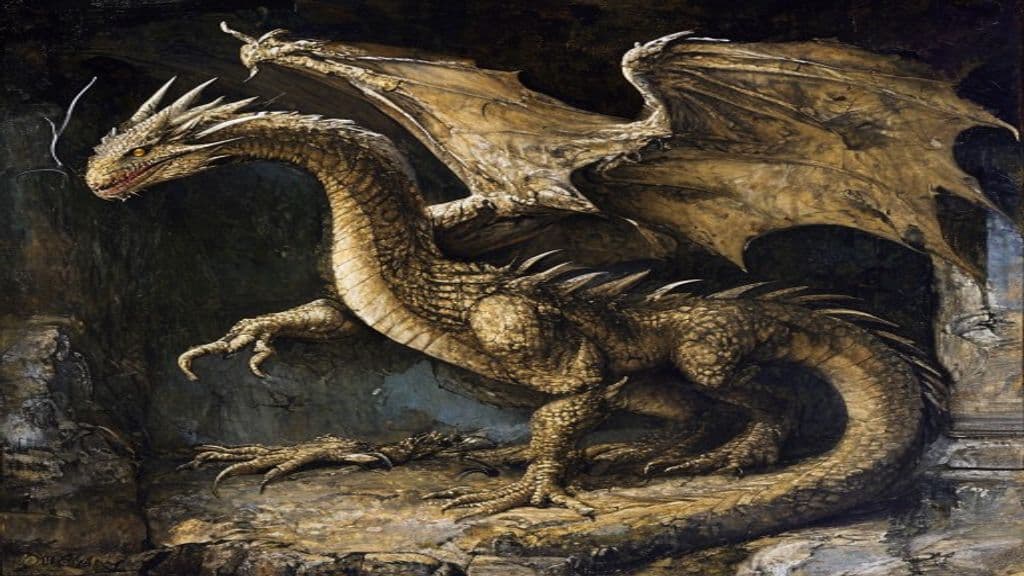
A legendary reptilian monster from overlapping European folkloric and mythological traditions, combining classical Graeco‑Roman serpents, Near Eastern dragon‑forms, and medieval popular imaginings; commonly depicted as a large, often winged, lizardlike creature that hoards treasure and opposes heroes.

Euryalus
Lesser

Euryalus

Euryalus (Ancient Greek: Εὐρύαλος, Eurýalos, lit. 'broad') is a conventional Ancient Greek proper name borne by multiple mortal characters in Greek and Roman epic (heroes, warriors, suitors, sons), used as a place-name for the principal citadel of Syracuse, and attested as a surname/epithet of Apollo. The name does not denote a single supernatural taxon but labels distinct literary and topographical referents across classical sources.

Eurycleia of Ithaca
Lesser

Eurycleia of Ithaca

Eurycleia is the aged wet-nurse and long-serving household attendant of Odysseus in the Homeric tradition. Portrayed as a loyal, discreet domestic servant, she functions as caretaker, keeper of household secrets, and intermediary within Odysseus's oikos on Ithaca rather than as a supernatural being.

Eurydice of Mycenae
Lesser

Eurydice of Mycenae

Eurydice appears in Greek tradition in at least two distinct roles: as a daughter of Pelops who marries Electryon and becomes mother of Alcmena (linking her to the Heracles genealogies), and as the nymph or wife of Orpheus whose death by snakebite triggers Orpheus's descent into the Underworld. She is treated in sources as a mortal or semi-divine narrative figure rather than an independent cultic deity or recurring supernatural antagonist.

Eurydice of Thebes
Lesser

Eurydice of Thebes

Eurydice of Thebes is a mortal royal figure in the Greek Theban mythic cycle, identified in the provided sources as the wife of Creon, king of Thebes. She is attested in modern summaries of mythic genealogies and in a recorded performance cast list for Sophocles' Antigone; the supplied materials treat her as a human character within tragic narratives rather than as a supernatural being.

Eurymachus
Lesser

Eurymachus

Eurymachus (Ancient Greek Εὐρύμαχος) is a personal name borne by multiple human figures in Greek myth and history. The best-known bearer is Eurymachus son of Polybus, a principal suitor of Penelope in Homer's Odyssey, who speaks for the suitors and is killed when Odysseus reclaims his household; other bearers include various warriors, princes, and a historical Theban soldier.

Eurymede
Lesser

Eurymede

Eurymede (Ancient Greek Εὐρυμήδη / Εὐρυμέδη, romanized Eurumēdē / Eurymēdē) is a personal name borne by mortal women in Greek mythic genealogies. In the sources provided she appears as a human matron or princess whose familial relationships connect her to heroes (notably Bellerophon) or to the daughters of Oeneus (the Meleagrides).

Eurymedon
Lesser

Eurymedon

Eurymedon is a Greek personal and place-name appearing across mythic genealogies and as a toponym (notably a river in Pamphylia). The name labels several minor mythic figures in classical sources and later summaries; it does not denote a single, consistent supernatural entity with a distinct cult or set of rituals in the provided materials.